Top 20 Castles around Hürtgenwald
Best castles around Hürtgenwald are found in the Eifel hills of North Rhine-Westphalia, Germany, a region rich in historical sites. This area features several historical castles and castle sites that provide insight into centuries of history. The landscape offers picturesque views and unique cultural experiences, making it a notable destination for exploring historical architecture.
Best castles around Hürtgenwald
- The most popular castles is View of Hengebach Castle, a viewpoint offering views of a medieval castle first mentioned in 1106.…
Last updated: October 9, 2026
View of Hengebach Castle
Highlight • Viewpoint
The castle was first mentioned in 1106 as the property of the lords of Hengebach. The castle later fell to the Count of Jülich. …
Translated by Google •
Tip by

View of Nideggen Castle
Highlight • Viewpoint
Translated by Google •
Tip by

Sign up now to discover places like this
Get recommendations on the best single tracks, peaks, & plenty of other exciting outdoor places.
Laufenburg Castle
Highlight • Castle
Translated by Google •
Tip by

Nideggen Old Town
Highlight (Segment) • Settlement
Translated by Google •
Tip by

Stolberg Old Town
Highlight • Historical Site
Showing Translation
Tip by

Sign up for free to discover even more castles around Hürtgenwald.
Already have an account?
Start today with a free account
Your next adventure awaits.
Popular around Hürtgenwald
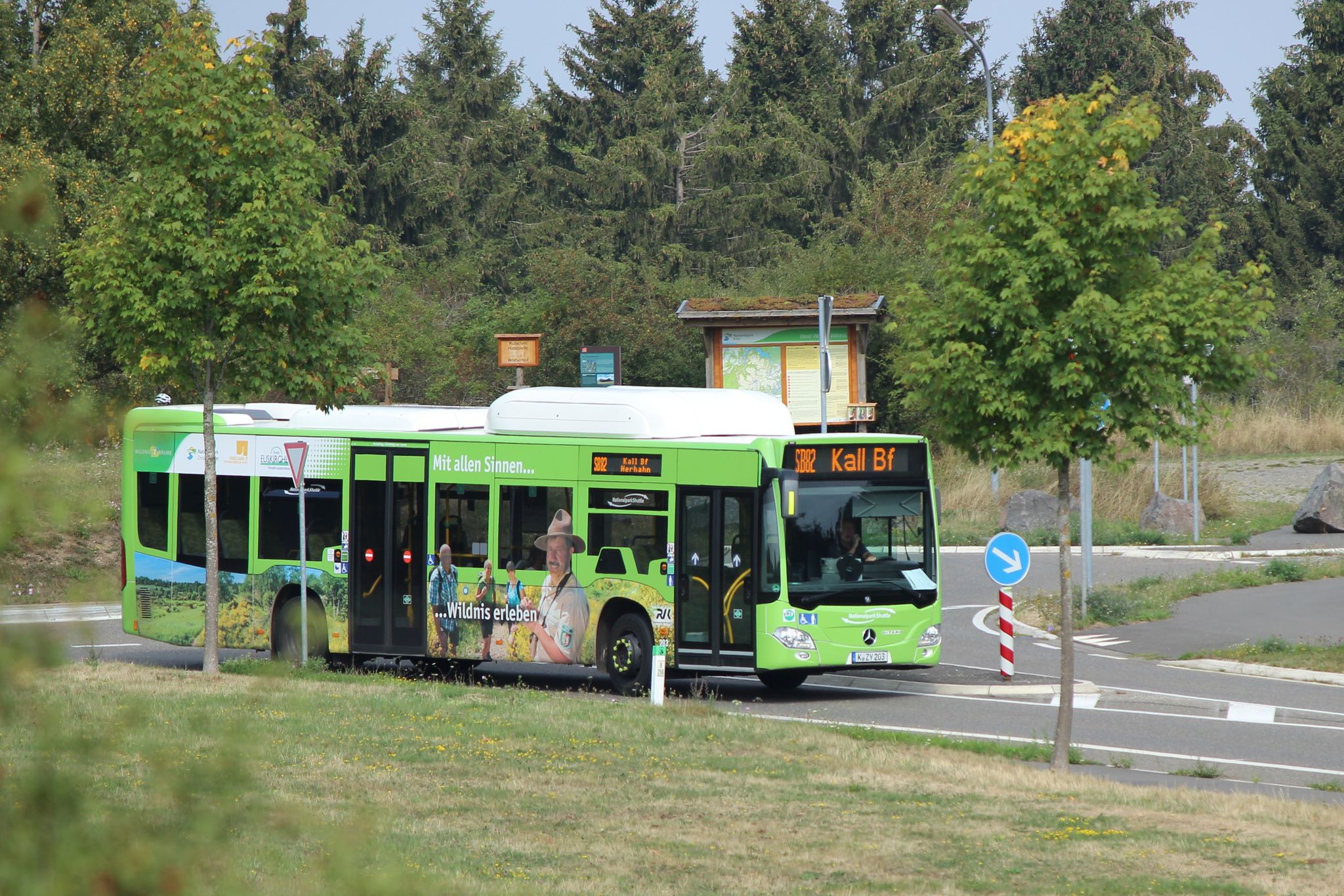
Next stop: Wilderness! – Germany’s Eifel National Park by public transport
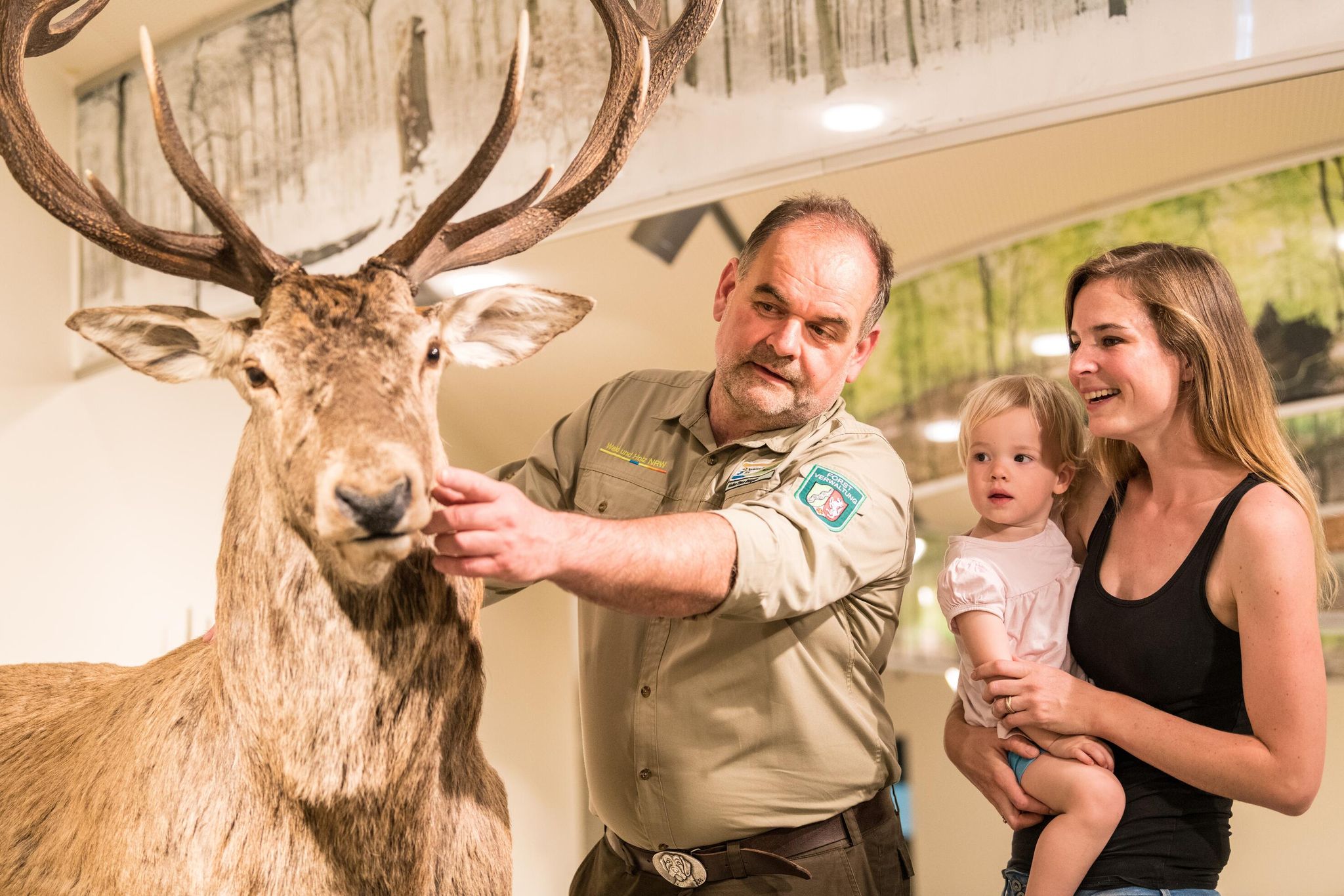
Eifel National Park information centres and facilities
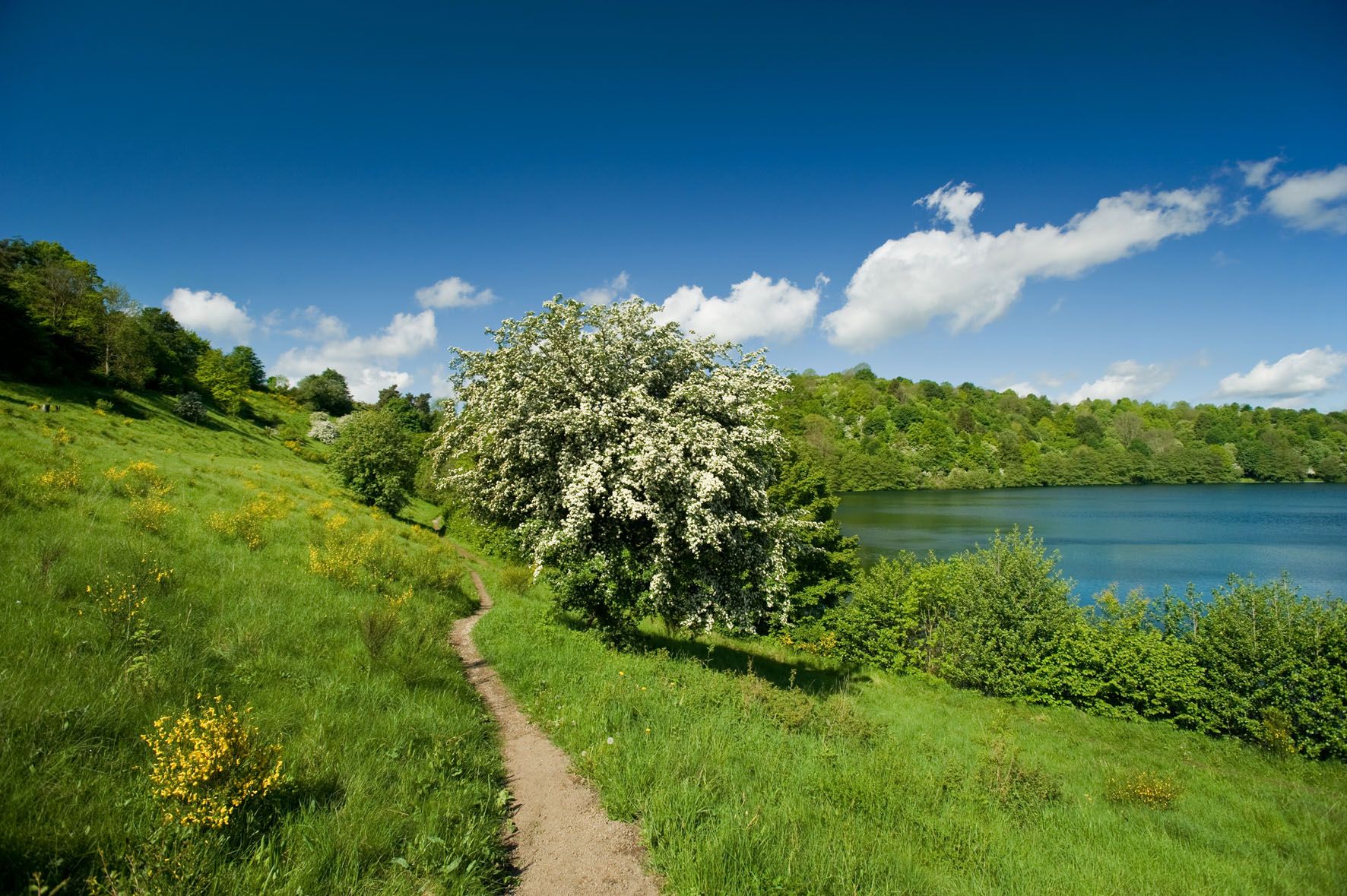
A long trail weekend in the Northern Eifel
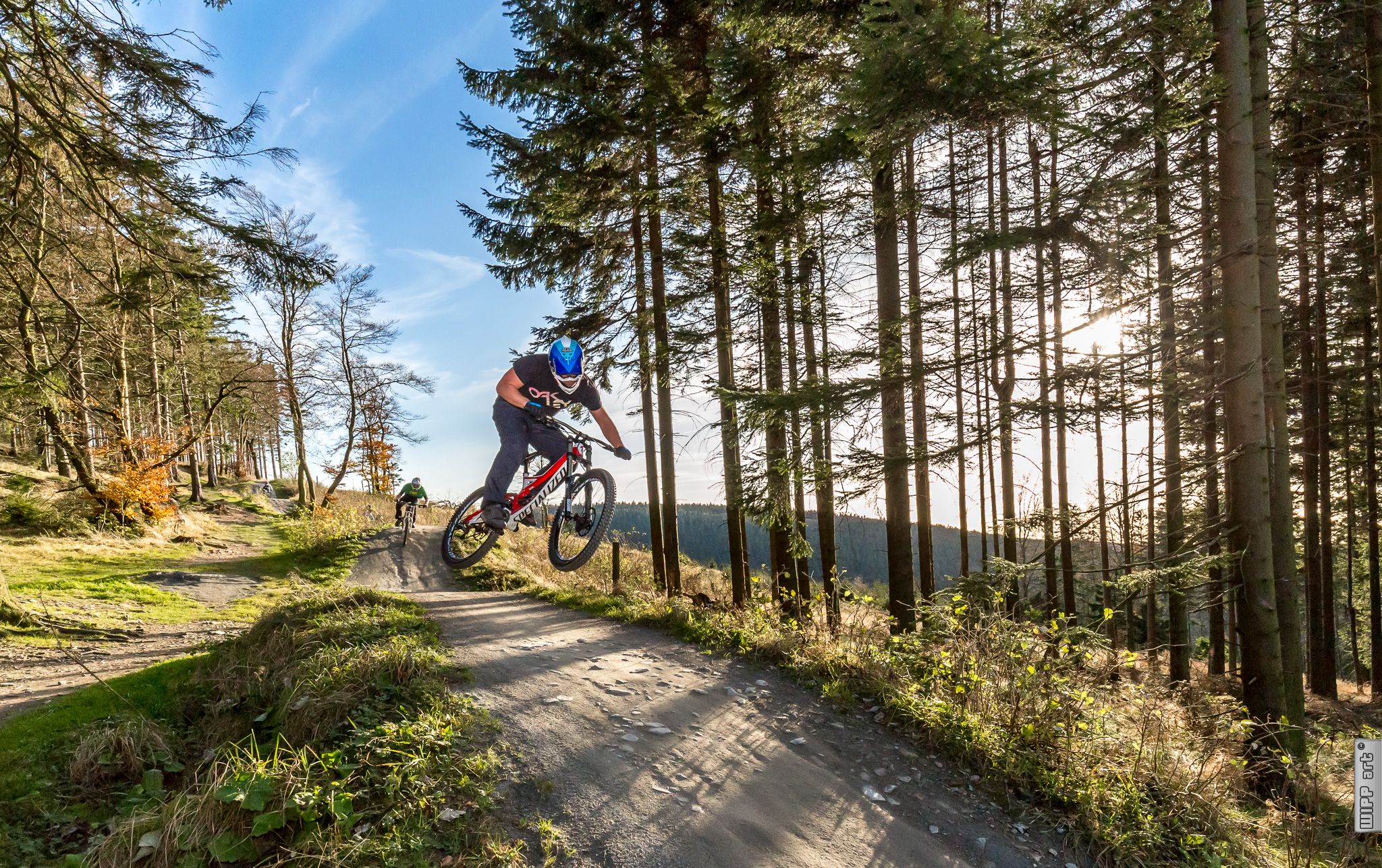
Bike parks in Western Germany
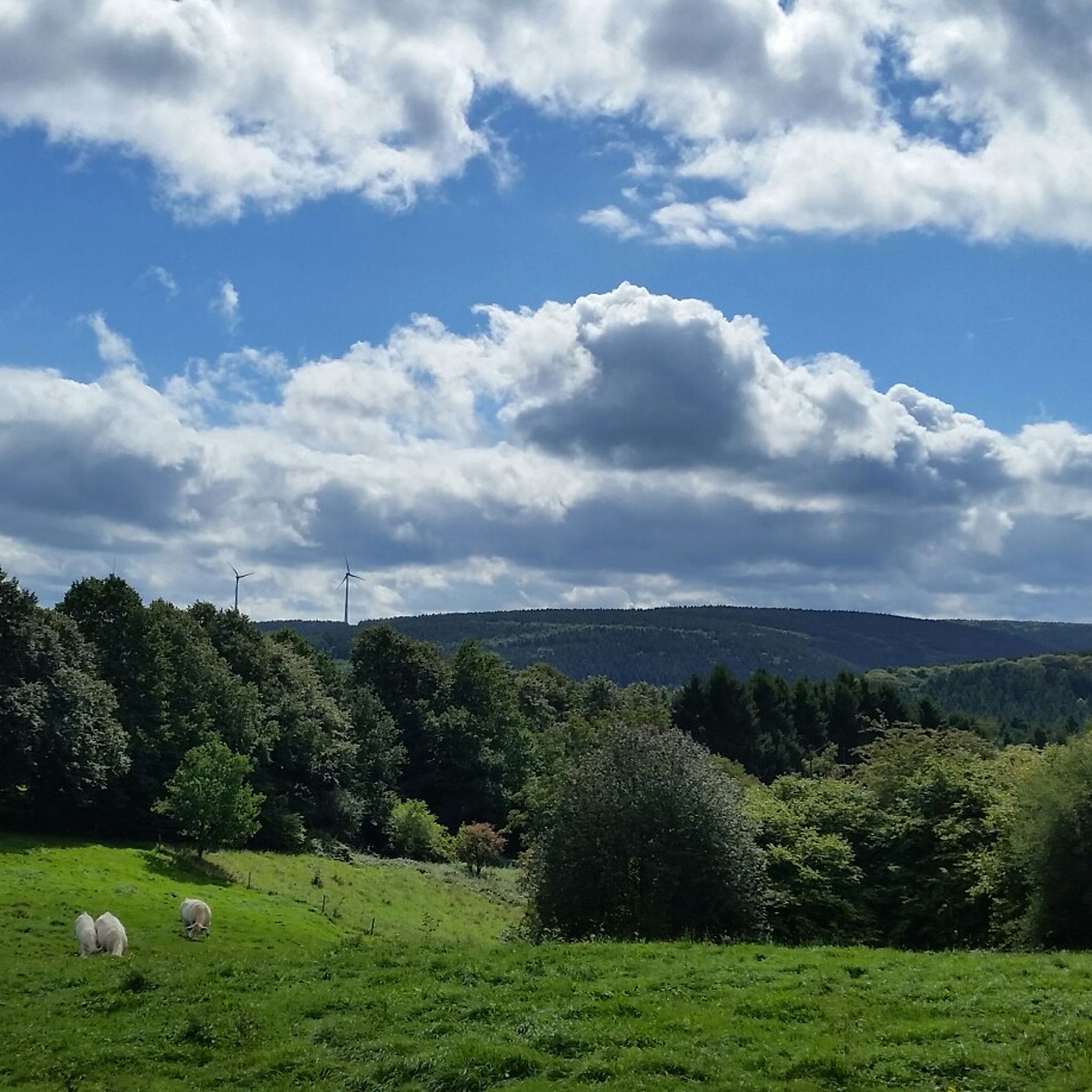
Hiking around Hürtgenwald
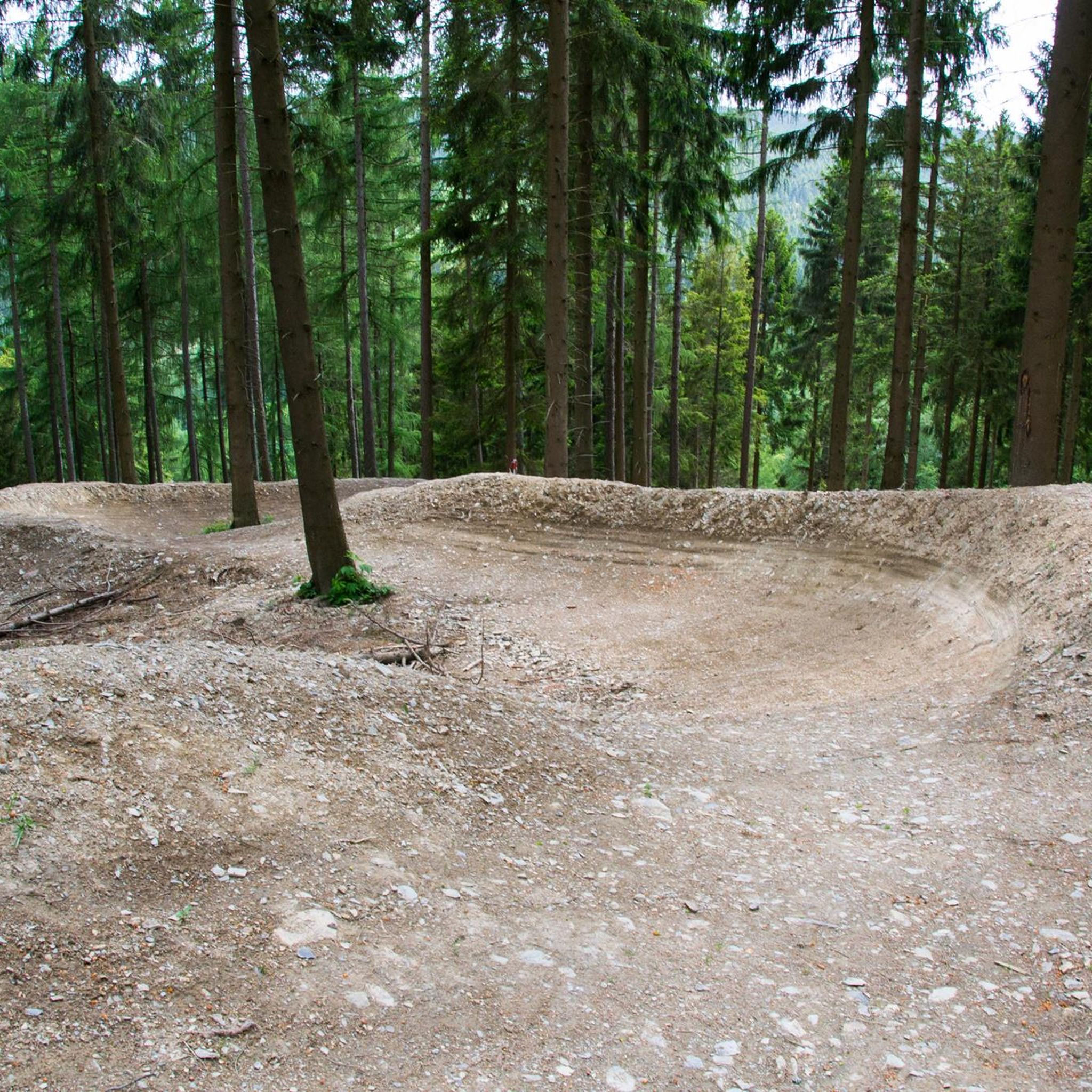
MTB Trails around Hürtgenwald
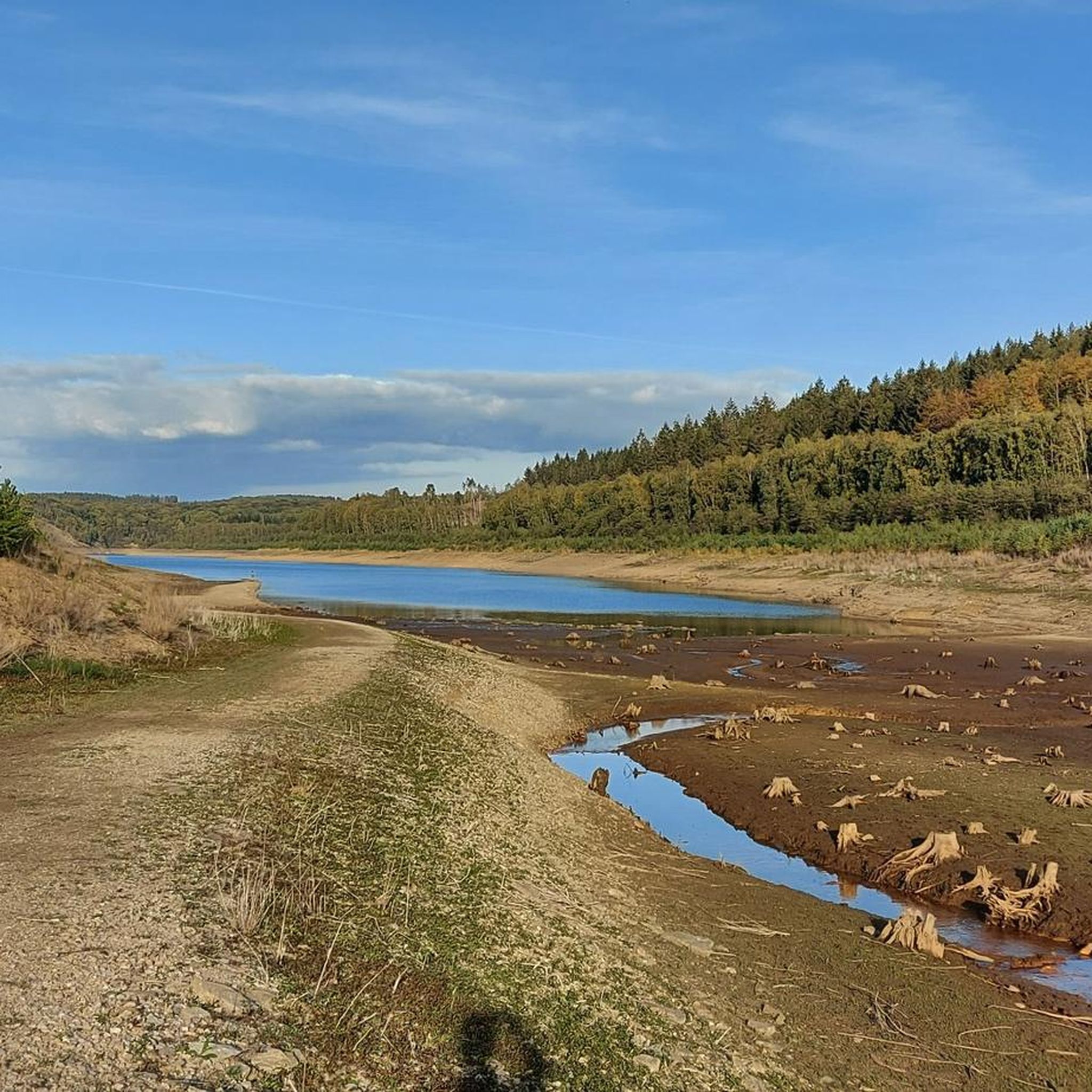
Cycling around Hürtgenwald
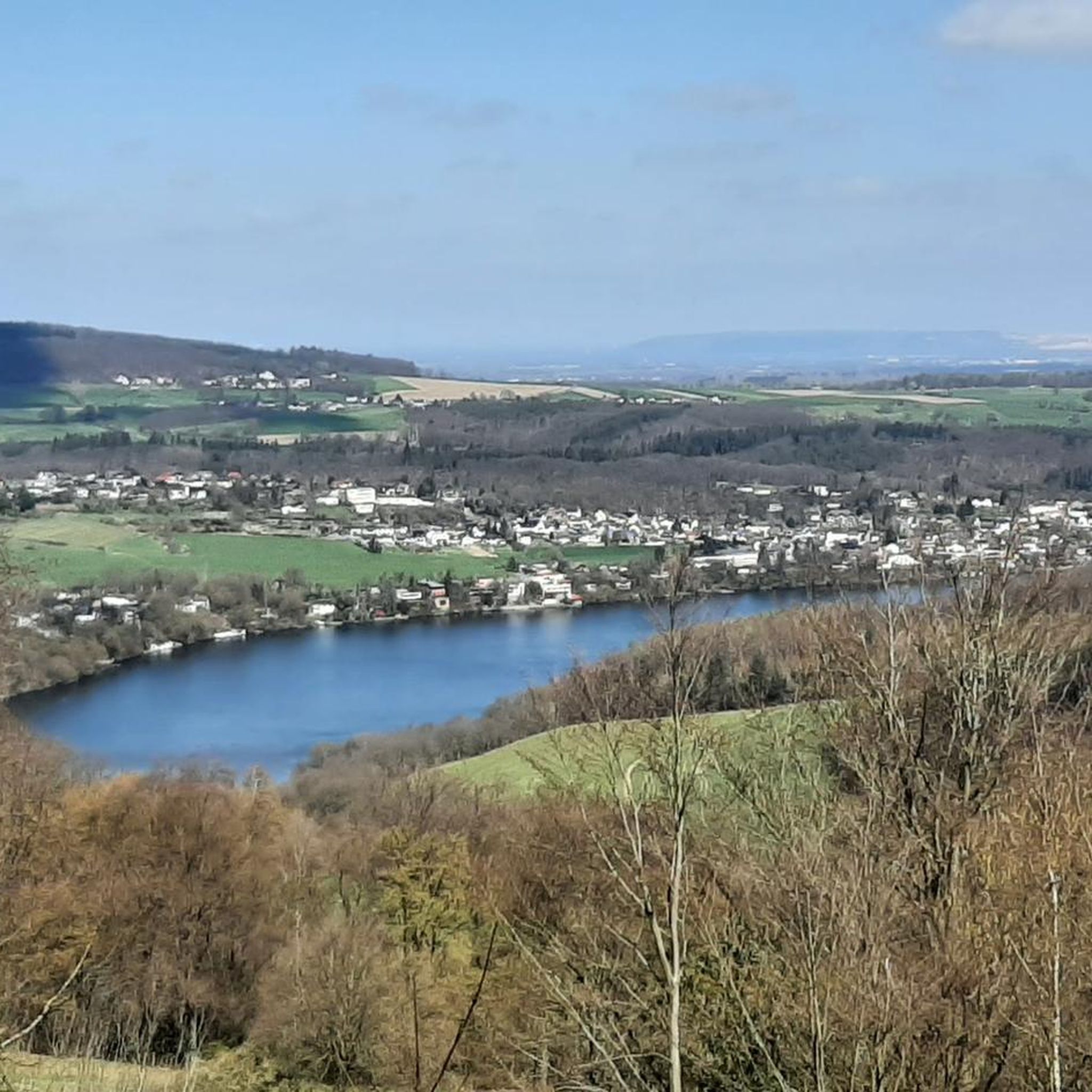
Running Trails around Hürtgenwald
Road Cycling Routes around Hürtgenwald
Gravel biking around Hürtgenwald
Other adventures around Hürtgenwald


Tips from the Community

The small squares and alleys of the old town are picturesque.
16
0

Very beautiful view over the valley of the Nideggener Bach, to the other side with the village of Nideggen and the castle situated on the mountain spur.
3
0
Very beautiful view from the Riesentor viewpoint over the valley of the Nideggener Bach, to the other side with the village of Nideggen and the castle located on the mountain spur.
3
0
The Laufenburg was built in the 12th century by the Dukes of Limburg. Since the 17th century it has only existed as a ruin. In 1895 the battlements of the round corner towers were renewed. The current restaurant is closed on Mondays.
12
0
Small winding alleys with houses made of local limestone and carved bluestone on doors, windows, and wall edges greet you on a walk through the old town of Stolberg. While strolling, you can take your time to admire the traditional house facades and notice that, despite the long development history of the old town and its industrial character, a homogeneous appearance has emerged. You walk through Burgstraße, Schartstraße, Klatterstraße, and Enkerestraße, which were the main streets until the end of the 19th century. Arriving at Klatterstraße, you stand before the oldest preserved half-timbered house from 1529. Next to it is the house numbered 12 from the 18th century, which used to be a brewery. In its cellars, there was a water channel (moat) from the fortification that cooled the beer. Your walk finally ends at the castle rock, showing you Stolberg's landmark, the defiant medieval castle from the 12th century. It towers on a limestone rock above the old town of Stolberg and looks back on a 500-year construction history. You can visit the castle on a guided tour lasting about 1.5 hours to get a better impression of the building and its history. Last but not least, you can admire the copper courtyards in the valley axis near the Vichtbach stream. These early modern courtyard complexes are another characteristic feature of the town. However, you will not encounter uniform buildings, but rather very individual courtyards. In the pre-industrial residential and commercial complexes are copper courtyards that resemble palaces or are reminiscent of simple workshops. You should allow enough time for a visit to the old town, the castle, and the copper courtyards, so that you can visit everything at a relaxed pace. Source: https://www.eifel.info/a-historischer-altstadtkern
6
0

Stolberg's Old Town is one of the historic town centers of North Rhine-Westphalia and part of Oberstolberg in the copper town of Stolberg in the Aachen metropolitan region. The old town dates back to the city's origins and, together with Stolberg Castle, forms Stolberg's historic town center. The oldest streets and alleys are located near the castle. Several half-timbered houses in the late Gothic style have been preserved; the area is dominated by historic quarry stone houses made of dolomite limestone, whose window and door frames, corner blocks, and other supporting and decorative elements are made of bluestone. Over 100 buildings are listed as historical monuments, and numerous sculptures can be found here. Stolberg's oldest copper courtyards are also located here. The castle stands on a limestone rock. It dates back to the 15th century; a predecessor building dates back to the 12th century.
6
0

The description at the very end of the comments tells the basics about the castle.
6
0

Seen from several sides during the walk
9
0
Frequently Asked Questions
What types of castles can I explore around Hürtgenwald?
The Hürtgenwald region offers a diverse range of historical sites, from well-preserved knight's castles to significant castle ruins and even unique 'bourgeois castles'. You can visit sites like Laufenburg Castle, a beautifully restored 12th-century knight's castle, or explore the ruins of Nideggen Castle, which houses a museum. There's also Burg Simonskall, a distinctive castle built by a master smelter rather than nobility, offering a different historical perspective.
Are there any historical sites in Hürtgenwald that aren't traditional castles?
Yes, the Burgberg (Castle Hill) near Bergstein in Hürtgenwald is a historically significant site. While the Imperial Castle Berenstein no longer stands, the hill is home to the Krawutschketurm, an observation tower offering panoramic views. This area also holds remnants of World War II bunkers, adding another layer of historical interest.
What outdoor activities can I do near the castles in Hürtgenwald?
The region around Hürtgenwald is excellent for outdoor enthusiasts. You can find numerous hiking, cycling, and mountain biking trails. For example, there are routes like the 'View of Hengebach Castle – Rursee Loop Trail' for cycling, or the 'Kall Reservoir – Kaiserfelsen (Emperor Rock) loop' for mountain biking. You can explore more options in the MTB Trails around Hürtgenwald, Cycling around Hürtgenwald, and Gravel biking around Hürtgenwald guides.
Are there family-friendly castles to visit near Hürtgenwald?
Many castles in the region offer family-friendly experiences. View of Hengebach Castle, Laufenburg Castle, and Heimbach Castle are all categorized as family-friendly. These sites often provide engaging historical contexts and beautiful grounds for families to explore together.
Which castles offer the best views of the surrounding landscape?
For impressive panoramic views, visit the View of Hengebach Castle, which overlooks Heimbach and the Rur valley. The View of Nideggen Castle also provides numerous vantage points of the 12th-century hill castle and the Rur Valley. Additionally, the Krawutschketurm on Burgberg near Bergstein offers 360-degree views over the Rur valley and the Eifel.
Can I find food and accommodation near the castles?
Yes, several castles and nearby towns offer dining and lodging options. Laufenburg Castle, for instance, features a traditional restaurant. The town of Heimbach, near Hengebach Castle, has small cafes, restaurants, and shops. Nideggen and Stolberg also provide various options for dining and accommodation.
What is the historical significance of Nideggen Castle?
Nideggen Castle, a 12th-century hill castle, was once a formidable stronghold and the seat of the powerful Counts of Jülich. Reputed to be impregnable in the Middle Ages, its ruins are a significant symbol of the town. The castle's keep now houses a museum that offers insights into medieval castle life, chivalry, and regional history.
Is there a castle that has been repurposed for cultural use?
Yes, Burg Hengebach (Heimbach Castle) has been lovingly restored and, since 2009, has housed the International Art Academy Heimbach/Eifel. Stolberg Castle also serves as a cultural hub, hosting events and housing a restaurant and a home and crafts museum.
What do visitors enjoy most about the castles around Hürtgenwald?
Visitors frequently appreciate the historical depth and the stunning natural beauty surrounding the castles. Many enjoy the panoramic views from sites like Hengebach and Nideggen, the well-preserved architecture of places like Laufenburg, and the opportunity to combine castle visits with hiking in the scenic Eifel landscape. The komoot community has shared over 1100 photos and given more than 2200 upvotes to these highlights.
Are there any castles that are easily accessible for a break during a hike?
Absolutely. Laufenburg Castle is easily reachable via a gravel path from a nearby hiking car park and features a restaurant, making it an ideal stop for hikers. The keep, courtyard rooms, and battlements of Burg Hengebach are also freely accessible year-round, perfect for a historical detour during your outdoor adventures.
What is unique about Burg Simonskall?
Burg Simonskall, also known as Kremer-Hof, is unique because it was built in 1643 by a master smelter, Simon Kremer, rather than by nobility. This 'bourgeois castle' served as a fortified residential and economic complex, offering protection to its inhabitants. It provides a different perspective on castle history compared to the grander noble strongholds.
Can I find castles with architectural elements from different periods?
Stolberg Castle is a great example, having undergone several transformations and expansions over the centuries. It incorporates late medieval, Renaissance, and Baroque architectural elements, showcasing a rich history of design and reconstruction.
Most popular routes around Hürtgenwald
Most popular attractions around Hürtgenwald

Get inspired with the komoot mobile app


Explore more
Looking for the best castles somewhere else? Discover other guides around Hürtgenwald:
