Top 4 Mountain Passes around Calheta
Best mountain passes around Calheta are found in a region characterized by diverse mountainous landscapes, including plateaus, deep valleys, and coastal views. The area features extensive forests, particularly the ancient Laurissilva forest, which is a UNESCO World Heritage Site. Elevated regions offer panoramic vistas of both the north and south coastlines of the island. This geography provides varied terrain for outdoor activities.
Best mountain passes around Calheta
- The most popular mountain passes is Boca das Torrinhas, a mountain pass…
Last updated: June 26, 2026
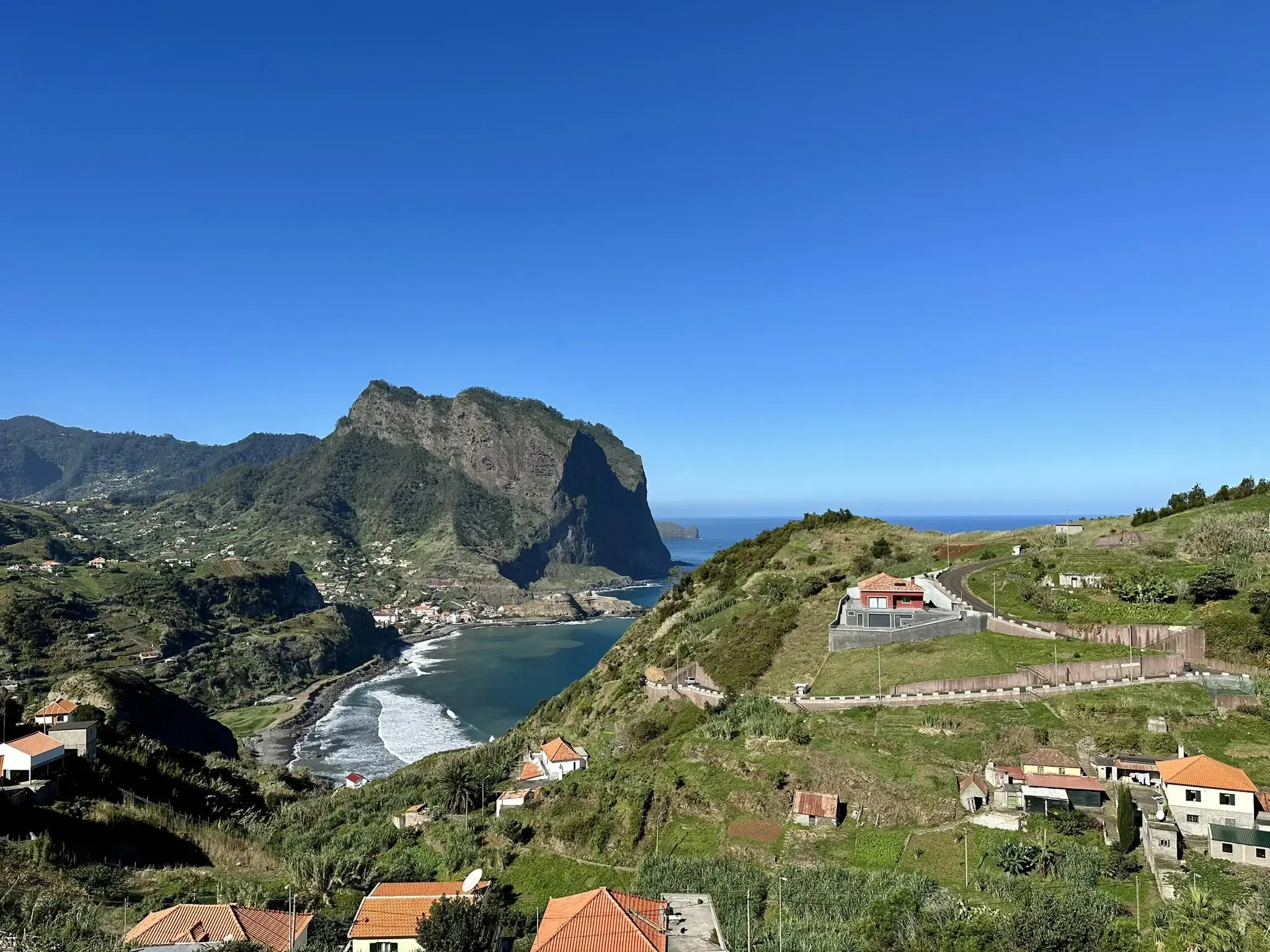
View of São Vicente and Ribeira Brava
Highlight • Viewpoint
Translated by Google •
Tip by

Boca das Torrinhas
Highlight • Mountain Pass
Translated by Google •
Tip by

Sign up now to discover places like this
Get recommendations on the best single tracks, peaks, & plenty of other exciting outdoor places.
Sign up for free
View of Boca do Encumeada Pass
Highlight • Viewpoint
Translated by Google •
Tip by

View of Esel Sattel
Highlight • Viewpoint
Translated by Google •
Tip by

West Madeira Ridge
Highlight (Segment) • Mountain Pass
Tip by

Start today with a free account
Your next adventure awaits.
Login or Signup
Other adventures around Calheta

Tips from the Community

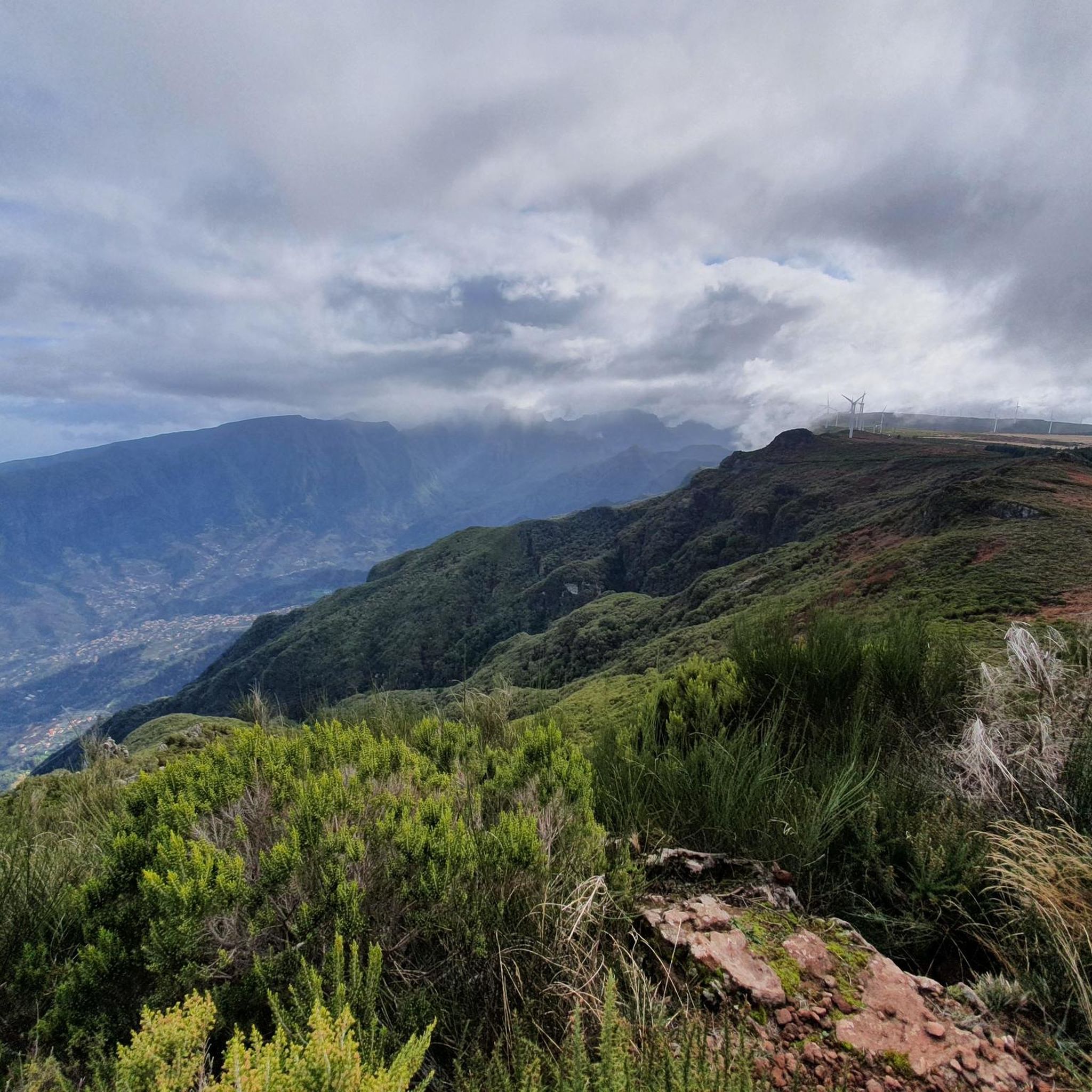
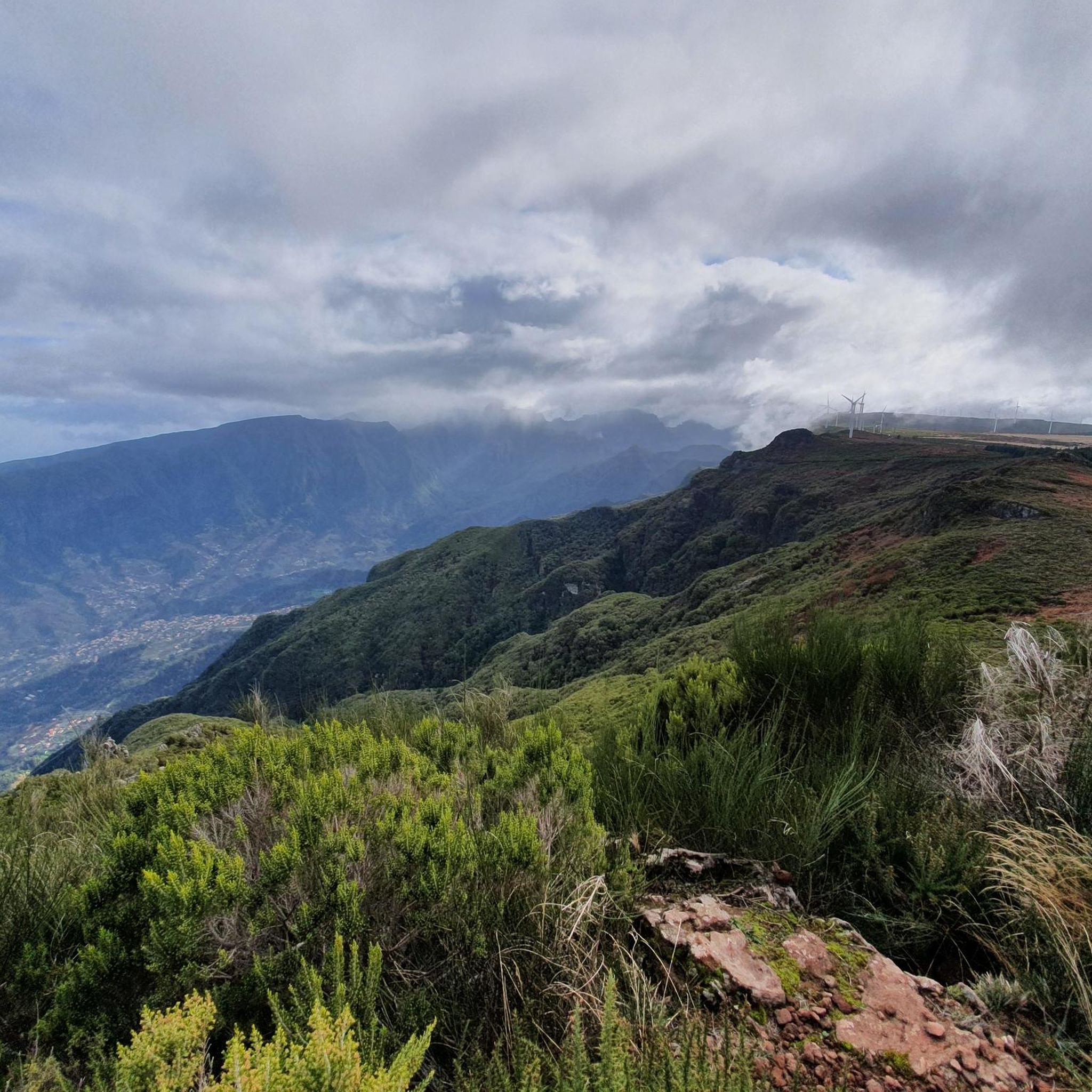
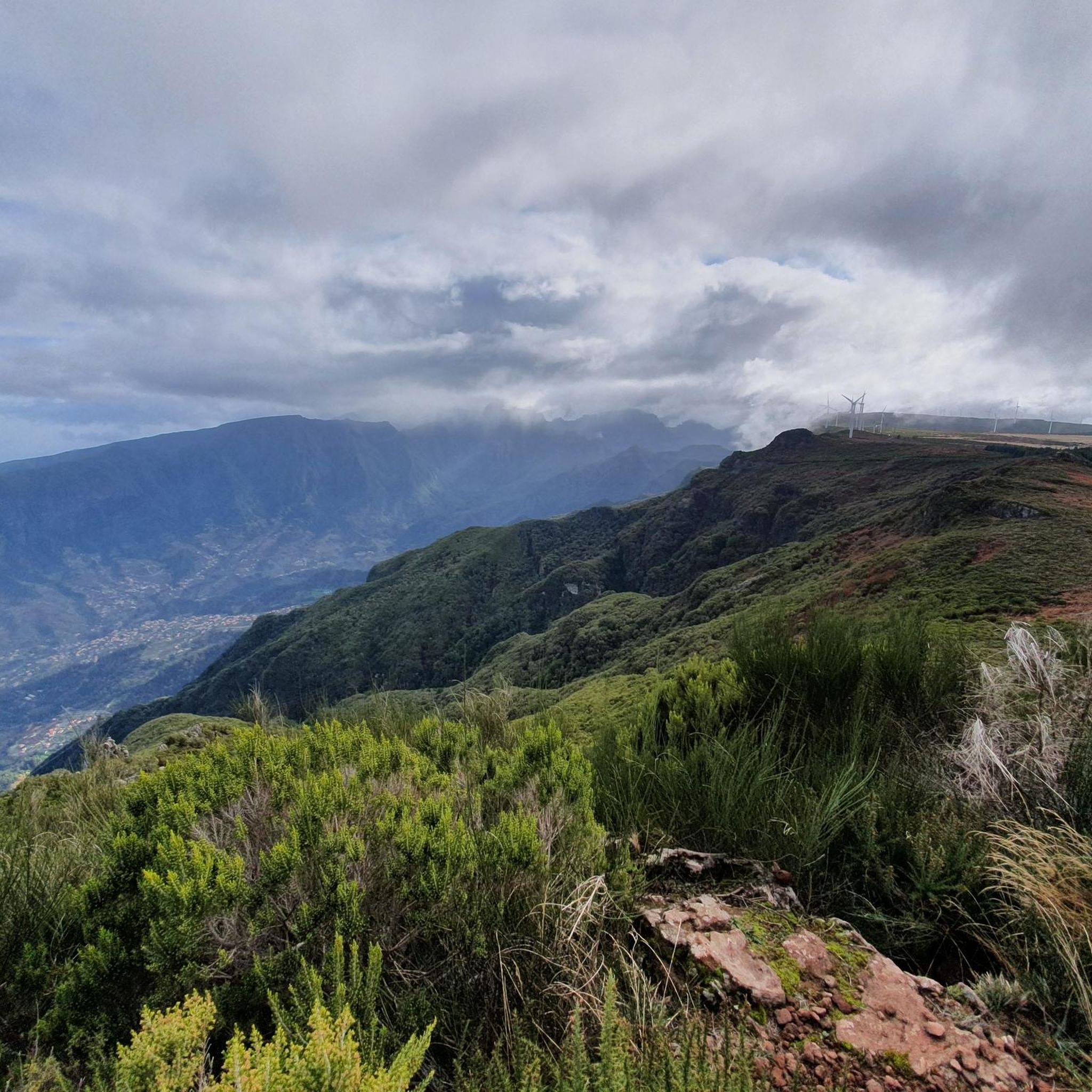
Best view of the highest mountains, Ruivo, Torres and Arieiro on the Gradweg over Curral das Freiras and the neighboring valley towards Encumeada
0
0


Here you can descend in two different directions.
0
0

The Torrinhas pass marks a key point of the ascent that leads to Pico Ruivo. From this point you leave the forest by a path that juggles on a ridge, along majestic cliffs.
0
0

Nice view of the Encumeada Pass
1
0
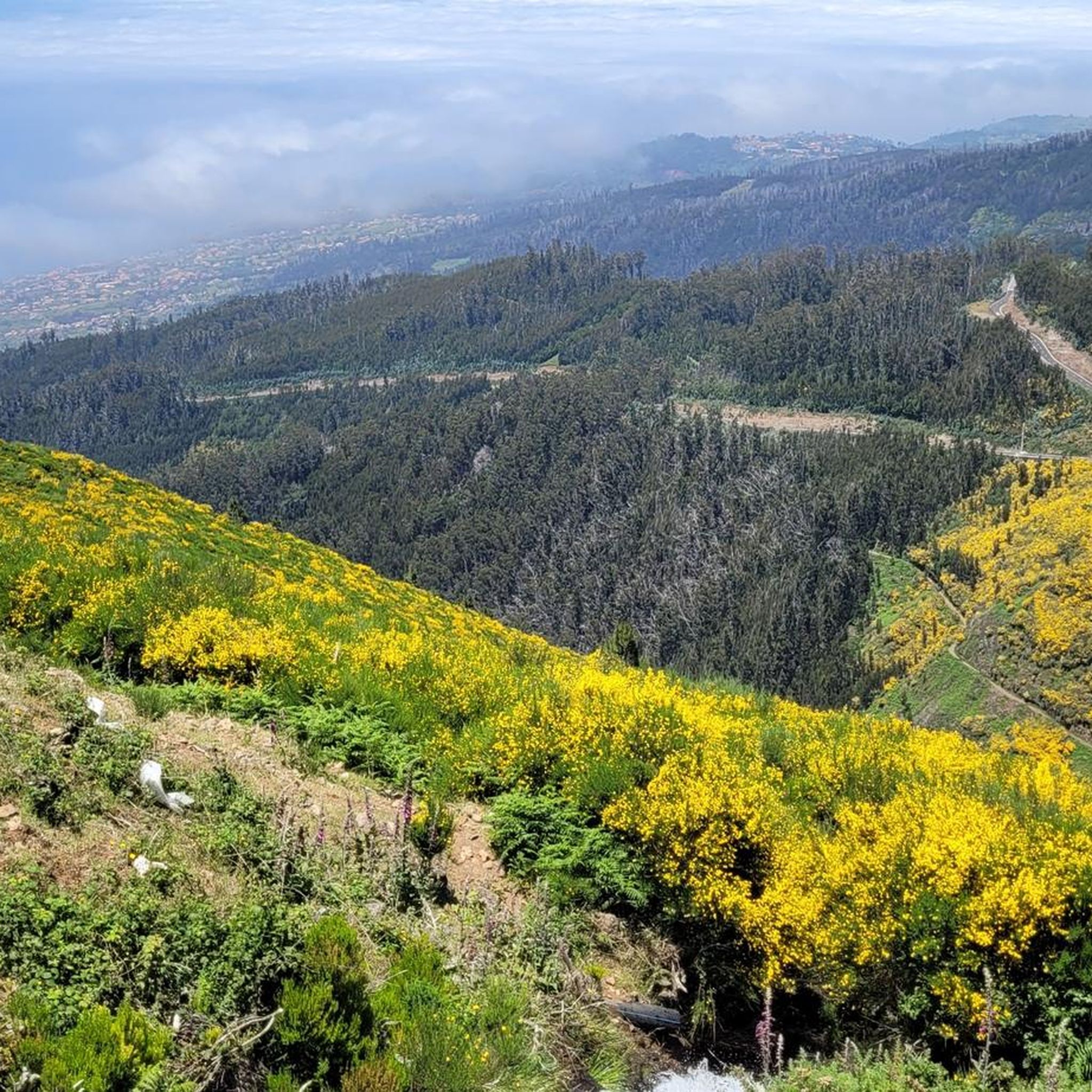
From up here you have a beautiful view over the saddle overgrown with gorse
2
0

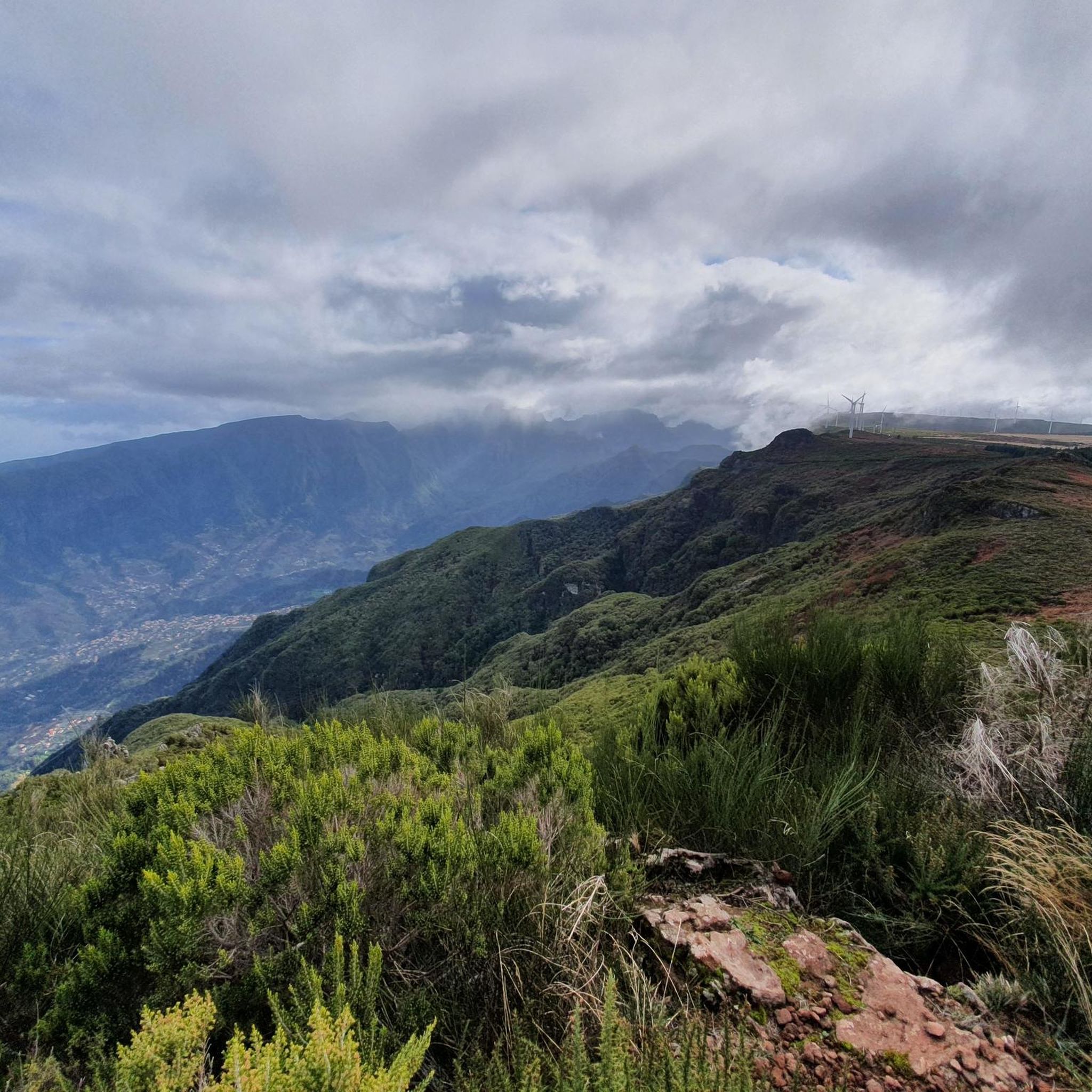
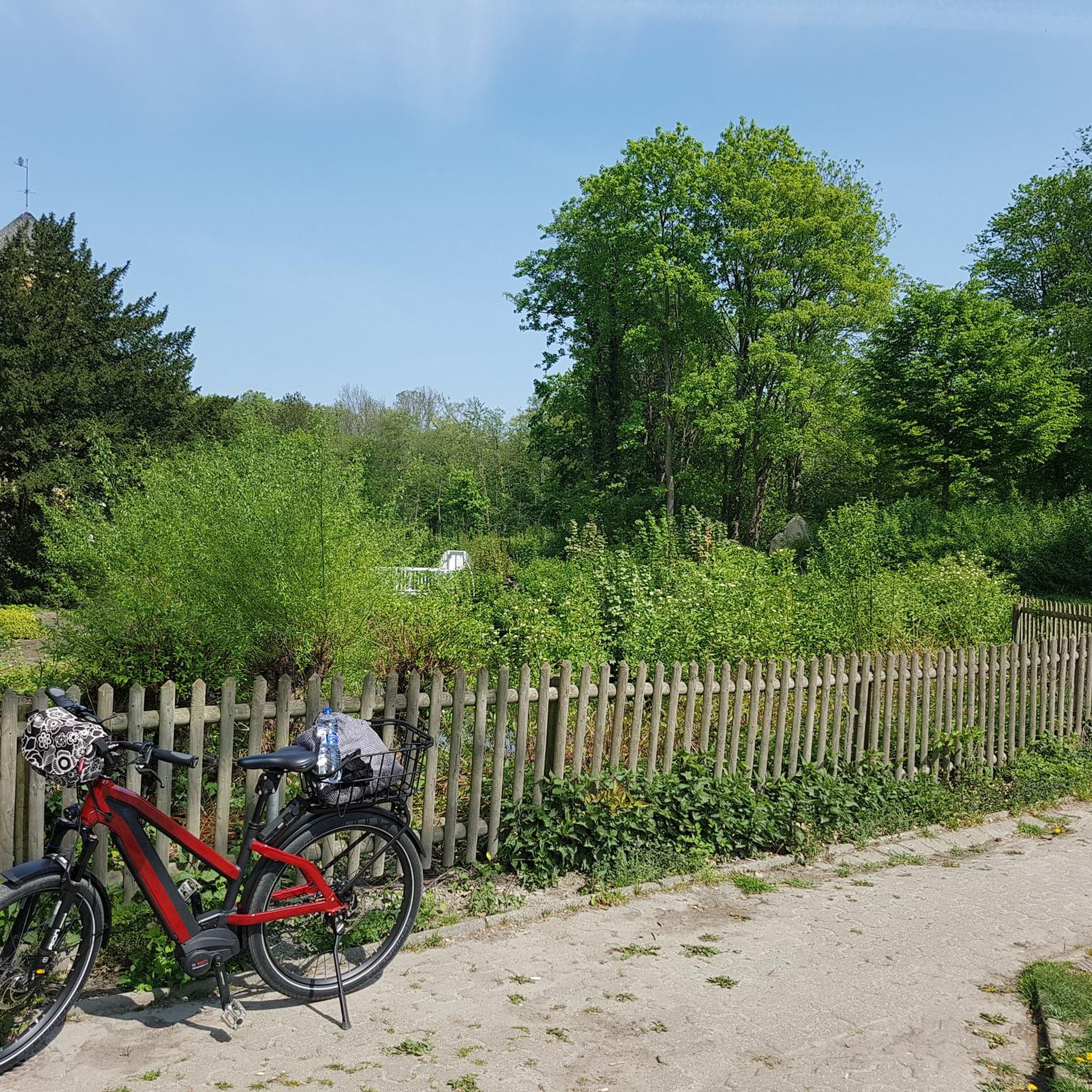
It rolls really well on the high plateau.
0
0
Frequently Asked Questions
What kind of views can I expect from the mountain passes around Calheta?
The mountain passes around Calheta, particularly in Madeira, offer spectacular panoramic views. From Boca da Encumeada Pass, you can often see both the north and south coastlines of the island on clear days. Other viewpoints like View of Esel Sattel provide stunning vistas of Madeira's highest mountains, including Pico Ruivo, Torres, and Arieiro. The Boca das Torrinhas highlight also offers majestic cliff views as you ascend towards Pico Ruivo.
Are there opportunities for cycling on the mountain passes near Calheta?
Yes, there are cycling opportunities, though the hilly terrain of Madeira means they can be challenging. The West Madeira Ridge is noted for its spectacular views and relatively low traffic, making it a rewarding ride. For more cycling routes in the area, you can explore the Cycling around Calheta guide, which includes routes like the one from Boca da Encumeada to Fonte do Bispo.
What natural features are prominent in the mountain pass areas?
The mountain pass areas around Calheta are rich in natural beauty. You'll find lush Laurisilva forests, a UNESCO World Heritage site, particularly around Boca da Encumeada Pass and the Rabaçal area. The Paúl da Serra plateau, Madeira's largest, features vast grasslands, heather, and ferns. The region is also known for its numerous waterfalls, cascades, and lagoons, especially along the popular Levada das 25 Fontes and Levada do Risco trails.
What kind of hiking trails are available near these mountain passes?
The mountain passes serve as excellent starting points for various hiking trails. From Boca da Encumeada Pass, you can access trails like the Vereda da Encumeada, which traverses through the Laurisilva forest. The Rabaçal area, situated within the Paúl da Serra plateau, is famous for its levada walks, including the popular Levada das 25 Fontes and Levada do Risco. For more options, check out the Running Trails around Calheta and Easy hikes around Calheta guides.
Are there any easy or family-friendly mountain pass experiences near Calheta?
While many mountain passes involve intermediate difficulty, the broader Calheta region offers easier options. The Paúl da Serra plateau, with its relatively flat and undulating plains, provides a more accessible landscape for walks compared to the island's steeper terrain. For specific easy hiking routes, you can refer to the Easy hikes around Calheta guide, which lists trails like the Levada do Alecrim.
What is the best time to visit the mountain passes around Calheta?
The mountain passes in Madeira can be visited year-round, but the best time for clear views and pleasant hiking conditions is typically during the spring (April to June) and autumn (September to November). During these periods, the weather is generally milder, and there's a higher chance of clear skies. However, weather conditions can change rapidly at higher altitudes, so it's always advisable to check the forecast before heading out.
What makes the Paúl da Serra plateau unique?
The Paúl da Serra plateau is unique as Madeira's largest and most extensive plateau, located at an average altitude of approximately 1,500 meters. Unlike much of Madeira's steep landscape, it features relatively flat, undulating plains covered in grasslands, heather, and ferns. It's known for its panoramic views across both the north and south coasts on clear days and the mystical 'sea of clouds' phenomenon during foggy conditions. It's also a crucial area for groundwater recharge and hosts wind farms.
Can I find any historical or cultural sites near the mountain passes?
While the mountain passes themselves are primarily natural features, the broader region of Calheta, especially in São Jorge (Azores), offers historical context. The Great Route of São Jorge, for instance, passes by historical sites including old stone walls and remnants of traditional water mills, offering a glimpse into the island's cultural heritage alongside its natural beauty.
What are the highlights for nature lovers in the mountain pass areas?
Nature lovers will appreciate the rich biodiversity, especially within the Laurisilva forest, a UNESCO World Heritage site, found around passes like Boca da Encumeada Pass and the Rabaçal area. The Rabaçal area is particularly abundant with waterfalls, cascades, and lagoons, and offers an immersive experience in Madeira's natural beauty with diverse endemic flora and fauna. The Paúl da Serra plateau also provides vast, open landscapes and unique plant life.
What kind of wildlife can I expect to see in these mountain regions?
The mountain regions, especially within the Laurisilva forest and areas like Rabaçal, are home to diverse endemic flora and fauna. While large mammals are not common, you might spot various bird species, including endemic Madeiran birds. The unique ecosystems support a variety of insects and smaller creatures adapted to the island's environment. The trails offer opportunities for bird watching and observing the unique biodiversity.
Most popular routes around Calheta
Most popular attractions around Calheta

Get inspired with the komoot mobile app


Explore more
See even more epic mountain passes by checking out these guides around Calheta:
