Attractions and Places To See around Pombalinho - Top 17
Attractions and places to see around Pombalinho include its location on the right bank of the Tagus River, providing views of the river and its fertile plains. The region is primarily characterized by its agricultural landscape and holds historical significance, with evidence of Roman antiquity. The village is also known for its local cultural events and its unique relationship with the Tagus River's periodic floods.
Best attractions and places to see around Pombalinho
- The most popular attractions is Ponte João…
Last updated: October 18, 2026
Ponte João Joaquim Isidro dos Reis
Highlight • Bridge
Translated by Google •
Tip by

The house of Jose Saramago
Highlight • Historical Site
Translated by Google •
Tip by
Sign up now to discover places like this
Get recommendations on the best single tracks, peaks, & plenty of other exciting outdoor places.
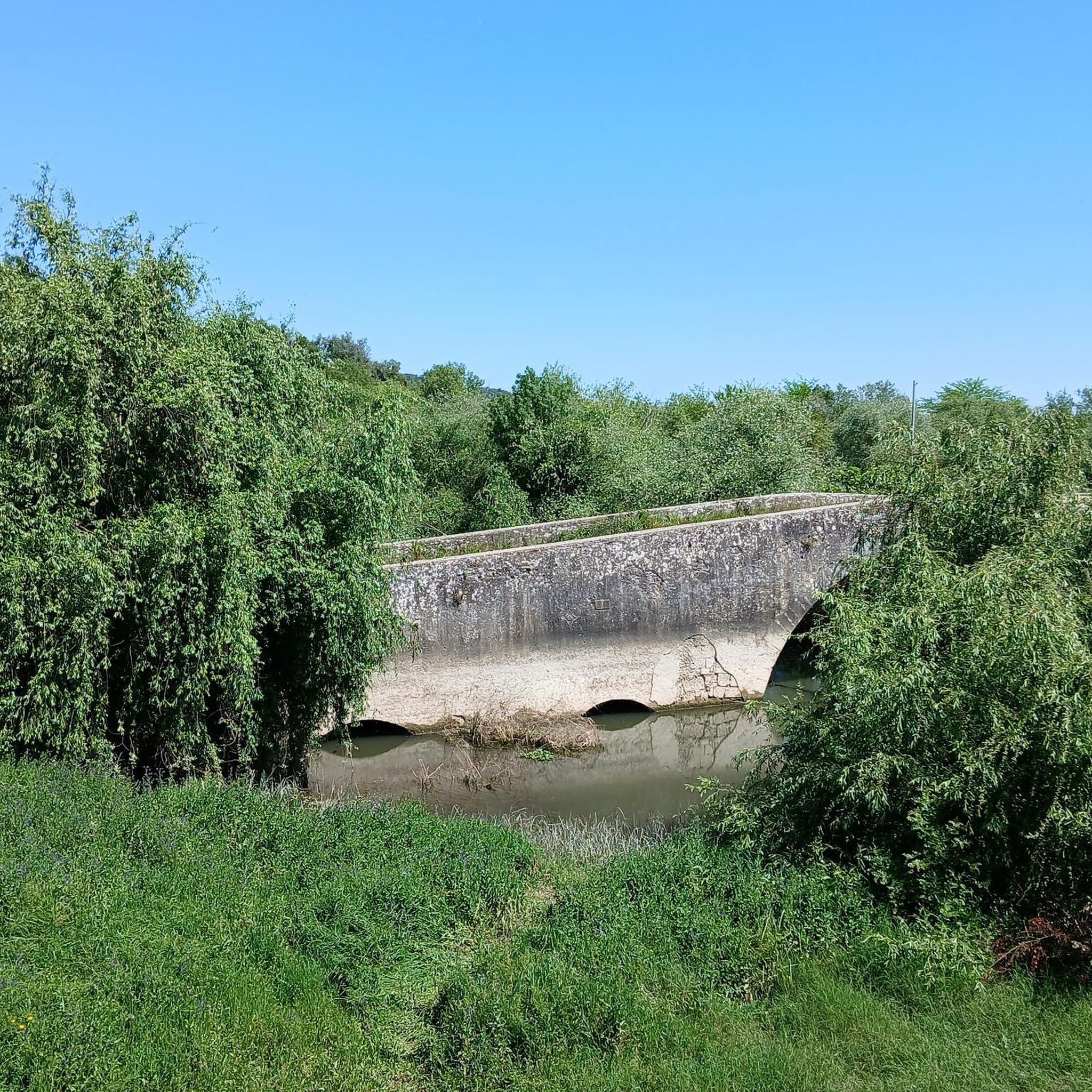
Roman Bridge of Reguengo do Alviela
Highlight • Bridge
The current road passes in front of the bridge.
Translated by Google •
Tip by
Pombalinho, land of floods
Highlight • Settlement
Translated by Google •
Tip by
Valdoce
Highlight • Cafe
Translated by Google •
Tip by
Sign up for free to discover even more attractions around Pombalinho.
Already have an account?
Start today with a free account
Your next adventure awaits.


Tips from the Community

The house where José Saramago was born is located in the village of Azinhaga, in the municipality of Golegã, district of Santarém, Portugal. The Azinhaga House Location: The house is located on Rua da Igreja, in Azinhaga, a typical village in Ribatejo, known for its landscape of fertile fields and its proximity to the Tagus River. Foundation: Currently, the childhood home houses the José Saramago Foundation Delegation in Azinhaga, a space of memory that recreates the environment of the writer's childhood and houses a library and an auditorium. Visits: The place is open to visitors who wish to learn about the roots of the only Nobel Prize winner in Literature in the Portuguese language. The Lanzarote House Although he was born in Azinhaga, the writer's most emblematic residence is "The House" in Tías, on the island of Lanzarote, Spain. It was there that he lived for much of his adult life, and where his vast personal library is located; today it functions as the José Saramago House-Museum and is open to the public.
2
0
Pombalinho is a town in the district of Santarém, Portugal, known for being frequently affected by floods. This reputation is due to its strategic location on the right bank of the Tagus River and near the Alviela stream, in a floodplain area. Why do floods occur? Proximity to the Tagus River: The main cause of the floods is the town's location near the Tagus Riverbed. During rainy winters, the river overflows and floods the surrounding areas, which are alluvial plains. Increased flow rates: Heavy rainfall in Portugal, along with discharges from upstream Spanish dams, cause a significant increase in water levels and flow rates of the Tagus, resulting in floods in the Lower Tagus. Affected communication routes: Floods frequently submerge local and national roads, such as the EN 365 at Ponte do Alviela, temporarily isolating Reguengo do Alviela and other neighboring towns. Impact and Local Resilience Historical Events: Pombalinho has a history of major floods, with notable events recorded in 1964 and 1979. Adaptation of Residents: Local residents accept, to some extent, these periodic floods as part of life in the region, although abnormally high floods cause damage and concern. Alert and Prevention: Civil protection authorities issue warnings to the population during critical periods, asking them to take the necessary actions to protect themselves, their families, and property.
2
0
The Roman Bridge of Reguengo (or Reguengo Bridge) is an ancient bridge, probably of medieval origin with a Roman base, located between the towns of Vale de Figueira and Pombalinho, in the district of Santarém, Portugal. It crosses the Ribeira do Alviela, a tributary of the Tagus River. About the Bridge Location: The bridge is situated in a rural area and access to it is via a road that passes in front of the site. State of conservation: The bridge is described as an old and abandoned structure, and some visitors have noted a lack of signage or historical indications at the site. Access: The site is frequented by fishermen, and visitors should be discreet and careful, as the area is not ideal for carelessness, especially with children. Current use: The bridge is not used for regular road traffic, as a new bridge was built further downstream (downstream means towards the mouth of the river, further down) for the current road. Location Approximate address: Between Vale de Figueira and Pombalinho, Santarém, Portugal. GPS: 39°27'36.2" N 8°51'25.9" W (approximate coordinates for the area).
1
0
Val'Doce is a pastry shop of the same name located in the district of Santarém. Specifically, it is located in the town of Vale de Figueira. Information about Val'Doce Address: R. Dr. Vitor Semedo 8 B, 2000-741 Vale de Figueira, Portugal, in the district of Santarém. Specialties: Known for its varied pastries, hamburgers, and daily specials, such as soup. Opening Hours: Monday, Wednesday, Thursday: 7:00–22:30. Friday, Saturday: 7:00–00:00. Sunday: 8:00–22:30. Tuesday: Closed. Amenities: It has an outdoor seating area, is wheelchair accessible, and accepts credit cards.
1
0

Pombalinho, a riverside village on the Tagus, is occasionally affected by the floods of the Tagus, whose water overflows, transforming the streets of Pombalinho into navigable rivers. At the entrances to the village there is a marker indicating the different levels that the water reached during the last floods. After the great floods of 1979, Dutch and French volunteers came to help rebuild Pombalinho. This memory is commemorated on a plaque of thanks.
21
0
It is an old abandoned bridge located between Vale de Figueira e Pombalinhon The current road passes in front of the bridge.
18
0
Frequently Asked Questions
What historical sites can I explore near Pombalinho?
The region has a rich history. You can visit the house of Jose Saramago in Azinhaga, the birthplace of the Nobel Prize-winning writer. Another significant historical landmark is the Roman Bridge of Reguengo do Alviela, an ancient structure with a Roman base located between Vale de Figueira and Pombalinho.
Are there any natural features or viewpoints to enjoy around Pombalinho?
Pombalinho is situated on the right bank of the Tagus River, offering scenic views of the river and its fertile plains. You can experience these views from the Ponte João Joaquim Isidro dos Reis, a bridge accessible to cyclists that provides a magnificent panorama of the Tejo.
What is unique about the settlement of Pombalinho itself?
Pombalinho is known as the 'land of floods' due to its location on the Tagus River. During rainy winters, the river overflows, transforming the streets into navigable waterways. This unique relationship with the river is commemorated with markers indicating past flood levels, and the village's resilience is a notable aspect of its character. You can learn more about this at Pombalinho, land of floods.
Are there family-friendly attractions or activities in the area?
Yes, several spots are considered family-friendly. The house of Jose Saramago offers an educational visit for families interested in literature and history. Additionally, the village of Pombalinho, land of floods, provides an interesting insight into local life and the impact of the Tagus River. For a casual stop, the Valdoce cafe is also family-friendly.
What outdoor activities can I do near Pombalinho?
The area around Pombalinho is excellent for various outdoor activities. You can find numerous routes for cycling, running, and mountain biking. For cycling enthusiasts, explore options like the 'Carlos Relvas House-Studio loop from Golegã'. Runners can enjoy trails such as the 'Running loop from Golegã'. Mountain bikers have routes like 'Birds of prey, storks – Beautiful trails loop from Golegã'. You can find more details and routes on the dedicated guides for Cycling around Pombalinho, Running Trails around Pombalinho, and MTB Trails around Pombalinho.
Where can I find a place to eat or relax near the attractions?
You can visit Valdoce, a pleasant cafe with a terrace located in Vale de Figueira. It's known for its pastries, hamburgers, and daily specials, and is conveniently situated on the Way of St. James.
What is the best time to visit Pombalinho?
Pombalinho's agricultural landscape and riverine setting are enjoyable throughout the year. However, if you wish to experience the local culture, consider visiting during the annual festival of Saint Sebastian, which takes place from June 27 to 29. This festival includes traditional activities like mass singing, processions, and 'Cavalhadas'.
Are there any specific cultural events or traditions in Pombalinho?
Yes, Pombalinho celebrates the annual festival of Saint Sebastian from June 27 to 29. These festivities are a significant part of the village's cultural life, featuring traditional activities such as mass singing, sermons, a procession, and 'Cavalhadas'.
What is the historical significance of Pombalinho in Roman times?
In Roman antiquity, Pombalinho was an important satellite town of Scalabis, which is modern-day Santarém. This historical connection is even reflected in the village's symbolism, with its coat of arms mentioning a recently discovered Roman pavement with parallelepipeds of various colors.
What do visitors enjoy most about the attractions around Pombalinho?
Visitors appreciate the blend of history, nature, and local culture. The scenic views of the Tagus River from the Ponte João Joaquim Isidro dos Reis are highly rated, as is the historical insight gained from visiting the house of Jose Saramago. The unique character of Pombalinho, land of floods, also captures the interest of many.
Can I find any ancient structures or ruins in the vicinity?
Yes, you can explore the Roman Bridge of Reguengo do Alviela. While it is an old, abandoned bridge, it features a Roman base and crosses the Ribeira do Alviela, offering a glimpse into the region's ancient past.
Most popular routes around Pombalinho

Get inspired with the komoot mobile app


Explore more
Still not found the Highlight you’re looking for? See guides of the top attractions in other regions:
