The best road cycling routes around Moita
4.5
(149)
3,229
riders
13
rides
Road cycling routes around Moita offer a varied terrain, from flat stretches along the Tagus estuary to rolling hills and climbs towards the Arrábida Natural Park. The region is characterized by a mix of agricultural lands, coastal views, and areas with industrial heritage. Cyclists can expect mostly well-paved surfaces, with some routes extending into natural parks featuring limestone cliffs and diverse flora.
Best road cycling routes around Moita
- The most popular road cycling route is Arrábida Scenic Road – Coast…
Last updated: October 13, 2026
42
riders
73.1km
03:07
480m
480m
Moderate road ride. Good fitness required. Mostly well-paved surfaces and easy to ride.
5.0
(1)
19
riders
71.6km
03:10
610m
610m
Moderate road ride. Good fitness required. Some segments of this route may be unpaved and difficult to ride.

4.5
(2)
21
riders
69.3km
02:47
240m
240m
Moderate road ride. Good fitness required. Mostly well-paved surfaces and easy to ride.
3.0
(1)
16
riders
29.5km
01:23
120m
120m
Moderate road ride. Great for any fitness level. Some segments of this route may be unpaved and difficult to ride.
40
riders
84.9km
04:15
1,240m
1,240m
Hard road ride. Very good fitness required. Mostly well-paved surfaces and easy to ride.
Get access to more routes and recommendations from other explorers.
Already have an account?
Our route recommendations are based on thousands of hikes, rides, and runs completed by other people on komoot.
Start today with a free account
Your next adventure awaits.
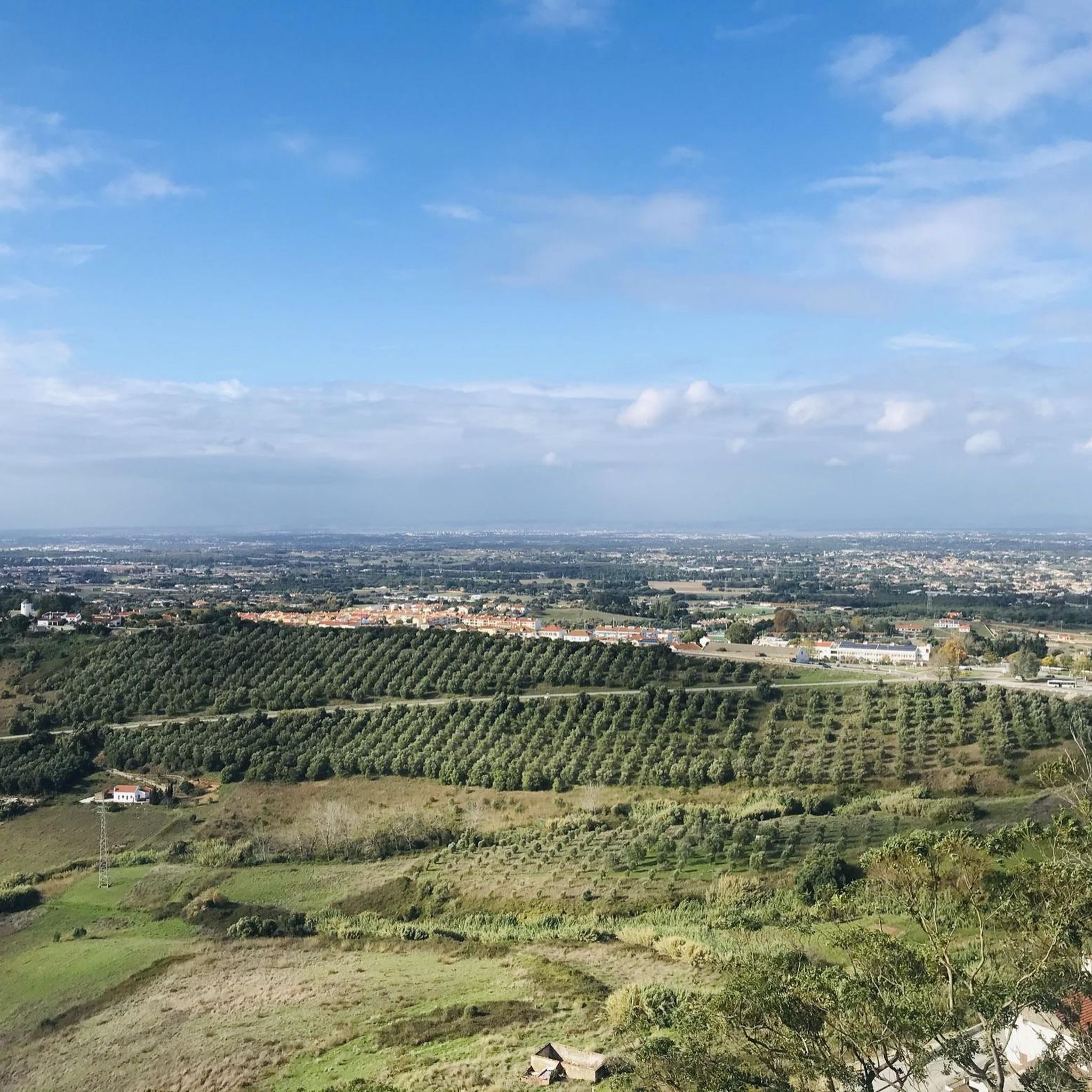
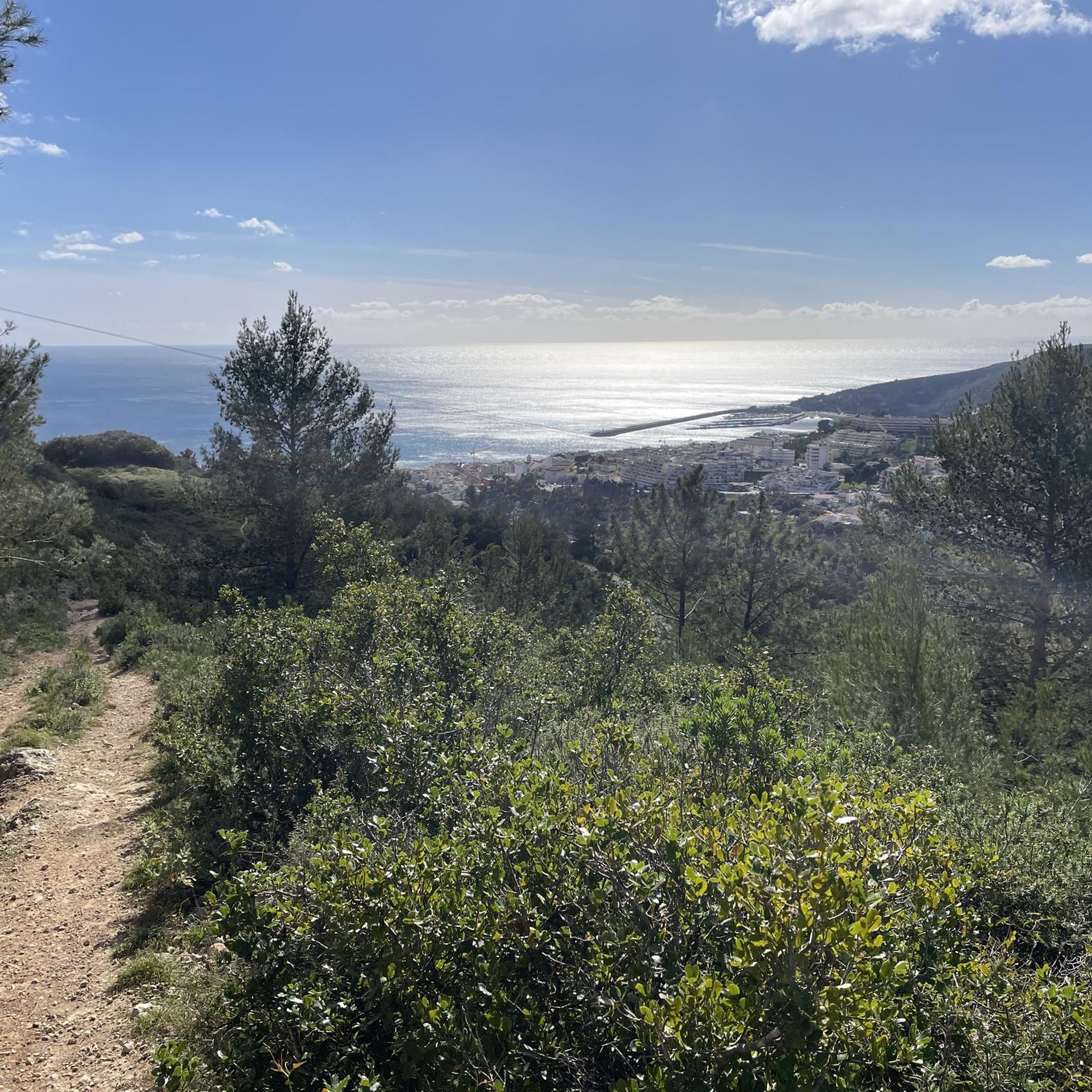
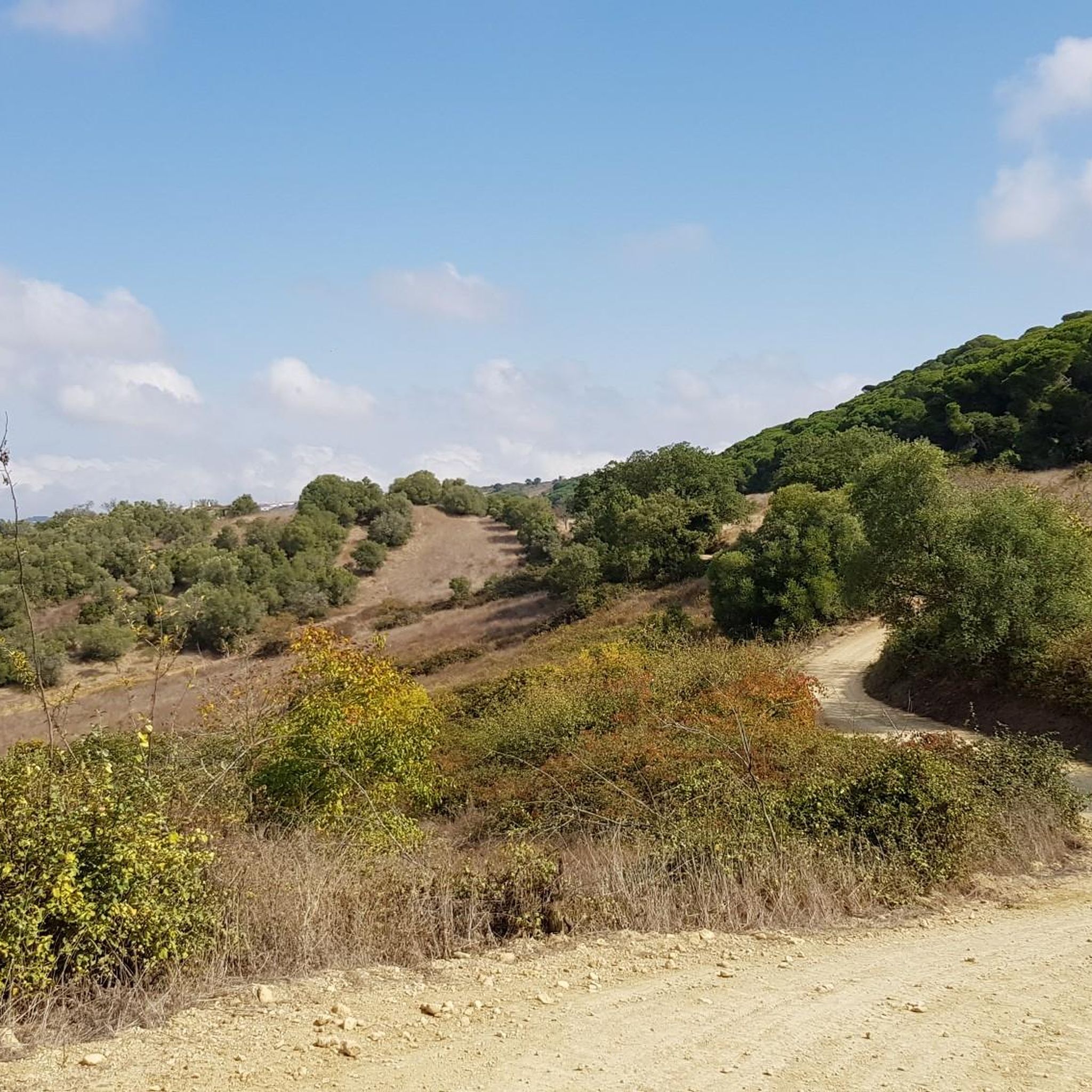
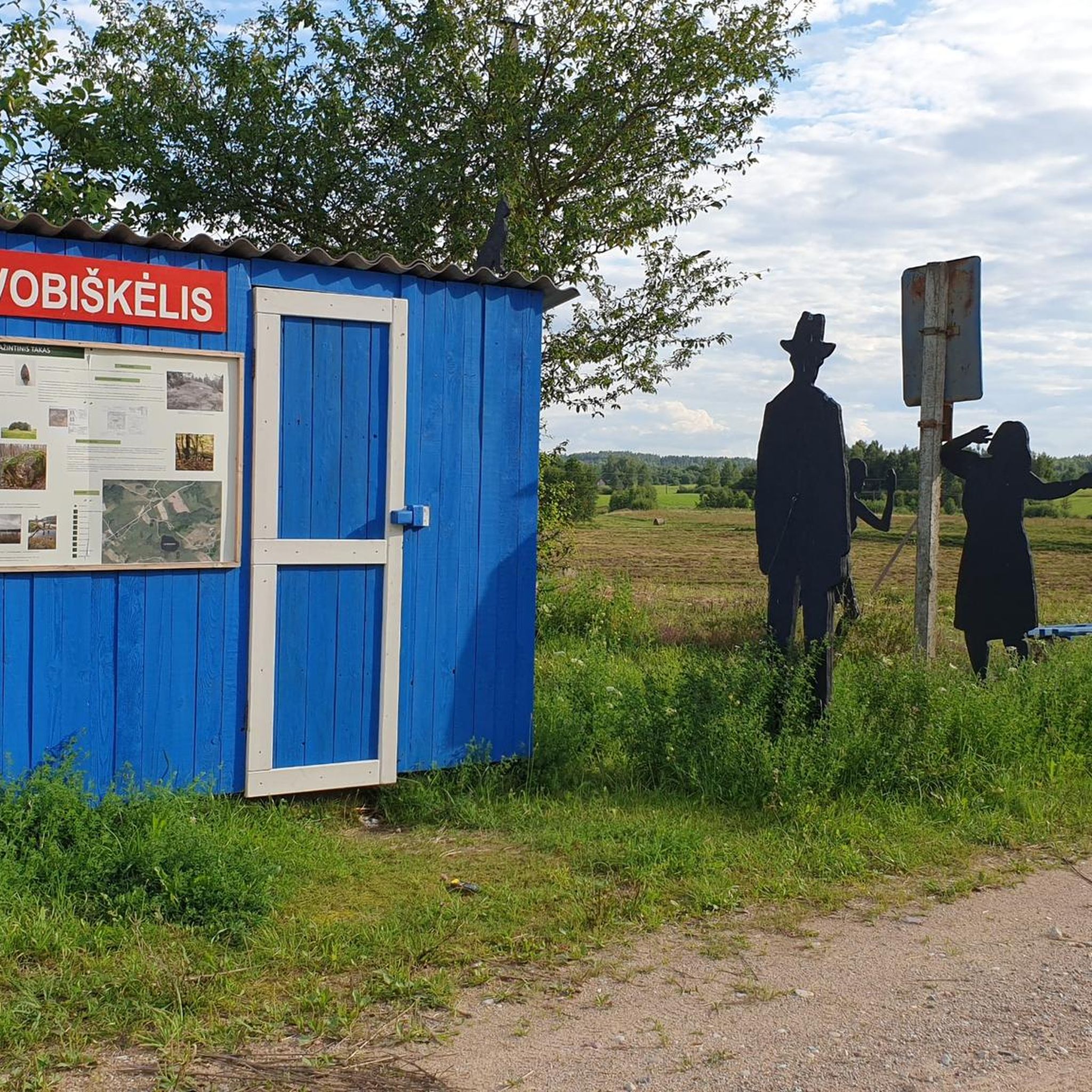
Tips from the Community

The Rio Frio Palace was built in the early 20th century, in a privileged location near Montijo, Alcochete, and the banks of the Tagus River. Once, the property, covering approximately 17,000 hectares, was considered one of the largest estates in the country, primarily producing wine. In subsequent generations, the estate was inherited by a nephew of José Maria dos Santos, Alfredo Santos Jorge, who commissioned the construction of the Rio Frio Palace. Dona Maria de Lourdes Pereira Lupi d'Orey, the current owner of the Rio Frio Palace and great-niece of Alfredo Santos Jorge, recalls the magic of life on the estate. From a large family deeply connected to the countryside and agriculture, her brother José Samuel Lupi stands out as a bullfighting figure. The house offers elegant décor, with a magnificent collection of tiles by Jorge Colaço. It offers an enchanting journey through the gardens and woods, providing a unique experience. (Source: www.solaresdeportugal.pt)
18
0

Once a land of muleteers, Cova da Piedade spurred the growth of the urban area with the reconstruction of its church, in honor of Our Lady of Piety. The industrialization of the riverside area later led to the establishment of several cork processing factories, shipbuilding yards, and cooperages, which benefited from river and rail connections. Also around that time, in the Romeira area, there was a veritable "industry" of laundry. By the mid-20th century, the installation of the Lisnave shipyards exponentially increased job opportunities and the local population. It's not difficult to find authentic works of art scattered across walls and buildings in the urban and industrial areas of Cova da Piedade – some have even become landmarks in the city's landscape! Currently, urban art has been revitalizing this and several other areas of the municipality with high potential, such as the Lisnave Shipyards, the Mutela area, or the Caramujo and Romeira area, where a dormant industrial area has begun to revive in recent years with the requalification of old silos, warehouses, and factories, now converted into innovative public spaces. The Romeira Market is an excellent example of this. The locals usually gather in the Cova da Piedade Public Garden, a central point famous for its bandstand, right next to a late 19th-century palace and the romantic Chalet Ribeiro Telles, where the Town Hall is currently located.
3
0

Added to the collection: https://www.komoot.com/de-de/collection/3600632/-naturdenkmaeler-besondere-baeume-und-weitere-schaetze-der-natur
0
0

The Esteval Windmill or Moinho Velho is located in the municipality of Montijo. It was built in 1826, as can be seen from the date on the inside, and was part of a large agricultural property called Quinta do Moinho Velho. This mill is an emblematic example of the mills known as those from the South of Portugal, with a fixed tower in stone masonry and a rotating hood by means of an internal windlass. It is a living testimony to the flouring processes that were once used. It ceased to function at the beginning of the 20th century after 75 years of operation, and its reconstruction was promoted by the Local Authority according to the guidelines of the Portuguese International Section of Millology. The architectural structure did not undergo significant changes, however the wind collection system and the grinding apparatus were replaced. The mill maintains the traditional grinding system in operation. It opened in 2000. (Source: Wikipedia)
16
0

Ancient, magnificent olive trees that are still alive.
2
0
Frequently Asked Questions
How many road cycling routes are available around Moita?
There are 14 road cycling routes around Moita, offering a diverse range of experiences. These include 4 easy routes perfect for a relaxed ride and 10 moderate routes for those seeking a bit more challenge.
What kind of terrain can I expect on road cycling routes in Moita?
The road cycling routes around Moita feature varied terrain, from flat stretches along the Tagus estuary to rolling hills and climbs towards the Arrábida Natural Park. You can expect mostly well-paved surfaces, ensuring a smooth ride, though some longer or more challenging segments might include varied road conditions.
Are there easy road cycling routes suitable for beginners or families in Moita?
Yes, Moita offers 4 easy road cycling routes, ideal for beginners or families looking for a relaxed ride. These routes typically feature less elevation gain and are a great way to enjoy the scenery at a comfortable pace.
Are there challenging road cycling routes for experienced cyclists in Moita?
Absolutely. For experienced cyclists seeking a challenge, there are 10 moderate routes available. Routes like the Arrábida Scenic Road – Coast View Deluxe loop from Moita, with its significant elevation gain of over 800 meters, offer a demanding and rewarding experience with stunning coastal views.
What are some scenic viewpoints or landmarks I can see along the road cycling routes?
Many routes offer opportunities to see notable landmarks and natural features. You might encounter the historic Castle of Palmela, offering magnificent views, or the unique Windmills of Serra do Louro. The Salinas do Samouco are also a point of interest, and some routes provide panoramic views like the São Luís Lookout or the View of Setúbal and Tróia Peninsula from Parque Natural da Arrábida.
Are there any circular road cycling routes around Moita?
Yes, many of the road cycling routes around Moita are designed as loops, allowing you to start and finish at the same point. Examples include the Salinas do Samouco – Casa das Esguias loop from Moita and the Museum of Mechanical Music – Casa das Esguias loop from Moita, providing convenient options for your ride.
What do other road cyclists enjoy the most about road cycling in Moita?
The road cycling routes in Moita are highly rated by the komoot community, with an average score of 4.4 stars from over 90 reviews. Cyclists often praise the varied terrain, from estuary paths to rolling hills, and the scenic roads leading to natural parks like Arrábida, offering a dynamic and engaging cycling experience.
Can I find routes that offer coastal views or pass through natural parks?
Yes, Moita's strategic location provides access to routes with stunning coastal views and passages through natural parks. The Arrábida Scenic Road – Coast View Deluxe loop from Moita is a prime example, taking you through the renowned Arrábida Natural Park with its limestone cliffs and beautiful vistas.
Are there any routes that explore the industrial heritage of Moita?
While many routes focus on natural beauty, some areas around Moita offer a unique juxtaposition of industrial heritage and natural surroundings. You might spot remnants like the chimneys of the Steelworks and a deactivated port along the Coina River, offering a distinct visual element to your ride.
What is the best time of year for road biking in Moita?
Moita generally offers pleasant conditions for road biking for much of the year. Spring and autumn typically provide mild temperatures and less crowded routes, making them ideal. Summer can be warm, especially in the midday sun, while winter offers cooler temperatures but generally remains suitable for cycling.
Are there any routes that are particularly good for exploring the Tagus estuary?
Yes, several routes traverse areas near the Tagus estuary, offering unique landscapes and views. The Salinas do Samouco – Casa das Esguias loop from Moita is one such route that allows you to explore the varied landscapes characteristic of the estuary region.
What is the longest road cycling route available from Moita?
The longest route listed is the Arrábida Scenic Road – Coast View Deluxe loop from Moita, which spans approximately 74.4 km (46.2 miles). This route offers a substantial ride for those looking for a longer adventure.
Most popular attractions around Moita

Get inspired with the komoot mobile app


Explore more
Browse the best Road cycling routes in other regions.
