The best road cycling routes around Rubiães
4.3
(14)
533
riders
9
rides
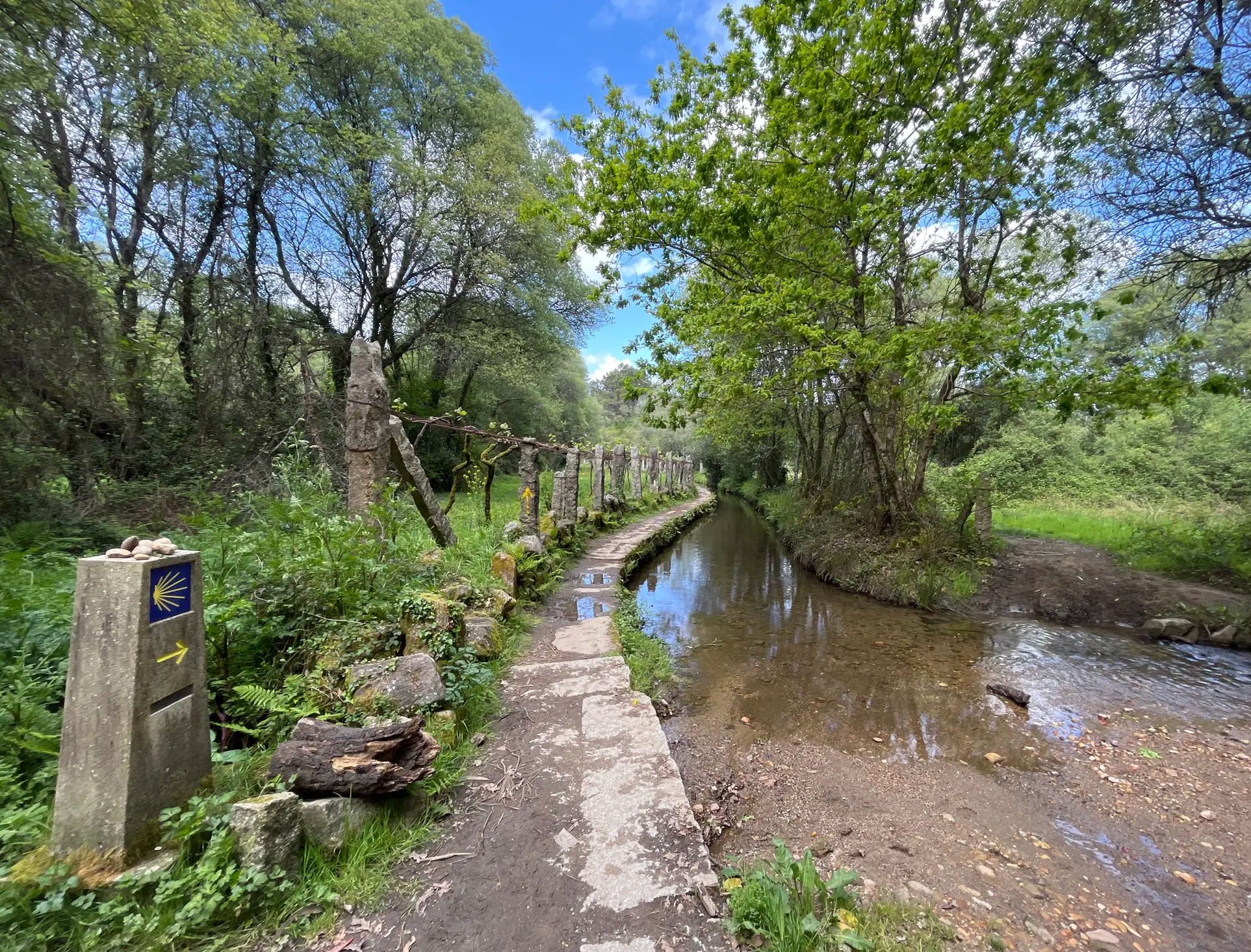
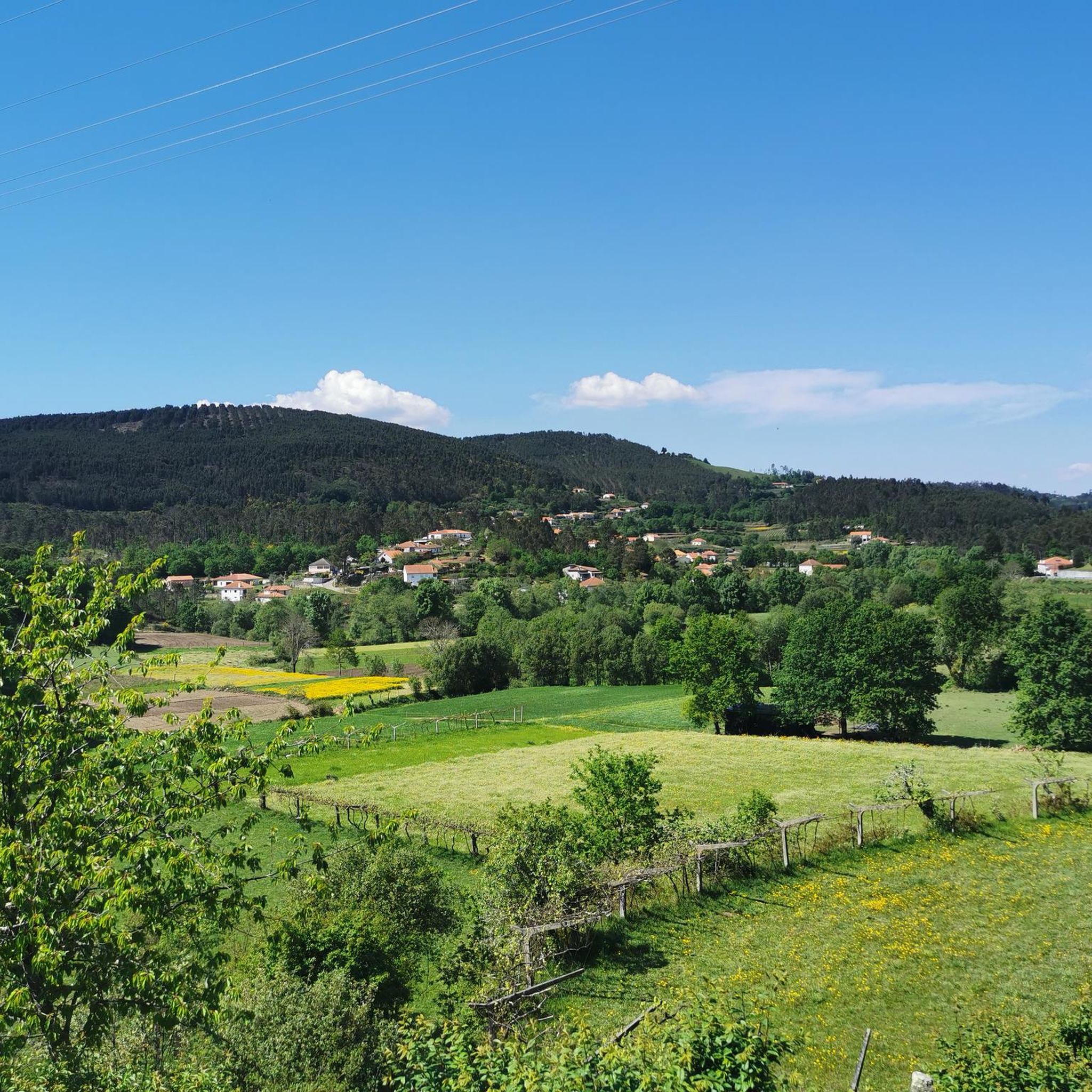
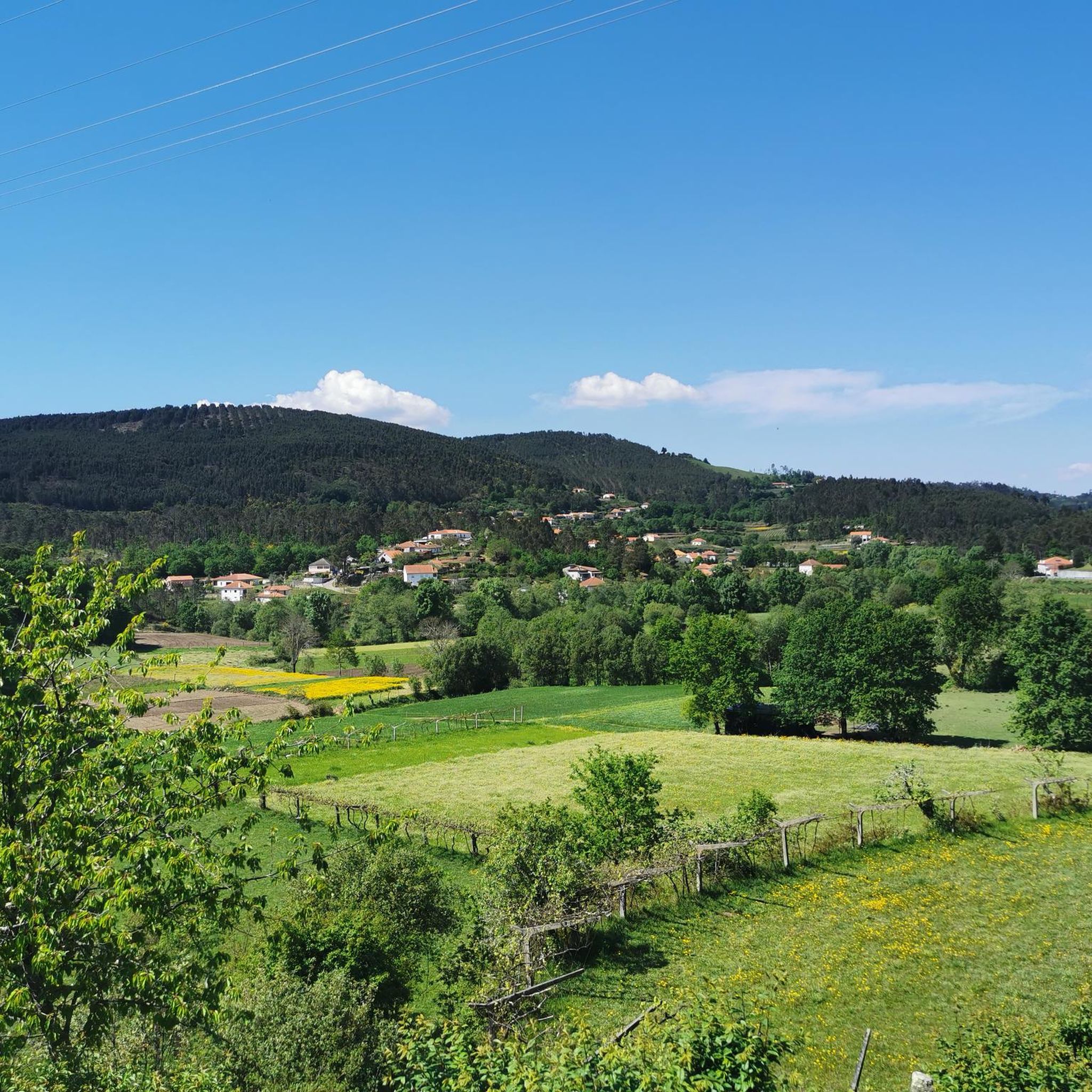
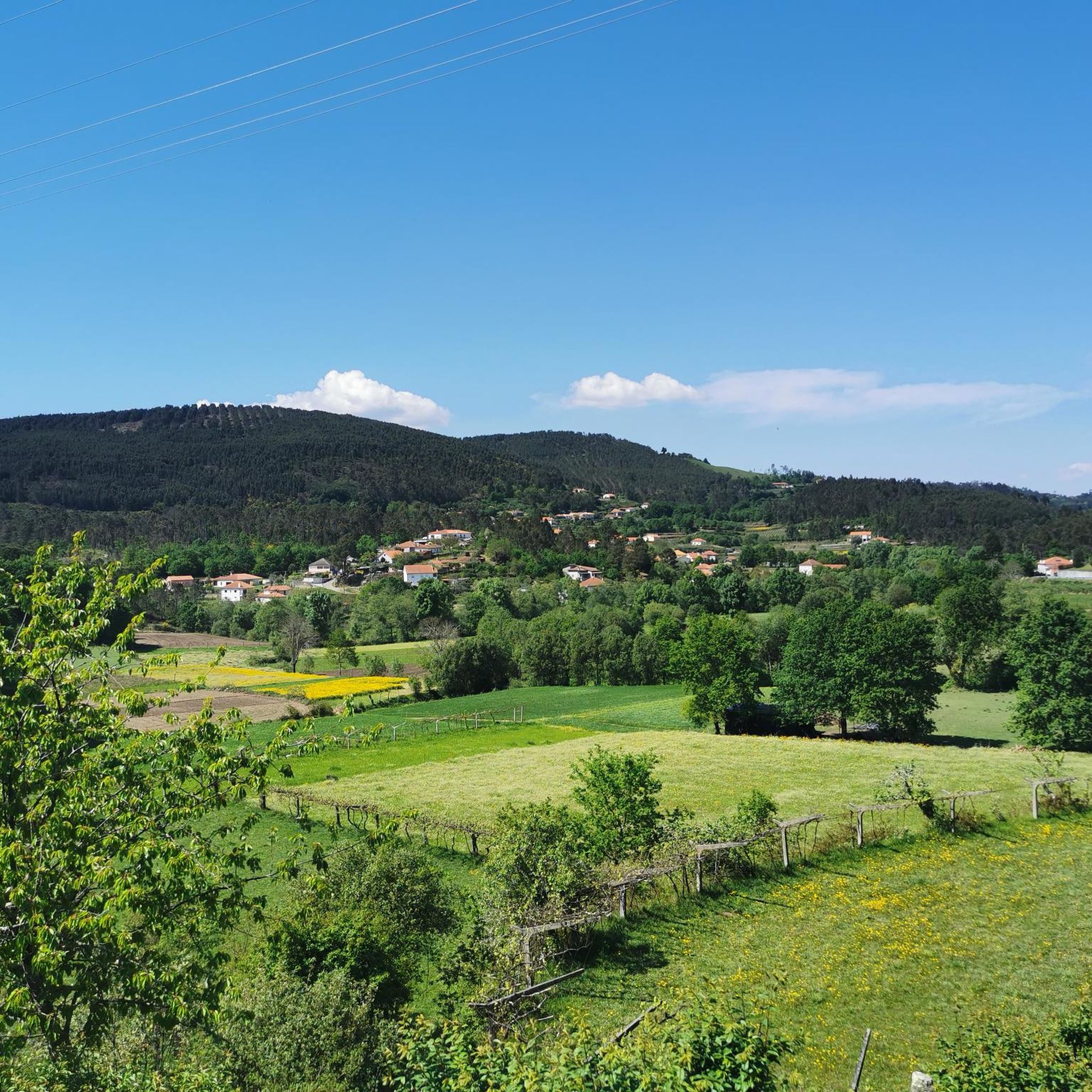
Road cycling routes around Rubiães traverse a landscape characterized by rolling hills and river valleys, often featuring historical landmarks. The region includes significant elevation changes, with many routes incorporating climbs and descents. Road cyclists can expect to encounter varied terrain, from routes passing by ancient Roman bridges to those offering views of the Serra d'Arga. The area provides a mix of moderate and challenging paths suitable for experienced riders.
Best road cycling routes around Rubiães
- The most popular road cycling…
Last updated: October 20, 2026
3.5
(2)
25
riders
63.6km
03:25
1,150m
1,150m
Hard road ride. Very good fitness required. Mostly well-paved surfaces and easy to ride.
20
riders
64.7km
03:29
1,090m
1,090m
Hard road ride. Very good fitness required. Some segments of this route may be unpaved and difficult to ride.

17
riders
64.2km
03:09
820m
820m
Moderate road ride. Good fitness required. Mostly well-paved surfaces and easy to ride.
12
riders
68.2km
03:26
1,030m
1,030m
Hard road ride. Very good fitness required. Mostly well-paved surfaces and easy to ride.
3.0
(1)
6
riders
35.1km
02:09
910m
910m
Hard road ride. Very good fitness required. Mostly well-paved surfaces and easy to ride.
Get access to more routes and recommendations from other explorers.
Already have an account?
Our route recommendations are based on thousands of hikes, rides, and runs completed by other people on komoot.
Start today with a free account
Your next adventure awaits.
Other adventures around Rubiães

Tips from the Community

Easy ride condition when path is not impacted by rain
0
0

Valença Fortress, also known as Praça-forte de Valença do Minho, is an imposing jewel of Portuguese military architecture with over eight centuries of history. Its origins date back to the 13th century, when King Sancho I and later Afonso III fortified it to protect the border with Galicia. During the Restoration War (17th–18th centuries), it was transformed into a Vauban-style fortress under the engineer Miguel de l’École and the architect Manuel Pinto de Vilalobos, being completed in 1713. The fortress withstood attacks during the Restoration, was captured and recaptured several times, and was also defended during the Napoleonic Wars and the Liberal Wars.
4
0

Historical Context Origin of the name: The town of Ponte de Lima, the oldest in Portugal, derives its name from the bridge that crosses it. Way of St. James: The bridge is an important crossing point on the Portuguese Way of St. James. Legend: The legend of the Lima River, which runs under the bridge, tells that the Romans believed it to be the river of forgetfulness, which would have given rise to the myth that people who crossed it would forget their past lives.
2
0
The bridge that gives the Lima Bridge its name is actually a combination of two structures: a Roman section, built in the 1st century, and a medieval section, expanded in the 14th century. It crosses the Lima River and is one of the town's most emblematic monuments. Characteristics of the bridge Roman section: The remaining Roman section consists of five arches, and its construction is linked to the military road that connected the cities of Braga and Astorga. Medieval section: The medieval portion of the bridge is larger and was built to connect to the Roman section, extending the structure over the river. Material: The bridge is built of granite, using the Roman technique of "quadratum" and "vittatum" masonry.
2
0

A city bathed by the Lima River, with walking trails in the area and good food.👍🥾🇵🇹
1
0

Inside is the tourist office.
2
1
The main attraction of the town.
2
0
Frequently Asked Questions
How many road cycling routes are available around Rubiães?
There are over 10 road cycling routes documented around Rubiães, offering a variety of experiences for riders. These routes are generally categorized as moderate to difficult, with significant elevation changes.
Are there challenging road cycling routes in Rubiães?
Yes, Rubiães is known for its challenging road cycling routes. Many routes feature significant elevation gains and descents, such as the Roman Bridge of Ponte de Lima loop from Insalde e Porreiras, which includes over 1,100 meters of climbing. Experienced riders will find plenty to test their limits.
Are there any easier road cycling options for beginners in Rubiães?
While many routes in Rubiães are challenging, some are rated as moderate. For example, the Roman Bridge of Ponte de Lima – Ponte de Lima loop from Coura is a moderate 64.5 km route with around 800 meters of elevation gain, offering a slightly less demanding option compared to the most difficult trails.
What scenic viewpoints or attractions can I see along the road cycling routes?
Road cycling routes around Rubiães often pass by historical landmarks and offer views of natural beauty. You might encounter ancient Roman bridges, such as those near Ponte de Lima, or catch glimpses of the Serra d'Arga. Notable attractions in the wider area include the Cruz dos Franceses and the Pilgrims' Stone Cross.
Can I see waterfalls while road cycling in Rubiães?
While direct access to waterfalls might require a short detour from road cycling paths, the region around Rubiães features several beautiful cascades. You can find highlights like the Waterfall and Cascades of the Rio Couro and Cascata de Vilarinho in the vicinity, which could be explored as part of a multi-sport day.
Are the road cycling routes around Rubiães typically circular?
Yes, many of the road cycling routes around Rubiães are designed as loops, allowing you to start and end at the same point. Examples include the Valença Fortress – Fortress of Valença loop from Coura and the View of the Serra d'Arga loop from Covas.
What is the best time of year for road cycling in Rubiães?
The region generally offers pleasant conditions for road cycling during spring and autumn, when temperatures are milder. Summer can be warm, especially in the valleys, while winter might bring more rain. Checking local weather forecasts before your ride is always recommended.
What do other road cyclists say about the routes in Rubiães?
The road cycling routes in Rubiães are highly rated by the komoot community, with an average score of 4.6 stars from over 5 reviews. Riders often praise the varied terrain, the historical landmarks encountered, and the challenging climbs that offer rewarding views.
Are there any less-known or 'hidden gem' road cycling routes in Rubiães?
While popular routes like those to Ponte de Lima and Valença are well-loved, exploring routes like the Valença Fortress loop from Insalde e Porreiras can offer a slightly different perspective of the region's landscapes and historical sites, away from the most frequented paths.
What is the typical length of road cycling routes in Rubiães?
The road cycling routes around Rubiães vary in length, but many are substantial, ranging from approximately 35 kilometers to over 68 kilometers. For instance, the View of the Serra d'Arga loop from Covas is about 35 km, while the Valença Fortress loop from Insalde e Porreiras extends to over 68 km.
Most popular routes around Rubiães
Most popular attractions around Rubiães

Get inspired with the komoot mobile app


Explore more
Browse the best Road cycling routes in other regions.
