Attractions and Places To See around Santa Comba - Top 20
Attractions and places to see around Santa Comba offer a blend of historical sites, natural landscapes, and outdoor activities. The region features significant historical structures, including ancient bridges and medieval towers, alongside scenic river paths and viewpoints. Visitors can explore a variety of cultural and natural points of interest, making it a destination for those interested in history and outdoor exploration.
Best attractions and places to see around Santa Comba
- The most popular attractions is Roman Bridge of Ponte de…
Last updated: July 1, 2026
Roman Bridge of Ponte de Lima
Highlight • Bridge
Translated by Google •
Tip by

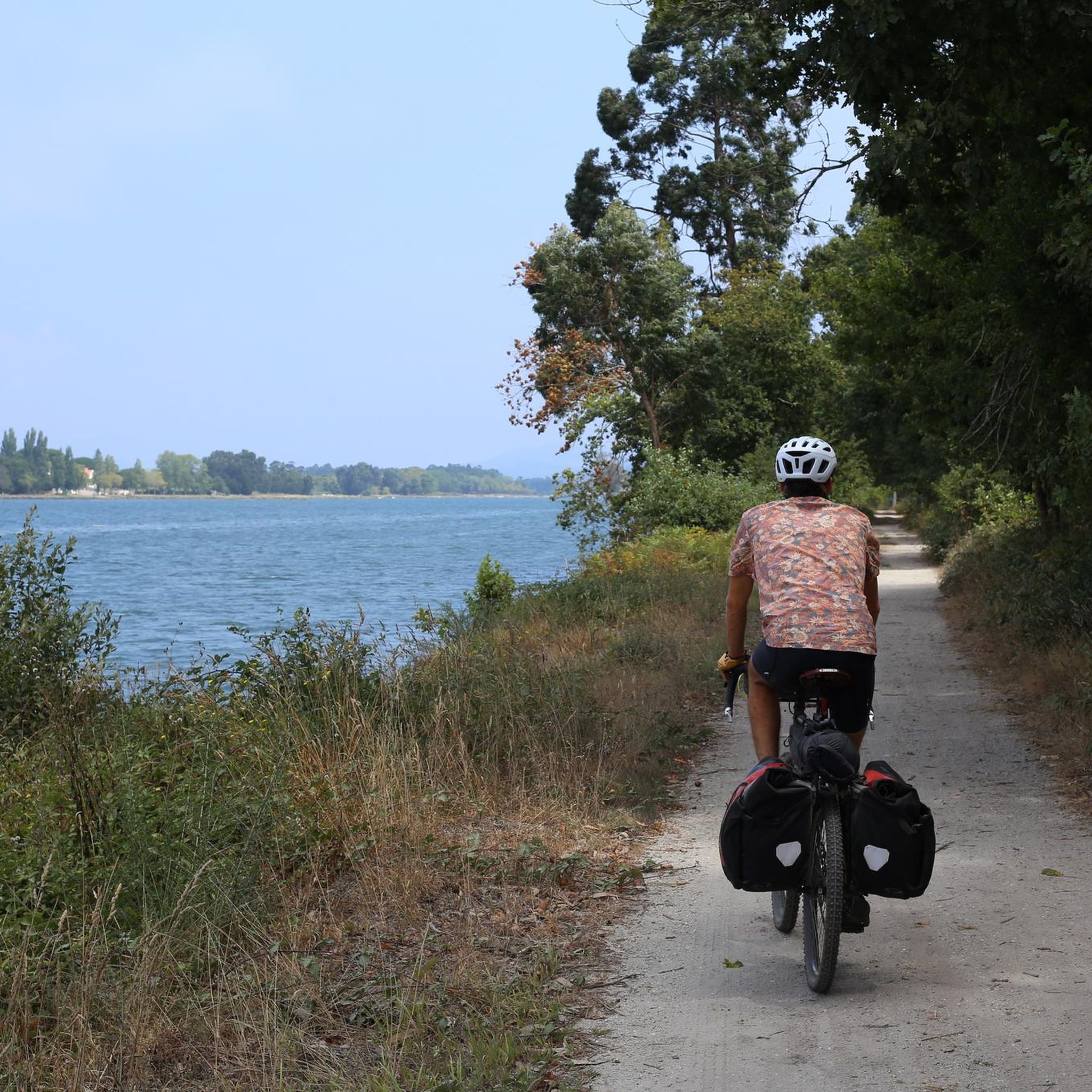
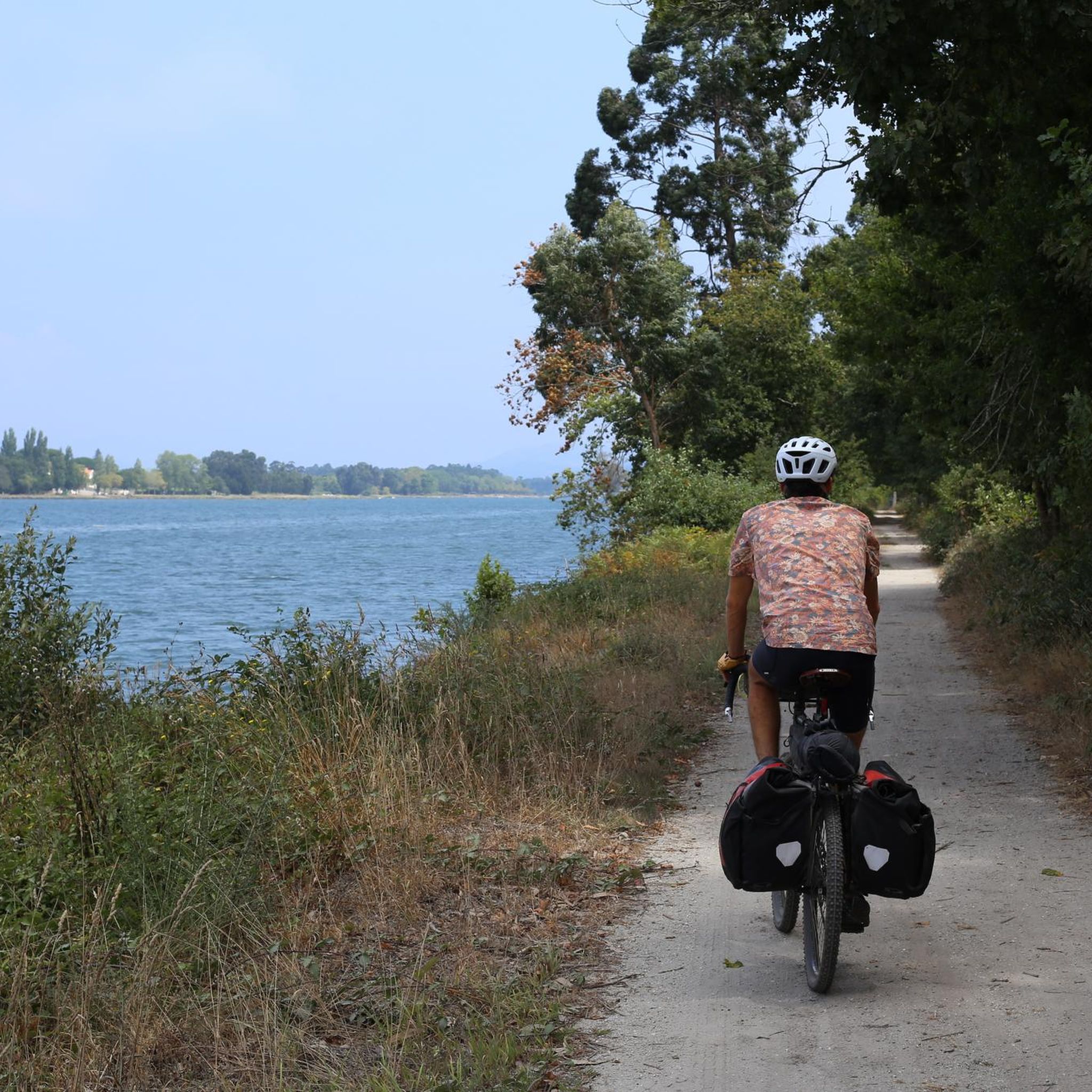
Cycle path to Ponte de Lima
Highlight (Segment) • Cycleway
Translated by Google •
Tip by

Sign up now to discover places like this
Get recommendations on the best single tracks, peaks, & plenty of other exciting outdoor places.
Sign up for free
Old Jail Tower
Highlight • Historical Site
Translated by Google •
Tip by

Pilgrim Altar
Highlight • Structure
Translated by Google •
Tip by

Monument to the Legend of the River Lethes
Highlight • Monument
This is the name of the monument to the Roman Legion, which formed in 135 BC. BC was located on the left bank of the Lima …
Translated by Google •
Tip by
Sign up for free to discover even more attractions around Santa Comba.
Sign up for free
Already have an account?
Start today with a free account
Your next adventure awaits.
Login or Signup

Tips from the Community

Lovely, quiet path, easy to ride when not impacted by seasonal rains and river flooding. All part of the charm and sense of adventure
0
0

Home and Access The Ecovia has multiple access points, with the connection between the city of Viana do Castelo and the town of Arcos de Valdevez being the main route.
2
0
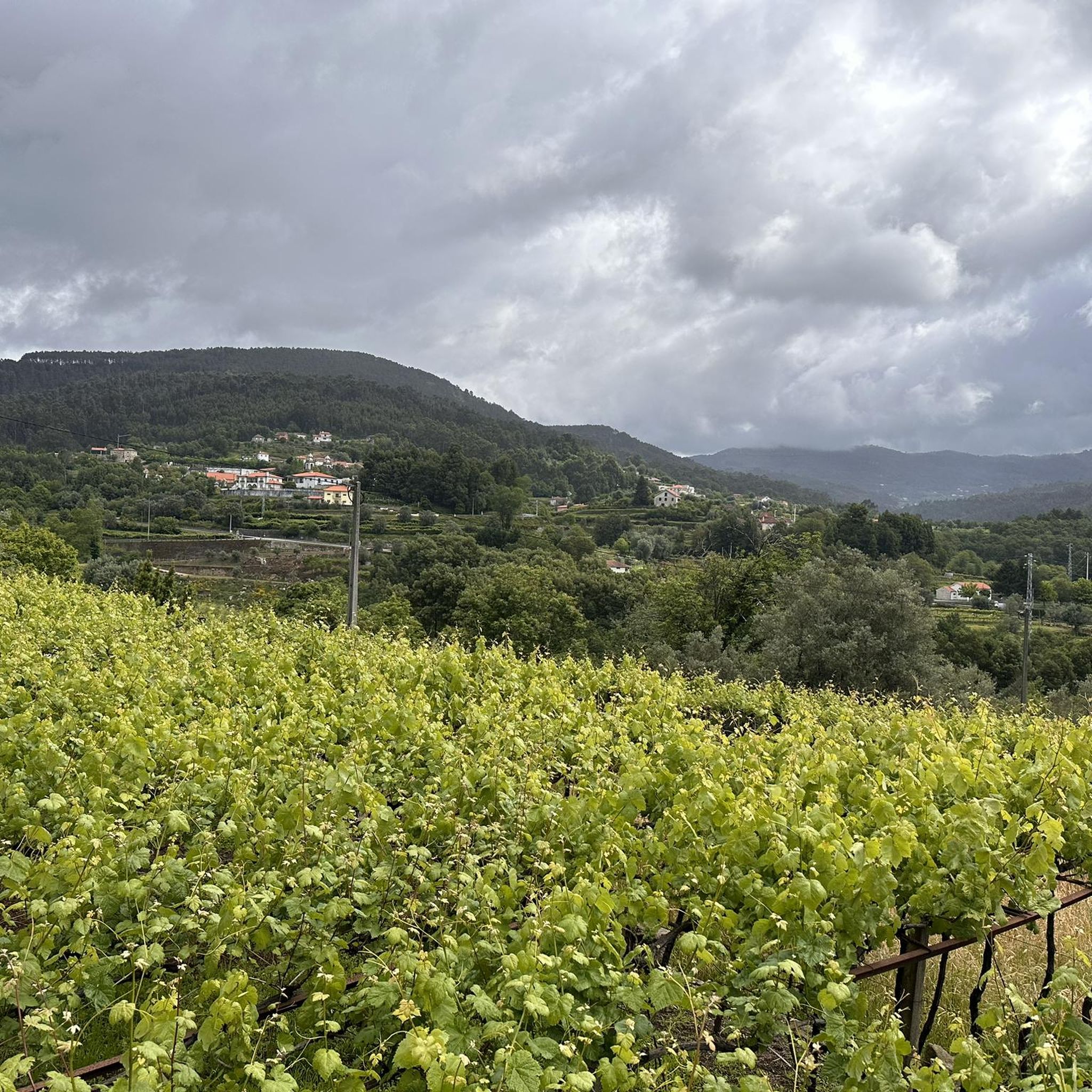
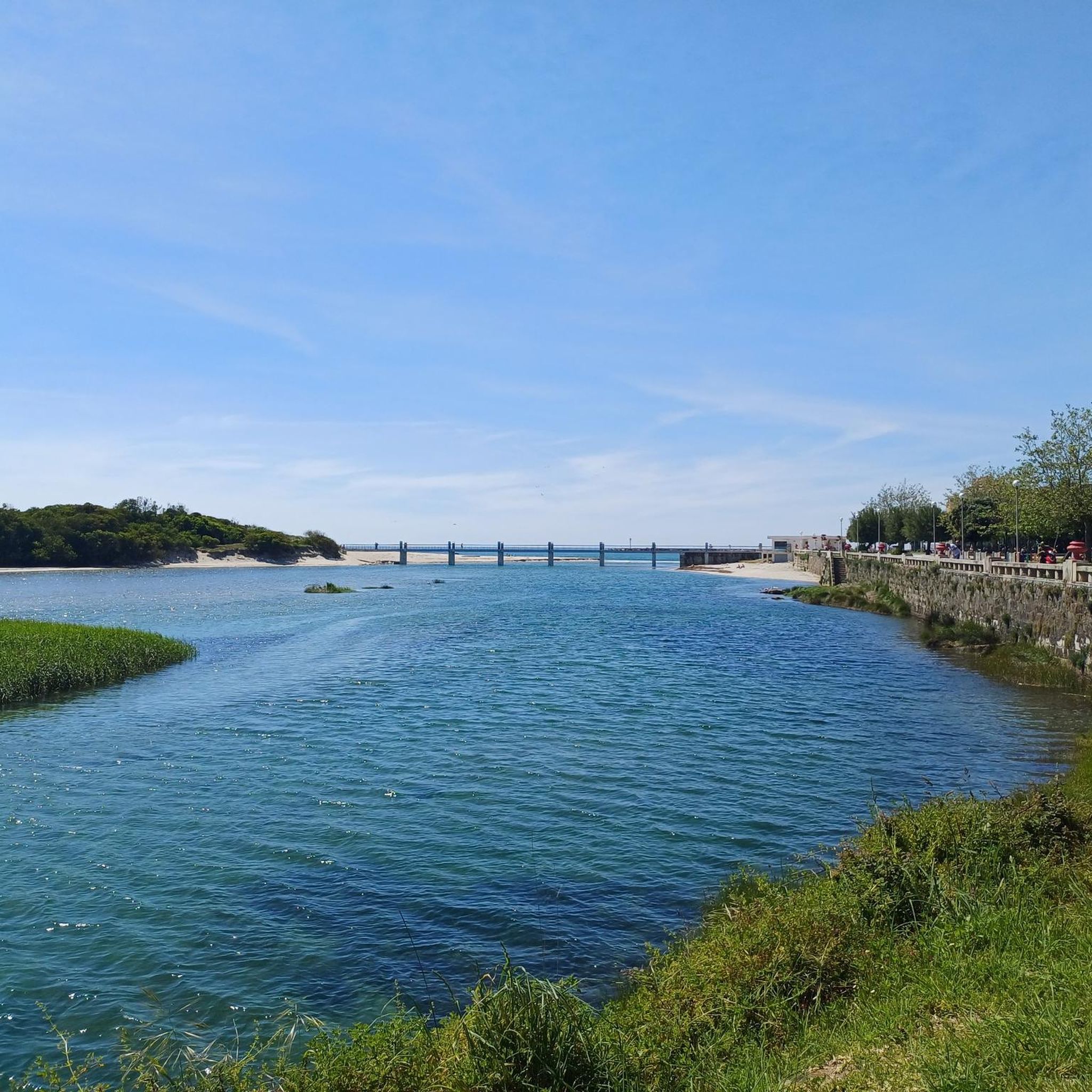
Points of Interest Along the Ecovia Panoramic Views: The route offers breathtaking views of the Lima River, the agricultural fields ("veigas") and the rural landscape of Minho. Cultural Heritage: Along the way, you can find several points of interest, such as the Chapel of São João Baptista, the Monastery of Bravães (National Monument), the Fonte Santa (with sulphurous water) and the seven watermills of Gemieira, powered by a spectacular waterfall. Recreational Areas: There are several recreational areas, picnic parks and river beaches on the banks of the river.
2
0
Route Characteristics Length: Approximately 70 km in total, divided into several sub-routes (such as the Veigas Route, the Açudes Route, and the Laranja/Refóios Route). Usage: Ideal for hiking, running, and cycling (mountain bikes are suitable due to the terrain). Motorized vehicles are prohibited. Road: Mainly packed earth and consolidated gravel, with some wooden walkways in specific areas. Difficulty: Generally easy to medium difficulty, due to the gentle slope. Accessibility: Some parts of the route have wheelchair-accessible entrances and parking.
2
0
The Lima River Ecovia is an extensive pedestrian and cycling route that follows the banks of the Lima River in Alto Minho, Portugal. Stretching for approximately 70 kilometers, the ecovia crosses the municipalities of Viana do Castelo, Ponte de Lima, Ponte da Barca, and Arcos de Valdevez, offering scenic landscapes and a mostly flat route.
2
0

The Roman figures next to the river are curious.
2
1
Inside is the tourist office.
2
1
The main attraction of the town.
2
0
Frequently Asked Questions
What historical landmarks can I explore around Santa Comba?
The region boasts several significant historical sites. You can visit the Roman Bridge of Ponte de Lima, a remarkable structure combining Roman and medieval sections, which is also a key part of the Caminho Português. Another notable site is the Old Jail Tower in Ponte de Lima, a 14th-century tower that once served as part of the town's defensive wall and now houses a tourism shop and art exhibitions. In Santa Comba Dão itself, explore the 18th-century Mother Church of Santa Comba Dão, the elegant Casa dos Arcos, and the historic Largo do Município with its 19th-century Pelourinho.
Are there any family-friendly attractions or activities in the area?
Yes, several attractions around Santa Comba are suitable for families. The Roman Bridge of Ponte de Lima and the Old Jail Tower are both classified as family-friendly. The Cycle path to Ponte de Lima, also known as the Lima River Ecovia, offers a mostly flat route ideal for family cycling or walking. Additionally, the Vimieiro River Beach in Santa Comba Dão provides a pleasant spot for relaxation and recreation.
What kind of outdoor activities can I do near Santa Comba?
The area around Santa Comba is excellent for outdoor enthusiasts. You can enjoy cycling along the Lima River Ecovia, which stretches for approximately 70 kilometers and is suitable for mountain biking. For hiking, there are easy trails like the 'Pathway Along the Rio Lima' or the 'São Pedro Lagoon loop'. The Ecopista do Dão, a well-regarded bike path built on an old railway line, offers scenic surroundings between Santa Comba Dão and Viseu. You can find more routes in the Cycling around Santa Comba and Easy hikes around Santa Comba guides.
Where can I find scenic viewpoints around Santa Comba?
For stunning panoramic views, visit the Outeirinho Viewpoint, which offers a beautiful perspective over the Dão River. The Pedra Talhada Viewpoint provides views of the center of Santa Comba Dão. Additionally, the Gavinhos Windmills and Serra da Atalhada Windmills sites offer expansive vistas, including over Serra do Buçaco and Serra da Aveleira.
Are there any river beaches or swimming spots nearby?
Yes, the Vimieiro River Beach in Santa Comba Dão is a beautiful spot with a grassy area and nearby restaurant, perfect for relaxing by the water. While the guide data focuses on the Portuguese Santa Comba, the region research also mentions Praia fluvial de Esmorode in Galicia, which is a recreational area with picnic tables and grills.
What is the 'Cycle path to Ponte de Lima' like?
The Cycle path to Ponte de Lima, also known as the Lima River Ecovia, is an extensive pedestrian and cycling route following the banks of the Lima River. It stretches for approximately 70 kilometers, offering scenic landscapes. The route is mainly packed earth and consolidated gravel, with some wooden walkways, making it ideal for hiking, running, and mountain biking. It's generally considered easy to medium difficulty due to its gentle slope.
What do visitors enjoy most about the attractions around Santa Comba?
Visitors particularly appreciate the blend of historical significance and natural beauty. The Roman Bridge of Ponte de Lima is often highlighted for its beauty and historical context as part of the Caminho Português. The Lima River Ecovia is loved for its uncrowded, authentic natural environment, offering a peaceful experience. The Pilgrim Altar near Ponte de Lima is also noted for its poignant atmosphere and the messages left by pilgrims.
Can I find any ancient Roman structures in the area?
Absolutely. The Roman Bridge of Ponte de Lima features a section believed to date back to the 1st century, part of a military road opened by Emperor Augustus. Additionally, the Roman Bridge of Sumes, standing over the Cavalos River in Santa Comba Dão, has foundations that appear Roman, witnessing centuries of history.
Are there any unique cultural monuments or legends associated with the region?
Yes, you can find the Monument to the Legend of the River Lethes near Ponte de Lima. This monument commemorates the Roman Legion's refusal to cross the Lima River, believing it would cause memory loss, until their commander proved otherwise. In Santa Comba Dão, the town is also known as the birthplace of former Portuguese statesman António de Oliveira Salazar, in the neighboring village of Vimieiro.
What is the best way to experience the Lima River?
The best way to experience the Lima River is by exploring the Lima River Ecovia. This extensive pedestrian and cycling route runs along its banks, offering diverse landscapes and a chance to see the river up close. You can also admire it from the historic Roman Bridge of Ponte de Lima.
Are there any markets or local shopping experiences in Santa Comba Dão?
Yes, Santa Comba Dão hosts a local market weekly on Wednesday mornings, except for the third Wednesday of the month. This offers an authentic Portuguese market experience where you can find local goods and produce.
Most popular attractions around Santa Comba

Get inspired with the komoot mobile app


Explore more
Still not found the Highlight you’re looking for? See guides of the top attractions in other regions:
