Attractions and Places To See around Fontoura - Top 20
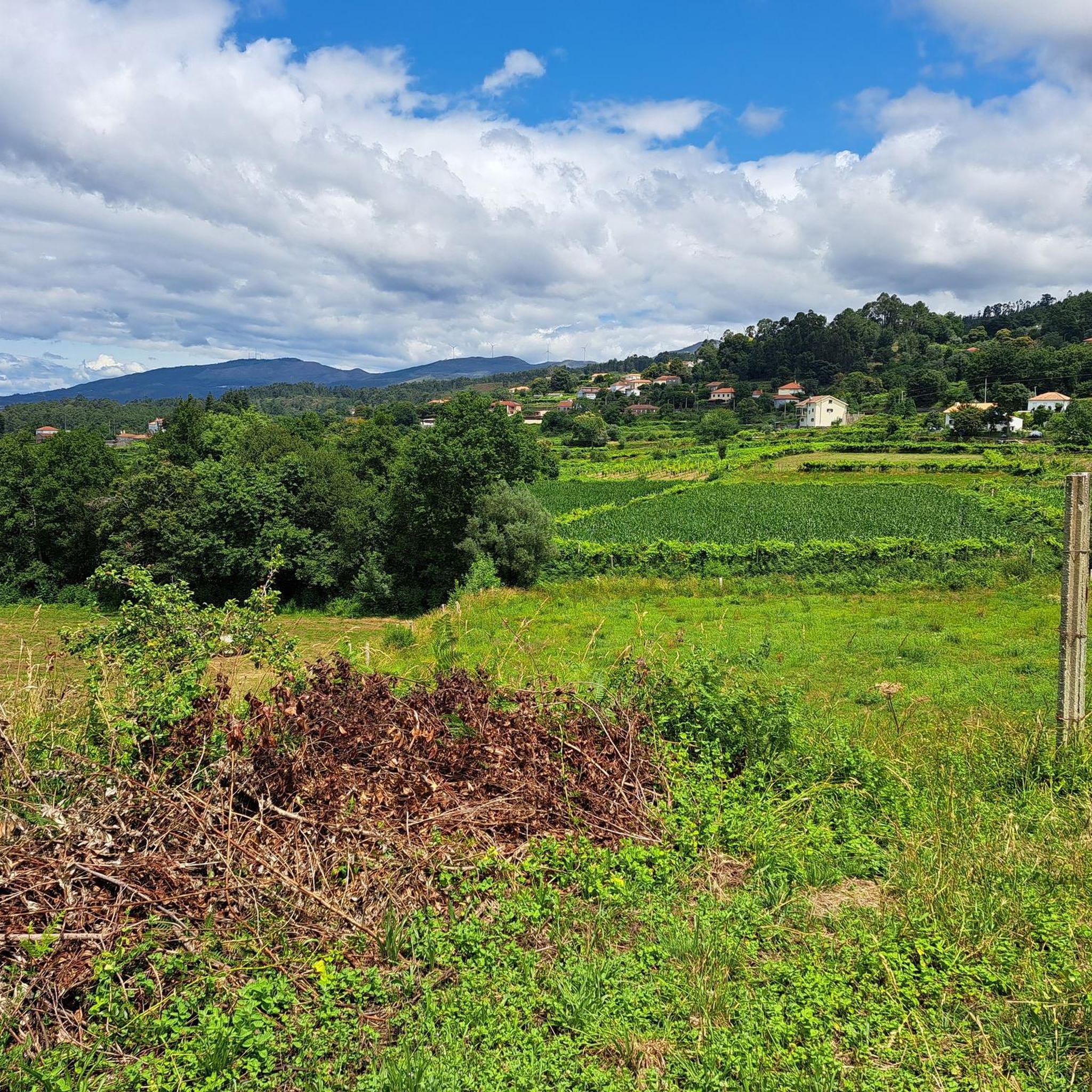
Attractions and places to see around Fontoura, a civil parish in northern Portugal, include historical landmarks, natural features, and cultural sites. Located in the municipality of Valença, the area is known for its fertile lands, historically used for corn and vineyards. Its origins trace back to the pre-Roman era, offering insights into a rich past.
Best attractions and places to see around Fontoura
- The most popular attractions is Tui-Valencia International Bridge, a bridge that connects the towns of Tui,…
Last updated: October 5, 2026
Tui-Valencia International Bridge
Highlight • Bridge
Translated by Google •
Tip by

Fortress of Valença
Highlight • Historical Site
Translated by Google •
Tip by

Sign up now to discover places like this
Get recommendations on the best single tracks, peaks, & plenty of other exciting outdoor places.
Portico of the Church of Santa María de la Asunción, Baiona
Highlight • Religious Site
It began to be built in 1120, although it would not be consecrated until 1225, already in the …
Translated by Google •
Tip by
Church of Saint Mary of the Angels, Valença
Highlight • Religious Site
Translated by Google •
Tip by

Cruz dos Franceses
Highlight • Monument
Translated by Google •
Tip by

Sign up for free to discover even more attractions around Fontoura.
Already have an account?
Start today with a free account
Your next adventure awaits.
Tips from the Community

The Church of Saint Mary of the Angels is a 13th-century historic religious landmark located inside the famous walled fortress of Valença do Minho, Portugal. Serving as the town's primary parish church, it stands as an important historical stop for pilgrims walking the Portuguese Central Route of the Camino de Santiago.
0
0

Valença Fortress, also known as Praça-forte de Valença do Minho, is an imposing jewel of Portuguese military architecture with over eight centuries of history. Its origins date back to the 13th century, when King Sancho I and later Afonso III fortified it to protect the border with Galicia. During the Restoration War (17th–18th centuries), it was transformed into a Vauban-style fortress under the engineer Miguel de l’École and the architect Manuel Pinto de Vilalobos, being completed in 1713. The fortress withstood attacks during the Restoration, was captured and recaptured several times, and was also defended during the Napoleonic Wars and the Liberal Wars.
4
0

The imposing Valença Fortress rises atop a hill, dominating the landscape and leaving an unforgettable impression on those who arrive. More than a symbol, it is the soul of the city, preserving centuries of history within its walls. Built in the 17th century on the ruins of an ancient 13th-century castle, the fortress is a masterful example of military architecture of the period, with its star-shaped walls stretching for an impressive 5.5 kilometers. Upon entering, one immediately senses the strength and grandeur of Valença, one of the oldest towns in Portugal.
2
0

Beautiful little church
5
0
Superbly preserved and well-maintained star-shaped fortress
5
1

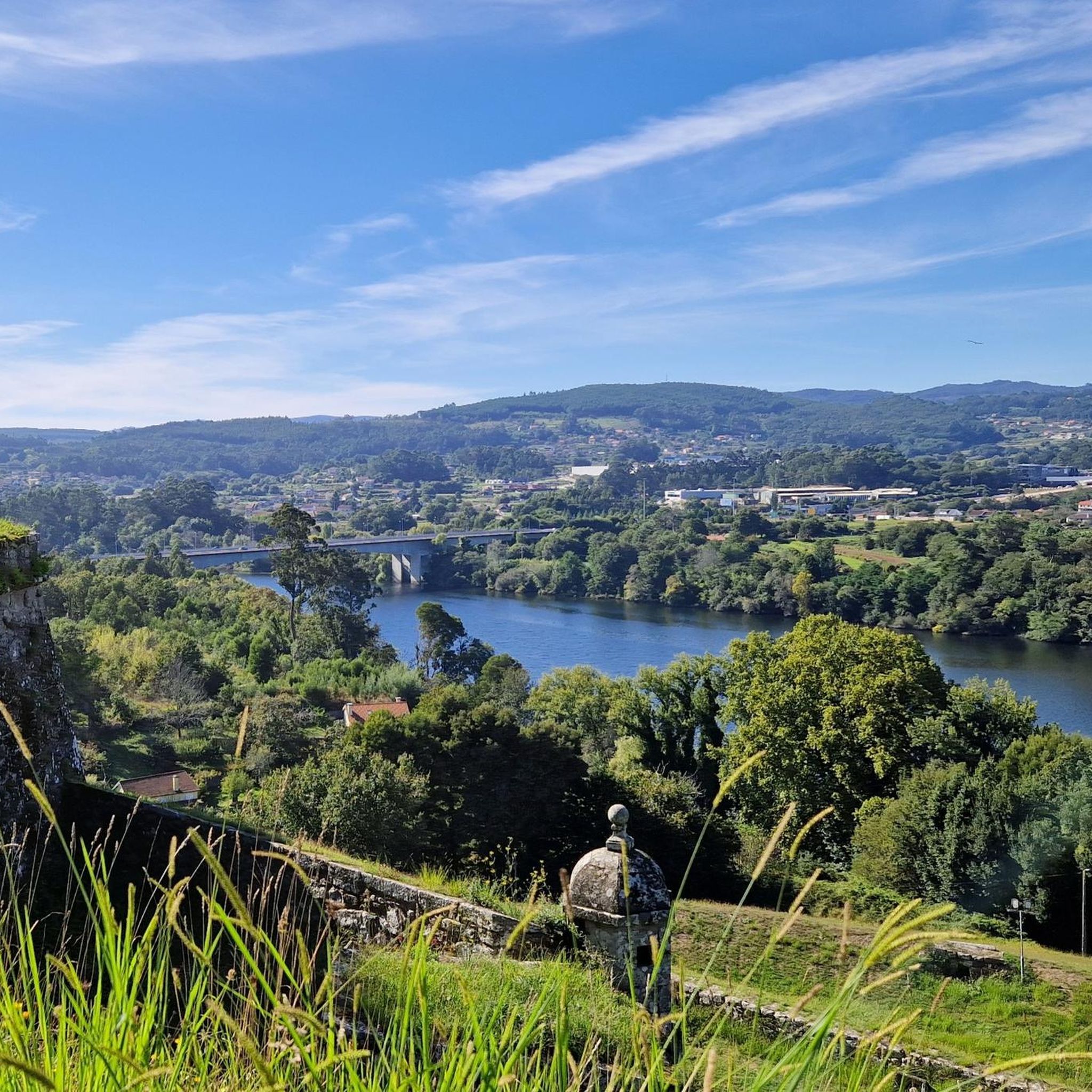
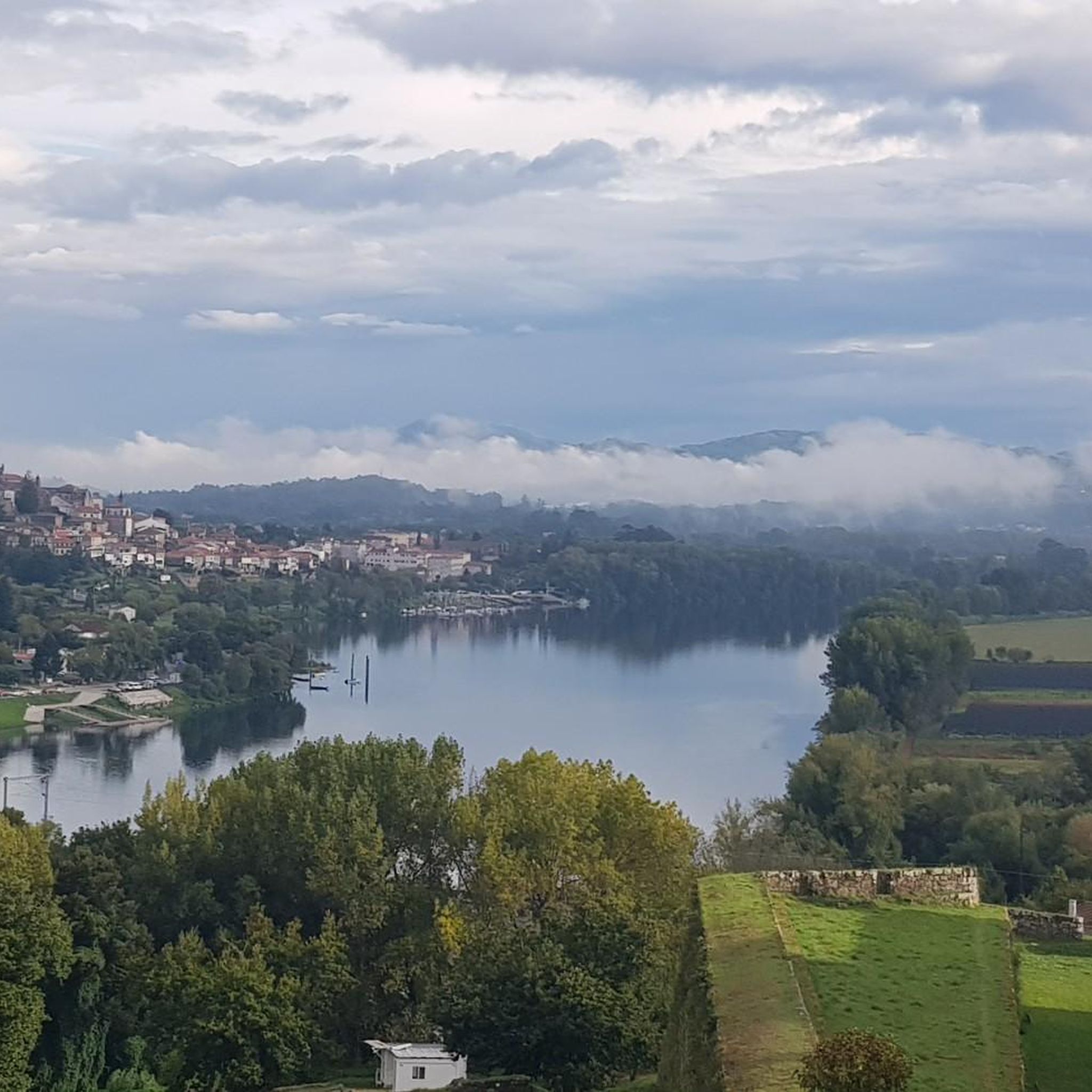
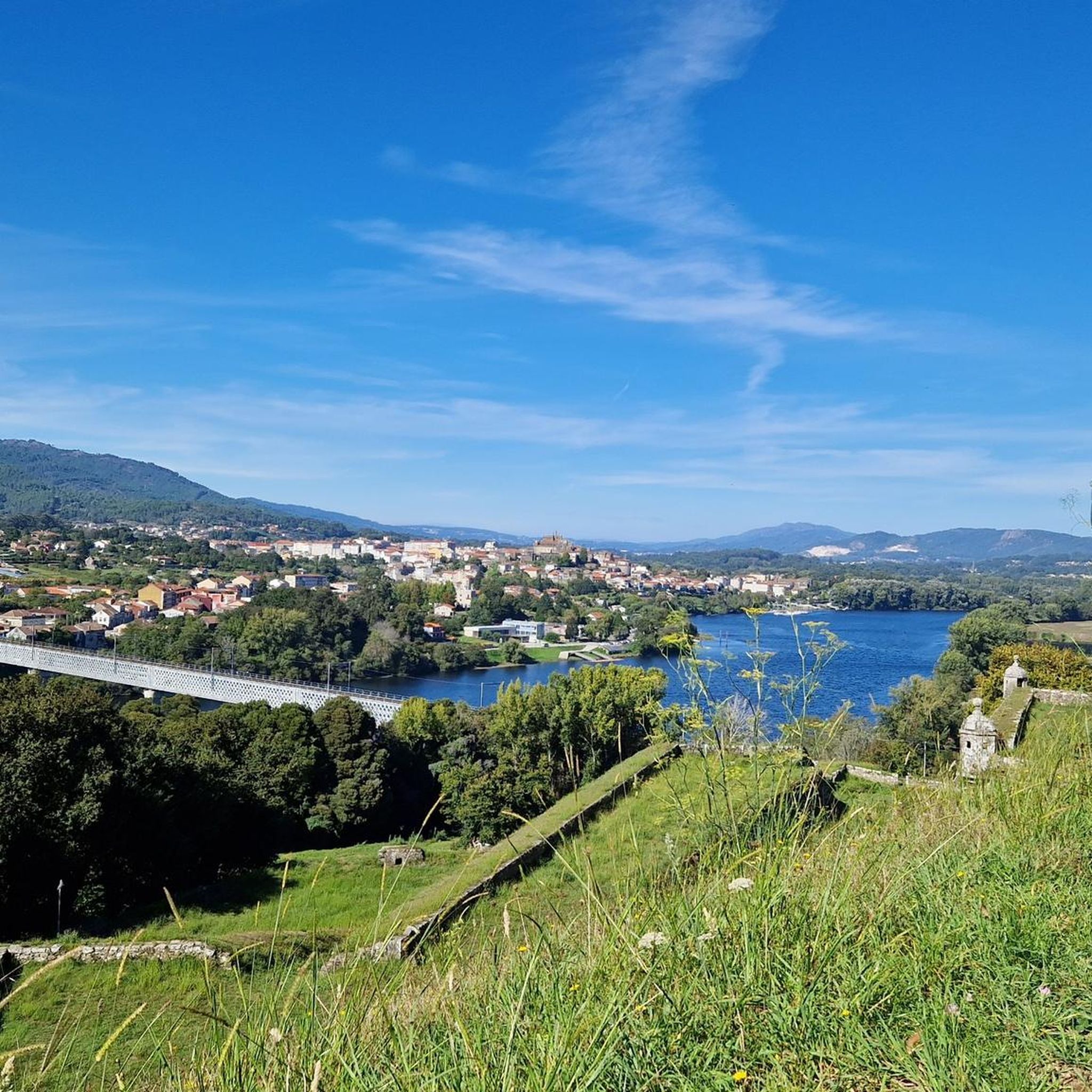
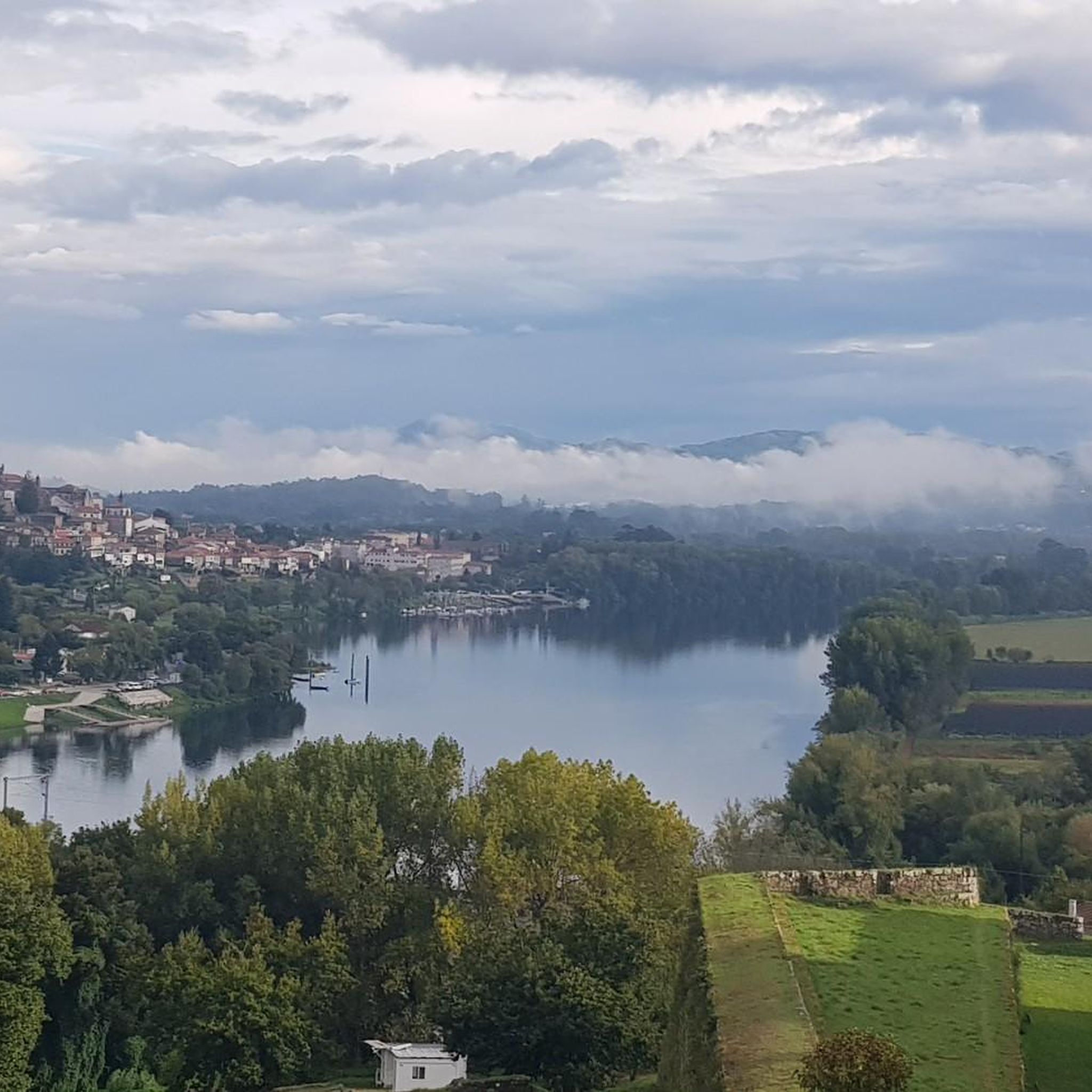
The well-preserved star fortress of Valença dominates the Minho valley from an elevated position and offers wide views in all directions.
4
1

In the heart of the Serra da Labruja, in what is considered one of the most difficult sections of the Portuguese Way of St. James (central), a nineteenth-century Latin cross stands out in the landscape, built by locals, recalling the battle between soldiers of the Portuguese army's ordinance, supported by the local population, against a group of stragglers from the Napoleonic troops, an episode that occurred in the context of the invasion of 1809 and the capture of Ponte de Lima by the French.
4
1
Frequently Asked Questions
What historical sites can I explore around Fontoura?
The region is rich in history. A prominent site is the Fortress of Valença, an imposing 17th-century fortress built on the ruins of a 13th-century castle, featuring star-shaped walls stretching for 5.5 kilometers. You can also find the Cruz dos Franceses, a 19th-century Latin cross in the Serra da Labruja, commemorating a battle from the Napoleonic invasions.
Are there any unique architectural landmarks connecting Portugal and Spain?
Yes, the Tui-Valencia International Bridge is a significant landmark. This 318-meter-long girder bridge, opened in 1885, connects the towns of Tui, Spain, and Valença do Minho, Portugal, across the Minho River, serving both road and rail traffic. It offers a stunning feeling to cross between the two countries.
What religious buildings are notable in the area?
While Fontoura has its own parochial church, a significant religious building nearby is the Portico of the Church of Santa María de la Asunción, Baiona. This cathedral, with its Romanesque structure and Gothic elements, began construction in 1120 and was consecrated in 1225. It's considered the greatest artistic exponent of the city of Tuy.
What kind of outdoor activities can I do near Fontoura?
The area around Fontoura offers various outdoor activities. You can explore numerous hiking trails, including easy to moderate routes like the 'Fortress of Valença – Chapel of Saint Sebastian loop'. For cyclists, there are many road cycling routes and MTB trails, such as the 'Minho River Greenway – Canuda Park loop'.
Are there family-friendly attractions around Fontoura?
The Fortress of Valença is considered family-friendly. Its expansive walls and historical significance provide an engaging experience for all ages, with plenty of space to explore and wide views in all directions. The nearby fluvial beaches, like Praia Fluvial do Taboão, also offer natural settings for family outings.
What natural features characterize the Fontoura region?
Fontoura is known for its fertile lands, extensively used for corn and vineyards, and abundant grasslands. Natural elevations like Monte São Gabriel offer scenic spots. The Minho River, which forms the border with Spain, is a significant natural feature, and you can find natural river beaches like Praia Fluvial do Taboão.
What is the best time to visit Fontoura attractions?
The region generally enjoys pleasant weather from spring through early autumn, making these seasons ideal for exploring historical sites and engaging in outdoor activities. Summer months are popular, but spring and autumn offer milder temperatures and fewer crowds, perfect for hiking and cycling.
What do visitors enjoy most about the attractions near Fontoura?
Visitors frequently highlight the historical significance and panoramic views. For instance, crossing the Tui-Valencia International Bridge is described as a 'stunning feeling' connecting Portugal and Spain. The Fortress of Valença is praised for its well-preserved star fortress design and the wide views it offers over the Minho valley.
Are there any viewpoints offering scenic vistas?
Yes, several attractions offer great views. The Fortress of Valença provides wide views in all directions from its elevated position. Additionally, the Tui-Valencia International Bridge offers views of the Minho River and the cities of Tui and Valença. Miradoiro do Cervo is also noted for scenic night views.
What is the historical significance of the Fontoura area?
Fontoura's origins trace back to the pre-Roman era, with archaeological discoveries around the area of Grove, including ceramic pottery and evidence of fortified castro structures. The name 'Fontoura' itself is traditionally linked to a 'Golden Fountain' (Fonte d'Ouro), suggesting a prized spring. The proximity to Valença means it shares in the rich border history, particularly with the impressive Fortress of Valença playing a crucial role in defending the border with Galicia.
Can I find any hidden gems or less-known spots around Fontoura?
While the main attractions are well-known, exploring the local hamlets and neighborhoods like Rio Torto, Ínsua, Boriz, and Paço can reveal the authentic local culture and community spirit. The Cruz dos Franceses, located in the Serra da Labruja, offers a historical monument in a more rugged, natural setting, away from the main tourist hubs.
Most popular attractions around Fontoura

Get inspired with the komoot mobile app


Explore more
Still not found the Highlight you’re looking for? See guides of the top attractions in other regions:
