Attractions and Places To See around Amonde - Top 20
Attractions and places to see around Amonde are concentrated in the Viana do Castelo district of Portugal, offering a mix of historical landmarks, natural features, and cultural sites. The region is characterized by its coastal proximity, the Lima River, and significant architectural structures. Visitors can explore a variety of landscapes, from urban centers to natural protected areas.
Best attractions and places to see around Amonde
- The most popular attractions is Ecovia do Atlântico, Caminho das Camboas, Caminho Portugues, a…
Last updated: July 1, 2026
Ecovia do Atlântico, Caminho das Camboas, Caminho Portugues
Highlight • Trail
Translated by Google •
Tip by

Eiffel Bridge (Ponte Eiffel)
Highlight • Bridge
Translated by Google •
Tip by

Sign up now to discover places like this
Get recommendations on the best single tracks, peaks, & plenty of other exciting outdoor places.
Sign up for free
Sanctuary of Santa Luzia
Highlight • Religious Site
Translated by Google •
Tip by

Eiffel Bridge 🌉 Rio Lima, Viana do Castelo
Highlight • Bridge
Translated by Google •
Tip by

Cycle path to Ponte de Lima
Highlight (Segment) • Cycleway
Translated by Google •
Tip by

Sign up for free to discover even more attractions around Amonde.
Sign up for free
Already have an account?
Start today with a free account
Your next adventure awaits.
Login or Signup
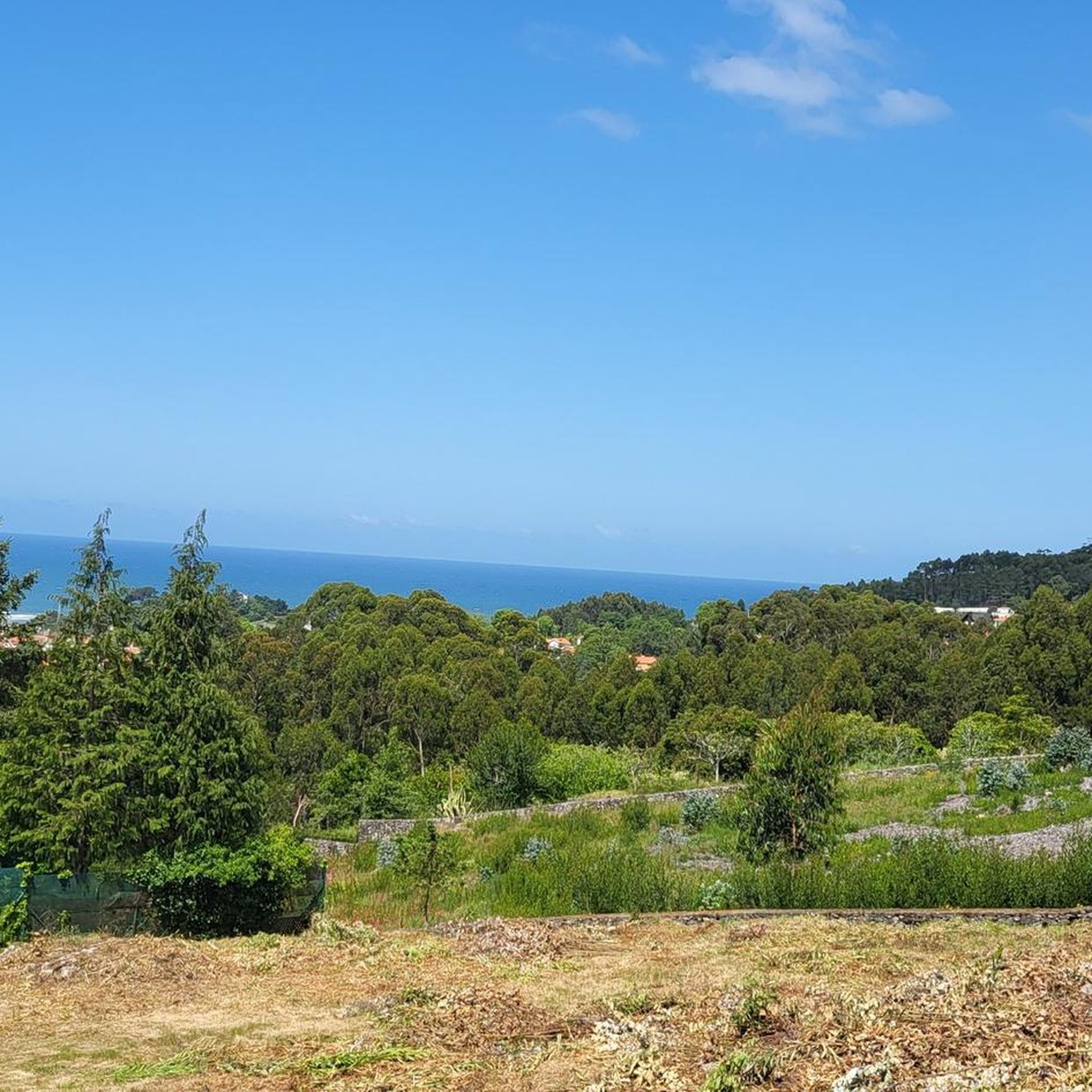
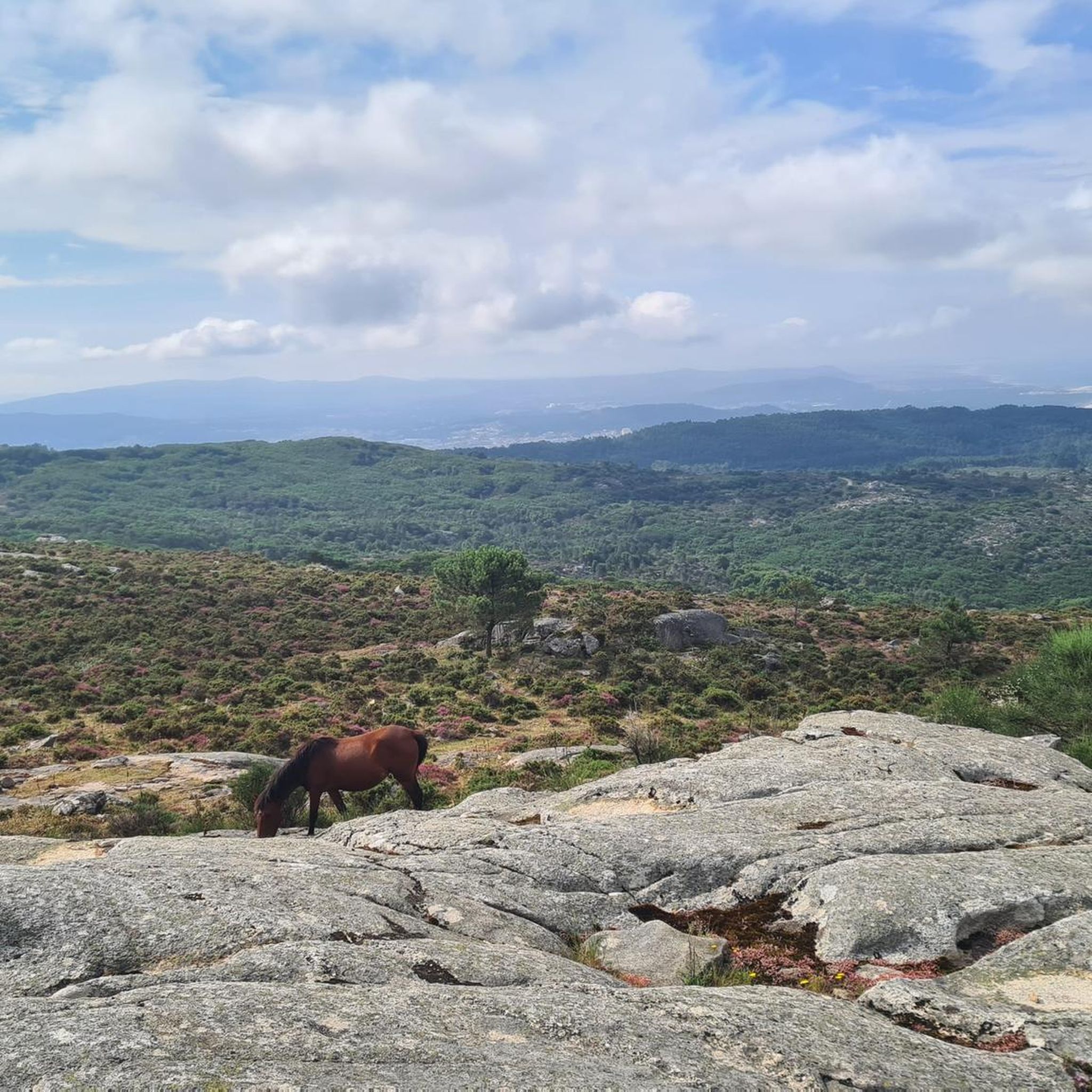
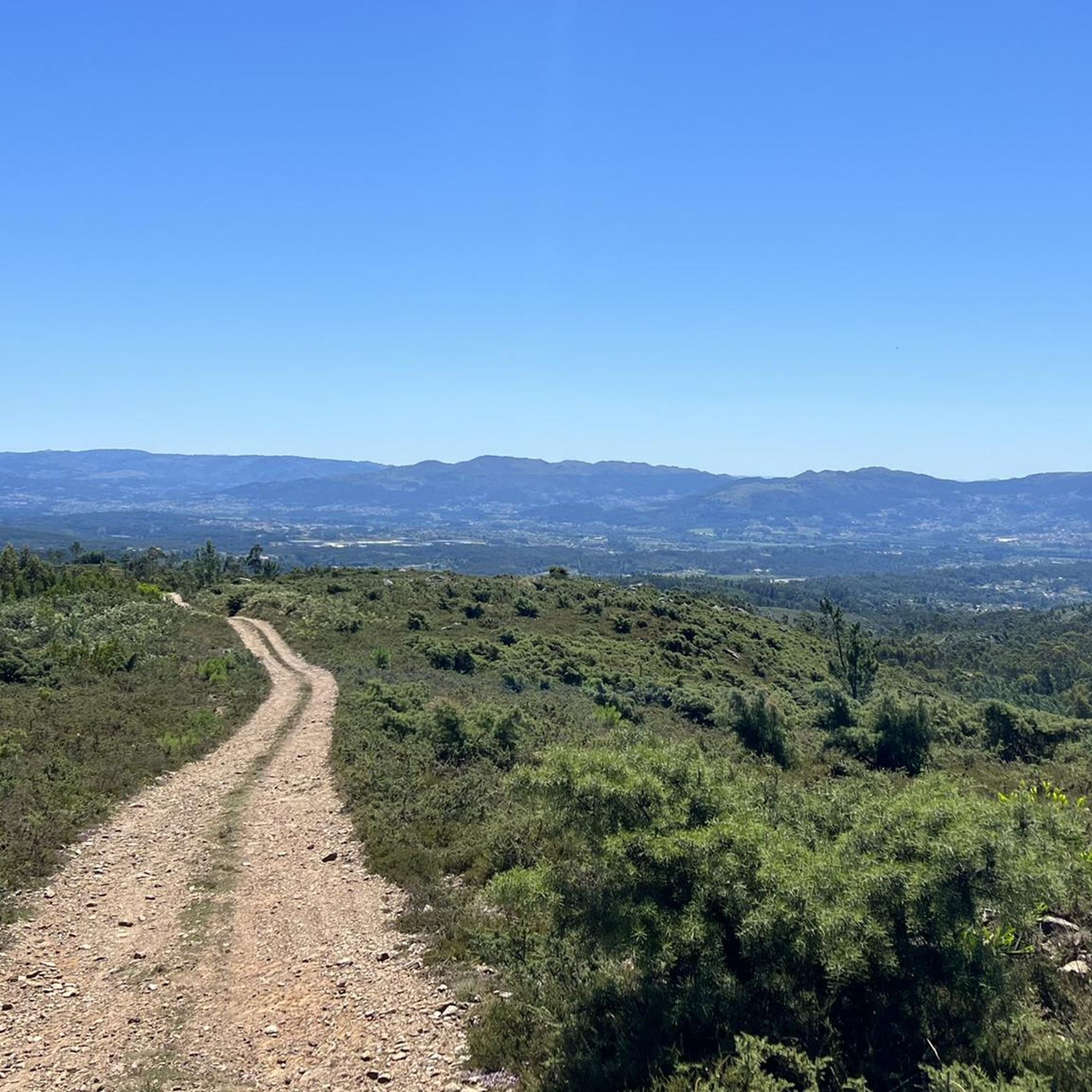
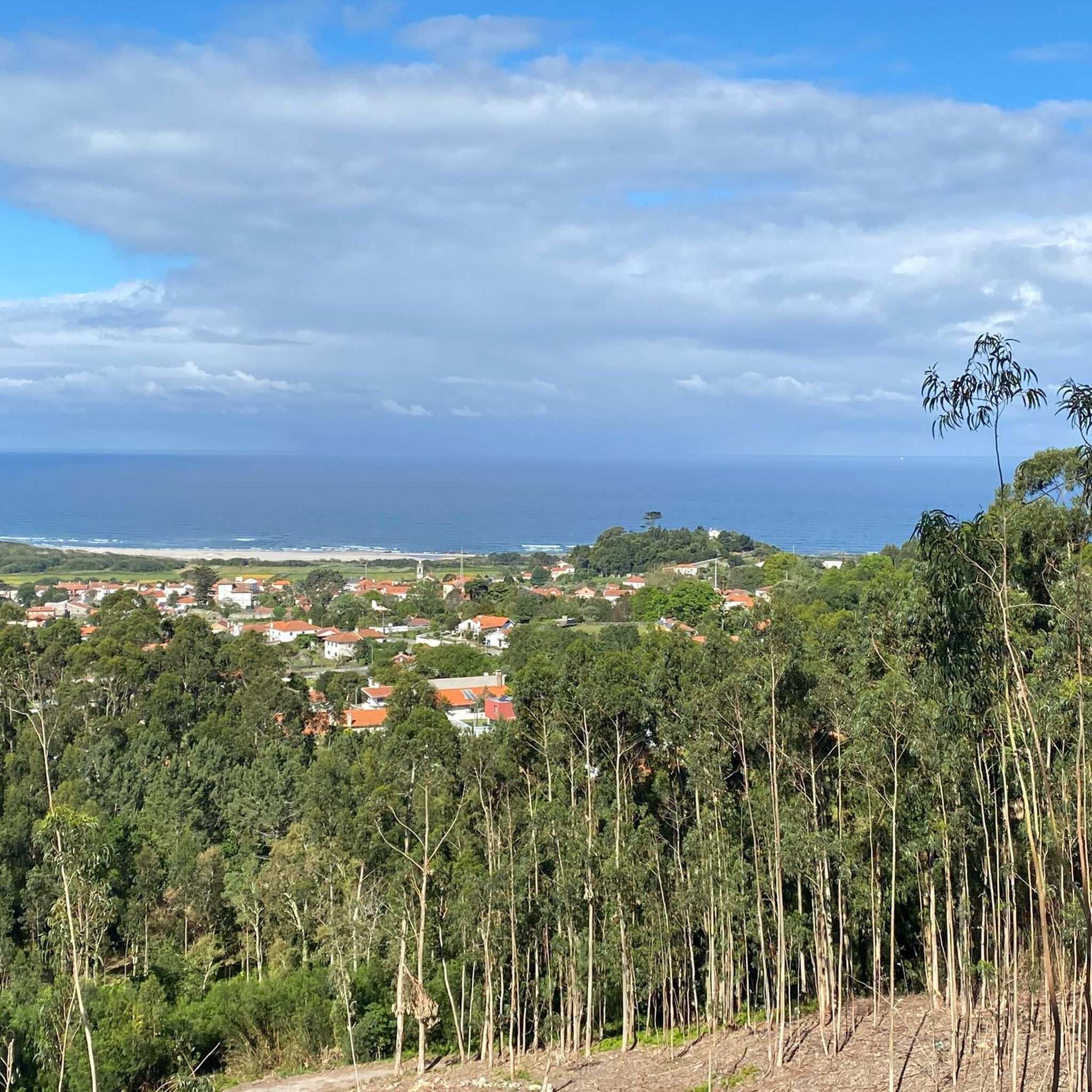
Tips from the Community

Lovely, quiet path, easy to ride when not impacted by seasonal rains and river flooding. All part of the charm and sense of adventure
0
0

Home and Access The Ecovia has multiple access points, with the connection between the city of Viana do Castelo and the town of Arcos de Valdevez being the main route.
2
0
Points of Interest Along the Ecovia Panoramic Views: The route offers breathtaking views of the Lima River, the agricultural fields ("veigas") and the rural landscape of Minho. Cultural Heritage: Along the way, you can find several points of interest, such as the Chapel of São João Baptista, the Monastery of Bravães (National Monument), the Fonte Santa (with sulphurous water) and the seven watermills of Gemieira, powered by a spectacular waterfall. Recreational Areas: There are several recreational areas, picnic parks and river beaches on the banks of the river.
2
0
Route Characteristics Length: Approximately 70 km in total, divided into several sub-routes (such as the Veigas Route, the Açudes Route, and the Laranja/Refóios Route). Usage: Ideal for hiking, running, and cycling (mountain bikes are suitable due to the terrain). Motorized vehicles are prohibited. Road: Mainly packed earth and consolidated gravel, with some wooden walkways in specific areas. Difficulty: Generally easy to medium difficulty, due to the gentle slope. Accessibility: Some parts of the route have wheelchair-accessible entrances and parking.
2
0
The Lima River Ecovia is an extensive pedestrian and cycling route that follows the banks of the Lima River in Alto Minho, Portugal. Stretching for approximately 70 kilometers, the ecovia crosses the municipalities of Viana do Castelo, Ponte de Lima, Ponte da Barca, and Arcos de Valdevez, offering scenic landscapes and a mostly flat route.
2
0
Location Address: N13, Viana do Castelo, Portugal. Views: Offers great photo opportunities, both from Darque and Viana do Castelo.
2
0
Access and Current Use Mixed Use: The bridge remains fully operational, serving both road and rail transport. Hours: As an essential public thoroughfare for the city, the bridge is open 24 hours a day for traffic. Works: Attention: In November and December 2025, the bridge has been undergoing maintenance work, resulting in the closure of vehicular traffic during the night (generally from 11:00 PM to 6:00 AM). It is recommended to check the exact times during your visit.
2
0
Main Features Design and Engineering: Inaugurated on June 30, 1878, it was the first road-rail bridge (with two superimposed decks) built in Portugal. Structure: It is 645 meters long, with the upper deck for car and pedestrian traffic, and the lower deck for the railway line (Minho Line). Heritage: The bridge is a beautiful example of 19th-century iron architecture and is considered a landmark of the city, being a candidate for classification as a National Monument.
2
0
Frequently Asked Questions
What are the main historical and architectural attractions around Amonde?
The region boasts significant historical and architectural sites. You can visit the Sanctuary of Santa Luzia, a religious building and historical site offering panoramic views. Another iconic structure is the Eiffel Bridge (Ponte Eiffel), designed by Gustave Eiffel's office, connecting Viana do Castelo with Darque. Within Viana do Castelo, the Viana do Castelo Cathedral, an episcopal church built in the fifteenth century, is also a notable landmark.
Are there any natural attractions or scenic viewpoints near Amonde?
Yes, the area offers several natural beauties and viewpoints. The Sanctuary of Santa Luzia provides stunning views of the harbor, the Lima River, Cabedelo beach, and the city center of Viana do Castelo. The Eiffel Bridge also offers exceptional views of both banks and the Lima River. Additionally, the Cascata do Pincho is a noteworthy waterfall in the region, and Monte de Santa Luzia itself is a natural feature with scenic vistas.
What kind of outdoor activities can I do near Amonde's attractions?
Amonde is a great base for outdoor activities. You can explore various hiking trails, including moderate routes like the 'Pincho Waterfall – S. Lourenço da Montaria loop' or 'S. Lourenço da Montaria – Vereda do Mar Waterfalls loop'. For more options, check out the Hiking around Amonde guide. Mountain biking is also popular, with trails such as the 'Montedor Viewpoint – Santa Luzia Hillside loop'. Find more MTB routes in the MTB Trails around Amonde guide.
Are there easy hiking trails suitable for a relaxed walk around Amonde?
Absolutely. For easier walks, consider trails like the 'Ponte das Traves – Traves Mill loop' or the 'Janela do Céu Lagoon – Pincho Waterfall loop'. These are generally shorter and less strenuous. You can find more easy options in the Easy hikes around Amonde guide.
What are some family-friendly attractions in the Amonde area?
Several attractions are suitable for families. The Sanctuary of Santa Luzia is considered family-friendly, offering great views and a funicular ride. The Ecovia do Atlântico, Caminho das Camboas, Caminho Portugues trail is also noted as family-friendly, providing a pleasant walk along the coast. The Viana do Castelo Cathedral is another historical site that families can explore.
Where can I find coastal walks or beach areas near Amonde?
The region is known for its coastal proximity. The Ecovia do Atlântico, Caminho das Camboas, Caminho Portugues is a trail that includes beach sections and is part of the Portuguese Coastal Way. Praia de Vila Praia de Âncora is another significant beach and shore area in the vicinity, offering beautiful coastal landscapes.
What do visitors particularly enjoy about the attractions around Amonde?
Visitors frequently highlight the stunning views and the historical significance of the sites. For instance, the Sanctuary of Santa Luzia is praised for its 360° panoramic views over Viana, the Atlantic, and the mountains. The Ecovia do Atlântico is a 'must-see' for those walking the Camino, offering good photo opportunities. The Eiffel Bridge is appreciated for its unique architecture and views of the Lima River.
Are there any archaeological sites to visit near Amonde?
Yes, near the Sanctuary of Santa Luzia, further uphill to the north, you can find a Celtic archaeological site. This adds an extra layer of historical exploration to your visit to the mount.
What is the significance of the Eiffel Bridge in Viana do Castelo?
The Eiffel Bridge (Ponte Eiffel) is an iconic iron landmark designed by Gustave Eiffel's office and inaugurated in 1878. It connects Viana do Castelo with Darque across the Lima River, featuring both road, pedestrian, and railway lines. It's considered a beautiful example of 19th-century iron architecture and offers exceptional views.
Can I access the Sanctuary of Santa Luzia easily?
Yes, the Sanctuary of Santa Luzia is accessible. You can reach it via a funicular (Téleférico) from the city, or by taking a stepped path. There's also a path leading through the forest from the north and a main path from the city in the east.
Are there any other notable bridges in the broader region besides the Eiffel Bridge?
While the Eiffel Bridge is a prominent feature, the medieval bridge of Ponte de Lima is another significant point of interest in the broader Viana do Castelo region, located slightly outside Amonde.
What kind of cultural experiences can I find in the Viana do Castelo district?
The Viana do Castelo district, where Amonde is located, is considered an important cultural center. Beyond the historical landmarks like the Viana do Castelo Cathedral, you can explore the Gil Eannes Foundation, which is a prominent museum with themed exhibition halls. The city is also recognized as a 'Mecca of contemporary architecture'.
Most popular attractions around Amonde

Get inspired with the komoot mobile app


Explore more
Still not found the Highlight you’re looking for? See guides of the top attractions in other regions:
