Top 15 Castles around Schönefeld
Best castles around Schönefeld are found in the surrounding Brandenburg region and nearby Berlin, offering historical sites and architectural insights. While Schönefeld itself does not feature prominent castles, the area provides access to several notable palaces and estates. This region is characterized by its historical significance and diverse landscapes, including river islands and expansive parks. Visitors can explore more than 15 castles, each offering a unique glimpse into the area's past.
Best castles around Schönefeld
- The most popular castles is Diedersdorf Castle, a castle ensemble that features multiple restaurants, a hotel, and hosts various events. This well-maintained estate is a popular destination for excursions.
- Another must-see spot is Köpenick Palace, a Baroque castle located on an island in the Dahme River. It houses an interesting museum, with the heraldic hall on the second floor being particularly noteworthy.
- Visitors also love Königs Wusterhausen Palace, a small castle that now serves as a museum. The central exhibition features 40 paintings by King Frederick William I, and visitors can stroll through the castle gardens.
- Schönefeld is known for its diverse historical sites, including Baroque palaces, former hunting lodges, and estates with extensive amenities. These castles offer a range of experiences, from museum visits to leisurely strolls through landscaped parks.
- The castles around Schönefeld are appreciated by the komoot community, with highlights receiving more than 1400 upvotes and over 690 photos shared by visitors.
Last updated: October 9, 2026
Diedersdorf Castle
Highlight • Castle
schlossdiedersdorf.de
Showing Translation
Tip by

Pulverturm and Berliner Gate
Highlight • Historical Site
Translated by Google •
Tip by

Sign up now to discover places like this
Get recommendations on the best single tracks, peaks, & plenty of other exciting outdoor places.
Regatta Course Berlin-Grünau
Highlight • Lake
Translated by Google •
Tip by

Königs Wusterhausen Palace
Highlight • Castle
Today, the castle houses a museum. The centerpiece of the exhibition are 40 paintings painted by the king himself. After visiting the castle, you can stroll through the beautifully landscaped castle gardens. The former outbuildings surrounding the castle now house the castle café.
More information about the castle can be found at spsg.de/schloesser-gaerten/objekt/schloss-schlossgarten-koenigs-wusterhausen.
Translated by Google •
Tip by

Genshagen Castle and Park
Highlight • Castle
Translated by Google •
Tip by

Sign up for free to discover even more castles around Schönefeld.
Already have an account?
Start today with a free account
Your next adventure awaits.
Popular around Schönefeld
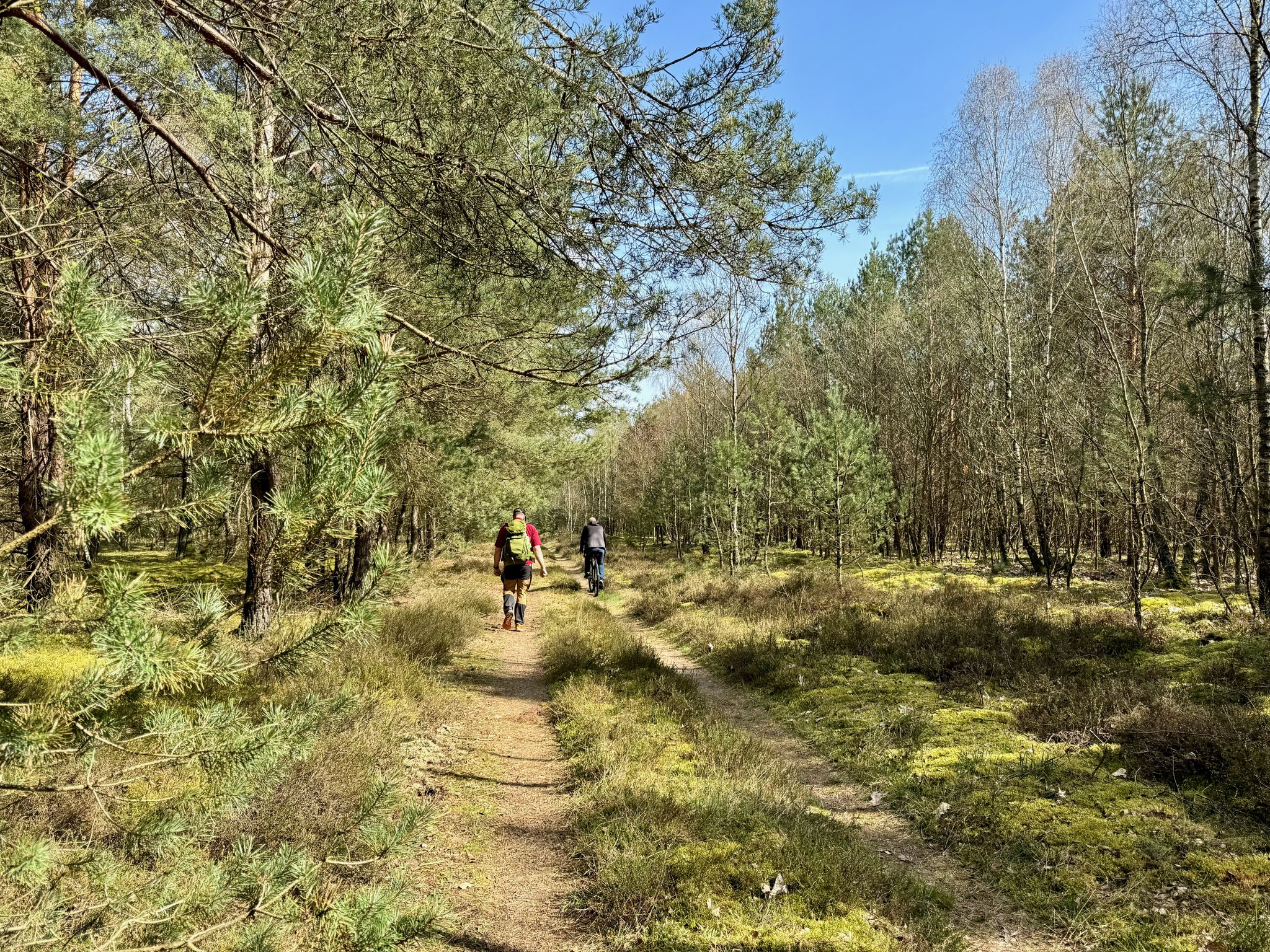
Hut or cask, tent or room – two-day hiking with the S-Bahn
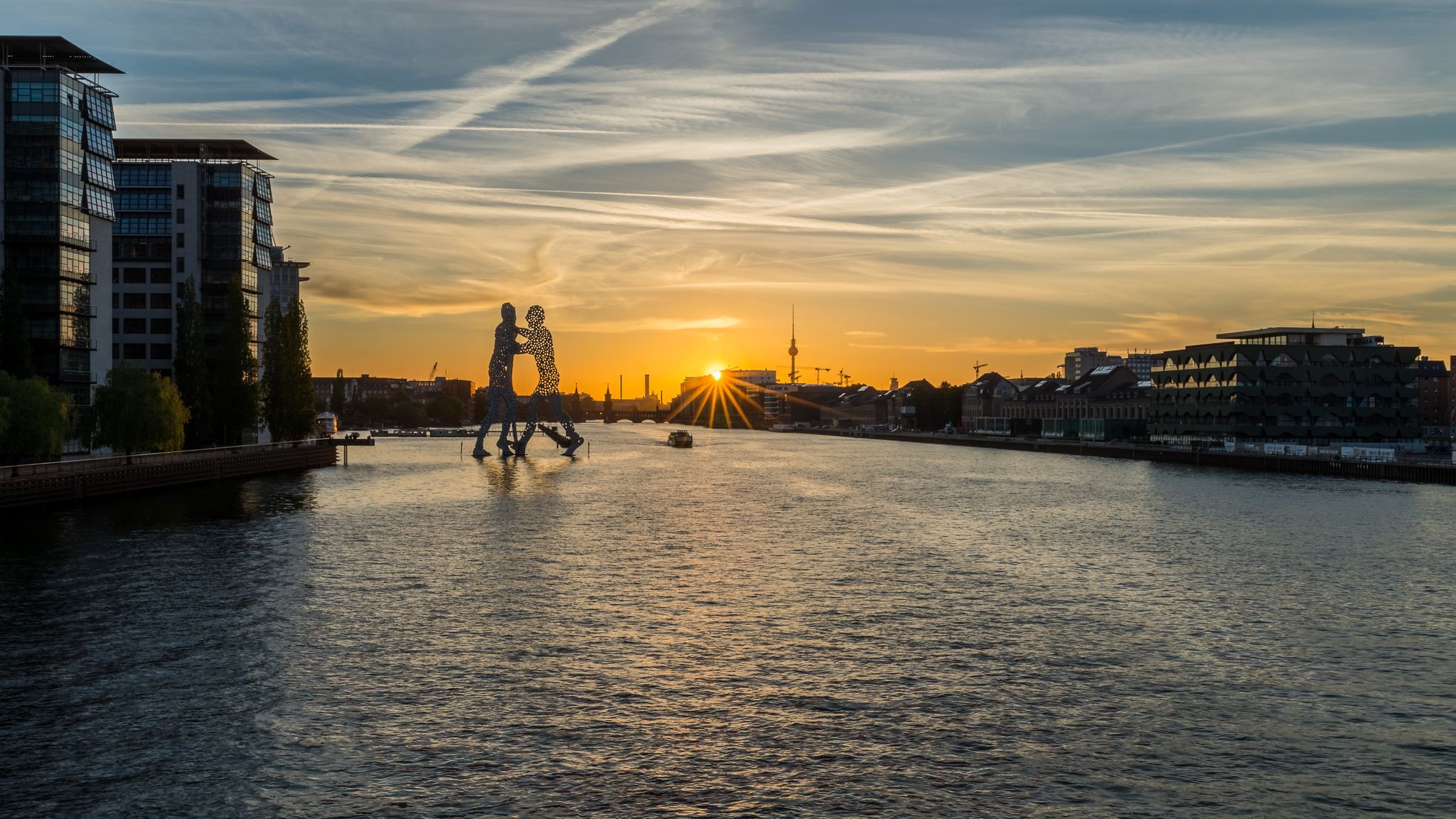
From romantic to kitsch – take the S-Bahn into the sunset
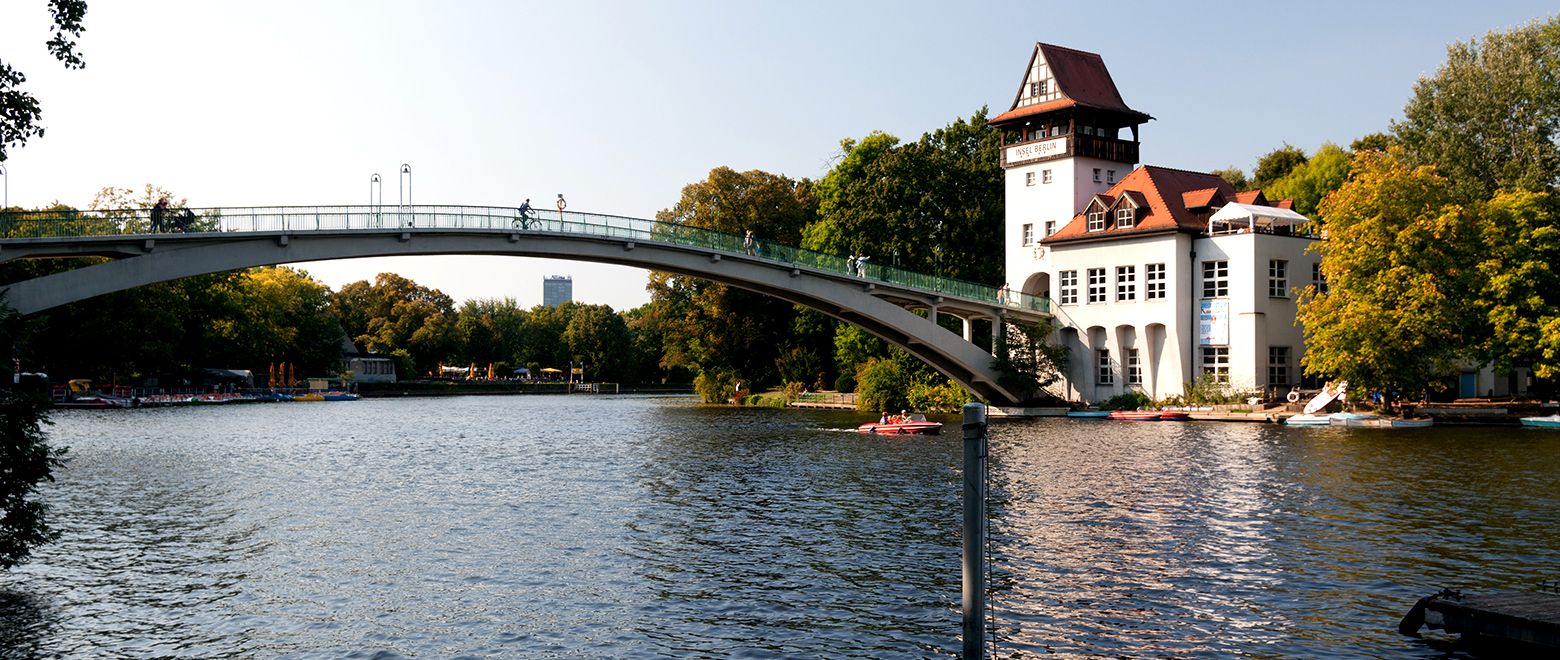
The most beautiful bike rides in Treptow-Köpenick
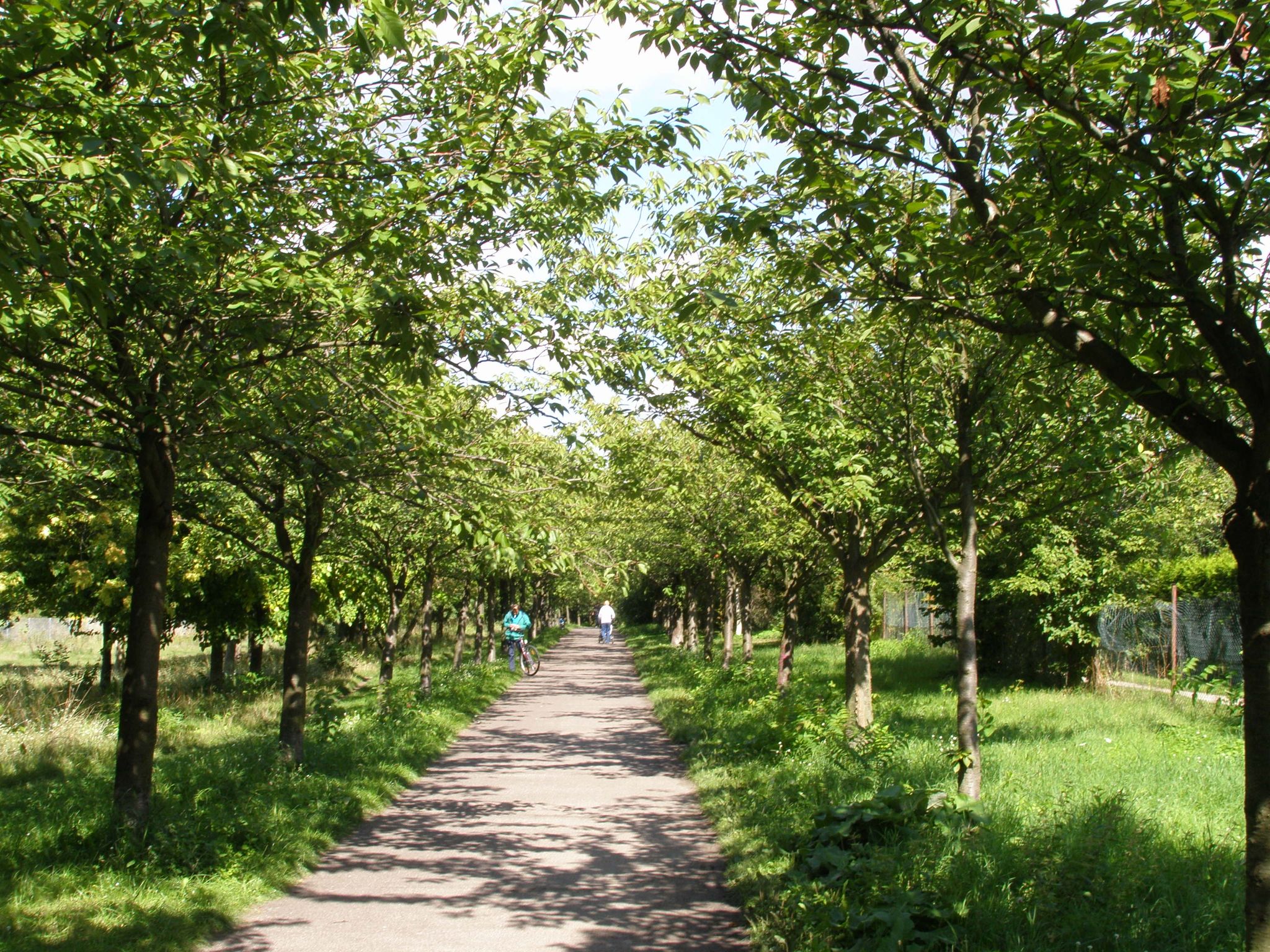
The Berlin Wall Trail in 3 stages
Mit dem Leihrad auf Entdeckungstour – S-Bahn Berlin
Cycling around Schönefeld
Hiking around Schönefeld
Running Trails around Schönefeld
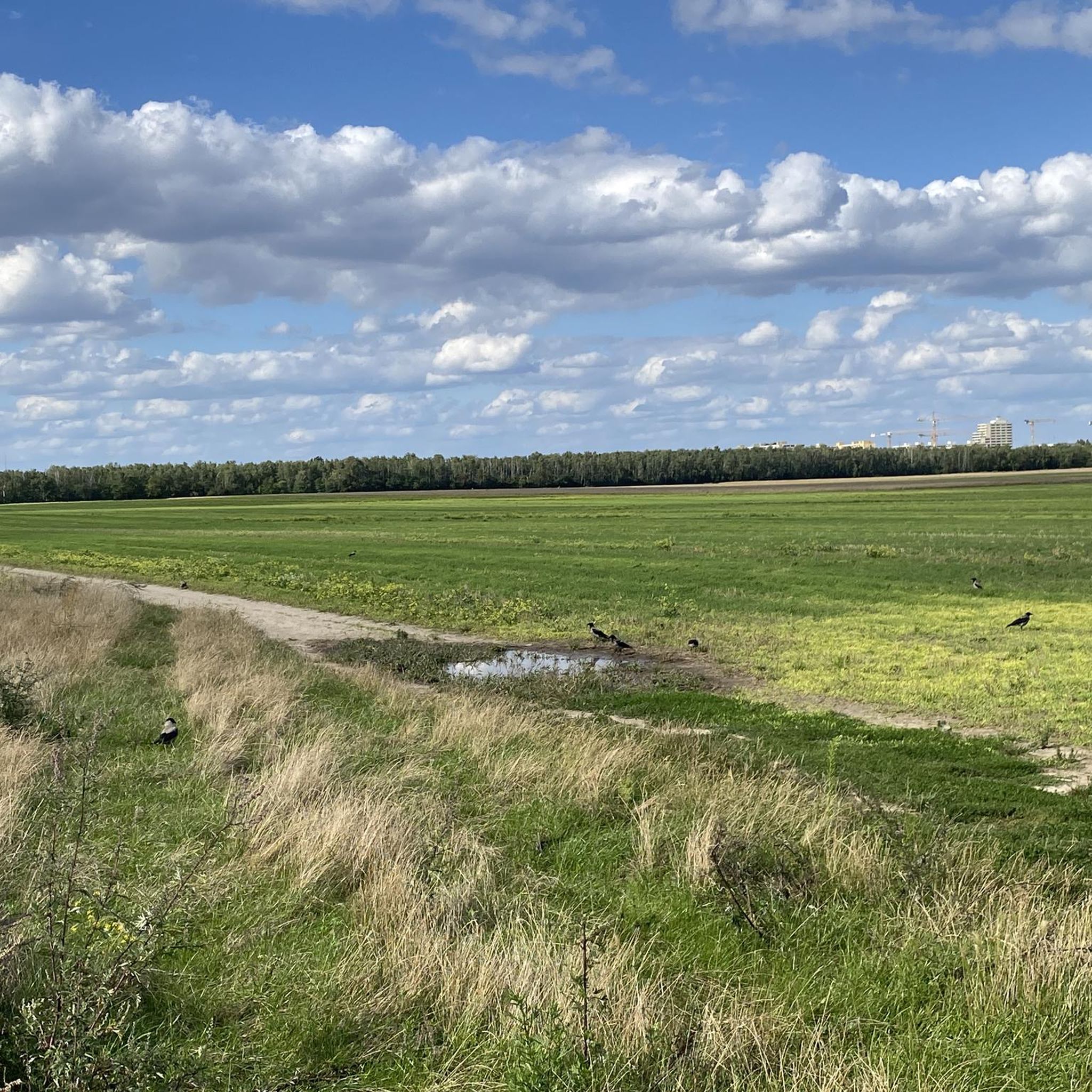
Road Cycling Routes around Schönefeld
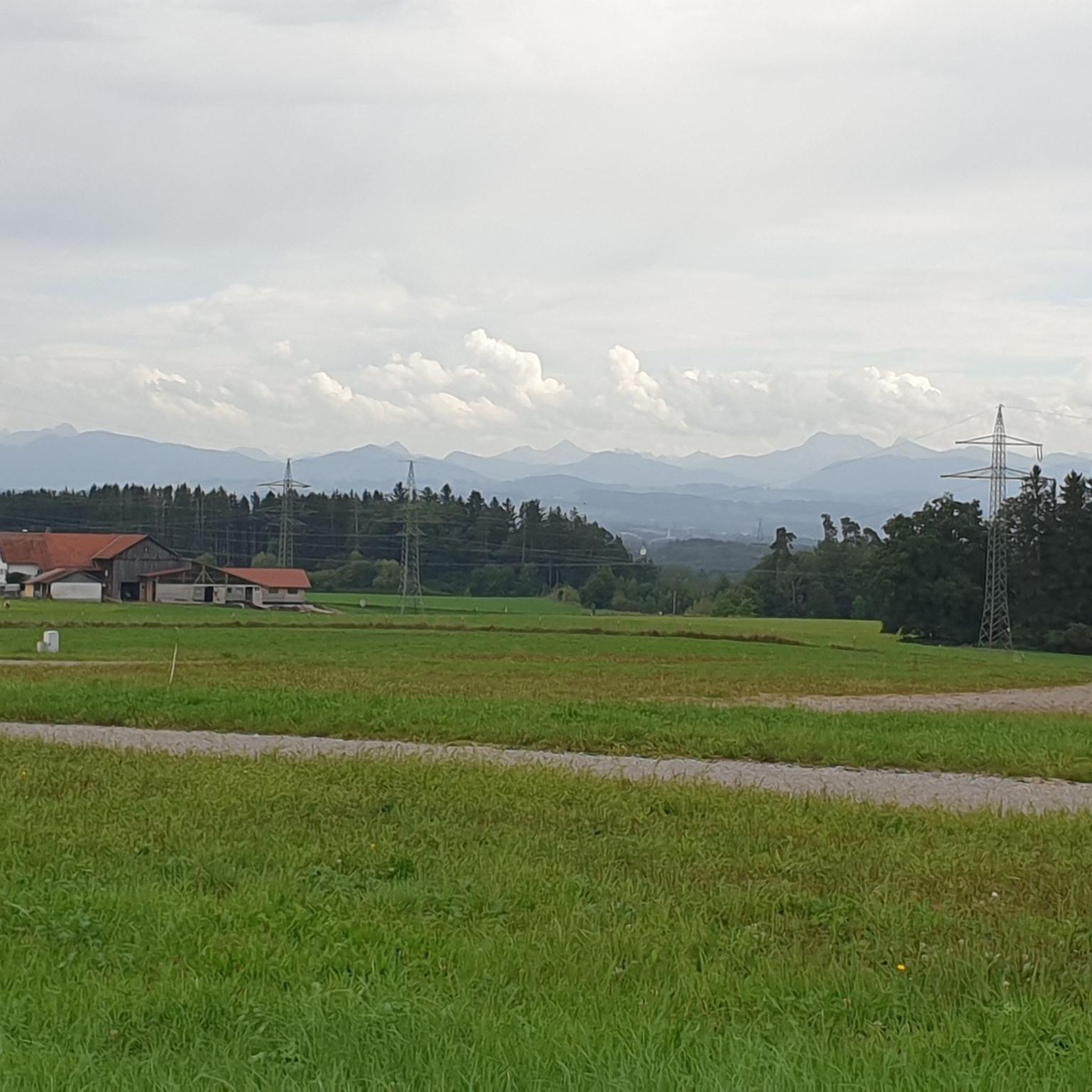
Gravel biking around Schönefeld
Other adventures around Schönefeld


Tips from the Community

King Frederick William I, known as the "Soldier King", loved the town of Wusterhausen since his youth. Here he prepared for his reign, developed new ideas for a well-organized and economical state administration and began to build a respectable army, known as the "Tall Guys".
7
3

it drives or runs well and you have pure nature
0
0

Genshagen Castle is a mansion built between 1878 and 1880 in the former Gutsdorf Genshagen of the same name, a district of Ludwigsfelde in the Brandenburg district of Teltow-Fläming. It is southwest of Berlin. Genshagen was first mentioned in 1289 and was divided before the 15th century. The larger part came into the possession of the von Otterstedt family, a significantly smaller part to the von Zicker family. Before 1655 the noble von Hake family acquired Otterstedt's share. The Zicker share came in 1677 to Friedrich August von Thümen. In 1700, a manor house was built in the former Otterstedt share, when Lewin Friedrich von Hake married Maria Dorothea, née Schaefferin. Wilhelm von Hake kept the estate throughout the wars of liberation. From 1791 to 1819 the Genshagener manor house served as the district office of the district of Teltow.[1] His son, Ludwig von Hake, sold it in 1838 for 130,000 Reichstaler to the royal Prussian Privy Councilor Karl Ferdinand Schulz. He commissioned Anton Gebauer with the administration for many decades. In September 1854, father Karl Ferdinand[3] left the manor house, which now belonged to the debt-free estate, to his daughter Friederike Pauline von Eberstein as a wedding gift on the occasion of her marriage to Max Freiherr von Ebenstein, a second lieutenant in the Emperor Franz Grenadier Regiment. On her behalf, a new manor house was built between 1878 and 1880 under the direction of the Berlin building inspector Lindemann, which after the conversion in the 1910s was primarily referred to as a palace. A one-storey, thirteen-axle rendered building in the Neo-Renaissance style was built on a high base with bossage. In their explanations in Die Guts- und Herrenhäuser im Landkreis Teltow-Fläming, Hiltrud and Carsten Preuss describe a symmetrical façade structure with “decorative façade decoration”. In the middle on the courtyard side was a flight of steps that stretched three axes wide. Visitors entered a portico that bore a triangular gable with the von Eberstein coat of arms. On the park side, another flight of steps led into the park. In the mansard roof there were ten dormer windows on the courtyard side, which were arranged above the window axes on the ground floor. After the von Eberstein family moved in, the manager used the old manor house as a residence and manager's house. In 1888 a distillery was built. (Source Wikipedia)
1
0

Königs Wusterhausen Castle in the town of the same name south-east of Berlin in the state of Brandenburg became known as the preferred residence of the "soldier king" Friedrich Wilhelm I and as the location of his tobacco colleges. The listed building has been a museum since 2000. The two-storey, almost square structure was built up to the upper floor using fieldstone. It shows the type of “solid house” that was obligatory for the Renaissance. The north and south sides of the building show the gable fronts with steep and parallel gabled roofs that are characteristic of the palace. On the northern courtyard facade is the upstream stair tower, shifted from the central axis, with a slate-covered tail cap. In the ballroom of the castle there are about 40 paintings that the soldier king painted himself between 1735 and 1739 in Kossenblatt Castle and that only came to Wusterhausen in 1863. In front of the castle are the two cavalier houses, which together form the trapezoidal courtyard. Source: Wikipedia
5
3

The castle ensemble is a wonderful place. Several restaurants, a hotel, and many events throughout the year make the well-kept castle with its buildings – actually, it's a large manor – a popular destination for excursions. https://www.schlossdiedersdorf.de/
5
1

Guided tours are offered in the castle.
6
3

Wonderfully renovated. However, it is not certain whether a visit or walk in the castle park is possible
0
0

The castle in its current form was built between 1878 and 1880 on the foundation of a mansion, which was probably built around 1700, and served as the manor of the Baron von Eberstein. More information: http://www.stiftung-genshagen.de/das-schloss/geschichte.html#http://www.stiftung-genshagen.de/uploads/tx_templavoila/home_teaser_2_01.jpg
1
0
Frequently Asked Questions
How far are castles from Schönefeld?
While there are no prominent castles directly within Schönefeld, several notable palaces and castles are located in the surrounding Brandenburg region and nearby Berlin. These are generally within a reasonable driving distance, offering a convenient day trip from Schönefeld.
Which castles near Schönefeld are particularly family-friendly?
Many castles in the area are suitable for families. For instance, Diedersdorf Castle is a popular excursion destination with multiple restaurants, a hotel, and various events throughout the year, making it a lively and engaging estate for all ages. Königs Wusterhausen Palace also offers beautiful gardens for strolling, which can be enjoyable for families.
Can I visit castles near Schönefeld using public transport?
Yes, several castles are accessible via public transport. Köpenick Palace, for example, is located on an island in the Dahme River within the Berlin district of Köpenick, which is well-connected by public transport. It's advisable to check specific routes and schedules for each castle you plan to visit.
What kind of historical insights can I gain from visiting these castles?
The castles around Schönefeld offer a rich glimpse into the region's history. Köpenick Palace, originally a Renaissance hunting lodge, showcases Baroque architecture and houses a museum with a noteworthy heraldic hall. Königs Wusterhausen Palace, once frequented by King Frederick William I, now serves as a museum featuring 40 paintings by the 'Soldier King' himself, providing a personal connection to Prussian history.
Are there any castles with extensive parks or natural features nearby?
Yes, Genshagen Castle and Park offers a very nice park that is generally open to the public, providing a pleasant place for relaxation and strolls amidst nature. Köpenick Palace also features a small Baroque garden that was later transformed into a beautiful landscaped park.
What outdoor activities can I do near these castles?
The region around Schönefeld offers various outdoor activities. You can find numerous hiking and cycling routes. For instance, you can explore routes like the 'Great Selchow Lake – Luchweg at Torfbuschgraben loop' for hiking or the 'Mauerweg (Berlin Wall Trail) at Britz Harbor – Ostkrone Cycle Path loop' for road cycling. You can find more details on these and other routes in the Hiking around Schönefeld and Road Cycling Routes around Schönefeld guides.
What is the best time of year to visit castles near Schönefeld?
Visiting castles around Schönefeld is enjoyable throughout the year. Spring and summer offer pleasant weather for exploring gardens and parks, while autumn provides beautiful foliage. Some castles, like Diedersdorf Castle, host events year-round, making them attractive even in colder months. Always check specific opening hours as they might vary seasonally.
Are there cafes or restaurants available at the castles?
Yes, several castles offer dining options. Diedersdorf Castle is known for its multiple restaurants and a hotel. At Königs Wusterhausen Palace, the former outbuildings now house a castle café. Köpenick Palace also has the Schlosscafé Köpenick in a beautiful riverside location.
What do visitors enjoy most about the castles around Schönefeld?
Visitors appreciate the diverse experiences offered by these historical sites. Many enjoy the well-maintained complexes like Diedersdorf Castle for its blend of history and modern amenities, including a beer garden and bakery. The serene island setting and rich museum at Köpenick Palace are also highly valued, as are the historical connections and beautiful gardens of Königs Wusterhausen Palace.
Are there options for parking at these castle locations?
Parking availability varies by location. For example, Genshagen Castle and Park is noted to have parking facilities. For other castles, it's recommended to check their official websites or local signage for specific parking information, especially in urban areas like Köpenick where public transport might be more convenient.
Are there any less crowded or 'hidden gem' castles to visit?
While the main castles are popular, the region has many historical sites. For a tranquil experience focused on nature and history, Genshagen Castle and Park offers a pleasant, publicly accessible park that can be less bustling than more prominent museum-focused palaces, providing a peaceful retreat.
Most popular routes around Schönefeld
Most popular attractions around Schönefeld

Get inspired with the komoot mobile app


Explore more
Looking for the best castles somewhere else? Discover other guides around Schönefeld:
