Attractions and Places To See around Tourém - Top 14
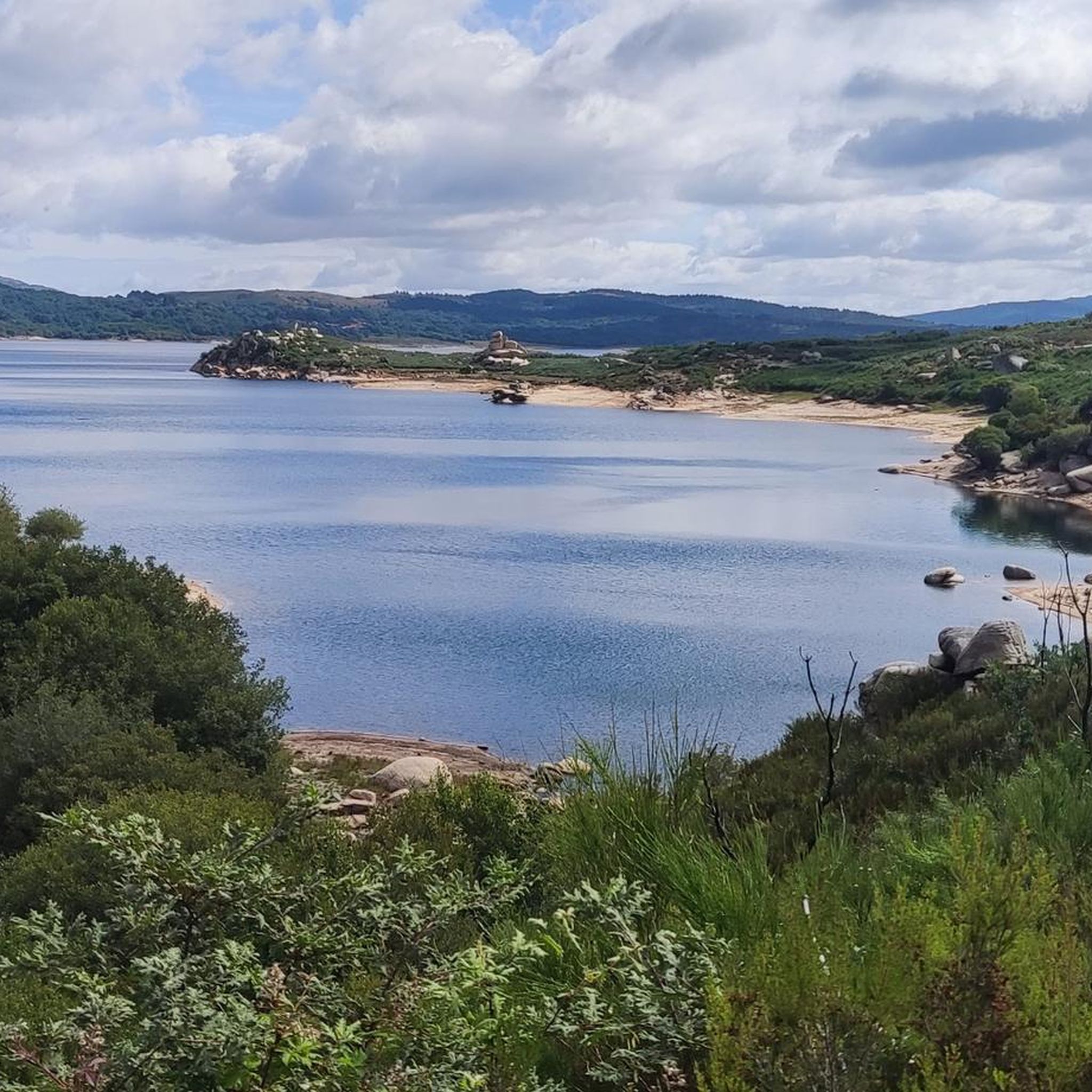
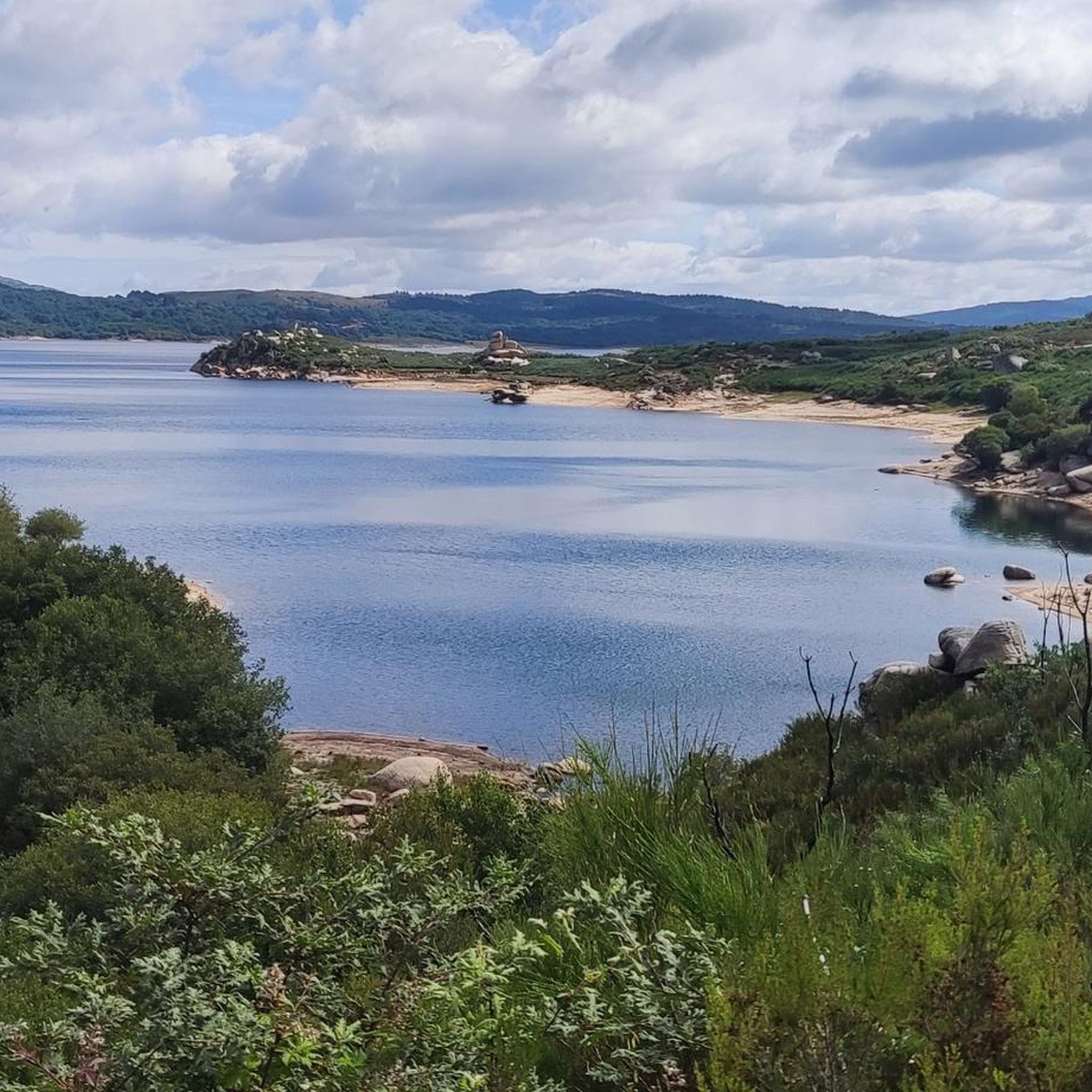
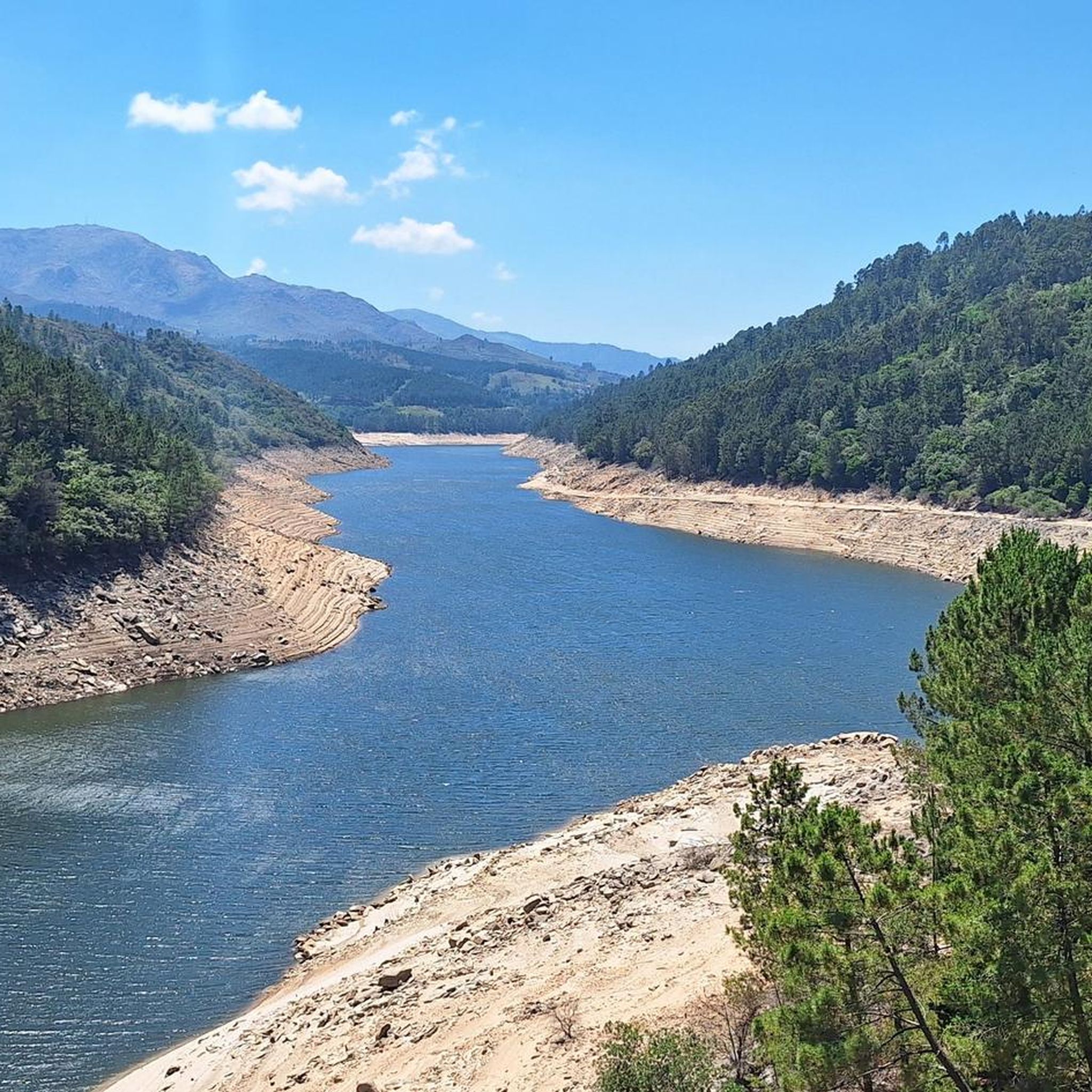
Attractions and places to see around Tourém offer a blend of historical landmarks, cultural heritage, and natural beauty. This border village in the Barroso region of Portugal is situated on a plateau with views of the Gerês and Larouco mountain peaks. The surrounding landscape features fields, water-meadows, and oak woods near the Salas river reservoir. The area provides diverse points of interest for exploration.
Best attractions and places to see around Tourém
- The most popular attractions is Monastery of Saint…
Last updated: October 18, 2026
Monastery of Saint Mary of Pitões das Júnias
Highlight • Religious Site
Translated by Google •
Tip by

Aquis Querquennis Roman Camp
Highlight • Historical Site
Translated by Google •
Tip by

Sign up now to discover places like this
Get recommendations on the best single tracks, peaks, & plenty of other exciting outdoor places.
Roman Baths of Bande
Highlight • Historical Site
Translated by Google •
Tip by
Pitões das Júnias Waterfall
Highlight • Waterfall
Translated by Google •
Tip by
Dolmen of Casola do Foxo
Highlight • Historical Site
Translated by Google •
Tip by

Sign up for free to discover even more attractions around Tourém.
Already have an account?
Start today with a free account
Your next adventure awaits.
Tips from the Community

The waters of this waterfall come from the Pitões stream, which, due to the uneven terrain, develops over several levels, the first of which is about 30 meters high and flows into a lake bounded by granite outcrops. This waterfall is one of many in the Barroso region and feeds several rivers that originate in the Serra do Gerês.
0
0
The Monastery of Santa Maria das Júnias is a ruined monastery, of which the church remains, located on the outskirts of Pitões das Júnias. The last Cistercian monk became the parish priest of the village of Pitões das Júnias in 1834, the date of the abolition of religious orders in Portugal. As a historical curiosity, it is worth noting that Dom Pedro de Pitões, one of the main drivers of the conquest of Lisbon from the Moors in 1147, was ordained bishop of Porto at this monastery.
0
0
There is a beautiful landscape nearby to enjoy.
0
0

Hidden in the heights of Pitões das Júnias, the ancient monastery of Santa Maria carries centuries of history in the stones that support it. It is believed that its origins date back to the 9th century, in the middle of the Reconquista era, before Portugal was born as a kingdom. Officially, however, it was founded in the 12th century under the auspices of the Benedictines, and later embraced the austerity of the Cistercian reform. Today, among the silent ruins, the modest side portico of the church and the delicate arcades of the cloister remain.
1
1
From the top of the Pitões waterfall, in addition to the impressive waterfall, you can see the beautiful Beredo oak forest, where the Pyrenean oak is a perennial species, perfectly adapted to the climate and altitude of this region. If you look towards the horizon, the imposing outline of the Gerês mountain range completes this scene of pure natural beauty.
1
0
The monastery of Santa Maria de Pitões das Júnias has roots that are believed to date back to a period before the founding of the Kingdom of Portugal, in the 9th century, during the Christian Reconquest. However, it is certain that it was founded in the mid-12th century, initially under the Benedictine Order, later adhering to the Cistercian reform. Notable remains of its original design still remain, such as the simple side portico of the church and the discreet arcades of the cloister, now in ruins.
2
0

Fascinating landscape, by bike or on foot
0
1

It has a burial chamber with approximate dimensions of 3.5 metres long, 2 metres wide and a height of up to 2 metres. The stones that form it, known as orthostats, can reach an estimated weight of between 500 and 1,500 kilograms each, depending on their size and thickness. These large granite slabs, typical of dolmens, were carefully placed by Neolithic communities as collective funerary monuments, reflecting the effort and ritual importance of the place.
1
0
Frequently Asked Questions
What historical sites can I explore near Tourém?
The region around Tourém is rich in history. You can visit the ancient Monastery of Saint Mary of Pitões das Júnias, with roots dating back to before the 9th century. Another significant historical site is the Aquis Querquennis Roman Camp, an archaeological complex crossed by the ancient Vía Nova. Don't miss the Dolmen of Casola do Foxo, a Neolithic collective tomb, and the Medieval Bridge, visible when the dam's water level is low, linking Portugal and Spain.
Are there any natural attractions or viewpoints worth visiting near Tourém?
Absolutely. The area boasts stunning natural beauty. A must-see is the Pitões das Júnias Waterfall, where you can admire the impressive cascade and the Beredo oak forest. The Mourela Plateau is known for its diverse birdlife, and the Salas River Reservoir offers picturesque views. Tourém itself is situated on a plateau with views of the Gerês and Larouco mountain peaks, providing many scenic spots.
What cultural heritage sites are there in Tourém itself?
Within Tourém, you can discover several cultural landmarks. The village is known for its traditional granite houses. Key sites include the Communal Oven (Forno Comunitário), the Chapel of Santa Ana, and the Parish Church of Tourém (Igreja Matriz de Tourém). The Barroso Ecomuseum, housed in the former byre of the communal bull, offers insights into local history, including smuggling and cross-border relationships.
What outdoor activities can I do around Tourém?
Tourém is an excellent base for outdoor enthusiasts. You can explore a variety of trails for different sports. For hiking, there are routes like the 'As Mice by the Moorish Cottage – Salas Dam' or the 'Parking lot – View of Pitões Waterfall loop from Pitões das Junias'. You can find more details on Hiking around Tourém. There are also options for MTB Trails around Tourém and Cycling around Tourém, with routes suitable for various difficulty levels.
Are there any family-friendly attractions or activities near Tourém?
Yes, the region offers several options suitable for families. The Roman Baths of Bande, though sometimes submerged, are a unique historical site that can be interesting for all ages when accessible. Exploring the natural landscapes, such as the Pitões das Júnias Waterfall or the Salas River Reservoir, provides opportunities for gentle walks and enjoying nature together. Many of the easier hiking and cycling routes are also suitable for families.
What is the best time of year to visit Tourém for outdoor activities?
The best time to visit Tourém for outdoor activities is generally during the spring (April to June) and autumn (September to October) months. During these periods, the weather is typically mild and pleasant, ideal for hiking, cycling, and exploring the natural and historical sites. Summers can be warm, while winters can be cold, especially at higher elevations, though winter offers a different kind of beauty.
Can I find any unique historical structures related to local traditions?
Yes, you can find the Fojo do Lobo, a man-made rock formation historically used to trap wolves in the mountains. This offers a fascinating glimpse into traditional practices and the relationship between the community and its natural environment in the past.
What is the significance of the Barroso Ecomuseum?
The Barroso Ecomuseum (Pólo do Ecomuseu do Barroso) is significant as it preserves and interprets the local heritage. Housed in the former byre of the communal bull, it focuses on themes such as smuggling, the historical micro-state of Couto Misto, political exiles, and cross-border relationships, providing a deep dive into the unique cultural identity of the region.
Are there any Roman ruins besides Aquis Querquennis?
Yes, in addition to the Aquis Querquennis Roman Camp, you can also visit the Roman Baths of Bande. These ancient thermal baths, located near the Las Conchas reservoir, are a testament to the Roman presence in the area and are freely accessible when the water levels are low enough to reveal them.
What kind of natural landscape surrounds Tourém?
Tourém is set within an extraordinarily scenic landscape. It's situated on a plateau offering views of the Gerês and Larouco mountain peaks. The surroundings feature fields, water-meadows, and oak woods, all near the Salas River Reservoir. The proximity to the Peneda-Gerês National Park further enhances its natural appeal, providing a diverse environment of mountains, rivers, and forests.
What do visitors enjoy most about the attractions around Tourém?
Visitors particularly appreciate the blend of historical depth and natural beauty. The mystical atmosphere of the Monastery of Saint Mary of Pitões das Júnias and the impressive views from the Pitões das Júnias Waterfall are frequently highlighted. The well-preserved Roman sites like Aquis Querquennis Roman Camp also receive high praise for their historical significance.
Most popular routes around Tourém
Most popular attractions around Tourém

Get inspired with the komoot mobile app


Explore more
Still not found the Highlight you’re looking for? See guides of the top attractions in other regions:
