Attractions and Places To See around Aldeias - Top 20
Best attractions and places to see around Aldeias encompass a diverse range of historic villages, natural landscapes, and coastal areas across Portugal. These regions, including the distinctive Aldeias do Xisto with their schist architecture and the coastal Aldeia das Acoteias, offer insights into traditional Portuguese life and stunning natural beauty. Visitors can explore mountainous terrains, river valleys, and pristine beaches. The area is characterized by its blend of cultural heritage and outdoor exploration opportunities.
Best attractions and places to see around Aldeias
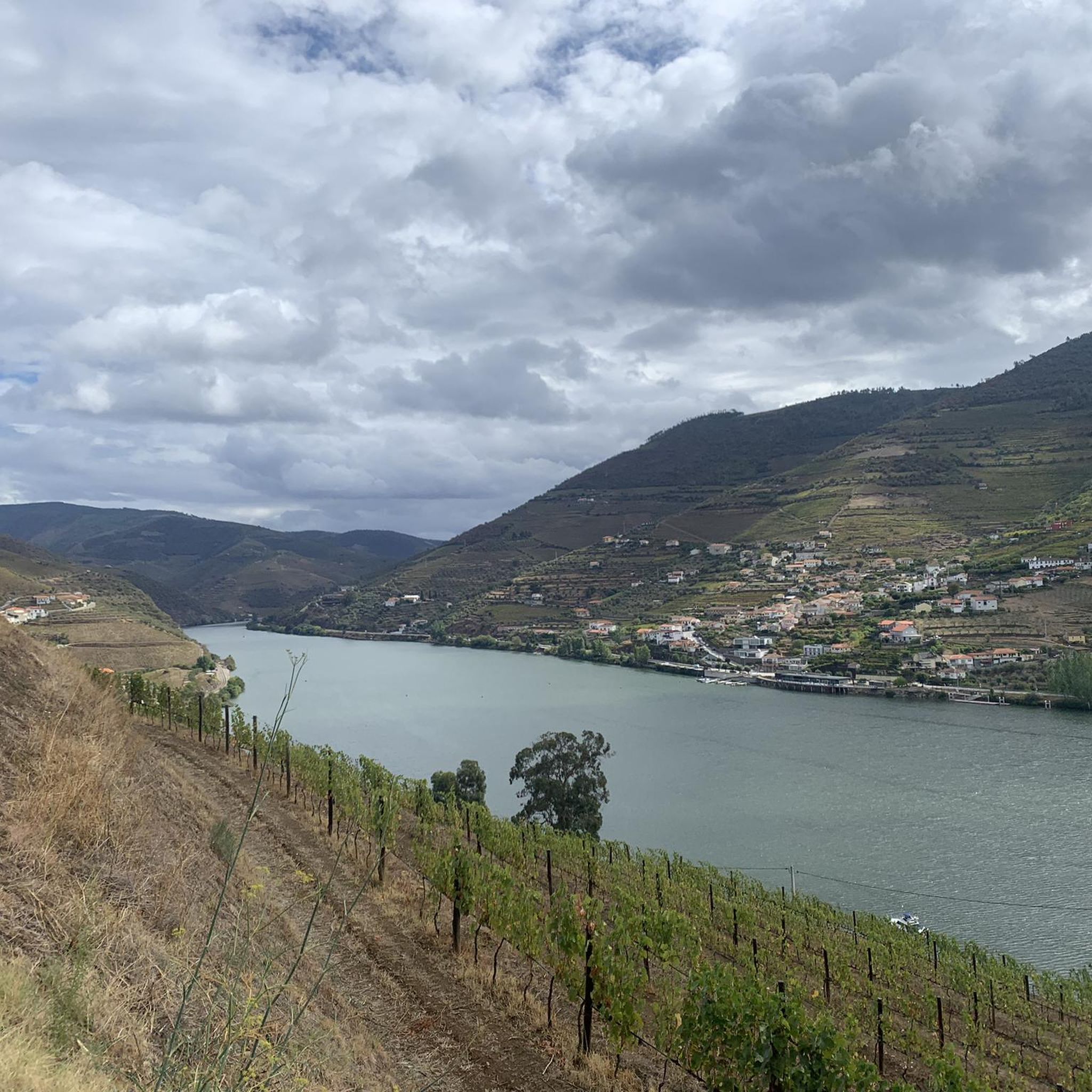
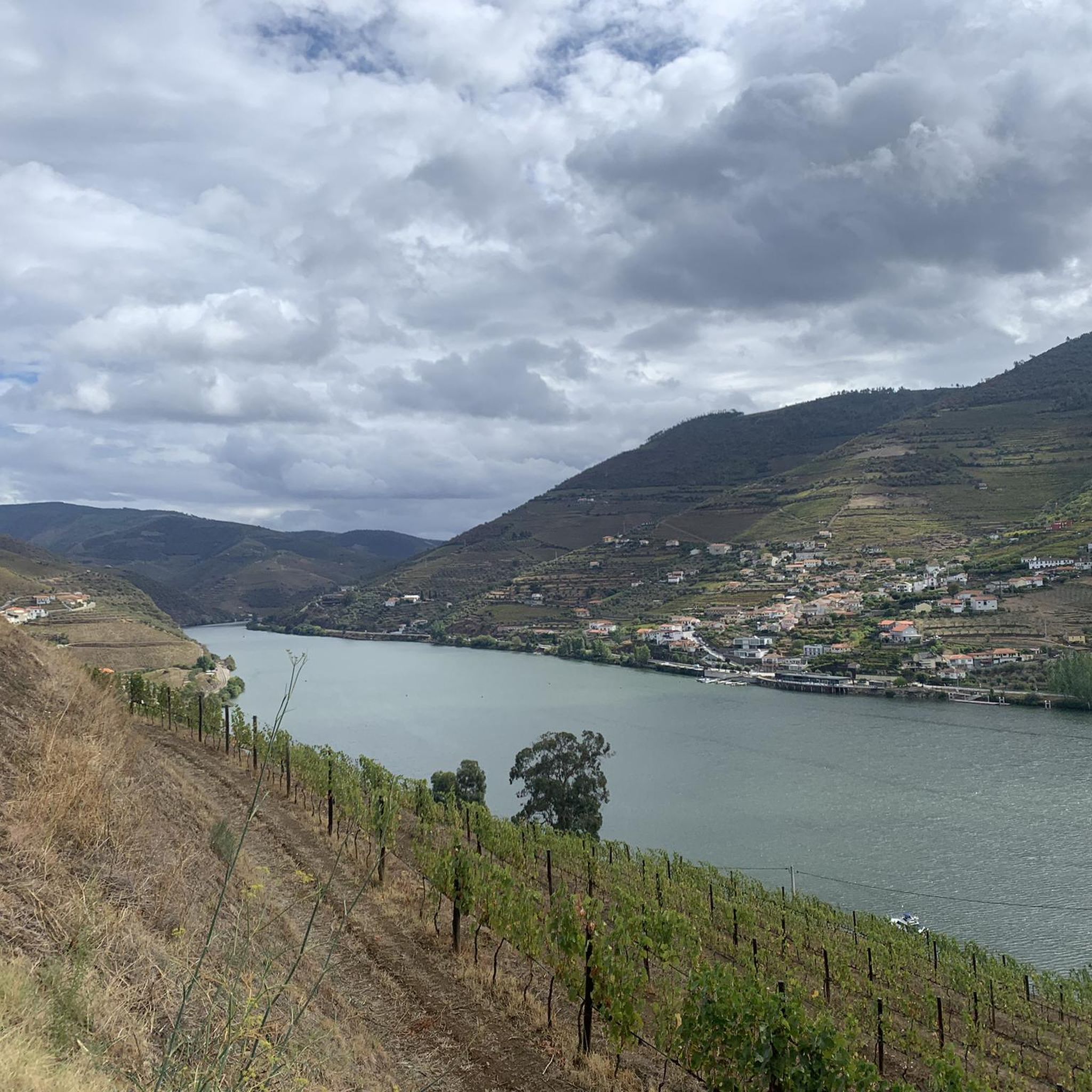
- The most popular attraction is Régua Pedestrian Bridge, a bridge that offers safe passage over the Douro River. It provides views of the surrounding landscape and other bridges crossing the river.
- Another must-see spot is Régua and the Douro River, a river and settlement area. Visitors can experience the Douro's significance for port wine cultivation and enjoy boat trips from its magnificent location.
- Visitors also love Lamego Castle, a historical castle. This 12th-century defensive structure offers panoramic views of Lamego and the surrounding landscape from its hilltop position.
- Aldeias is known for its historical sites, natural river landscapes, and traditional village architecture. The region offers a variety of attractions to see and explore, from ancient castles to pedestrian bridges and scenic river views.
- The attractions around Aldeias are appreciated by the komoot community, with more than 70 photos shared and over 20 upvotes.
Last updated: July 1, 2026
Marco Pombalino
Highlight • Monument
That “demarcation” had some twists, torns and stones... Well... cornerstones, named “Marcos Pombalinos”... The duck will scrutinize it 😉
1675 - “Vinho do Porto” comes for the first time with exportation to the Netherlands;
1703 – preferentional rights for Portuguese wines to England. The English were getting out of Bordeux, because the French king was taxing to much the wines...
1756 – English were “crazy” with “Port”. Climate of euphoria degenerates into adulteration and commercial chaos. With this, very important and knowledgeable people, propose to the future Marquês de Pombal, (thats the reason for the names given to the cornerstones, “Marcos Pombalinos”) the birth of one institution that could control the quality, prices and phisically establish the DOC (with the cornerstones);
1757 – placement of 201 “marcos”, cornerstones, for the first demarcation of the land;
1761 – upgrade of the DOC, adding 134 cornerstones;
1792 – opennig of “Cachão da Valeira”. Before that, the boats could only travel “so far”. With that openning/enlargement of Douro river, the “Superior” Douro was now accessible by boat. But the expantion of the vineyards at Douro Superior only began in the 19th century;
1850 to 1893 – the Valley was whipped by many diseases (maromba, oídio, filoxera, míldio...);
1907 – the last demarcation of DOC, now including “Douro Superior”, upstream from “Cachão da Valeira”, till the border with Spain
Tip by

Lamego Castle
Highlight • Castle
Translated by Google •
Tip by

Sign up now to discover places like this
Get recommendations on the best single tracks, peaks, & plenty of other exciting outdoor places.
Sign up for free
Douro River cruise dock, Peso da Régua
Highlight • Rest Area
Translated by Google •
Tip by

Régua Pedestrian Bridge
Highlight • Bridge
Translated by Google •
Tip by
Casa do Douro (House of the Douro)
Highlight • Monument
Translated by Google •
Tip by

Sign up for free to discover even more attractions around Aldeias.
Sign up for free
Already have an account?
Start today with a free account
Your next adventure awaits.
Login or Signup


Tips from the Community

A worthwhile museum, which scores points despite/or because of its very minimalist presentation of the subject matter. At the end, enjoy a port wine on the terrace of the museum's café.
1
0
The bridge is really well-made. The view from the bridge is beautiful, even though there's still a lot that could be done with the buildings at the end.
2
0

The Casa do Douro was established in 1932 as the Douro Winemakers' Union Federation. Its headquarters, dating from 1944, with its exterior clad in polished granite, was designed by Portuguese architect José Porto. Inside, noteworthy are the stained-glass window by painter Lino António and the grand hall, with three central crystal chandeliers, shaped like clusters and weighing over a ton, as well as the Pombaline marker identified with the number 1. When the Douro region was first demarcated, 331 granite markers were placed. The Pombaline markers (so named because the demarcation was designed by the Marquis of Pombal) are all different and share the word Feitoria (vinho de feitoria, synonymous with better-quality wine) and the year (1758 or 1761). At the time, wines were classified according to their quality and destination. The best wine, known as Vinho de Feitoria, was sent to England; Vinho de Embarque was exported to Brazil; and Vinho de Ramo was sold in Portugal. The stained glass window of the Casa do Douro, by painter Lino António, encapsulates the entire dynamic of the Douro Demarcated Region. It covers an area of 50m2 and forms a triptych. In the center panel, we see three large figures. The central figure represents the Casa do Douro and holds a scroll that reads "... Casa do Douro, decree 21,883, November 1932." This means that the government, through the aforementioned Decree-Law, created the Union Federation of Winegrowers of the Douro Region in November 1932, now known as Casa do Douro.
1
0

The Casa do Douro was founded in 1932 as a cooperative association of Douro winegrowers. This house, built in 1944, is the original home.
3
0

Castelo de Lamego was constructed during the 12th century and was an important defensive structure during the Middle Ages. The castle underwent various renovations over the centuries, with the addition of Gothic and Manueline elements in the 15th and 16th centuries. Today, the castle is mostly in ruins, but visitors can still see the remaining walls, towers, and gates that once surrounded the fortress. The castle is situated on a hill overlooking the city and offers panoramic views of the surrounding landscape.
2
0
If there is more than one ship moored at the dock, it is better to avoid the city because it will be too crowded.
3
3
Visit the Douro Museum The Douro Museum, as a regional museum, has the mission of representing the natural and cultural heritage of the Douro Demarcated Region, consecrated with the status of World Heritage by UNESCO as a cultural, evolving and living landscape. The Douro Museum headquarters is located in the city of Peso da Régua, the result of the renovation of one of the most emblematic buildings in the history of the Douro Demarcated Region from the 18th century, the Casa da Companhia, inaugurated on 20 December 2008. Combining tradition and modernity, it is a collective space of memory and identity of the wine region, in constant dialogue with the present, and at the same time, as an instrument for promoting the activities associated with winemaking, cultural tourism and wine tourism. It consists of a central space – the Exhibition Area – where the permanent exhibition “Douro: Matter and Spirit” is located. Surrounding this exhibition space are the “A Companhia” Restaurant, the Shop, the Information Centre (Archive and Library), the Reading Room, the Conservation and Restoration Centre, the Wine Bar and the Garden Terrace with views over the Douro River. In the adjacent space there is another building of modern architecture covered with black slate panels, which houses the Educational Service.
3
1
All important information at: https://museudodouro.pt/
3
1
Frequently Asked Questions
What makes the Aldeias region unique for visitors?
The Aldeias region offers a diverse experience, from the distinctive Aldeias do Xisto (Schist Villages) in Central Portugal, known for their traditional architecture and rural life, to other historic villages like Aldeia de Cabração with its unique geology. The coastal Aldeia das Acoteias in the Algarve provides stunning beaches and vibrant activities. The region is characterized by a blend of cultural heritage, natural beauty, and opportunities for outdoor exploration.
Are there opportunities for hiking and outdoor activities around Aldeias?
Yes, the Aldeias region is excellent for outdoor activities. The Aldeias do Xisto are connected by numerous 'Schist Paths' for immersive walks. You can find a variety of hiking trails, including easy options like the Régua and the Douro River – Régua Pedestrian Bridge loop, or more challenging routes. Additionally, there are MTB trails and road cycling routes available.
What historical sites can I visit in the Aldeias region?
The region is rich in history. You can explore the 12th-century Lamego Castle, offering panoramic views. The Aldeias do Xisto themselves are living historical sites, showcasing traditional Portuguese rural life. Other villages like Castro Laboreiro boast megalithic monuments, medieval churches, and ancient mills, while Marco Pombalino marks the historic demarcation of the Douro wine region.
Are there any family-friendly attractions around Aldeias?
Many attractions cater to families. The Régua Pedestrian Bridge offers a safe and scenic walk over the Douro River, and Régua and the Douro River provides boat trips suitable for all ages. In Aldeia das Acoteias, Praia da Falésia is ideal for beach days, and nearby Albufeira offers miniature golf, water activities, and dolphin watching tours.
Can I go swimming in the Aldeias region?
Yes, the Central Portugal region, home to the Aldeias do Xisto, boasts over 50 river beaches, many recognized for their water quality. These provide excellent spots for relaxation and swimming in nature. In the Algarve, Praia da Falésia near Aldeia das Acoteias is a stunning coastal beach perfect for swimming and watersports.
What are some of the best viewpoints in the Aldeias region?
For breathtaking views, the Serra da Lousã, Serra do Açor, and Muradal Mountains, where the Aldeias do Xisto are nestled, offer panoramic vistas. From Lamego Castle, you get an all-round view of Lamego. The Régua Pedestrian Bridge also provides scenic views of the Douro River and its surrounding landscape.
What is the best time of year to visit Aldeias?
The best time to visit depends on your interests. For enjoying the river beaches and outdoor activities in Central Portugal, spring (April-June) and early autumn (September-October) offer pleasant weather. If you're visiting Aldeia das Acoteias in the Algarve for beach activities, the summer months (June-August) are popular, though spring and autumn provide a milder climate with fewer crowds.
What kind of local cuisine and crafts can I experience?
Across the Aldeias do Xisto, you'll find local craft stores offering pottery, embroidery, and traditional fabrics. Restaurants serve regional dishes made from fresh produce, providing a taste of local gastronomy. In Aldeia de Cabração, traditional dishes like arroz de sarrabulho and rojões à moda do Minho are specialties.
Are there any less crowded or 'hidden gem' villages to explore?
Yes, for a more tranquil experience, consider visiting Aldeia da Pena, a tiny village in São Pedro do Sul known for its remote location and mystical atmosphere. Casal de São Simão is another unique 'one-street village' offering an authentic glimpse into rural life. These villages provide a peaceful escape from more bustling areas.
What do visitors particularly enjoy about the attractions around Aldeias?
Visitors appreciate the blend of history, nature, and culture. Many enjoy the scenic boat trips on the Douro River from Douro River cruise dock, Peso da Régua, learning about viticulture. The panoramic views from Lamego Castle and the safe passage over the Douro on the Régua Pedestrian Bridge are also highly rated. The traditional village architecture and the natural landscapes are frequently mentioned highlights.
Are there any accessible attractions for visitors with mobility needs?
Yes, some attractions are designed to be accessible. The Régua Pedestrian Bridge is a wide footbridge over the Douro River, making it suitable for visitors with mobility needs. The Douro River cruise dock, Peso da Régua is also listed as wheelchair accessible, allowing enjoyment of river cruises.
What can I do in Aldeia das Acoteias in the Algarve?
Aldeia das Acoteias is a great base for exploring the Algarve. Its main draw is Praia da Falésia, one of Europe's most beautiful beaches, perfect for walks and watersports. You can also explore Albufeira Old Town Square, Albufeira Marina, and 'The Strip' for entertainment. Popular activities include boat tours to the Benagil Caves, dolphin watching, and jeep safaris.

Get inspired with the komoot mobile app


Explore more
Still not found the Highlight you’re looking for? See guides of the top attractions in other regions:
