Top 20 Castles around Spitz
Best castles around Spitz are found in the Wachau Valley of Austria, a region characterized by its historical significance and scenic landscapes along the Danube River. The area features a collection of castles and ruins, reflecting centuries of history and strategic importance. These landmarks offer insights into medieval architecture and regional heritage.
Best castles around Spitz
- The most popular castles is Dürnstein Castle Ruins, a castle built in the 12th century above the town of Dürnstein. This castle is…
Last updated: August 16, 2026
Dürnstein Castle Ruins
Highlight • Castle
Translated by Google •
Tip by

Hinterhaus Castle Ruins
Highlight • Castle
Translated by Google •
Tip by

Sign up now to discover places like this
Get recommendations on the best single tracks, peaks, & plenty of other exciting outdoor places.
Sign up for free
View of Schönbühel Castle
Highlight • Castle
The castle was built at the beginning of the 12th …
Translated by Google •
Tip by

Aggstein Castle Ruins
Highlight • Castle
Translated by Google •
Tip by

Mollenburg Castle
Highlight • Castle
Translated by Google •
Tip by

Sign up for free to discover even more castles around Spitz.
Sign up for free
Already have an account?
Start today with a free account
Your next adventure awaits.
Login or Signup
Popular around Spitz
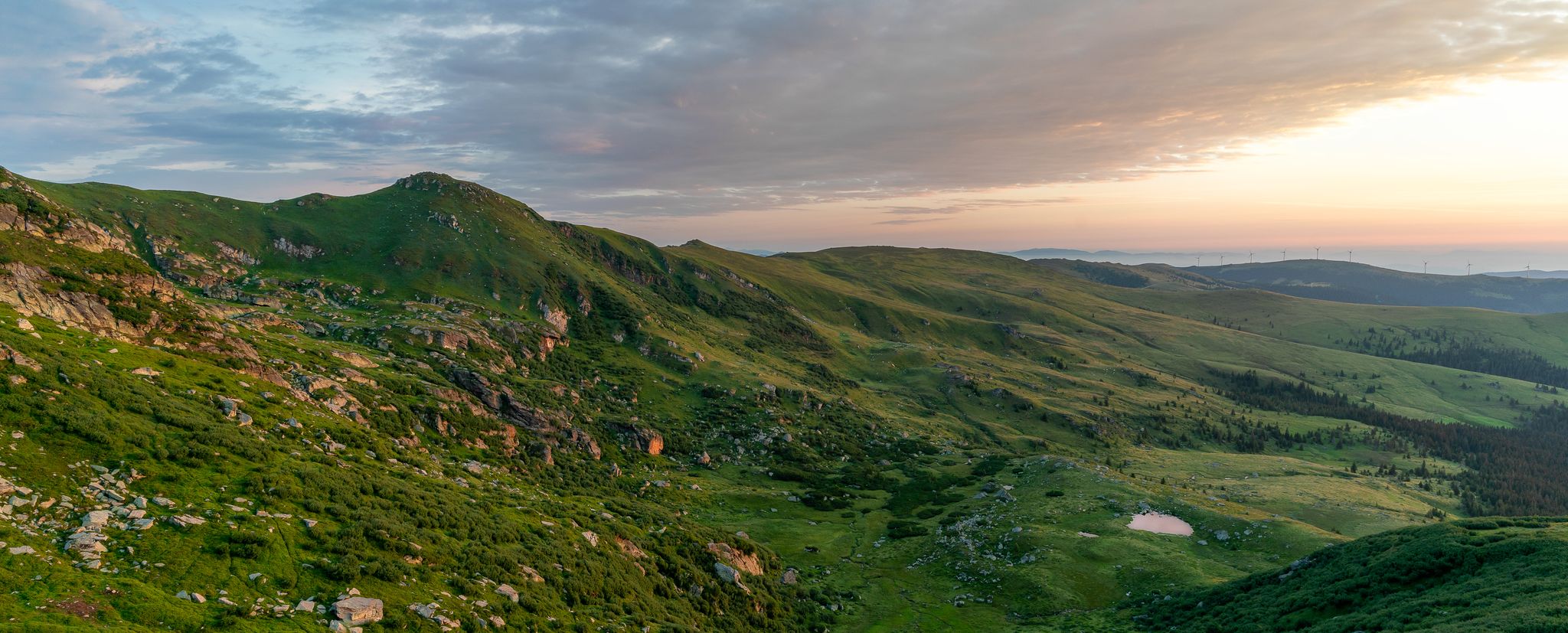
North-South Trail through Austria – Small country, big paths!

Wachau World Heritage Trail – Danube Valley and Wachau wine country
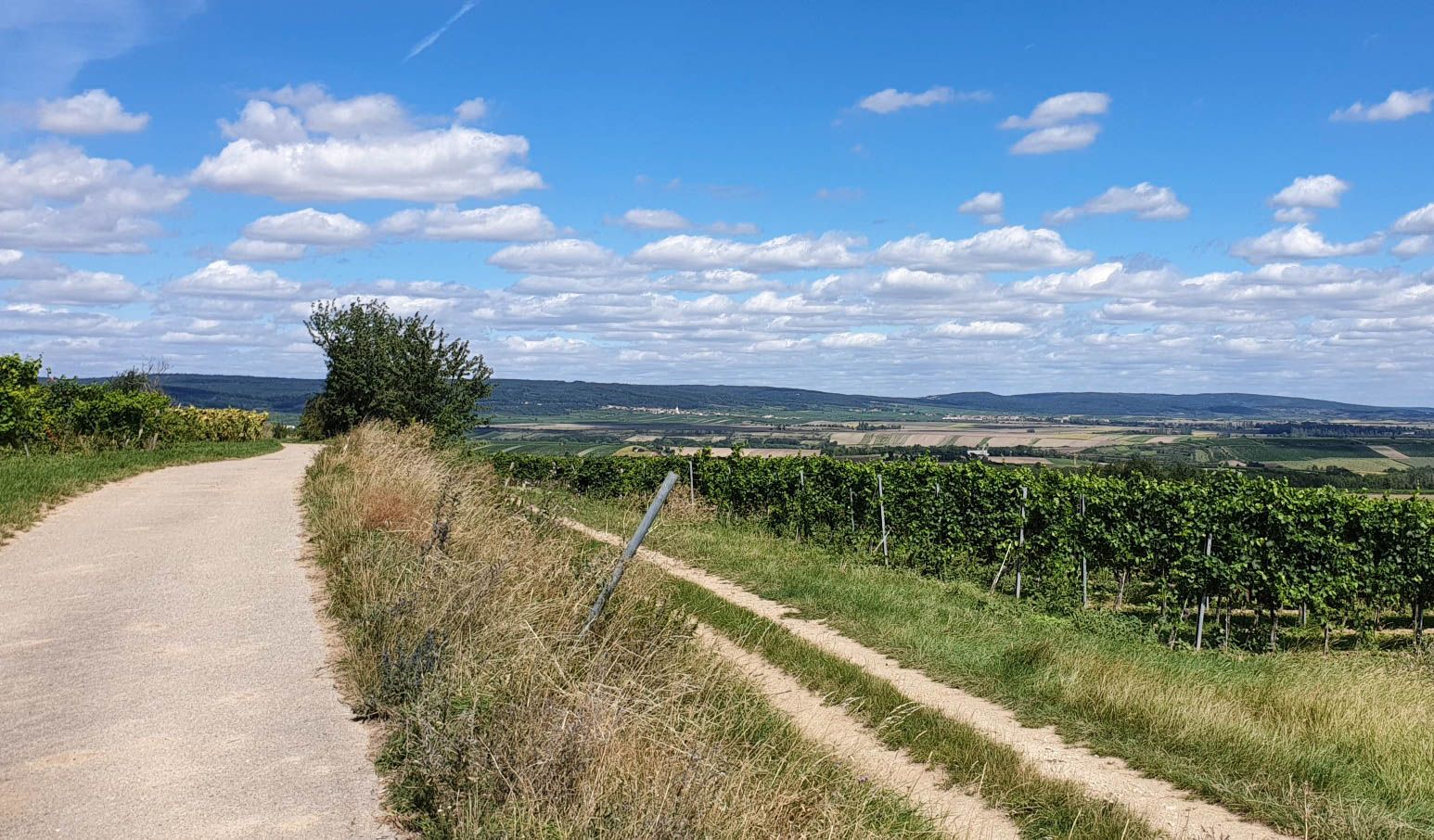
Cycling Tours in Austria’s wine regions
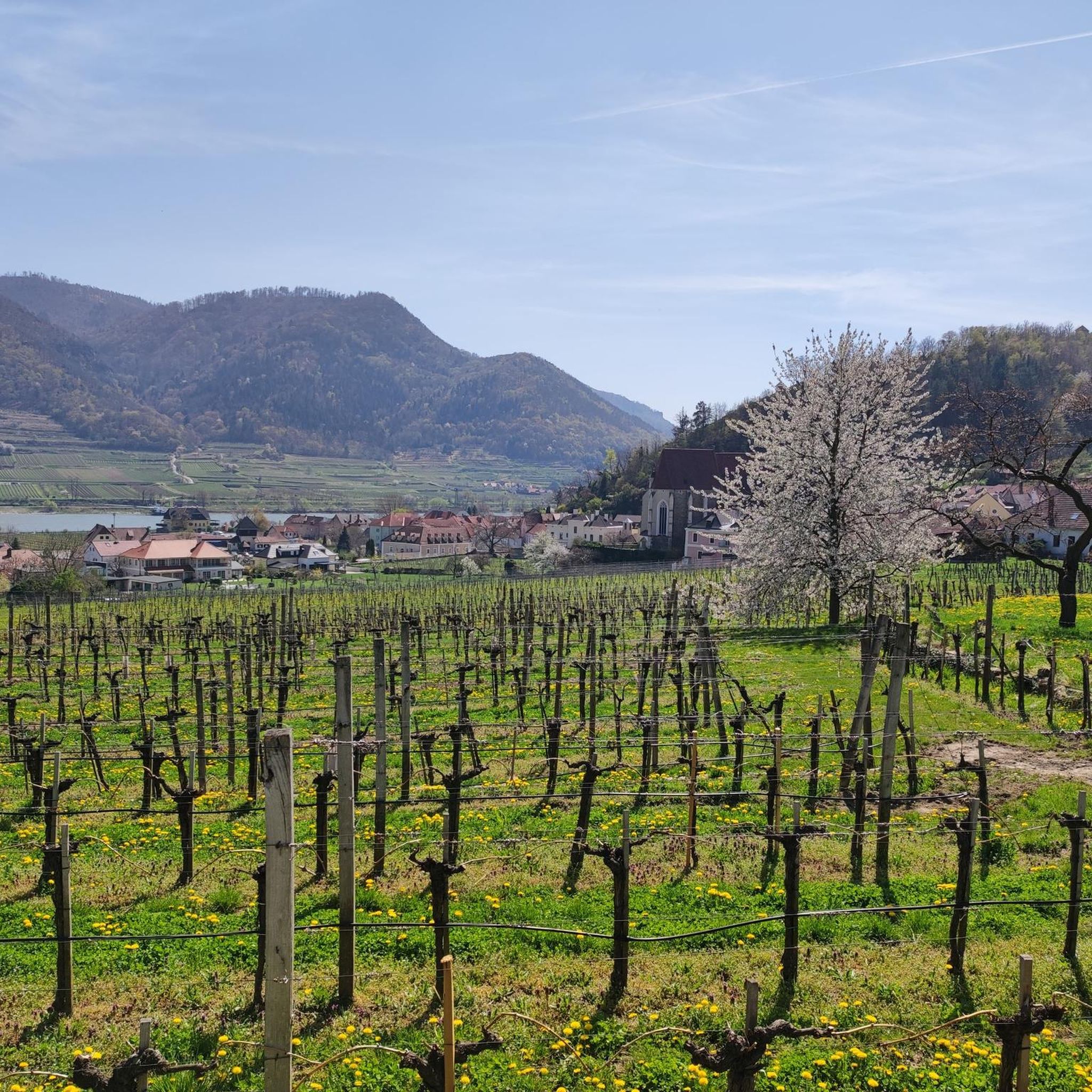
Hiking around Spitz
MTB Trails around Spitz
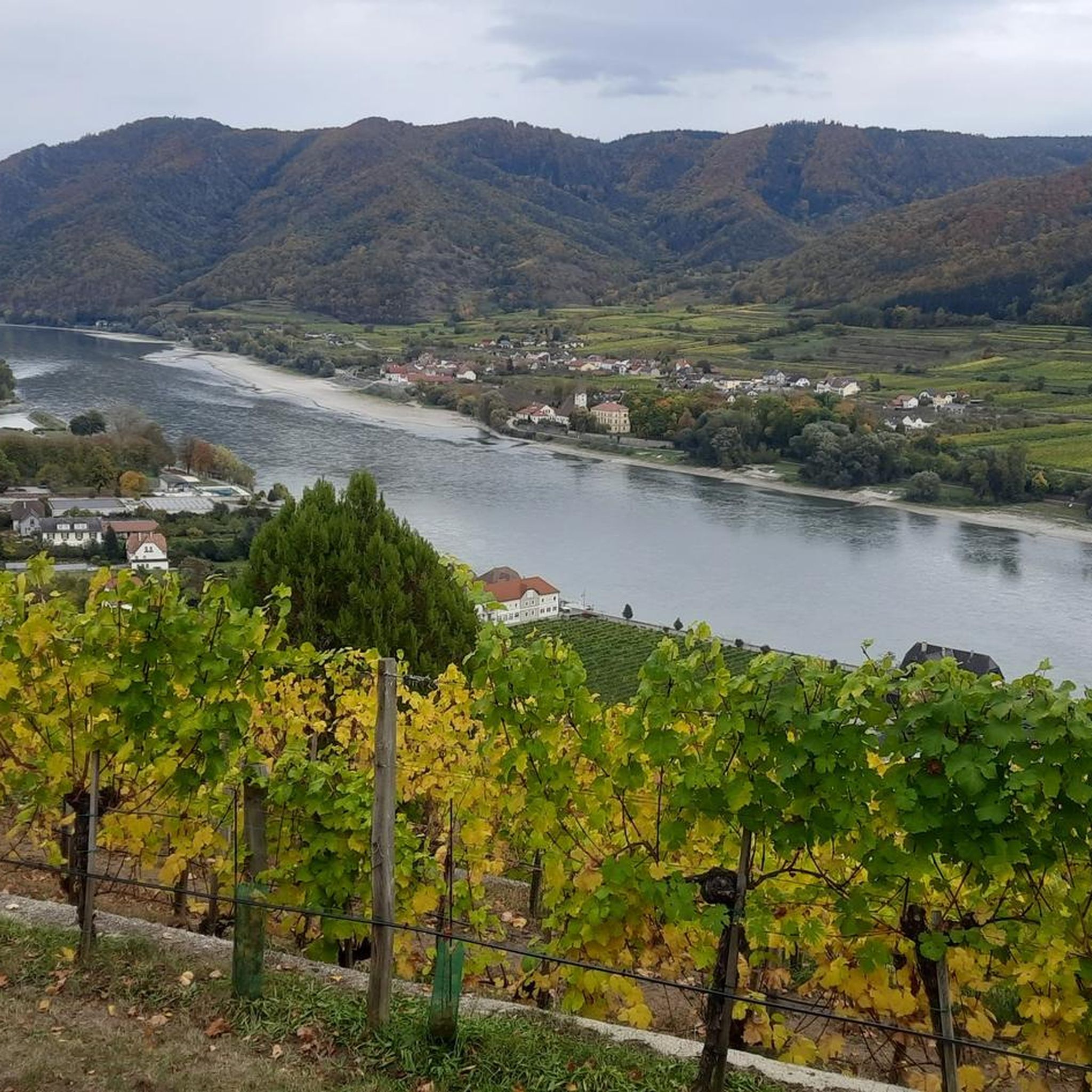
Road Cycling Routes around Spitz
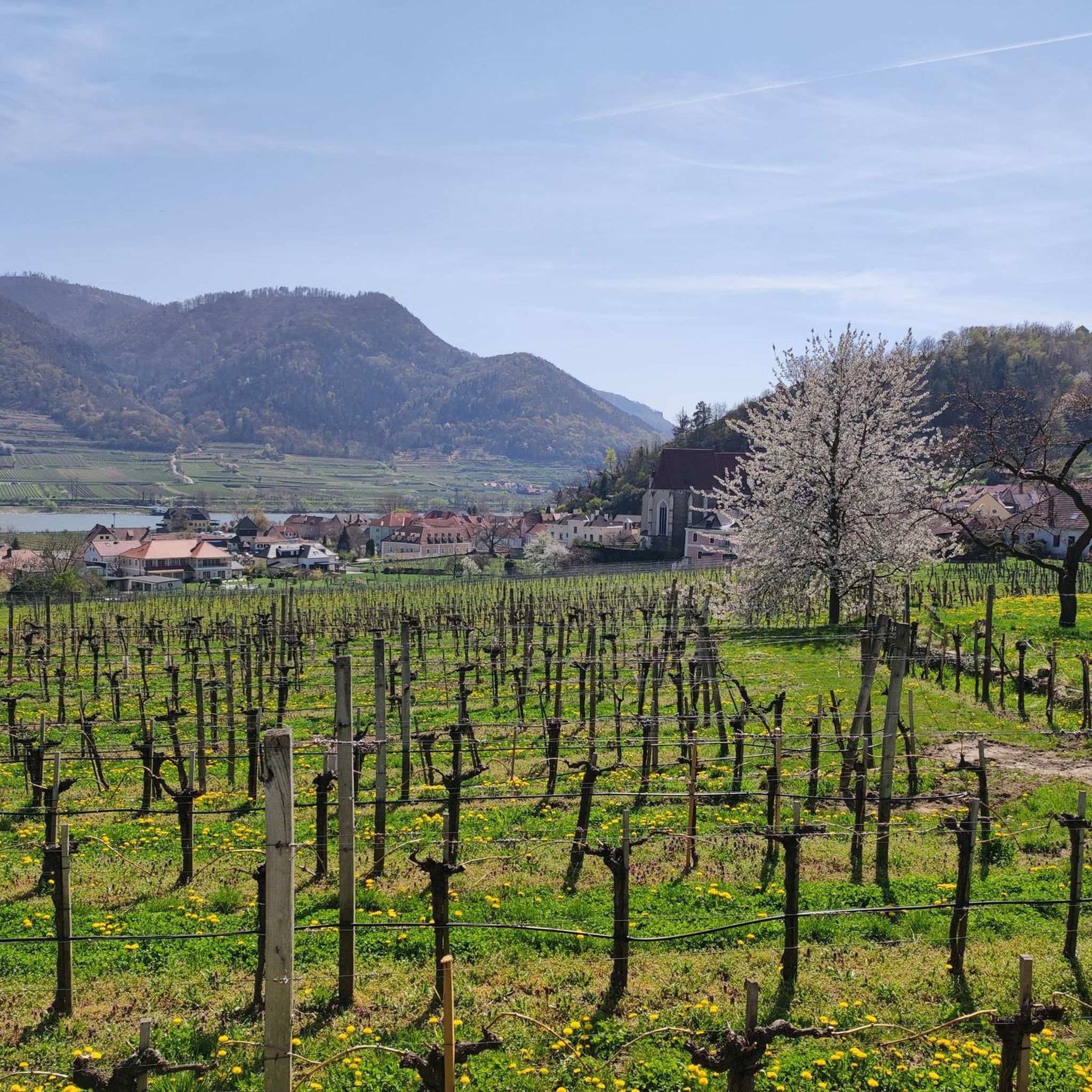
Cycling around Spitz
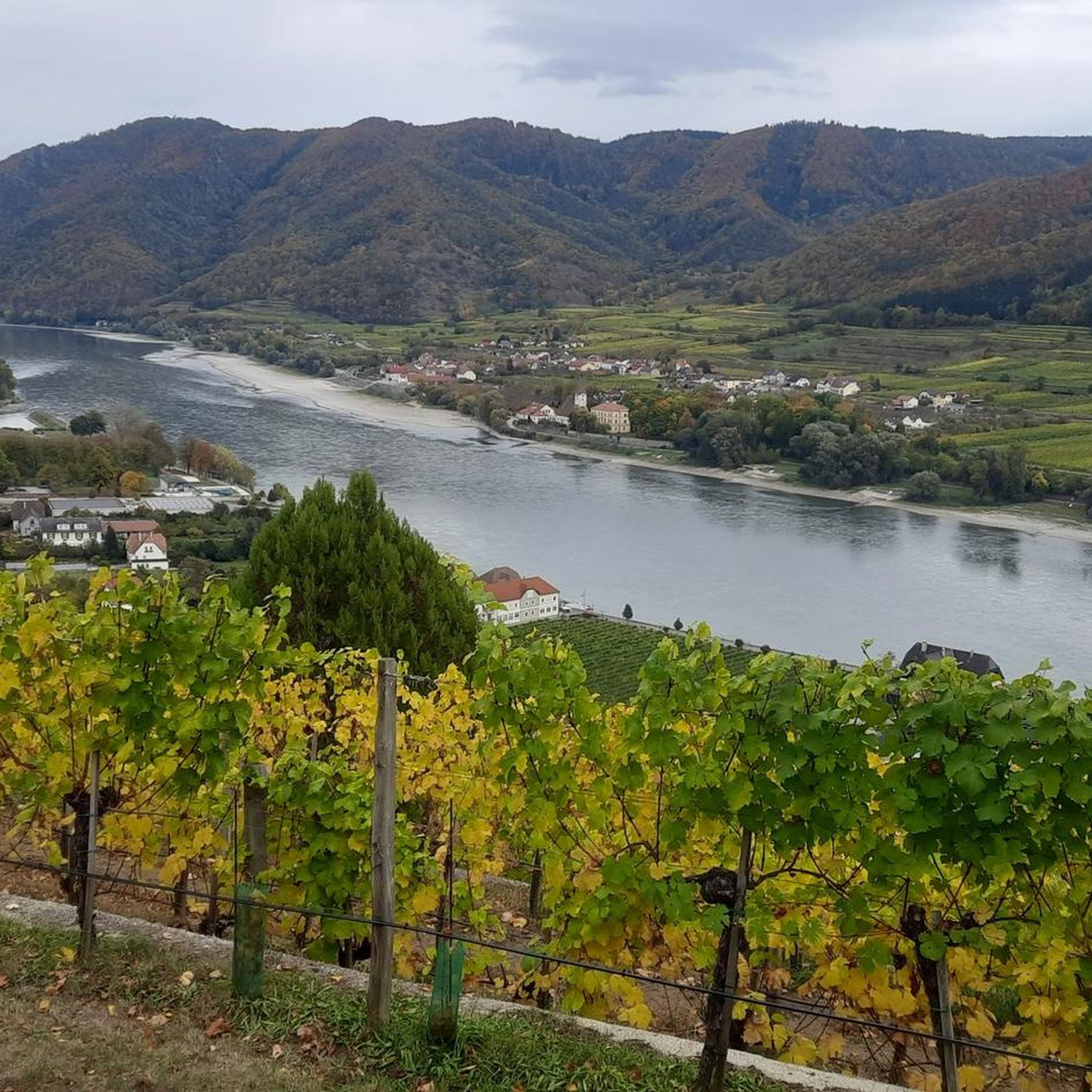
Running Trails around Spitz
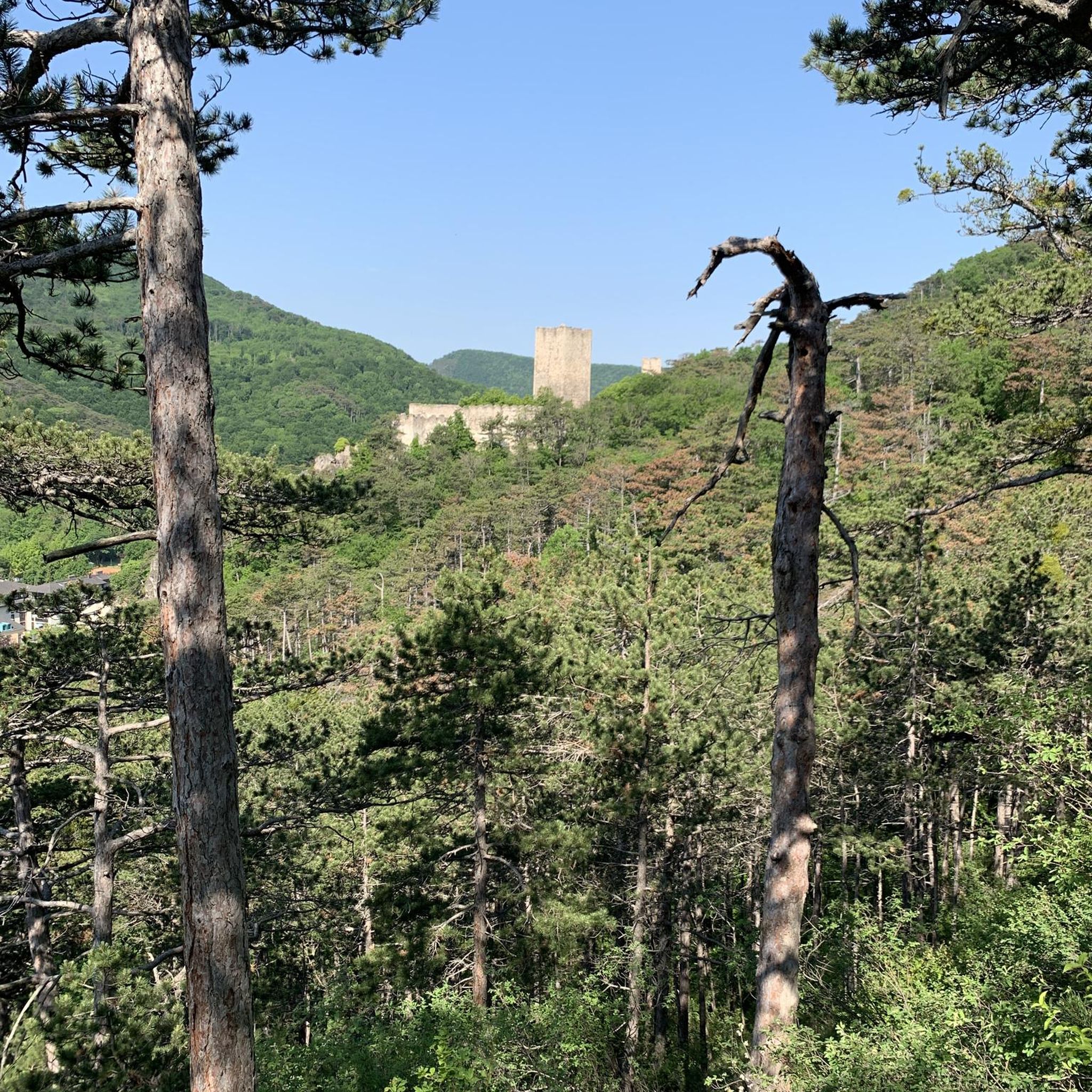
Mountain Hikes around Spitz

Gravel biking around Spitz


Tips from the Community

Aggstein Castle is one of the landmarks of the Wachau region. It sits 300 meters above the Danube and offers breathtaking views. The interior of this spur castle, built on a towering rock, is also absolutely worth seeing. There is a tavern in the castle courtyard.
10
0
The view from Dürnstein Castle is breathtakingly beautiful!
8
0

Schönbühel Castle is located below Melk on the right bank of the Danube in the Lower Austrian municipality of Schönbühel-Aggsbach.
5
0

Impressive building project on the edge of the Central European lifeline
5
0

beautiful castle ruins with a wonderful view
1
1

Around the middle of the 13th century, the Lords of Werd-Capellen lived here in a relatively modestly sized castle. Due to the involvement of the castle lords in the Kuenringer noble revolt against Duke Albrecht I, the Mollenburg was destroyed, but was soon rebuilt. The castle was first mentioned in a document in 1303. In 1307 the rule went to a Lord von Streitwiesen. In 1486 it was sold by the Ebersdorfers to Kaspar von Rogendorf, the owner of the Pöggstall estate. He expanded the castle. In the 16th century the princely fief became his own property. However, after the escape of the bankrupt Christoph Freiherr von Rogendorf, it was confiscated in 1546. As a result, the Geyers of Osterburg partially converted the castle into a Renaissance castle. After various changes of ownership, the rule passed to Emperor Ferdinand I in 1839. After renovation in 1844, the Mollenburg was reduced to ruin in 1860 by the administrator Johann Niedermayer for tax reasons (roof tax). The roof structure was removed, devastated and the usable parts were sold. In 1920 the Habsburg property became part of the war victims' fund. Confiscated by the Soviets in 1945, the Mollenburg was transferred to the administration of the Austrian Federal Forests in 1956. The art historian, novelist and politician Jörg Mauthe acquired the ruins for 220,000 schillings in 1972 and restored them, partly by himself and with the help of his sons. Individual buildings in the outer bailey were made habitable again. The Mollenburg is still privately owned by the Mauthe family today; Jörg Mauthe's urn is kept in the tower of the old castle.
0
0

A very beautiful castle, right on the Danube. The castle can also be seen in the Sissi film, during a cruise on the Danube. Very close by, at the municipal building (forecourt), there's a water tap 💦 and for e-bikes: The sockets above are not switched off. You can charge your bike here.
4
0
Schönbühel Castle on the Danube is picturesquely situated on a 40-meter-high cliff on the right bank of the Danube in the Wachau region, not far from Melk in Lower Austria. It was built around the turn of the 11th and 12th centuries by Marchwardus de Schoenbuchele, likely on the remains of a Roman fortification. After frequently changing owners, the castle came into the possession of the influential Starhemberg family in 1396, who shaped it for over four centuries. In the 18th century, the medieval castle was replaced by a new building, and around 1821, Count Beroldingen had the present "New Castle" built. Since 1927, the complex has been owned by the Seilern-Aspang family, who restored it after severe damage during the Soviet occupation and continue to use it as their private residence. Therefore, an interior tour is not possible, but the castle can be admired from the outside. Particularly charming views open up from the opposite bank of the Danube, which is also easily accessible by bike via the Danube Cycle Path – one of the most beautiful cycle routes in Europe, which runs directly past the castle and offers wonderful photo perspectives of this striking landmark of the Wachau region.
9
0
Frequently Asked Questions
What is the historical significance of the castles in Spitz and the Wachau Valley?
The castles in Spitz and the wider Wachau Valley, such as the Hinterhaus Castle Ruins and Dürnstein Castle Ruins, reflect centuries of strategic importance and rich history. They were often built by influential families like the Kuenringers to control trade routes along the Danube. These sites offer insights into medieval architecture, regional power struggles, and even held famous prisoners like King Richard the Lionheart.
What makes the Hinterhaus Castle Ruins a notable site to visit?
The Hinterhaus Castle Ruins are significant for their strategic location on a rocky ridge overlooking the Danube valley and the Spitzer Graben. Dating back to the 12th century, these ruins offer fantastic panoramic views of the river, vineyards, and Spitz an der Donau. Visitors can explore architectural remains, including the famous Red Gate, and learn about its past as an administrative center for the Kuenringers.
What is Schloss Spitz used for today?
Schloss Spitz, a Renaissance castle located in the heart of Spitz, has been revitalized as a vibrant meeting and event location. It hosts cultural events, music performances, weddings, and celebrations. The castle features a romantic courtyard, historic vaulted rooms, and a picturesque garden, serving as a central gathering point for the community and visitors.
Are there family-friendly castles or historical sites to visit near Spitz?
Yes, several sites are suitable for families. Dürnstein Old Town offers a picturesque village experience that transports visitors back to the Middle Ages. While Dürnstein Castle Ruins involves a hike, the historical context of King Richard the Lionheart can be engaging for older children. Additionally, the view of Schönbühel Castle from the Danube Cycle Path is easily accessible for families.
What kind of outdoor activities can I do near the castles in Spitz?
The area around Spitz offers various outdoor activities, especially hiking and cycling, often with views of the castles. For hiking, you can explore routes like the 'Red Gate Circular Trail' or the 'View of Wachau Vineyards – Tausendeimerberg loop'. Cyclists can enjoy routes such as 'Vineyards Near St. Michael – St. Michael’s Fortified Church loop' or the 'View of Aggstein Castle – Spitz on the Danube loop'. You can find more details on these and other routes in the Hiking around Spitz and Cycling around Spitz guides.
What are the best viewpoints from the castles near Spitz?
The Hinterhaus Castle Ruins provide extensive views of the Danube valley and the Spitzergraben. Similarly, the view from Dürnstein Castle Ruins is described as breathtaking, offering panoramic vistas of the Danube River and the surrounding Wachau region. These elevated positions were strategically chosen for their commanding views.
Are there any castles near Spitz that are privately owned and not accessible to the public?
Yes, some castles in the region are privately owned. For instance, Oberranna Castle is privately owned, and access is prohibited. Similarly, Schönbühel Castle is also a private residence, meaning interior tours are not possible, but it can be admired from the outside, particularly from the opposite bank of the Danube.
What is the best time of year to visit the castles and hike in Spitz?
While specific recommendations for Spitz are not provided, the Wachau region is generally beautiful in spring and autumn when the weather is mild, and the vineyards are either blooming or displaying vibrant fall colors. Summer offers longer daylight hours for exploration, but can be warmer. Winter hiking trails might be available, but conditions should be checked locally.
Are there any specific hiking trails that lead to castle ruins in Spitz?
Yes, there are hiking trails that incorporate castle ruins. For example, the 'Red Gate Circular Trail' is a moderate hike that takes you near the Hinterhaus Castle Ruins. The Hiking around Spitz guide provides more options, including routes with varying difficulty levels.
How can I get to the castles in Spitz using public transport?
Spitz an der Donau is accessible by public transport. From Dürnstein-Oberloiben, a bus departs hourly for Krems/Melk, which can connect you to Spitz. For specific routes to individual castles, it's advisable to check local bus schedules or ferry services along the Danube, as public transport options can vary by season and destination. For more general information on the region's infrastructure, you can visit lower-austria.info.
What do visitors enjoy most about the castles and historical sites around Spitz?
Visitors frequently highlight the stunning panoramic views from the castle ruins, especially from Dürnstein Castle Ruins and Hinterhaus Castle Ruins. The sense of being transported back to the Middle Ages, particularly in Dürnstein Old Town, is also a strong draw. The combination of history, natural beauty, and the opportunity for outdoor activities like hiking and cycling makes the region particularly appealing.
Are there any cafes or places to eat near the castle ruins in Spitz?
While specific cafes directly at the ruins are not detailed, Spitz an der Donau is a market town with various amenities. After exploring the Hinterhaus Castle Ruins, you can find cafes and pubs within Spitz itself. Similarly, Dürnstein Old Town, near its castle ruins, offers a range of establishments for refreshments and meals.
Most popular routes around Spitz
Most popular attractions around Spitz

Get inspired with the komoot mobile app


Explore more
Looking for the best castles somewhere else? Discover other guides around Spitz:
