The best road cycling routes around Spitz
4.5
(115)
3,437
riders
14
rides
Road cycling around Spitz, located in Austria's Wachau Valley, is defined by the meandering Danube River, extensive terraced vineyards, and rolling hills. The terrain offers a combination of mostly flat riverside paths and routes with significant elevation gain, including ascents into the surrounding hills and towards Jauerling Mountain. The landscape transitions from riverine plains to steep, slate-covered slopes and forested areas.
Best road cycling routes around Spitz
- The most popular road cycling route is Steiner Tor – Senftenberg Castle Ruin…
Last updated: October 8, 2026
5.0
(3)
142
riders
51.1km
02:17
480m
480m
Moderate road ride. Good fitness required. Some segments of this route may be unpaved and difficult to ride.
4.3
(3)
62
riders
Moderate road ride. Good fitness required. Some segments of this route may be unpaved and difficult to ride.

4.0
(2)
65
riders
103km
04:42
1,120m
1,120m
Hard road ride. Very good fitness required. Some segments of this route may be unpaved and difficult to ride.
5.0
(1)
38
riders
16.6km
01:13
650m
650m
Moderate road ride. Good fitness required. Mostly well-paved surfaces and easy to ride.
40
riders
21.3km
00:52
100m
100m
Moderate road ride. Great for any fitness level. Some segments of this route may be unpaved and difficult to ride.
Get access to more routes and recommendations from other explorers.
Already have an account?
Our route recommendations are based on thousands of hikes, rides, and runs completed by other people on komoot.
Start today with a free account
Your next adventure awaits.
Popular around Spitz
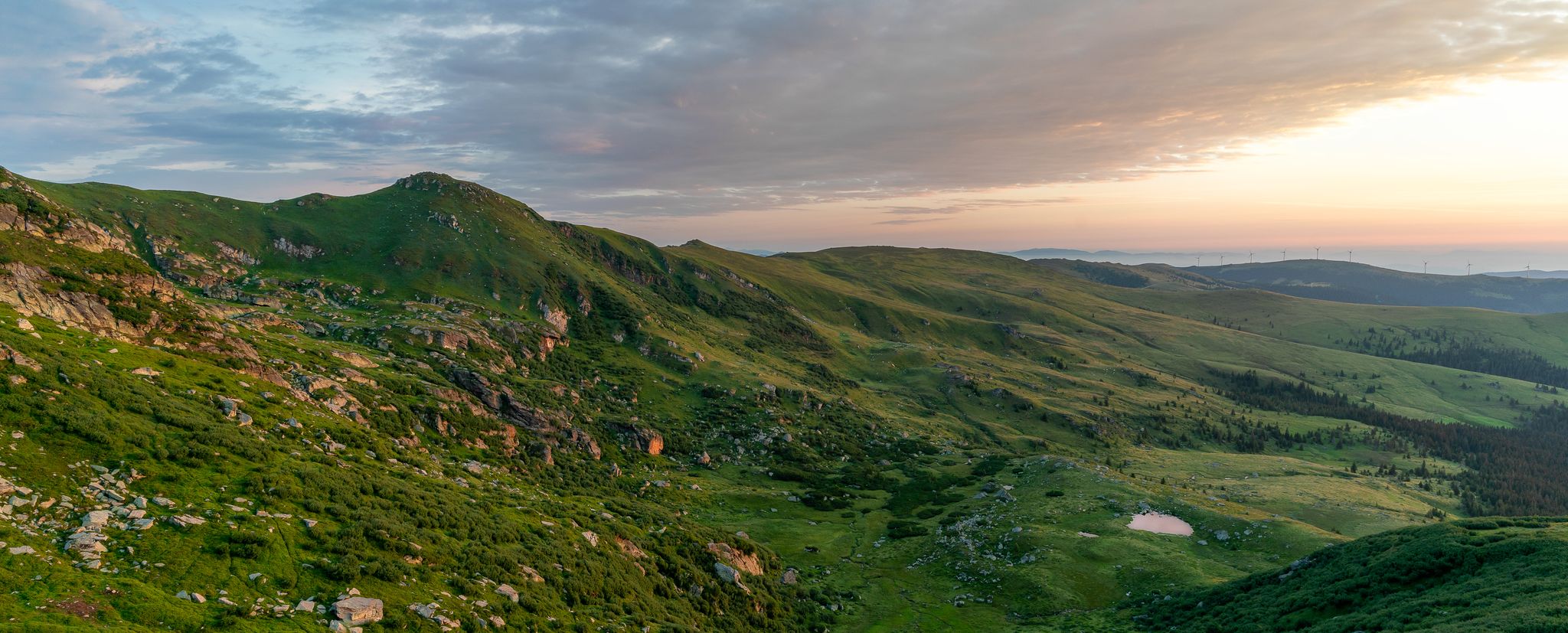
North-South Trail through Austria – Small country, big paths!

Wachau World Heritage Trail – Danube Valley and Wachau wine country
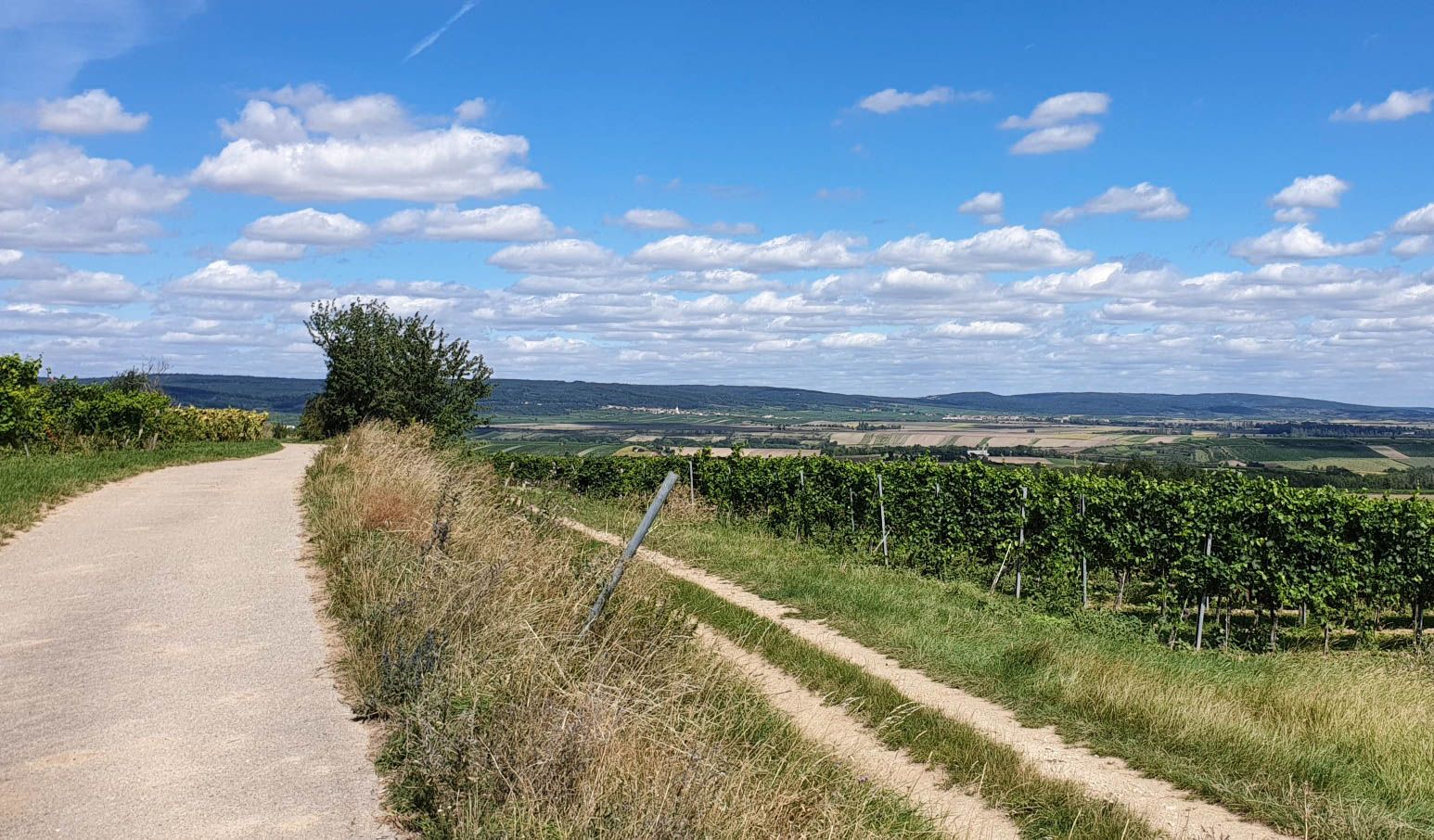
Cycling Tours in Austria’s wine regions
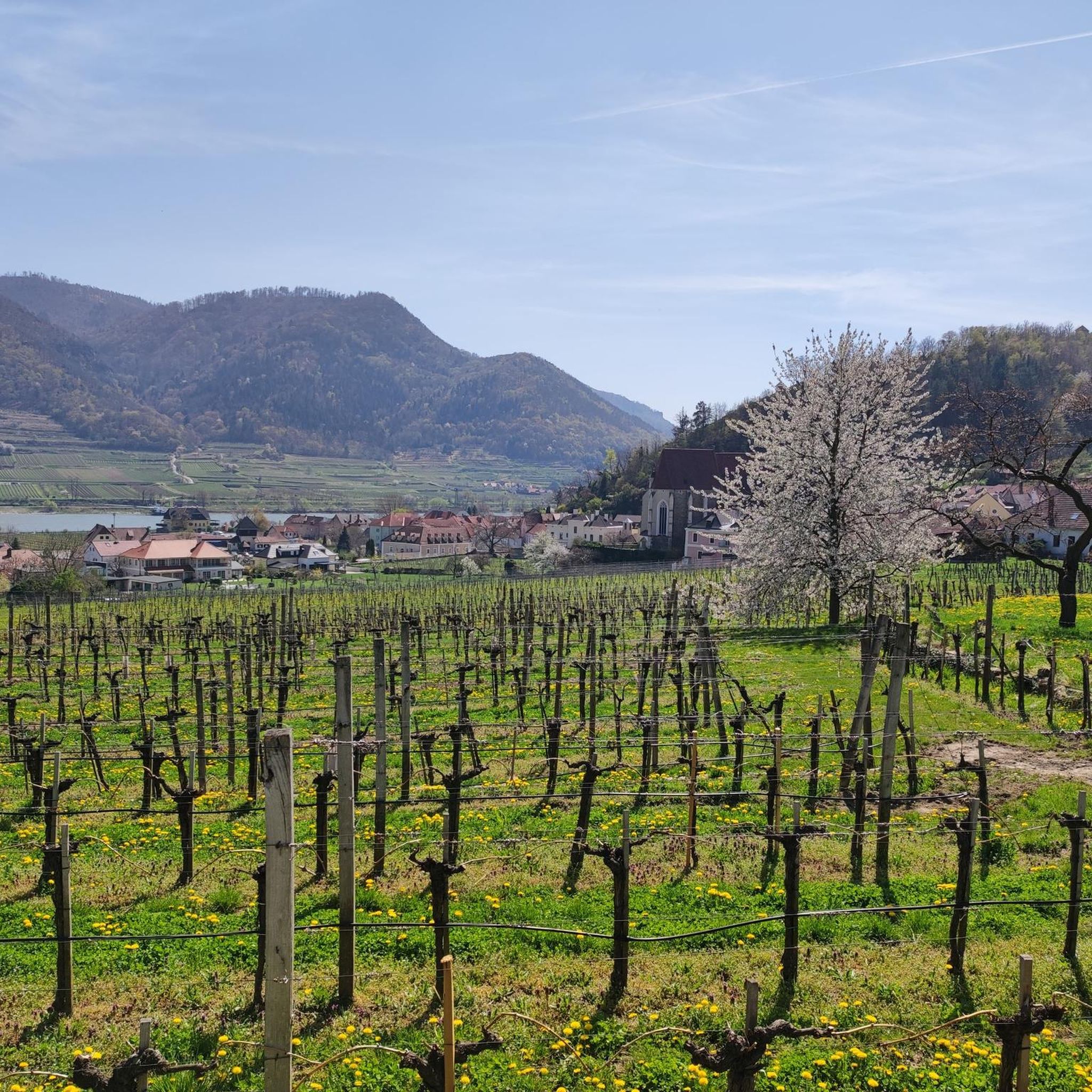
Hiking around Spitz
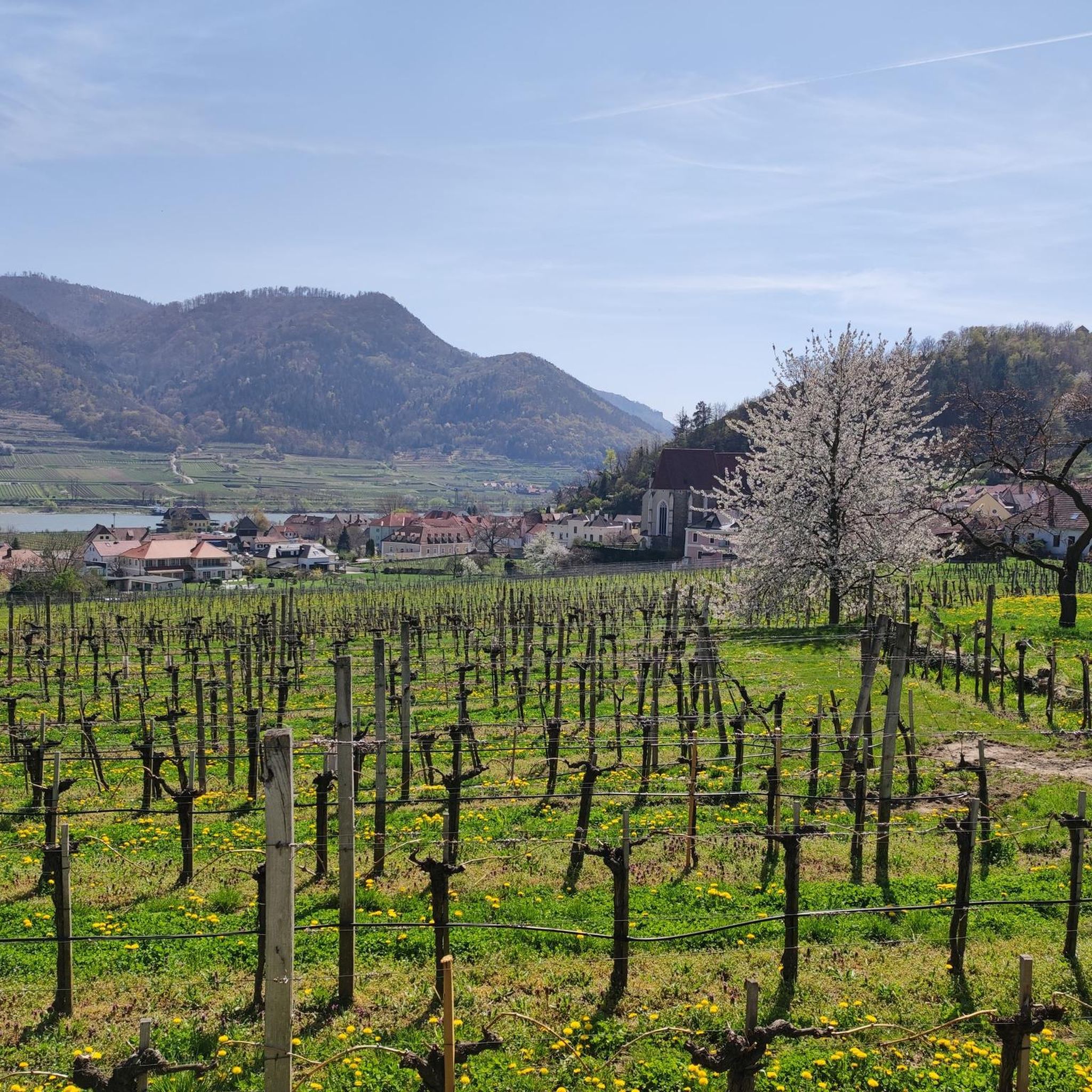
MTB Trails around Spitz
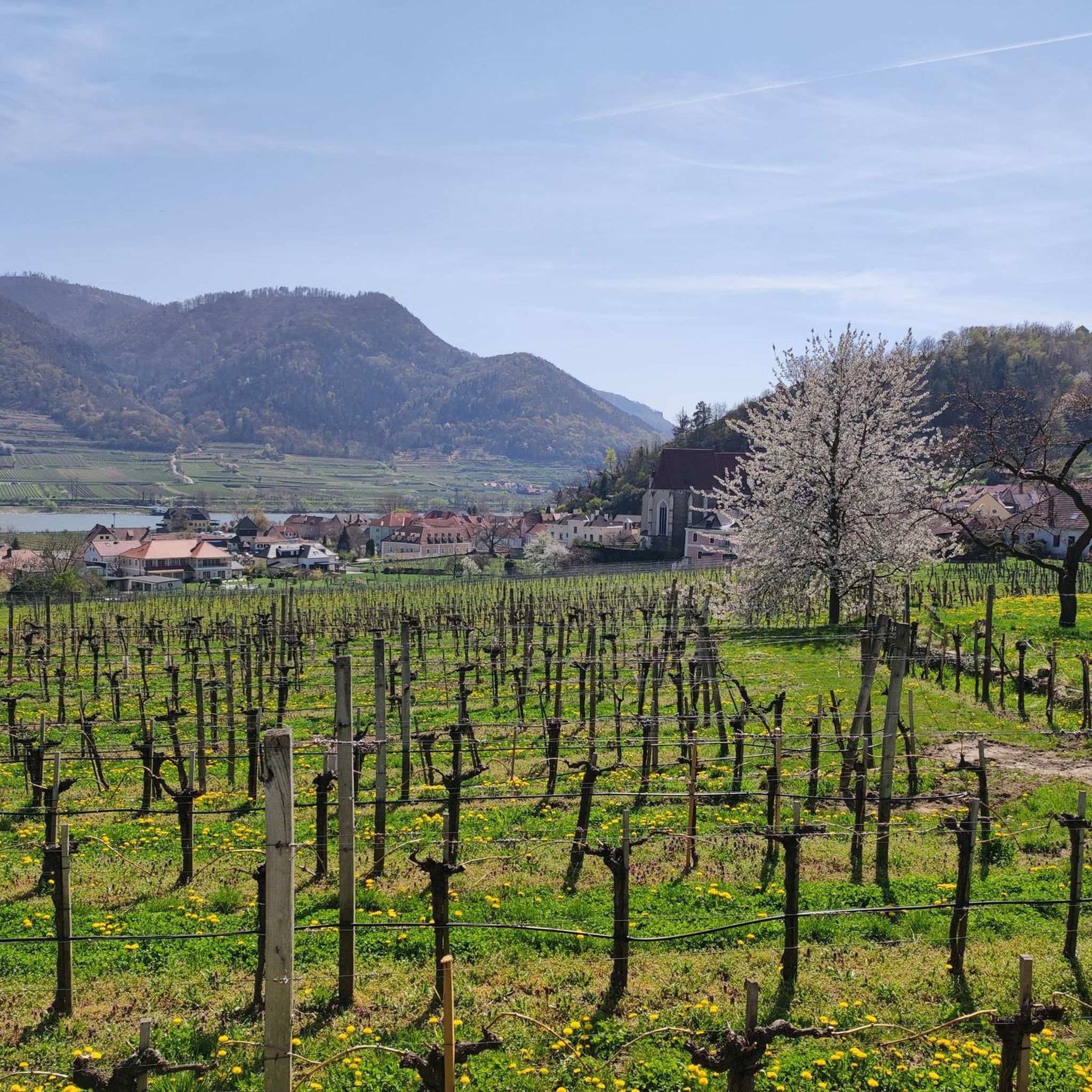
Cycling around Spitz
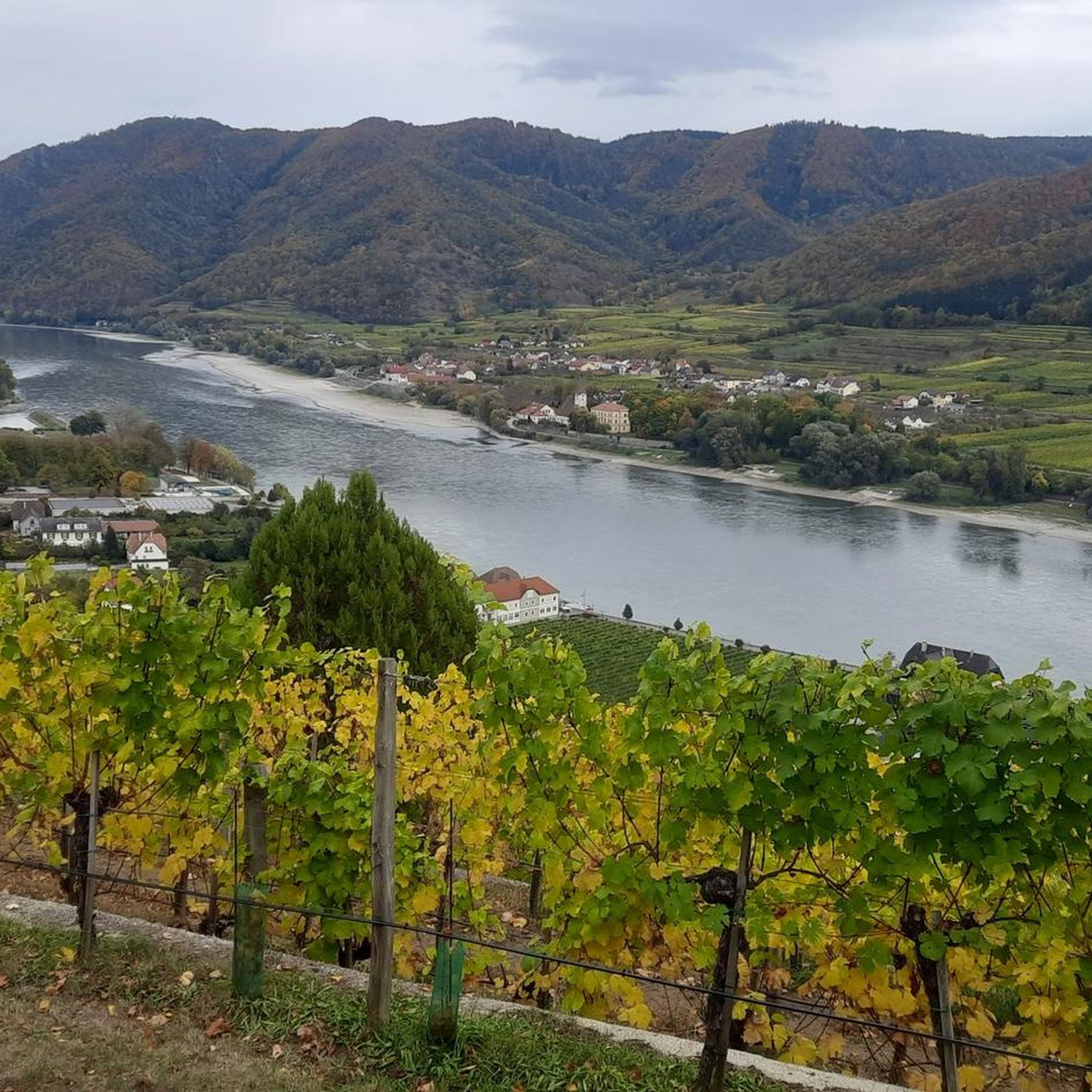
Running Trails around Spitz
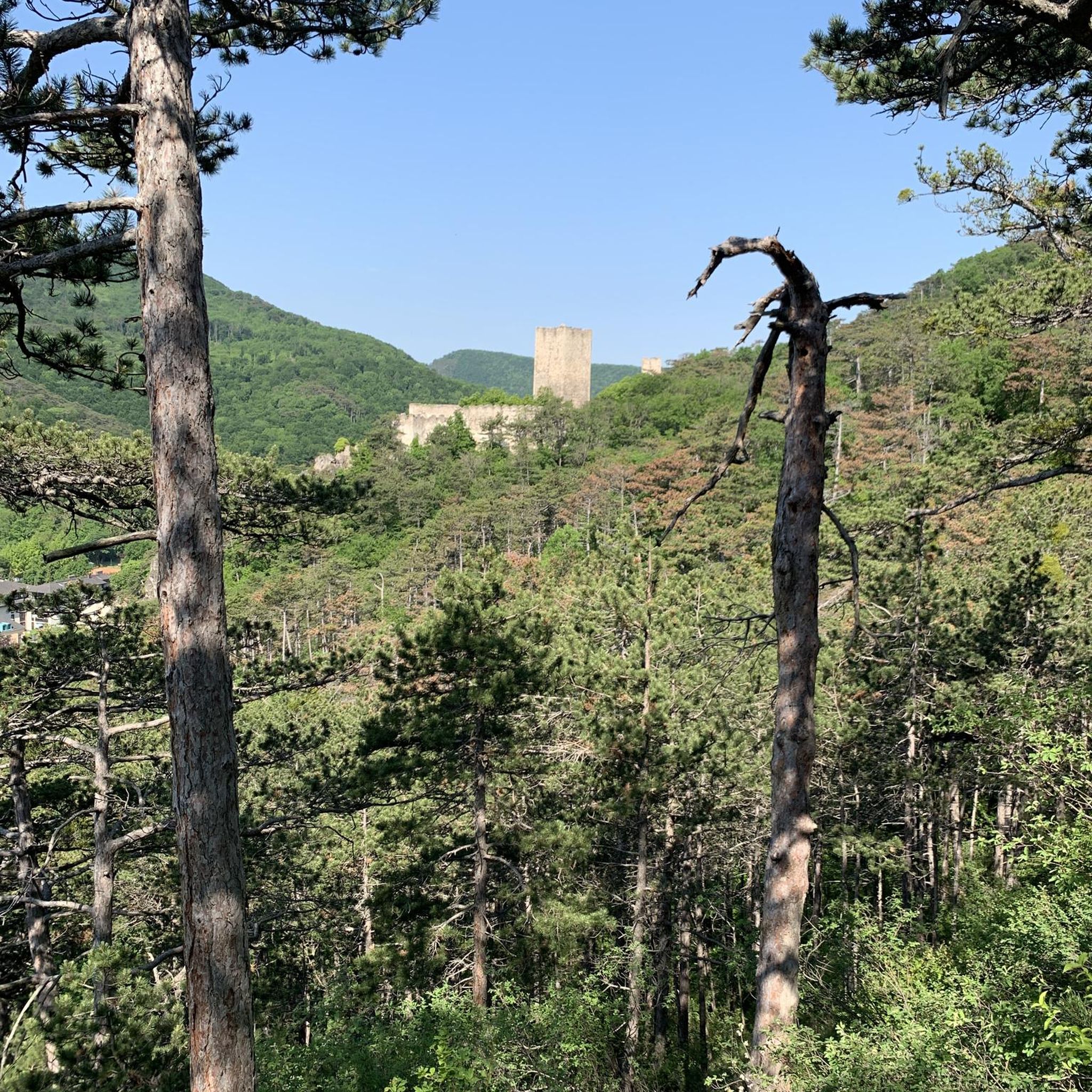
Mountain Hikes around Spitz

Gravel biking around Spitz


Tips from the Community

Very good Heuriger with friendly service and good wines
0
0
beautiful church on the main square of Spitz
0
0
The vineyards in the Wachau are a beautiful sight.
0
0

The Hinterhaus ruin, also called Oberhaus, is an almost thousand-year-old defensive structure in Spitz an der Donau, on an offshoot of the Jauerling. It was first mentioned in 1243. The ruin, located in the Wachau region, is situated near the "Tausendeimerberg", a vineyard that yields a certain amount of grapes each year, and on a rocky ridge of the so-called Hausberg, a part of the Jauerling massif.
0
0
Emmersdorf - the western gateway to the Wachau, directly opposite the imposing Melk Abbey. A convenient starting point for excursions into the Wachau, the Nibelungengau, the Waldviertel and the Mostviertel. Worth seeing: the castle church (medieval fortification), the late Gothic parish church and the St. Magdalene Chapel surrounded by old townhouses. Boat jetties in Emmersdorf and Luberegg for private boats, guest jetties in the sports harbour Luberegg, swimming, surfing and sailing in the Luberegg leisure facility, circular hiking trails, guided bike tours, fishing opportunities, tennis courts, campsite.
0
0
In 1163, a Romanesque wooden chapel stood in the place, which was consecrated to the patron of the Niederalteich monastery. The present-day church is a significant work of the late Gothic period and rises with its mighty west tower on the present-day church square.
0
0
The parish church of Spitz, consecrated to Saint Mauritius, is a significant religious and cultural landmark of the region. This impressive church invites visitors to discover its magnificent architecture and rich history. Dedicated to Saint Mauritius, the parish church radiates an atmosphere of peace and spirituality that has impressed visitors for centuries.
0
0
Very beautiful place with a very interesting fortified church.
0
0
Frequently Asked Questions
How many road cycling routes are available around Spitz?
There are over 15 road cycling routes around Spitz, offering a diverse range of experiences. These include routes of varying difficulty, from moderate riverside paths to more challenging climbs into the surrounding hills.
What are the typical terrain and difficulty levels for road cycling in the Wachau Valley?
The Wachau Valley offers a mix of terrain. The Danube Cycle Path provides mostly flat, smooth rides along the river, suitable for all abilities. For those seeking more challenge, routes inland and towards Jauerling Mountain or Seiberer Hill feature significant elevation gains and descents through vineyard landscapes. You'll find 6 moderate and 9 difficult routes in the area.
What historical landmarks or natural features can I see while cycling near Spitz?
Road cycling routes around Spitz are rich with sights. You can pass by iconic landmarks such as Starhemberg Lookout, the historic Spitz castle, and the gothic parish church. The region is also famous for its terraced vineyards and the meandering Danube River. The Tausendeimerberg offers panoramic views of the valley.
Are there any good viewpoints along the road cycling routes?
Yes, the Wachau Valley is known for its stunning vistas. Routes often provide views of the Danube River, expansive vineyards, and charming towns. Notable viewpoints include the Seekopf Observation Tower and the Jauerling Observation Tower, offering expansive panoramas of the valley and beyond.
Are there family-friendly road cycling options in Spitz?
Absolutely. The Danube Cycle Path (EuroVelo 6), which runs directly through Spitz, is ideal for families and leisure riders. It's mostly flat and well-marked, offering beautiful scenery with minimal effort. While specific 'easy' road cycling routes are limited, the riverside paths provide a gentle experience.
Are there circular road cycling routes available from Spitz?
Yes, many of the road cycling routes around Spitz are designed as loops, allowing you to start and finish in the same location. For example, the Steiner Tor – Senftenberg Castle Ruin loop and the Weißenkirchen in the Wachau – Senftenberg Castle Ruin loop are popular circular options.
Where can I find parking for road cycling in Spitz?
Spitz, being a popular tourist destination, offers various parking options, especially near the town center and along the Danube. Many accommodations also provide parking for guests. It's advisable to check local signage for specific parking regulations and availability.
How can I use public transport to access road cycling routes in Spitz?
Spitz is well-connected by public transport. You can reach Spitz by train or bus, and ferries are available to cross the Danube, allowing for flexible route planning and diverse round trips. This makes it easy to combine cycling with public transport for longer tours or to return to your starting point.
Are there places to eat or drink along the road cycling routes in Spitz?
Yes, the Wachau Valley is famous for its culinary delights. Along the routes, especially in towns like Spitz, Dürnstein, and Weißenkirchen, you'll find numerous restaurants, cafes, and traditional wine taverns known as 'Heurigen.' These offer opportunities to sample local wines and cuisine, making for pleasant breaks during your ride.
What do other road cyclists enjoy most about the routes around Spitz?
The road cycling routes around Spitz are highly rated by the komoot community, with an average score of 4.3 stars from over 80 reviews. Cyclists often praise the stunning combination of the Danube River, terraced vineyards, and historic castles. The variety of routes, from leisurely riverside rides to challenging climbs, is also a frequently mentioned highlight.
Are there challenging road cycling routes for experienced riders?
Yes, experienced riders will find plenty of challenging options. Beyond the flat riverside paths, routes inland from Spitz towards Mühldorf, Maria Laach, and Weißenkirchen feature light climbs. For a significant challenge, the ride up Seiberer Hill or towards Jauerling Mountain offers substantial elevation gain and rewarding panoramic views. The View of the Weitenegg ruins – Hinterhaus Castle Ruins loop is a difficult 103 km trail.
What is the best time of year for road cycling in Spitz?
The Wachau Valley is beautiful year-round, but the best time for road cycling is typically from spring through autumn (April to October). During these months, the weather is generally pleasant, the vineyards are lush, and all services are fully operational. Summer can be warm, while spring and autumn offer milder temperatures and vibrant scenery.
Can I combine cycling with other activities or explore towns along the way?
Absolutely. The Wachau Valley is perfect for combining cycling with cultural exploration. You can easily stop in picturesque towns like Dürnstein, famous for its medieval castle ruins, or visit the grand Melk Abbey. Many routes pass by local 'Heurigen' (wine taverns) where you can sample regional wines and cuisine, adding a rich cultural dimension to your ride.
Most popular routes around Spitz
Most popular attractions around Spitz

Get inspired with the komoot mobile app


Explore more
Browse the best Road cycling routes in other regions.
