Attractions and Places To See in James Peak Wilderness - Top 7
Best attractions and places to see in James Peak Wilderness include majestic peaks, pristine alpine lakes, and diverse ecosystems across its more than 17,000 acres. This high-elevation wildland, designated in 2002, is characterized by glacial formations and straddles the Continental Divide. It is recognized as the traditional homeland of the Nuuchu, Hinono'ei, and Tsistsistas peoples. The area offers opportunities for recreation and solitude amidst its rugged natural features and historical sites.
Best attractions and places to see in James Peak…
Last updated: May 1, 2026
James Peak
Highlight • Summit
Tip by

Little Echo Lake
Highlight (Segment) • Lake
Tip by
Sign up now to discover places like this
Get recommendations on the best single tracks, peaks, & plenty of other exciting outdoor places.
Sign up for free
Mount Flora
Highlight • Summit
Tip by
Needle's Eye Tunnel
Highlight • Structure
Tip by

Upper Crater Lake
Highlight • Lake
Tip by

Sign up for free to discover even more attractions in James Peak Wilderness.
Sign up for free
Already have an account?
Start today with a free account
Your next adventure awaits.
Login or Signup
Tips from the Community

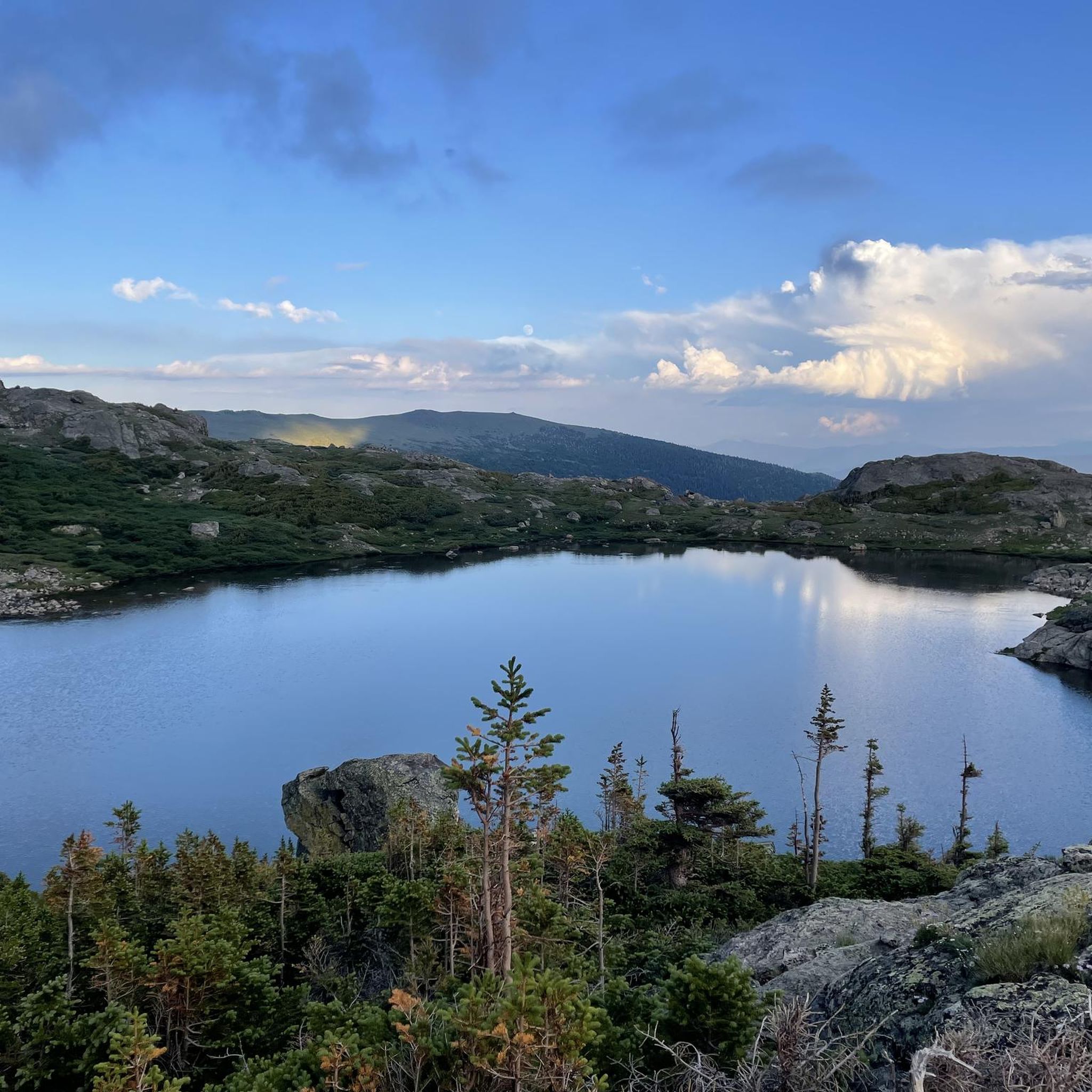
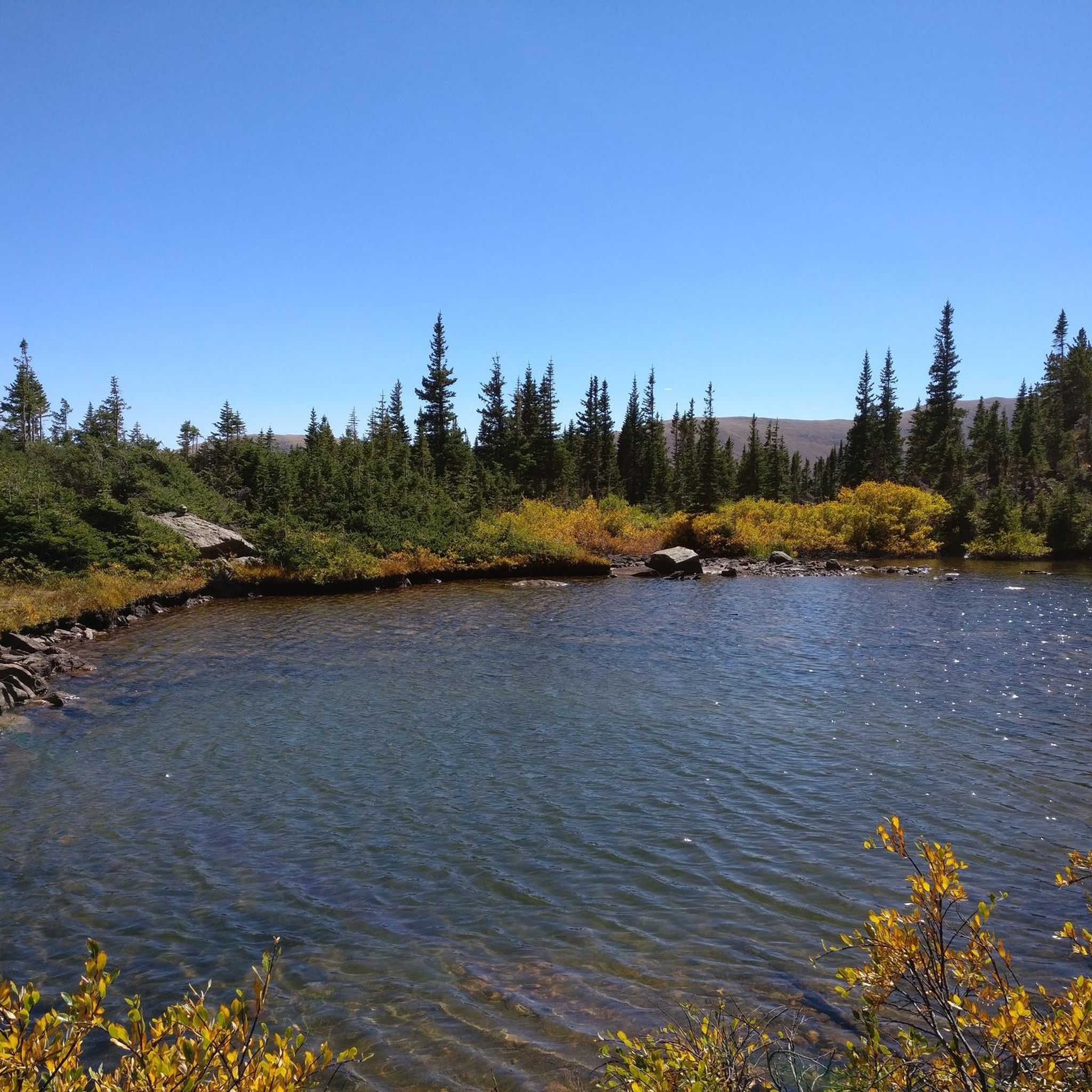
Little Echo Lake is located at an elevation of 11,200 feet off the side of the Ute Trail in the James Peak Wilderness. The picturesque lake can be added on to other trail in the area or used as a destination of its own. There are some camping spots around the lake. Keep LNT principles in mind when planning backcountry trips in the wilderness.
0
0
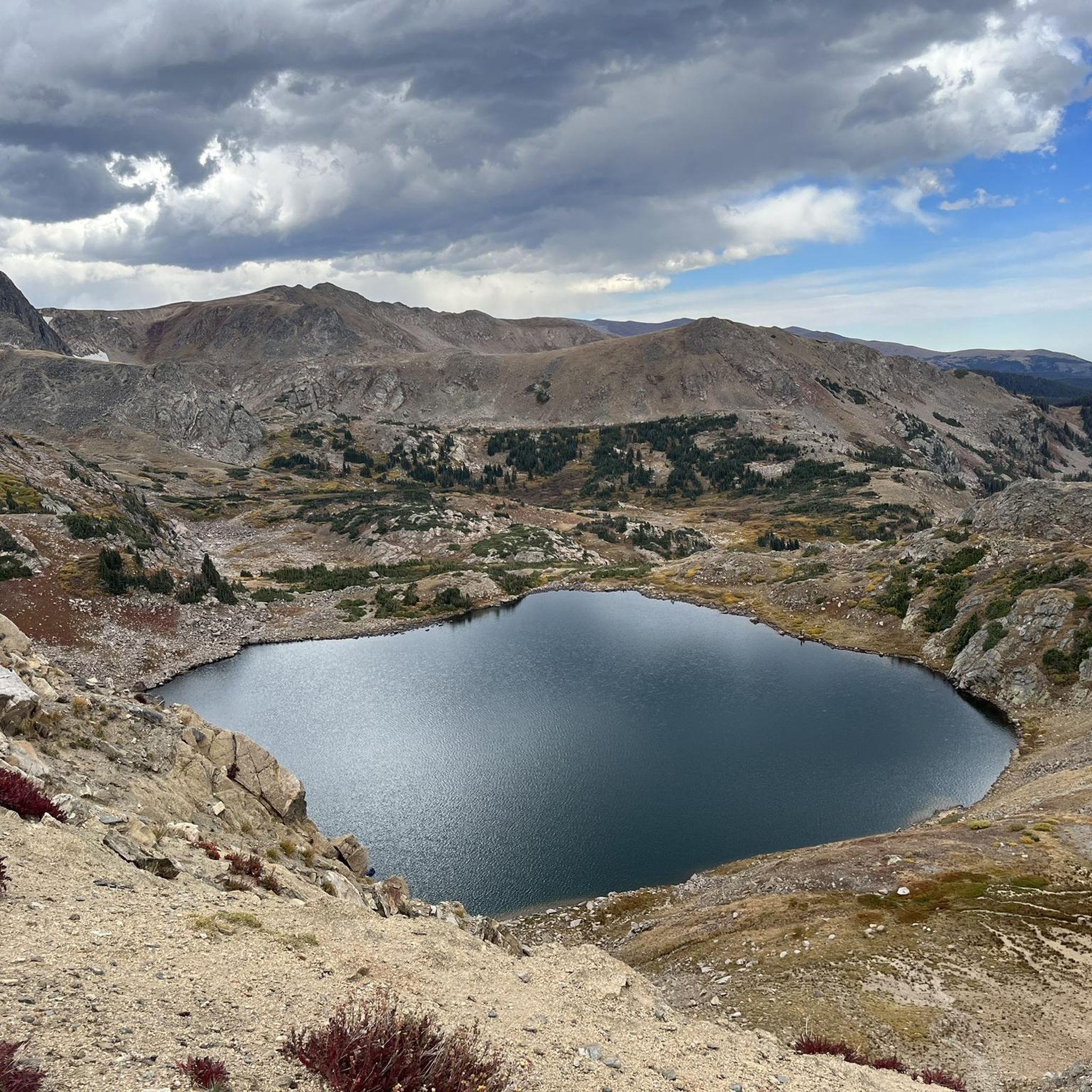
James Peak is a 13,294-foot summit in the James Peak Wilderness. The Ute Trail and James Peak trail carry you to the ridge, which is steep at times but never calls for more than class 1 travel. There are numerous other 12,000 and 13,000 foot peaks in this area of the wilderness, and there is a multitude of alpine lakes in the surrounding basins.
0
0
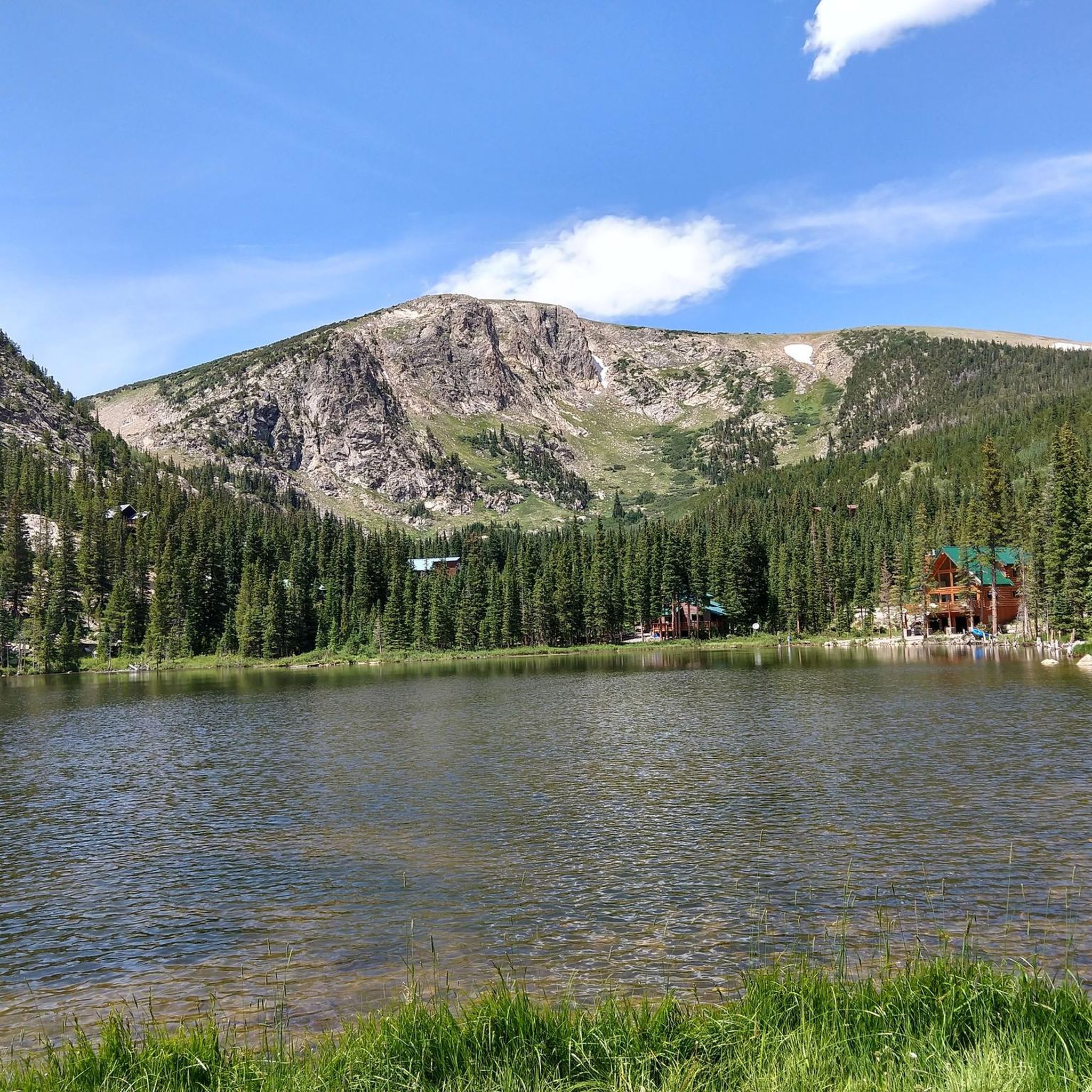
Mount Flora rises to 13,146 feet and offers unobstructed views of the surrounding peaks and forests. The summit can be reached from multiple angles, but it is most often approached from the Berthoud Pass side.
0
0

The Needle's Eye Tunnel was a short high altitude railroad tunnel on the Denver to Salt Lake Railway. It was closed in 1990 due to rock fall.
0
0

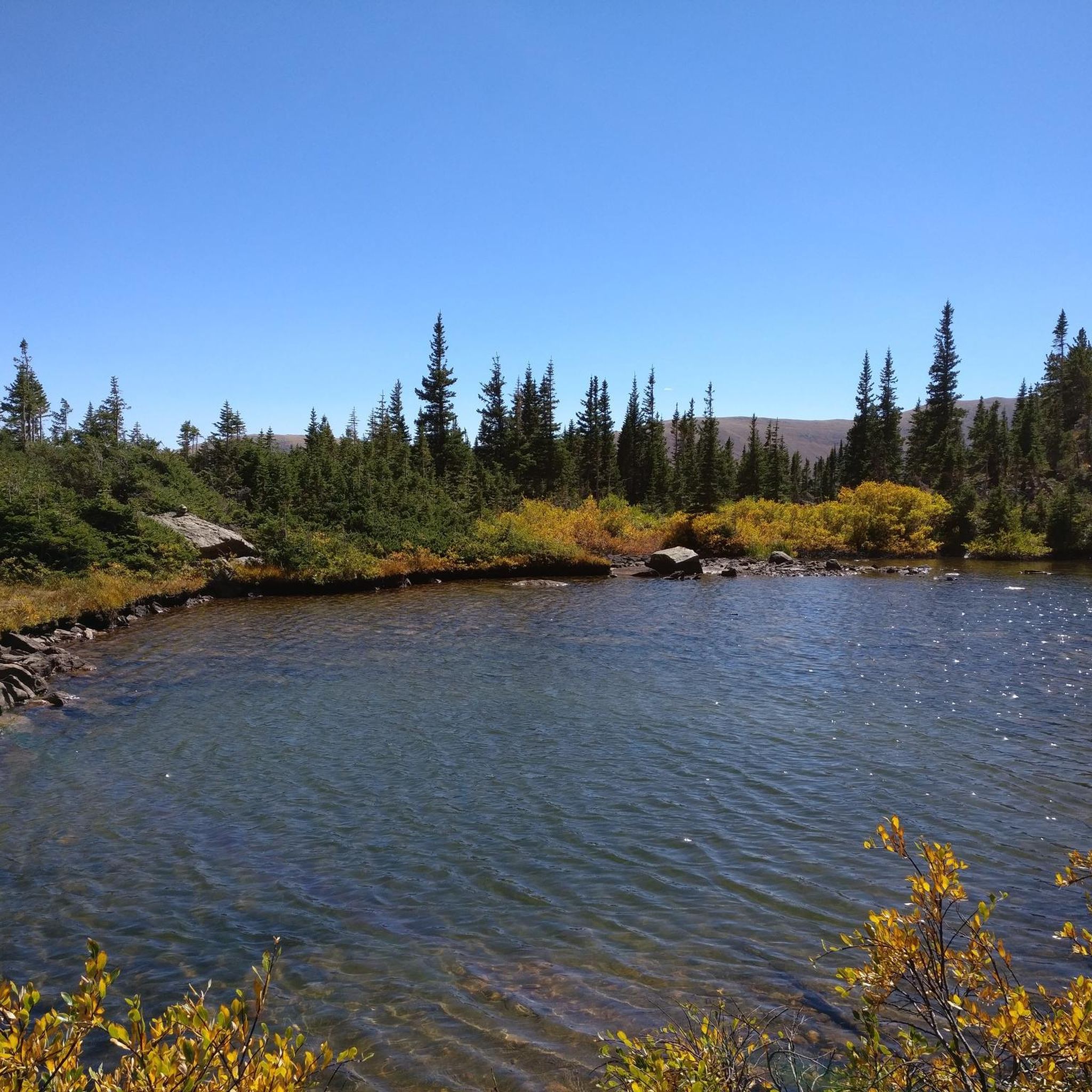
To get to the final lake, Upper Crater Lake, the trail in nonexistent, but the best route to take is to traverse right—going left will lead you to marshy water holes and potentially wet boots. From here you can enjoy an alpine lagoon with wildflowers and mountain views.
0
0
James Peak is a 13,294-foot summit in the James Peak Wilderness. The Ute Trail and James Peak trail carry you to the ridge, which is steep at times but never calls for more than class 1 travel. There are numerous other 12,000 and 13,000 foot peaks in this area of the wilderness, and there is a multitude of alpine lakes in the surrounding basins.
0
0
Little Echo Lake is located at an elevation of 11,200 feet off the side of the Ute Trail in the James Peak Wilderness. The picturesque lake can be added on to other hikes in the area or used as a hike of its own. There are some camping spots around the lake, but keep LNT principles in mind when planning backcountry trips in the wilderness.
0
0
Mount Flora rises to 13,146 feet and offers unobstructed views of the surround peaks and forests. The summit can be reached from multiple angles, but it is most often approached from the Berthoud Pass side.
0
0
Frequently Asked Questions
What natural features define the James Peak Wilderness?
The James Peak Wilderness is characterized by its majestic peaks, including James Peak and Mount Flora, and numerous pristine alpine lakes like Little Echo Lake and Upper Crater Lake. It also features diverse ecosystems ranging from sub-alpine forests to alpine tundra, glacial formations, and straddles the Continental Divide.
Are there any significant historical sites in the James Peak Wilderness?
Yes, the wilderness holds cultural significance as the traditional homeland of the Nuuchu (Ute), Hinono'ei (Arapaho), and Tsistsistas (Cheyenne) peoples. A notable historical man-made site is the Needle's Eye Tunnel, a short, high-altitude railroad tunnel that was part of the historic Denver to Salt Lake Railway, accessible via the rough 4WD Rollins Pass Road.
What kind of wildlife can I expect to see in James Peak Wilderness?
The diverse ecosystems of James Peak Wilderness provide habitat for a variety of wildlife. Visitors might spot elk, deer, bighorn sheep, mountain goat, black bear, ptarmigan, Canada lynx, wolverine, northern goshawk, pine marten, and boreal toad. Moose sightings are also prevalent, especially around areas like Heart Lake.
What are some of the prominent peaks in the James Peak Wilderness?
The wilderness is home to several prominent peaks. While James Peak itself is the second-highest at 13,294 feet, the highest peak in the area is Parry Peak. Other notable summits include Mount Flora (13,146 feet), Mount Eva, and Mount Bancroft. These peaks offer sweeping views of the surrounding alpine landscape.
Which alpine lakes are popular destinations in James Peak Wilderness?
The James Peak Wilderness is known for its abundance of alpine lakes. Popular destinations include Little Echo Lake, Upper Crater Lake, Rogers Pass Lake, Heart Lake, and the trio of Crater Lakes. Other lakes like Forest Lakes, Yankee Doodle Lake, Jenny Lake, Ice Lake, Ohman Lake, and Steuart Lake also attract visitors.
What are the most popular trails for hiking in James Peak Wilderness?
Popular hiking routes include trails leading to James Peak via the Ute Trail and James Peak trail, and paths to Mount Flora, often approached from the Berthoud Pass side. The South Boulder Creek Trail provides access to Heart Lake, and the Crater Lakes Trail leads to the beautiful Crater Lakes. A portion of the Continental Divide Trail also runs through the area, offering challenging hikes with panoramic vistas.
Are there options for mountain biking or cycling near the attractions?
Yes, there are several options for mountain biking and cycling. For mountain biking, you can explore routes like Rollins Pass Road or the Yankee Doodle Lake loop. Cyclists can enjoy routes such as the Yankee Hill, Jumbo Mountain & Tolland loop or the Fraser River Trail. You can find more details on these and other routes in the MTB Trails in James Peak Wilderness and Cycling in James Peak Wilderness guides.
What are the difficulty levels of trails in James Peak Wilderness?
Trails in James Peak Wilderness range from intermediate to challenging. Many routes involve significant elevation gain, with peaks reaching over 13,000 feet. For example, the Ute Trail and James Peak trail to James Peak can be steep but are generally considered class 1 travel. The terrain is rugged, shaped by glaciation, and often includes rocky paths and high-altitude conditions.
Are there family-friendly hiking options in James Peak Wilderness?
While many trails in James Peak Wilderness are challenging due to high elevation and rugged terrain, some shorter or less strenuous sections might be suitable for families. It's recommended to research specific trail conditions and elevation profiles to ensure they match your family's experience level. Always be prepared for changing weather conditions in the high country.
What is the best time of year to visit James Peak Wilderness?
The best time to visit James Peak Wilderness for hiking and outdoor activities is typically during the late spring, summer, and early fall (June to September) when trails are mostly free of snow and wildflowers are in bloom. However, the high-altitude environment means weather can change rapidly, and snow can persist at higher elevations well into summer. Winter offers opportunities for snowshoeing, but requires specialized gear and experience.
Do I need a permit to visit James Peak Wilderness?
Generally, permits are not required for day hiking in the James Peak Wilderness. However, if you plan on overnight backpacking, it's crucial to check with the local Forest Service office for any specific permit requirements or regulations regarding backcountry camping, especially concerning Leave No Trace principles.
Is James Peak Wilderness accessible by public transport, and what about parking?
While direct public transport into the wilderness is limited, the East Portal Trailhead of the Moffat Tunnel serves as a main access point. Parking is available at various trailheads, but it's advisable to arrive early, especially during peak season, as parking can be limited. Some areas, like the rough 4WD Rollins Pass Road, may require specific vehicle types for access.
Can I bring my dog on trails in James Peak Wilderness?
Yes, dogs are generally allowed on trails in James Peak Wilderness. However, they must be kept on a leash to protect wildlife and ensure a pleasant experience for all visitors. Always remember to pack out all pet waste and adhere to Leave No Trace principles to preserve the wilderness environment.
What should I know about the terrain and elevation in James Peak Wilderness?
The James Peak Wilderness is a high-elevation area, with terrain ranging from 9,200 to 13,294 feet. It features rugged, glacially-formed landscapes including cirques, moraines, and valleys. Visitors should be prepared for significant elevation changes, rocky trails, and the potential for rapidly changing weather conditions, including strong winds and sudden storms, even in summer.
What are some good options for running trails in James Peak Wilderness?
For runners, the James Peak Wilderness offers challenging and scenic routes. Options include the James Peak Loop Trail, Chinns Lake Road, and the Mount Flora Trail. You can find more detailed information and other running routes in the Running Trails in James Peak Wilderness guide.
Most popular routes in James Peak Wilderness
Most popular attractions in James Peak Wilderness

Get inspired with the komoot mobile app


Explore more
Still not found the Highlight you’re looking for? See guides of the top attractions in other regions:
