Attractions and Places To See in Death Valley Wilderness - Top 20
Best attractions and places to see in Death Valley Wilderness include a diverse range of natural wonders and historical sites. This region, part of Death Valley National Park, features striking contrasts from vast salt flats to towering mountains and colorful badlands. Visitors can explore unique geological formations and learn about the area's rich past. The landscape offers a wide array of experiences for those interested in natural and historical exploration.
Best attractions and places to see in Death Valley Wilderness
…Last updated: July 7, 2026
Badwater Basin Salt Flats
Highlight • Natural Monument
Tip by

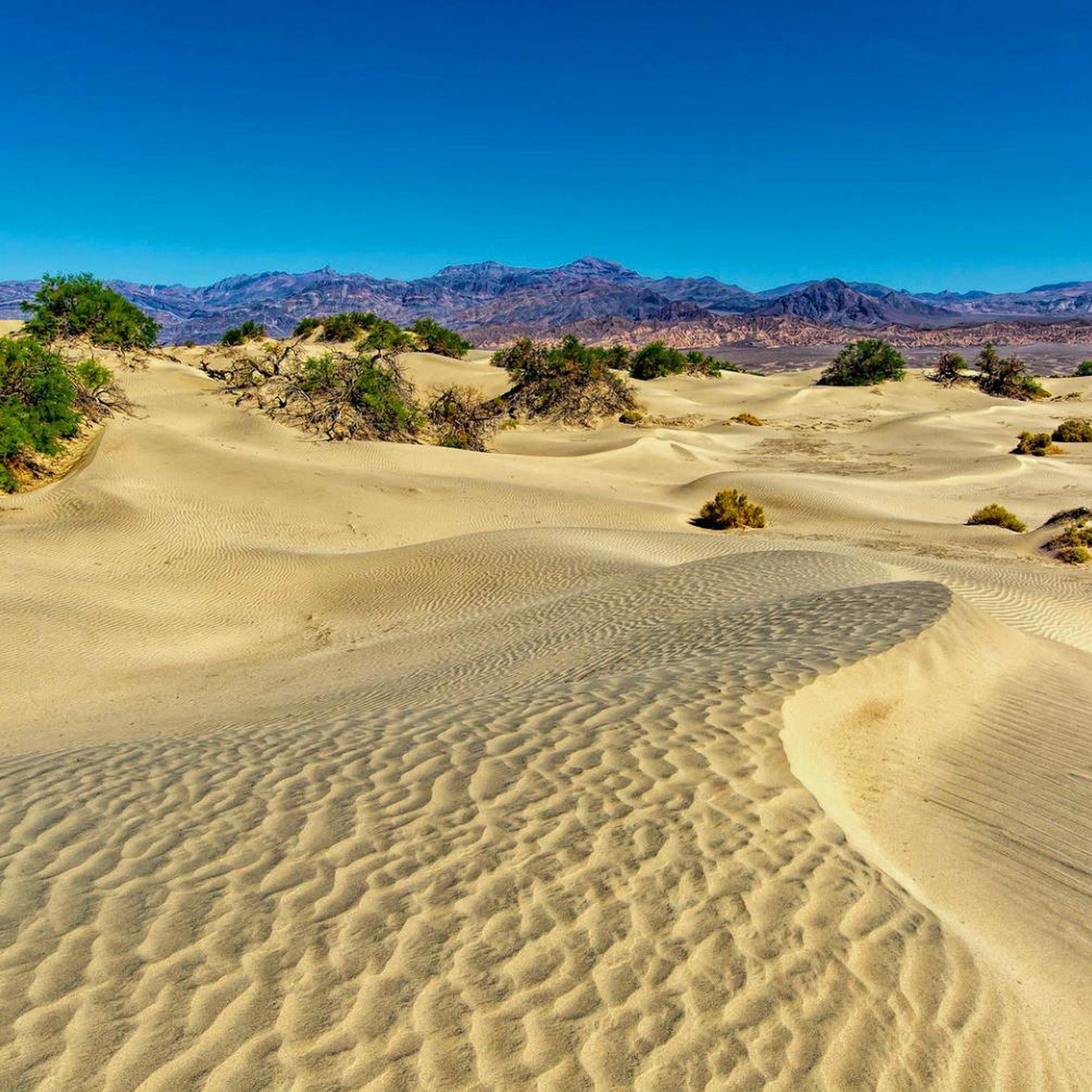
Mesquite Flat Sand Dunes Overlook
Highlight • Natural Monument
Tip by

Sign up now to discover places like this
Get recommendations on the best single tracks, peaks, & plenty of other exciting outdoor places.
Sign up for free
Mosaic Canyon Trailhead
Highlight • Trail
Tip by
Gower Gulch
Highlight (Segment) • Canyon
Tip by
Dante's View — 1,669 m
Highlight • Viewpoint
Tip by
Sign up for free to discover even more attractions in Death Valley Wilderness.
Sign up for free
Already have an account?
Start today with a free account
Your next adventure awaits.
Login or Signup
Popular around Death Valley Wilderness
Tips from the Community

Water and sunglasses are essential!
1
0

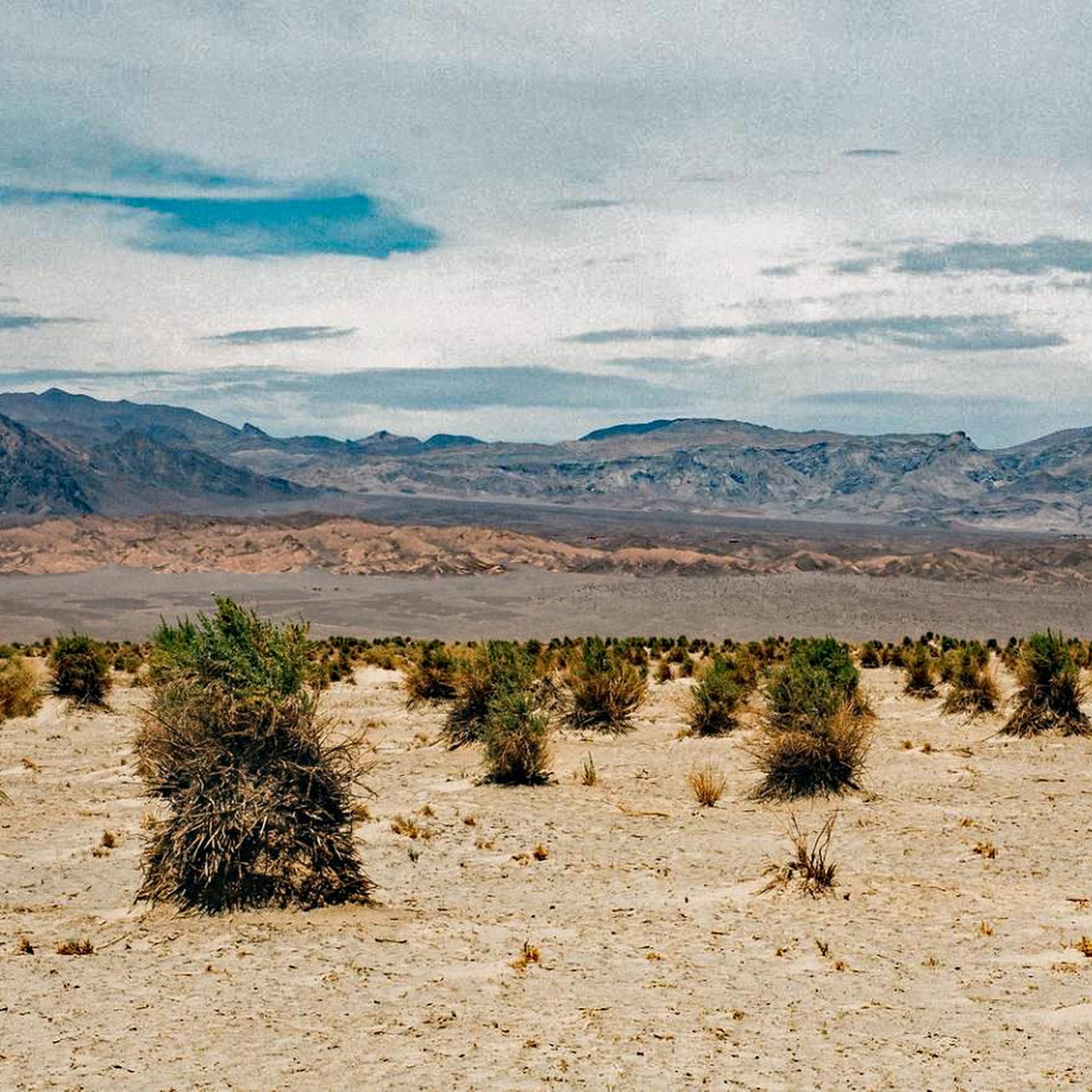
Badwater Basin is the lowest point in North America, at 280 feet (86 meters) below sea level. The salt flats here cover nearly 200 square miles (518 square kilometers) and are composed primarily of sodium chloride (table salt), along with calcite, gypsum, and borax. Stories suggest that Badwater Basin got its name when an early surveyor’s mule refused to drink from the spring-fed pool near the current boardwalk. The water here isn’t really “bad,” just very salty. Despite the high salt content, many organisms not only survive here, but thrive. The pool is home to an endemic snail that is native only to this location, and the rim is dotted with salt-tolerant plants, including samphire. Badwater Basin was once the site of the large, ancient inland lake Manly, which evaporated tens of thousands of years before the arrival of the man in 1849 for whom it is named. The lake had no outlet, so over time sediment and salt accumulated. When the lake eventually evaporated, it left behind concentrated salt layers. Today, fascinating geometric salt flats form on the plains as groundwater rises through these layers and evaporates.
4
1
Although sand is present throughout the park, there are few places where large dune fields are created. To create sand dunes, you need a source of sand (in this case, the eroding mountains to the north), wind to move that sand, and a barrier to keep it from blowing further (the mountains to the south). The conditions at Mesquite Flat Sand Dunes are perfect for creating dunes, and while individual grains of sand move and ripple, the dune field remains. These dunes are named for the mesquite tree that grows in abundance in the area. The trees must turn and grow to avoid being buried, and bare, brown trunks are often exposed by the drifting sand. The arrival of spring brings an explosion of bright green leaves and yellow flowers from the upper branches of the trees. Mesquite bean pods are a traditional food of the Timbisha Shoshone, and the flour from these pods is now available in specialty stores. Sand dunes provide habitat for many animals, including nocturnal kangaroo rats and horned rattlesnakes. There are no official walking trails in the dunes, so be careful when exploring and do not disturb any burrows.
5
3

This is the lowest point of the continental USA. Badwater is about 282 feet (85.5 meters) below sea level. It is also one of the hottest places in the world with temperatures around 50 degrees Celsius in the summer months. A short walk across the salt desert is still worthwhile in any heat.
3
1

Incredibly hot but very beautiful.
1
0

Here is the lowest point in North America Badwater is about 85.5 meters below sea level.
2
3
what a beautiful view
2
2

Since you can swim in salt water, spare socks and a towel are very helpful!
1
2
Frequently Asked Questions
What are some of the most impressive natural wonders and viewpoints to experience in Death Valley Wilderness?
Death Valley Wilderness offers a range of stunning natural wonders. You can visit Badwater Basin Salt Flats, the lowest point in North America, where you can walk on vast hexagonal salt formations. For panoramic views, head to Dante's View, which offers a bird's-eye perspective of the entire basin. The Mesquite Flat Sand Dunes Overlook provides access to the park's most famous and accessible dunes, perfect for photography.
Are there good hiking opportunities near the attractions in Death Valley Wilderness?
Yes, there are numerous hiking opportunities. For example, the Mosaic Canyon Trailhead is a popular starting point for exploring a canyon known for its polished marble walls. You can find various trails, from easy to difficult, including the Mosaic Canyon Trail and Dante's View Trail. For more options, explore the Hiking in Death Valley Wilderness guide.
What unique geological features can I explore in Death Valley Wilderness?
Beyond the salt flats and sand dunes, you can explore the vibrant, rainbow-colored hills of Artist's Drive and Artist's Palette, formed by volcanic deposits. The Ubehebe Crater is an impressive volcanic crater, and the Devil's Golf Course features an expansive area of jagged salt formations. Golden Canyon offers scenic trails through distinct yellow mudstone leading to the red rock formations of the Red Cathedral.
Are there any historical or cultural sites to visit in Death Valley Wilderness?
Yes, the region has a rich history. You can visit the Harmony Borax Works, which tells the story of borax mining and the famous twenty-mule teams. The Wildrose Charcoal Kilns are well-preserved beehive-shaped structures from 1877. Additionally, the area is home to several ghost towns like Leadfield and Skidoo, offering glimpses into the region's mining boom and bust history. The Timbisha Shoshone people also have ancestral lands with ancient petroglyphs and cultural markers.
What is the best time of year to visit Death Valley Wilderness?
The best time to visit Death Valley Wilderness is typically from late fall through spring (October to April) when temperatures are milder and more comfortable for outdoor activities. Summer months can be extremely hot, with temperatures often exceeding 100°F (38°C), making extensive outdoor exploration challenging and potentially dangerous.
Are there family-friendly activities available in Death Valley Wilderness?
Many attractions in Death Valley Wilderness are suitable for families. Walking on the Badwater Basin Salt Flats is an easy and unique experience. The Mesquite Flat Sand Dunes Overlook is also accessible and fun for all ages. Dante's View provides stunning vistas that can be enjoyed without strenuous hiking. There are also easy hiking trails like the Dante's View Trail and Little Hebe Crater Trail, as detailed in the Easy hikes in Death Valley Wilderness guide.
What kind of wildlife can be seen in Death Valley Wilderness?
Despite its harsh environment, Death Valley Wilderness supports a variety of wildlife. You might spot desert bighorn sheep, coyotes, bobcats, and various species of rodents like kangaroo rats. Birdwatchers can look for roadrunners, ravens, and several migratory species. Reptiles such as lizards and snakes, including the horned rattlesnake, are also present, especially during cooler parts of the day.
Are there opportunities for stargazing in Death Valley Wilderness?
Yes, Death Valley's remote location and minimal light pollution make it an exceptional destination for stargazing. The clear, dark skies offer incredible views of the Milky Way and countless stars. Harmony Borax Works is noted as a great spot for night sky viewing, but many areas throughout the park provide excellent conditions.
What are some scenic drives to take in Death Valley Wilderness?
Artist's Drive is a popular nine-mile scenic loop that winds through vibrant, rainbow-colored hills, with Artist's Palette being a particular highlight. Titus Canyon offers an adventurous one-way dirt road experience through a narrow chasm with impressive limestone strata and colorful rock formations. Dante's View Road also provides a scenic ascent to the panoramic overlook.
What do visitors enjoy most about the attractions in Death Valley Wilderness?
Visitors frequently highlight the surreal and unique landscapes, such as the vastness of the Badwater Basin Salt Flats and the dramatic views from Dante's View. The accessibility of the Mesquite Flat Sand Dunes Overlook for photography and exploration is also highly appreciated. Many are captivated by the striking contrasts and the feeling of being in such an extreme yet beautiful environment.
What are some lesser-known or 'hidden gem' attractions in Death Valley Wilderness?
While many visitors flock to the main sites, you can discover hidden gems like the Racetrack Playa, known for its mysterious 'sailing stones' that move across the dry lakebed. The remote Eureka Dunes are the tallest sand dunes in California, offering a more secluded experience. Mosaic Canyon, with its polished marble walls, provides a unique hiking experience that feels distinct from other canyons.
Most popular attractions in Death Valley Wilderness

Get inspired with the komoot mobile app


Explore more
Still not found the Highlight you’re looking for? See guides of the top attractions in other regions:
