The best MTB trails in Mount Massive Wilderness
4.0
(2)
309
riders
15
rides
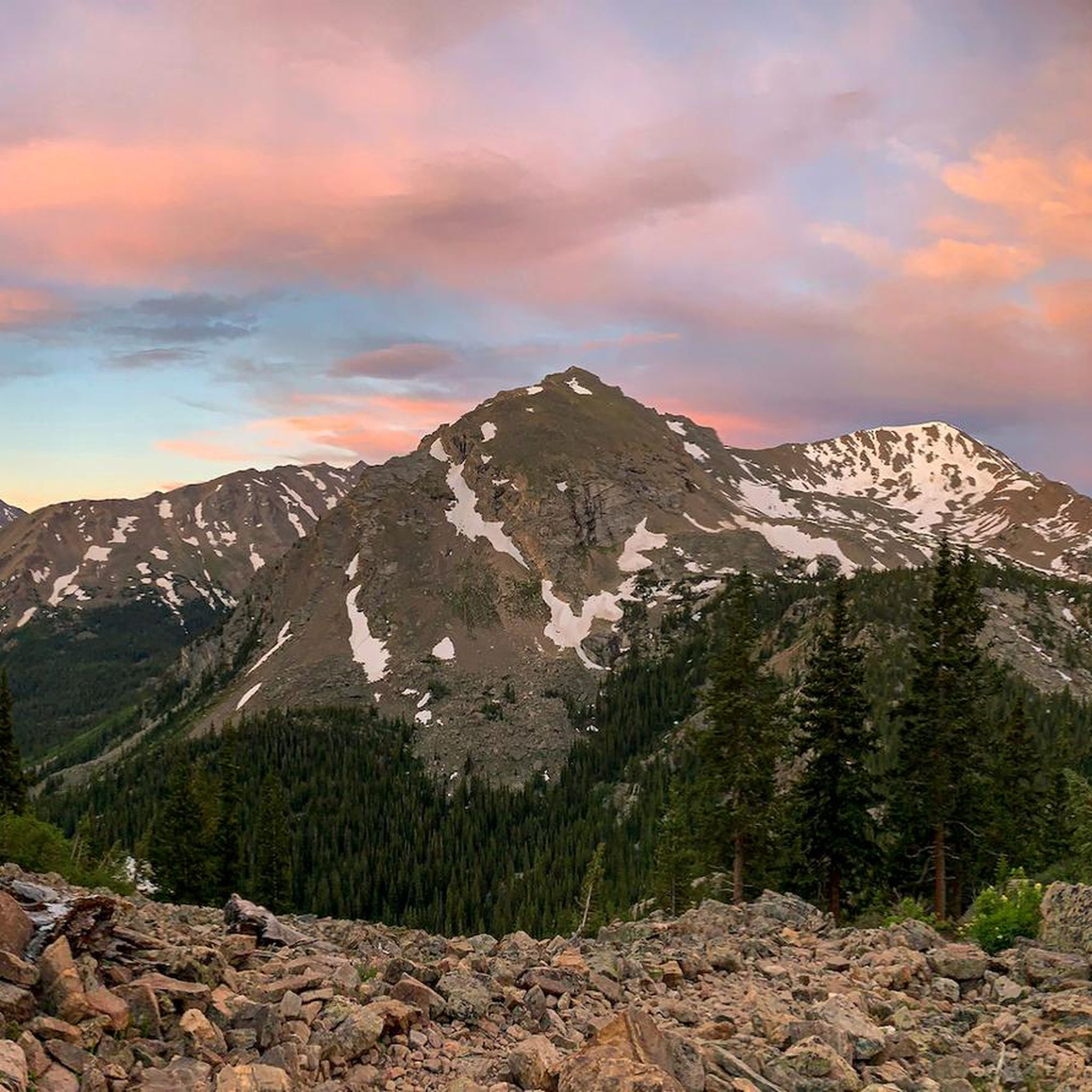
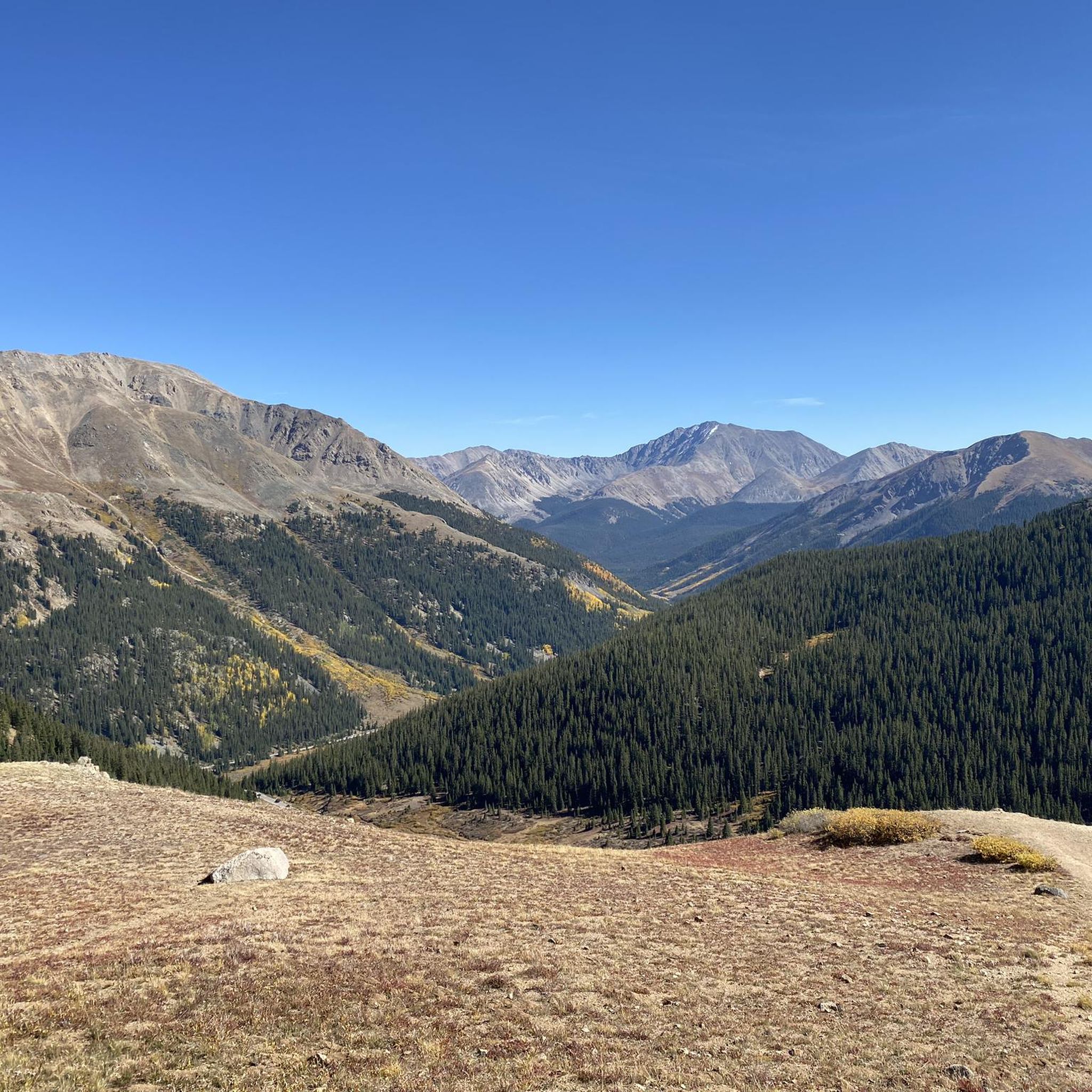
Mountain biking in Mount Massive Wilderness is generally restricted within the federally designated wilderness area itself. However, the surrounding region, part of Colorado's Sawatch Range, offers a variety of mountain bike trails. This area is characterized by high elevations, alpine environments, and forests of lodgepole pine, fir, and spruce. The landscape features rugged terrain, several lakes including Native Lake and Windsor Lake, and the Continental Divide forming its western boundary.
Best mountain bike trails in Mount Massive Wilderness
- The most…
Last updated: October 11, 2026
5
riders
12.8km
01:18
290m
290m
Moderate mountain bike ride. Great for any fitness level. Advanced riding skills necessary.
22.5km
02:32
710m
710m
Mountain bike the historic Hagerman Pass Road, a 14.0 miles (22.5 km) moderate route with 2320 feet (707 metres) of elevation gain.

13.1km
01:21
320m
320m
Ride the Fryingpan Lakes Road, a moderate 8.1-mile mountain biking route in the Hunter-Fryingpan Wilderness, but note bikes are restricted o
19
riders
68.7km
05:37
880m
880m
Hard mountain bike ride. Very good fitness required. Advanced riding skills necessary. Some portions of the route may require you to push your bike.
8
riders
45.0km
04:02
750m
750m
Moderate mountain bike ride. Good fitness required. Advanced riding skills necessary.
Get access to more routes and recommendations from other explorers.
Already have an account?
Our route recommendations are based on thousands of hikes, rides, and runs completed by other people on komoot.
Start today with a free account
Your next adventure awaits.
Popular around Mount Massive Wilderness

Tips from the Community

Hagerman Pass is a high mountain pass in Colorado at about 11,925 ft (3,635 m). The route is rough dirt/rock surface — originally a railroad grade and now a Forest Service Road (FSR 105). It is typically open late May through early-to-mid autumn, depending on snow and conditions. The road starts easy enough but becomes progressively rockier, steeper, narrower, and more technical toward the high point. You might find that some sections are too technical to ride and end up hike-a-bike. Be prepared and know your limits!
1
0
The Lyle Lake Trail enters the Holy Cross Wilderness at this point; bicycles are not permitted beyond the trail junction with Hagerman Pass Road. Hagerman Pass Road can be cycled, but it’s a challenging, technical adventure route - you're probably well aware of this if you're here! Mountain bikers should be ready for rough surfaces and steep climbs and descents.
1
0

The Powerline climb is an infamous uphill during the later stages of the Leadville 100 mile run. This steep dirt road is a common training ground for those getting ready to race at 10,000 feet. The road tops out at Sugarloaf Pass (roughly 11,200 feet) where the road and Colorado Trail intersect.
0
0

Hiking southbound, this is the junction where you decide to hike the Collegiate West alternate (which follows the Continental Divide Trail) or the Collegiate East (which is the original Colorado Trail route). The CW West is more challenging, roughly ten miles longer and takes you into higher elevation, but offers breathtaking scenery, while the CW East stays lower and offers better accessibility to trail towns and hot springs.
3
0

Turquoise Lake is an 1,800-acre alpine lake five miles outside Leadville. Named for the turquoise mine that was once there, it's now a recreational destination. The land surrounding Turquoise Lake is lined with trails and low trafficked paved roads. The lake itself offers boating, fishing and windsurfing.
0
0
Located between Basalt and Leadville, Colorado, the Fryingpan Lakes are nestled at the foothills of several two 13,000 foot peaks (Mount Oklahoma and Deer Mountain) and a 14er (Mount Massive). The lakes themselves are a little over 11,000 feet high. The lakes are often fished, but most people stop at the first lake (making the upper two lakes more private).
0
0
The more northern miles of Turquoise Lake Trail (the section past the campsites) are known for being the rootier, rockier, hillier, and more technical portions of trail. With rocky access down to the shore at the end towards May Queen Campground, the rest of this section of trail stays in the trees crossing creeks and bridges.
0
0
Turqoise Lake is an 1,800-acre alpine lake five miles outside Leadville. Named for the turquoise mine that was once there, it's now a recreational destination. The land surrounding Turquoise Lake is lined with trails and low trafficked paved roads. The lake itself offers boating, fishing and windsurfing.
0
0
Frequently Asked Questions
Is mountain biking permitted within the Mount Massive Wilderness area?
No, mountain biking is generally not permitted within the federally designated Mount Massive Wilderness area itself. Bicycles and other mechanized vehicles are prohibited to preserve the natural character of the wilderness. However, the surrounding region, part of Colorado's Sawatch Range, offers a variety of mountain bike trails.
What kind of terrain can I expect on mountain bike trails near Mount Massive Wilderness?
The mountain bike trails in the region surrounding Mount Massive Wilderness are characterized by high-altitude paths, forested sections, and routes around significant water bodies like Twin Lakes and Turquoise Lake. You'll encounter rugged terrain, with elevations ranging significantly, offering both moderate and difficult ability levels.
Are there any easy mountain bike trails in the Mount Massive Wilderness area?
While there are no easy mountain bike trails directly within the immediate vicinity of Mount Massive Wilderness, the surrounding area offers 15 moderate routes and 4 difficult routes. It's important to be prepared for high-altitude riding and varying terrain.
What are some popular moderate mountain bike trails in the area?
For a moderate challenge, you might consider Hagerman Pass Road, a 14.0-mile trail through high-altitude terrain, or the Fryingpan Lakes Trail, an 8.1-mile path winding through forested areas towards scenic lakes.
Are there any challenging mountain bike routes for experienced riders?
Yes, for experienced riders seeking a challenge, the Twin Lakes loop from Sugarloaf Dam is a difficult 42.7-mile trail leading through varied landscapes. Another demanding option is the Turquoise Lake Dam – Lookout over Turquoise Lake loop from Sugarloaf Dam, which features significant elevation gain over 65.2 miles.
What natural features or landmarks can I see while mountain biking near Mount Massive Wilderness?
While mountain biking, you can expect to see expansive views of the alpine environment, forests of lodgepole pine, fir, and spruce, and significant water bodies such as Native Lake, Windsor Lake, Twin Lakes, and Turquoise Lake. The Continental Divide also forms the western boundary of the wilderness, contributing to the rugged landscape.
Can I bring my dog on the mountain bike trails?
Within the Mount Massive Wilderness area itself, dogs are generally allowed but must be kept on a leash to protect wildlife and the fragile alpine environment. For specific mountain bike trails outside the wilderness boundary, it's always best to check local regulations for dog-friendly access, as rules can vary.
What do other mountain bikers say about the trails in this region?
The mountain biking routes in the region surrounding Mount Massive Wilderness are highly rated by the komoot community, with an average score of 4.0 stars from 3 reviews. Nearly 500 mountain bikers have used komoot to explore the varied terrain, often praising the high-altitude paths and scenic water bodies.
Are there any loop trails available for mountain biking?
Yes, there are several loop trails. A notable one is the Twin Lakes loop from Sugarloaf Dam, a difficult 42.7-mile route. Another option is the Turquoise Lake – Turquoise Lake Northern Shore loop from Sugarloaf Dam, a moderate 45.0-mile ride.
What is the best time of year to go mountain biking near Mount Massive Wilderness?
Given the high elevations and alpine environment, the best time for mountain biking is typically during the warmer months, from late spring through early fall, when trails are free of snow and weather conditions are more stable. Always check current weather and trail conditions before heading out, as conditions can change rapidly at high altitudes.
How many mountain bike trails are available in the region surrounding Mount Massive Wilderness?
There are 19 mountain bike tours available in the region surrounding Mount Massive Wilderness. These include 15 moderate routes and 4 difficult routes, offering a range of options for different skill levels.

Get inspired with the komoot mobile app


Explore more
Browse the best MTB trails in other regions.
