The best walks and hikes around Flossenbürg
4.8
(434)
1,682
hikers
111
hikes
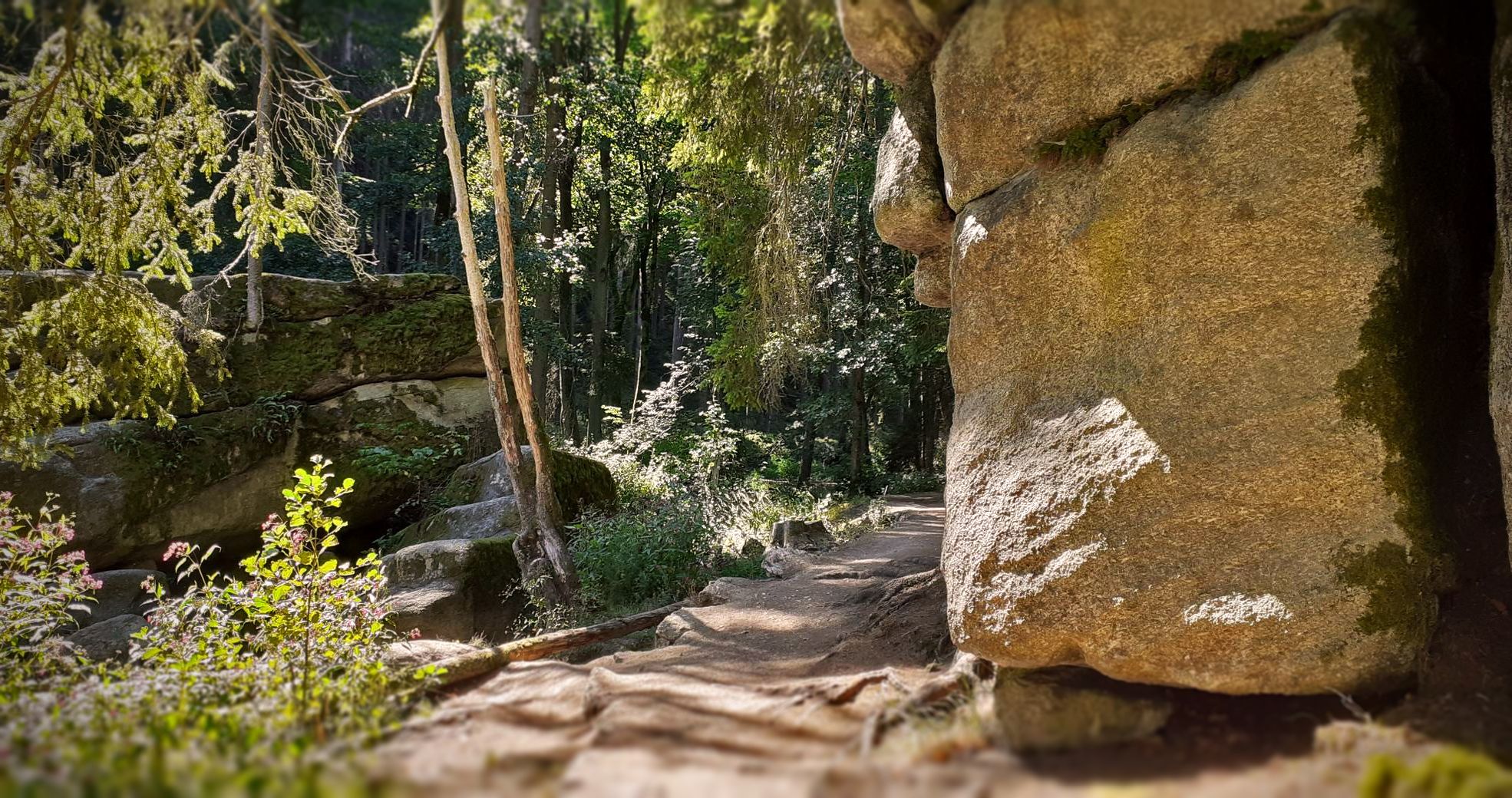
Hiking around Flossenbürg offers diverse landscapes within the Upper Palatine Forest, characterized by rolling hills, dense forests, and clear streams. The region features distinctive granite formations, including the notable Doost Granite Boulder Field and Bread Rock. Situated near the Czech border, the area provides a blend of natural beauty and historical elements, making it suitable for various outdoor activities.
Best hiking trails around Flossenbürg
- The most popular hiking route is Flossenbürg loop, a 7.5 miles (12.0 km) trail that…
Last updated: October 13, 2026
4.3
(21)
65
hikers
12.0km
03:25
260m
260m
Moderate hike. Good fitness required. Easily-accessible paths. Suitable for all skill levels.
4.8
(16)
44
hikers
Moderate hike. Great for any fitness level. Mostly accessible paths. Sure-footedness required.

4.8
(51)
182
hikers
8.18km
02:17
160m
160m
Moderate hike. Good fitness required. Easily-accessible paths. Suitable for all skill levels.
4.7
(46)
142
hikers
14.2km
04:04
340m
340m
Moderate hike. Good fitness required. Easily-accessible paths. Suitable for all skill levels.
4.9
(33)
140
hikers
Moderate hike. Good fitness required. Easily-accessible paths. Suitable for all skill levels.
Get access to more routes and recommendations from other explorers.
Already have an account?
Our route recommendations are based on thousands of hikes, rides, and runs completed by other people on komoot.
Start today with a free account
Your next adventure awaits.
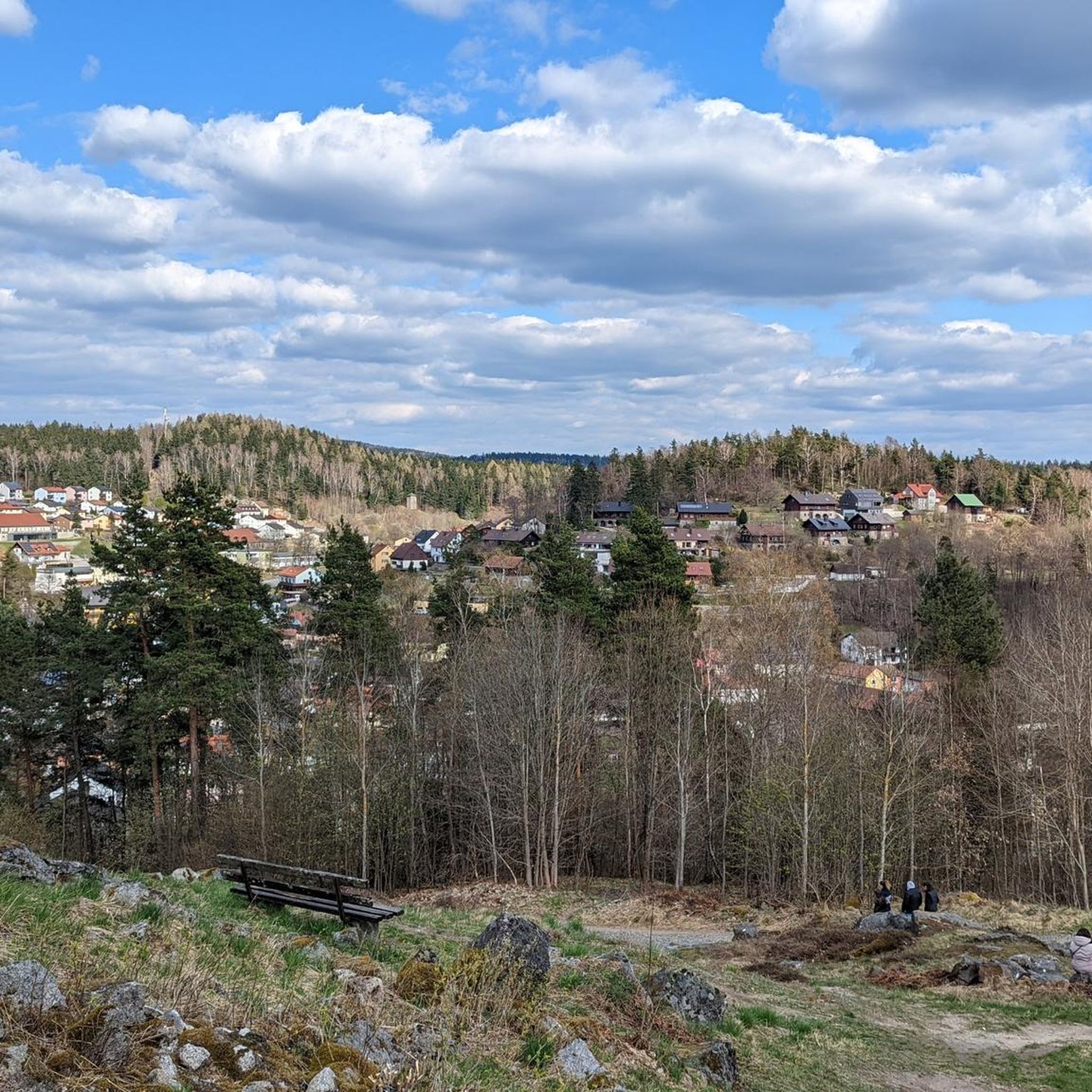
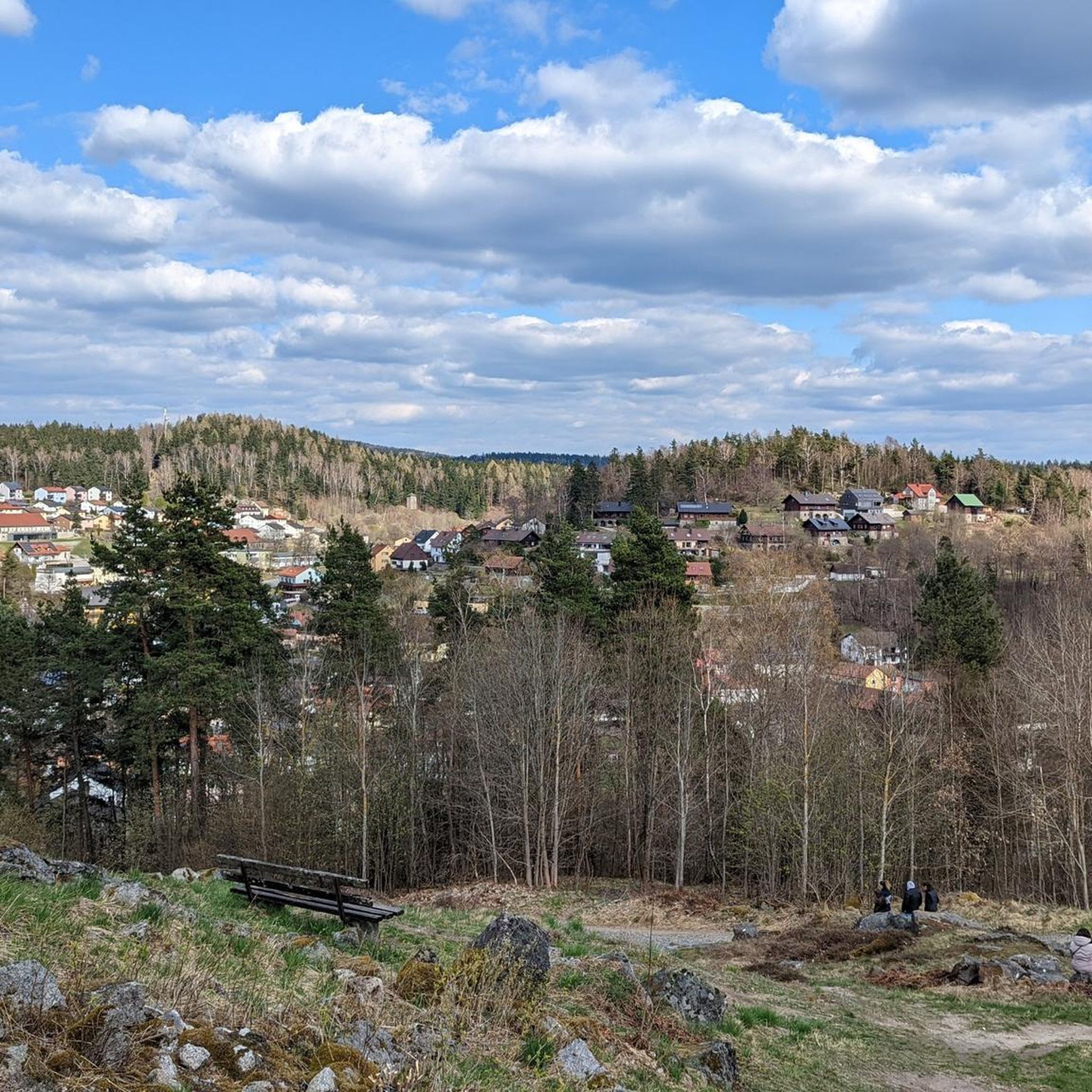


Tips from the Community

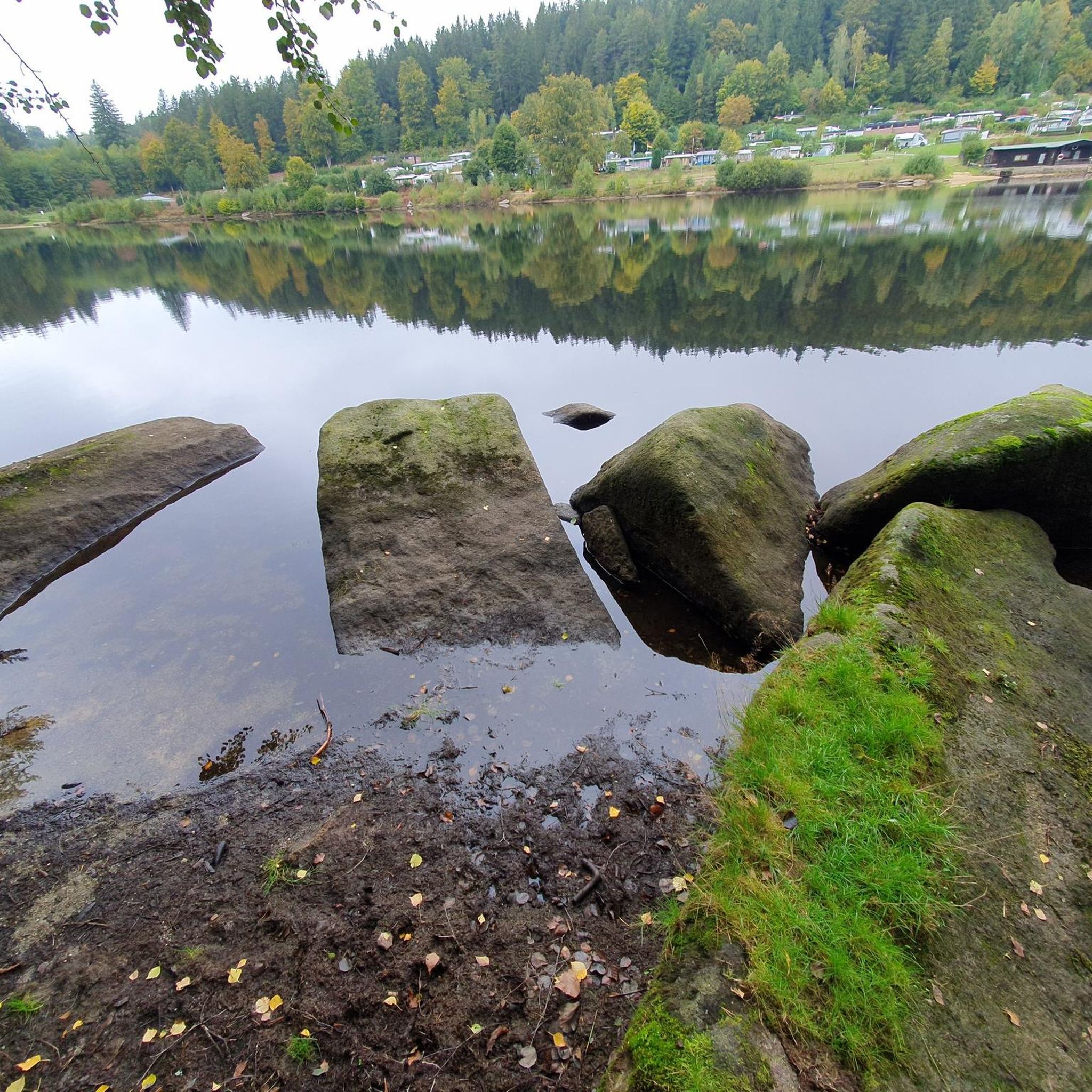
The small Gaisweiher is idyllically located between forest and meadows and invites you to pause for a moment and let nature work its magic. In summer you can swim here and if you're lucky, you'll be all alone.
7
0
The Große Gaisweiher near Flossenbürg is an artificially dammed pond of around nine hectares. Surrounded by wooded hills and with a beautiful view of the Flossenbürg castle ruins, it is an idyllic spot. The pond is also used as a natural swimming pool in the summer, and there are also sunbathing lawns, boat rental, and a campsite.
7
0

Good opportunity for a short break
0
0

Cool resting bench with a saying
0
0

Quietly located, beautiful pond with two benches, ideal for a short break.
1
0

Border fence.
1
1

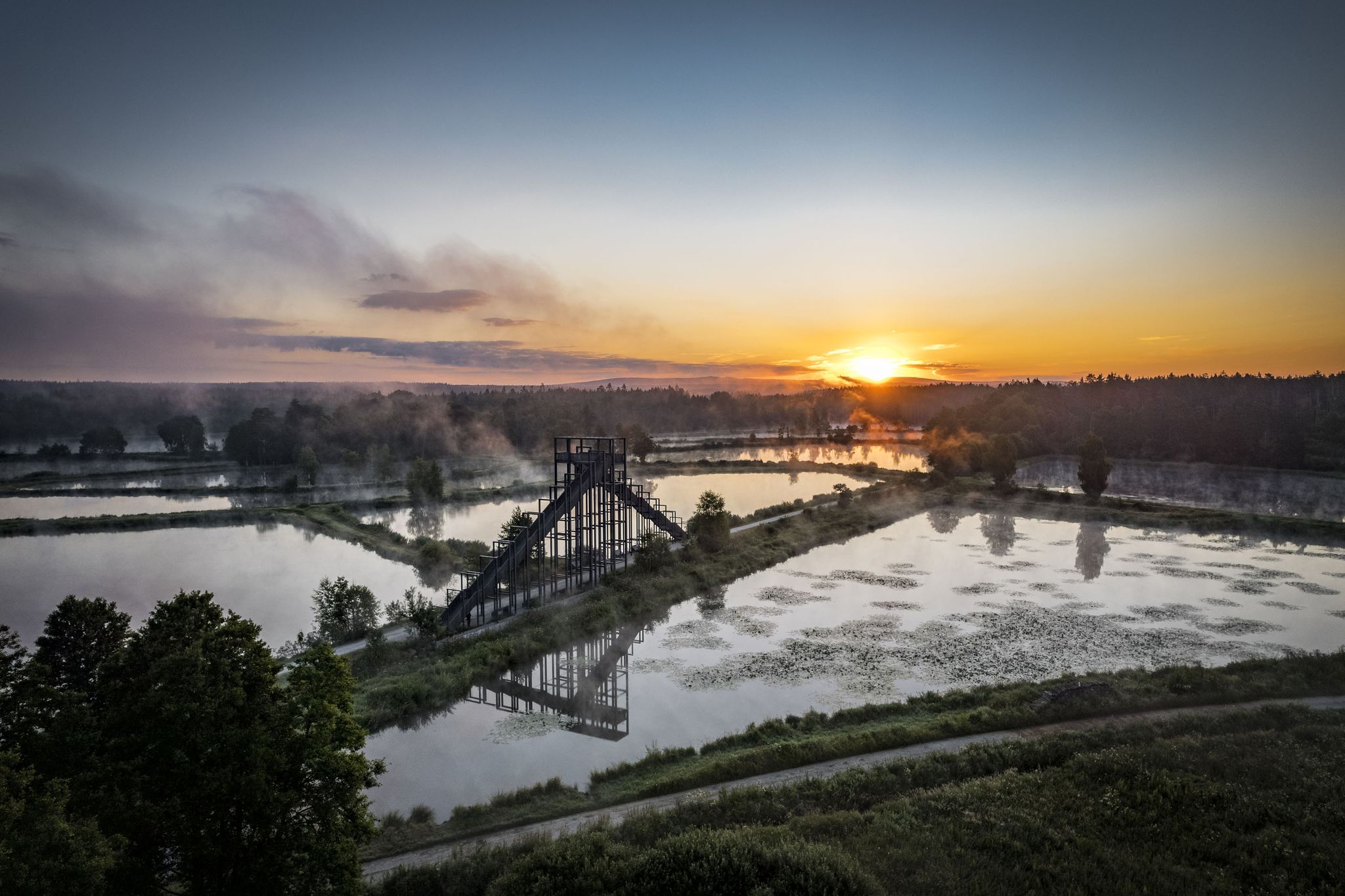
Online webcam on the tower
1
1
This double fence, reinforced with barbed wire, is a remnant of Czechoslovak border security installations from the Cold War era. Presumably, such a fence surrounded the entire area of the border guards' watchtower on Havran Peak.
13
0
Frequently Asked Questions
How challenging are the hiking trails around Flossenbürg?
Flossenbürg offers a diverse range of hiking trails suitable for various fitness levels. You'll find everything from easy strolls to more challenging climbs. The komoot community rates the trails highly, indicating a good balance of accessible and more demanding options. For example, the Flossenbürg loop is a moderate 7.5-mile route, while there are also 60 easy routes available for those seeking a gentler experience.
What unique natural features can I expect to see on hikes in Flossenbürg?
The region is renowned for its distinctive granite formations within the Upper Palatine Forest. You can explore the impressive Doost Granite Boulder Field, a natural monument featuring a 'sea of boulders' along the Girnitz stream. Another notable sight is the Bread Rock (Brotfelsen), a granite formation resembling stacked loaves. These geological wonders, combined with dense forests and clear streams, create a unique landscape for hikers.
Are there any historical landmarks or viewpoints along the trails?
Yes, Flossenbürg's trails often lead to significant historical sites and offer panoramic views. The Flossenbürg Castle Ruins, perched on a granite cone, provide inspiring views of the surrounding landscape, potentially extending to the Alps on clear days. You can also find the Vierling Tower, which is a popular viewpoint. The area's history is also reflected in old quarries and the nearby Flossenbürg Concentration Camp Memorial Site, which some trails pass by.
Can I find circular hiking routes in Flossenbürg?
Absolutely. Many of the trails in Flossenbürg are designed as circular routes, allowing you to start and end at the same point. A popular example is the Little Gais Pond – Great Gais Pond loop from Flossenbürg Concentration Camp Memorial Site, which is a moderate 5.0-mile path connecting natural ponds and historical sites.
Are the hiking trails in Flossenbürg suitable for families with children?
Yes, Flossenbürg offers several family-friendly options. There are shorter, easily accessible paths and routes that include child-friendly rest areas. These trails allow families to enjoy the natural beauty without overly strenuous climbs, making them perfect for a day out with kids.
Are dogs allowed on the hiking trails in Flossenbürg?
Generally, dogs are welcome on hiking trails in the Flossenbürg region. However, it's always recommended to keep them on a leash, especially in nature reserves, near wildlife, or when passing through agricultural areas. Please ensure you clean up after your dog to maintain the natural environment for everyone.
What is the best time of year to go hiking in Flossenbürg?
The Upper Palatine Forest is beautiful throughout the year, but spring, summer, and autumn offer the most pleasant hiking conditions. Spring brings blooming flora, summer provides lush greenery, and autumn showcases vibrant fall colors. While winter hiking is possible, be prepared for colder temperatures and potentially snowy or icy conditions on trails.
Where can I park when starting a hike in Flossenbürg?
Parking is generally available at common starting points for trails, such as near the Flossenbürg Castle Ruins or the Flossenbürg Concentration Camp Memorial Site. Many trailheads in the region are equipped with designated parking areas. It's advisable to check specific route descriptions for detailed parking information.
What do other hikers say about their experience in Flossenbürg?
The hiking routes in Flossenbürg are highly rated by the komoot community, with an impressive average score of 4.8 stars from over 400 reviews. Hikers often praise the region's diverse landscapes, the unique granite formations, and the blend of natural beauty with historical insights. Many appreciate the well-maintained paths and the variety of options for different skill levels.
Are there any lakes or water features to enjoy during a hike?
Yes, the region features several beautiful water bodies. The Gais Pond (Gaisweiher) is a natural swimming lake that offers opportunities for water-based activities in a natural setting. Additionally, you can find other lakes like the Liebensteinspeicher Reservoir and Seven Islands Pond, which can be incorporated into longer hikes or visited as separate attractions.
Are there any easy hiking options suitable for beginners in Flossenbürg?
Yes, Flossenbürg is very welcoming to beginners. Out of the 127 available routes, 60 are classified as easy, offering gentle terrain and shorter distances. A good option for a relaxed walk is the Resting Whitsun Ox Bench – Kogeri-Ruh Rest Area loop from Flossenbürg Concentration Camp Memorial Site, which is an easy 2.8-mile path.
Is it possible to combine hiking with cultural or historical visits in Flossenbürg?
Absolutely. Flossenbürg uniquely blends natural beauty with significant historical reflection. Many hiking routes pass by or lead to the Flossenbürg Castle Ruins, offering a glimpse into medieval history. The proximity to the Flossenbürg Concentration Camp Memorial Site also allows for a profound experience, combining outdoor activity with a visit to a site of historical importance.
Most popular routes around Flossenbürg
Most popular attractions around Flossenbürg

Get inspired with the komoot mobile app


Explore more
Browse the best Hikes in other regions.
