Top 18 Castles around Sistrans
Best castles around Sistrans are found in the historic village of Sistrans, Tyrol, Austria. This area is known for its picturesque location near Innsbruck and a history spanning 1,200 years. While Sistrans offers a quiet holiday experience amidst a mountainous landscape, the broader Tyrol region is rich in historical fortifications and palaces.
Best castles around Sistrans
- The most popular castles is Thaur Castle Ruins, a castle that dates back to the 12th century. The ruins are secured and protected,…
Last updated: July 1, 2026
Hofburg, Innsbruck (Imperial Palace)
Highlight • Castle
In 1500 the Hofburg Innsbruck was completed under Emperor Maximilian I (1459-1519). It already had the same dimensions as today and was captured by Albrecht Dürer as a …
Translated by Google •
Tip by

Ottoburg, Innsbruck
Highlight • Castle
Translated by Google •
Tip by

Sign up now to discover places like this
Get recommendations on the best single tracks, peaks, & plenty of other exciting outdoor places.
Sign up for free
Thaur Castle Ruins
Highlight • Castle
Translated by Google •
Tip by

Ambras Castle, Innsbruck
Highlight • Castle
Ambras Castle, Innsbruck, is one of Austria's most important sights and the top day trip destination in Tyrol.
Visit the world's first museum preserved in its original …
Translated by Google •
Tip by
Hasegg Castle
Highlight • Castle
The old town of Hall is the largest preserved medieval old town in North Tyrol: its landmark is the mint tower of …
Translated by Google •
Tip by
Sign up for free to discover even more castles around Sistrans.
Sign up for free
Already have an account?
Start today with a free account
Your next adventure awaits.
Login or Signup
Tips from the Community

Closed to visitors from November
2
0

The World's First Museum / The History of Ambras Castle Ambras Castle is located on the southern outskirts of Innsbruck, the Tyrolean capital. Records of Ambras date back to the 10th century, spelled "Amras" or "Omras." In the High Middle Ages, it was the seat of the Upper Bavarian Counts of Andechs. The property then passed into the possession of the Tyrolean sovereigns through inheritance. The medieval character of the castle is still clearly evident in the structure of the upper castle. In 1564, Ambras Castle became the residence of the Tyrolean sovereign, Archduke Ferdinand II, who moved there with his young family, his wife Philippine, and their two sons, Andreas and Karl. The so-called upper castle was converted and expanded into a residential building in the Renaissance style. The impressive Spanish Hall and extensive gardens were created below the residential building as new buildings. Text / Source: Ambras Castle Innsbruck, Schlossstraße 20, 6020 Innsbruck https://www.schlossambras-innsbruck.at/das-schloss-entdecken/das-schloss#:~:text=Schloss%20Ambras%20liegt%20am%20s%C3%BCdlichen%20Stadtrand%20der%20Tiroler
16
0


Innsbruck's Hofburg, often referred to as the Tyrolean sister of Vienna's magnificent House of Habsburg, is a fascinating piece of history. The era of Maria Theresa, in particular, left its mark here and should not be ignored by anyone interested. Those familiar with the history of the dynasty can better understand the significance of this place. Admittedly, there are palaces in Austria that exude more glamour. But the Hofburg has its own special charm. The magnificent halls, large-format paintings, and breathtaking frescoes tell stories from times long past and invite you to immerse yourself deeply in history. The private chambers of Empress Elisabeth and Emperor Franz Joseph are particularly fascinating. Although the Empress rarely stayed here, her name still attracts many visitors. And the Hofburg's location is simply impressive – located in the heart of Innsbruck, it blends harmoniously into the cityscape. The exhibition can be explored at a leisurely pace without a guided tour, offering the opportunity to linger in the historic setting and absorb the atmosphere. A visit that brings history to life!
5
1

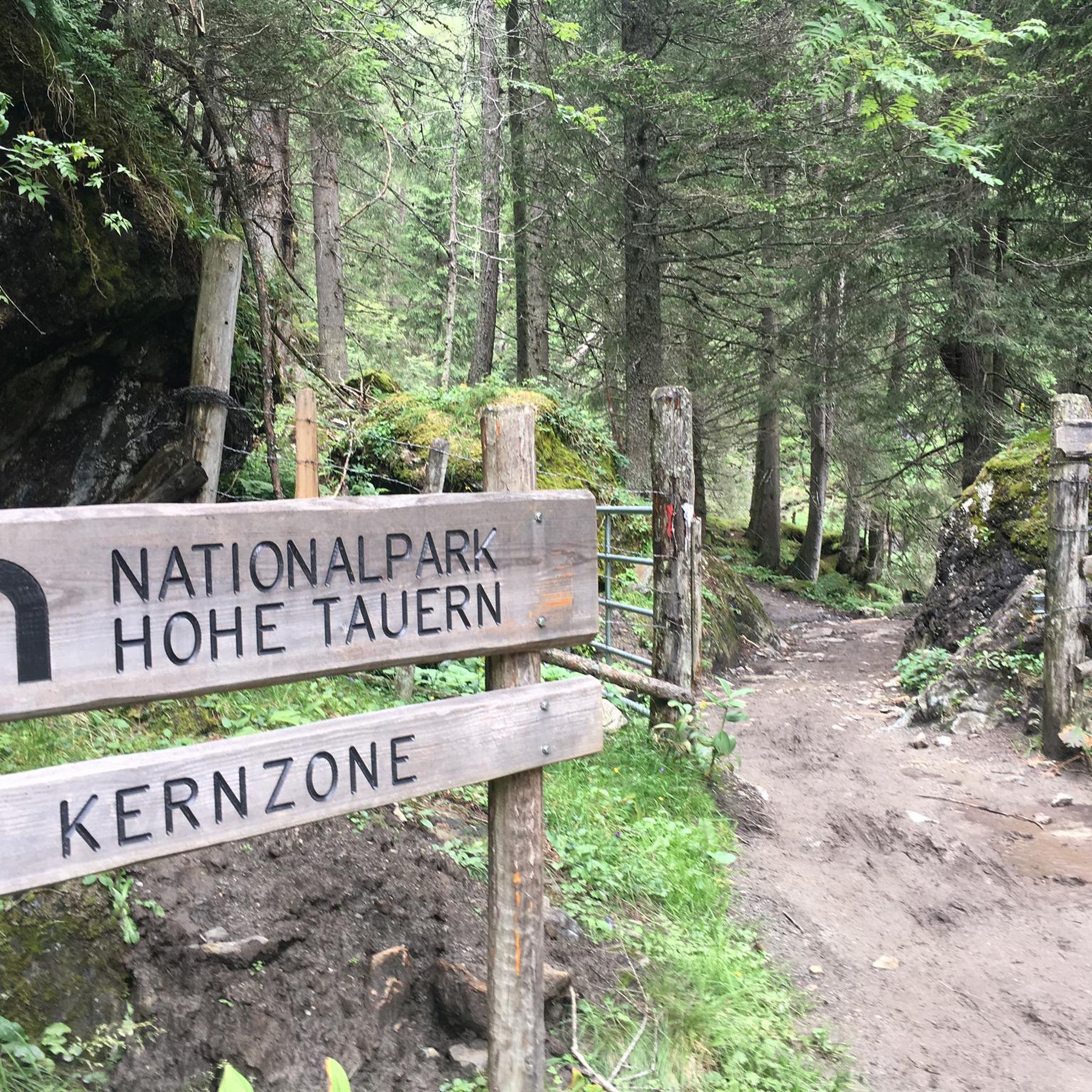
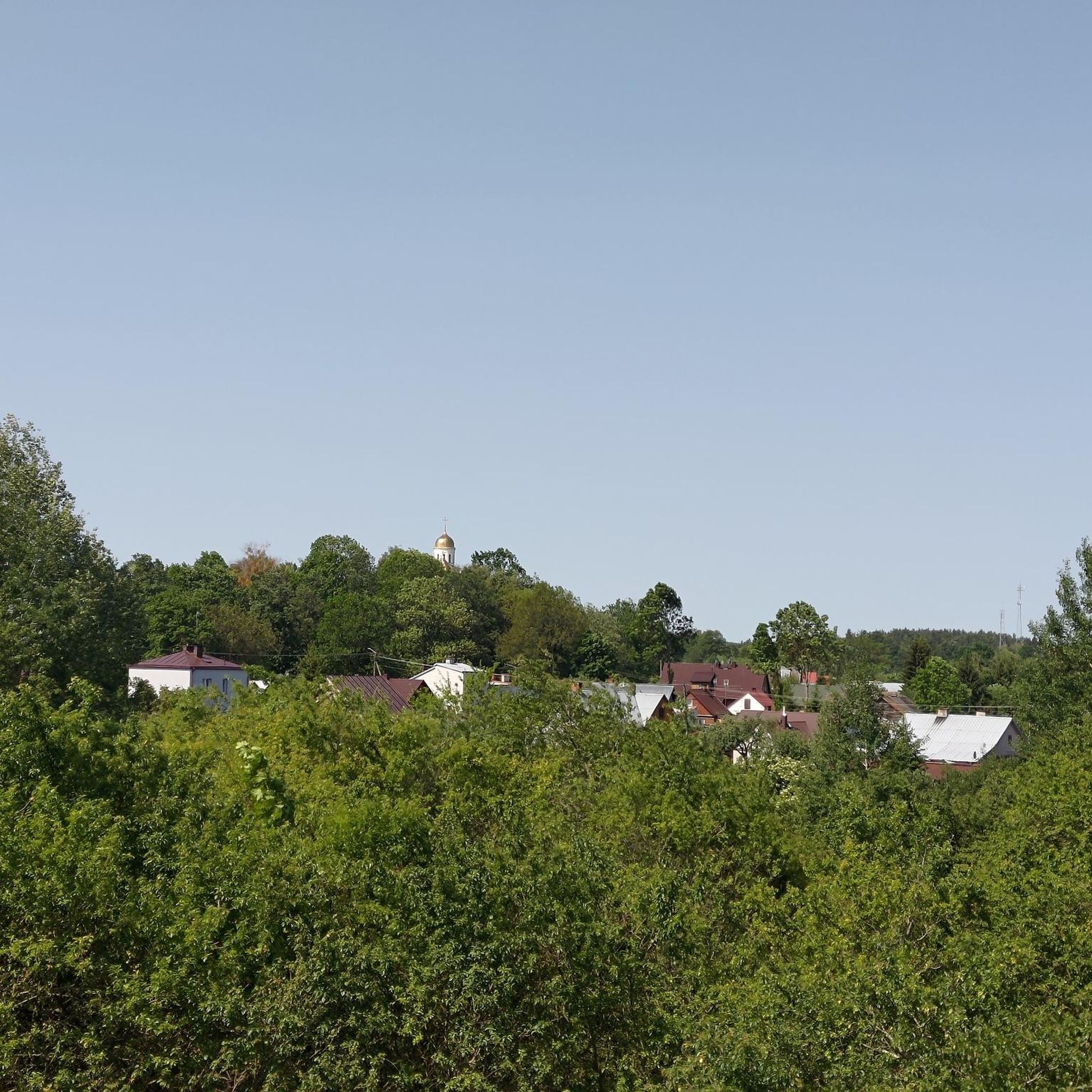
Castle ruins above Thaur with beautiful views
1
0
The World's First Museum / The History of Ambras Castle Ambras Castle is located on the southern outskirts of Innsbruck, the Tyrolean capital. Records of Ambras date back to the 10th century, spelled "Amras" or "Omras." In the High Middle Ages, it was the seat of the Upper Bavarian Counts of Andechs. The property then passed into the possession of the Tyrolean sovereigns through inheritance. The medieval character of the castle is still clearly evident today in the fabric of the upper castle. In 1564, Ambras Castle became the residence of the Tyrolean sovereign, Archduke Ferdinand II, who moved in with his young family, his wife Philippine, and their two sons, Andreas and Karl. The so-called upper castle was converted and expanded in the Renaissance style to create a residential area. The impressive Spanish Hall and extensive gardens were created below the residential building as new buildings. Text / Source: Ambras Castle Innsbruck, Schlossstraße 20, 6020 Innsbruck https://www.schlossambras-innsbruck.at/das-schloss-entdecken/das-schloss#:~:text=Ambras Castle is located on the southern outskirts of the Tyrolean town, and is the seat of the Upper Bavarian Counts of Andechs.
17
0
Ambras Castle, Innsbruck Ambras Castle, Innsbruck, is one of Austria's most important sights and the top day trip destination in Tyrol. Visit the world's first museum preserved in its original location and embark on a journey back 450 years. Text / Source: Ambras Castle, Innsbruck, Schlossstraße 20, 6020 Innsbruck https://www.schlossambras-innsbruck.at/
17
0
Hasegg Castle, Hall in Tirol First mentioned in documents in the 13th century, the castle was built to protect the saltworks, shipping, the bridge over the Inn and to monitor the old salt road. The name comes from the Pfannhäuser, in which brine was evaporated and on whose "Egg" (corner) the castle was located. In the 15th century, the castle was expanded into a princely residence. In 1567, Archduke Ferdinand II had the mint moved here. Text / Source: Hall-Wattens Tourism, Unterer Stadtplatz 19, 6060 Hall in Tirol https://www.hall-wattens.at/de/burg-hasegg.html
16
0
Frequently Asked Questions
Are there castles directly in Sistrans?
Sistrans is a historic village known for its picturesque location and mountainous landscape, but there are no prominent castles located directly within its immediate boundaries. The broader Tyrol region, especially around Innsbruck, is rich in historical fortifications and palaces that are easily accessible from Sistrans.
What are some notable castles to visit near Sistrans?
While Sistrans itself doesn't have castles, the surrounding Tyrol region offers several impressive historical sites. You can explore the ruins of Thaur Castle Ruins, visit Hasegg Castle with its famous Mint Tower, or discover the historical Büchsenhausen Castle. Other significant castles in the broader area include Ambras Castle, Kufstein Fortress, and Tratzberg Castle.
Which castles near Sistrans are family-friendly?
Several castles in the region are suitable for families. Thaur Castle Ruins offers an open-air theater on its grounds and is listed as family-friendly. Hasegg Castle, with its coin museum and mint tower, also provides an engaging experience for all ages, including the Water Wheels at Hasegg Castle (Hall Mint) which demonstrate historical technology.
What historical insights can I gain from visiting castles near Sistrans?
The castles around Sistrans offer a deep dive into the region's history. Thaur Castle Ruins date back to the 12th century. Hasegg Castle, first mentioned in the 13th century, was crucial for protecting saltworks and shipping, and later became a princely residence and mint. Büchsenhausen Castle has a history tied to casting huts and changed ownership multiple times, reflecting centuries of regional development. Matrei Trautson Castle, built in 1221, was a border fortress against Bavaria and protected the Brennerstrasse.
Are there viewpoints or scenic spots at the castles?
Yes, many castles offer excellent views. The Thaur Castle Ruins provide a great view of Thaur and the Inn Valley. The mint tower of Hasegg Castle offers a wonderful panoramic view of the medieval town of Hall in Tirol.
What outdoor activities can I do near these castles?
The area around Sistrans and its castles is excellent for outdoor activities. You can find numerous hiking and road cycling routes. For hiking, explore trails like the 'Sistranser Alm loop' or routes leading to 'Patscherkofel Summit' from Sistrans. For road cycling, consider the 'Inn Cycle Path Near Schwaz' or loops with views of Wipptal and Inntal. You can find more details on these activities in the hiking guide and road cycling guide for Sistrans.
What is the best time of year to visit the castles around Sistrans?
The castles and the surrounding region are beautiful year-round. Spring and autumn offer pleasant temperatures for exploring both the historical sites and the nearby hiking trails. Summer is ideal for enjoying outdoor events, such as those held at Thaur Castle Ruins. While winter can be picturesque, some outdoor areas or access roads might be affected by snow, so it's advisable to check specific castle opening hours and conditions.
How can I reach the castles from Sistrans using public transport?
Sistrans is well-connected to Innsbruck, which serves as a hub for public transport to many regional attractions. For castles like Ambras Castle, located on the outskirts of Innsbruck, public buses are a convenient option. To reach castles further afield like Hasegg Castle in Hall in Tirol, local buses or regional trains from Innsbruck are available. It's recommended to check local bus and train schedules for the most up-to-date travel information.
Are there any castles near Sistrans that are wheelchair accessible?
Accessibility can vary significantly between historical sites. While many older castles may have limited accessibility due to their historical structure, some, like Ambras Castle near Innsbruck, have made efforts to provide accessible routes or facilities. It is always best to check the official website of the specific castle you plan to visit for detailed information on wheelchair accessibility before your trip.
What do visitors enjoy most about the castles around Sistrans?
Visitors appreciate the rich history and architectural heritage of the castles. Many enjoy the panoramic views from locations like Thaur Castle Ruins and the mint tower of Hasegg Castle. The unique stories, such as the minting history at Hasegg Castle and the transformation of Büchsenhausen Castle from a casting hut to an artist's residence, also captivate visitors. The komoot community has shared over 140 photos and given more than 250 upvotes for these historical sites.
Can I find cafes or amenities near the castles?
Yes, many of the castles are located near towns or villages that offer amenities. For example, Hasegg Castle is in the medieval town of Hall in Tirol, which has numerous cafes, restaurants, and shops. Near Thaur Castle Ruins, you can find the Romediwirt, and there is also a public toilet available on the castle grounds. Larger castles like Ambras Castle often have their own cafes or restaurants.
Are there any lesser-known or 'hidden gem' castles in the Sistrans region?
While the region boasts well-known castles, exploring the smaller, often ruined, fortifications can offer a unique experience. Beyond the prominent ones, the broader Tyrol area has many historical sites that might not be as heavily trafficked. For instance, Matrei Trautson Castle, though largely destroyed in WWII, has been restored and offers a glimpse into its past as a border fortress, making it a compelling visit for those interested in deeper historical context.
Most popular routes around Sistrans
Most popular attractions around Sistrans

Get inspired with the komoot mobile app


Explore more
Looking for the best castles somewhere else? Discover other guides around Sistrans:
