Top 13 Castles around Buch in Tirol
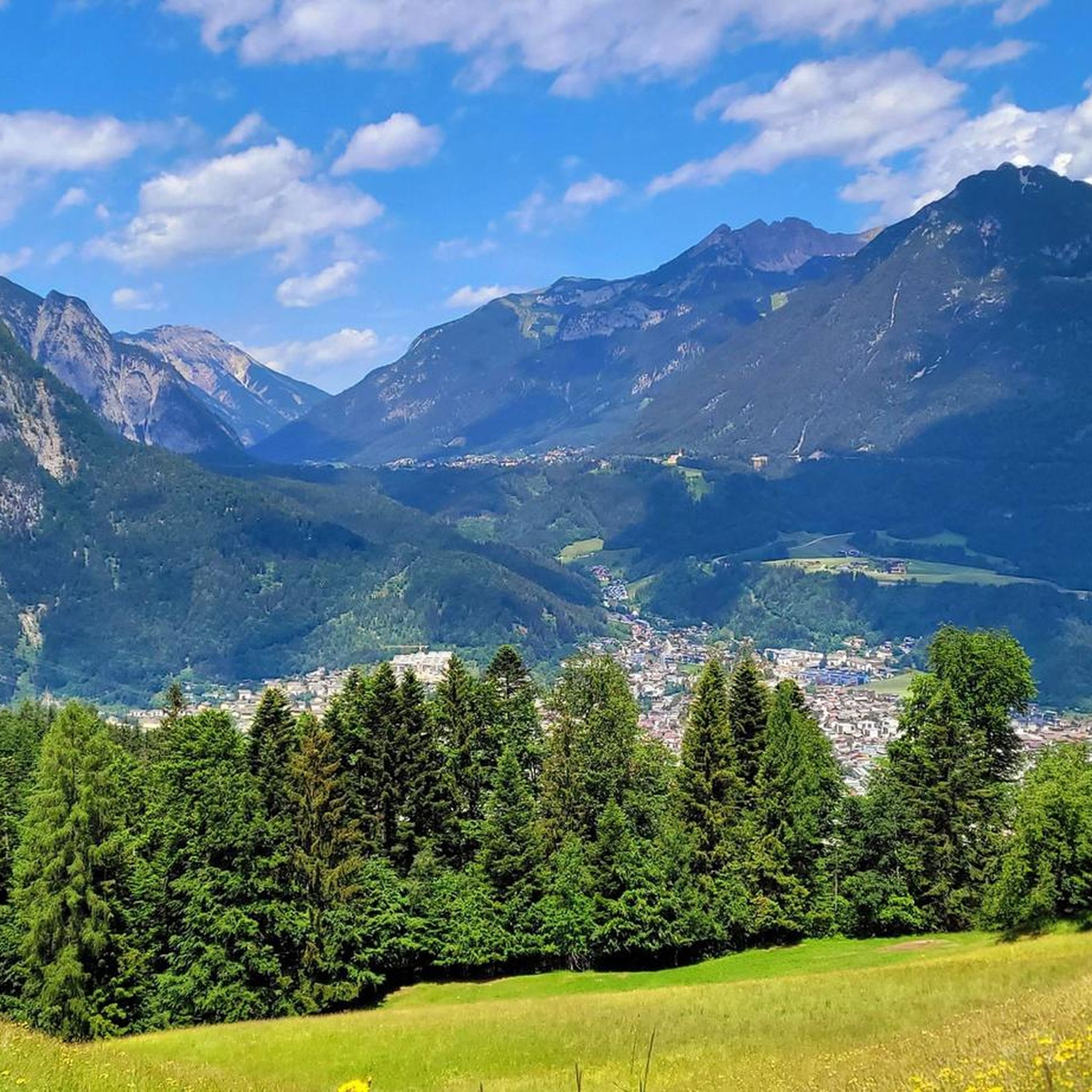
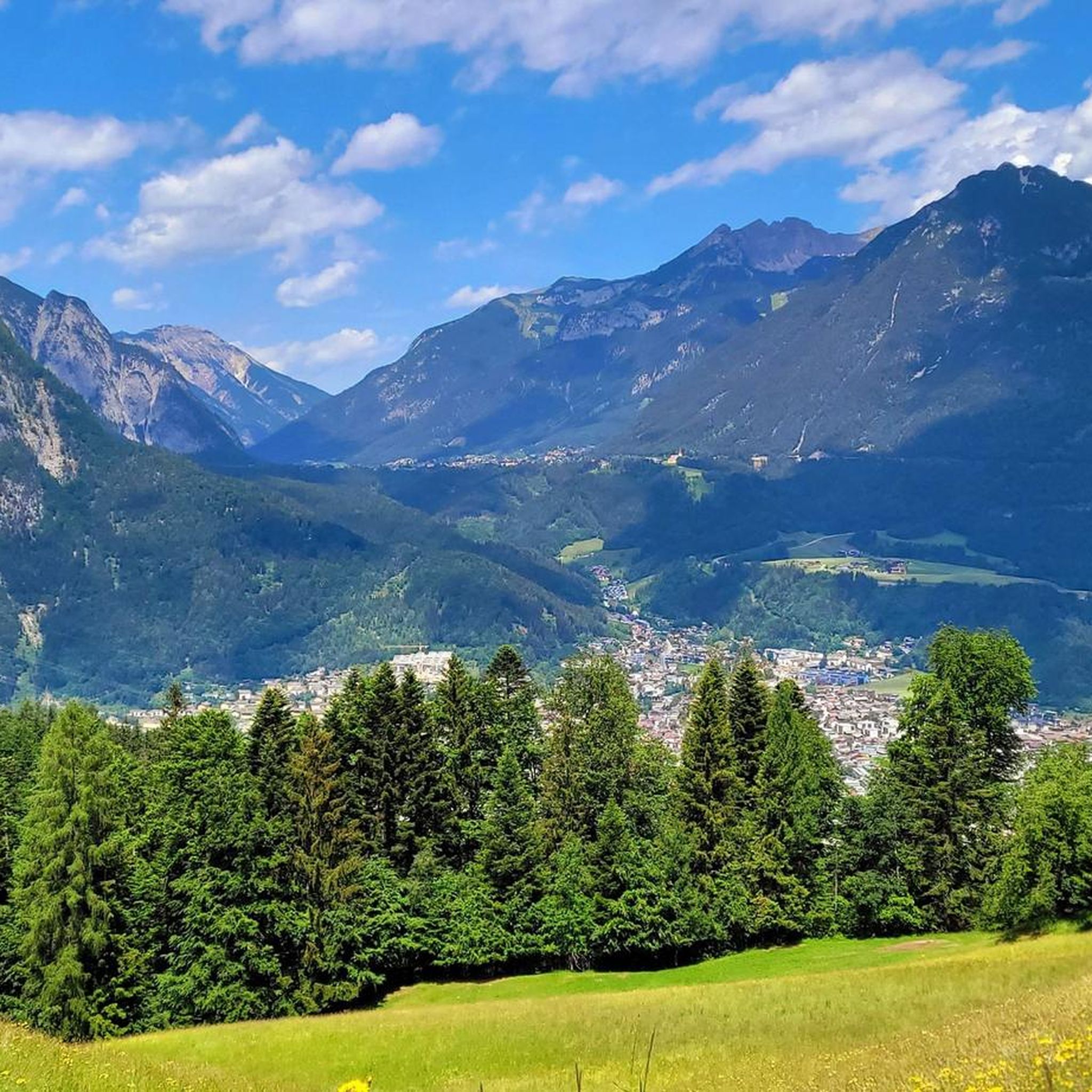
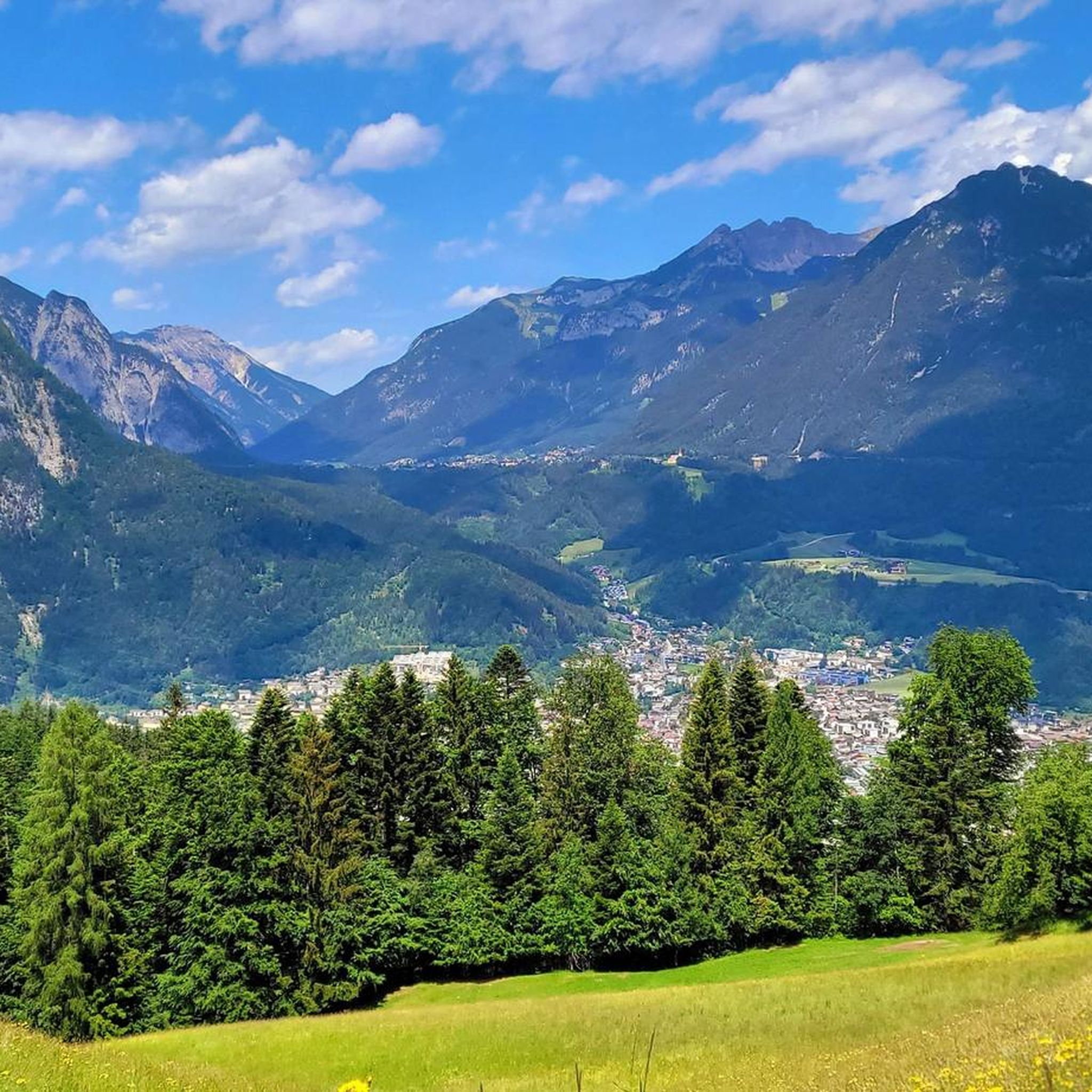
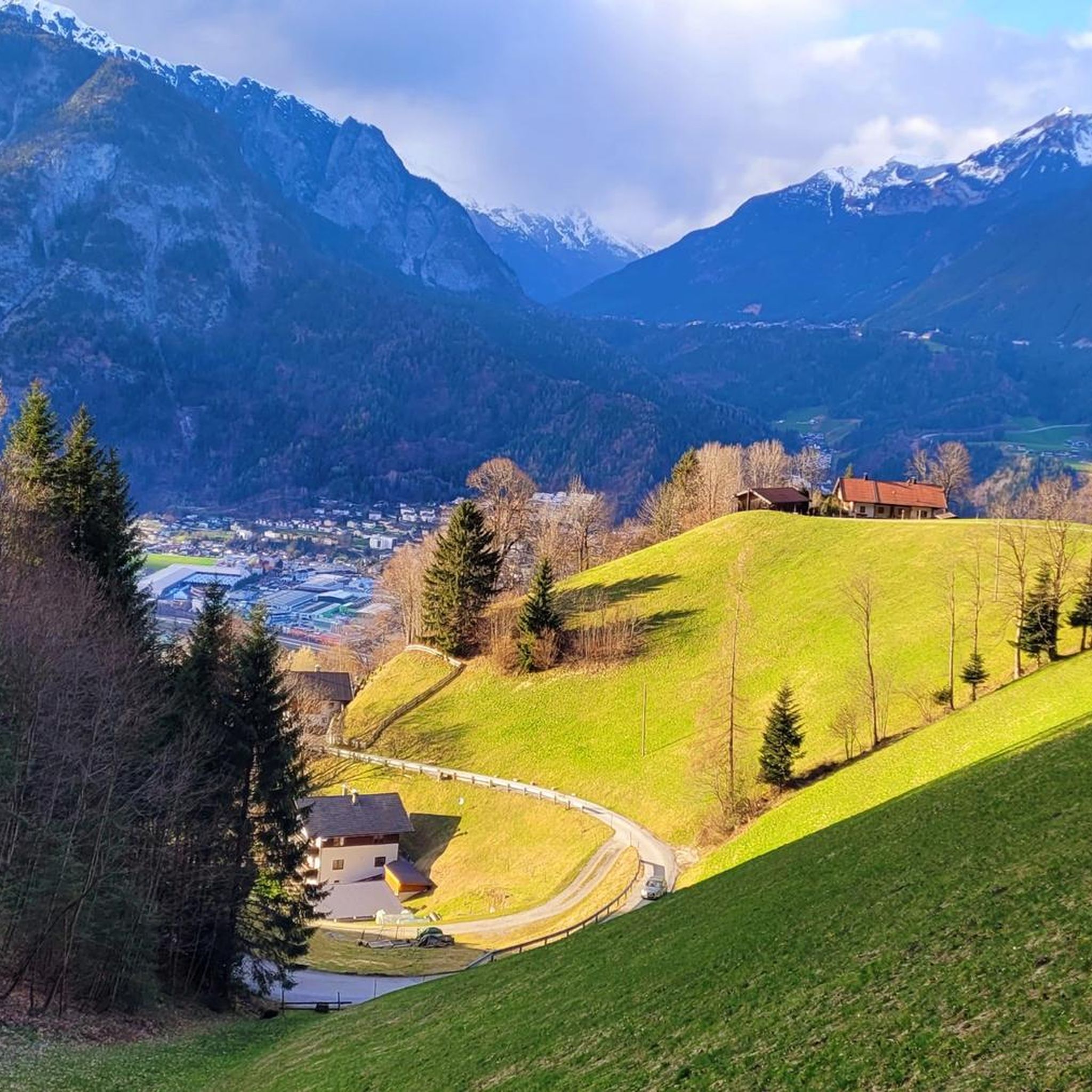
Best castles around Buch in Tirol are situated in a region of Tyrol, Austria, known for its historical significance and varied landscape. The area features a mix of well-preserved castles, historic strongholds, and castle ruins, each offering insights into the past. This region provides opportunities to explore historical architecture and enjoy panoramic views of the Inn Valley. The castles are often connected to natural trails, making them accessible for exploration.
Best castles around Buch in Tirol
- The most popular castles is View of Lichtwerth Castle from the Inn Cycle Path, a viewpoint that offers views of Lichtwerth Castle. This location is part of the Inn Cycle Path, which stretches through the Inn Valley.
- Another must-see spot is Matzen Castle, a castle first mentioned in 1167. This castle has undergone various ownership changes and architectural modifications over centuries.
- Visitors also love Tratzberg Castle, a castle that was first documented in the 13th century. It is known as a well-preserved Renaissance castle in Austria, featuring a painted inner courtyard and various Renaissance rooms.
- Buch in Tirol is known for well-preserved Renaissance castles, historic strongholds, and castle ruins. The region offers a variety of castles to see and explore, from educational sites to historical monuments.
- The castles around Buch in Tirol are appreciated by the komoot community. With more than 500 upvotes and 10 photos, these sites are popular among visitors.
Last updated: August 17, 2026
Tratzberg Castle
Highlight • Castle
Tratzberg Castle frequently changed hands, suffered many setbacks, and was continually expanded. Today, Tratzberg Castle is one of the few castles still privately owned and even serves as the residence of the Count Goëss-Enzenberg family.
Text / Source: Tratzberg Castle, Tratzberg 1, A-6200 Jenbach
schloss-tratzberg.at/geschichte
Translated by Google •
Tip by

Freundsberg Castle
Highlight • Castle
Translated by Google •
Tip by

Sign up now to discover places like this
Get recommendations on the best single tracks, peaks, & plenty of other exciting outdoor places.
Sign up for free
Matzen Castle
Highlight • Castle
The English-style landscape garden from the 19th century was created from a marshy Innauer forest. The 15-hectare park includes areas in the municipalities of Brixlegg and Reith im Alpbachtal, with the eastern part of the municipality of Brixlegg being protected as a natural monument in 1961 and the western part of the municipality of Reith in 1972. Due to changes in the municipal boundaries, most of the facility now belongs to Reith, with the exception of a small plot. The park is one of the most important garden architecture monuments in Austria. It includes four artificial ponds, wide lawns and around 40 different species of trees.
Translated by Google •
Tip by

Kropfsberg Castle
Highlight • Castle
The nursing home was only built around 1753. The middle tower was hit by a bomb in 1945, but later rebuilt. The current owners are the Dkfm family. H. Vogl-Fernheim. The castle, one of the most stately in the entire country, was built around 1200 or even earlier by the archbishops of Salzburg to protect their possessions in the Zillertal and was managed by castellans and keepers. The most striking features of the castle are its three mighty towers, originally crenellated and not habitable, of which the sophisticated and specially walled main tower shows particularly careful and regular stonework and the others were later raised with residential floors.
Translated by Google •
Tip by

Fügen Castle
Highlight • Castle
Translated by Google •
Tip by
Sign up for free to discover even more castles around Buch in Tirol.
Sign up for free
Already have an account?
Start today with a free account
Your next adventure awaits.
Login or Signup


Tips from the Community

Together with the castle park, it forms an impressive ensemble.
2
0

A stately castle and estate where you can stay in style, eat fine food, and take a leisurely stroll through the park.
0
0

The castle is open from Tuesday to Sunday, 10:00 AM to 4:00 PM. The castle cannot be visited freely; it can only be visited as part of a guided tour.
0
0

The Renaissance Jewel Among Austria's Castles and Fortresses Tratzberg Castle was first documented in the 13th century and served as a former border fortress against Bavaria. Emperor Maximilian used Tratzberg as a hunting lodge, but the original fortified castle was completely destroyed by fire in 1492. The emperor did not rebuild Tratzberg but instead exchanged the ruins for a castle belonging to the wealthy silver mine owners, the Tänzel family. In 1500, they erected the first late Gothic section of the present-day Tratzberg Castle in an unusually magnificent and lavish manner, furnishing it with extraordinarily artistic marble, wood, and ironwork. In 1554, the wealthy Augsburg merchant Georg Ritter von Ilsung acquired the castle, expanding and altering it in the spirit of the Renaissance. Through inheritance, Tratzberg became the property of the well-known and wealthy Fugger merchant family, who further embellished the castle. The magnificently painted inner courtyard and most of the furnishings still preserved today, as well as the exquisite Renaissance rooms, date from this period. After several changes of ownership, Tratzberg remained uninhabited for almost 150 years. Through the marriage of Count Franz Enzenberg to Countess Ottilie Tannenberg, the by then almost derelict castle passed into the possession of the Counts Enzenberg in 1847, and it has remained their private residence ever since. To this day, it is only thanks to the great dedication of the family that the approximately 6,800 square meter Tratzberg, with its 5,000 square meter shingle roof, has once again become the epitome of a 16th-century Tyrolean castle and thus one of the most important artistic and cultural monuments in the region, open to the public. Text / Source: Tratzberg Castle, Tratzberg 1, A-6200 Jenbach https://www.schloss-tratzberg.at/geschichte/
17
0
The eventful history of Tratzberg Castle: What began more than 500 years ago as a small fortified settlement has developed into one of the most beautiful and best-preserved Renaissance castles in Austria. Tratzberg Castle frequently changed hands, suffered many setbacks, and was continually expanded. Today, Tratzberg Castle is one of the few castles still privately owned and even serves as the residence of the Count Goëss-Enzenberg family. Text / Source: Tratzberg Castle, Tratzberg 1, A-6200 Jenbach https://www.schloss-tratzberg.at/geschichte/
17
0
Tratzberg Castle Tratzberg Castle, perched high above the Inn Valley, is a true Renaissance gem. Located between Jenbach and Schwaz, Tratzberg Castle was first documented in the 13th century. It is one of the most beautiful buildings in the Alpine region from the transitional period between Gothic and Renaissance architecture and impresses visitors with its magnificently painted inner courtyard and various Renaissance rooms. The castle changed hands several times over the centuries and was used as a hunting lodge by Emperor Maximilian I and the Fugger family. When it was completely destroyed by fire in 1492, Maximilian I exchanged it for a castle belonging to the Tänzl brothers. Veitjakob and Simon Tänzl then had the first part of Tratzberg Castle—as it can be seen today—built around the year 1500. This section was constructed in an extremely opulent late Gothic style. Since the 19th century, this magnificent building has been owned by the Counts of Enzenberg, who also use it as their private residence. The 6,800 m² castle is a true gem. An audio guide allows you to embark on an exciting 360° virtual reality journey through time. The centerpiece is the Habsburg Hall, featuring a painted Habsburg family tree with 148 half-life-size portrait figures. Other rooms to see include the Queen's Room with its secret door, a hunting hall, and the armory. There's a special tour for children where they can meet a real knight. The journey there is also unique: the "Tratzberg Express" miniature train takes you from the castle inn up to the castle. Incidentally, the castle was featured in an article in the British magazine "World of Interiors" in autumn 2024. Text / Source: tirol.tl https://www.tirol.tl/de/highlights/burgen-schloesser/schloss-tratzberg/
17
1

A very nice park, especially for children and older people, as there's hardly any incline. There's even a playground for children surrounded by beautiful trees. You can also eat or just have a drink there. Unfortunately, we didn't have time because we had to catch the train, but the atmosphere is wonderful.
2
0

Tratzberg Castle is a magnificent Renaissance castle with a collection of impressive inventory. Much of its original structure has been preserved. Unfortunately, you can't take a close look at everything during the tour because there are so many great details to discover. There are also special tours for children and evening tours with a menu at the castle inn. Entry is free with the Silvercard Plus. With the normal Silvercard you get a 50% discount.
4
2
Frequently Asked Questions
Which castles around Buch in Tirol are particularly family-friendly?
Several castles in the region offer great experiences for families. Tratzberg Castle is well-known for its special fairy tale tours for children and the 'Tratzberg Express' mini-train. Matzen Castle and Kropfsberg Castle are also listed as family-friendly. Additionally, the viewpoint for Lichtwerth Castle from the Inn Cycle Path is suitable for families, especially if cycling.
What historical insights can I gain from visiting castles in this area?
The castles around Buch in Tirol offer a deep dive into the region's history. Tratzberg Castle, a well-preserved Renaissance castle, showcases exquisite chambers, a Habsburg Hall with a family tree, and original furnishings from the Gothic and early Renaissance periods. Freundsberg Castle, ancestral home of the Knights of Freundsberg, houses a local museum detailing the cultural and economic development of Schwaz, including its silver mining history. Rottenburg Castle, now a ruin, holds religious significance with its 'Reconciliation Staircase' and a chapel dedicated to Saint Notburga.
Are there any castles that offer panoramic views of the Inn Valley?
Yes, Freundsberg Castle, perched on a steep hill south of Schwaz, provides stunning panoramic views of Schwaz, Vomp, and the surrounding Inn Valley. The area around Rottenburg Castle is also a protected natural and monumental area, offering scenic views.
What outdoor activities can I combine with a castle visit?
Many castles are connected to outdoor activities. Tratzberg Castle is linked to significant hiking trails. Freundsberg Castle is a starting point for natural trails suitable for trekking. The viewpoint for Lichtwerth Castle is directly on the Inn Cycle Path, perfect for cyclists. For more extensive outdoor adventures, you can explore nearby routes like the 'Kellerjoch North Ridge Trail – Kellerjoch Chapel loop from Schloss Freundsberg' for mountaineering, or various road cycling and MTB trails. Find more details on these activities in the Mountain Hikes, Road Cycling, and MTB Trails guides around Buch in Tirol.
Can I find food and drink options near the castles?
Yes, some castles offer dining facilities. Tratzberg Castle has a restaurant. Freundsberg Castle features a small restaurant serving Tyrolean meals. Additionally, Matzen Castle also has a restaurant.
What is the best time of year to visit the castles around Buch in Tirol?
The castles are generally best visited during the warmer months, from spring to autumn, when the weather is pleasant for exploring the grounds and surrounding natural trails. This allows for comfortable outdoor activities and full enjoyment of the panoramic views. Some castles, like Tratzberg, may have specific opening seasons, so it's advisable to check their individual schedules.
Are there any castles that are still privately owned or inhabited?
Yes, Tratzberg Castle has been privately owned by the Count Goëss-Enzenberg family for over 300 years and still serves as their residence, ensuring its meticulous preservation and offering a unique glimpse into a living historical estate.
Is there public transport available to reach the castles?
While specific public transport routes to each castle vary, the region around Buch in Tirol is generally accessible. For example, the 'Tratzberg Express' mini-train provides a unique way to reach Tratzberg Castle from the castle inn. It's recommended to check local bus or train schedules for the most convenient options to individual castle locations.
Are there any castles with unique current uses or features?
Rotholz Castle, a 16th-century structure in Buch in Tirol, uniquely houses an Agricultural College, making its primary function educational. Rottenburg Castle, now a ruin, features the 'Reconciliation Staircase' and a chapel dedicated to Saint Notburga, commemorating a significant local historical and religious event.
What do visitors enjoy most about the castles in this region?
Visitors frequently appreciate the blend of historical immersion and natural beauty. The well-preserved Renaissance architecture of Tratzberg Castle and its engaging audio tours are highly praised. The stunning panoramic views from Freundsberg Castle and its insightful museum are also popular. The connection to hiking and cycling trails, like the Inn Cycle Path near Lichtwerth Castle, allows visitors to combine cultural exploration with outdoor activities.
Are there any castles that are more ruinous but still worth visiting?
Yes, Rottenburg Castle in Buch in Tirol is a significant castle ruin. It's notable for its historical and religious importance, particularly its connection to Saint Notburga and the 'Reconciliation Staircase.' Parts of the ruin have been transformed into a chapel, and the surrounding area is a protected natural and monumental spot, making it a unique site for those interested in local history and spirituality.
Most popular routes around Buch in Tirol
Most popular attractions around Buch in Tirol

Get inspired with the komoot mobile app


Explore more
Looking for the best castles somewhere else? Discover other guides around Buch in Tirol:
