Top 20 Castles around Übersaxen
Best castles around Übersaxen are found in the broader vicinity of this municipality in the Austrian state of Vorarlberg. Übersaxen itself is characterized by natural beauty, hiking trails, and smaller historical sites like chapels, rather than prominent castle structures. The region's historical context includes Walser settlement in the 14th century, but no castles are noted within the municipality. Significant historical fortresses are located in nearby areas, offering insights into the region's past.
Best castles around Übersaxen
- The most popular castles…
Last updated: July 7, 2026
Schattenburg Castle
Highlight • Castle
The Schattenburg towers over the city and was the seat of the Counts of Montfort until the end of the 14th century. The keep, the highest part …
Translated by Google •
Tip by

Untere Burg Schellenberg
Highlight • Castle
Translated by Google •
Tip by
Sign up now to discover places like this
Get recommendations on the best single tracks, peaks, & plenty of other exciting outdoor places.
Sign up for free
Tosters Castle Ruins
Highlight • Castle
There is a very interesting assumption about Tostner Castle that it was a large, unfinished castle complex, of which only the ring wall, dating …
Translated by Google •
Tip by
Obere Burg Schellenberg
Highlight • Castle
There are two castle ruins in Schellenberg, the so-called Upper Castle being a very popular tourist destination and accessible after a short …
Translated by Google •
Tip by
Blatten Castle Ruins
Highlight • Castle
Blatten Castle is a ruined castle in the municipality of Oberriet, in the canton of St. Gallen, Switzerland. The square keep stands not far from the Rhine …
Translated by Google •
Tip by
Sign up for free to discover even more castles around Übersaxen.
Sign up for free
Already have an account?
Start today with a free account
Your next adventure awaits.
Login or Signup
Popular around Übersaxen
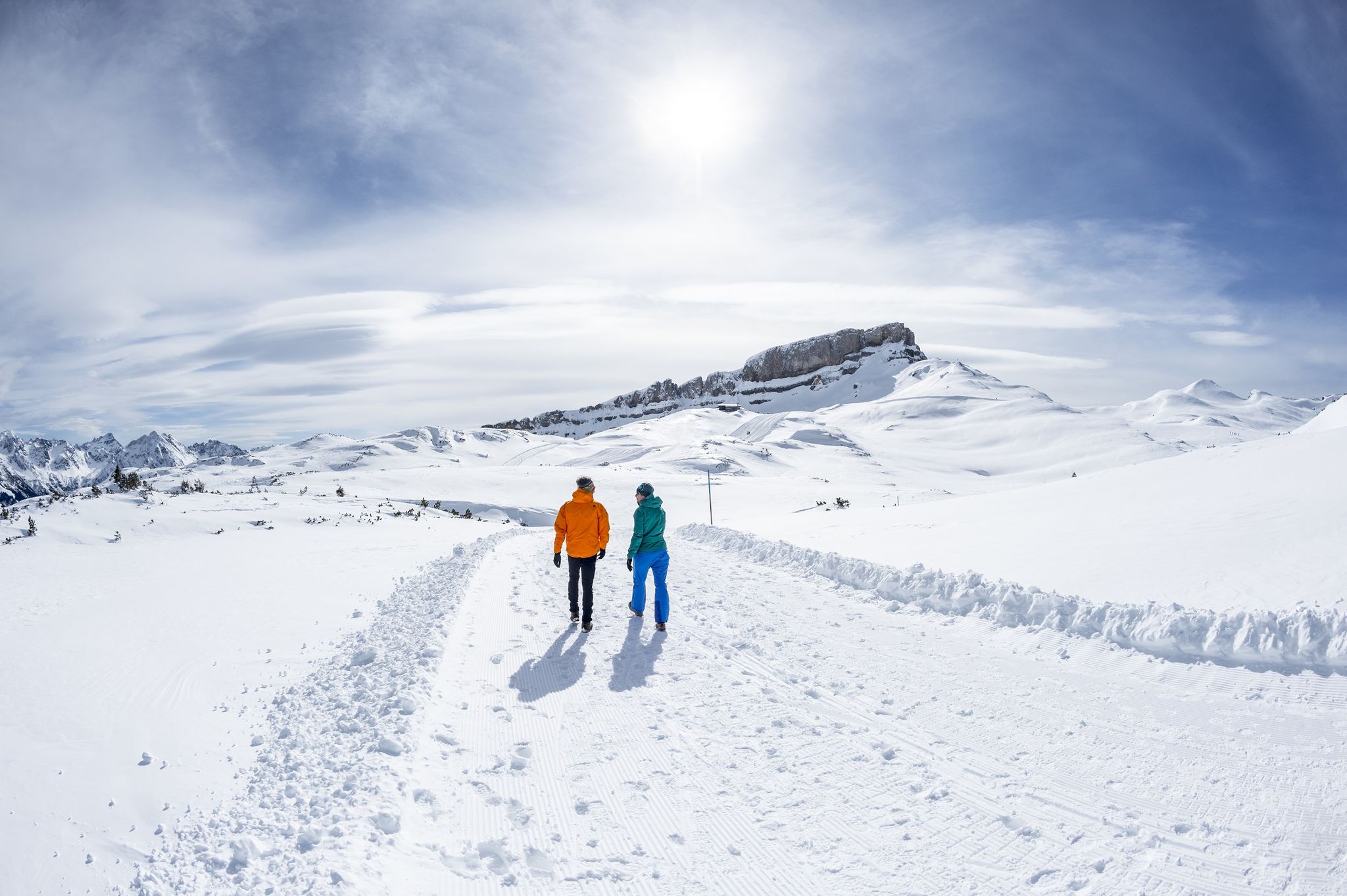
On white paths – winter hikes in Vorarlberg
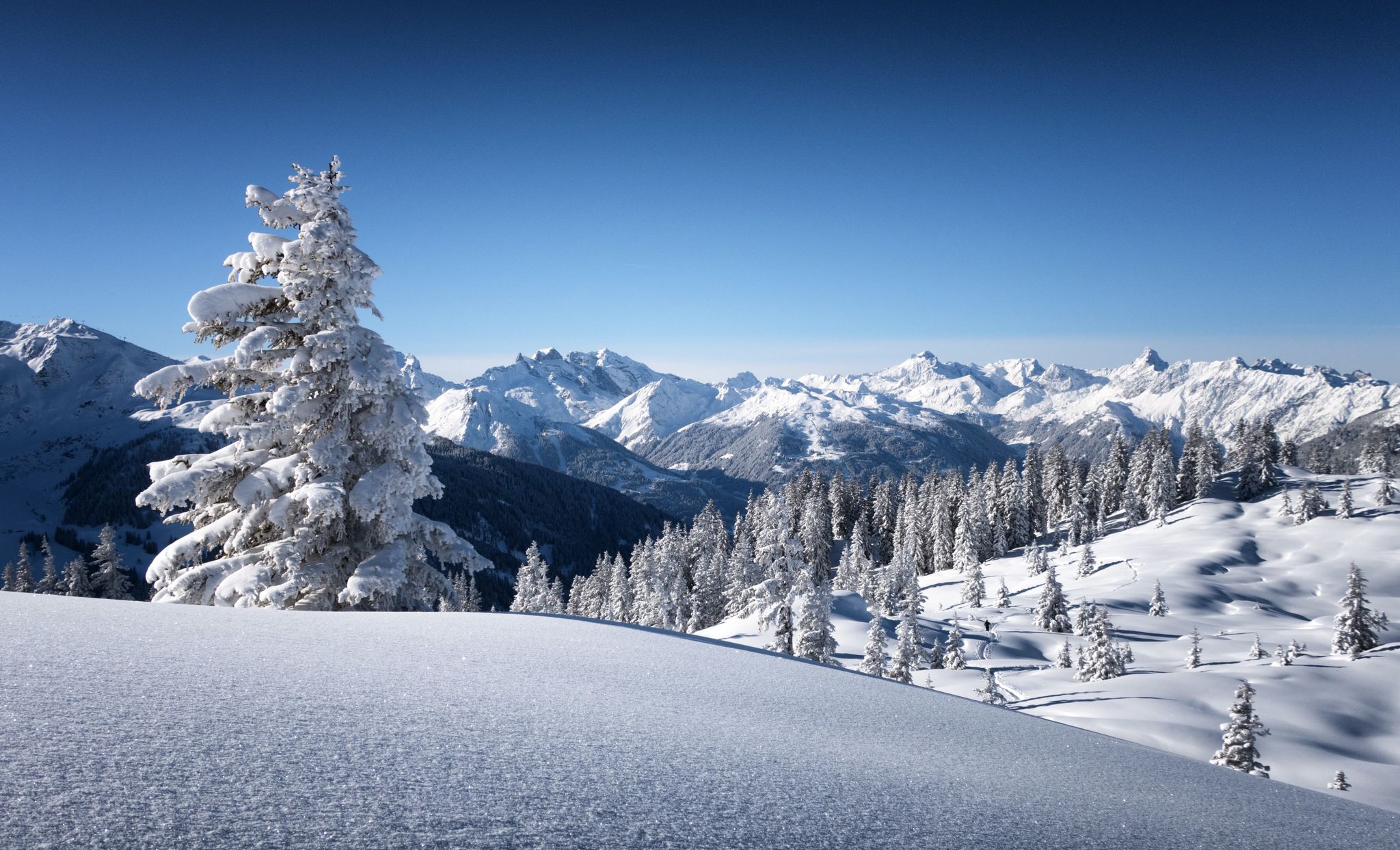
Following snow-covered trails – winter hiking in Vorarlberg
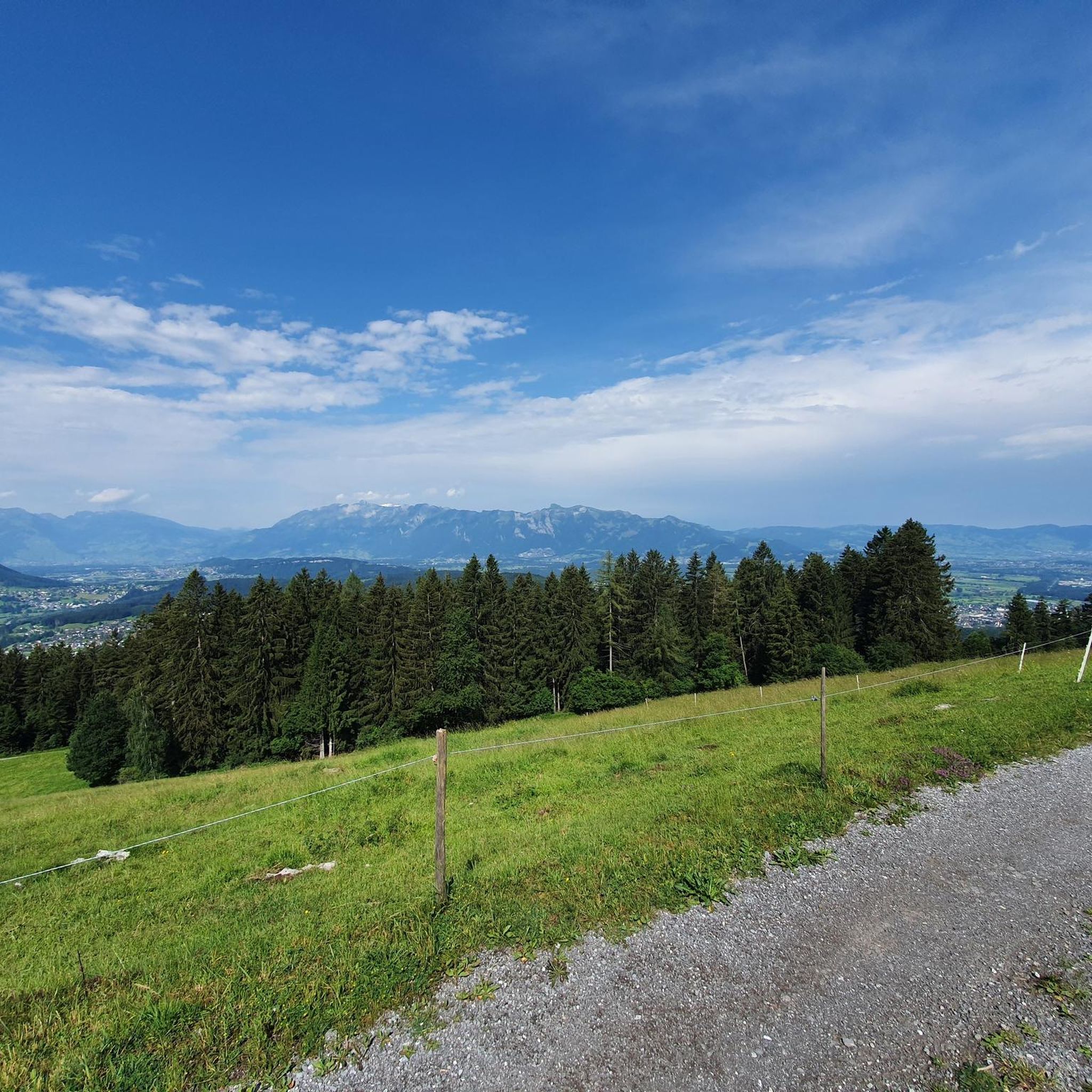
Road Cycling Routes around Übersaxen
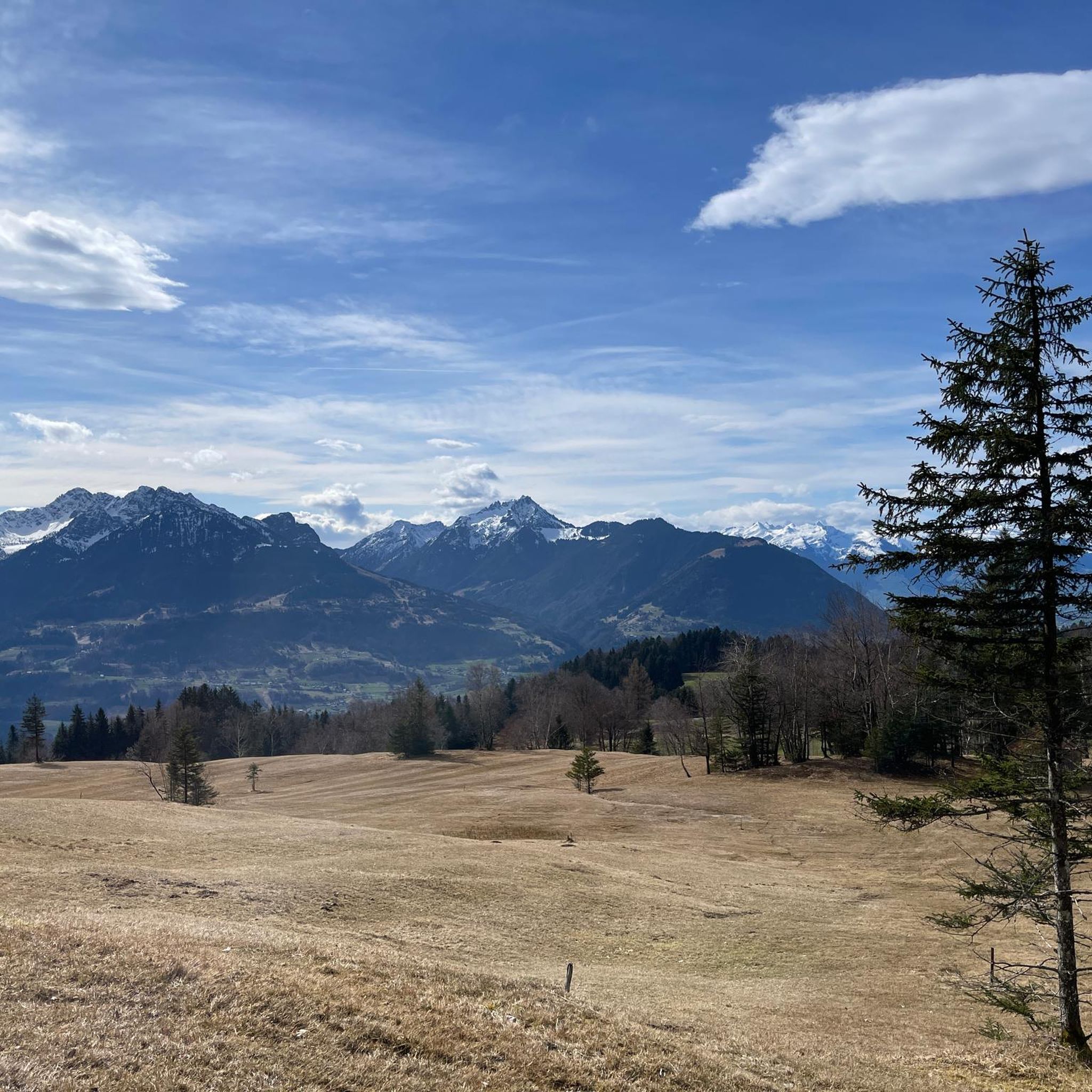
Cycling around Übersaxen
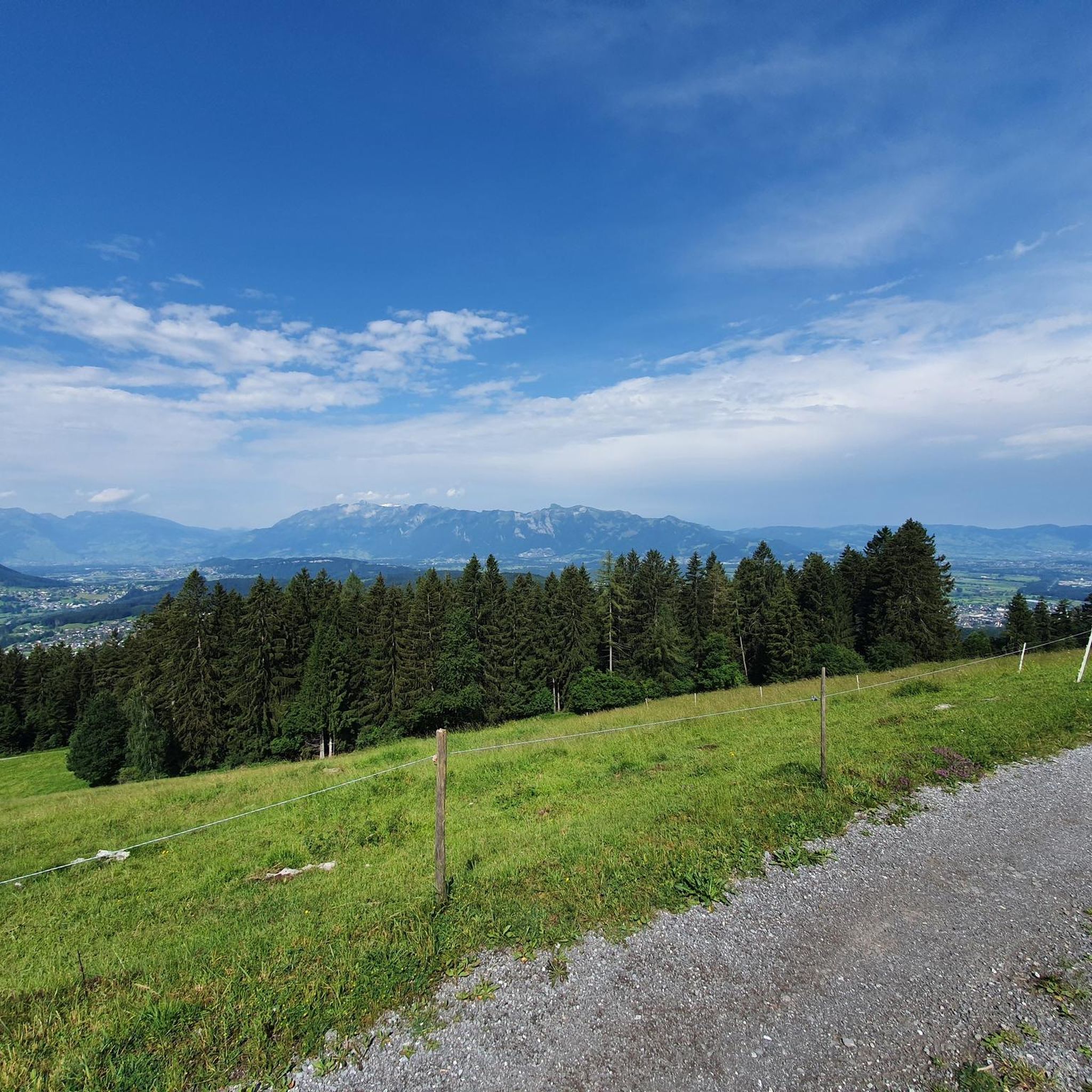
Hiking around Übersaxen
Mountain Hikes around Übersaxen

Gravel biking around Übersaxen
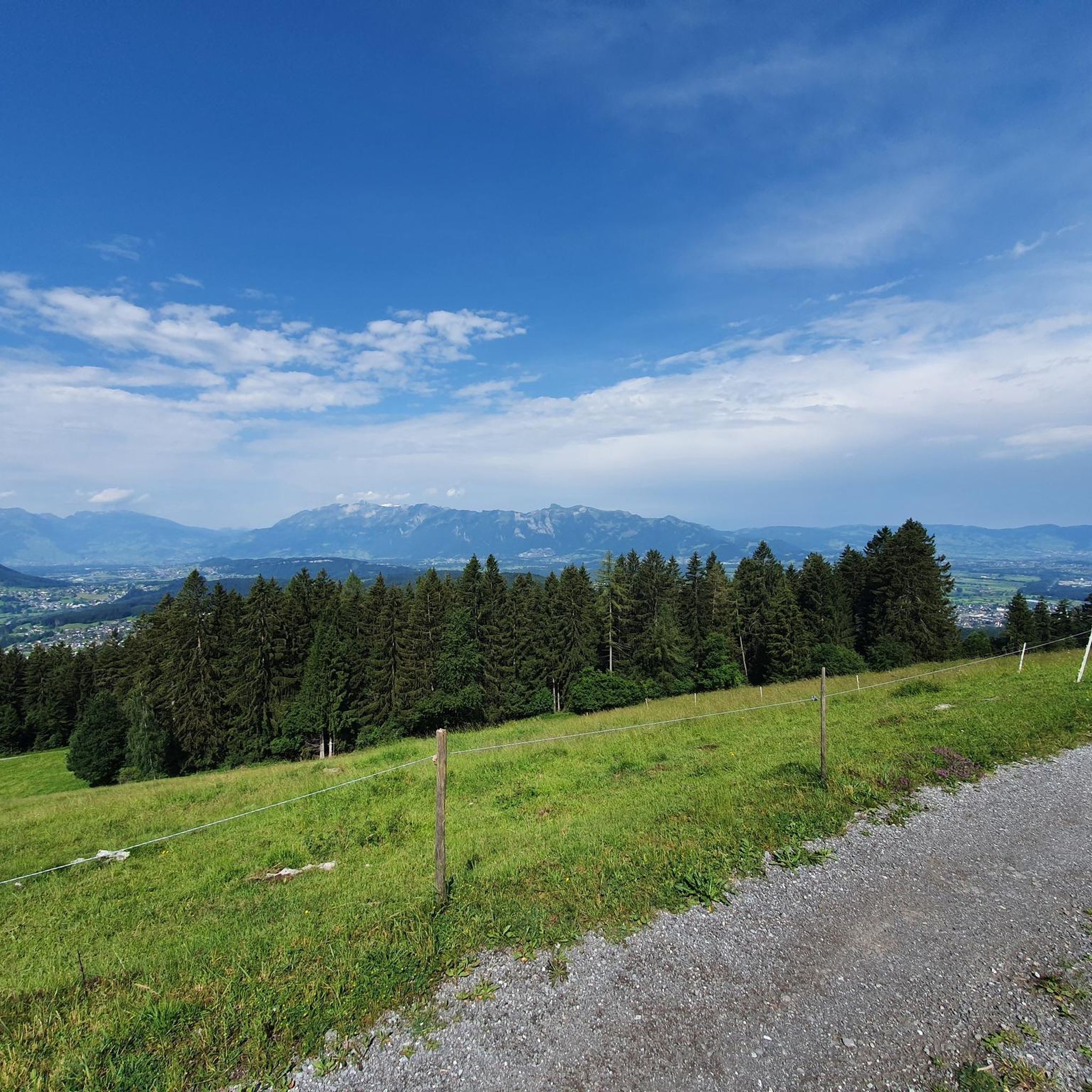
MTB Trails around Übersaxen
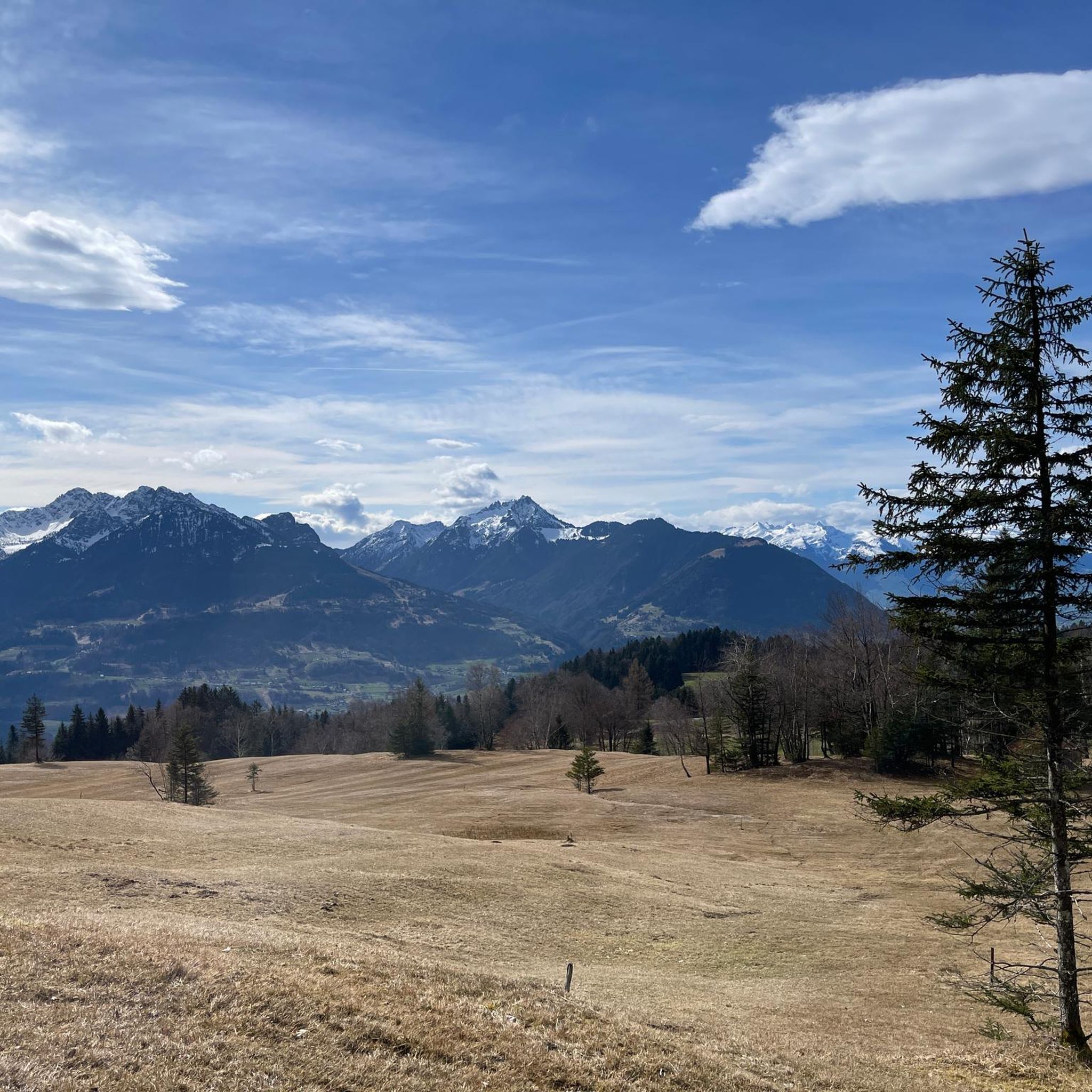
Running Trails around Übersaxen


Tips from the Community

Blatten Castle Ruins, Oberriet / Oberriet's Landmark Obert's landmark, once a proud castle fortress, has a rich history. It was built around 1230 by Abbot Berchtold von Falkenstein to defend his property. The castle has seen several landowners and was set on fire in 1799 during the battle for the Blatten ferry. The surviving remains consist of parts of the tower and the castle ramparts, as well as the vaulted cellar. The castle ruins are located in the southernmost part of the municipality of Oberriet on the Blattenberg, idyllically situated on the edge of the forest. On the fitness trail, which runs almost entirely through the forest, you can practice sports in complete harmony with nature. The castle restaurant is open from April to September. Members of the ski club host guests every Sunday and welcome visitors. The hut can be rented by the public from Monday to Saturday. Tours are welcome on Sundays. Text / Source: Municipality of Oberriet https://www.oberriet.ch/sehenswuerdigkeiten/7474
14
0
Platten Castle, Oberriet Blatten Castle is a ruined castle in the municipality of Oberriet, in the canton of St. Gallen, Switzerland. The square keep stands not far from the Rhine on a rock south of the municipality of Oberriet. The family was first mentioned in 1170 with Burkardus de Blattûn and in 1229 with Ulricus de Blattenn. As chronicler Christian Kuchimeister reports, the castle was built shortly before 1270 by the Abbot of St. Gallen, Berchtold von Falkenstein, as protection against the Counts of Montfort-Werdenberg, in the territory of the Imperial Court of Kriessern, which, along with the Vogtherrschaft (reign of Thurgau and Zürichgau), had been granted to Heinrich Walter von Ramschwag (Lords of Ramschwag) in 1278 for his assistance to King Rudolf in the Battle of Marchfeld. It was then granted to Ulrich von Ramschwag in 1277. Due to his involvement in the Appenzell War, the castle and the lordship were temporarily confiscated as fiefs. In 1458, Walter Heinrich and Ulrich von Ramschwag sold the castle and estate to Jakob Mangold, a citizen of Constance. In 1486, it was repurchased by Abbot Ulrich Rösch of St. Gallen. From 1637 to 1640, Abbot Pius Reher commissioned renovations. The complex then served as the official residence of the Vögte von Kriessern until 1798. The castle was destroyed in the French War of Independence in 1799. Around 1911, part of the complex was used as a quarry. Plaque commemorating the restoration. The Canton of St. Gallen undertook the initial renovation of the tower. Further restorations were carried out on the tower in 1977 and on the surrounding walls and the remains of the castle gate in 1985. Aerial photograph (2016) The castle ruins are known to the people of the Rhine Valley as Blatten Castle. The grounds of the former castle complex and the interior of the tower (there are no longer any floors) are freely accessible. A later-built wooden building stands on top of the preserved vaulted cellar. This building is operated as a castle restaurant by the Oberriet Ski Club from April to September. Text / Source: Wikipedia https://de.wikipedia.org/wiki/Burg_Blatten
14
0
Upper Castle, Schellenberg / Castle Ruins in Schellenberg There are two castle ruins in Schellenberg, the so-called Upper Castle being a very popular tourist destination and accessible after a short walk. The upper and larger complex in the Hinterschloss district of Schellenberg was built from 1200 onwards and already possessed all the important elements of a medieval castle. The Upper Castle was first mentioned in a document dated January 10, 1348. The Lower Castle was built around 1250 as a smaller complex and only reached its final form and size after 1350. The first documented mention of this castle dates back to 1317. Presumably, both castles had been uninhabited since the 16th century and gradually fell into disrepair. Prince Franz Josef II donated the heavily overgrown ruins to the Historical Society in 1956, which subsequently had them researched and preserved. Text / Source: Liechtenstein Marketing / Official Tourism Website of the Principality of Liechtenstein https://tourismus.li/lie/ort/Burgruinen%20in%20Schellenberg/
14
0
The Construction History of Tostner Castle There is a very interesting assumption about Tostner Castle that it was a large, unfinished castle complex, of which only the ring wall, dating from the end of the 12th century/beginning of the 13th century, was built. The present keep, gatehouse, and palace (possibly also outbuildings) were built into these in the second half of the 13th century. This theory is supported primarily by the truly remarkable placement of the palace, which was placed right above the ring wall and occupies a remarkable position within the castle complex. During the Appenzell Wars, which raged heavily in this region, Tostner Castle was also severely damaged in 1405, but was rebuilt after 1408. The very spacious, yet sparsely built castle complex, was abandoned before 1616 and has since fallen into disrepair. The keep was restored in 1938/39, and extensive renovations followed in 1974 and 1980. Text / Source: Tosters Castle Ruins Tourist Information, Schlossergasse 8, A-6800 Feldkirch http://www.burgenkunde.at/vorarlberg/vbg_Burgruine_Tosters/vbg_Burgruine_Tosters.htm
13
0


Well preserved and worth a visit, from here the rock band path is also recommended.
8
1
Lots of great things, fitness trail, barbecue area and much more...
4
0
Blatten Castle is a castle ruin in the municipality of Oberriet, in the canton of St. Gallen in Switzerland. The square keep stands not far from the Rhine on a rock south of the municipality of Oberriet. Source: Wikipedia
7
0
Frequently Asked Questions
What types of castles can I visit near Übersaxen?
While Übersaxen itself doesn't have prominent castles, the surrounding region offers a variety of historical fortresses, primarily castle ruins. You can explore sites like Untere Burg Schellenberg, Tosters Castle Ruins, and Welsch-Ramschwag Castle Ruins, which provide insights into medieval history. For a fully preserved castle with a museum and restaurant, Schattenburg Castle in Feldkirch is a notable option.
What is the historical significance of the castles in this region?
The castles around Übersaxen, particularly the ruins, are deeply rooted in the region's medieval history. Many, like Tosters Castle Ruins and Welsch-Ramschwag Castle Ruins, were built by powerful families like the Counts of Montfort or Knights of Ramschwag and played roles in conflicts such as the Appenzell War in the early 15th century. These sites offer a glimpse into the defensive strategies and noble life of the past.
Are there family-friendly castles to visit near Übersaxen?
Yes, several castles in the vicinity are suitable for families. Schattenburg Castle in Feldkirch is a great choice, featuring a museum and an inn. The ruins, such as Tosters Castle Ruins and Blatten Castle Ruins, are also marked as family-friendly, offering open spaces for exploration and scenic views that can engage younger visitors.
What outdoor activities can I combine with a castle visit?
The region around Übersaxen is ideal for combining castle visits with various outdoor activities. You can find numerous mountain hikes, running trails, and gravel biking routes that often lead to or pass by these historical sites. Many castle ruins are located on hilltops, making them excellent destinations for a scenic walk or hike.
Are there any castles with restaurants or facilities nearby?
Yes, Schattenburg Castle in Feldkirch houses an inn famous for its giant schnitzel, making it a perfect spot for a meal. Additionally, Blatten Castle Ruins in Oberriet (Switzerland) features a castle restaurant that operates from April to September, offering refreshments after your exploration.
What are some less crowded castle ruins to explore?
For a quieter experience, consider visiting Welsch-Ramschwag Castle Ruins. While appreciated by the komoot community, it might offer a more serene atmosphere compared to more prominent sites. Its location and historical context provide a unique exploration opportunity away from larger crowds.
Can I find scenic viewpoints at these castles?
Absolutely. Many of the castles and ruins are strategically located on elevated positions, offering panoramic views of the surrounding landscapes. Schattenburg Castle's keep serves as a viewing platform over Feldkirch, and both Tosters Castle Ruins and Welsch-Ramschwag Castle Ruins are known for their scenic viewpoints.
What is the best time of year to visit the castles around Übersaxen?
The best time to visit is generally during the warmer months, from spring to early autumn (April to October). During this period, the weather is more favorable for exploring the outdoor ruins and hiking to their locations. Some castle restaurants, like the one at Blatten Castle Ruins, are also open seasonally from April to September.
Are there any easy walks to castle ruins for beginners?
While specific 'easy' routes depend on your starting point, many castle ruins, including Untere Burg Schellenberg and Tosters Castle Ruins, are accessible via intermediate trails. These paths often involve some elevation but are generally manageable for those with a basic level of fitness, offering rewarding views without extreme difficulty.
What other historical sites are near Übersaxen besides castles?
Beyond the castles, Übersaxen and its immediate surroundings offer other historical points of interest. The municipality itself features smaller historical sites like the St. Anna Kapelle and St. Rochuskapelle. Additionally, the nearby village of Sonntag hosts a local history museum in an old Walser house, providing insight into the life of ancestors in the Großes Walsertal.
Can I bring my dog to the castle ruins?
Many outdoor historical sites and trails in the region are dog-friendly, especially the castle ruins which are often accessed via hiking paths. It's generally advisable to keep dogs on a leash, particularly in areas with wildlife or other visitors. Always check local regulations or signage at specific sites for any restrictions.
How long does it typically take to visit a castle ruin?
The duration of a visit can vary. For castle ruins like Untere Burg Schellenberg or Tosters Castle Ruins, the visit itself might take 30 minutes to an hour for exploration. However, factoring in the hike to reach them, a complete outing could range from 1.5 to 3 hours, depending on the trail's length and your pace.
Most popular routes around Übersaxen
Most popular attractions around Übersaxen

Get inspired with the komoot mobile app


Explore more
Looking for the best castles somewhere else? Discover other guides around Übersaxen:
