Top 20 Caves in Ireland
Caves in Ireland are found across a landscape characterized by diverse geological formations, from the limestone karst of the Burren to coastal cliffs. The island's natural features include extensive cave systems, some with historical significance and others formed by ancient geological processes. These natural features provide opportunities for exploration and offer insights into Ireland's past and natural history. The country's varied terrain supports a range of cave types, making it a destination for those interested in subterranean environments.
Best caves…
Last updated: June 24, 2026
Newgrange Passage Tomb
Highlight • Historical Site
Translated by Google •
Tip by

Hell's Hole
Highlight • Cave
Hell's Hole is a huge cavern which thunders with noise as the waves crash into it. You can follow a path to a ledge which is a great …
Tip by

Sign up now to discover places like this
Get recommendations on the best single tracks, peaks, & plenty of other exciting outdoor places.
Sign up for free
Cave in Killarney National Park
Highlight • Cave
Translated by Google •
Tip by

Limestone Cave Formation, Muckross Lake
Highlight • Cave
Translated by Google •
Tip by

Pigeon Hole Cave
Highlight • Cave
Translated by Google •
Tip by

Cuas Pier Caves
Highlight • Cave
The magic of the Cuas Pier Caves arises the longer you stand and listen, the longer you take in the landscape with …
Translated by Google •
Tip by

Aillwee Cave and Birds of Prey Centre
Highlight • Cave
Translated by Google •
Tip by

Ballycorus Lead Mine Tunnel
Highlight (Segment) • Structure
Tip by

Aillwee Cave
Highlight • Cave
Translated by Google •
Tip by

Boyeeghter Bay (Murder Hole Beach)
Highlight • Beach
Tip by
Sign up for free to discover even more caves in Ireland.
Sign up for free
Already have an account?
Start today with a free account
Your next adventure awaits.
Login or Signup
Popular around Ireland
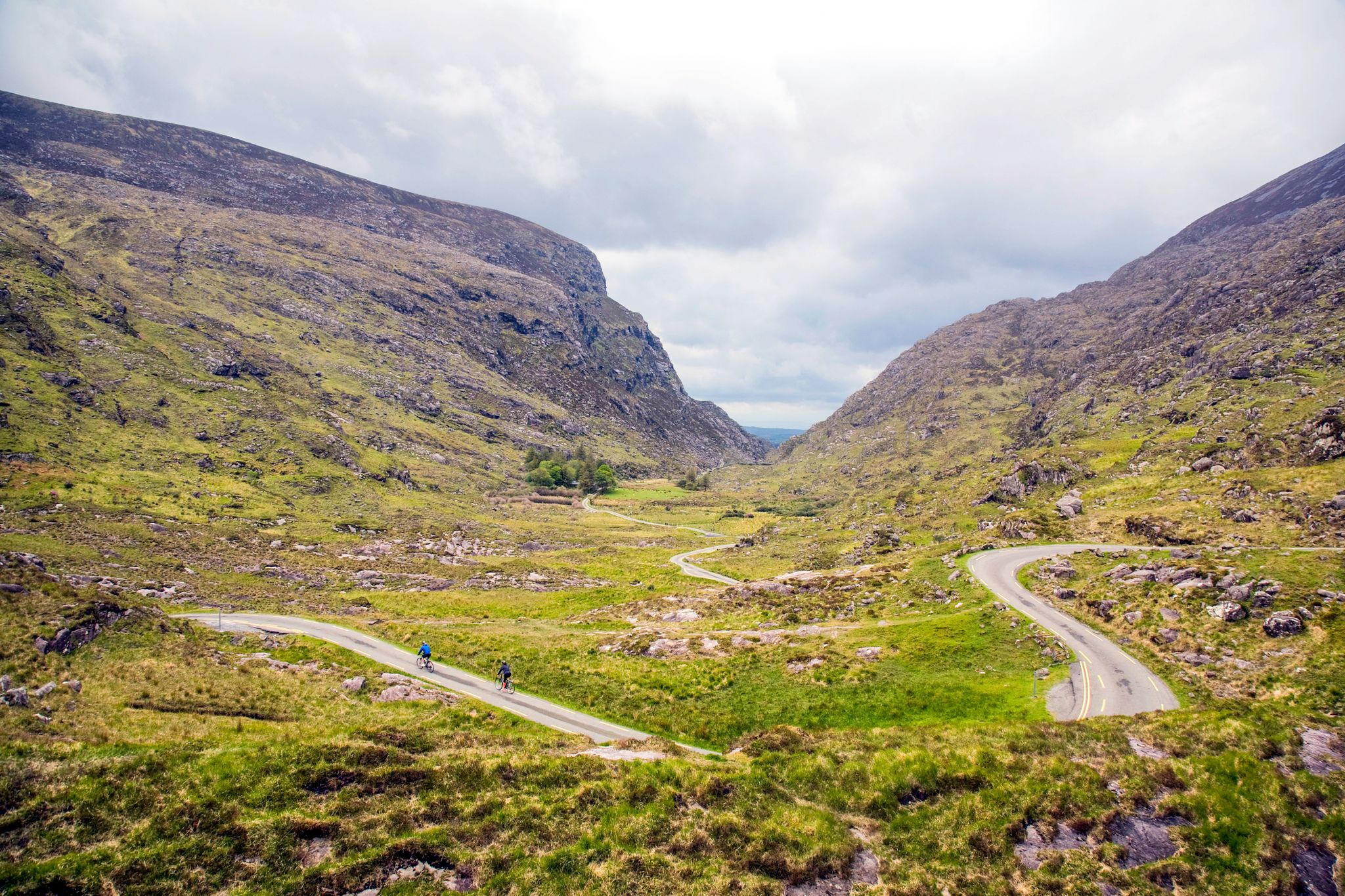
Incomparable Ireland Challenge: Reeks District Big Five
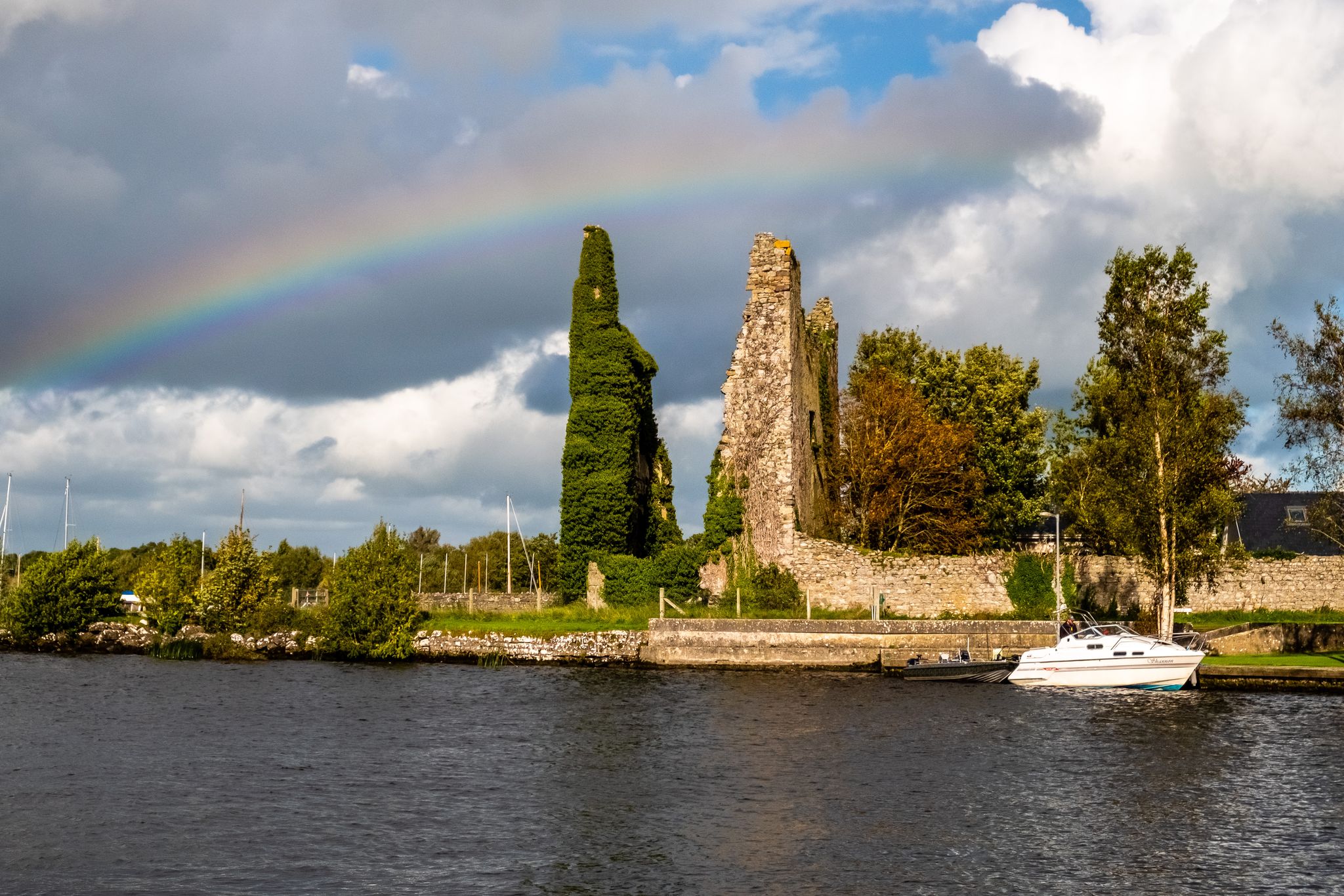
Lough Derg Way
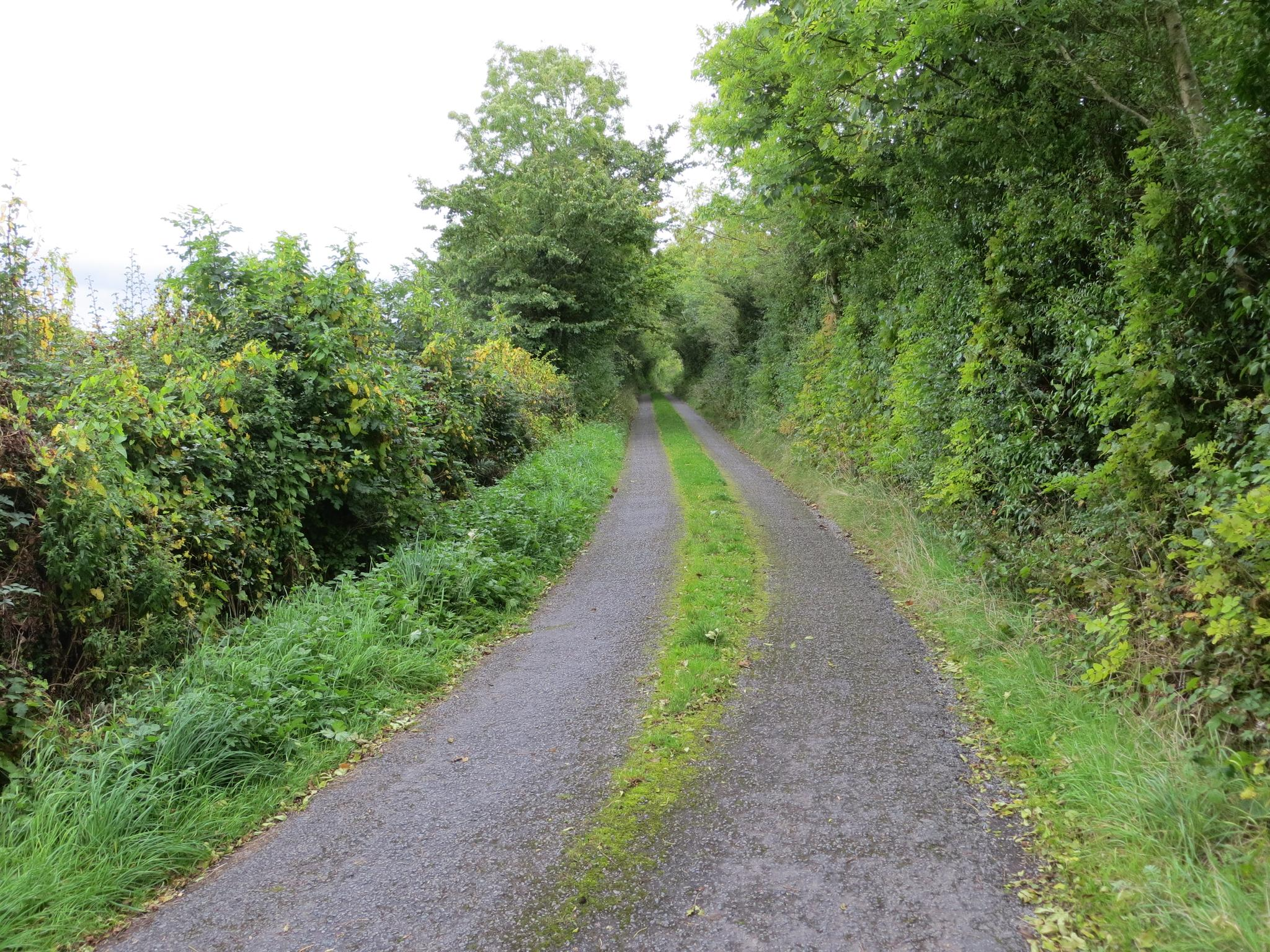
Suck Valley Way — Castles, Rivers & Rural Ireland
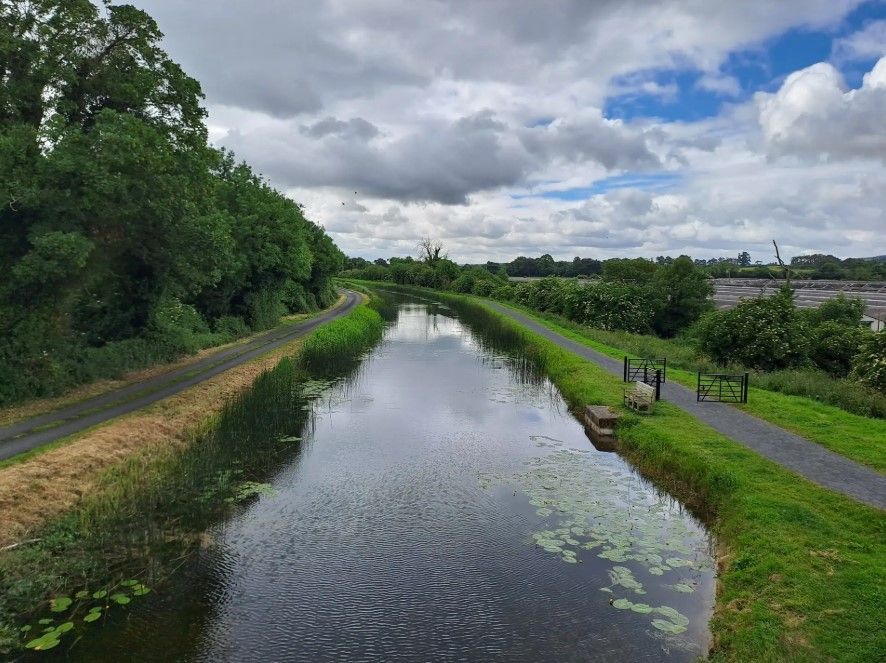
The Barrow Way — Walking Beside Quiet Waters
East Clare Way – exploring Ireland’s hidden heart
East Munster Way – Hiking the beautiful Suir, woodland and historic foothills
Running the Wicklow Way – From the city to the mountains
Run the Kerry Way – Around the rugged west coast of Ireland
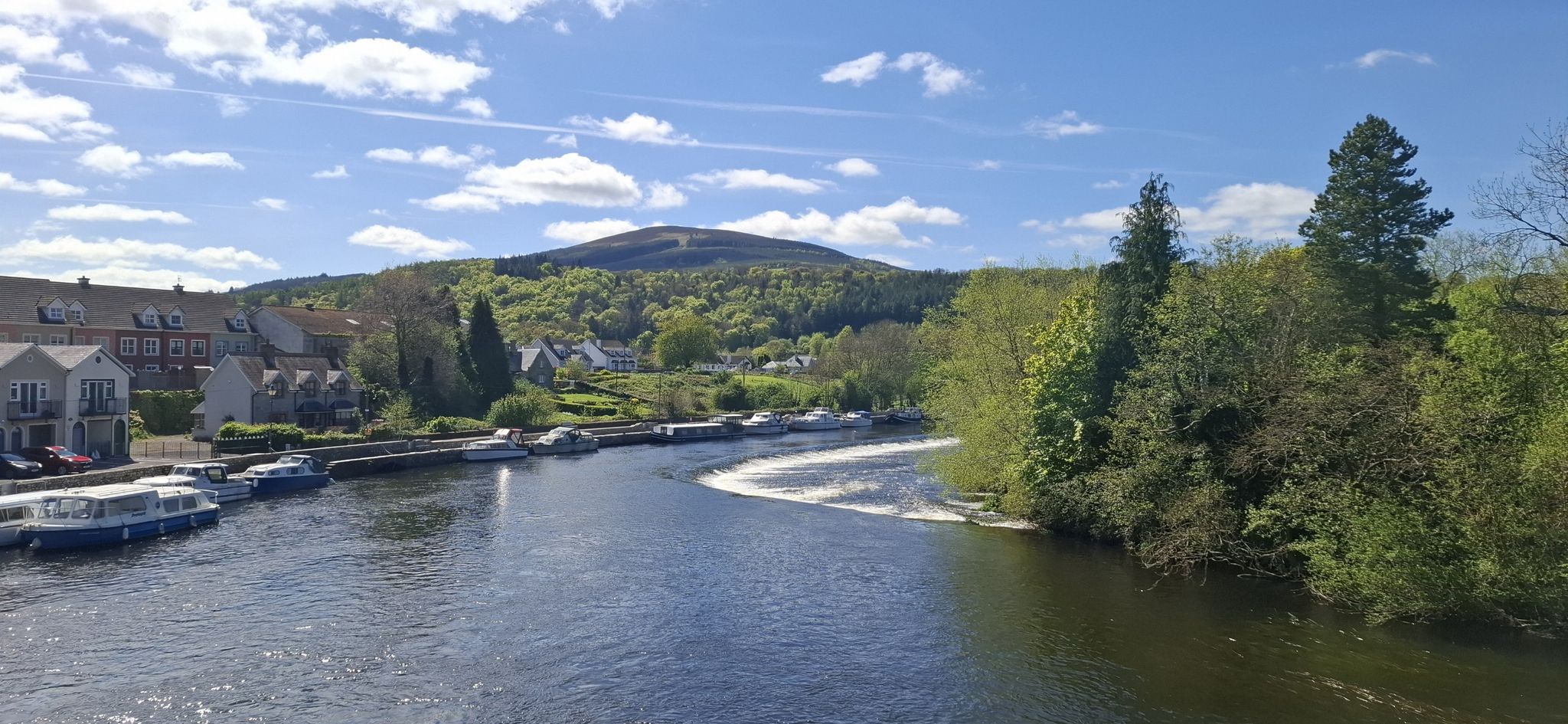
South Leinster Way – It's a long way to Tipperary
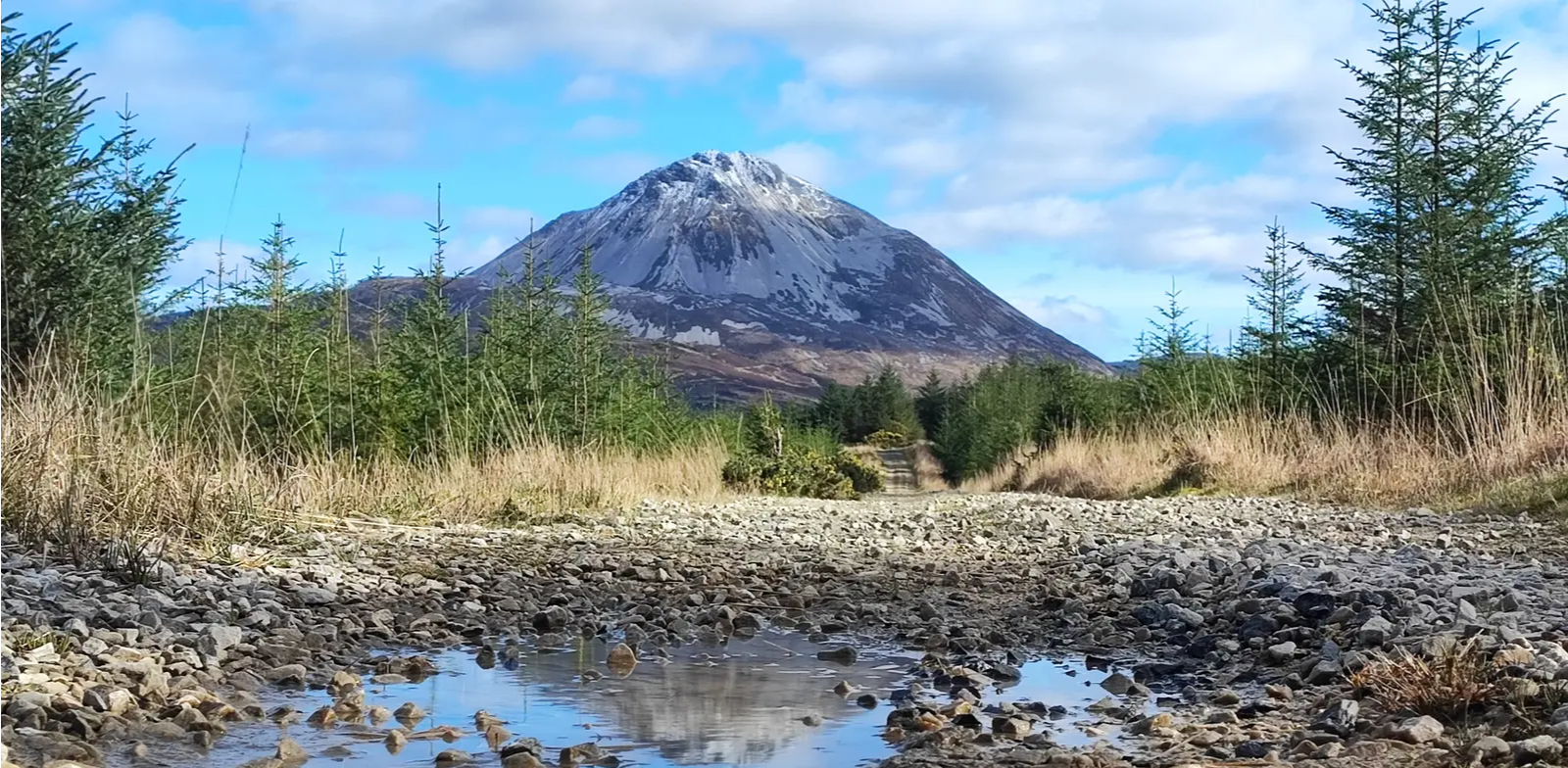
Slí An Earagail – An adventure between the Atlantic and Errigal
Other adventures in Ireland


Tips from the Community

Older than Stonehenge and the pyramids, this monument stands in the green countryside of County Meath and tells stories of a time long gone. The journey here takes you along quiet roads along the Boyne until you finally stand in front of the massive burial mound. The intricate decorations on the stones and the special architecture of the cross-shaped chamber are impressive. It is amazing how people back then were able to create such precise construction without modern tools. If you take a break here, you can feel the special energy of the place - as if history itself is whispering through the wind. A detour is worthwhile, especially if you want to incorporate a little culture into your cycling tour. The journey is easy and there are plenty of places to park your bike and explore the area.
1
0

Underground secrets... Newgrange isn't the only passage tomb in Ireland, of course. There are two more in Brú na Bóinne. Along with the nearby Knowth and Dowth tombs, Newgrange has been a UNESCO World Heritage Site since 1993. Not bad for a site that was once doomed to become a quarry! Nearby, at Oldcastle in County Meath, you'll find a lesser-known collection of passage tombs. Around a handful of hills in Loughcrew are several cairns dating back to around 3200 BC. More mysterious and difficult to reach, exploring them is even more like Indiana Jones. If you get the feeling you're being watched, you might be right. About 60km away, on the summit of Slieve Gullion in County Armagh, the passage of another tomb points directly towards Loughcrew. The two cairns at Slieve Gullion are located on either side of the summit lake. The southern grave is said to be aligned with the sunset on the winter solstice. In good weather you can even see Dublin Bay from here. (Source: https://www.ireland.com/de-de/magazine/built-heritage/newgrange/)
2
1
5,000 years. That makes Newgrange older than Stonehenge. It's also older than the Egyptian pyramids. But over the past five millennia, the passage tomb has lost none of its fascination. But let's start from the beginning: There is no direct access to Newgrange. If you're driving, don't let your sat nav take you to Brú na Bóinne/Boyne Valley (latitude 53.694567, longitude 6.4463). The visitor center there sells tickets and you can take a shuttle bus for a guided tour. If you don't have a car, that's no problem either: you can book a day trip from Dublin. Arriving at the iconic tomb is an overwhelming experience. You stand in front of an 80m wide mound, lined with decorated stones and covered in white Wicklow quartzite. A guide tells you about the myths and history behind the landmark. Newgrange could have been a tomb or a temple. Nobody knows for sure. The truth will remain hidden forever. (Source:https://www.ireland.com/de-de/magazine/built-heritage/newgrange/)
2
1

great passage in a rather accessible cave (you can cross it
0
0

When the weather is calm, benches invite you to linger and enjoy the view.
0
0

The highlights of the walking route are very beautiful, but the smallest part of the walking route is actually a coastal walking route, with views of the coast. The main path is on small country roads within Malin Head, which is relatively uninteresting and unspectacular. In addition, most of the coastal sections a long way from the coast are fenced off and marked as private property.
0
0

somewhat hidden entrance to the cave through which one can walk
0
0

Amazing views all around Malin head best seen when there is a bit of sunshine and a good breeze coming off the sea
0
0
Frequently Asked Questions
What unique geological features can be found in Ireland's caves?
Ireland's caves showcase a variety of impressive geological formations. Aillwee Cave in County Clare is known for its stalactites, stalagmites, underground rivers, and even ancient bear pits. Doolin Cave, also in County Clare, boasts "The Great Stalactite," the longest free-hanging stalactite in Europe. The Marble Arch Caves feature stunning limestone formations, underground rivers, and waterfalls, while Mitchelstown Cave is home to magnificent calcite formations and a notable chamber called "The Belfry."
Are there any caves in Ireland with significant historical or archaeological importance?
Yes, several caves in Ireland hold historical and archaeological significance. Newgrange Passage Tomb is a UNESCO World Heritage Site, offering a glimpse into ancient Ireland. Dunmore Cave in County Kilkenny is a National Monument with a rich past, famously plundered by Vikings in 928 AD and steeped in local folklore. Keshcorran Caves in County Sligo are also deeply intertwined with Irish mythology and folklore.
Which caves in Ireland are suitable for families with children?
Many of Ireland's caves offer family-friendly experiences. Aillwee Cave is a great option, as it includes the Burren Bird of Prey Centre and is known for its on-site produced cheese and fudge, adding extra activities for children. Crag Cave is described as a "magical wonderland" with stunning formations that can captivate younger visitors. Most show caves provide guided tours that are accessible and engaging for families.
What kind of tours or experiences are available at Ireland's caves?
Visitors can enjoy a range of experiences. Most major caves, such as Aillwee Cave, Doolin Cave, Dunmore Cave, Mitchelstown Cave, and Crag Cave, offer guided walking tours that delve into their geological formation and history. The Marble Arch Caves provide a unique guided boat tour through their underground river system. Some sites, like Aillwee Cave, also feature additional attractions such as bird of prey centers.
What are the best times of year to visit caves in Ireland?
Caves generally maintain a consistent temperature year-round, making them suitable for visiting in any season. However, the surrounding landscapes and access routes might be more enjoyable during milder weather. Spring and summer (April to September) offer the best conditions for exploring the areas around the caves and combining your visit with other outdoor activities.
Are there any caves in Ireland that are less crowded or off the beaten path?
While popular show caves attract many visitors, you can find less crowded options. Pollnagollum Cave in the Burren National Park is a more active stream cave known for its impressive waterfall, offering a more rugged and less commercialized experience. The Keshcorran Caves, situated on a limestone mountain, provide breathtaking views and a rich mythological context, often drawing fewer crowds than the major show caves.
What outdoor activities can I do near the caves in Ireland?
The regions around Ireland's caves offer diverse outdoor activities. For hiking enthusiasts, there are numerous options, including easy hikes like the Ross Island loop in Killarney National Park or the Glenveagh Castle trail. More challenging mountain hikes can be found near Carrauntoohil or Croagh Patrick. Mountain biking is also popular, with MTB trails available in areas like Ballyhoura and Ticknock.
Are there facilities like parking or cafes available at Ireland's caves?
Many of the more developed show caves provide visitor facilities. For instance, the Marble Arch Caves offer an exhibition area, audio-visual theater, gift shop, and restaurant. Aillwee Cave also has amenities including a cafe and shop. For less developed caves, facilities might be limited to parking, so it's advisable to check specific cave websites before visiting.
Can I explore caves in Ireland independently, or are guided tours required?
For safety and preservation, most major show caves in Ireland, such as Aillwee Cave, Doolin Cave, Dunmore Cave, and Mitchelstown Cave, require visitors to join guided tours. These tours provide valuable insights and ensure a safe experience. Some natural cave entrances, like Pollnagollum Cave or the Keshcorran Caves, might be accessible for independent exploration, but caution and appropriate gear are always recommended.
What makes the caves in County Clare particularly notable?
County Clare, particularly within The Burren region, is renowned for its exceptional caves. Aillwee Cave is famous for its ancient bear pits and impressive formations, while Doolin Cave is home to "The Great Stalactite," the longest free-hanging stalactite in Europe. The region's karst landscape contributes to the formation of extensive and geologically significant cave systems like Pollnagollum Cave, making it a prime destination for cave exploration.
What do visitors enjoy most about exploring caves in Ireland?
Visitors frequently express awe at the natural beauty and unique geological formations found within Ireland's caves. The historical and mythological aspects, such as those at Dunmore Cave and Keshcorran Caves, also captivate many. The sense of discovery and the opportunity to witness ancient natural wonders, often combined with the wild beauty of the surrounding Irish landscape, are commonly highlighted as enjoyable aspects of these subterranean adventures.
Most popular routes in Ireland
Most popular attractions in Ireland

Get inspired with the komoot mobile app


Didn’t find what you were looking for?
Discover more caves in Ireland region by region:
Explore more
Extend your search for the best caves by checking out these guides of the top ones in Ireland:
