Top 20 Waterfalls in Poland
Best waterfalls in Poland are primarily found within its mountainous regions, offering diverse natural landscapes. These natural features include cascades, multi-tiered drops, and powerful torrents. Poland's geography provides varied terrain, from the high Tatras to the Sudety Mountains, where numerous waterfalls are accessible. Visitors can explore these sites to experience unique geological formations and the natural beauty of the country.
Best waterfalls in Poland
- The most popular waterfalls is Szklarka Waterfall, a waterfall that is 13.3 meters high. Its…
Last updated: October 4, 2026
Kamieńczyk Waterfall
Highlight • Waterfall
Translated by Google •
Tip by

Mickiewicz Waterfalls
Highlight • Waterfall
Translated by Google •
Tip by

Sign up now to discover places like this
Get recommendations on the best single tracks, peaks, & plenty of other exciting outdoor places.
Szklarka Waterfall
Highlight • Waterfall
Szklarka Waterfall is located at 520 m above sea level. …
Translated by Google •
Tip by

Wild Waterfall (Dziki Wodospad)
Highlight • Waterfall
Translated by Google •
Tip by
Siklawica Waterfall
Highlight • Waterfall
Translated by Google •
Tip by

Bystra Stream and Waterfall Below Nosal
Highlight • Waterfall
Translated by Google •
Tip by

Wilczka waterfall
Highlight • Waterfall
Translated by Google •
Tip by
Szklarka Waterfall, Karkonosze National Park (Giant Mountains)
Highlight • Waterfall
Translated by Google •
Tip by
Kaskady Rodła Waterfalls
Highlight • Waterfall
Translated by Google •
Tip by

Waterfall at the Dam in Wisła
Highlight • Waterfall
Tip by

Sign up for free to discover even more waterfalls in Poland.
Already have an account?
Start today with a free account
Your next adventure awaits.
Popular around Poland
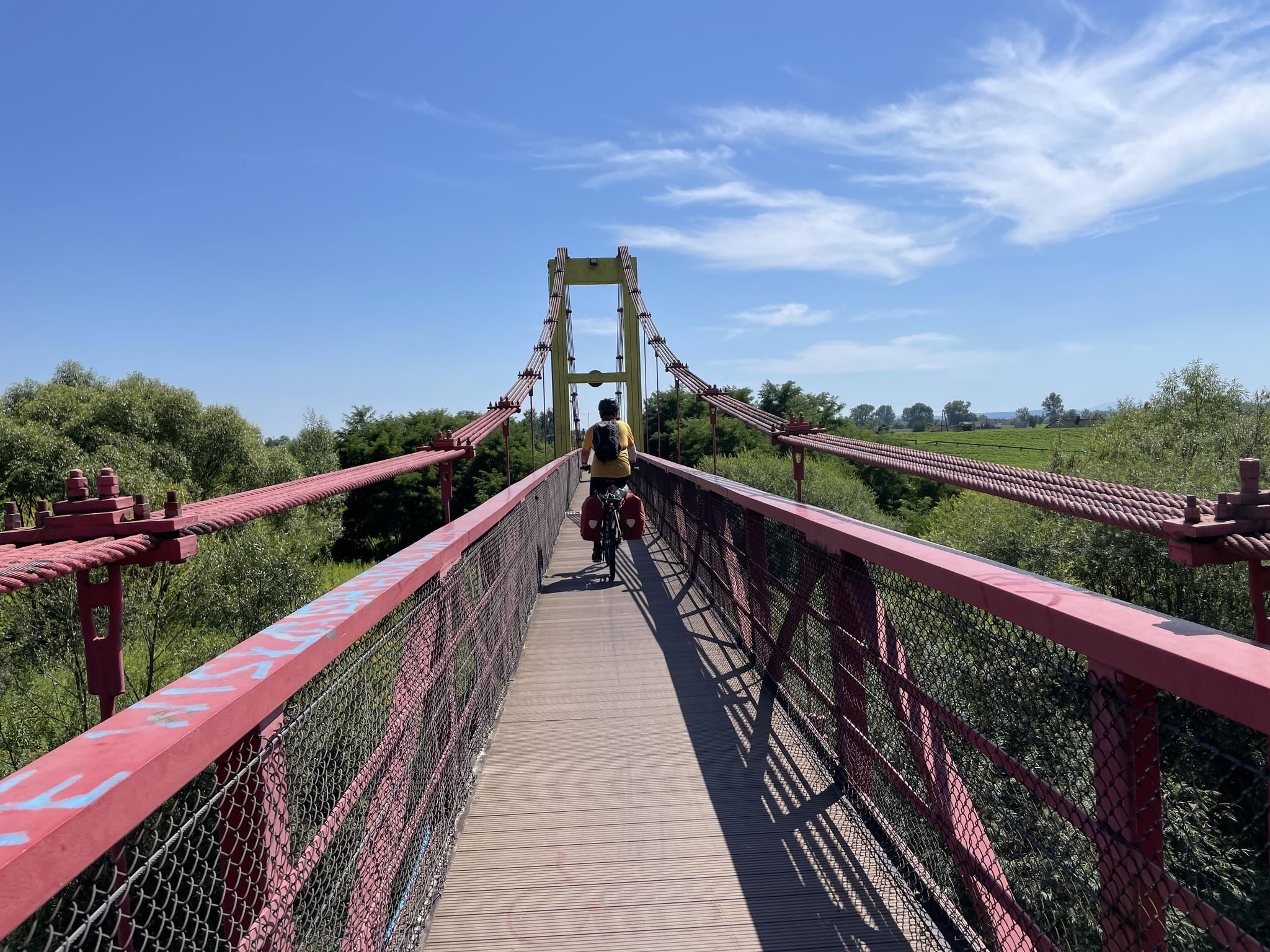
EuroVelo 4 (section in Poland) – Wonderful Vistula river vibes and historic Polish cities
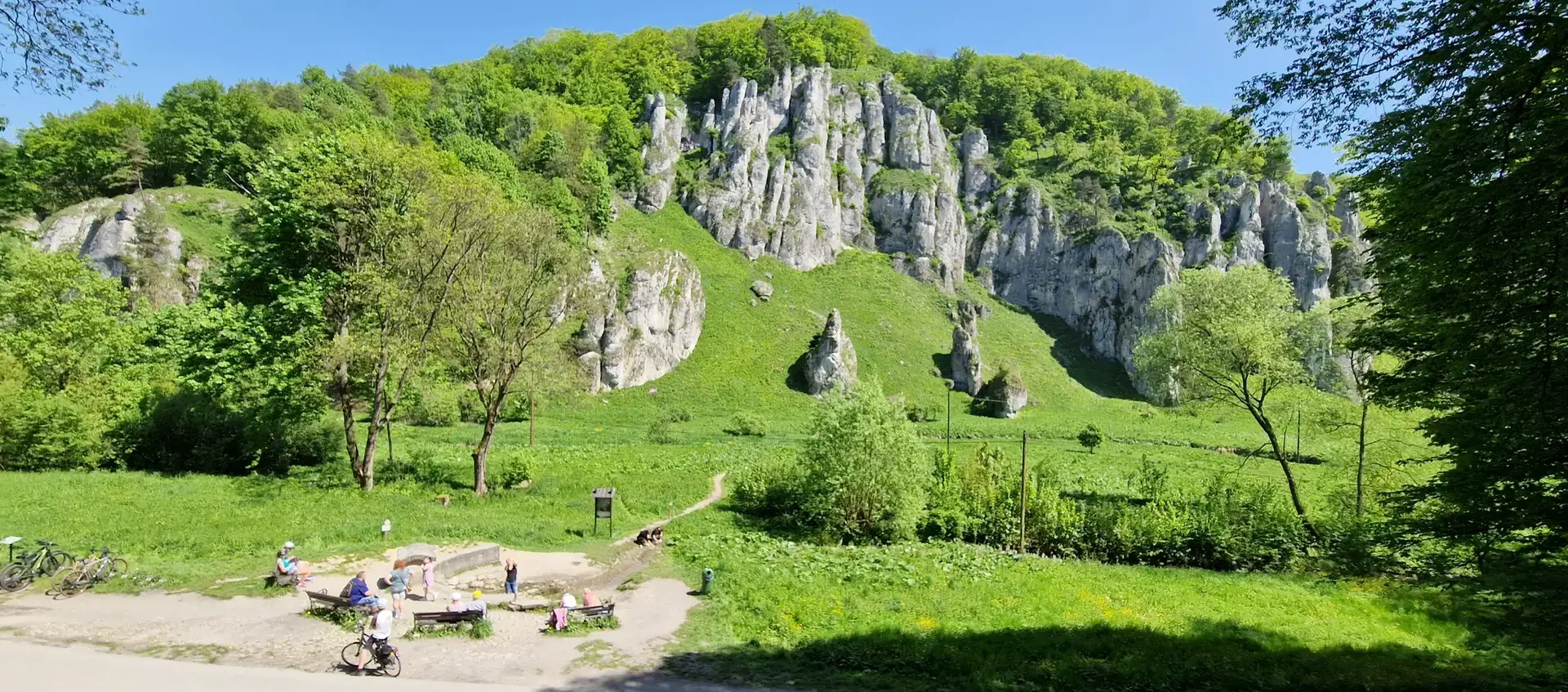
Bike Pilgrimage on the Royal Route – St. James' Way via Regia
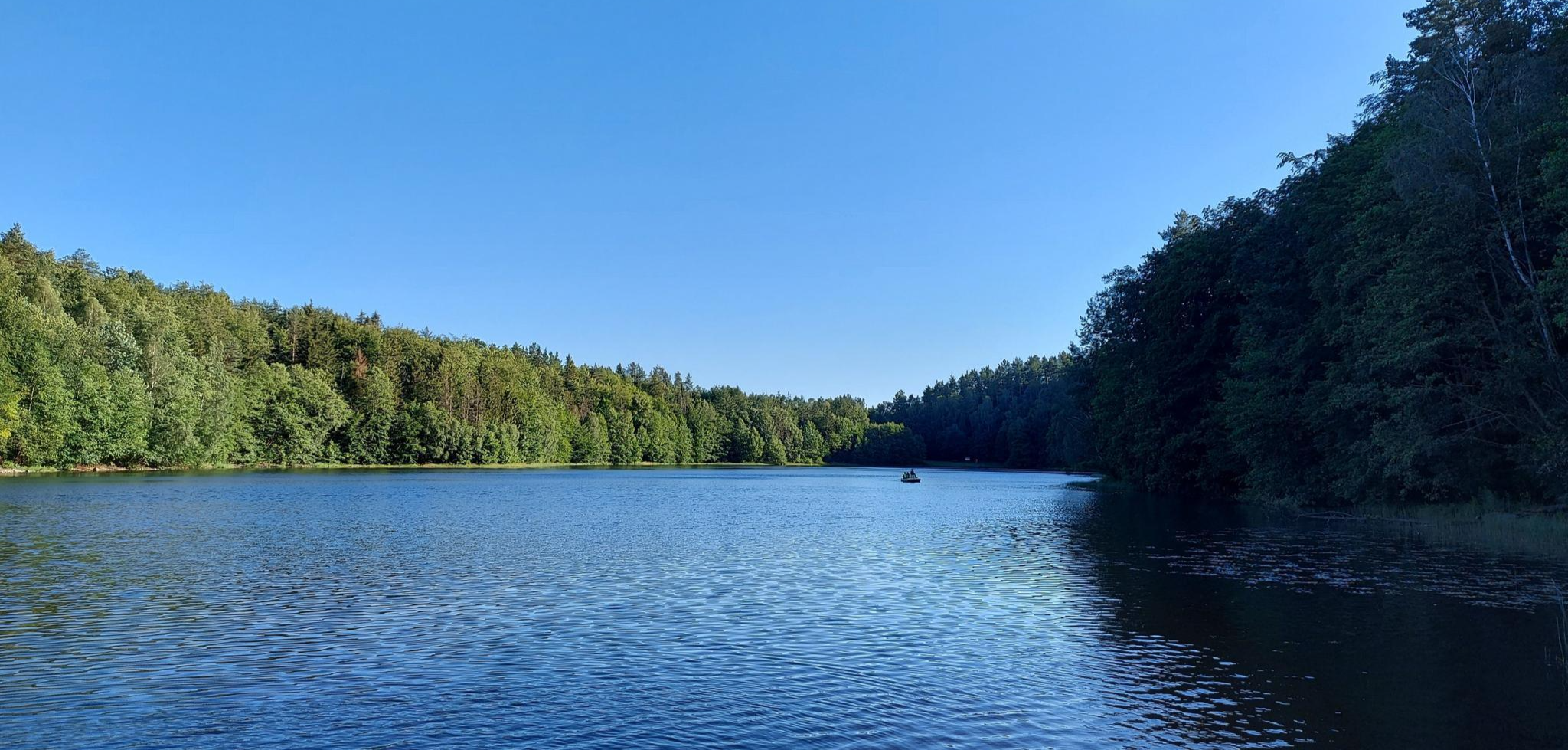
Kashubian Trail - captivating landscapes and beautiful lakes
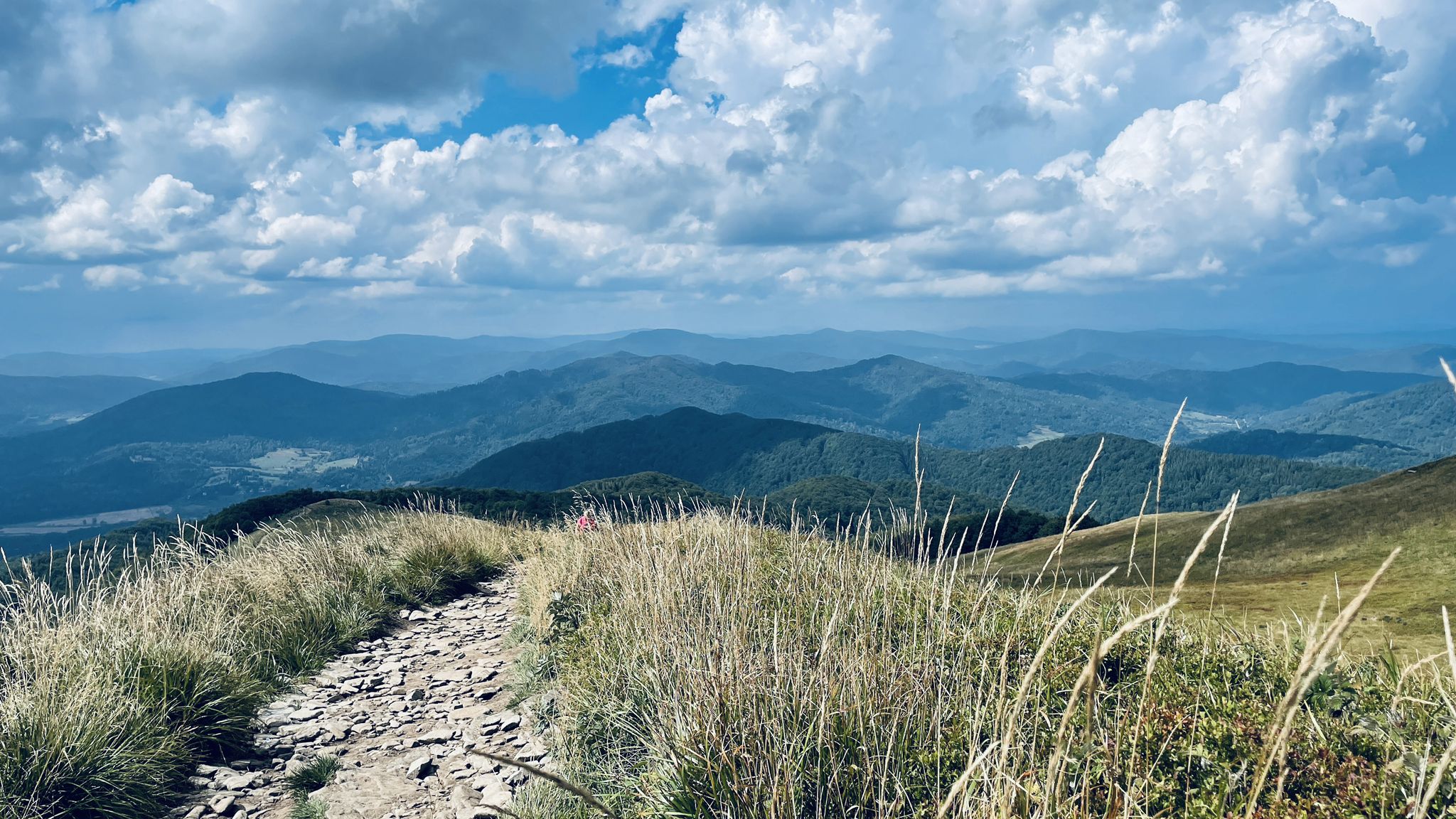
Main Beskids Trail — the longest Polish Mountain Trail
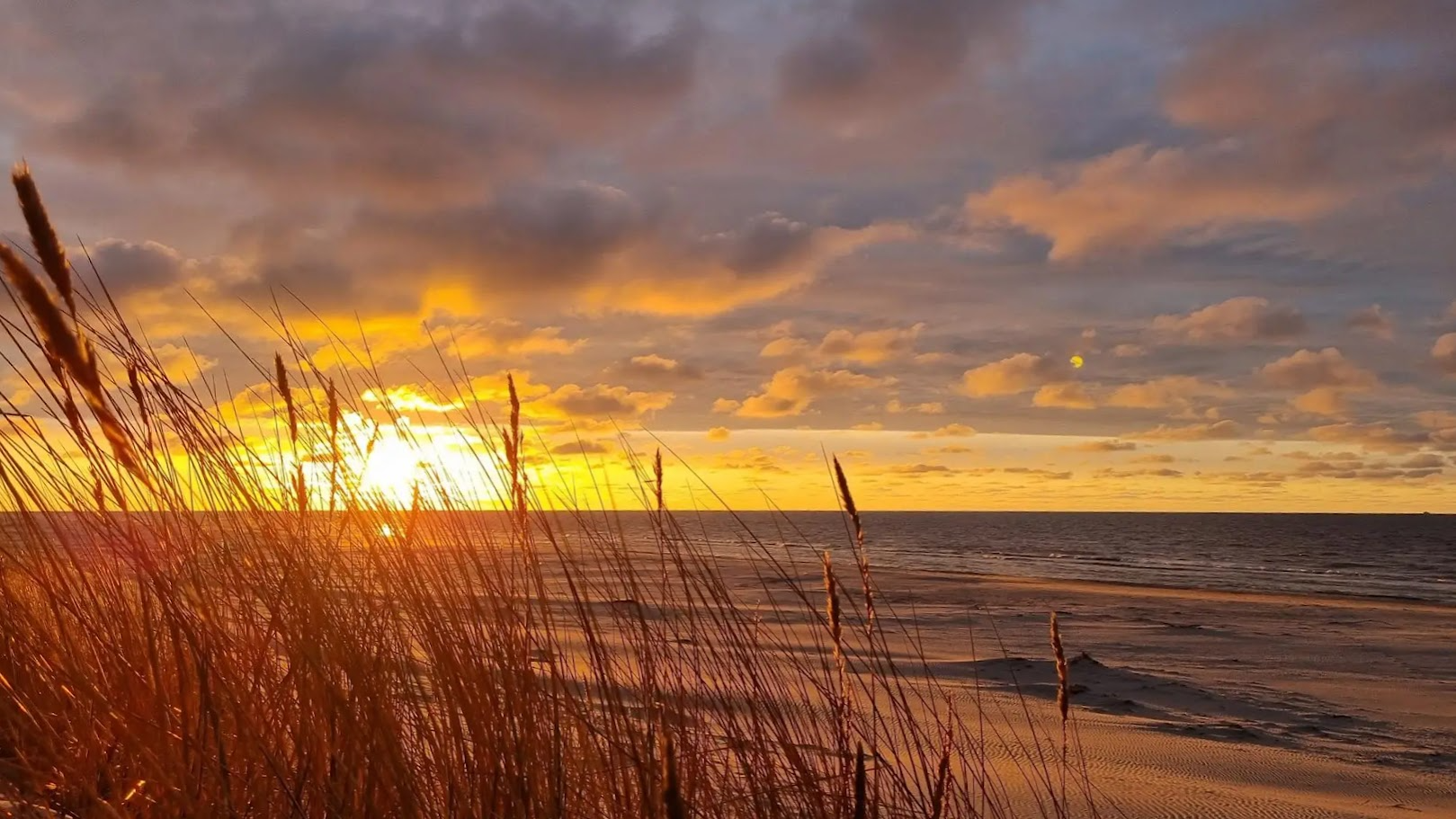
Seaside Trail – the beauty and majesty of the Baltic beaches
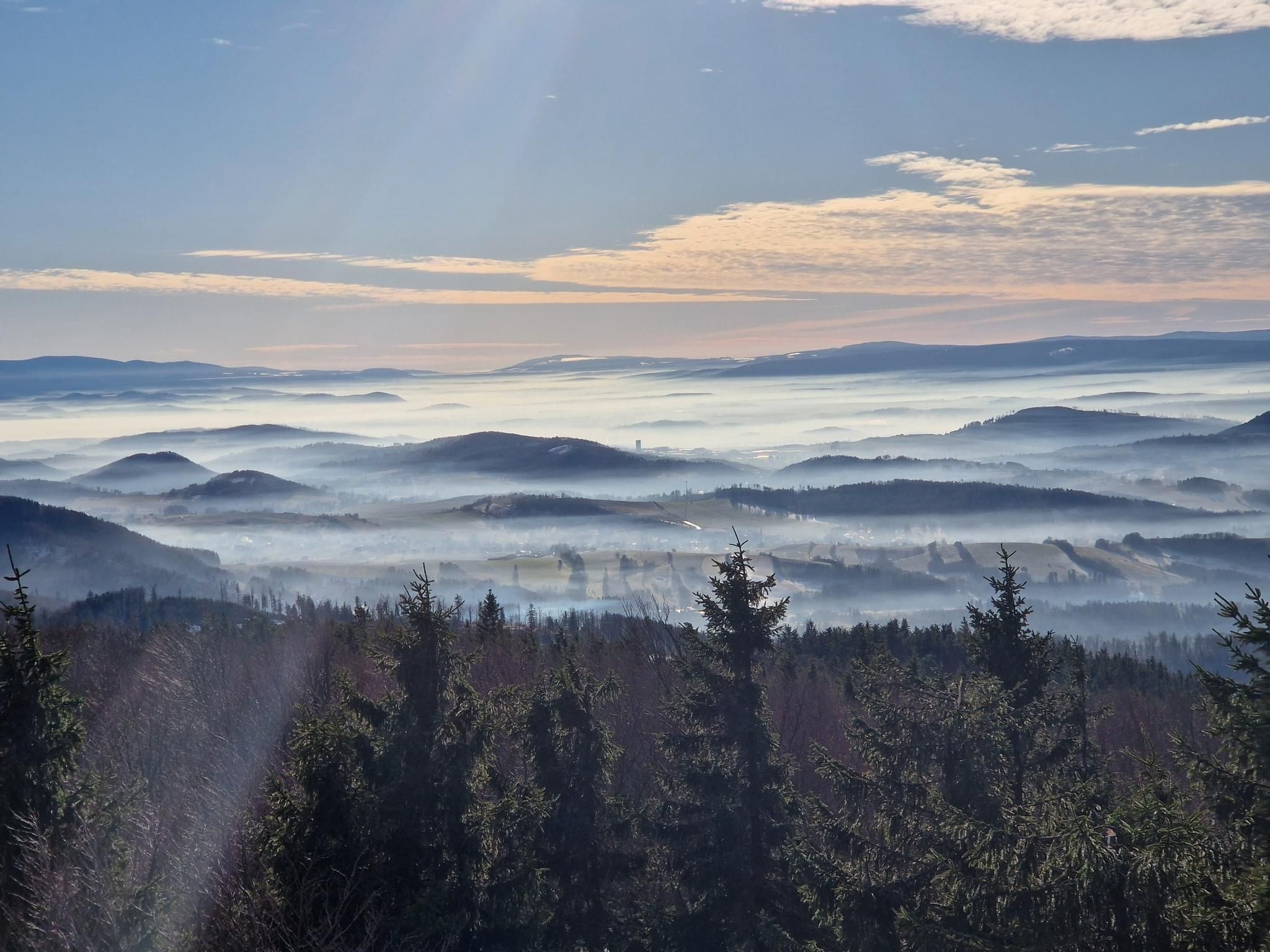
The Main Sudeten Route – a great Polish mountain adventure
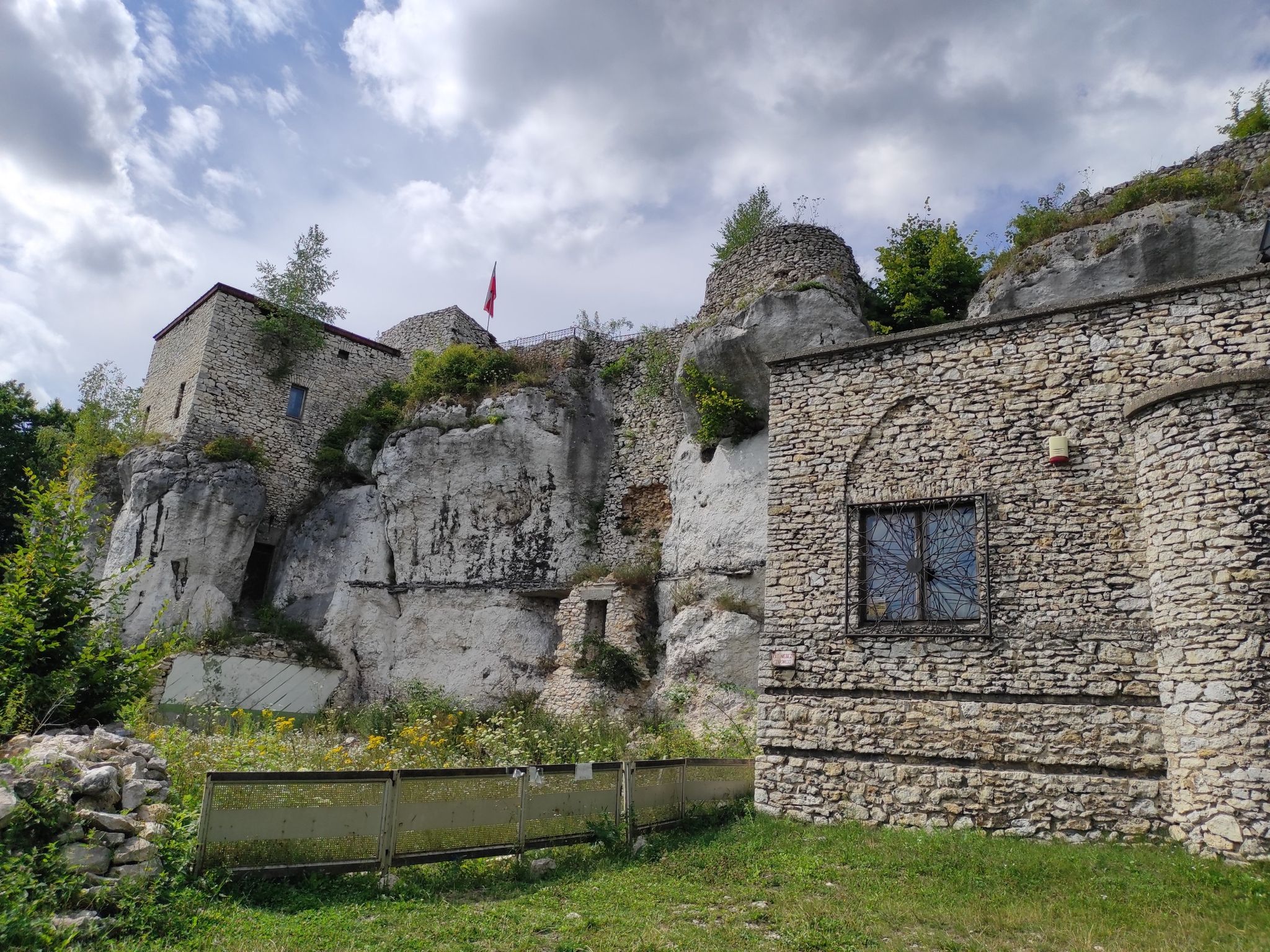
Trail of the Eagle's Nests — Magnificent Castles of Kazimierz Wielki and beautiful Grottos and Rocks
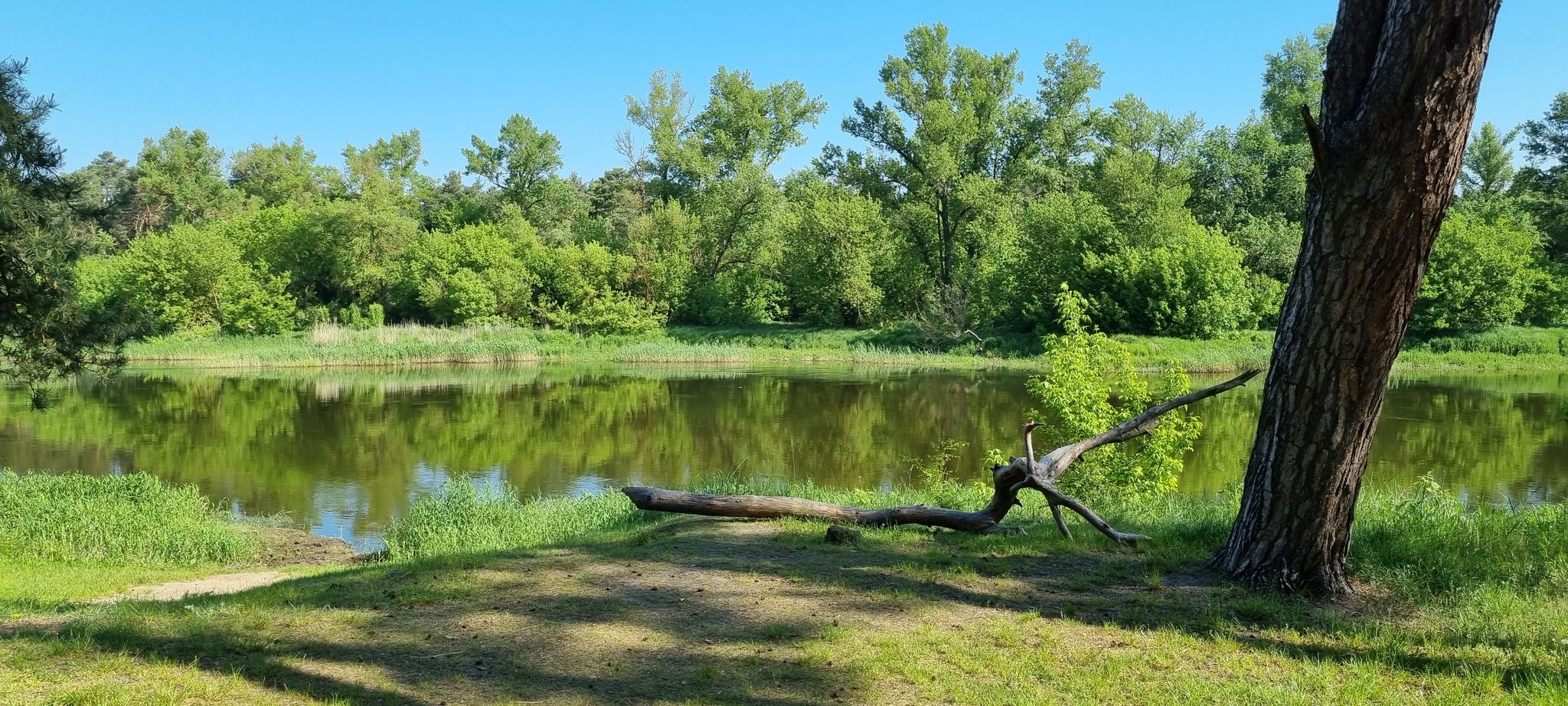
Warta River Cycle Route – Through the Green Heart of Greater Poland
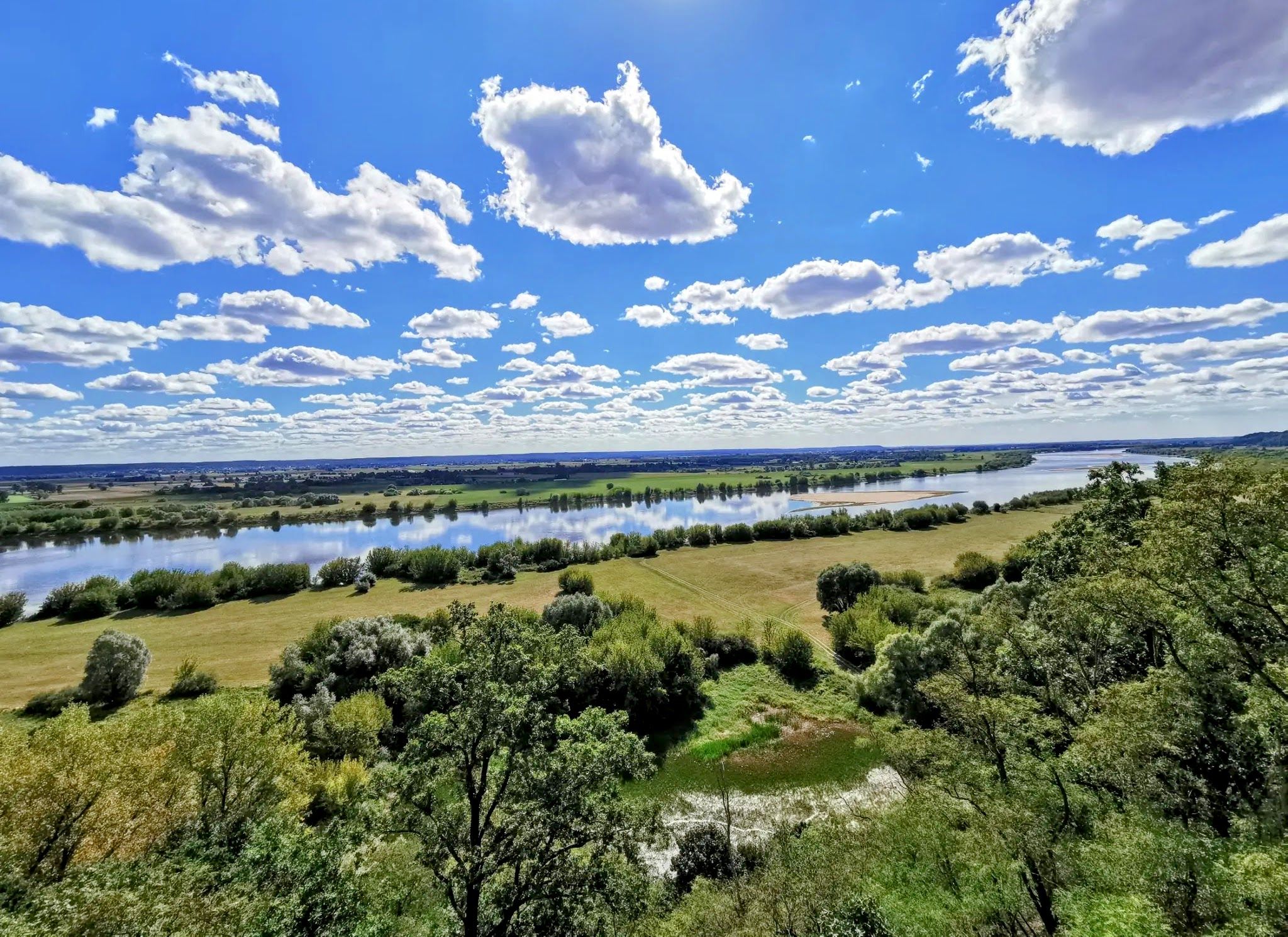
Vistula Cycle Route – The Queen of Polish Rivers in the Spotlight
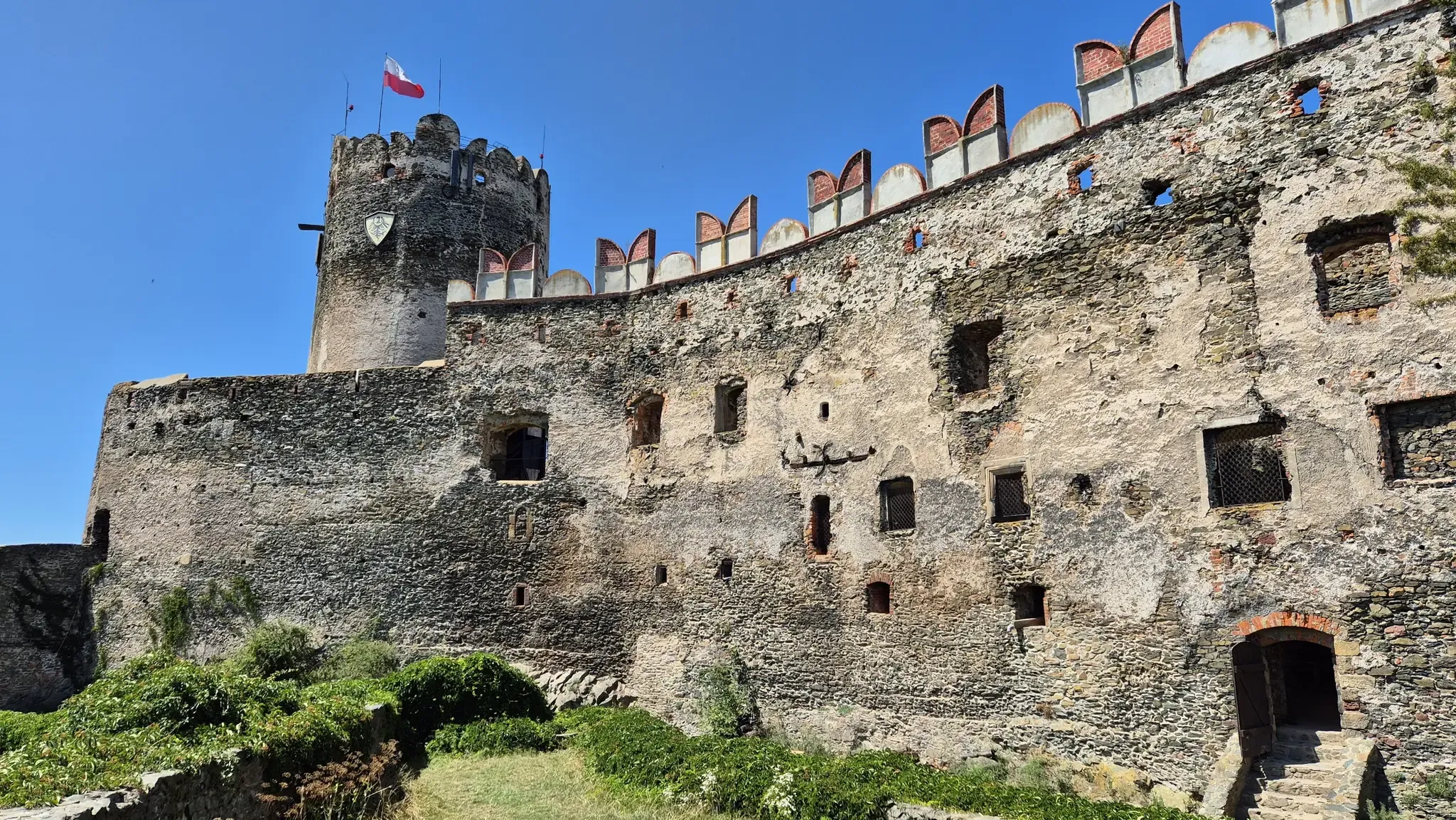
Piast Castles Trail – Great strongholds of Sudety
Other adventures in Poland


Tips from the Community

Small Dam in Wisła Nowa Osada For clarity – this place is located about 4.5 kilometers downstream from the large earthen dam forming the Czerniańskie Lake. Waterfall: It is an artificial weir 8 meters high, built on the Wisełka stream in the 1950s. Fish passages: Characteristic concrete steps and walkways visible just below the main cascade. They allow fish (mainly trout) to migrate upstream. Building on the left: This is a historic wooden-and-brick inn "Drewutnia" (originally from 1833), where tourists can eat traditional Beskid dishes.
0
0

The Wilczki Waterfall was formerly called Wodogrzmoty Żeromskiego (The Żeromski Waterfall). Years ago, the waterfall reached a height of approximately 27 meters, but after the great flood of 1997, the water eroded the artificially created 5-meter threshold, and now the water falls from a height of approximately 22 meters. Admission to the waterfall is free. However, the Wilczki Waterfall is not accessible to people with strollers or wheelchairs due to the numerous steps. Around the Wilczki Waterfall, there are viewing platforms from which you can admire the waterfall and its surroundings, as well as benches for walkers where you can sit, immersing yourself in the atmosphere of this extraordinary place and listening to the sound of the falling water. Above the waterfall itself, an iron bridge provides a beautiful view of the falling water.
1
1

The highest waterfall in the Śnieżnik massif (22 meters tumbling into a cauldron) is a sight to behold (and listen to). Good trails offer numerous viewing points. There's also a restaurant right next door, so once you've admired and admired it, you can relax comfortably.
1
0


A beautiful waterfall with an even more beautiful name :-) a nice stop on the asphalt trail ;-)
0
0
This waterfall is made up of three other cascades, flowing from the Five Lakes. The name "Wodogrzmoty" (although sometimes these waterfalls are simply called Mickiewicz Waterfalls) comes from the fact that the water makes a terrible roar as it falls (and it's cool).
1
0

The Rodła Cascades are a picturesque group of waterfalls on the Biała Wisełka in the Silesian Beskids. They are made up of over 20 natural rock steps, the highest of which is about 5 meters high. The trail leading to the cascades is easy and well-marked, and the hike through the mountain nature provides beautiful views. This is an ideal place for a walk and relaxation surrounded by the sound of water and forests. It is worth wearing comfortable shoes, especially after rain, when the stones can be slippery.
2
0

Personally, I wasn't particularly impressed, but considering that this is where the largest Polish river has its source, it's definitely worth a visit. In winter, everything is frozen, including the trail, which is very difficult to traverse in sections (especially without crampons or crampons).
1
1
Frequently Asked Questions
Which waterfalls in Poland are suitable for families with children?
Many waterfalls in Poland are family-friendly. For instance, Szklarka Waterfall in the Karkonosze National Park is easily accessible via a wide path and even offers wheelchair access. Kamieńczyk Waterfall, also in Karkonosze, has a well-maintained trail. In the Tatras, Wodogrzmoty Mickiewicza Waterfalls are reachable via a comfortable paved track, making them ideal for a family outing.
What is the best time of year to visit Poland's waterfalls?
The best time to visit Poland's waterfalls largely depends on what you want to experience. Spring, during the snowmelt, offers the most powerful and voluminous flows, especially for waterfalls like Wielka Siklawa in the High Tatras. Summer provides pleasant hiking weather and lush greenery. Autumn brings stunning fall foliage, adding a picturesque backdrop to the cascades. Winter can be magical with frozen formations, though accessibility might be more challenging.
Are there any waterfalls in Poland that are wheelchair accessible?
Yes, Szklarka Waterfall in the Karkonosze National Park is noted for its accessibility. A wide path leads directly to a viewing platform, making it suitable for visitors using wheelchairs.
What unique natural features can be observed at Polish waterfalls?
Polish waterfalls offer diverse natural features. At Kamieńczyk Waterfall, you can explore the 'Złota Jama' (Golden Cave) behind the central cascade. Wielka Siklawa is known for the mist that often creates rainbows on sunny days. Szklarka Waterfall features a distinctive wide cascade that narrows and spirals. Many waterfalls are nestled within deep gorges, dense forests, or unique rock formations, showcasing Poland's varied geological landscape.
What outdoor activities can I do near waterfalls in Poland?
The areas around Poland's waterfalls are excellent for various outdoor activities. You can find numerous hiking trails, such as those leading to Morskie Oko or through the Valley of Five Polish Lakes, which pass by waterfalls like Wodogrzmoty Mickiewicza Waterfalls. For more challenging adventures, trails like Rysy or Szpiglasowy Wierch are nearby. Mountain biking is also popular, with routes like Singletrack Zajęcznik and Singletrack Szklarska Poreba accessible. You can explore more options on the waterfall hikes guide or the MTB trails guide.
Which waterfalls are known for their historical or cultural significance?
Wodogrzmoty Mickiewicza Waterfalls are named in honor of the Polish poet Adam Mickiewicz, adding a cultural layer to their natural beauty. The 'thunderous roar' of the water, which gave them their original name 'Wodogrzmoty' (water thunder), has inspired visitors for centuries. Additionally, Kamieńczyk Waterfall was a filming location for 'The Chronicles of Narnia: Prince Caspian,' giving it a modern cultural connection.
Are there any hidden gem waterfalls in Poland that are less crowded?
While popular waterfalls can get crowded, exploring lesser-known spots can offer a more serene experience. Kaskady Rodła Waterfalls, a series of over 20 natural rock steps on the Biała Wisełka, offer an easy, well-marked trail through mountain nature and are often less frequented than the major attractions. Wild Waterfall (Dziki Wodospad) also provides a beautiful natural setting that can be less busy.
What should I wear when visiting waterfalls in Poland?
When visiting waterfalls in Poland, especially in mountainous regions, it's advisable to wear comfortable, layered clothing suitable for hiking. Sturdy, waterproof hiking boots with good grip are essential, as trails can be rocky, steep, or wet from mist. A waterproof jacket is recommended, even on sunny days, due to spray from the falls. Depending on the season, consider bringing sun protection, a hat, and gloves.
Can I find viewpoints near the waterfalls for photography?
Yes, many waterfalls in Poland offer excellent viewpoints for photography. Szklarka Waterfall has a dedicated viewing platform. At Wodogrzmoty Mickiewicza Waterfalls, a stone bridge provides a great vantage point. Wielka Siklawa is famous for the rainbows formed in its mist, offering unique photographic opportunities. Many trails are designed to lead to scenic spots overlooking the cascades.
What do visitors enjoy most about Poland's waterfalls?
Visitors frequently praise the natural beauty and refreshing atmosphere of Poland's waterfalls. Many appreciate the accessibility of trails, even to significant sites like Kamieńczyk Waterfall, despite potential crowds. The soothing sound of rushing water, the picturesque settings within forests and gorges, and the opportunity for invigorating hikes are commonly highlighted. The unique geological formations and the chance to witness powerful water flows, especially after heavy rainfall or snowmelt, also contribute to a memorable experience.
Are there any waterfalls in the Beskid Mountains region?
Yes, the Beskid Mountains are home to several beautiful waterfalls. Kaskady Rodła Waterfalls, a series of over 20 natural rock steps, are located on the Biała Wisełka in the Silesian Beskids. Another notable one is Wodospad Zaskalnik in the Beskid Sądecki mountain range, which features an approximate 5-meter drop creating a curtain-like effect over sandstone rock.
How difficult are the trails to reach Poland's waterfalls?
The difficulty of trails to Poland's waterfalls varies. Many, like Szklarka Waterfall and Wodogrzmoty Mickiewicza Waterfalls, are easily accessible via well-maintained paths suitable for most fitness levels. Others, such as the trail to Wielka Siklawa in the High Tatras, involve moderate to strenuous hikes with rocky and steep sections. Always check the specific trail conditions and difficulty before you go, especially if you plan to venture into higher mountain areas.
Most popular routes in Poland
Most popular attractions in Poland

Get inspired with the komoot mobile app


Didn’t find what you were looking for?
Looking for more great places nearby? See even more amazing waterfalls in Poland with these guides per region:
Explore more
Happy to travel a little further afield? Then browse these guides for the best waterfalls in Poland:
