Top 20 Gorges in Poland
Best canyons in Poland, often referred to as gorges, ravines, and valleys, showcase diverse geological formations. The country's landscape features impressive limestone cliffs, winding river paths, and unique rock complexes. These areas are found across regions like the Pieniny Mountains, Tatra Mountains, and near historical towns. Poland offers a variety of natural wonders for exploration.
Best canyons in Poland
- The most popular canyons is Dunajec River Gorge, a gorge carved by the Dunajec River through limestone cliffs. This area is known for its winding path and picturesque deciduous forests, connecting Slovakia to Poland via a gravel cycle path.
- Another must-see spot is Snowy Cauldrons, a gorge with rugged abysses and expansive views. Visitors can experience a unique landscape with colorful paths.
- Visitors also love Erroneous Rocks, a natural monument featuring a labyrinth of rock formations. This site includes narrow crevices and uniquely shaped rocks, offering a distinctive exploration experience.
- Poland is known for river gorges, mountain valleys, and unique rock labyrinths. These formations provide varied landscapes, from water-carved paths to eroded sandstone complexes.
- The canyons in Poland are appreciated by the komoot community. The guide features more than 190 highlights, with over 800 upvotes and more than 370 photos shared by users.
Last updated: October 4, 2026
Large snow pit
Highlight • Gorge
Translated by Google •
Tip by

Dunajec River Gorge
Highlight (Segment) • Gorge
Tip by

Sign up now to discover places like this
Get recommendations on the best single tracks, peaks, & plenty of other exciting outdoor places.
Chochołowska Valley (Dolina Chochołowska)
Highlight • Gorge
Translated by Google •
Tip by

Śnieżne Kotły Radio and TV Station
Highlight • Monument
Translated by Google •
Tip by

Erroneous Rocks
Highlight • Natural Monument
Many of these rocks have their own names, such as the Rocky Saddle and the Great Hall. Don't miss the Rocky Chalices, a viewpoint from which you can see Szczeliniec.
Translated by Google •
Tip by

Szczeliniec Wielki (Great Szczeliniec)
Highlight (Segment) • Natural Monument
WAZNE / IMPORTANT:
Z rowerem never do przejścia, trasa jednokierunkowa! Maszyny zostką zamknięte na jednym z płatnych parkingów.
You can not get by with a bike here! One-way trail. Bikes stay locked on one of the paid / guarded parking lots.
Translated by Google •
Tip by

Terrace with a view of Książ Castle
Highlight • Viewpoint
Translated by Google •
Tip by

Wilczka waterfall
Highlight • Waterfall
Translated by Google •
Tip by
Olczyska Valley
Highlight • Gorge
Source and more:
gorskim-szlakiem.pl/dolina-olczyska
Translated by Google •
Tip by

Śnieżne Kotły (Snowy Cirques)
Highlight • Gorge
Translated by Google •
Tip by

Sign up for free to discover even more gorges in Poland.
Already have an account?
Start today with a free account
Your next adventure awaits.
Popular around Poland
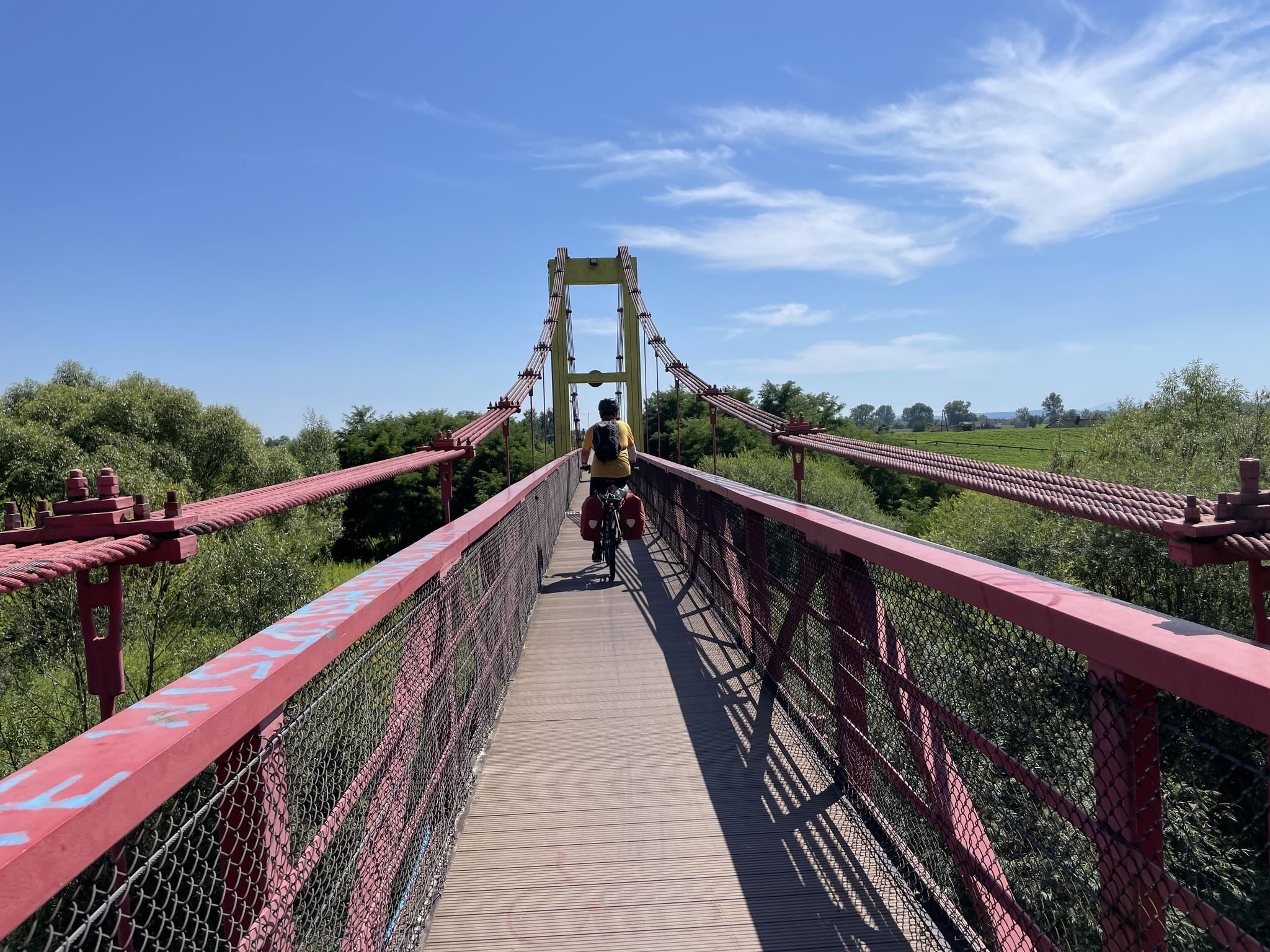
EuroVelo 4 (section in Poland) – Wonderful Vistula river vibes and historic Polish cities
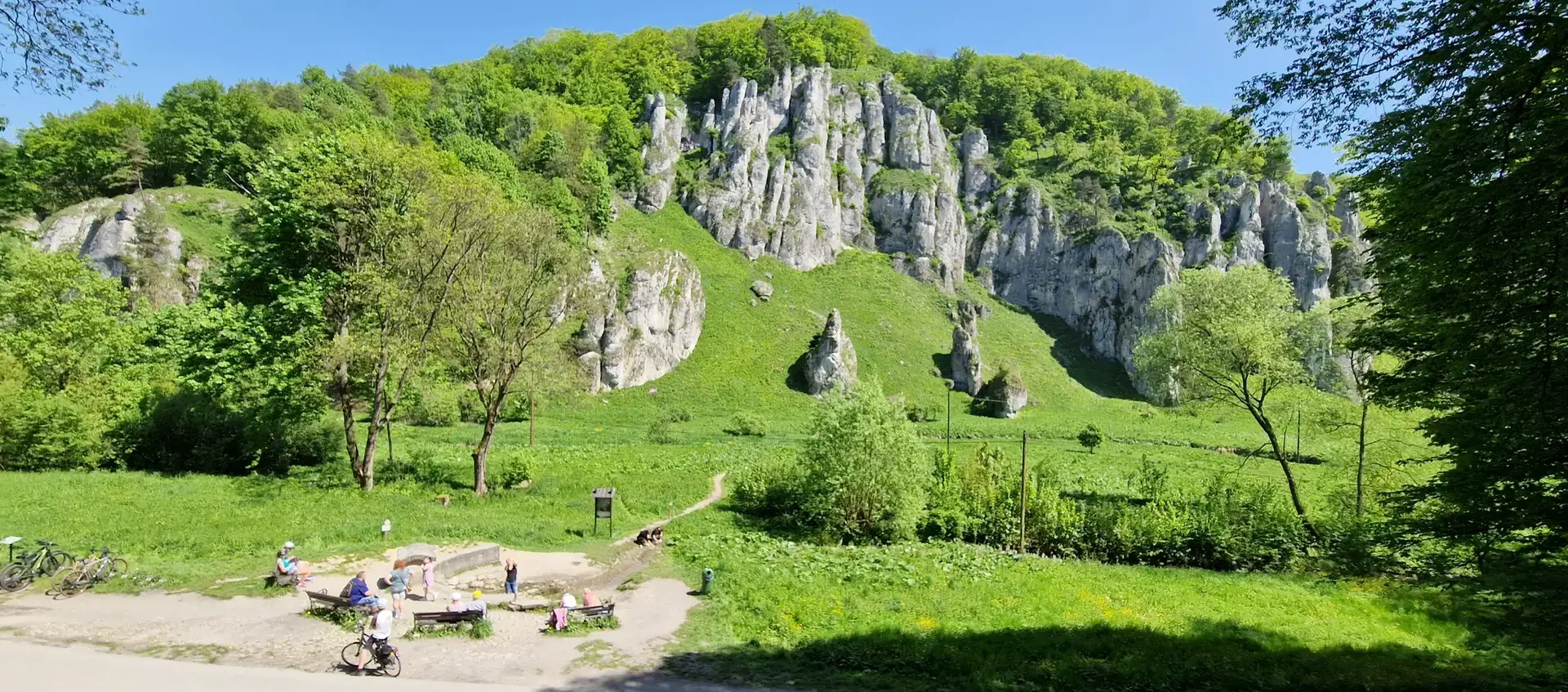
Bike Pilgrimage on the Royal Route – St. James' Way via Regia
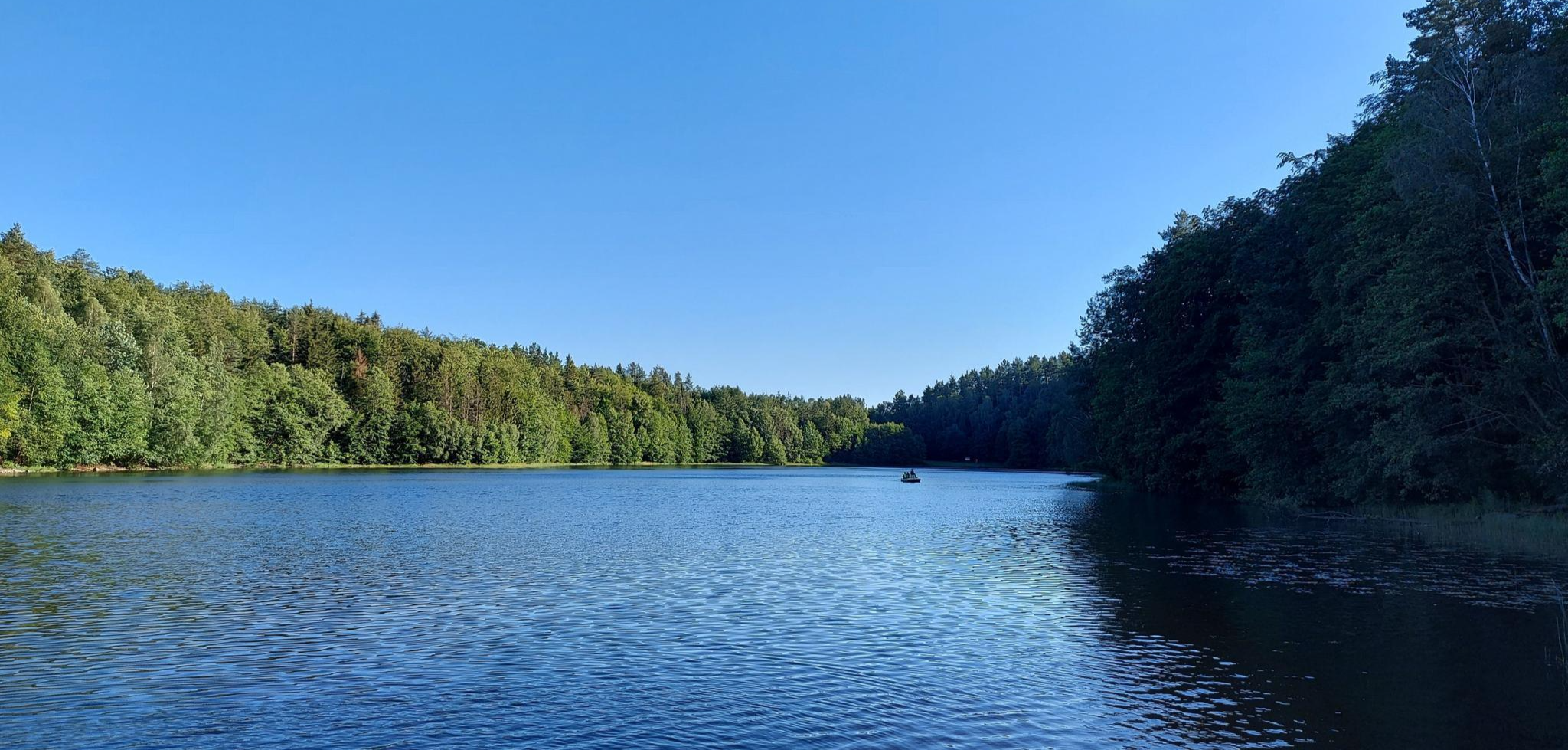
Kashubian Trail - captivating landscapes and beautiful lakes
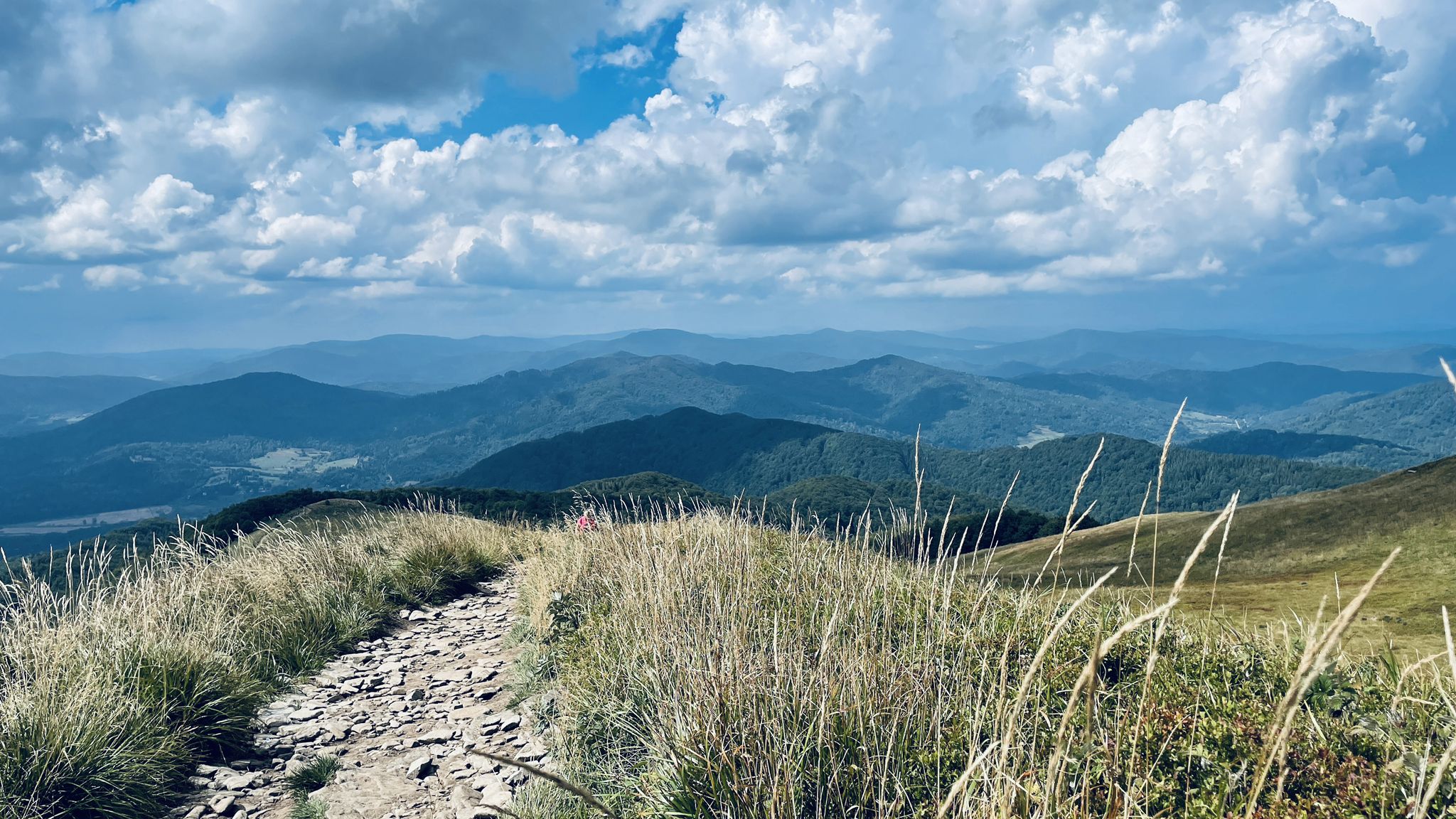
Main Beskids Trail — the longest Polish Mountain Trail
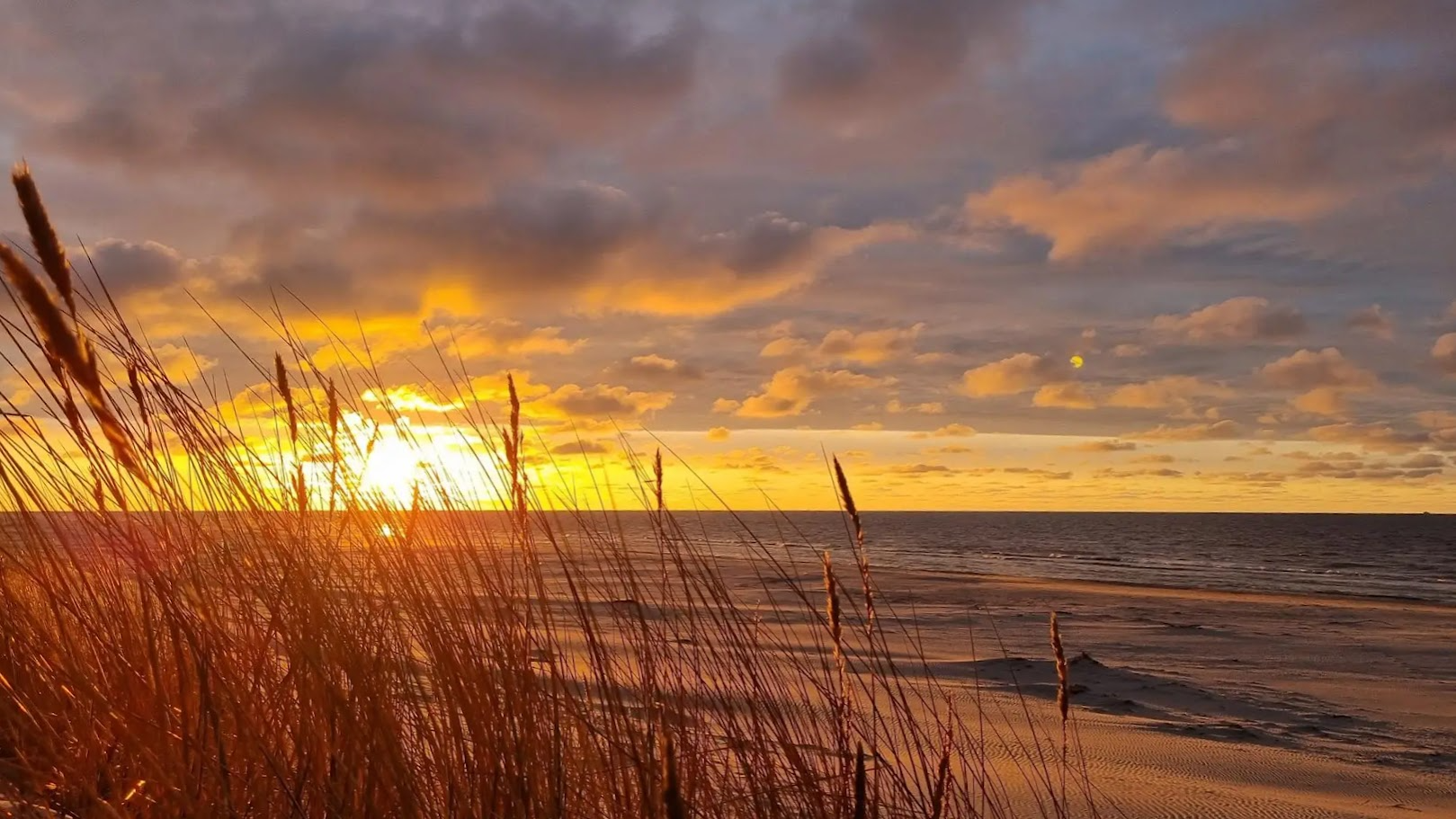
Seaside Trail – the beauty and majesty of the Baltic beaches
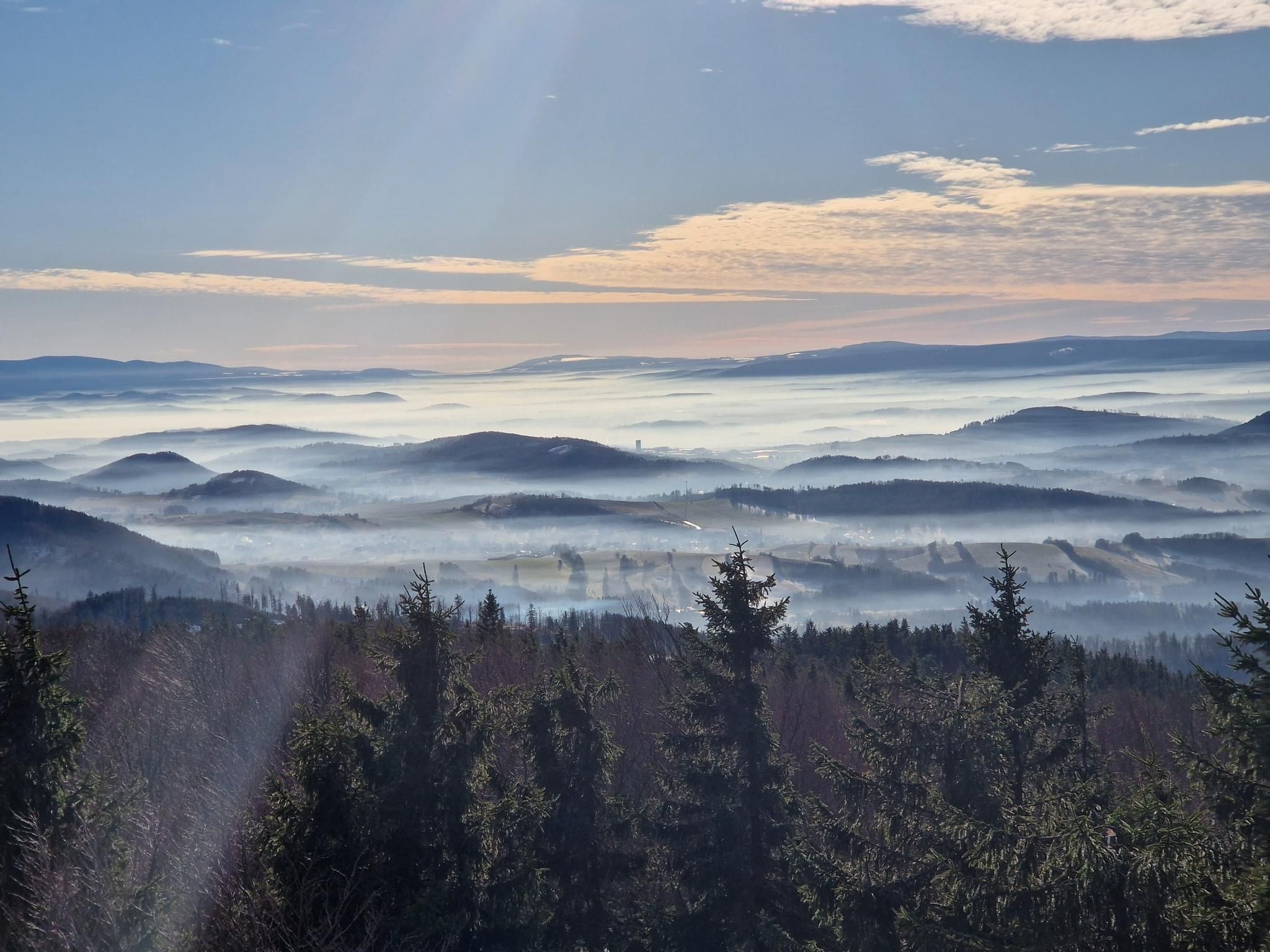
The Main Sudeten Route – a great Polish mountain adventure
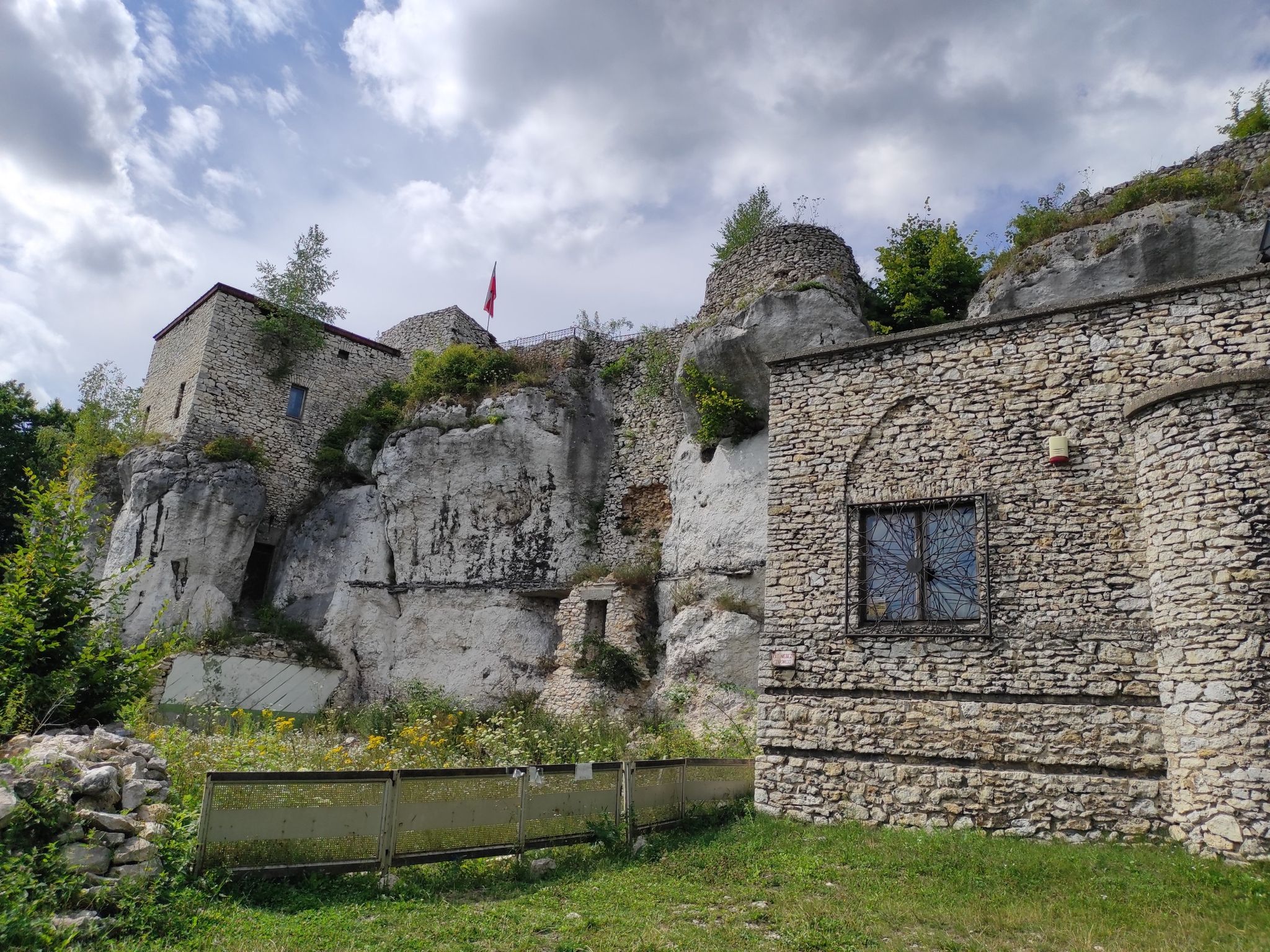
Trail of the Eagle's Nests — Magnificent Castles of Kazimierz Wielki and beautiful Grottos and Rocks
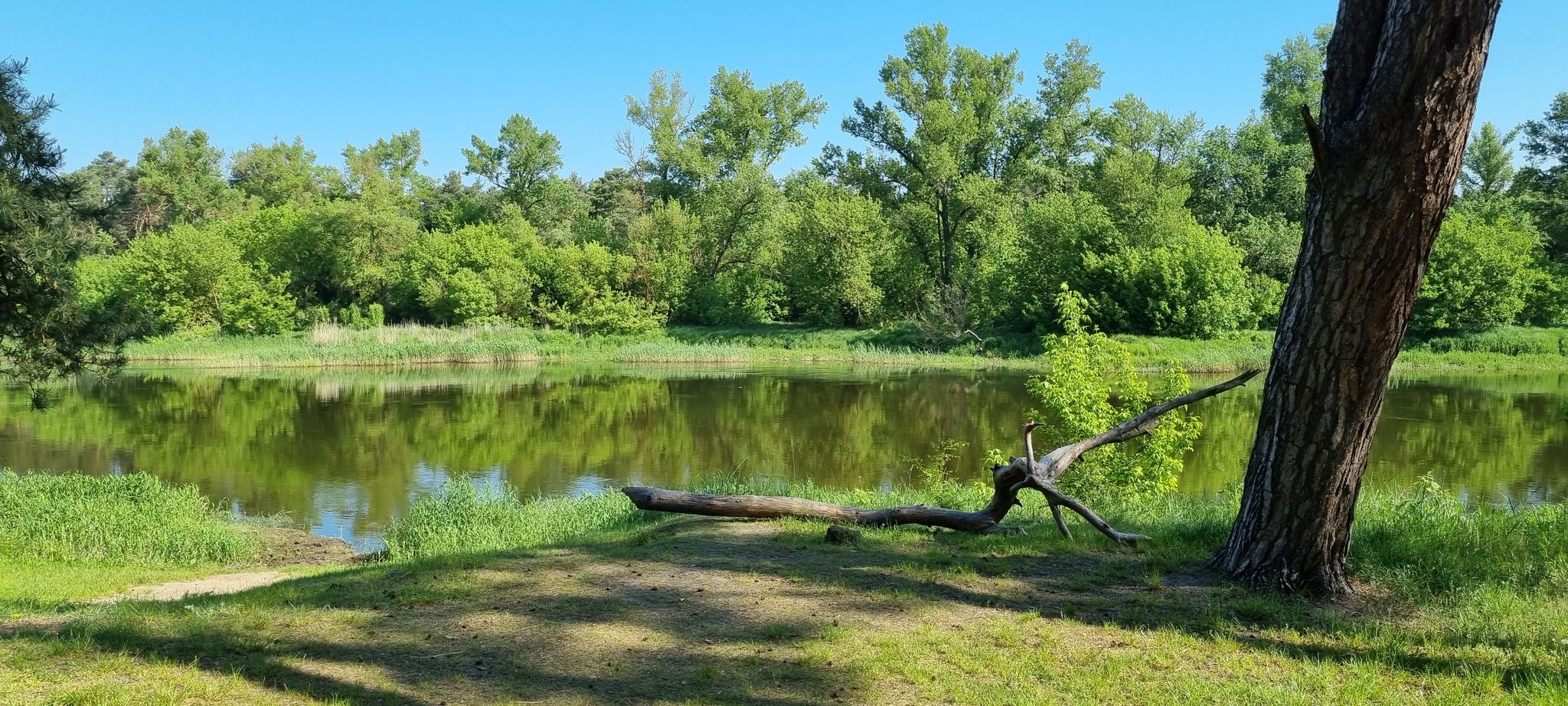
Warta River Cycle Route – Through the Green Heart of Greater Poland
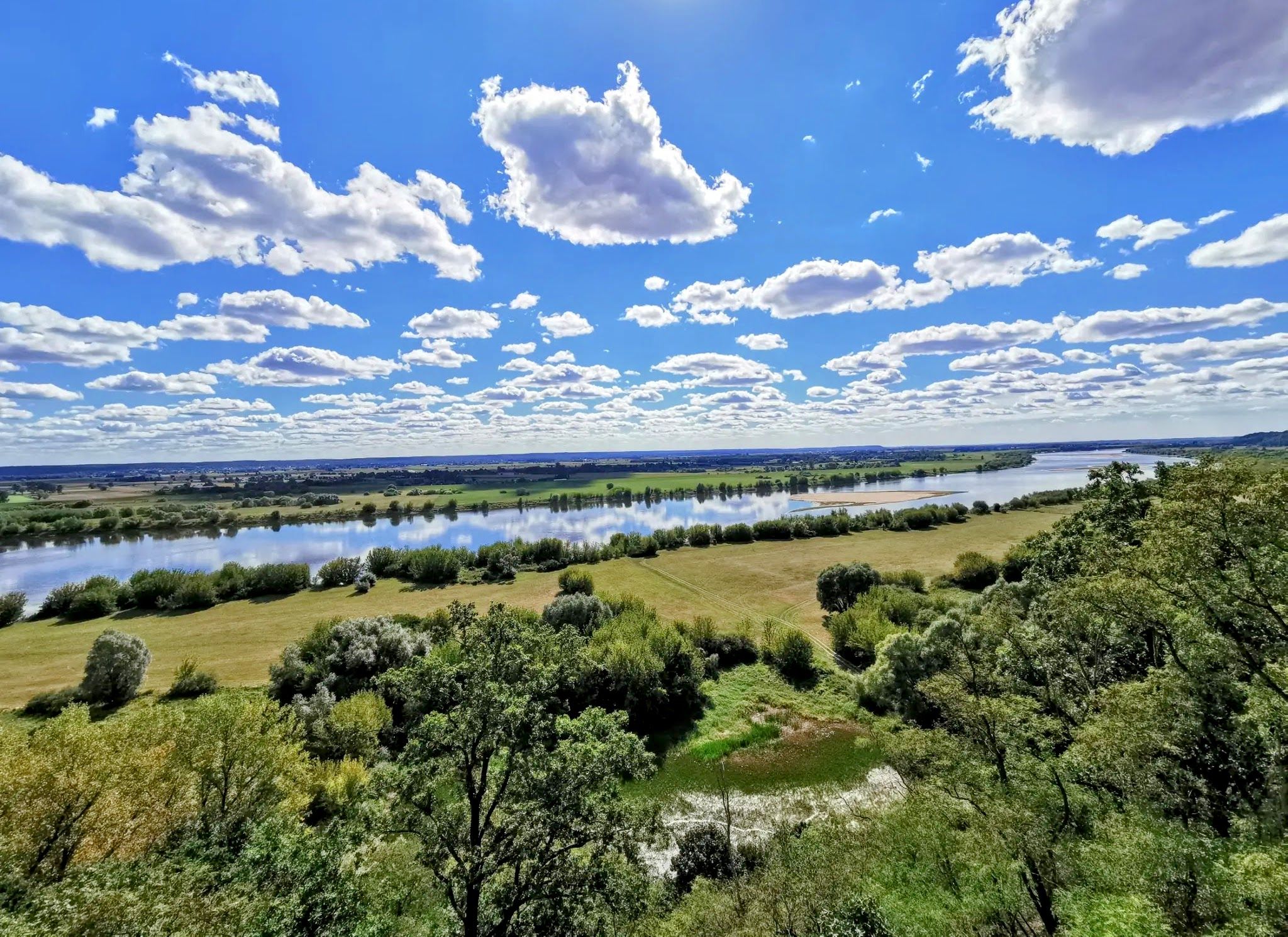
Vistula Cycle Route – The Queen of Polish Rivers in the Spotlight
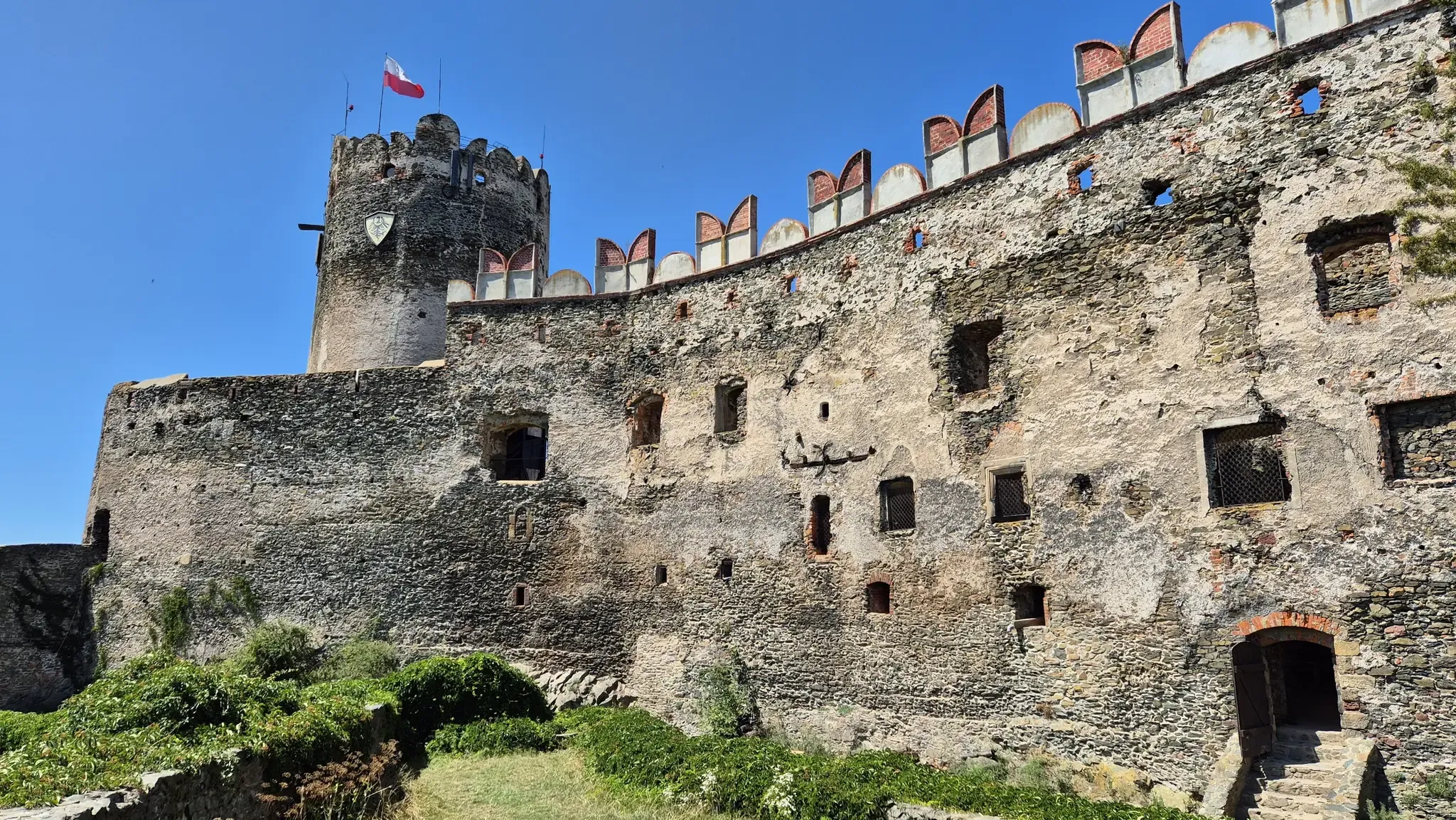
Piast Castles Trail – Great strongholds of Sudety
Other adventures in Poland


Tips from the Community

More information and photos: https://pl.wikipedia.org/wiki/Pieni%C5%84ski_Prze%C5%82om_Dunajca https://gorskim-szlakiem.pl/splyw-dunajcem-w-pieninach/ https://plusa.net.pl/splyw-przelomem-dunajca/ https://visitmalopolska.pl/obiekt/-/poi/szlak-pieszy-przelomem-dunajca-na-piechote https://visitmalopolska.pl/obiekt/-/poi/przelom-dunajca-pieniny- https://mojepieniny.pl/przelom-dunajca-najwieksza-atrakcja-pienin/ https://flisacy.pl/ https://ototatry.pl/splyw-dunajcem
2
0

Valley opens itself from the top of Rakoń mountain, it looks much more spectacular from there then you could imagine below!) First 3.5 km of asphalt road ideally skip with wagon going around from 8 am till 5 pm in a season. Or you could take your bikes (or rent it there) and go directly to the Schronisko by mostly flat and comfort road, keeping your strength to the climbing upper ;)
0
0

Great views of the surrounding landscape
0
0

The Wilczki Waterfall was formerly called Wodogrzmoty Żeromskiego (The Żeromski Waterfall). Years ago, the waterfall reached a height of approximately 27 meters, but after the great flood of 1997, the water eroded the artificially created 5-meter threshold, and now the water falls from a height of approximately 22 meters. Admission to the waterfall is free. However, the Wilczki Waterfall is not accessible to people with strollers or wheelchairs due to the numerous steps. Around the Wilczki Waterfall, there are viewing platforms from which you can admire the waterfall and its surroundings, as well as benches for walkers where you can sit, immersing yourself in the atmosphere of this extraordinary place and listening to the sound of the falling water. Above the waterfall itself, an iron bridge provides a beautiful view of the falling water.
1
1

The highest waterfall in the Śnieżnik massif (22 meters tumbling into a cauldron) is a sight to behold (and listen to). Good trails offer numerous viewing points. There's also a restaurant right next door, so once you've admired and admired it, you can relax comfortably.
1
0

A great walking section. Picnic benches are often available. You can walk to the shelter with your dog (on a leash).
0
0

Szczeliniec Wielki is the highest peak in the central Sudeten Mountains and a very popular tourist destination. It has an elevation of approximately 919 meters and is known for its impressive rock formations created by erosion. The mountain is part of the Table Mountains National Park (Park Narodowy Gór Stołowych) and offers numerous hiking trails and breathtaking views. The so-called "Rock City" is particularly well-known, with its unique sculptures and narrow gorges. It is a great place for nature lovers and hiking enthusiasts!
2
0

Beautiful route, amazing views.
3
0
Frequently Asked Questions
What are some of the most unique geological features found in Poland's canyons?
Poland's canyons, often referred to as gorges or ravines, showcase a variety of geological wonders. The Dunajec River Gorge is famous for its winding path through impressive limestone cliffs. In the Tatra Mountains, valleys like Kościeliska and Chochołowska feature side gorges and extensive cave systems. Near Kraków, Prądnik Valley boasts marvelous Jurassic rock formations. The loess gorges near Sandomierz and Kazimierz Dolny, like the Roots Gorge, are unique for their deep channels carved by rainwater, with fascinating exposed tree roots. Additionally, the Stołowe Mountains are home to massive sandstone rock complexes such as Erroneous Rocks and Szczeliniec Wielki, which form natural labyrinths and sculptures created by millions of years of erosion.
Are there family-friendly canyons to explore in Poland?
Yes, several canyons and valleys in Poland are well-suited for families. The Chochołowska Valley in the Tatra Mountains offers a comfortable, wide road suitable for walking, cycling, or even tourist trains, leading to a mountain shelter. The Olczyska Valley is another family-friendly option. The area around Wilczka waterfall also provides an accessible and enjoyable experience for all ages. Many of these locations offer gentle trails and scenic views without extreme difficulty.
What kind of outdoor activities can I do near Poland's canyons?
The areas around Poland's canyons offer a wide range of outdoor activities. Hiking is very popular, with trails ranging from easy walks in valleys like Chochołowska to more challenging routes in the Tatra Mountains. For example, you can find difficult waterfall hikes in Poland, such as the Trail to Morskie Oko or the Valley of Five Polish Lakes and Morskie Oko Trail. Cycling is also a great option, especially along the Dunajec River Gorge, which features a gravel cycle path connecting Slovakia to Poland. You can explore various gravel biking routes or road cycling routes throughout Poland, many of which pass through scenic gorge areas.
What is the best time of year to visit the canyons in Poland?
The best time to visit Poland's canyons largely depends on the experience you seek. Spring (April-May) is ideal for witnessing the blooming crocuses in valleys like Chochołowska. Summer (June-August) offers warm weather perfect for hiking, rafting, and exploring, though popular spots can be crowded. Autumn (September-October) is particularly stunning in the Dunajec River Gorge, where the deciduous forests display vibrant colors. Winter (November-March) can offer a unique, serene experience for those prepared for colder conditions and snow, especially in mountainous regions like the Tatras, though some trails may be challenging or closed.
Are there any historical or cultural sites near Poland's canyons?
Yes, many of Poland's canyons are located near areas rich in history and culture. The Prądnik Valley is situated within Ojcowski National Park, which is home to historical castles and unique rock formations. The loess gorges are found near the historic towns of Sandomierz and Kazimierz Dolny, both renowned for their medieval architecture and cultural heritage. Additionally, the area around Książ Castle offers a blend of natural beauty and historical significance, with viewpoints overlooking the impressive castle.
What do visitors enjoy most about exploring Poland's canyons?
Visitors frequently praise the breathtaking views and unique natural formations. For instance, the Snowy Cauldrons are noted for their rugged abysses and expansive vistas, with some describing the experience as having a 'little Tibetan feeling.' The Dunajec River Gorge is beloved for its amazing views around every corner, especially during rafting or cycling. The natural labyrinth of Erroneous Rocks offers a distinctive exploration experience with its narrow crevices and uniquely shaped rocks. Overall, the diversity of landscapes, from water-carved paths to eroded sandstone complexes, is a major draw.
Are there any significant cave systems near Poland's gorges?
Yes, the Tatra Mountains, where valleys like Kościeliska and Chochołowska are located, are home to Poland's longest, largest, and deepest cave system, Jaskinia Wielka Śnieżna. While not directly within the gorges themselves, these cave systems are often accessible from the same regions and offer another fascinating underground natural wonder to explore. For more information on caves in Poland, you can refer to Wikipedia's list of caves.
How difficult are the trails in Poland's canyons?
The difficulty of trails in Poland's canyons varies significantly. Many valleys, such as Chochołowska Valley, offer wide, comfortable paths suitable for easy walks. However, more challenging routes exist, particularly in mountainous regions. For example, hiking to the top of Szczeliniec Wielki involves climbing 680 stone steps, and navigating the narrow crevices of Erroneous Rocks can be an intermediate experience. Always check the specific trail ratings and conditions before you go, especially for routes like those in the Snowy Cauldrons area, which can be rugged.
Can I access Poland's canyons using public transport?
Access to many of Poland's popular canyon areas is possible via public transport, though it often requires a combination of trains and local buses. Major towns near national parks or popular tourist destinations usually have bus connections to trailheads or visitor centers. For example, the Tatra Mountains valleys are often accessible from Zakopane. However, for more remote gorges, personal vehicles or organized tours might be more convenient. It's always advisable to check local transport schedules in advance.
Are there any lesser-known or 'hidden' gorges worth visiting in Poland?
While many gorges are popular, some offer a more secluded experience. The Homole Gorge in the Pieniny Mountains, carved by the Kamionka stream, is a significant example of water erosion and serves as a starting point for trails to Wysoka, offering panoramic views away from the main tourist crowds. The loess gorges near Sandomierz and Kazimierz Dolny, while popular with visitors to those towns, can still offer quiet paths, especially outside peak season. Exploring areas like Rokita Nature Reserve might also lead to less frequented, yet equally beautiful, natural settings.
What is the Dunajec River Gorge known for?
The Dunajec River Gorge, located in the Pieniny Mountains, is renowned for its dramatic winding path through impressive limestone cliffs. It's a hugely popular tourist attraction, primarily known for traditional rafting cruises that offer unparalleled views of the towering cliffs and surrounding nature. It also features a picturesque gravel cycle path along the river, connecting Slovakia to Poland, providing amazing views around every corner, especially vibrant with deciduous forests in autumn.
Most popular routes in Poland
Most popular attractions in Poland

Get inspired with the komoot mobile app


Didn’t find what you were looking for?
Want to see even more gorges? See the best ones in Poland region by region:
Explore more
Already discovered everything in this region? See additional gorges in Poland for your next adventure:
