Attractions and Places To See in Iceland - Top 20
Best attractions and places to see in Iceland include a diverse range of natural wonders and historical sites. The landscape is characterized by volcanic activity, glaciers, and geothermal areas, creating unique geological formations. Iceland also holds significant cultural importance, with sites reflecting its Viking heritage and early parliamentary history. The country offers numerous opportunities to explore its distinct environment.
Best attractions and places to see in Iceland
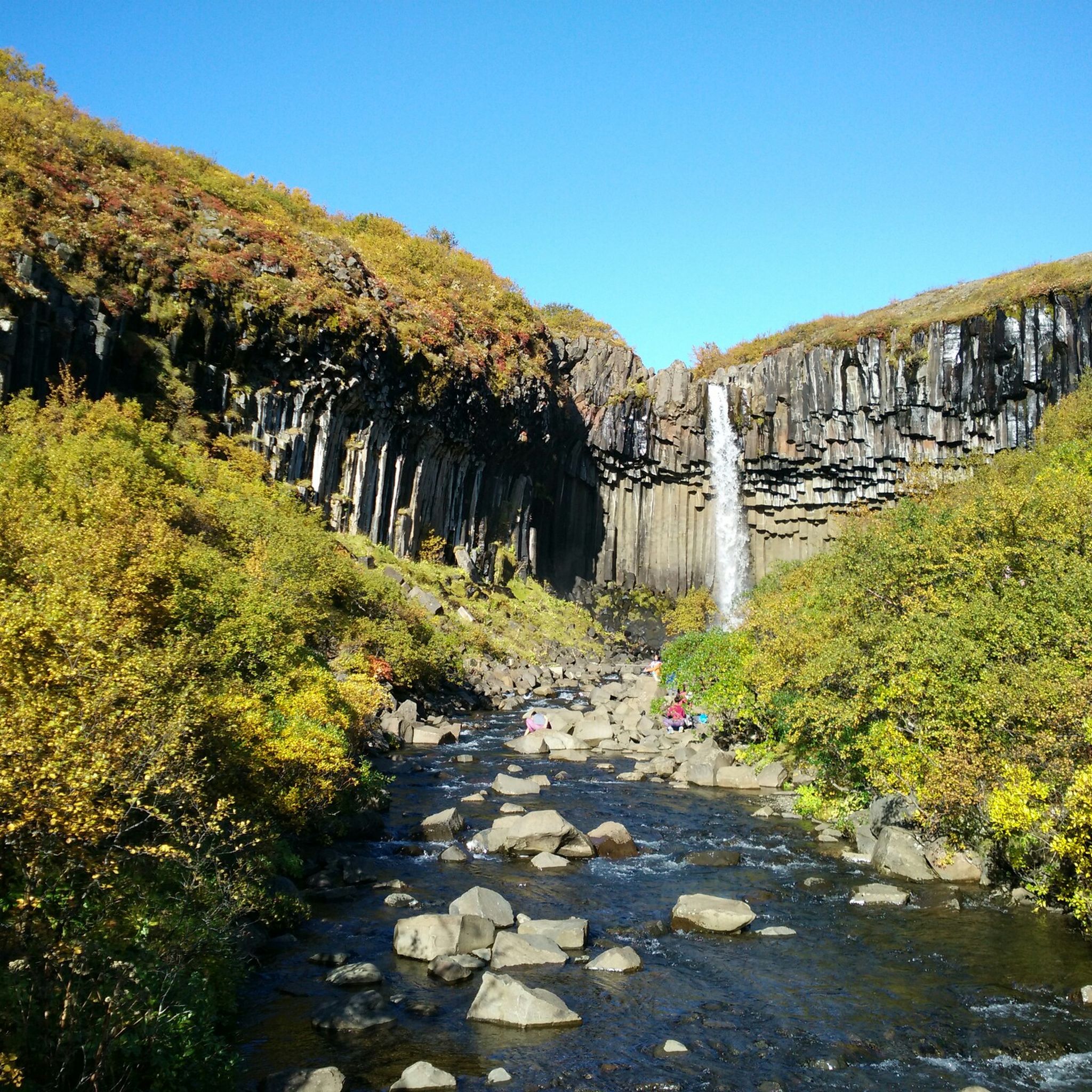
- The most popular attractions is Svartifoss, a waterfall that flows over an edge formed by uniform basalt columns. This 20-meter high waterfall is known for its mystical appearance due to the basalt formations.
- Another must-see spot is Seljalandsfoss Waterfall, a waterfall where visitors can walk behind the cascade. It is a picturesque waterfall located near the ring road.
- Visitors also love Skógafoss, a powerful and picturesque waterfall. It is a prominent natural monument with facilities and parking available.
- Iceland is known for its waterfalls, geothermal areas, and national parks. The country offers a variety of attractions, from geological formations to historical sites and black sand beaches.
- The attractions in Iceland are appreciated by the komoot community, with over 800 upvotes and more than 400 photos shared.
Last updated: October 9, 2026
Svartifoss
Highlight • Waterfall
Translated by Google •
Tip by

Brúar Falls (Brúarfoss)
Highlight • Waterfall
Translated by Google •
Tip by

Sign up now to discover places like this
Get recommendations on the best single tracks, peaks, & plenty of other exciting outdoor places.
Dettifoss
Highlight • Waterfall
Translated by Google •
Tip by

Öxarárfoss
Highlight • Waterfall
Translated by Google •
Tip by

Seljalandsfoss Waterfall
Highlight • Waterfall
Translated by Google •
Tip by
Thingvellir National Park
Highlight • Natural Monument
Translated by Google •
Tip by

Reykjadalur - The "Steam" Valley
Highlight (Segment) • Natural Monument
Translated by Google •
Tip by
Flosagjá Fissure
Highlight • Gorge
Translated by Google •
Tip by
Skógafoss
Highlight • Waterfall
Translated by Google •
Tip by
Almannagjá Rift
Highlight (Segment) • Gorge
You will also find on the sign that cars drove through the Almannagjá until November 1, 1967. Only then was the ravine closed to wagons. Previously, the road was one of the main public roads through Þingvellir Park.
Translated by Google •
Tip by
Sign up for free to discover even more attractions in Iceland.
Already have an account?
Start today with a free account
Your next adventure awaits.
Popular around Iceland
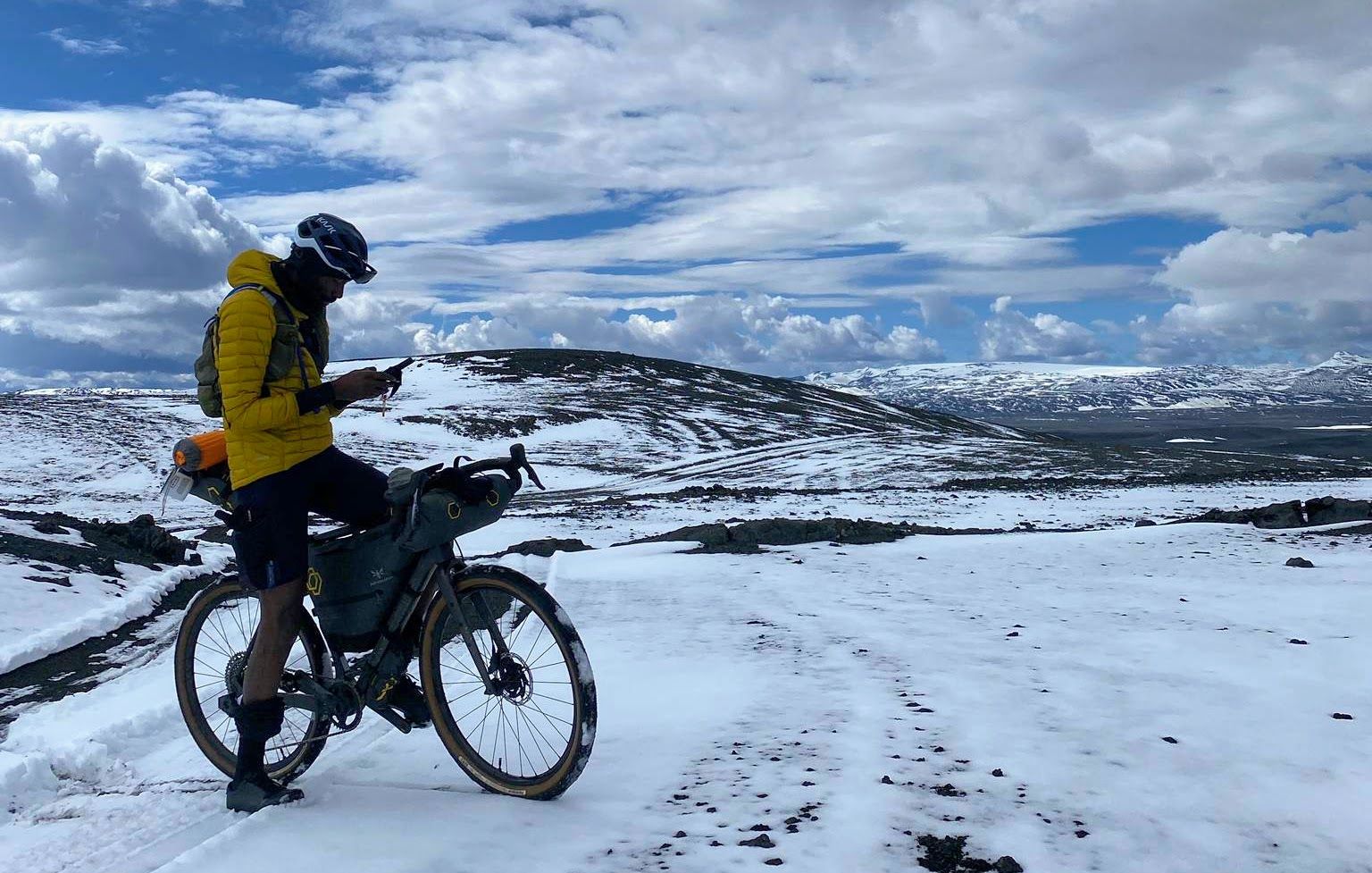
Iceland Divide – Lava fields, icy glaciers and river crossings
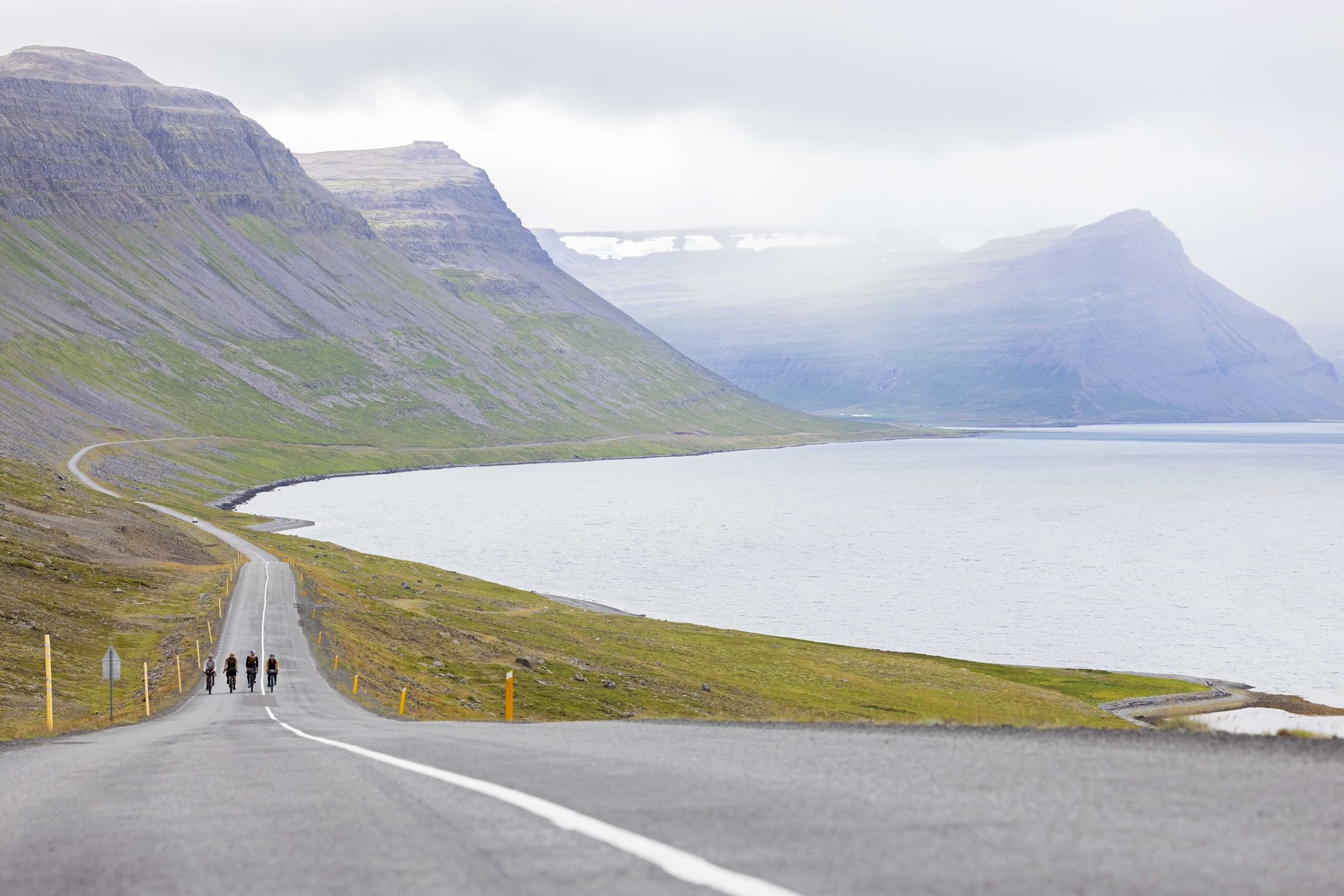
The Westfjords Way — Bikepacking Iceland's most remote coastline
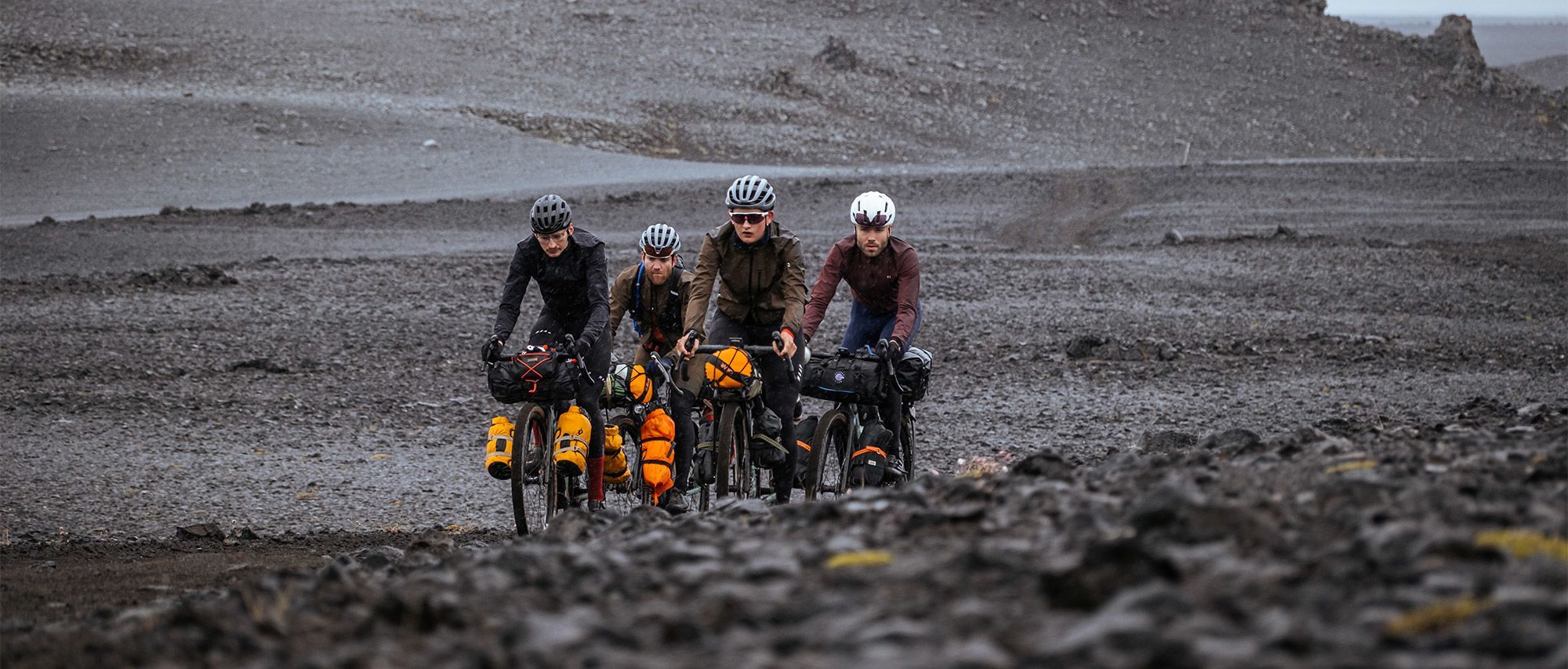
Iceland Divide — Ride Beyond Crew: between fire and ice
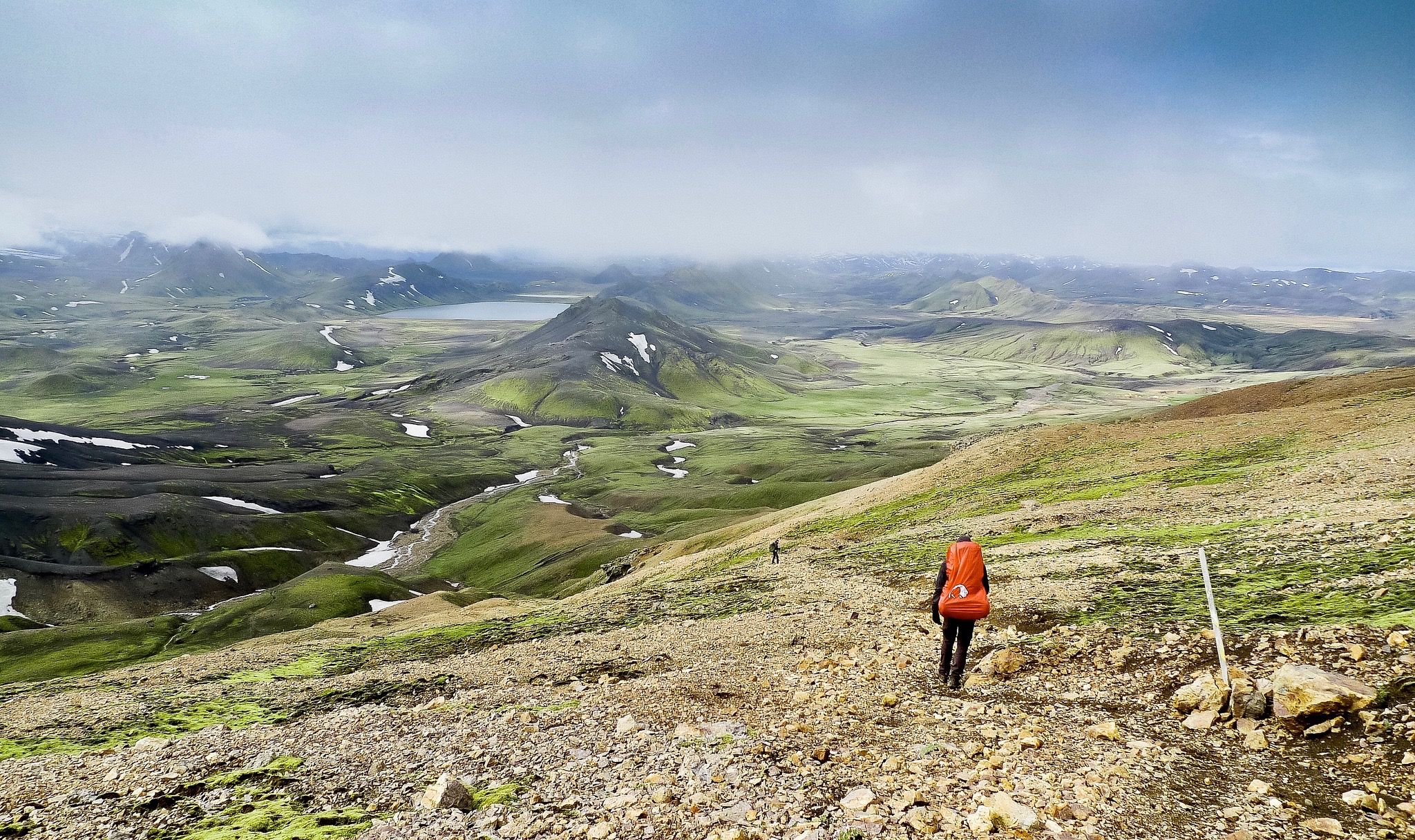
Laugavegur — 6 days trekking through Iceland
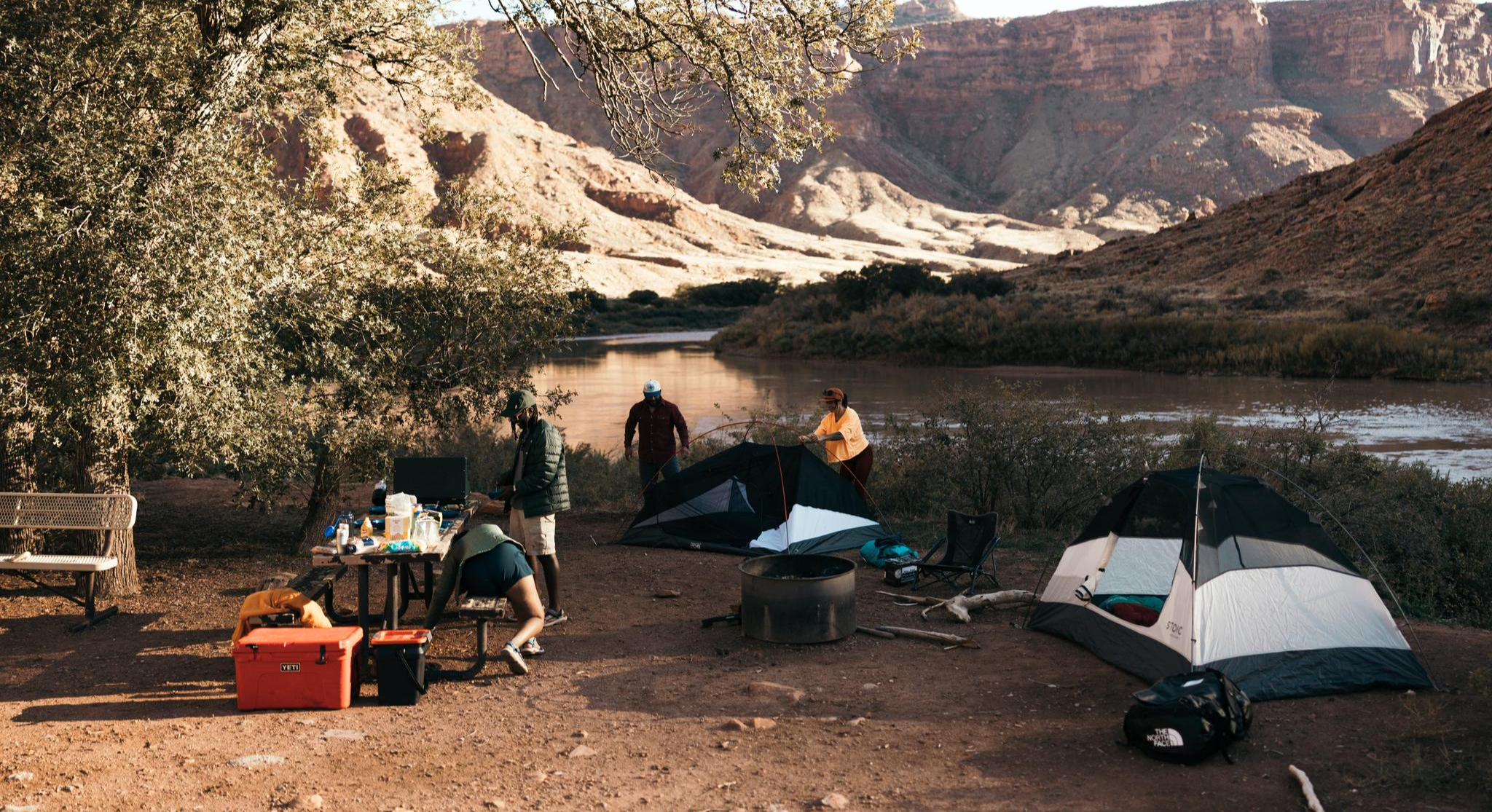
Glamping Adventures on Foot
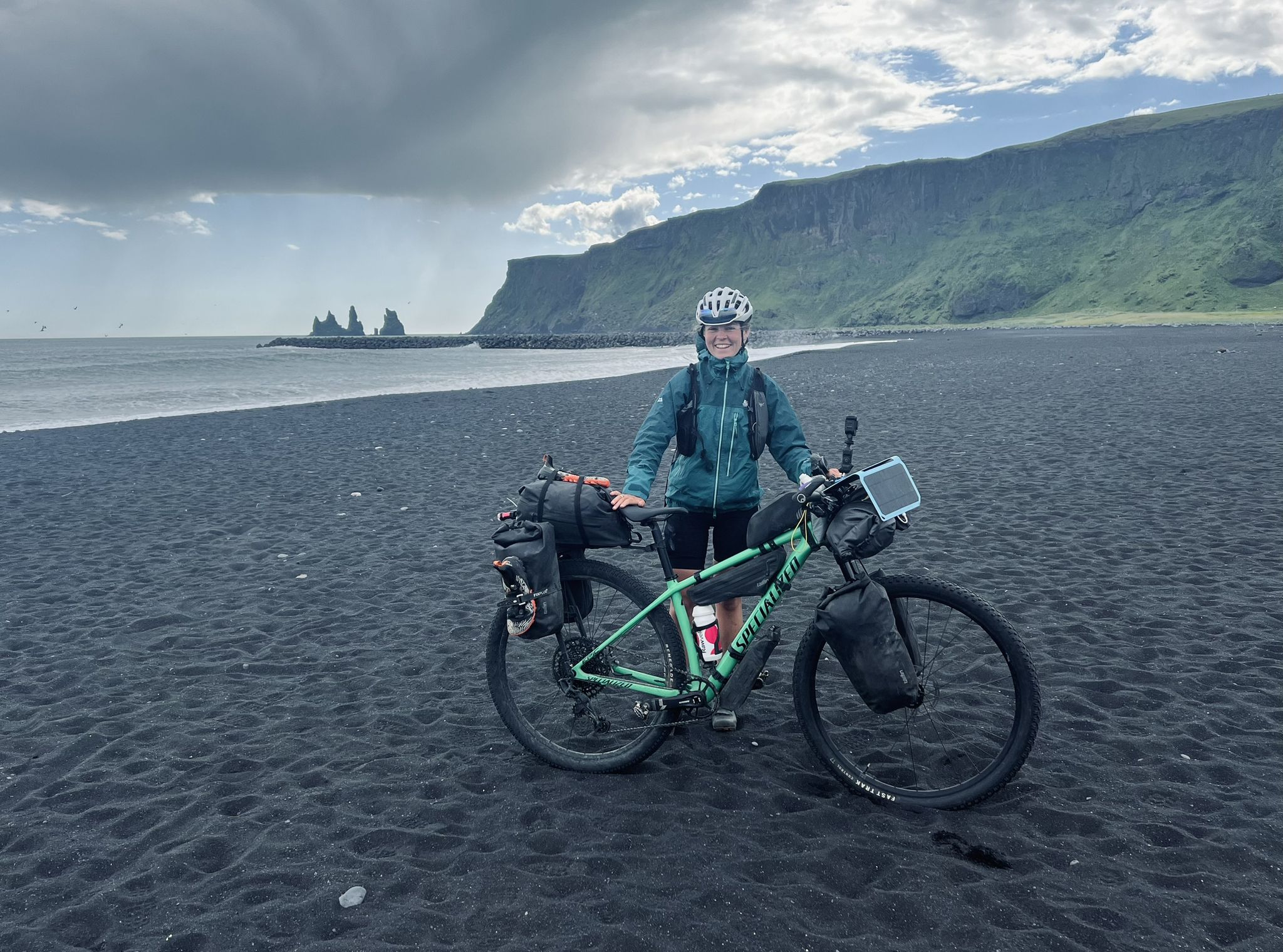
Solitude in the saddle – Iceland Divide
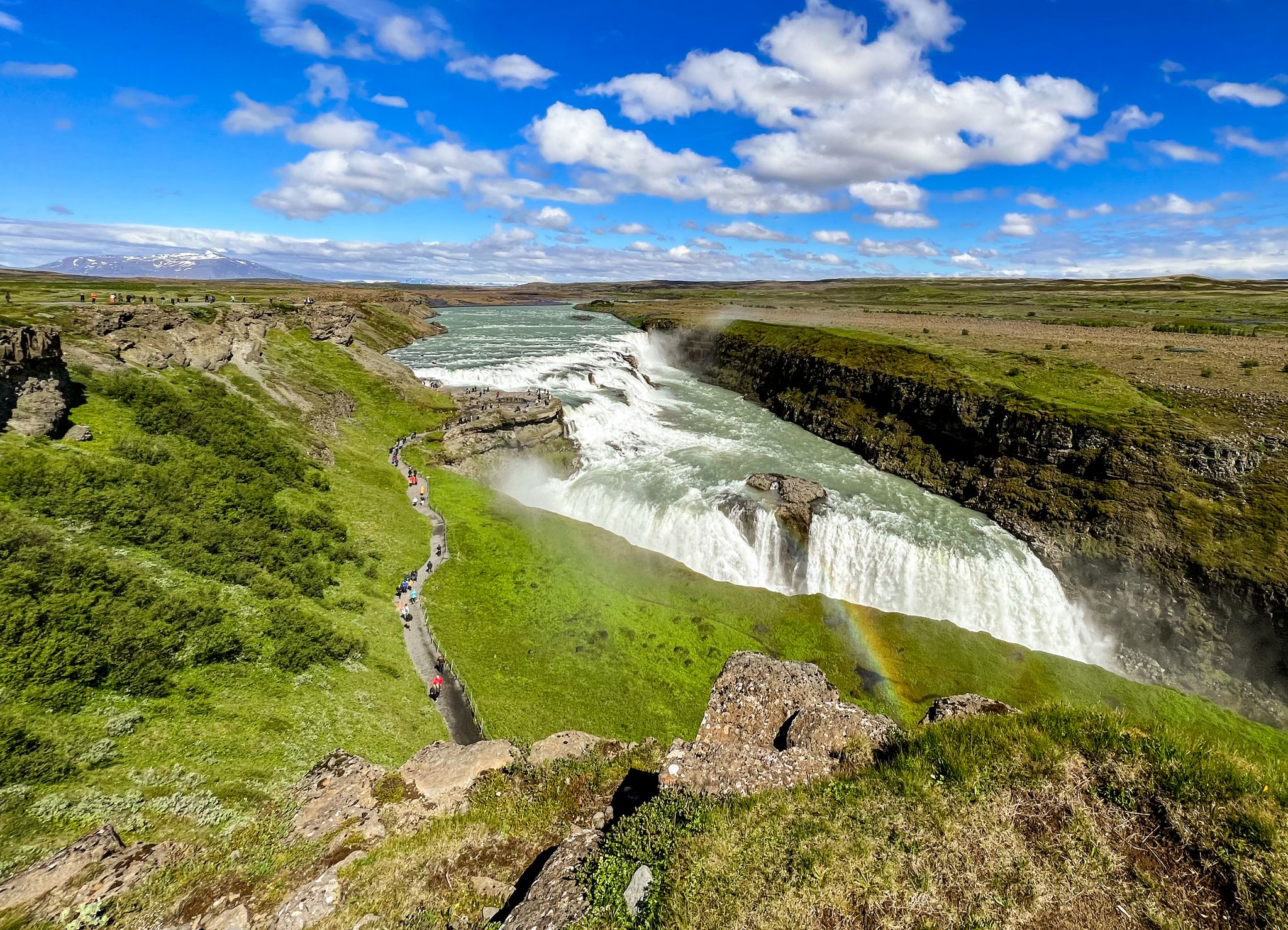
Icelandic Highlands – Kjölur and the northwest fjords
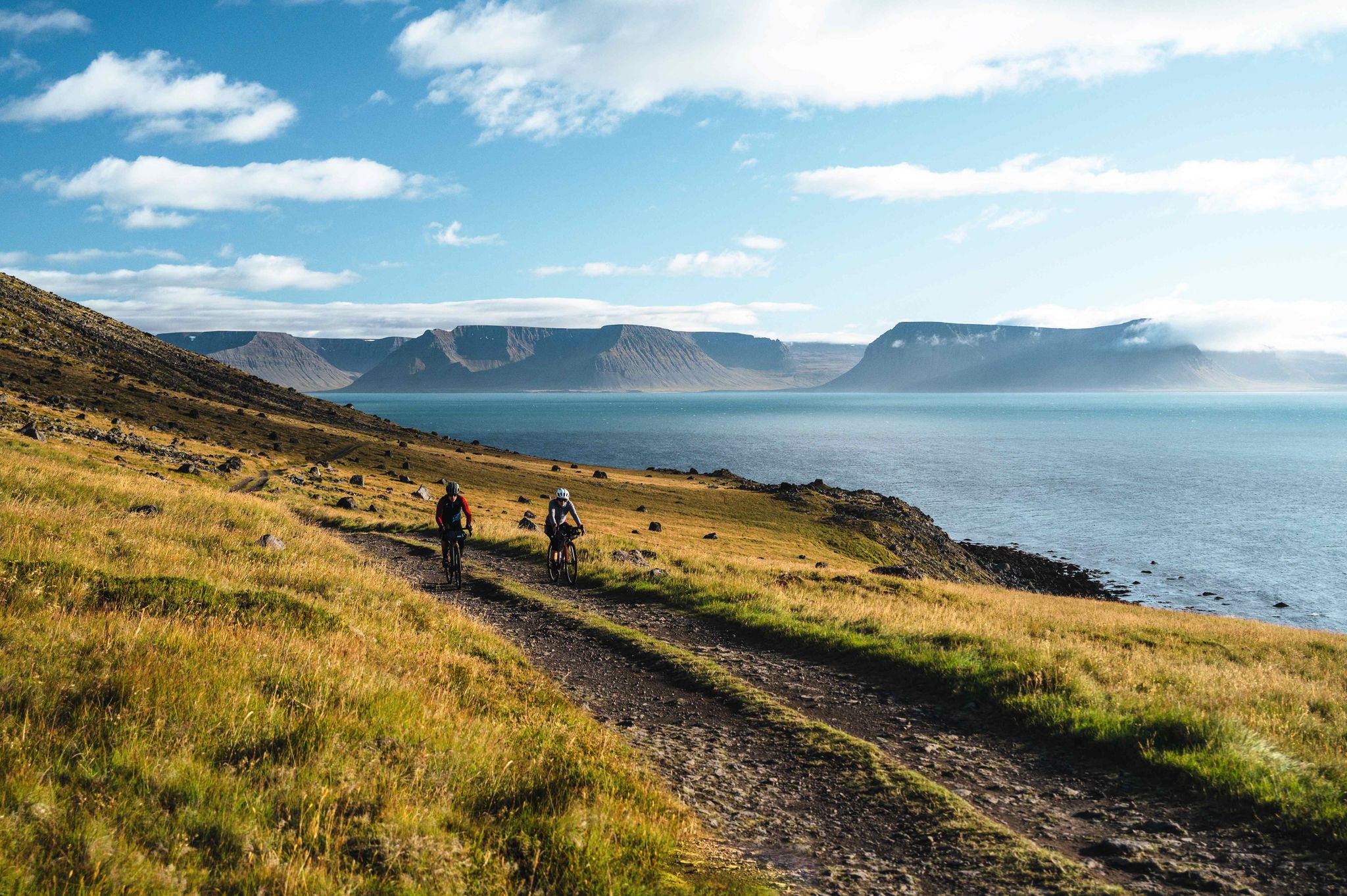
Gravel: Islands Westfjorde
Holy mountains and their stories
Hiking in Iceland
Other adventures in Iceland


Tips from the Community

A very nice hike in itself, BUT: mosquitoes are everywhere. It's best to wear a net over your head and face.
0
0

As of July 2024, there is a road leading directly to the waterfall. Parking costs 750 ISK for small cars, while VW buses and the like cost 2000 ISK for a maximum of 4 hours. Each additional hour costs an additional 2000 ISK, regardless of the vehicle type.
2
0

Þingvellir (or Thingvellir) National Park in Iceland is a unique geological location. It is the place where the North American and Eurasian tectonic plates move apart. This separation is very clearly visible in the park, making it one of the few places in the world where you can see this phenomenon so clearly. The park is located on the Mid-Atlantic Ridge and the plates here are drifting apart at a rate of about 2 to 2.5 centimeters per year. This results in spectacular geological features such as deep gorges filled with very cold and clear water, fissures, cracks, waterfalls, subsidence and fault surfaces.
14
1

Very nice place with lots of parking spaces and entrances. The P2 parking lot is generally very full, as most people intuitively use it due to its proximity to the waterfall. All the places you can visit there are therefore very well distributed. There are also good quality toilets there. Many tour operators offer day trips in small group buses.
5
0

It is unimaginable what forces must have been at work here when these continental plates formed. Why do people always think they are above everything? When nature uses its powers, people are insignificant 😉. I was very impressed by this short hike between the continental plates.
6
0
Snorrabud is an important historical site, located in Þingvellir National Park. It is the founding location of Iceland as it was the site of the country's first parliament. The views from here are absolutely stunning. You can even go diving here if you're brave enough to brave the icy waters, where you can see the tectonic plates from a completely different perspective.
9
0
Located in the Þingvellir National Park, Flosagjá is an impressive gorge that is part of the Mid-Atlantic Ridge. This gorge, which contains crystal clear water that maintains a constant temperature of 3-4°C all year round, is a remarkable natural wonder. Flosagjá is about 730 meters long and reaches a depth of about 25 meters. It is named after Flosi Þórðarson, an important character in the Brennu-Njáls saga, who is said to have jumped the gorge to escape his enemies.
10
0
'Peningagjá' is a term from Icelandic and can be split into two parts: 'peninga' and 'gjá'. 'Peninga' means 'coin' and 'gjá' means 'crack' or 'gorge'. So, 'Peningagjá' can be translated as 'Cracked Coin'. This name comes from the tradition where visitors throw coins into the clear waters of the crevice in the hope of luck and fortune. It is important to note that authorities have now decided to stop this practice to preserve nature.
8
0
Frequently Asked Questions
What unique geological attractions can I explore in Iceland?
Iceland, a land shaped by fire and ice, offers numerous unique geological formations. You can witness the dramatic basalt columns at Svartifoss waterfall, or explore the Mid-Atlantic Ridge where tectonic plates meet at Thingvellir National Park, which includes the Flosagjá Fissure. The Geysir Geothermal Area features the erupting Strokkur geyser, and the Reykjanes Peninsula is a geothermal wonderland with lava fields and mud pools. Don't miss the striking basalt column formations of Stuðlagil Canyon.
Are there family-friendly attractions in Iceland?
Yes, Iceland has many attractions suitable for families. Seljalandsfoss Waterfall allows visitors to walk behind the cascade, offering a unique experience. Skógafoss is another powerful and picturesque waterfall with facilities. Thingvellir National Park and the Almannagjá Rift are also considered family-friendly, offering historical and geological insights. The Blue Lagoon and Mývatn Nature Baths provide relaxing geothermal experiences for all ages.
What historical and cultural sites should I visit in Iceland?
For history and culture, Thingvellir National Park is a UNESCO World Heritage site where Iceland's first parliament was established. In Reykjavík, you can visit the iconic Hallgrímskirkja Church and the Harpa Concert Hall. The Glaumbær Turf Farm offers a glimpse into traditional rural Icelandic life, and Skálholt Cathedral provides insights into early Christianity. The Saga Museum in Reykjavík delves deeper into Iceland's Viking heritage.
What are some of the most impressive waterfalls in Iceland?
Iceland is renowned for its spectacular waterfalls. Besides Svartifoss with its basalt columns, Seljalandsfoss Waterfall (where you can walk behind it), and Skógafoss, other notable waterfalls include Gullfoss, a powerful two-tiered cascade, and Dettifoss, one of Europe's most powerful. You can also find the picturesque Brúar Falls (Brúarfoss) and the small but beautiful Öxarárfoss within the continental fissure.
What outdoor activities can I do near Iceland's attractions?
Many attractions are surrounded by opportunities for outdoor activities. Near the Reykjadalur area, you can enjoy hiking to the Reykjadalur - The "Steam" Valley and bathing in the Reykjadalur Hot Spring River. Thingvellir National Park offers hiking trails and unique snorkeling/diving in the Silfra fissure. For more hiking options, explore routes like the easy 'Öxarárfoss – Flosagjá Fissure loop' or the 'Svartifoss – View of Svartifoss from above loop'. You can find more details on various routes in the Hiking in Iceland guide and the Waterfall hikes in Iceland guide.
What is the best time to visit Iceland's attractions?
The best time to visit Iceland depends on your interests. Summer (June-August) offers milder weather, longer daylight hours, and access to most hiking trails and the Highlands. This is ideal for exploring natural wonders like Jökulsárlón Glacier Lagoon and Landmannalaugar. Winter (October-March) provides opportunities to see the Northern Lights, visit ice caves, and experience a snow-covered landscape, though some roads and attractions may be less accessible. Waterfalls like Svartifoss and Öxarárfoss are particularly mystical with ice formations in winter.
Are there any less crowded or 'hidden gem' attractions in Iceland?
While many attractions are popular, you can find less crowded spots. The Hornstrandir Nature Reserve in the Westfjords is one of Europe's last true wilderness areas, offering challenging hiking and wildlife. Stuðlagil Canyon, with its striking basalt columns, is gaining popularity but can still feel less crowded than the Golden Circle. The Mývatn Nature Baths offer a quieter alternative to the Blue Lagoon. Exploring the Snæfellsnes Peninsula, often called 'Iceland in miniature,' can also lead to unique discoveries away from the main tourist routes.
What do visitors enjoy most about Iceland's attractions?
Visitors frequently express awe at Iceland's dramatic natural beauty. Many are captivated by the unique experience of walking behind Seljalandsfoss Waterfall or witnessing the powerful flow of Skógafoss. The mystical appearance of Svartifoss due to its basalt formations is also a highlight. The opportunity to hike to natural hot springs like those in Reykjadalur - The "Steam" Valley and bathe in the warm river is also highly praised. The sheer diversity of landscapes, from glaciers to black sand beaches, leaves a lasting impression.
What are the options for scenic drives in Iceland?
Iceland offers several breathtaking scenic drives. The most famous is the Golden Circle, which includes Thingvellir National Park, the Geysir Geothermal Area, and Gullfoss Waterfall. The Ring Road (Route 1) encircles the entire island, providing access to a vast array of natural wonders. The Snæfellsnes Peninsula is another popular route, often called 'Iceland in miniature' due to its diverse landscapes. The Diamond Circle in North Iceland offers a route through attractions like Lake Mývatn and Dettifoss.
Are there any attractions in Iceland that are easily accessible or wheelchair-friendly?
While many natural attractions involve some walking, several sites offer good accessibility. Skógafoss has parking and facilities nearby, making it relatively easy to access. The Blue Lagoon is designed with accessibility in mind. Parts of Thingvellir National Park, particularly the main visitor areas and paths around the Almannagjá gorge, are generally accessible. Many viewpoints along the Ring Road also offer easy access to stunning scenery. It's always advisable to check specific accessibility details for each location prior to your visit.
Where can I find black sand beaches and dramatic coastal views in Iceland?
Iceland's south coast is famous for its black sand beaches and dramatic coastal features. Reynisfjara Black Sand Beach, near the town of Vik, is renowned for its unique black sands, basalt columns, and the dramatic Reynisdrangar sea stacks. The Dyrhólaey Peninsula offers iconic rock arches and panoramic views of the black sand beaches and coastline, and is also a nesting ground for puffins in the summer. Adjacent to Jökulsárlón Glacier Lagoon, you'll find Diamond Beach, where icebergs wash ashore onto the black sand, creating a stunning contrast.
What cycling routes are available near Iceland's attractions?
For cycling enthusiasts, there are various routes to explore. Near Reykjavík, you can find routes like the 'View of Grótta Lighthouse – Sun Voyager (Sólfar) Sculpture loop' or the 'View of Grótta Lighthouse – Nauthólsvík Geothermal Beach loop'. These routes offer scenic coastal views and urban exploration. For more cycling ideas across the country, consult the Cycling in Iceland guide, which provides details on routes with varying difficulty levels.
Most popular routes in Iceland
Most popular attractions in Iceland

Get inspired with the komoot mobile app


Didn’t find what you were looking for?
Are you keen on exploring more awesome places nearby? Browse our guides:
Explore more
Still not found the Highlight you’re looking for? See guides of the top attractions in other regions:
