Top 20 Castles around Wülfrath
Castles around Wülfrath offer a glimpse into the region's historical landscape, characterized by its position in North Rhine-Westphalia. While Wülfrath itself features remnants like Schloss Aprath, which is now private property, the surrounding area provides access to more traditional castle experiences. The region combines historical sites with natural settings, often situated in wooded areas or overlooking rivers. These locations serve as points of interest for those exploring the local history and natural environment.
Best castles around Wülfrath
- The most popular…
Last updated: October 9, 2026
Landsberg Castle
Highlight • Castle
Translated by Google •
Tip by

Isenburg castle ruins
Highlight • Castle
Translated by Google •
Tip by
Sign up now to discover places like this
Get recommendations on the best single tracks, peaks, & plenty of other exciting outdoor places.
Keep and castle wall of Rittergut Schöller
Highlight • Castle
The keep and part of the …
Translated by Google •
Tip by

Haus Anger and Angermühle
Highlight • Historical Site
Translated by Google •
Tip by

Aprath Castle
Highlight • Castle
Translated by Google •
Tip by

Sign up for free to discover even more castles around Wülfrath.
Already have an account?
Start today with a free account
Your next adventure awaits.
Popular around Wülfrath
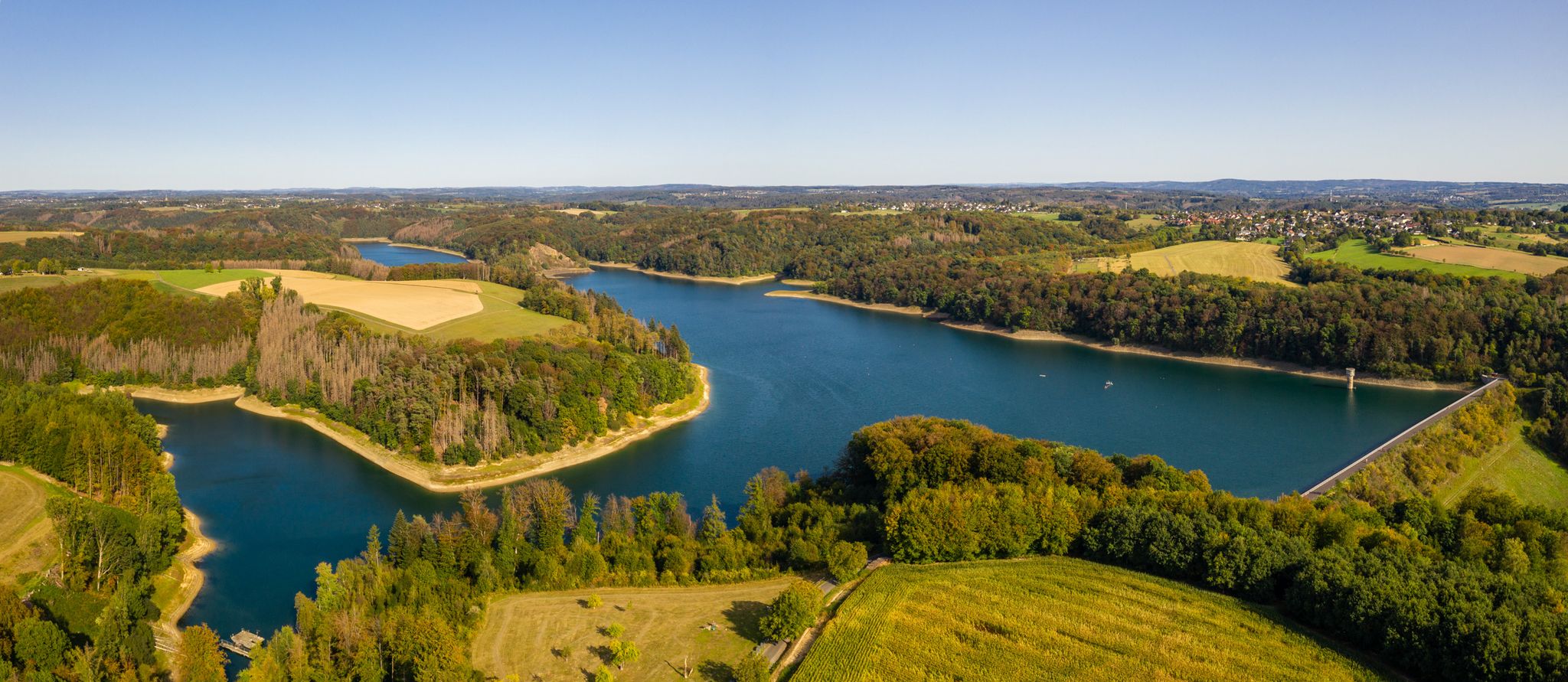
The Bergische Weg - Germany's most beautiful hiking trail 2024
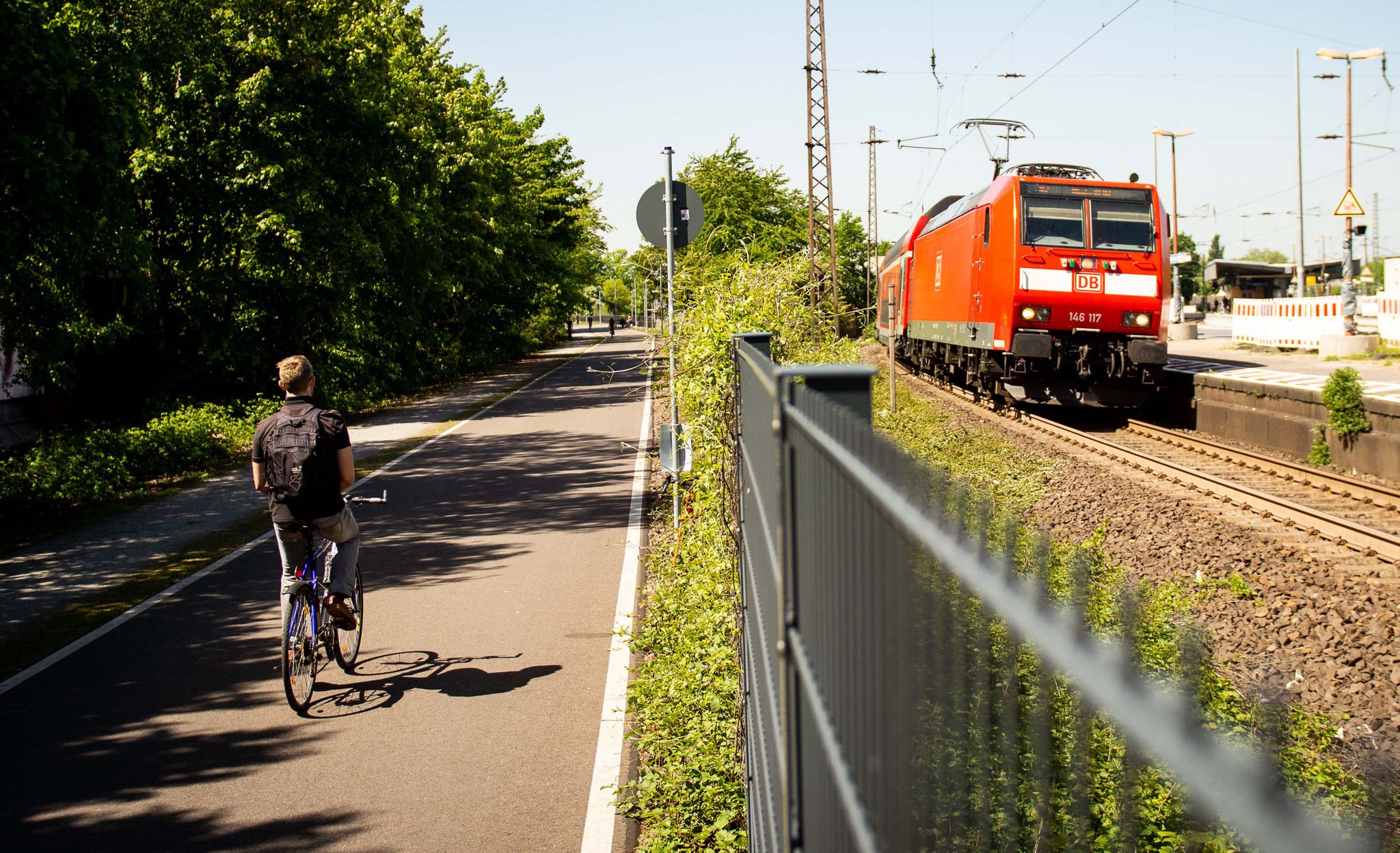
Cycle the most beautiful railway tracks – Germany’s Ruhr area (west and south)
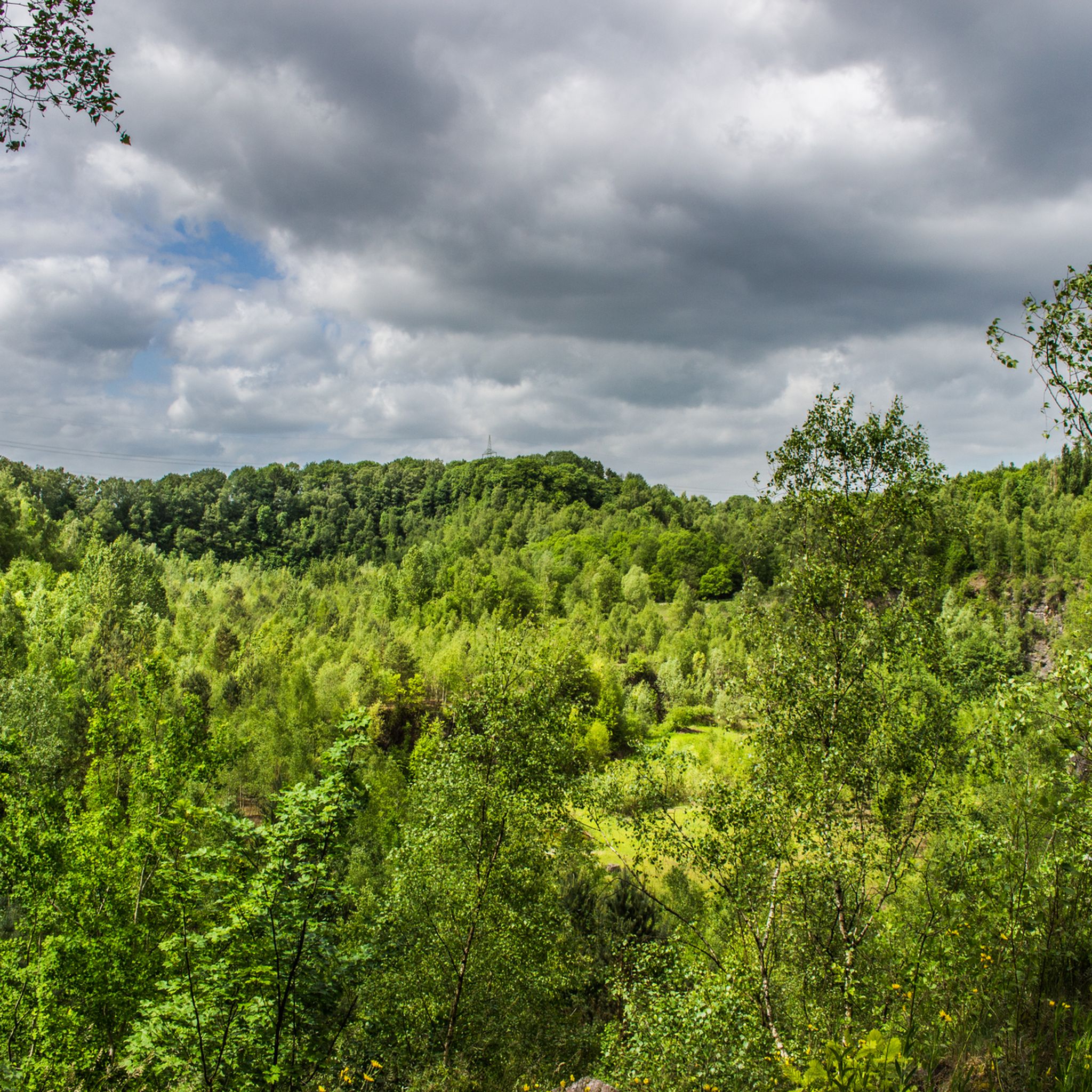
Hiking around Wülfrath
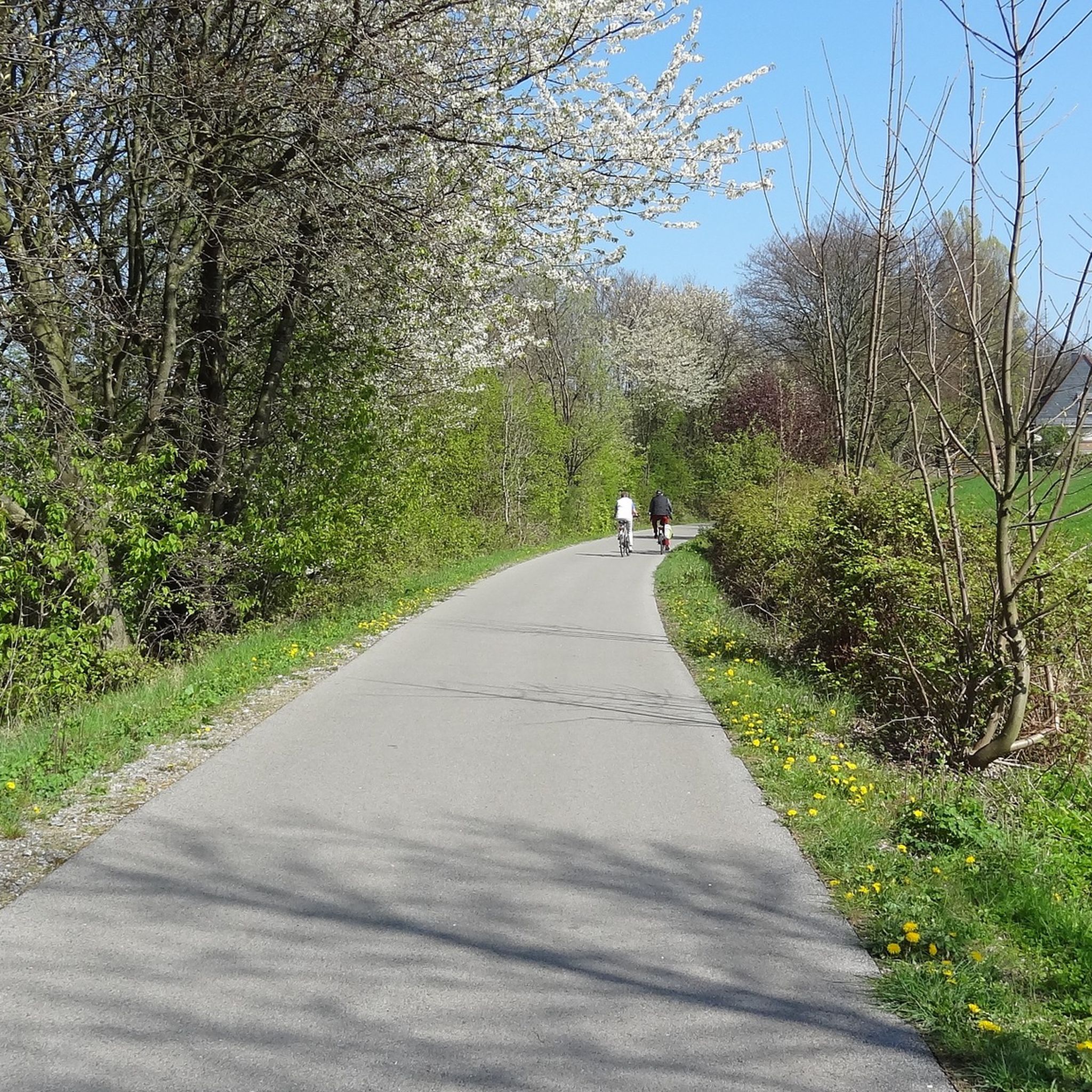
Cycling around Wülfrath
Road Cycling Routes around Wülfrath
Running Trails around Wülfrath
MTB Trails around Wülfrath

Gravel biking around Wülfrath
Mountain Hikes around Wülfrath


Tips from the Community

The castle is situated in a quiet wooded area above August-Thyssen-Straße. It was built in 1276 by Count Adolf V of Berg to fortify the Ruhr crossing. Today, the castle and the adjacent new building belong to the ThyssenKrupp Group and are used as a training center.
7
1

The almost 900-year-old manor house Haus Anger is one of the oldest buildings in the Angertal. While this property was neglected for a long time and was only extensively renovated and converted to residential use a few years ago, the neighboring mill building was tastefully restored in the 1980s.
6
0
Around 1240, the Neue Isenburg, named after the Isenburg in Hattingen, was built above the Ruhr by Count Dietrich von Altena-Isenberg. Only 48 years later it was destroyed again. Its ruins were only excavated again at the beginning of the last century. The Neue Isenburg ruins are a side view of the BaldeneySteig.
6
0

Just take a little break
5
1

This small castle is located between the Aprather Mühle and the further junction of the panorama cycle path.
8
0

Unfortunately, everything is a bit dilapidated - but overall an impressive facility.
8
1

Partly quite hilly hiking trail - mostly above the Baldeneysees - with many beautiful vantage points and various rest stops.
7
1

This manor is located directly at the Schöller hiking car park.
7
1
Frequently Asked Questions
What kind of historical sites and castles can I expect to find around Wülfrath?
The Wülfrath area features a mix of historical sites, including castle ruins, remnants of medieval fortifications, and former manor houses. While some, like Schloss Aprath, are now private property with limited public access, the surrounding region offers more traditional castle experiences and excavated ruins with historical information.
Are there any well-preserved castles near Wülfrath that offer tours or extensive public grounds?
Within Wülfrath itself, traditional, publicly accessible castles with tours are limited. Landsberg Castle, located nearby, is a well-preserved castle built in 1276. While it now serves as a training center and cannot be visited from the inside, its beautifully laid out gardens and exterior are open for walks and appreciation.
Which castle ruins are worth visiting near Wülfrath?
Two notable castle ruins are Isenburg castle ruins and the Keep and castle wall of Rittergut Schöller. Isenburg, destroyed shortly after its construction around 1240, features an adventure trail with information boards. The Rittergut Schöller offers the last surviving remnants of a 12th-century manor, including its historic keep.
Are the castles around Wülfrath suitable for families with children?
Yes, several historical sites and castle ruins in the area are considered family-friendly. Landsberg Castle, Isenburg castle ruins, and the Keep and castle wall of Rittergut Schöller are all noted as family-friendly. Isenburg, in particular, has an adventure trail with information boards that can engage younger visitors.
What outdoor activities can I do near these castles?
The region around Wülfrath is excellent for outdoor activities. You can find numerous routes for jogging, cycling, and mountain hikes. For example, there are running trails like the 'Aprather Mühlenteich loop' and cycling routes such as the 'Panorama Cycle Path' that pass through scenic areas. You can explore more options on the Running Trails around Wülfrath, Cycling around Wülfrath, and Mountain Hikes around Wülfrath guide pages.
Are there hiking trails around the castles?
Yes, the areas surrounding castles like Landsberg Castle and Isenburg castle ruins are popular for hiking. Landsberg is situated in a quiet wooded area, perfect for walks. The Isenburg ruins are part of the BaldeneySteig, offering a small loop that can be integrated into longer tours. Many routes combine historical exploration with natural landscapes.
Is Schloss Aprath in Wülfrath open to the public?
Schloss Aprath, or what remains of it, is largely private property. The original manor house was demolished in 1985, and the medieval defensive remnants, such as a small round tower and a crenellated wall, have been converted into residential buildings. Public access to these specific remnants is restricted.
Can I bring my dog to the castle sites around Wülfrath?
While specific dog policies can vary by site, many outdoor historical areas and hiking trails around Wülfrath are generally dog-friendly, especially if dogs are kept on a leash. For example, the areas around Landsberg Castle and Isenburg castle ruins are popular for walks with dogs. Always check for local signage regarding pet restrictions.
What is the best time of year to visit the castles and historical sites in the Wülfrath region?
The castles and historical sites around Wülfrath can be visited year-round. Spring and autumn offer pleasant temperatures for hiking and exploring the outdoor ruins and gardens. Winter walks can also be atmospheric, especially in wooded areas like those surrounding Landsberg Castle. Summer is ideal for longer days and enjoying the natural surroundings.
Are there any cafes or pubs near the castles for refreshments?
Yes, you can often find cafes, pubs, or restaurants in the towns and villages near the castle sites. For instance, the areas around Landsberg Castle (Ratingen), Isenburg castle ruins (Hattingen), and Rittergut Schöller (Wuppertal) have local amenities where you can find refreshments and accommodation.
How can I reach the castles near Wülfrath by public transport?
Public transport options are available to reach the towns and areas surrounding the castles. From Wülfrath, you can typically use local bus services to connect to nearby cities like Ratingen, Hattingen, or Wuppertal, which then provide access to the castle sites. It's advisable to check local bus and train schedules for the most direct routes to specific locations like Landsberg Castle or Isenburg castle ruins.
What is the historical significance of the Isenburg castle ruins?
The Isenburg castle ruins are historically significant as they represent one of the largest and most important fortifications in the region around 750 years ago. Built around 1240, it was destroyed only 48 years later. Its ruins were excavated in the early 20th century, revealing insights into medieval life and power structures in the Essen area. Today, an adventure trail with information boards helps visitors understand its past.
Most popular routes around Wülfrath
Most popular attractions around Wülfrath

Get inspired with the komoot mobile app


Explore more
Looking for the best castles somewhere else? Discover other guides around Wülfrath:
