Top 20 Natural Monuments around Wülfrath
Natural monuments around Wülfrath are largely shaped by the region's extensive limestone quarrying history, offering a unique blend of geological heritage and evolving natural beauty. Situated on the edge of the Bergisches Land, Wülfrath's landscape features impressive rock formations and reclaimed industrial sites. These areas provide opportunities to witness geological history and the dynamic interplay between human activity and natural recovery. The region is well-suited for exploring diverse natural landscapes.
Best natural monuments around Wülfrath
- The most popular natural monuments…
Last updated: June 26, 2026
Lake Baldeney
Highlight • Lake
Translated by Google •
Tip by

Trail along the Düssel in Neandertal
Highlight • Trail
Translated by Google •
Tip by

Sign up now to discover places like this
Get recommendations on the best single tracks, peaks, & plenty of other exciting outdoor places.
Sign up for free
Landsberg Castle
Highlight • Castle
Translated by Google •
Tip by

Recreation area Grube 7
Highlight • Natural Monument
Translated by Google •
Tip by

The Neander Valley
Highlight (Segment) • Gorge
Translated by Google •
Tip by

Sign up for free to discover even more natural monuments around Wülfrath.
Sign up for free
Already have an account?
Start today with a free account
Your next adventure awaits.
Login or Signup
Popular around Wülfrath
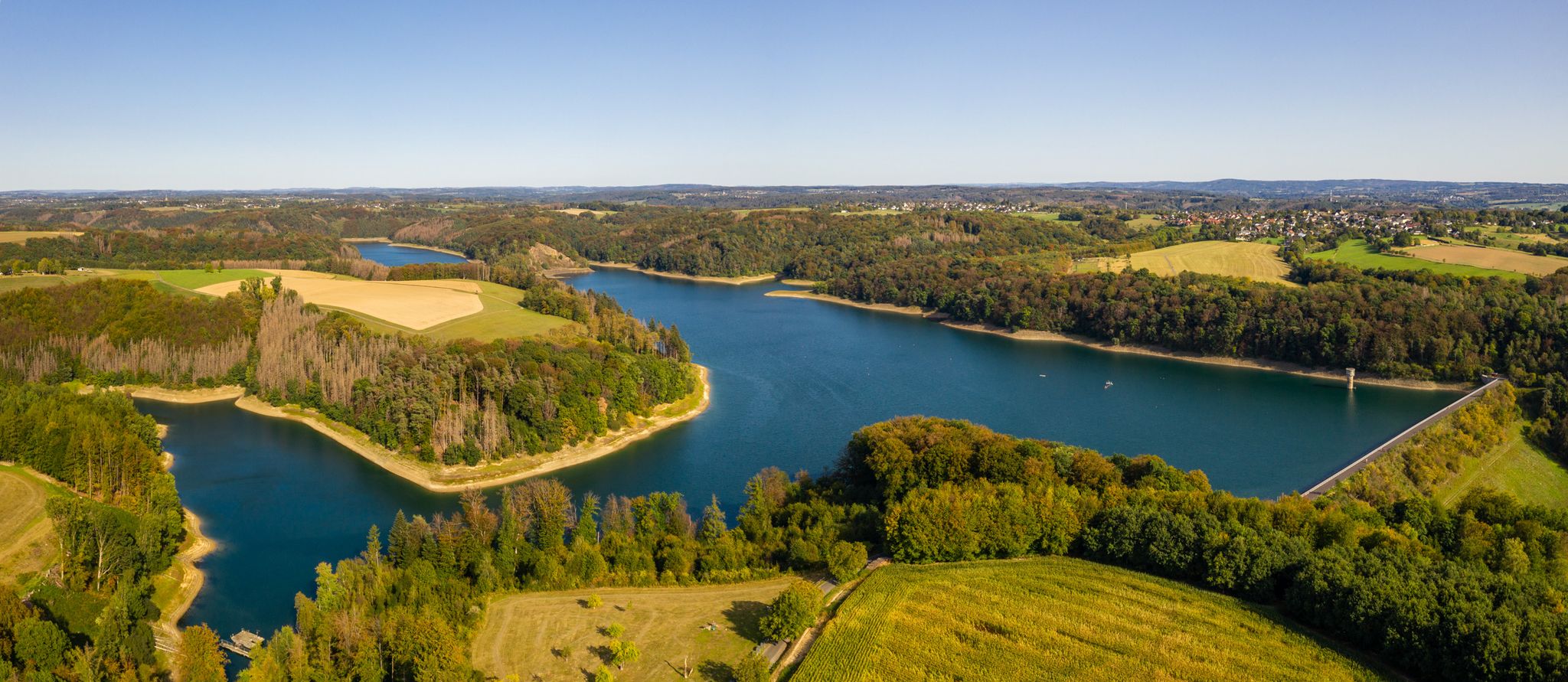
The Bergische Weg - Germany's most beautiful hiking trail 2024
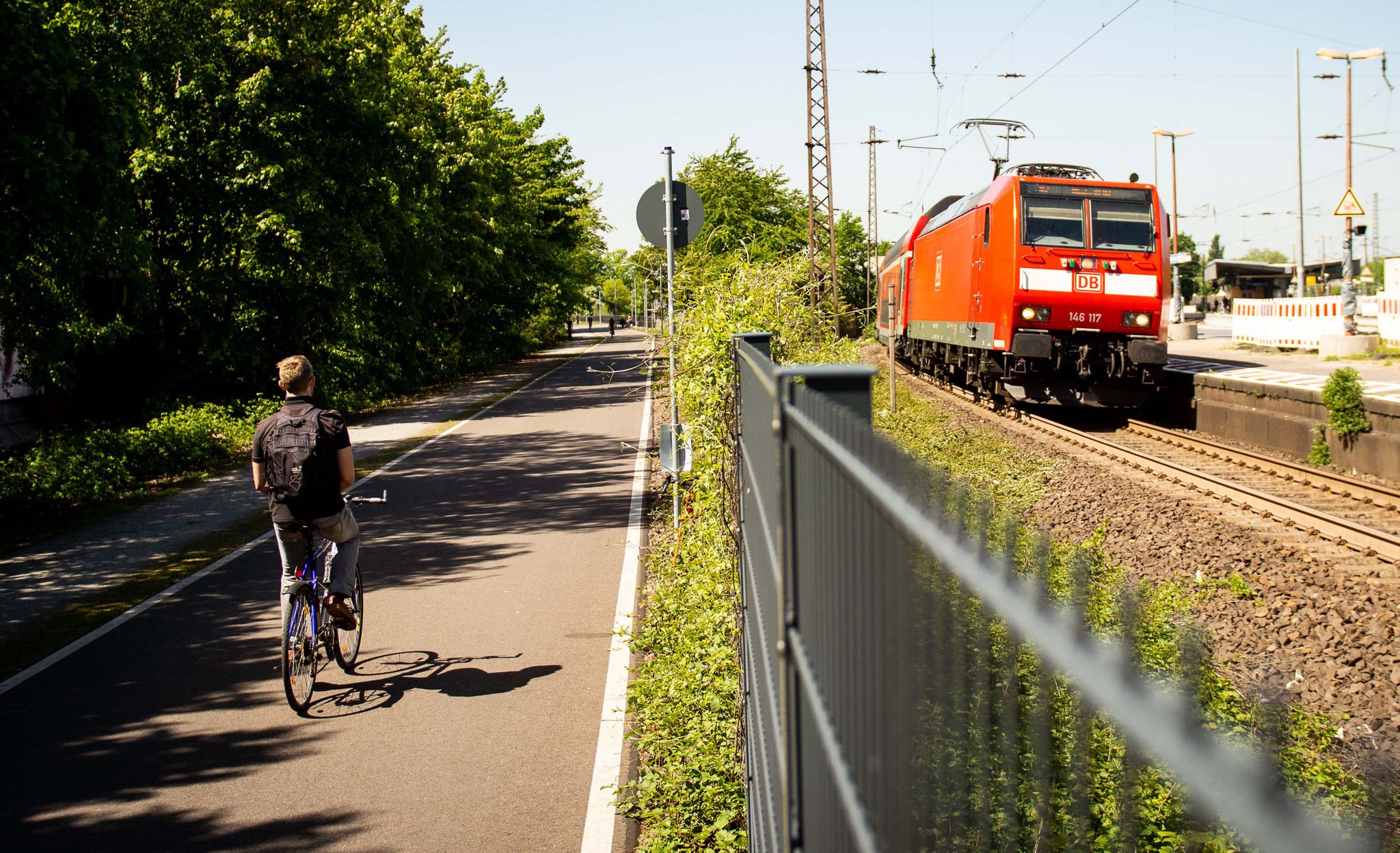
Cycle the most beautiful railway tracks – Germany’s Ruhr area (west and south)
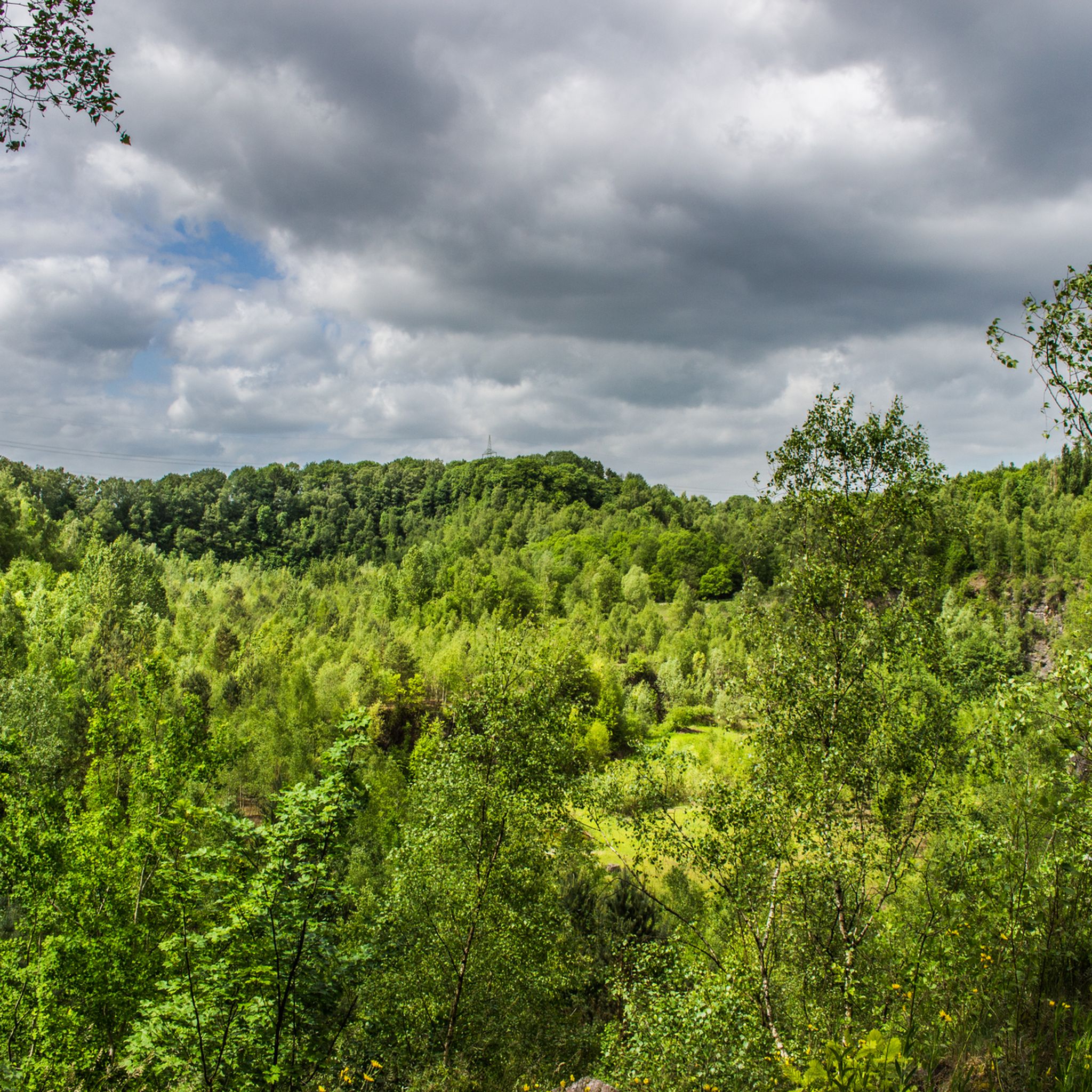
Hiking around Wülfrath
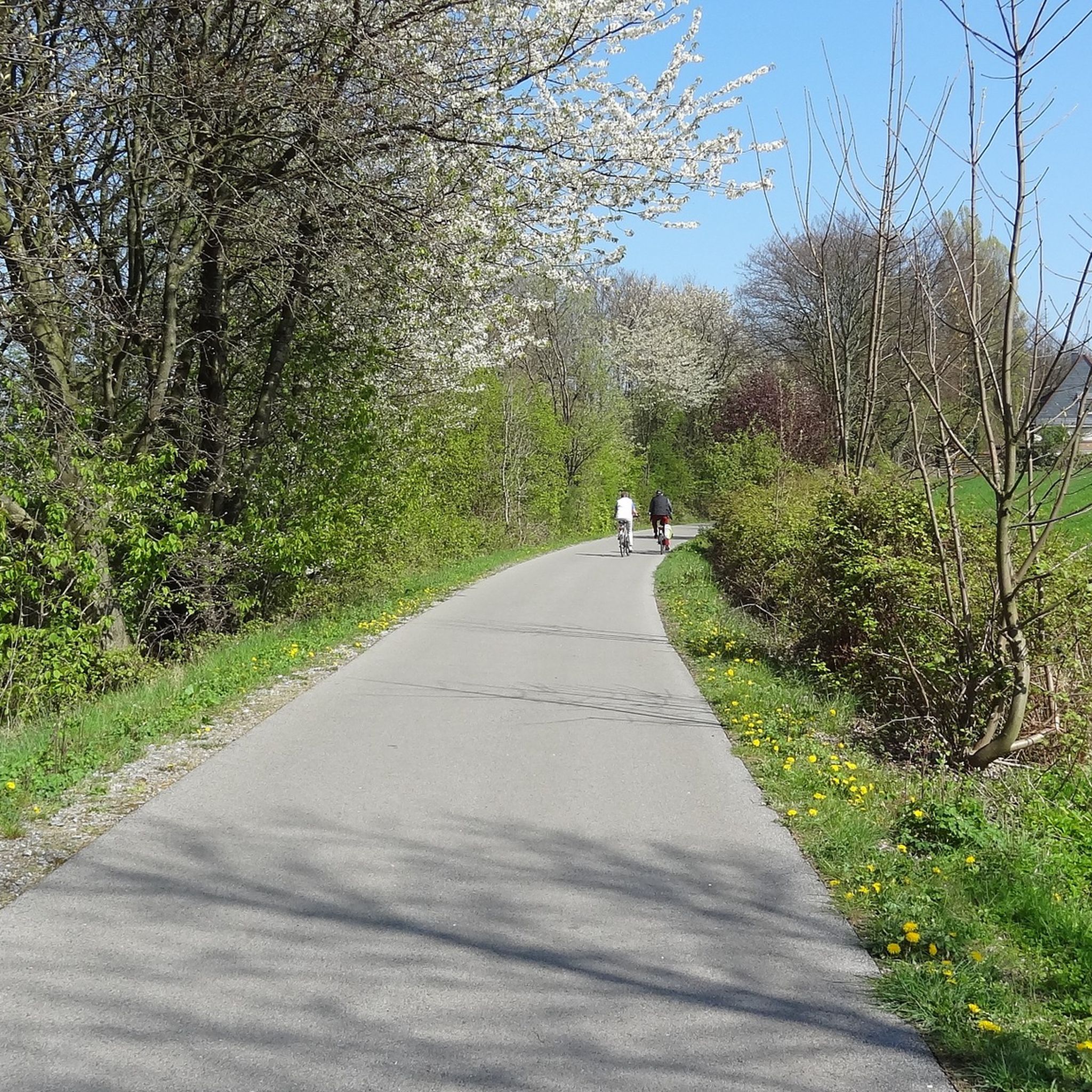
Cycling around Wülfrath
Road Cycling Routes around Wülfrath
Running Trails around Wülfrath
MTB Trails around Wülfrath

Gravel biking around Wülfrath

Mountain Hikes around Wülfrath


Tips from the Community

The castle is situated in a quiet wooded area above August-Thyssen-Straße. It was built in 1276 by Count Adolf V of Berg to fortify the Ruhr crossing. Today, the castle and the adjacent new building belong to the ThyssenKrupp Group and are used as a training center.
6
1

Very nice to hike along here.
7
1

Very nice paths lead through the forest.
10
5

"ZEIT WISSEN Podcast" and "Peter_H_65 🐻" wrote everything that is worth knowing.
9
3

Such a wonderful area for hiking
11
2

The Neandertal with the Düssel is unexpectedly beautiful. You feel far away from any civilization - until you hear a siren and are reminded that you are only a few meters away from the nearest town.
12
5

We were pleasantly surprised. A very nice tour, many benches available to rest. The signage was also felt to be good. Lots of variety, the Düssel accompanies you to a large extent. Today, Saturday, many like-minded people are out and about. Striking (in a pleasant way) the mountain bikers, it works if you show each other's consideration .. A friendly hello, a little smile, it doesn't hurt anyone, so it was only friendly people today, there were not a few., No curmudgeon today seen👍👍 Greetings from Pova
9
1

Beautiful, varied hiking trails along the Düssel.
16
2
Frequently Asked Questions
What makes the natural monuments around Wülfrath unique?
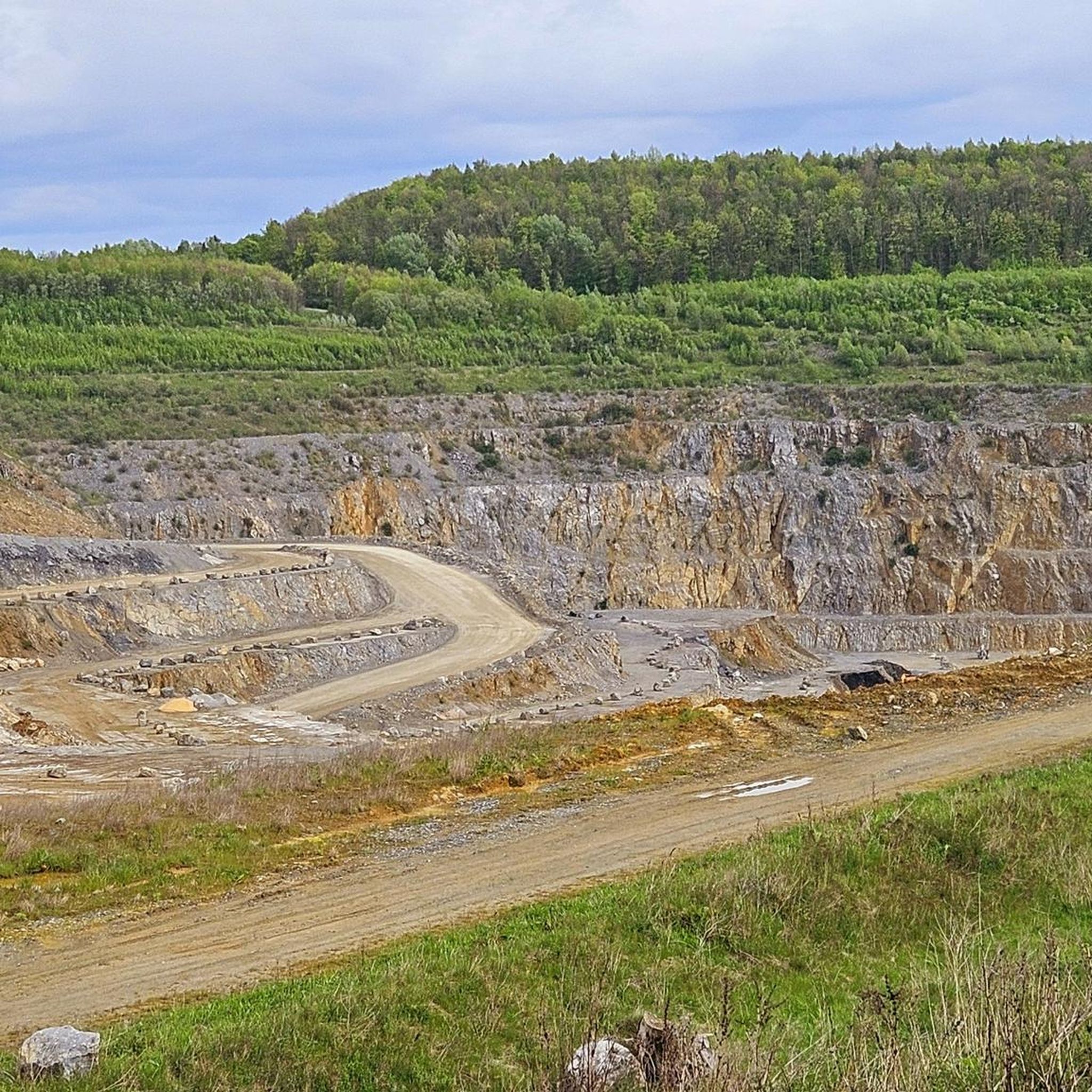
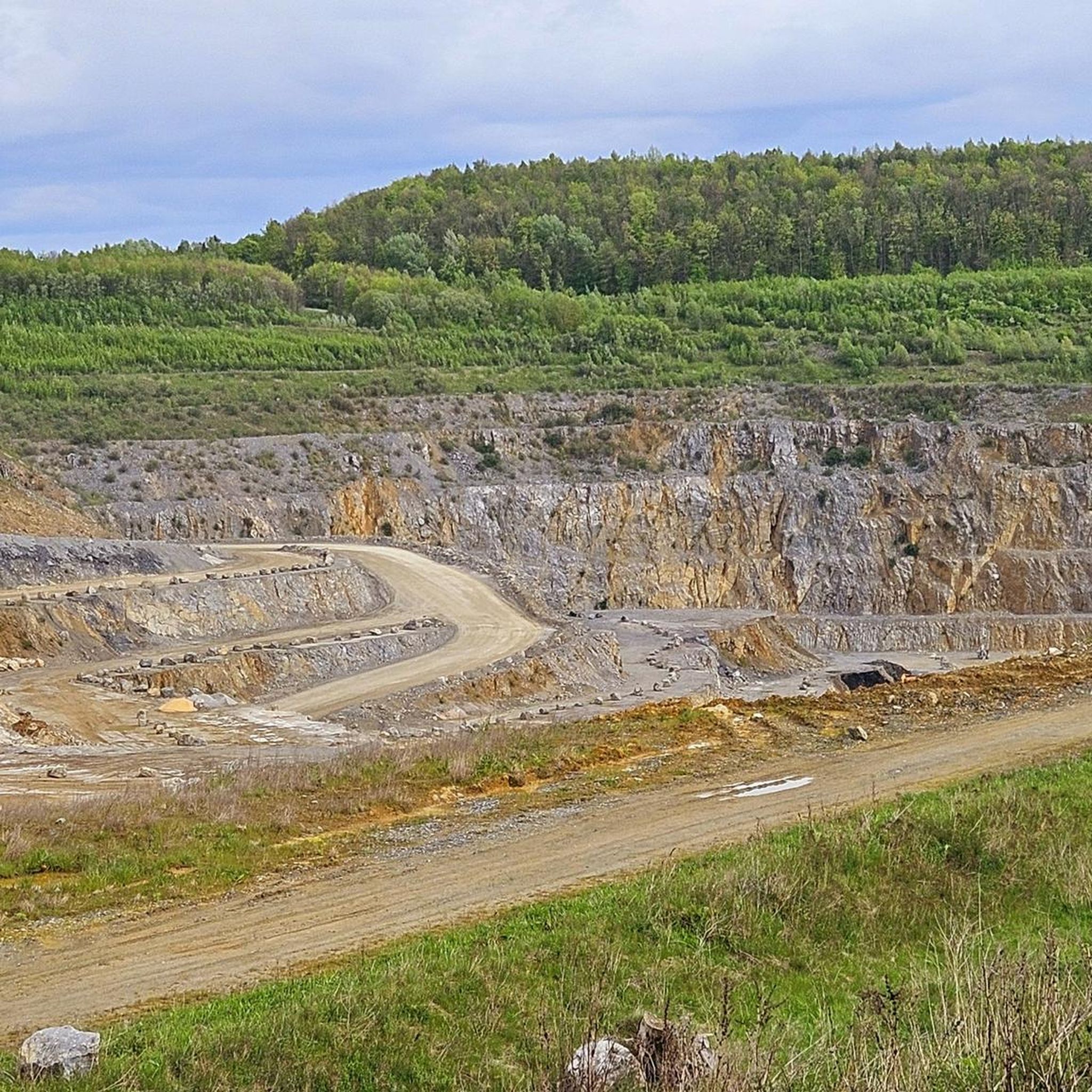
The natural monuments in Wülfrath are largely shaped by the region's extensive limestone quarrying history. This has created a unique blend of geological heritage and evolving natural beauty, with former industrial sites transforming into striking landscapes featuring impressive rock formations and, in some cases, turquoise-colored groundwater lakes. These areas now serve as valuable biotopes for protected animals and plants, showcasing nature's reclamation.
What kind of natural features can I expect to see in Wülfrath?
You can expect to see a variety of natural features, primarily dramatic rock formations and deep chasms from former limestone quarries. Some areas, like the former Schlupkothen quarry, feature beautiful groundwater lakes. The region also boasts serene river valleys, such as the Düssel River in the Neander Valley, and lush forests.
Are there family-friendly natural monuments or activities in Wülfrath?
Yes, several natural monuments and nearby areas are suitable for families. The Trail along the Düssel in Neandertal is a great option for a family hike. The Düssel River in the Neander Valley is also considered family-friendly, especially during the snowdrop blossom. Additionally, the area around Lake Baldeney offers a continuously developed footpath and cycle path, perfect for family outings.
What outdoor activities can I do near Wülfrath's natural monuments?
The region offers excellent opportunities for various outdoor activities. You can enjoy hiking along the Düssel, exploring former quarries, or cycling around Lake Baldeney. For more detailed routes, you can find many options for hiking around Wülfrath, including easy trails like the Schlupkothen Quarry Lake loop. There are also dedicated running trails available.
What is the historical significance of Wülfrath's natural monuments?
The natural monuments, particularly the former limestone quarries like Grube 7, are deeply intertwined with Wülfrath's industrial history. These sites offer a tangible connection to the region's past as a major limestone quarrying area. The Recreation area Grube 7, for instance, provides insights into limestone mining and its transformation into a nature reserve. The nearby Zeittunnel Wülfrath, while an outdoor museum, further explains 400 million years of Earth's history and the local lime industry, offering a unique educational experience.
Are there any natural monuments that offer good viewpoints?
Yes, several locations provide excellent views. The former Schlupkothen quarry, mentioned in regional research, is known for breathtaking views, especially from a platform directly over the water. The Recreation area Grube 7 also offers viewpoints over its steep slopes. Additionally, Landsberg Castle, while a historical site, is situated in a wooded area and offers pleasant views of its surroundings.
What is the best time to visit the natural monuments in Wülfrath?
Many natural monuments in Wülfrath can be enjoyed year-round. The Trail along the Düssel in Neandertal is wonderful in every season. The 'Entdeckerschleife Steinbruch Schlupkothen' (Discovery Loop Schlupkothen Quarry) is particularly recommended in autumn for its wild romantic forest experience and impressive rock formations. The Düssel River in the Neander Valley is especially attractive during the snowdrop blossom, typically in late winter/early spring.
Can I find easy hiking trails around Wülfrath's natural monuments?
Absolutely. Wülfrath offers several easy hiking options. For example, you can explore the easy hikes around Wülfrath, which include routes like the Schlupkothen Quarry Lake loop. These trails are generally well-suited for a relaxed outdoor experience.
What do visitors enjoy most about the natural monuments in Wülfrath?
Visitors frequently appreciate the unique blend of geological history and natural beauty. The transformation of former quarries into nature reserves, like Recreation area Grube 7, offers a fascinating experience. The serene beauty of areas like the Trail along the Düssel in Neandertal and the well-maintained paths around Lake Baldeney are also highly rated for their recreational value and scenic views.
Are there any hidden natural gems or lesser-known spots to explore?
While the former quarries are prominent, the evolving nature within them can reveal hidden aspects. The former Schlupkothen quarry, for instance, with its 'Entdeckerschleife Steinbruch Schlupkothen' (Discovery Loop), offers a wild romantic forest experience that might feel like a hidden gem. Exploring the various trails around the Düssel River can also lead to tranquil, less-trafficked spots, especially outside peak seasons.
What kind of wildlife can be observed in these natural areas?
The reclaimed limestone quarries, such as Bochumer Bruch and Schlupkothen, have become valuable biotopes. These areas support protected animals and plants as nature reclaims the industrial spaces. While specific species are not detailed, the ecological recovery of these sites means they are home to diverse flora and fauna, offering opportunities for wildlife observation, particularly for birds and insects.
Is public transport available to reach the natural monuments?
While specific public transport routes to each individual natural monument are not detailed, Wülfrath is situated on the edge of the Bergisches Land, and local public transport options are generally available within the region. For specific planning, it is advisable to check local transport schedules to the nearest towns or access points for the natural monuments you wish to visit.
Most popular routes around Wülfrath
Most popular attractions around Wülfrath

Get inspired with the komoot mobile app


Explore more
Extend your search for the best caves by checking out these guides of the top ones around Wülfrath:
