Top 20 Natural Monuments in the Provence
Natural monuments in Provence France offer a diverse range of geological features and landscapes. This region is characterized by dramatic canyons, vibrant ochre quarries, and majestic mountains. It is home to unique natural formations shaped by ancient seas and erosion. Provence provides a wealth of experiences for those exploring its natural heritage.
Best natural monuments in the Provence
- The most popular natural monuments is Provençal Colorado of Rustrel, a natural monument with striking ochre deposits. This site features a…
Last updated: October 13, 2026
Port-Pin Beach
Highlight • Canyon
Translated by Google •
Tip by

View of the Port Miou calanque
Highlight • Lake
Translated by Google •
Tip by

Sign up now to discover places like this
Get recommendations on the best single tracks, peaks, & plenty of other exciting outdoor places.
Mont Ventoux summit
Highlight • Summit
Translated by Google •
Tip by
En-Vau Beach
Highlight • Beach
Translated by Google •
Tip by

Provençal Colorado of Rustrel
Highlight • Natural Monument
Translated by Google •
Tip by
Col du Galibier
Highlight • Mountain Pass
Translated by Google •
Tip by
View of Les Baux-de-Provence
Highlight • Settlement
Translated by Google •
Tip by

Fontaine-de-Vaucluse
Highlight • Monument
Translated by Google •
Tip by
Littoral Trail of Cap d'Antibes
Highlight (Segment) • Trail
Sturdy footwear is recommended, the small path and the many steps can be partly slippery and over-washed.
Translated by Google •
Tip by

The Ochres of Roussillon
Highlight • Natural Monument
Translated by Google •
Tip by

Sign up for free to discover even more natural monuments in the Provence.
Already have an account?
Start today with a free account
Your next adventure awaits.
Popular around Provence
Triathlon 360 – my journey around the world
Haute Route Alps 2025 — Assaulting the Alps
Piemont's Via Francigena
Tour di Viso – Four days around the Stone King from Castello
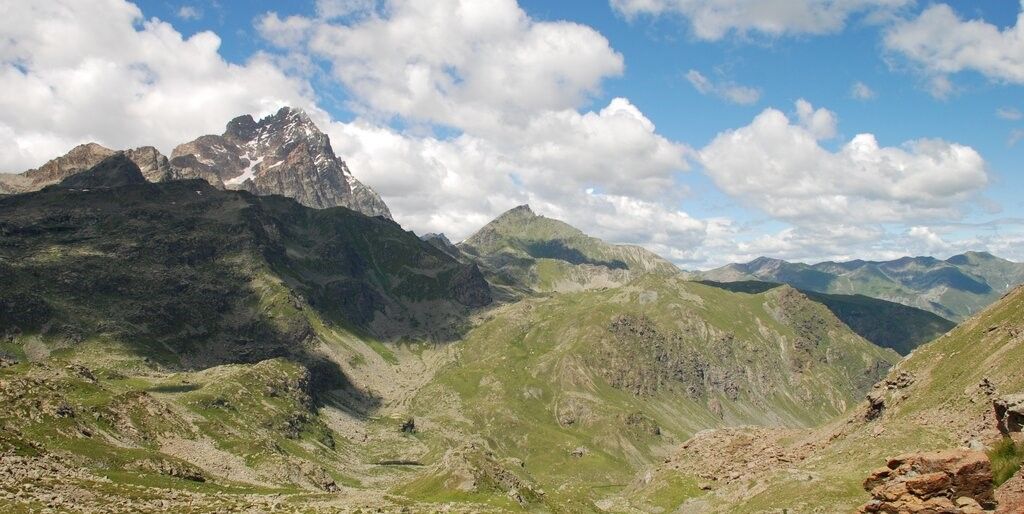
Tour di Viso – Four days around the Stone King from Meire Dacant
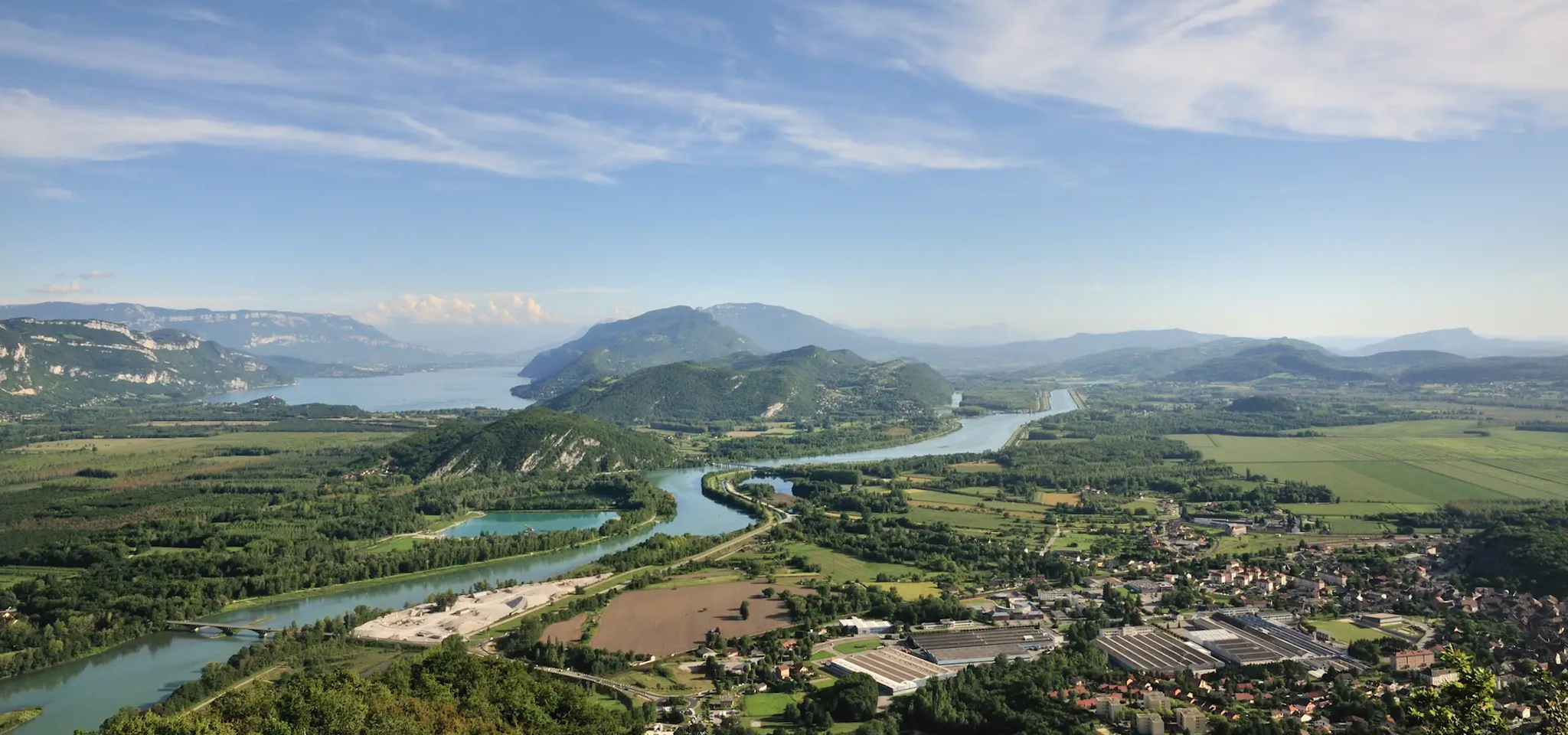
GR 9 from the Jura to the Mediterranean – Crossing contrasts
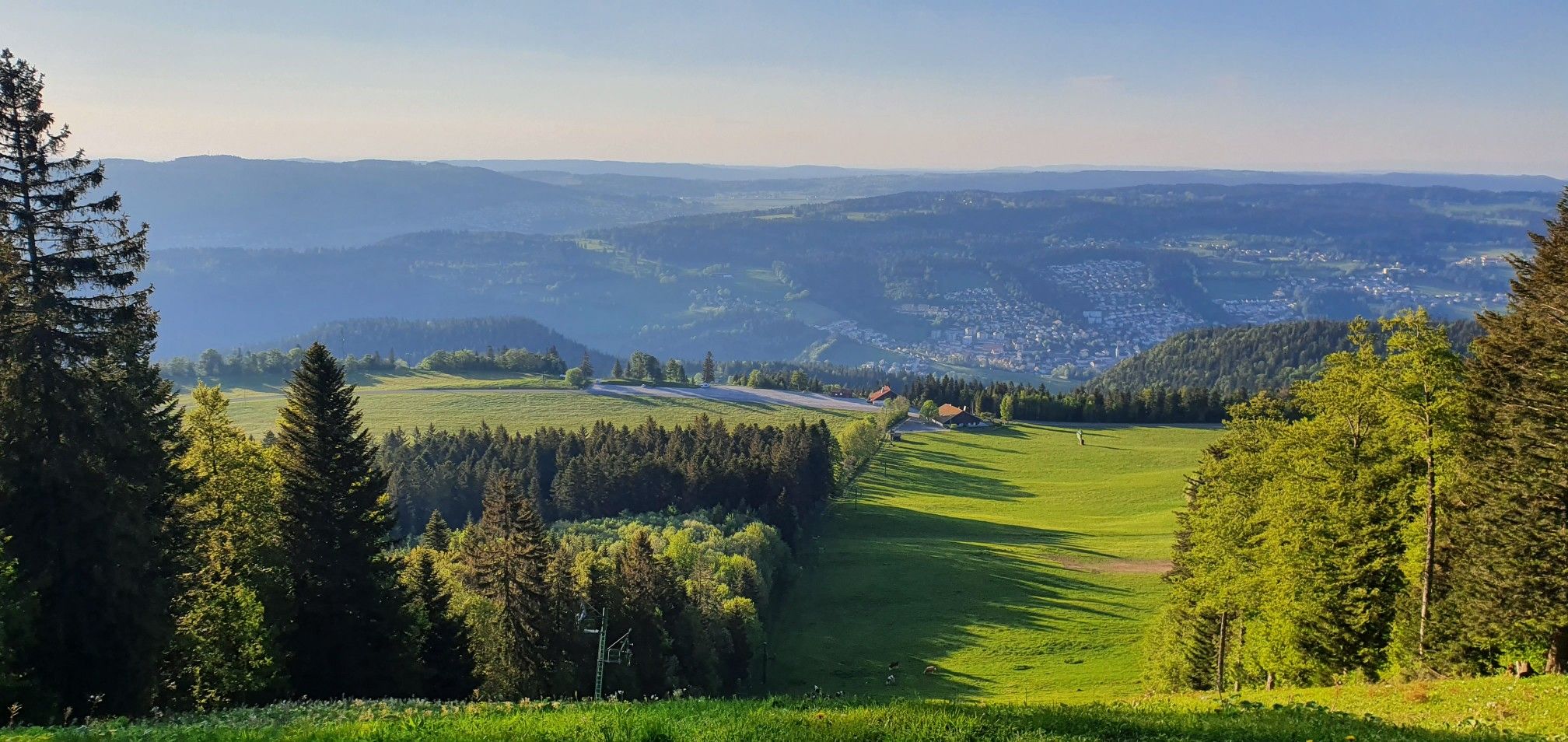
GR 5 – The Europe Trail from the Mediterranean to Germany
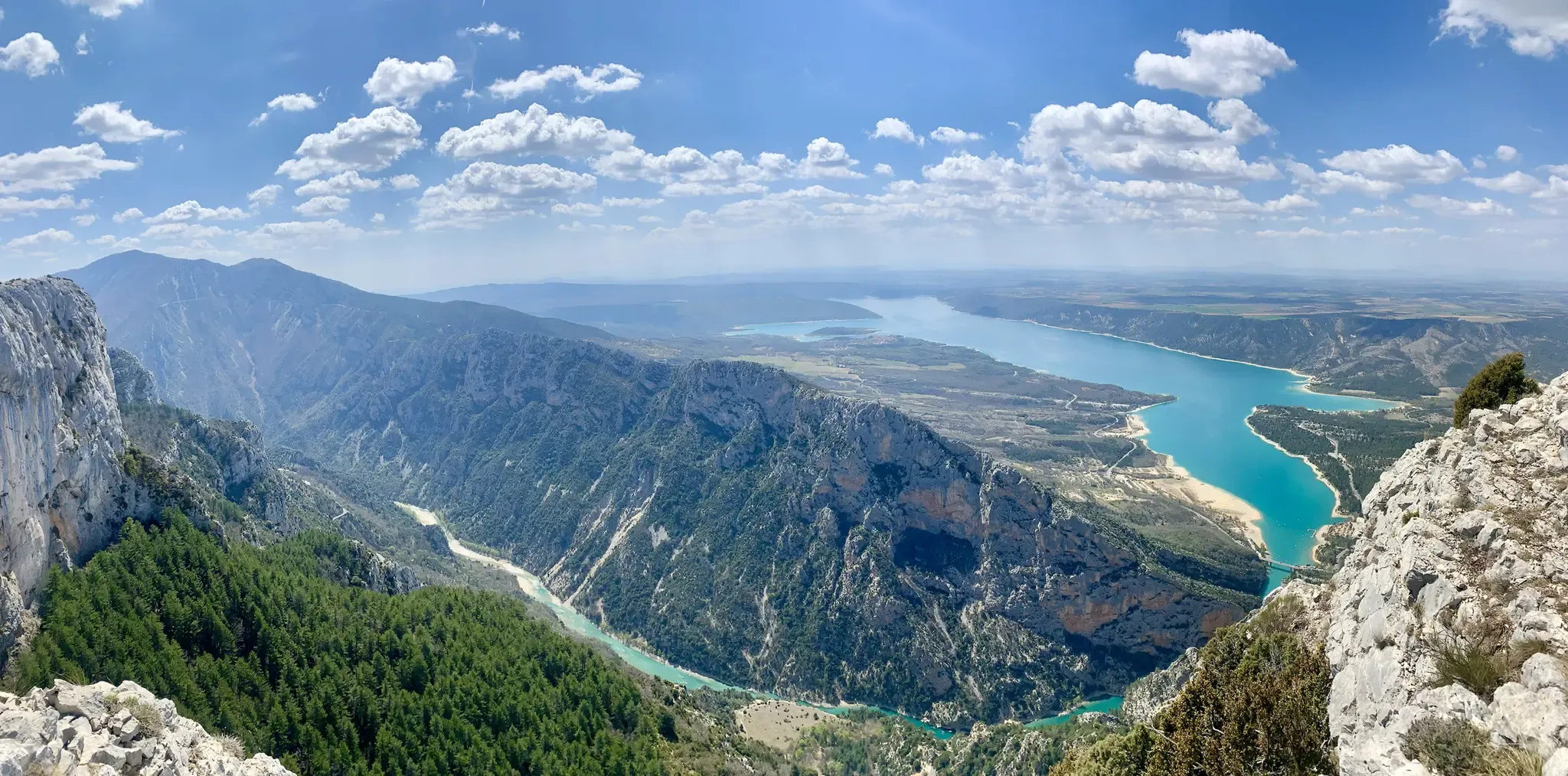
GR 4 – Crossing the south of France from Atlantic Coast to Provence
Via della Costa – A breathtaking hike along the Italian Riviera
Transalps MTB – Chamonix to the Mediterranean Sea
Other adventures in the Provence


Tips from the Community

The Galibier offers breathtaking views.
14
1
A fantastic mountain, making this climb was very challenging, the asphalt is in excellent condition and the gradients are regular.
14
0

A majestic mountain that must be approached with respect.
12
0
The Col du Galibier from Briançon is a climb located in the Grand Briançonnais region. This climb is 34.8 kilometers long, with a positive elevation gain of 1,398 meters. The Col du Galibier from Briançon has an average gradient of 4%.
31
1

From here you have a fantastic view of Baux de Provence.
3
0

The view is fascinating. The sunlight can change within a very short time and the rocks can shine in various shades of ochre and even orange. Worth seeing!
2
0

Definitely recommended, the visit: It is called Colorado Provencal
1
0
Frequently Asked Questions
What are some of the most popular natural monuments in Provence?
Provence offers a diverse range of natural monuments. Beyond the well-known Gorges du Verdon and Calanques National Park, visitors frequently enjoy the vibrant Provençal Colorado of Rustrel with its striking ochre deposits, and the challenging yet rewarding Col du Galibier, a legendary mountain pass. Another favorite is Port-Pin Beach, a beautiful cove perfect for swimming and hiking within the Calanques National Park.
When is the best time to visit the natural monuments in Provence?
The best time to visit Provence's natural monuments largely depends on your planned activities. Spring (April-May) and early autumn (September-October) offer pleasant temperatures for hiking and cycling, with fewer crowds. Summer (June-August) is ideal for water activities in places like the Gorges du Verdon or the Calanques, though popular spots can be very crowded. For the ochre landscapes, dry weather is recommended to avoid muddy trails and keep your clothes clean.
What unique geological features can I expect to see in Provence's natural monuments?
Provence is a geological marvel. You can witness the dramatic limestone cliffs and deep narrow inlets of the Calanques, formed by tectonic plates and erosion. The Gorges du Verdon showcases an awe-inspiring canyon carved by turquoise waters. The Luberon region features vibrant ochre deposits, creating a kaleidoscope of colors in places like the Colorado Provençal. Mont Ventoux, the 'Giant of Provence,' stands out with its distinctive bald, white limestone summit, a result of its unique geological composition.
Are there family-friendly natural monuments in Provence?
Yes, several natural monuments in Provence are suitable for families. The Provençal Colorado of Rustrel is categorized as family-friendly, offering fascinating trails through colorful ochre landscapes. The source of the Sorgue at Fontaine-de-Vaucluse is also a popular and accessible spot for families, with easy paths to the impressive resurgence. Many coastal areas within the Calanques National Park, like Port-Pin Beach, offer opportunities for gentle walks and swimming in calm waters.
Are there easy hiking options at Provence's natural monuments?
Many natural monuments in Provence offer trails suitable for various fitness levels. For instance, the trails through the ochre quarries at the Provençal Colorado of Rustrel are generally easy to moderate. The Littoral Trail of Cap d'Antibes also offers an intermediate coastal walk with stunning views. Within the Calanques National Park, while some routes are challenging, there are easier paths to access coves like Port-Pin Beach. For more hiking options, you can explore the Hiking in the Provence guide.
What outdoor activities can I do near these natural monuments?
The natural monuments in Provence are hubs for outdoor activities. You can enjoy hiking, rock climbing, kayaking, and white-water rafting in the Gorges du Verdon. The Calanques National Park is perfect for hiking, swimming, snorkeling, and kayaking. Mont Ventoux is a legendary challenge for cyclists and offers numerous hiking trails. For more detailed routes, check out the Hiking in the Provence, Road Cycling Routes in the Provence, and Cycling in the Provence guides.
Can I go wild swimming near the natural monuments in Provence?
Yes, Provence offers fantastic opportunities for wild swimming. The turquoise waters of the Gorges du Verdon and the serene Lac de Sainte-Croix are popular spots. Within the Calanques National Park, secluded coves like Port-Pin Beach and En-Vau Beach offer crystal-clear waters for swimming, though they can be crowded in peak season. Always check local regulations and safety guidelines before swimming in natural areas.
What cycling opportunities are there around Provence's natural monuments?
Provence is a cyclist's paradise, especially around its natural monuments. Mont Ventoux is a legendary climb, frequently featured in the Tour de France, offering routes like the 'Mont Ventoux Loop: Bédoin and Malaucène'. The Luberon Regional Natural Park has a 236 km 'Around the Luberon by Bike' itinerary. You can also find challenging routes around the Col du Galibier. For more cycling adventures, refer to the Road Cycling Routes in the Provence and Cycling in the Provence guides.
What should I wear for hiking at Provence's natural monuments?
For hiking in Provence, comfortable, sturdy walking shoes or hiking boots are essential, especially for rocky or uneven terrain in areas like the Calanques or Gorges du Verdon. Dress in layers, as temperatures can vary, particularly on mountains like Mont Ventoux which experiences diverse micro-climates. A hat, sunglasses, and sunscreen are crucial for sun protection. If visiting the ochre quarries, be aware that the vibrant colors can stain clothing, so choose attire you don't mind getting a little dusty.
How accessible are the natural monuments in Provence by public transport or car?
Access to Provence's natural monuments varies. Many are best reached by car, offering flexibility to explore scenic routes like the 'Corniche Sublime' around the Gorges du Verdon. Parking options are usually available, though they can be limited and crowded during peak season at popular sites like the Calanques or the Provençal Colorado. Public transport options exist for some areas, but they may not reach all remote natural sites directly. Planning ahead is recommended, especially for specific trailheads or viewpoints.
What do visitors enjoy the most about Provence's natural monuments?
Visitors consistently praise the breathtaking natural beauty and diverse landscapes of Provence's natural monuments. They particularly enjoy the vibrant colors of the ochre quarries, the dramatic cliffs and turquoise waters of the Calanques, and the awe-inspiring scale of the Gorges du Verdon. The opportunity for a wide range of outdoor activities, from challenging hikes to serene swims, combined with the region's rich biodiversity and tranquil atmosphere, makes these sites truly memorable.
Are there any lesser-known natural monuments worth exploring in Provence?
While the major sites are spectacular, Provence also holds many hidden gems. Beyond the main Calanques, exploring less frequented inlets can offer a more secluded experience. The Luberon Regional Natural Park, recognized as a UNESCO Biosphere Reserve, offers diverse landscapes beyond the famous ochre trails, including garrigue scrubland and forests, perfect for quiet exploration. The source of the Sorgue at Fontaine-de-Vaucluse, while popular, offers a unique natural phenomenon that is often overlooked in favor of larger canyons.
Most popular routes in the Provence
Most popular attractions in the Provence

Get inspired with the komoot mobile app


Didn’t find what you were looking for?
Find even more amazing natural monuments in the Provence by checking out the top Highlights region by region:
Explore more
Extend your search for the best caves by checking out these guides of the top ones in the Provence:
