Attractions and Places To See in Lazio - Top 20
Best attractions and places to see in Lazio include a diverse array of historical landmarks, natural features, and cultural sites. This Italian region is home to numerous ancient Roman structures, medieval towns, and UNESCO World Heritage Sites. Its varied landscape encompasses volcanic lakes, mountains, and coastal areas, offering a range of experiences. Lazio provides opportunities to explore significant archaeological sites and natural parks.
Best attractions and places to see in Lazio
- The most popular attractions is Colosseum, a historical…
Last updated: October 9, 2026
Trevi Fountain
Highlight • Monument
Translated by Google •
Tip by

Colosseum
Highlight • Historical Site
Translated by Google •
Tip by

Sign up now to discover places like this
Get recommendations on the best single tracks, peaks, & plenty of other exciting outdoor places.
St. Peter's Square
Highlight • Monument
Translated by Google •
Tip by

Spanish Steps (Scalinata di Trinità dei Monti)
Highlight • Monument
Translated by Google •
Tip by
Castel Sant'Angelo (Castle of the Holy Angel)
Highlight • Castle
Translated by Google •
Tip by

Arch of Constantine
Highlight • Monument
Translated by Google •
Tip by
Pantheon (Saint Mary of the Martyrs)
Highlight • Historical Site
Translated by Google •
Tip by

Fountain of the Four Rivers, Piazza Navona
Highlight • Monument
Translated by Google •
Tip by
Pantheon
Highlight • Historical Site
Translated by Google •
Tip by
Altare della Patria (Victor Emmanuel II Monument) at night
Highlight • Monument
After two international competitions (1880 and 1882), the project presented by …
Translated by Google •
Tip by
Sign up for free to discover even more attractions in Lazio.
Already have an account?
Start today with a free account
Your next adventure awaits.
Popular around Lazio
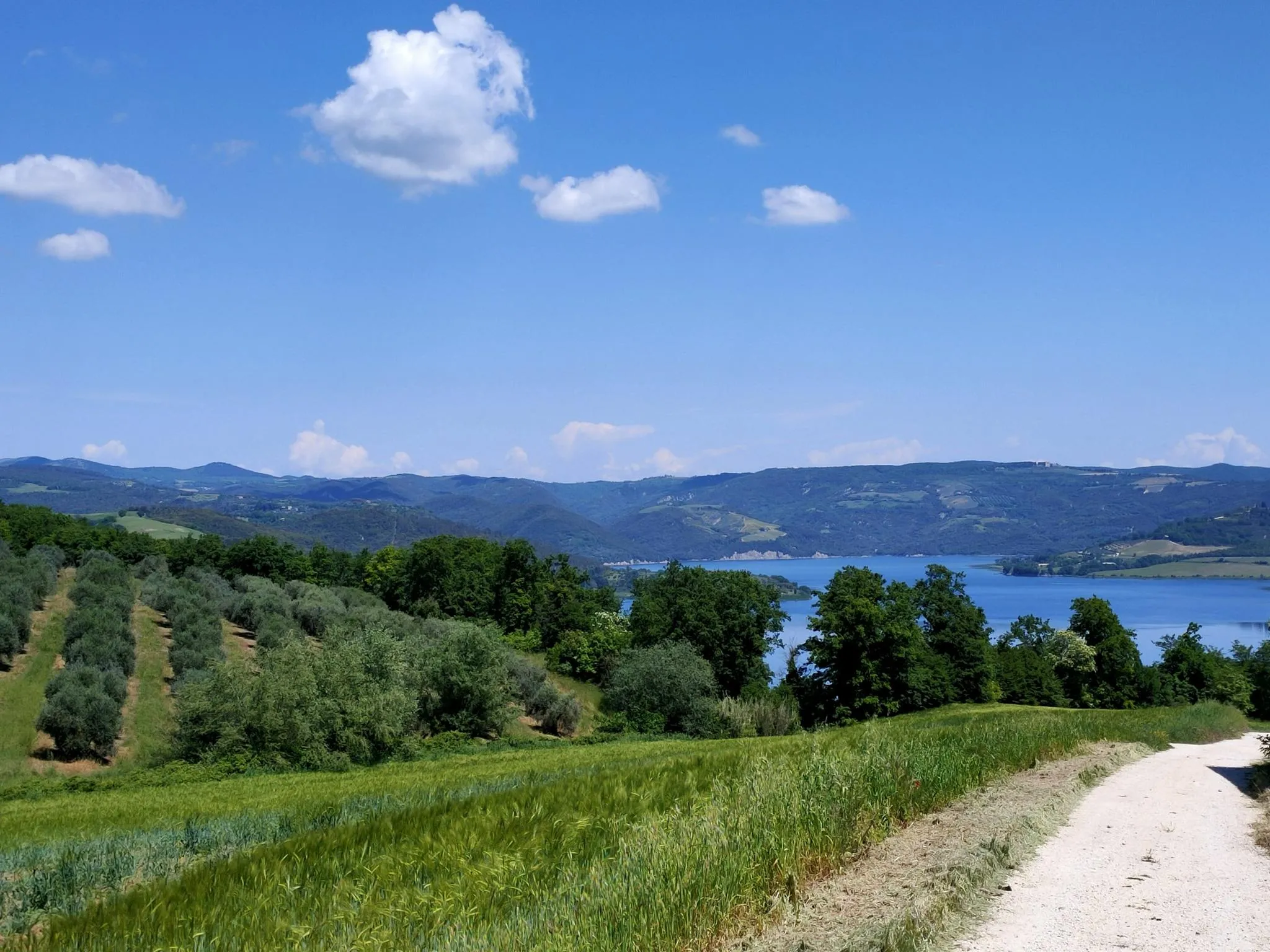
Italian Coast2Coast – From Portonovo to Orbetello
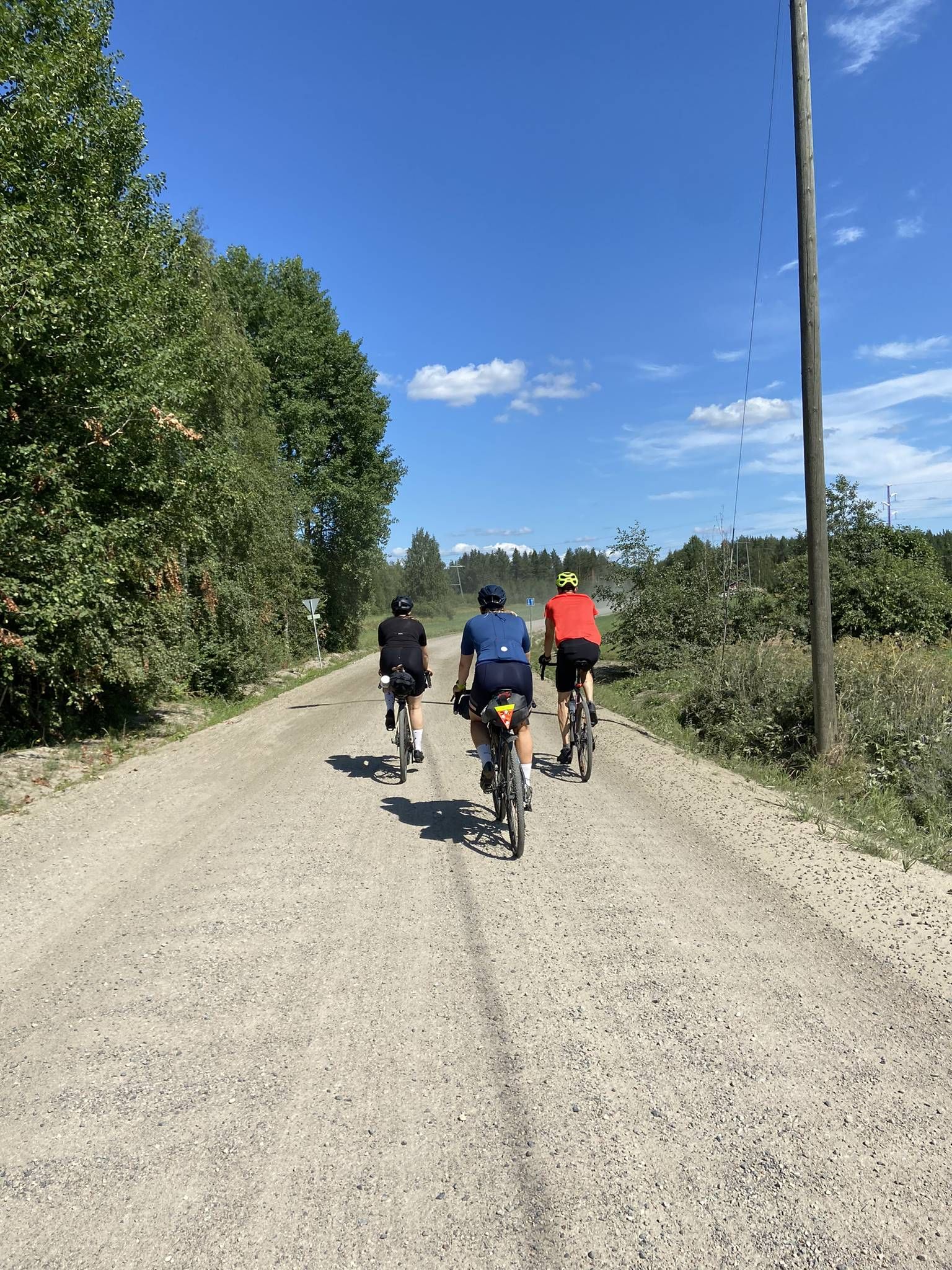
Naples to North Cape — Two friends, one purpose and many scoops of ice-cream
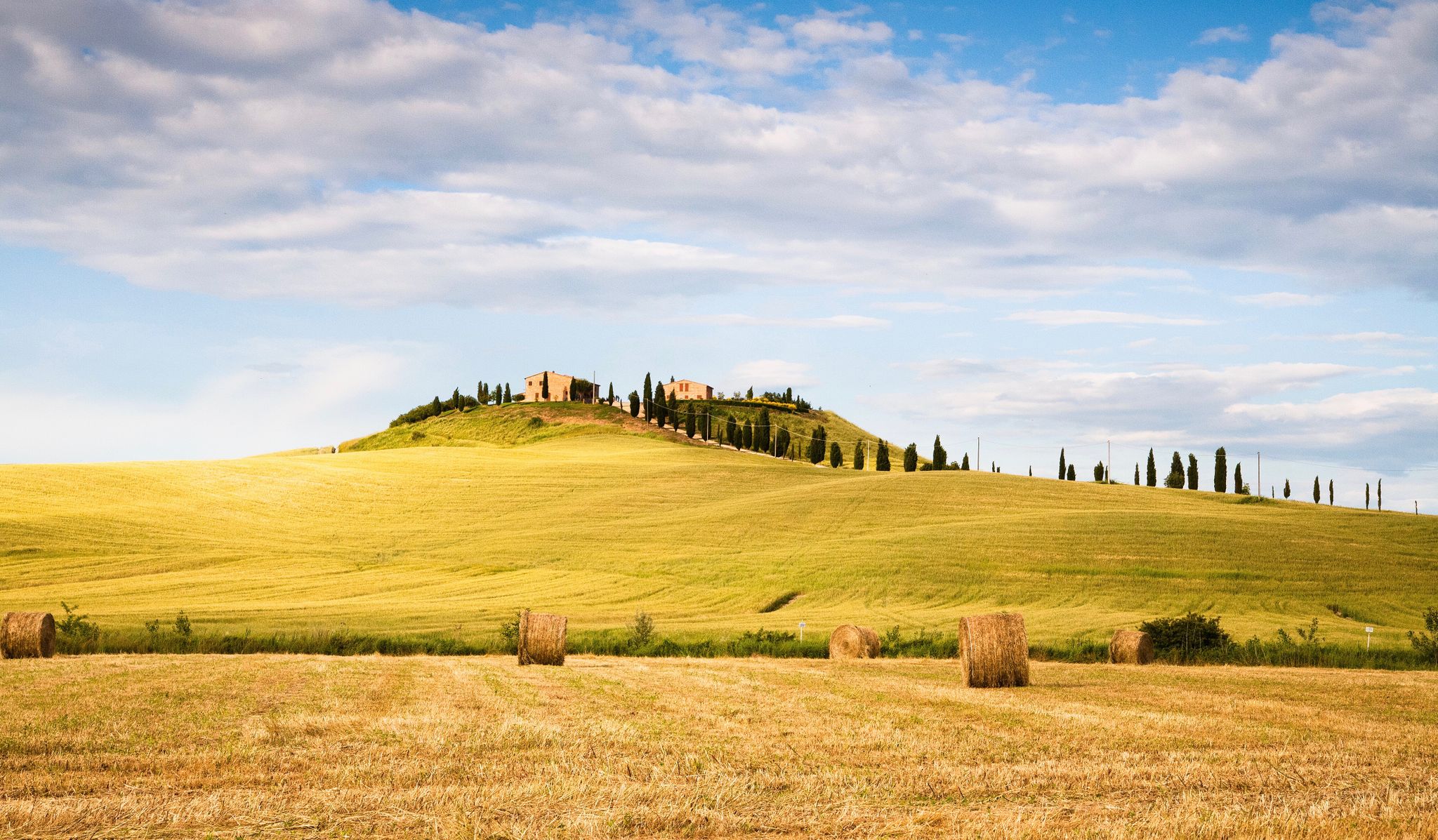
Via Francigena South — Siena to Rome
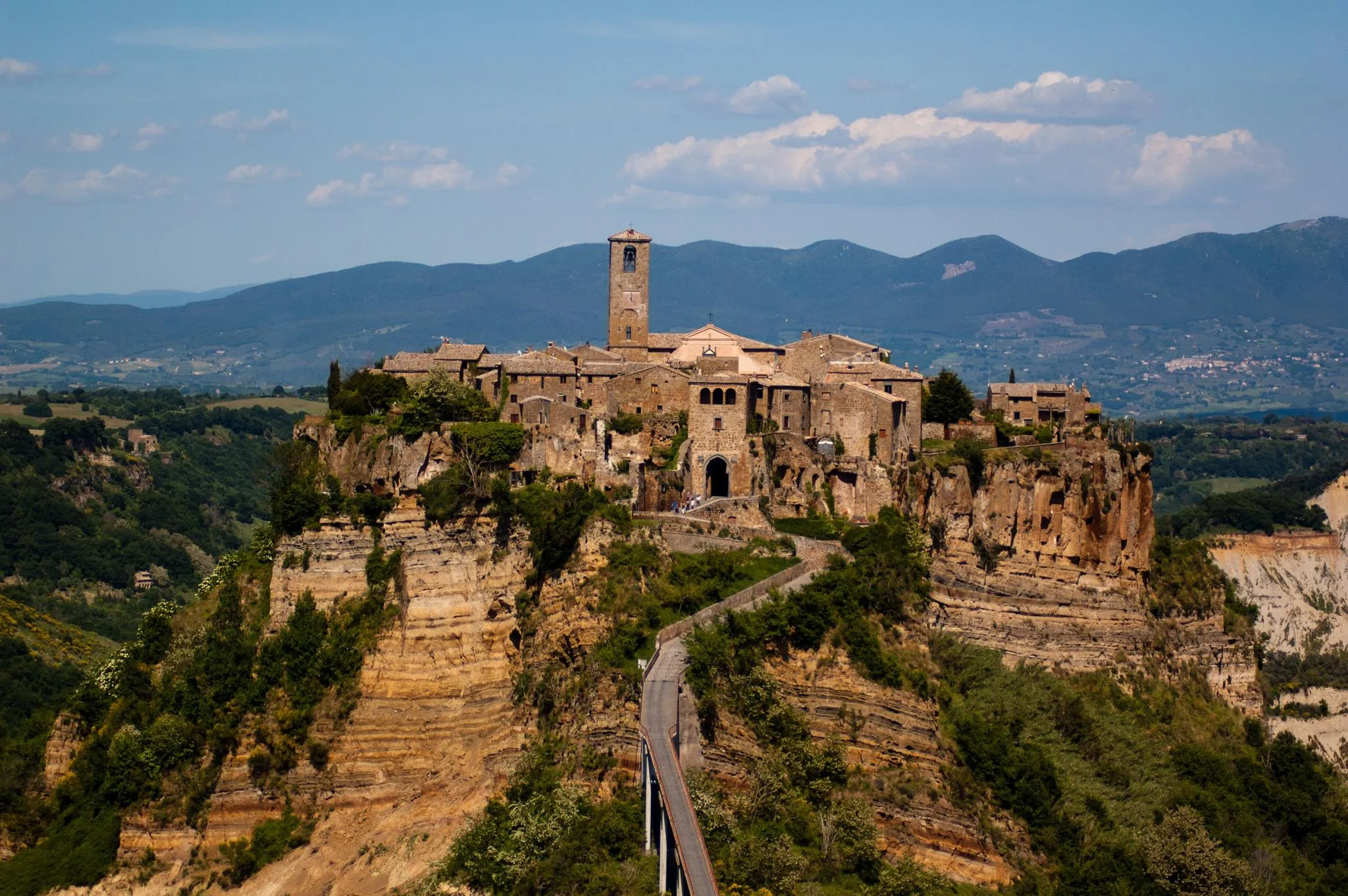
Lazio by bike – suspended villages, turquoise waters and natural parks
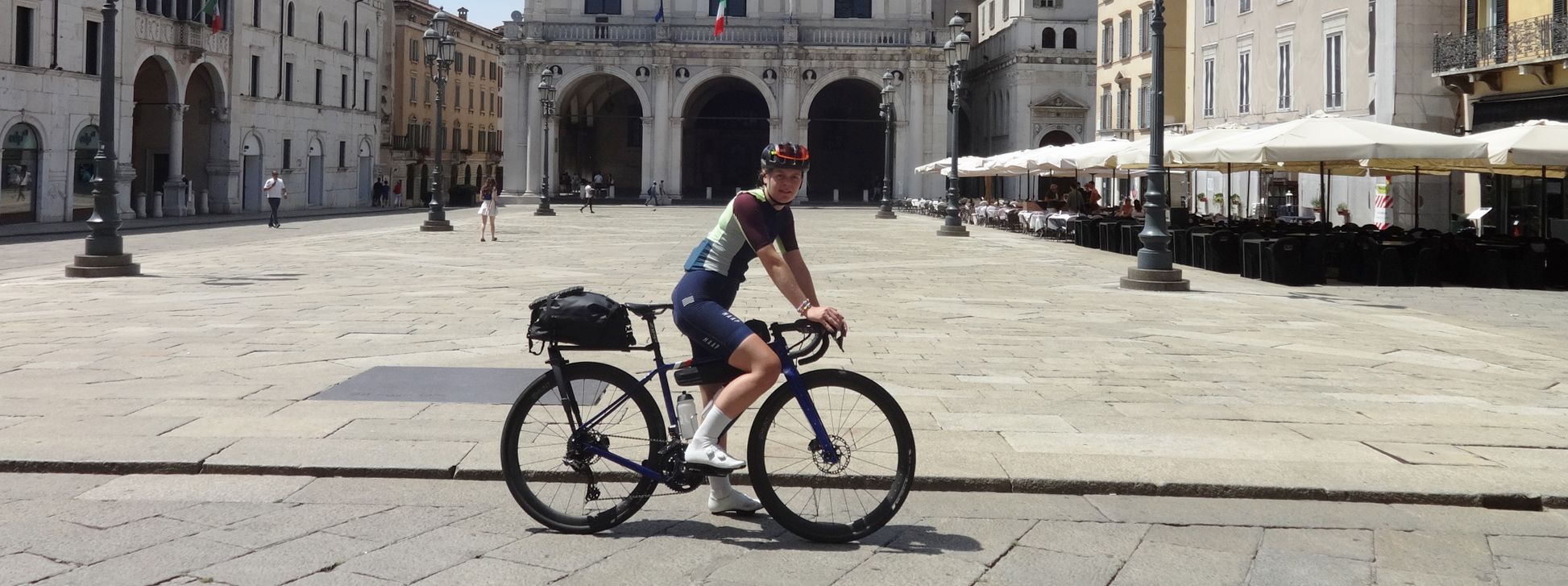
The Pizza Pilgrimage – Milan to Naples, fuelled by pizza
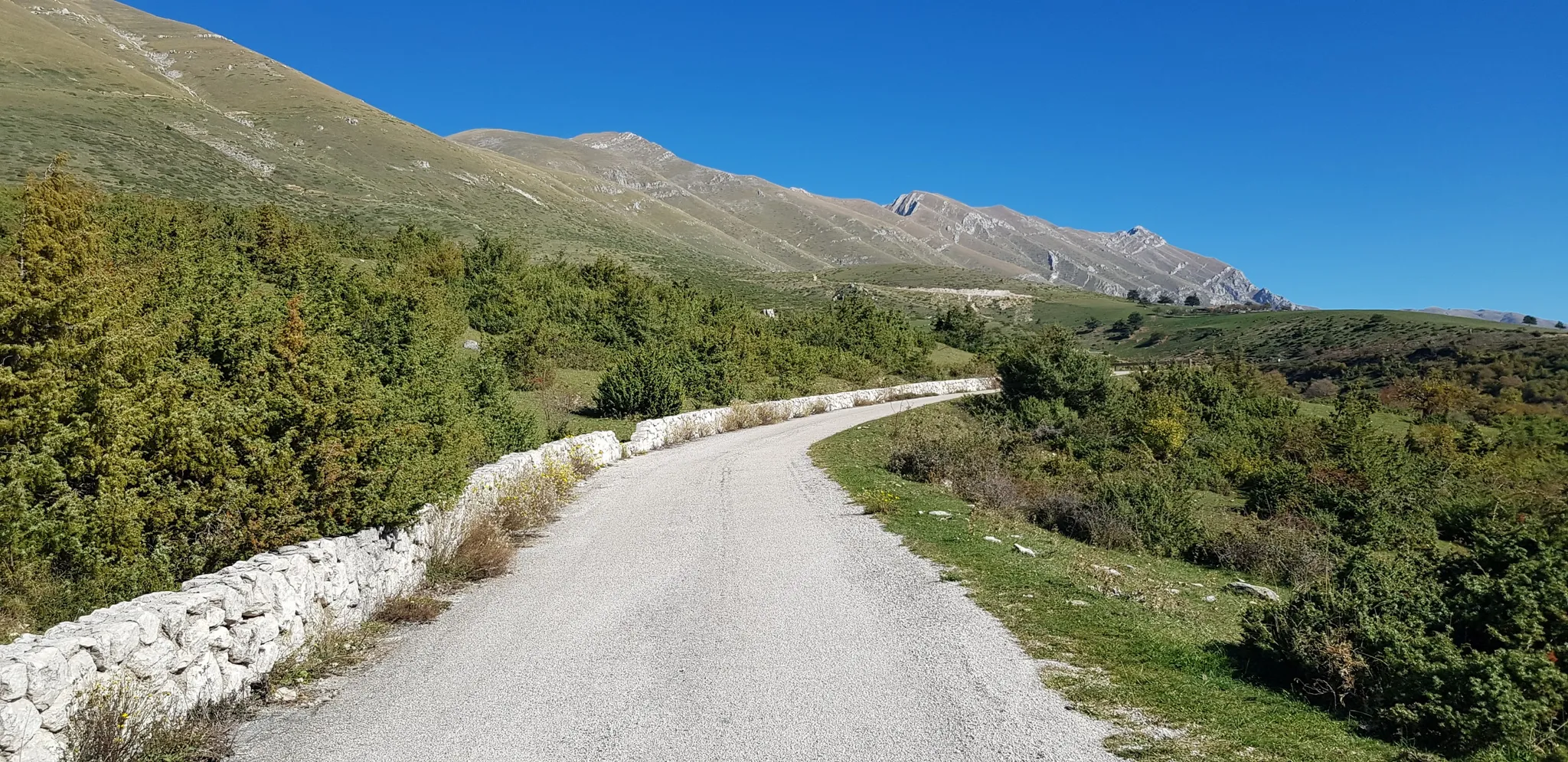
The Apennine Cycleway (Part 2) - From Umbria to Calabria
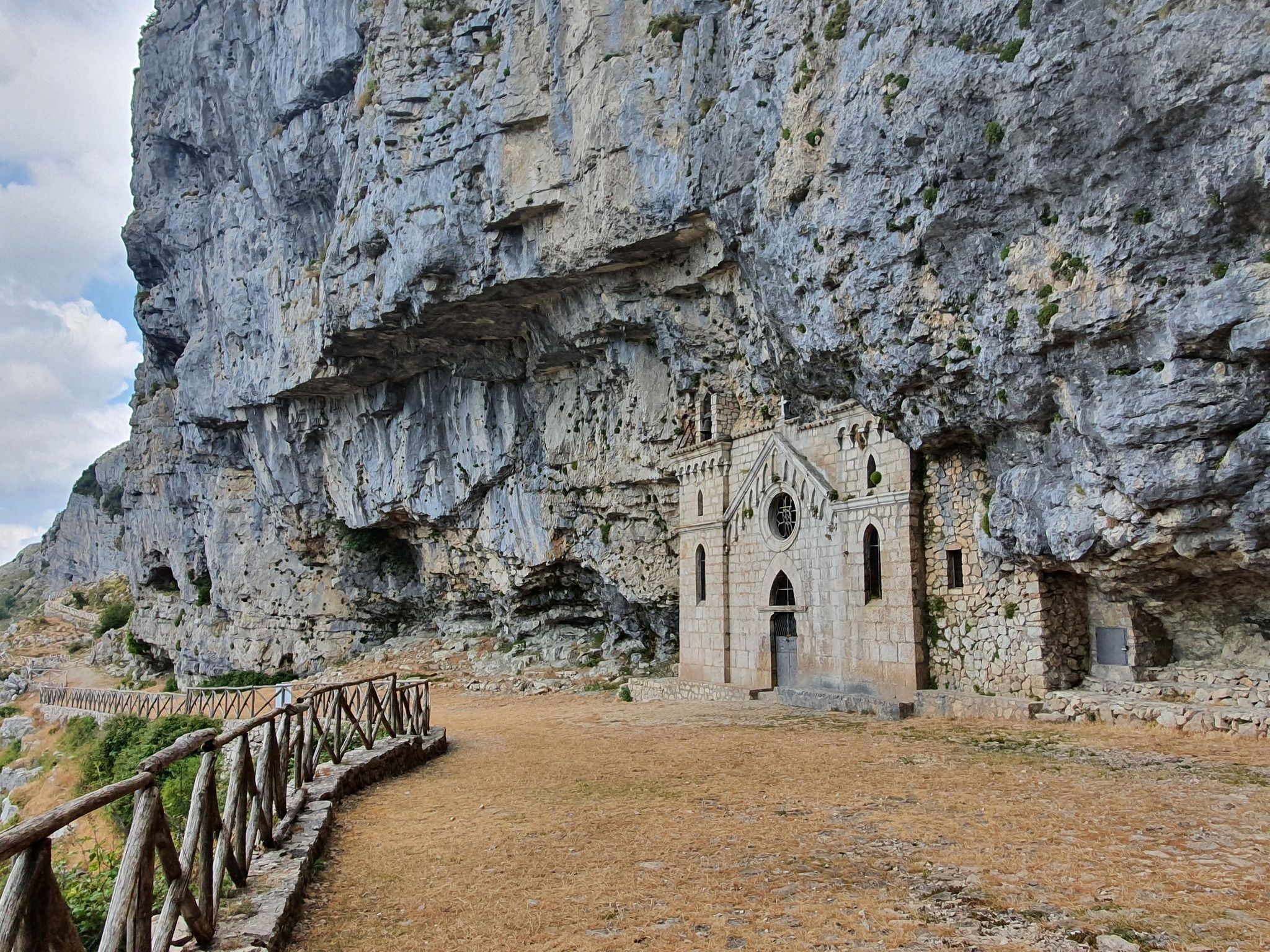
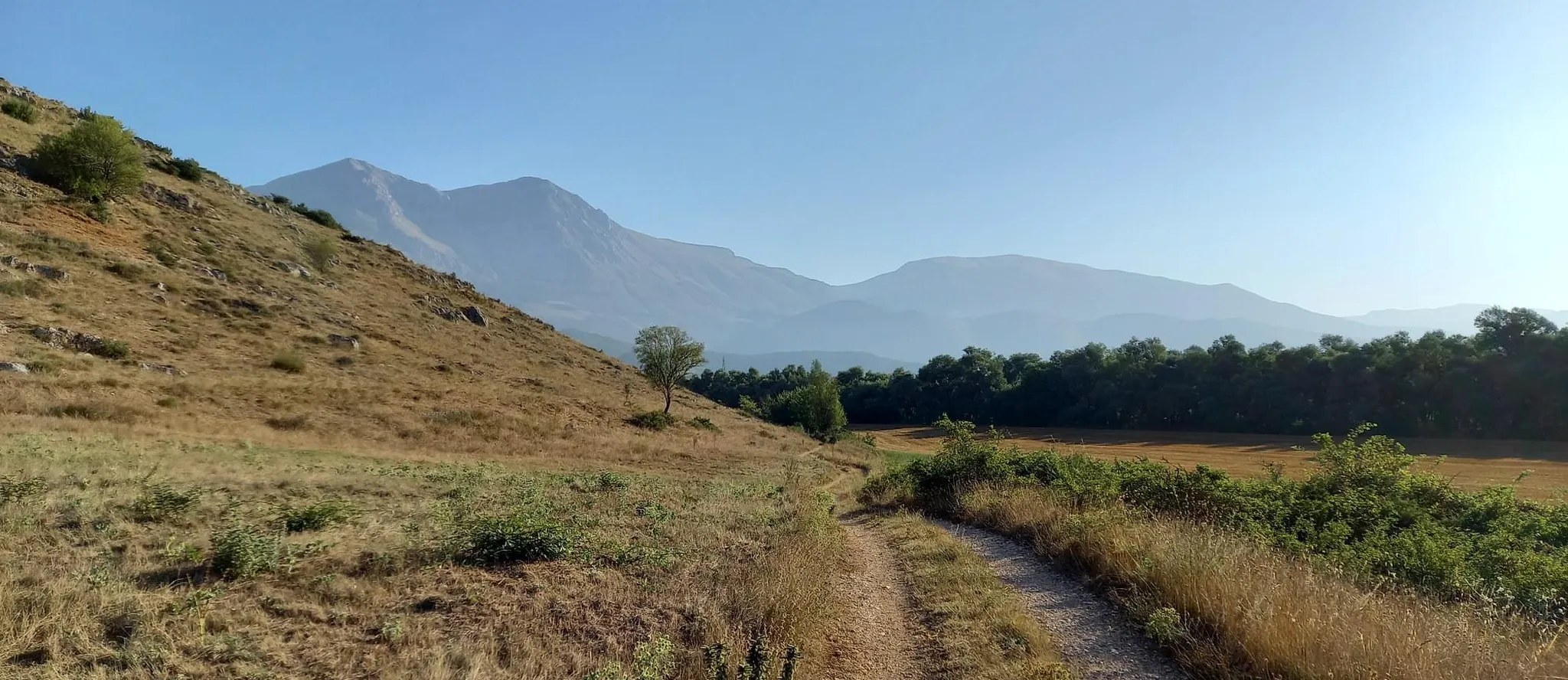
Explore Italy’s Aurunci Mountains by MTB
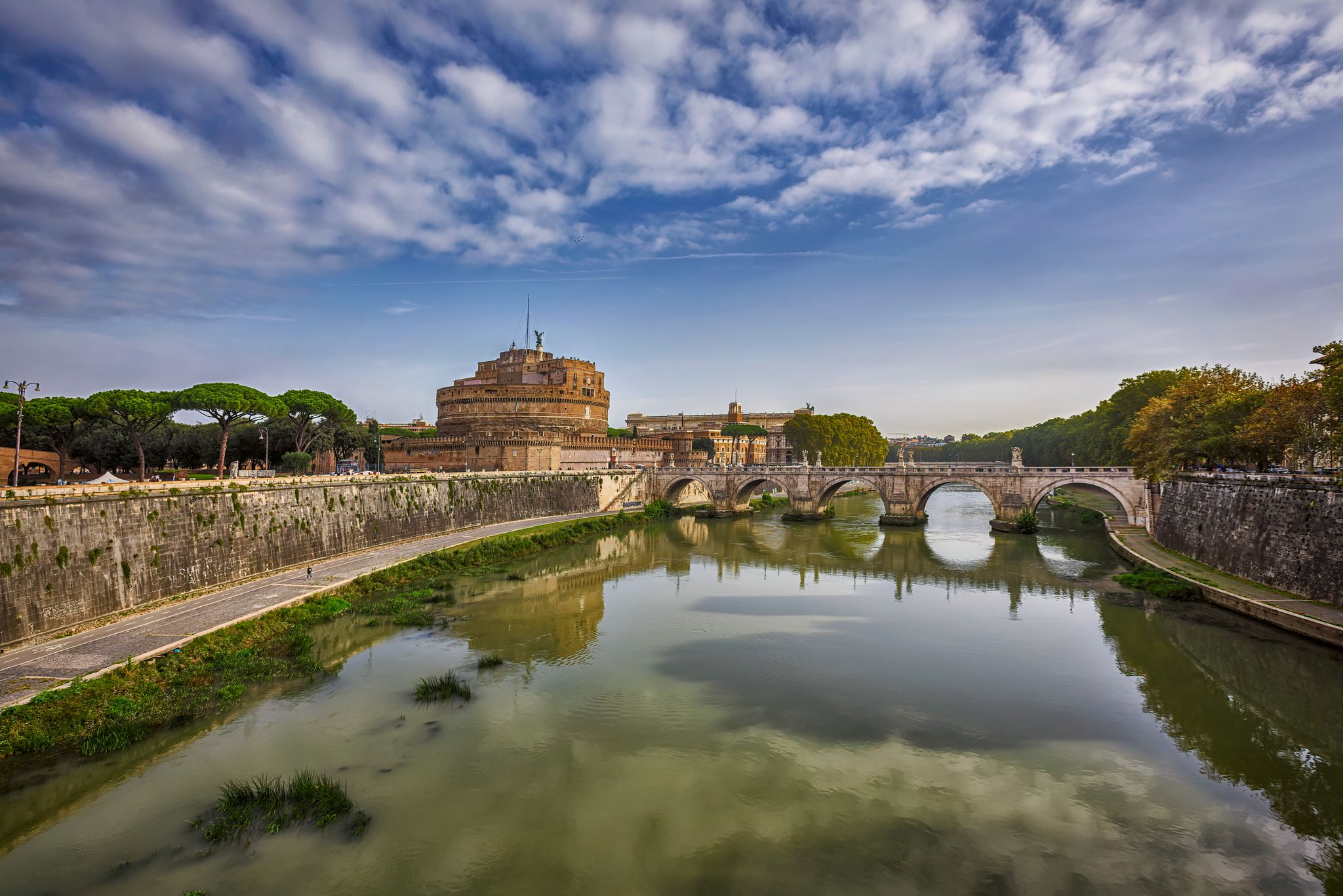
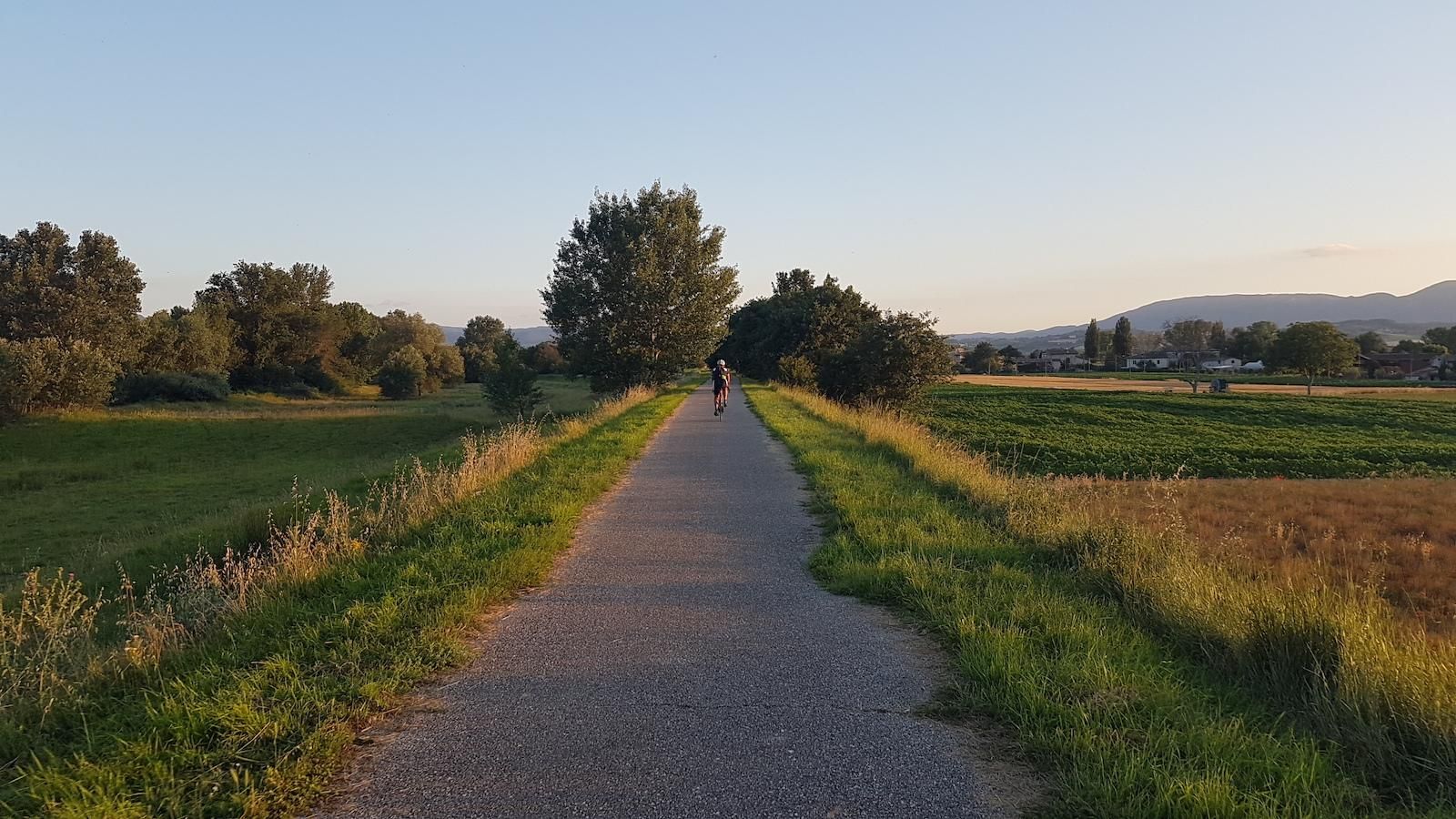
All roads lead to Rome – Romea Tiberina Cycleway
Hike from Rome to the Adriatic Sea – Way of St. Thomas
Ride St Francis Way in Italy – Via del Sud pilgrimage
Other adventures in Lazio


Tips from the Community

Piazza Navona is one of Rome's most famous and beautiful squares, known for its elegant Baroque architecture, monumental fountains, and vibrant atmosphere. Built on the site of the ancient Stadium of Domitian (1st century AD), where athletic competitions were held, it is a square with a long, curved shape that follows the layout of the original stadium. It was transformed into a public square in the 15th century and beautified in the 17th century under the papacy of Innocent X.
16
0
The Trevi Fountain is one of Rome's most iconic monuments and a jewel of Baroque art. Construction: Begun in 1732 by Nicola Salvi and completed in 1762 by Giuseppe Pannini.
20
1
Castel Sant'Angelo, also known as Hadrian's Mausoleum, is an impressive rotunda located in Parco Adriano, Rome, Italy. It was originally commissioned by the Roman Emperor Hadrian as a mausoleum for himself and his family. Later, the popes used the building as a fortress and castle, and it is currently a museum. The castle has had a fascinating history, from its use as a mausoleum to its conversion into a military fortress and its inclusion in the Aurelian Walls. Today, visitors can explore its various rooms and enjoy panoramic views of Rome from its terrace.
15
0
The Trevi Fountain is one of the most famous and beautiful fountains in the world, located in the heart of Rome. Designed by Nicola Salvi and completed by Giuseppe Pannini in 1762, this baroque fountain is known for its impressive size and detailed sculpture. A popular tradition is to throw a coin into the fountain to ensure your return to Rome. It is estimated that around 3,000 euros are collected per day, which is used to support those in need in the city.
15
0
St. Peter's Square is one of the most emblematic and recognizable spaces in Vatican City. The square is located on the site of Nero's Circus in classical times, near where Saint Peter is believed to have been martyred. The square is not only a meeting place for Catholic faithful from all over the world, but also a masterpiece of baroque urbanism that reflects the greatness and spirituality of the Catholic Church.
24
2
Today, Vatican City remains the spiritual center of the Catholic Church and an important tourist and religious destination. St. Peter's Basilica and St. Peter's Square are places of pilgrimage for millions of faithful each year. In addition, it houses museums with an impressive art collection.
25
2
The National Monument to Victor Emmanuel II, also known as Altare della Patria or simply Il Vittoriano, is a huge memorial located in the city of Rome, Italy. It was erected in honor of the first king of unified Italy, Victor Emmanuel II.
20
0
The Pantheon in Rome is, without a doubt, one of the most fascinating historical buildings in the city. Originally, the Pantheon was a temple dedicated to all the pagan deities of Rome. Its construction dates back to the years 27-25 BC, under the consulship of Marcus Agrippa, son of Lucius, during the reign of Augustus. After two fires, it was rebuilt by Emperor Hadrian in the form it appears today.
18
0
Frequently Asked Questions
What historical sites can I explore in Lazio?
Lazio is rich in history, offering numerous ancient Roman landmarks and archaeological sites. Beyond the iconic Colosseum and Pantheon, you can visit the expansive Roman Forum, the Castel Sant'Angelo (originally Hadrian's mausoleum), and the Arch of Constantine. For a deeper dive into ancient life, explore the well-preserved Roman port city of Ostia Antica or the Etruscan Necropolises of Cerveteri and Tarquinia, both UNESCO World Heritage Sites.
Are there family-friendly attractions in Lazio?
Yes, Lazio offers many attractions suitable for families. Historical sites like the Colosseum, Pantheon, and Castel Sant'Angelo are often enjoyed by all ages. For something different, consider Cinecittà World, an amusement park dedicated to cinema and television, or the unique Sacred Grove of Bomarzo (Park of the Monsters) with its fantastical sculptures.
What natural features and outdoor activities can I find in Lazio?
Lazio's diverse landscape includes volcanic lakes, mountains, and coastal areas. You can enjoy water sports on lakes like Bolsena or Bracciano. Circeo National Park offers diverse habitats along the Tyrrhenian coast, while the Farfa Gorges are ideal for canyoning. The region also features parts of the Apennine mountains, including Monte Terminillo for winter sports, and the ancient beech forests of the Cimini Mountains. For hiking and cycling, explore routes in areas like the Treja Valley or the Appian Way Regional Park. You can find many MTB trails and cycling routes throughout Lazio.
Are there any unique cultural sites or charming villages to visit?
Beyond Rome, Lazio boasts numerous cultural sites and medieval villages. The Sacro Speco of Subiaco is a monastery built around Saint Benedict's hermitage cave, rich in art. Charming hilltop towns include Civita di Bagnoregio, known as 'the dying town,' Caprarola with its Palazzo Farnese, and Bagnaia with Villa Lante. The Castelli Romani area also features picturesque villages like Frascati and Castel Gandolfo. Don't miss the Macchina di Santa Rosa in Viterbo, an intangible cultural heritage event.
What are some attractions near Rome that are worth visiting?
Several significant attractions are easily accessible from Rome. The Historic Villas of Tivoli—Villa d'Este, Villa Adriana, and Villa Gregoriana—are renowned for their gardens, ancient ruins, and waterfalls. Ostia Antica, the ancient Roman port, offers a fascinating glimpse into a well-preserved city. The Castelli Romani area, with its charming towns and wine routes, is also a popular choice for a day trip.
Where can I find opportunities for hiking and running in Lazio?
Lazio provides ample opportunities for hiking and running. Areas like Circeo National Park, the Treja Valley, and the Appian Way Regional Park offer scenic trails. The Monti Lepini, Ausoni, and Aurunci provide expansive views for hikers. For specific routes, you can explore running trails in Lazio, including the Villa Doria Pamphilj Loop Trail or the GRAB - Grande Raccordo Anulare delle Bici Trail, which also has sections suitable for running.
What are the best places to experience Lazio's natural beauty?
To experience Lazio's natural beauty, visit its volcanic lakes such as Lake Bolsena, Lake Bracciano, and Lake Vico, many offering water sports. Circeo National Park protects diverse coastal habitats. The Farfa Gorges are a natural paradise for canyoning, and the Split Mountain in Gaeta is a unique geological formation. The Caves of Val de' Varri and Pastena Caves showcase impressive underground formations. The ancient beech forests of the Cimini Mountains are also a UNESCO World Heritage Site.
Are there any coastal towns or beaches to visit in Lazio?
Yes, Lazio's Ulysses Riviera features picturesque coastal towns like Sperlonga, known for its white stone and beautiful beaches, and Gaeta with its medieval center. The Pontine Islands, including Ventotene and Ponza, offer crystal-clear waters and wild nature, accessible by ferry for a coastal escape.
Can I find dog-friendly places among Lazio's attractions?
While specific regulations vary by site, many outdoor historical areas and natural parks in Lazio are generally welcoming to dogs, often on a leash. For example, the Colosseum area allows dogs in certain outdoor sections. It's always advisable to check individual attraction policies beforehand.
What is the best time of year to visit Lazio attractions?
Lazio is enjoyable year-round, but the best time often depends on your interests. Spring (April-May) and autumn (September-October) offer pleasant temperatures ideal for exploring historical sites and outdoor activities, avoiding the peak summer heat and crowds. Summer is perfect for coastal areas and lakes, while winter offers opportunities for skiing in the Apennine mountains like Monte Terminillo and fewer crowds at major Roman attractions.
Are there any thermal waters or wellness spots in Lazio?
Yes, Lazio is known for its thermal waters. Visitors can relax in places like the Carletti Pools in Viterbo, which offer a chance to unwind in natural thermal springs.
What kind of culinary experiences can I have in Lazio?
Lazio offers rich culinary traditions, and you can explore them through designated Wine, Oil, and Flavors Routes. The Castelli Romani region, for instance, is a significant wine-producing area, perfect for tasting local wines and traditional dishes.
Most popular routes in Lazio
Most popular attractions in Lazio

Get inspired with the komoot mobile app


Didn’t find what you were looking for?
Are you keen on exploring more awesome places nearby? Browse our guides:
Explore more
Still not found the Highlight you’re looking for? See guides of the top attractions in other regions:
