Top 20 Caves in the Massif Central
Best caves in the Massif Central offer a diverse range of underground experiences, from ancient geological formations to historical sites. This region, known for its varied terrain, features numerous caves that showcase both natural beauty and human history. Visitors can explore vast chambers, subterranean rivers, and unique rock formations. The caves provide a glimpse into the geological evolution and cultural heritage of the Massif Central.
Best caves in the Massif Central
- The most popular caves include Saint-Marcellin, a historical site featuring a troglodyte village. This site preserves remains of a rock fortification and caves converted into sheepfolds, showcasing how humans adapted to nature.
- Another must-see spot is Arcs de Saint-Pierre, a natural monument. Erosion has carved curious shapes in the limestone, forming majestic arches that visitors can walk through.
- Visitors also love Cascade du Déroc, a waterfall where the Ganbaïse stream falls from a 30-meter basalt ravine that has formed a cave. The cave's ceiling reveals typical prisms of lava flows, highlighting the region's volcanic past.
- Massif Central is known for its natural caves, historical troglodyte sites, and unique geological formations. These include caves formed by waterfalls, ancient cellars, and sites with prehistoric significance.
- The caves in the Massif Central are appreciated by the komoot community, with more than 70 highlights and over 160 upvotes, alongside 65 photos shared by visitors.
Last updated: July 1, 2026
Les Baumes des Grenas Cave
Highlight • Cave
Translated by Google •
Tip by

Swimming Spot at the Chassezac Cliffs
Highlight • Beach
Translated by Google •
Tip by

Sign up now to discover places like this
Get recommendations on the best single tracks, peaks, & plenty of other exciting outdoor places.
Sign up for free
Saint-Marcellin
Highlight • Historical Site
This troglodyte village thus preserves the remains of a rock fortification but also of jasses (caves converted into sheepfolds), a Caussenard house, a chapel, a bread oven...
Translated by Google •
Tip by

Grotte Chauvet 2 (Replica of Chauvet Cave)
Highlight • Cave
But you can download photos from the cave website.
Translated by Google •
Tip by

Notre-Dame de Cénaret Chapel
Highlight • Religious Site
Very beautiful buildings ranging from medieval times to the Renaissance are to be discovered all around in the village of Saint-Chély-du-Tarn.
Translated by Google •
Tip by

Arcs de Saint-Pierre
Highlight • Natural Monument
Between the tall pines that occupy the space, erosion has carved curious shapes in the limestone, opening up majestic arches. Nearby, there is a cave-burial where audacious trepanations were performed 3,500 years before our era.
The shadows cast by the trees make it the perfect place for a break. However, be very respectful of this place considered as an archaeological jewel.
Translated by Google •
Tip by

Châteaugay Cellars
Highlight • Cave
The process is clever: they are stone constructions pierced with large wooden gates that hug the sides of the hill.
Aeration is done by small ventilation chimneys that come out of the ground.
Translated by Google •
Tip by
Aven Armand
Highlight • Cave
Indeed, the Aven Armand is an underground spectacle! Cave among caves, it records not far from 400 stalagmites which make up a real forest of stones 15 to 30 meters high.
Open during high season, entry is chargeable. You can treat yourself to a guided tour that will give you many anecdotes about its crazy discovery and its rich constitution.
For more information, visit: avearmand.com.
Translated by Google •
Tip by
Cascade du Déroc
Highlight • Waterfall
Translated by Google •
Tip by
grotte-abri du Lamalou n°2
Highlight • Cave
Be careful, I strongly advise people who are sensitive to vertigo, have difficulty moving, or have young children not to take the path that leads to this place (in either direction).
Translated by Google •
Tip by

Sign up for free to discover even more caves in the Massif Central.
Sign up for free
Already have an account?
Start today with a free account
Your next adventure awaits.
Login or Signup
Popular around Massif Central
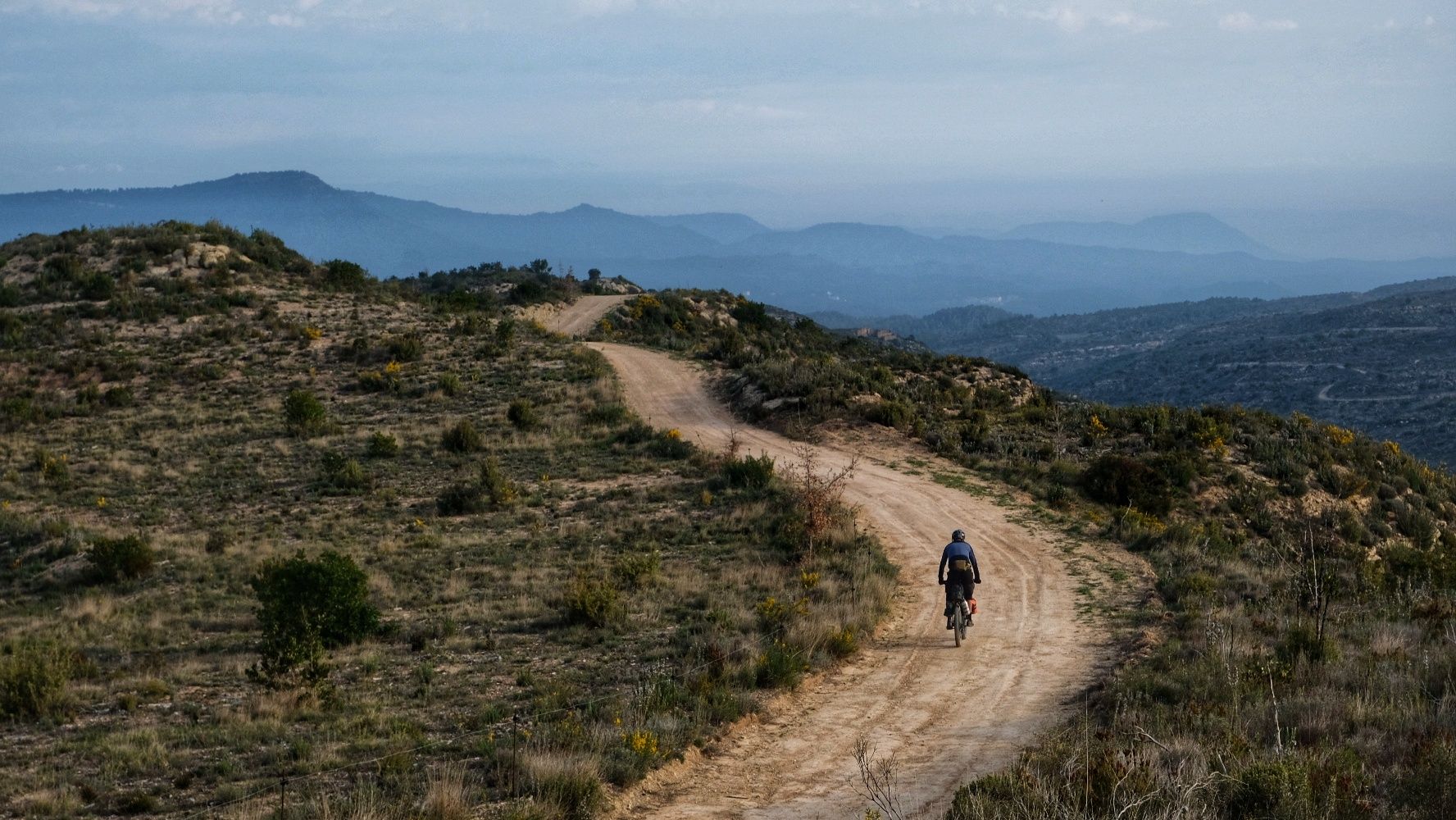
European Divide Trail — 7,600 km across the continent
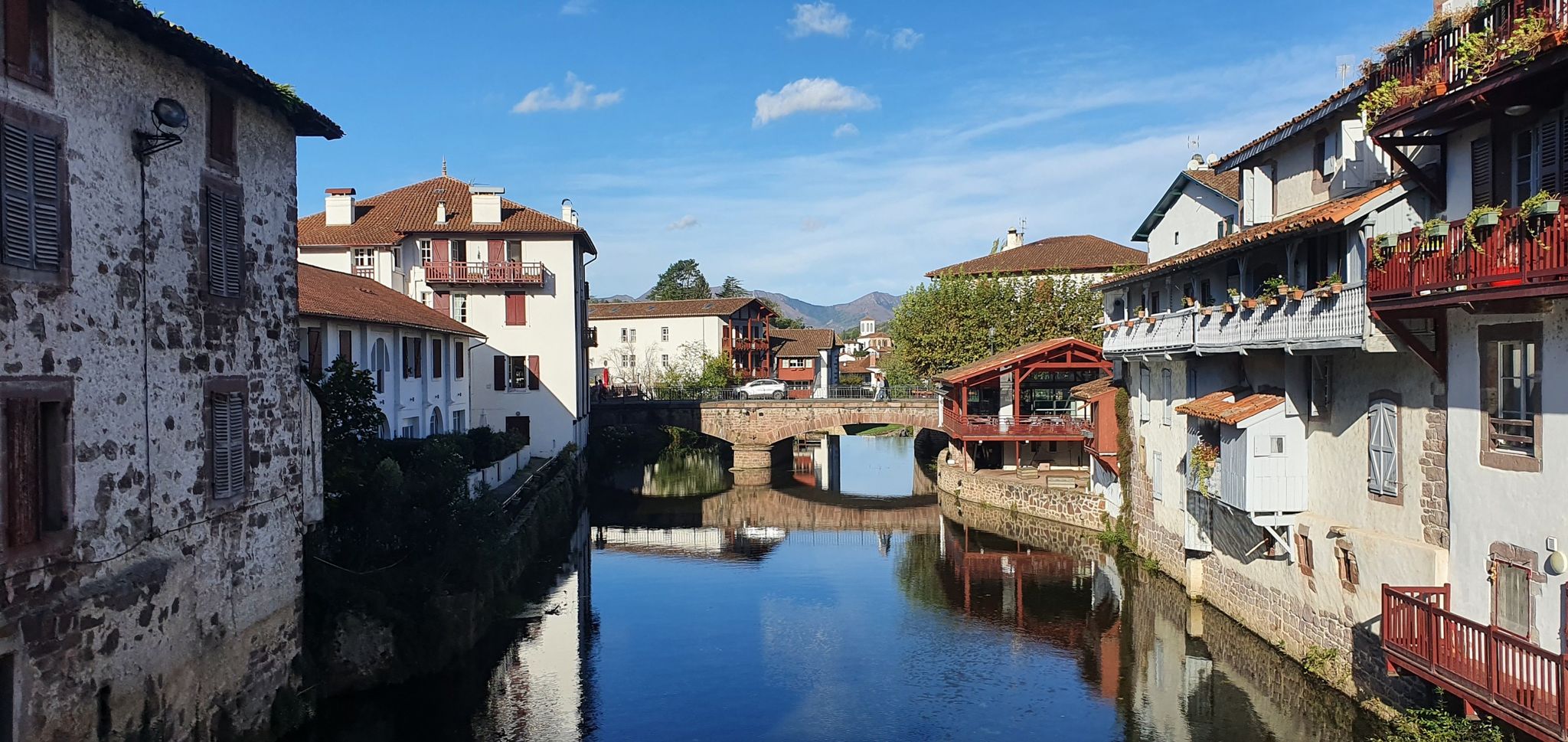
GR 65 Way of Saint James of Compostela — Via Gebennensis and Via Podiensis
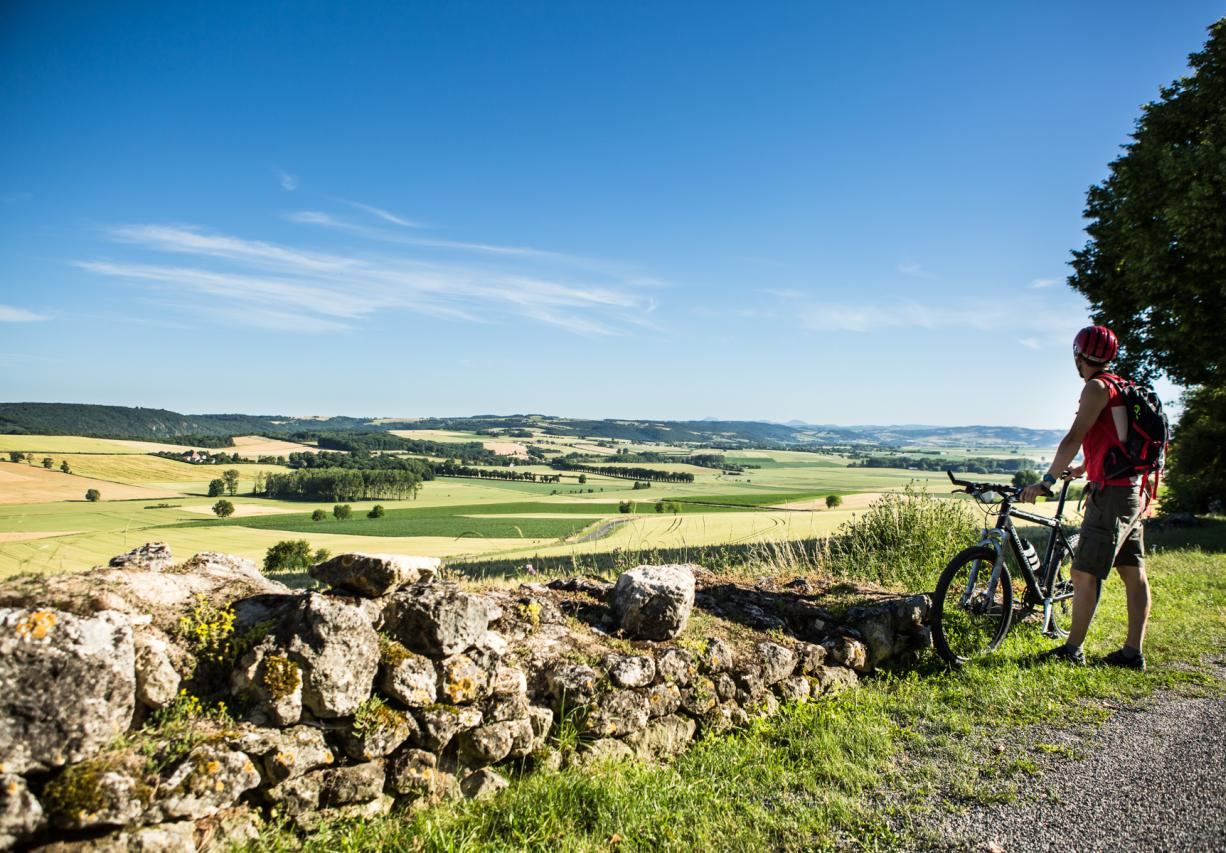
The Grande traversée du Massif Central by gravel bike
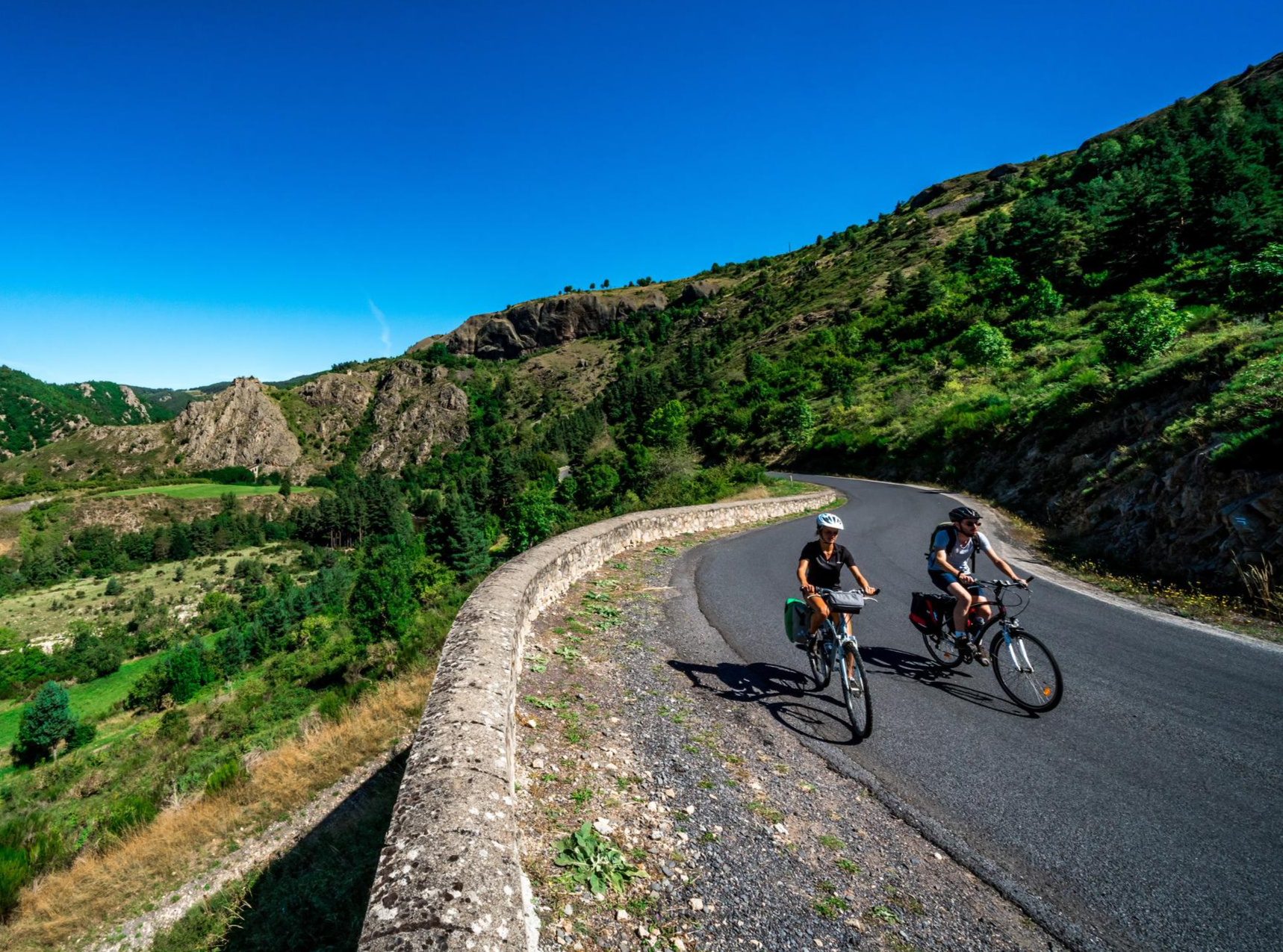
Via Allier – The Auvergne cycle route
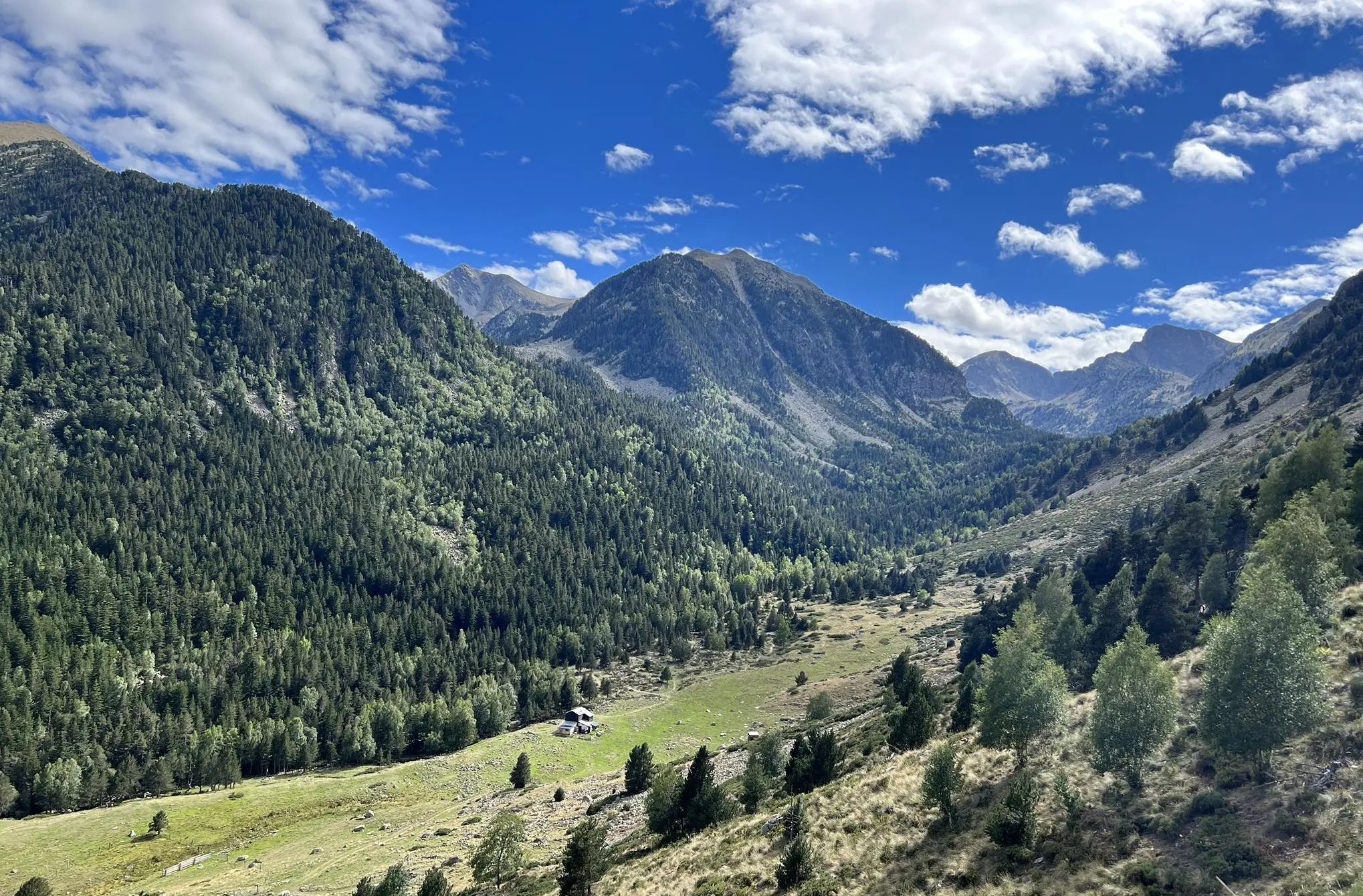
GR 36 long-distance footpath – Cross France from the Channel to the Pyrenees
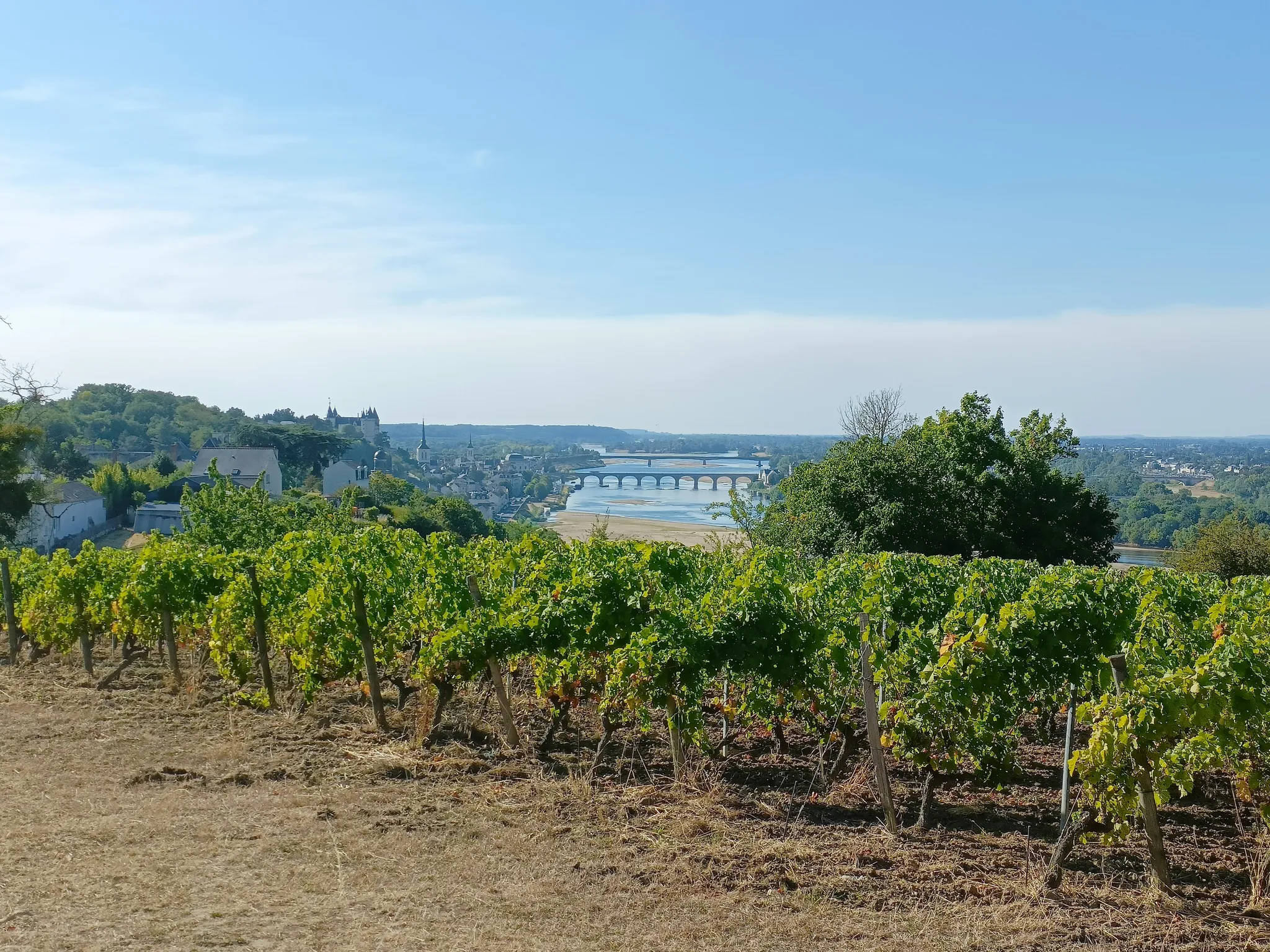
GR3 from the ocean to its source – The Loire, a wild European river
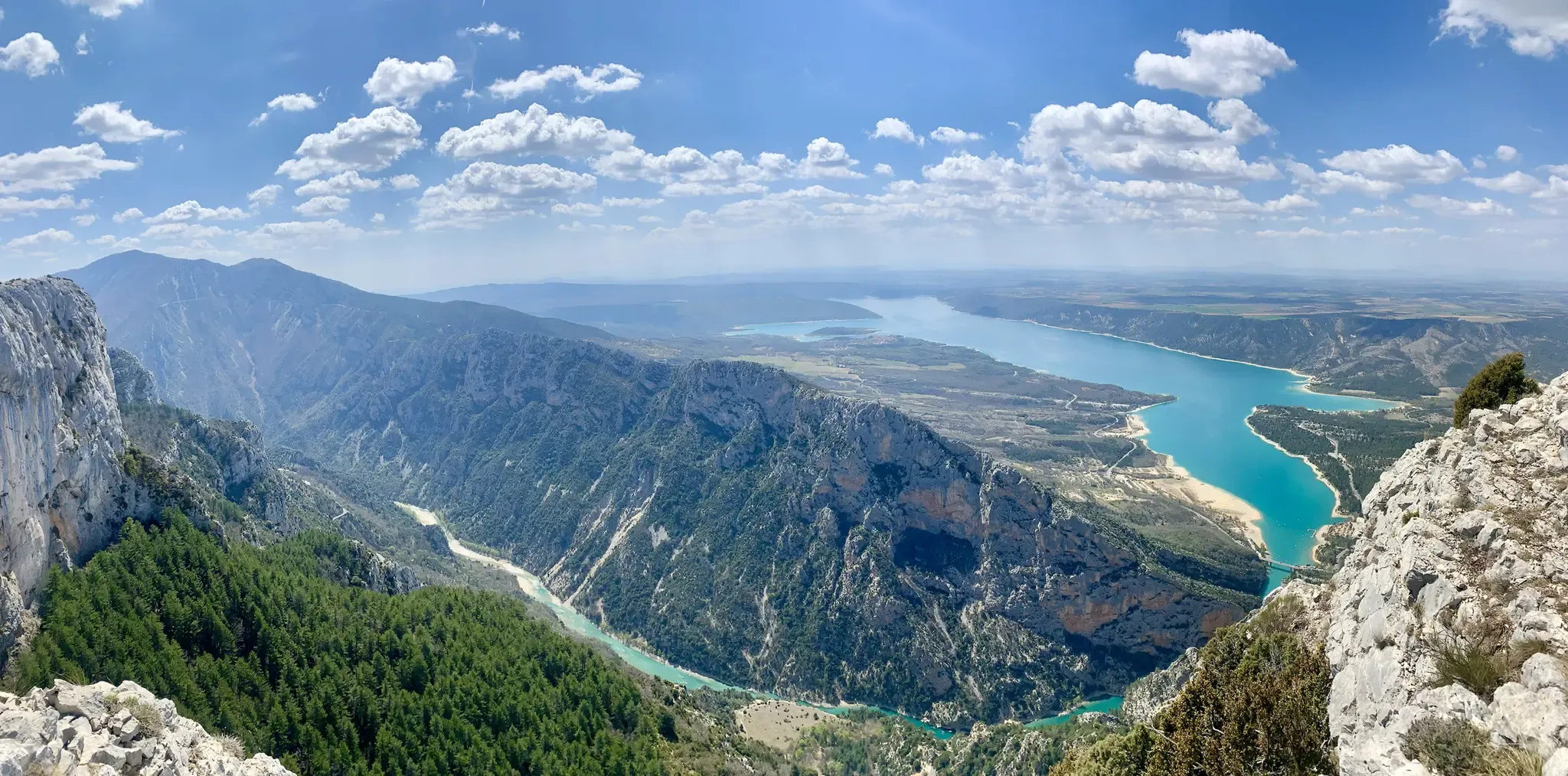
GR 4 – Crossing the south of France from Atlantic Coast to Provence
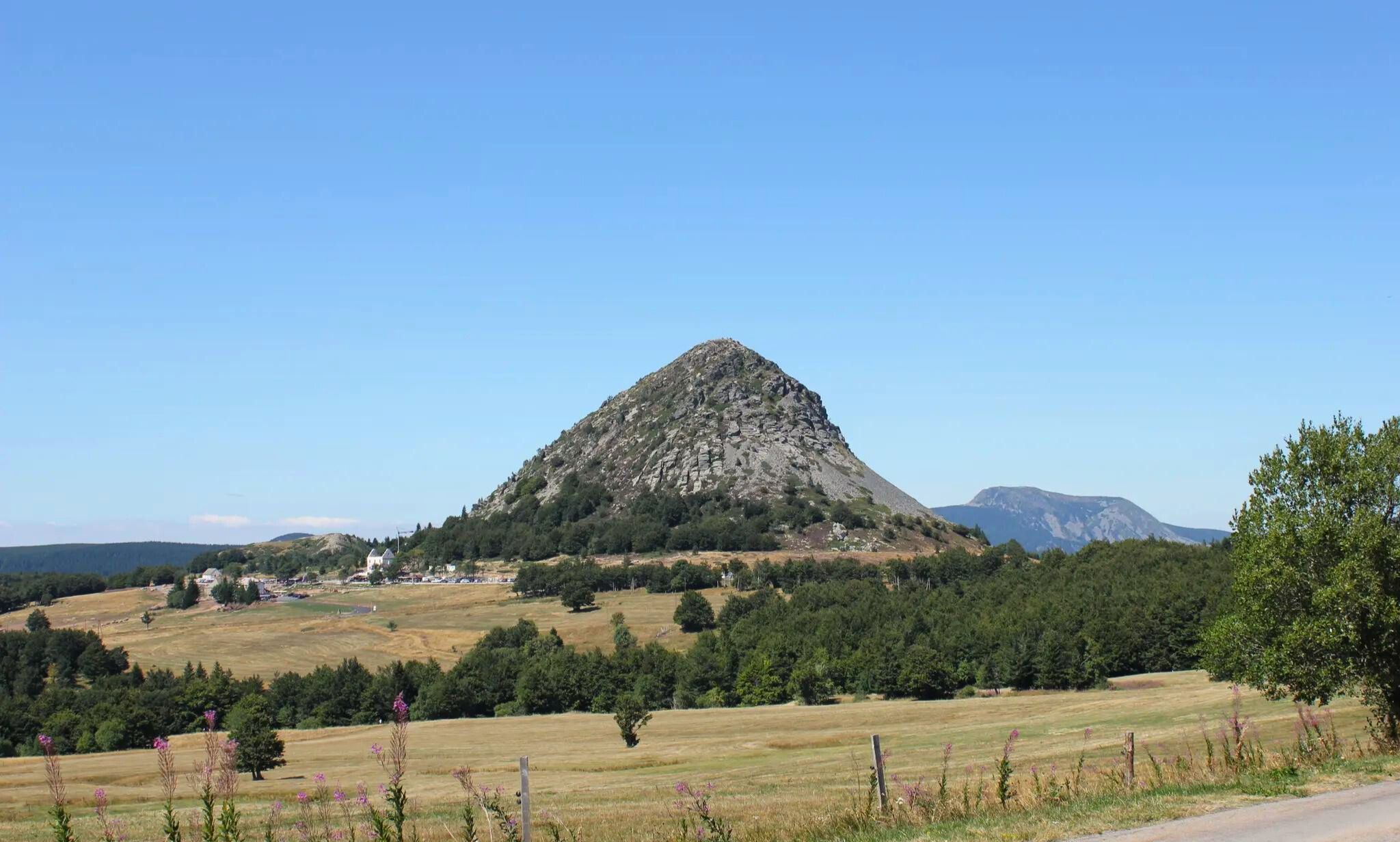
GR 3 between Puy-en-Velay and Gerbier de Jonc – The Loire from ocean to the source
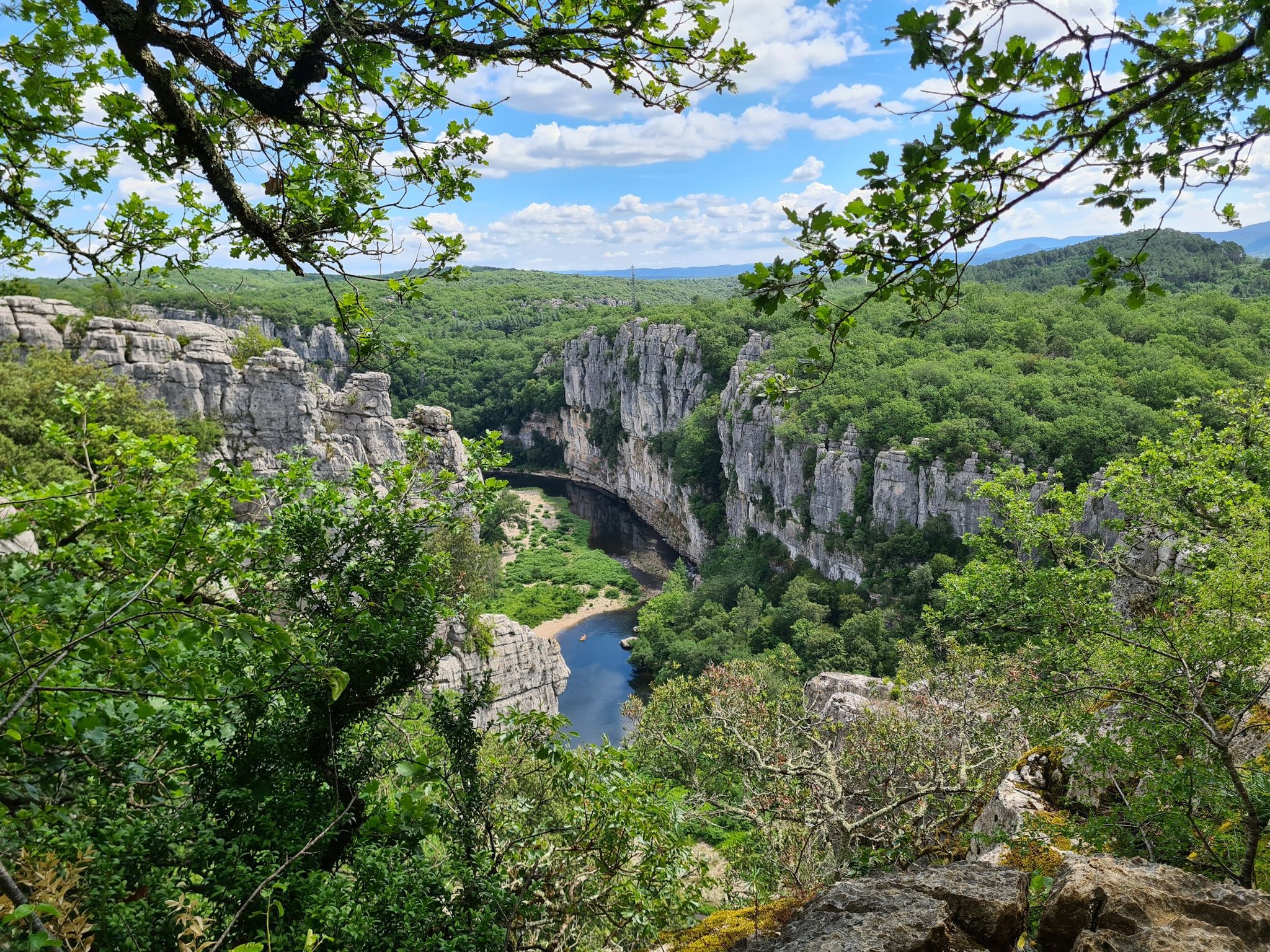
Hexatrek – The Cévennes to the Pyrenees between gorges and limestone plateau
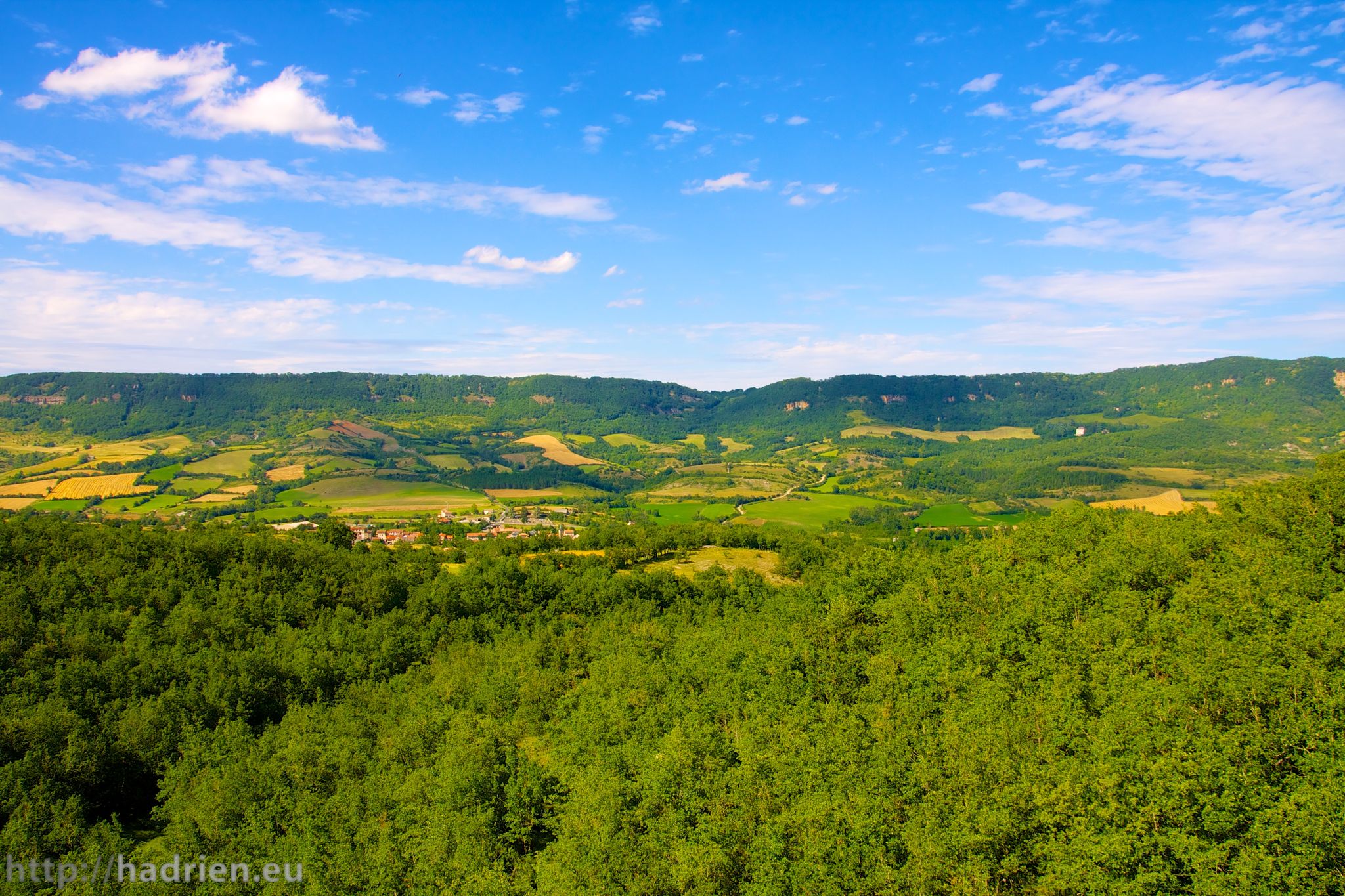
Tour of Aveyron — The mountains and valleys of Roquefort and Aligot
Other adventures in the Massif Central


Tips from the Community

We passed and enjoyed this during our Camino trip in 2025: https://youtu.be/iWACUDABfUc
0
0

WARNING: This is not the Grotte des Demoiselles (Cave of the Maidens)! I requested that its REAL name be changed to "Grotte - Abri de Lamalou 2" (Lamalou Cave - Shelter 2). Some nice points of interest along the way! The path is sometimes challenging, so caution is advised. I also encountered a few people rock climbing. The ladder in the old "Hermite" cave is stable, but be careful nonetheless. Once at the top, it's easy to slip (it's on a slope). The visit is short, but there are a few tricky sections to explore a little further. Naturally, this makes it all the more dangerous! Not recommended for people with vertigo or who are not comfortable with heights.
0
0

Titled "France's Wild South," an episode of the British television series "National Parks - Protected Natural Wonders" on 3sat introduces the Cévennes. The accompanying text on the website states: "Lush green mountains, barren plateaus, and deep gorges characterize this landscape, which, unlike France's coasts, has not yet been discovered by mass tourism. Yet, it is home to arguably the most spectacular river landscapes in the country." The worthwhile film in German is available in the media library at the following link =>> https://www.3sat.de/dokumentation/nationalparks-geschuetzte-naturwunder/nationalparks-geschuetzte-naturwunder-cevennen-frankreichs-wilder-sueden-102.html
0
0

It is especially the path that leads to this place that will amaze you! Be careful, I strongly advise people who are sensitive to vertigo, have difficulty moving, or have young children not to take the path that leads to this place (in either direction).
0
0

A beautiful swimming spot where you can go by paddle boat. Afterwards you can take a break on the rocks and even jump in.
1
0

Please note that Châteaugay is one of the five crus in the AOC Cotes d’Auvergne. The other crus are Boudes, Corent, Chanturgue and Madargue. The authorized grape varieties are; Gamay, Pinot Noir and Chardonnay. To be consumed in moderation
0
0

old mill, magnificent to see it is used to display local and artisanal products
0
0

very nice hike but some difficult sections.
0
0
Frequently Asked Questions
What unique geological formations can I explore in the Massif Central caves?
The Massif Central is rich in diverse geological formations. You can witness the dramatic 103-meter-deep chasm and subterranean river boat trip at Gouffre de Padirac. Aven Armand boasts a 'forest' of over 400 stalagmites, including the world's tallest. Additionally, Cascade du Déroc features a cave formed by a 30-meter basalt ravine, revealing typical prisms of lava flows.
Which caves in the Massif Central offer insights into prehistoric human activity?
For a glimpse into prehistory, visit Grotte de Pech Merle, one of the few prehistoric cave painting sites in France open to the public, featuring art from up to 25,000 years ago. Grotte de Niaux is renowned for its remarkably preserved Magdalenian parietal art, dating back over 14,000 years. The Grotte Chauvet 2 (Replica of Chauvet Cave) also offers an immersive experience of ancient cave art.
Are there family-friendly cave experiences in the Massif Central?
Yes, several caves cater to families. The Grotte Chauvet 2 (Replica of Chauvet Cave) is specifically categorized as family-friendly. The boat trip at Gouffre de Padirac and the funicular access to Aven Armand make them accessible and engaging for visitors of all ages.
What historical or cultural sites can I find among the caves?
Beyond natural formations, the region offers historical cave sites. Saint-Marcellin is a historical troglodyte village with remains of a rock fortification and caves converted into sheepfolds. The Arcs de Saint-Pierre are near a cave-burial site, and Châteaugay Cellars are historical stone constructions used for wine preservation.
What is the best time of year to visit the caves in the Massif Central?
Many caves in the Massif Central, especially those with guided tours like Gouffre de Padirac and Aven Armand, are open seasonally, typically from spring through autumn. Visiting during these months ensures optimal access and tour availability. Prehistoric art caves like Grotte de Pech Merle and Grotte de Niaux often have limited daily visitor numbers, so booking in advance is recommended regardless of the season.
What kind of outdoor activities can I do near the caves in the Massif Central?
The Massif Central offers a variety of outdoor activities. You can find numerous hiking trails, from easy to difficult, such as the 'Puy de Pariou Loop' or 'The ridges of Sancy'. For mountain biking, explore routes like 'Circuit Tour des Lacs depuis Super Besse'. You can find more details on these activities in the Hiking in the Massif Central, Easy hikes in the Massif Central, and MTB Trails in the Massif Central guides.
What should I wear when visiting caves in the Massif Central?
Cave temperatures remain consistently cool, often around 10-14°C (50-57°F), even in summer. It's advisable to wear warm layers and comfortable, sturdy shoes with good grip, as paths can be uneven and sometimes wet. For caves like Grotte de Niaux, where visitors are equipped with torches, proper footwear is particularly important.
Are there any caves in the Massif Central that involve a boat trip?
Yes, the Gouffre de Padirac offers a unique boat trip experience along its subterranean river. After descending into the chasm, visitors embark on a guided boat tour to explore vast chambers and marvel at the underground river system.
How accessible are the caves in the Massif Central for visitors?
Accessibility varies by cave. Gouffre de Padirac offers lift access for the initial descent, though the boat trip and some walking paths may have limitations. Aven Armand provides funicular access to its main chamber. Prehistoric art caves like Grotte de Pech Merle and Grotte de Niaux often involve walking on uneven terrain and may have stairs, so it's best to check specific accessibility details with each site directly.
What do visitors appreciate most about the caves in the Massif Central?
Visitors frequently praise the sheer natural beauty and geological drama of the caves, such as the 'magical' formations in Aven Armand and the 'idyllic' setting of Cascade du Déroc. The historical significance of sites like Grotte de Pech Merle and Grotte de Niaux, offering a journey back to the origins of art, is also highly valued. The komoot community has shared over 65 photos and given more than 160 upvotes, highlighting the region's appeal.
Can I find less crowded or 'hidden' cave experiences in the Massif Central?
While major sites like Gouffre de Padirac attract many visitors, you can explore less frequented spots. The Les Baumes des Grenas Cave and grotte-abri du Lamalou n°2 are examples of highlights that offer a more rugged or secluded experience. For prehistoric art, Grotte de Niaux limits visitor numbers, offering a more intimate viewing experience.
Are there any caves in the Massif Central that are also religious sites?
Yes, the Notre-Dame de Cénaret Chapel is a notable example, combining a religious building with a cave setting. Additionally, the historical site of Saint-Marcellin includes a chapel and has ancient pilgrimage associations.
Most popular routes in the Massif Central
Most popular attractions in the Massif Central

Get inspired with the komoot mobile app


Explore more
Extend your search for the best caves by checking out these guides of the top ones in the Massif Central:
