The best cycling routes in the Massif Central
4.5
(14268)
143,178
riders
19,036
rides
Touring cycling in the Massif Central offers diverse landscapes across this vast highland region of south-central France. The terrain is characterized by ancient volcanoes, expansive plateaus, and dramatic river gorges, providing varied cycling experiences. Riders can navigate through areas shaped by volcanic origins, including the Chaîne des Puys and the Auvergne Volcanoes Regional Natural Park. Limestone plateaus and water-carved canyons like the Gorges du Tarn also define the region's physical features.
Best touring cycling routes in the Massif Central
- The most popular touring cycling route is ViaRhôna: Sablons to Tournon-sur-Rhône, a 40.4 miles (65.0 km) trail that takes 3 hours 44 minutes to complete. This moderate route follows the Rhône river, offering views of the surrounding valleys.
- Another top favourite among local touring cyclists is ViaRhôna : du Pouzin à Viviers en passant par Rochemaure, a moderate 25.1 miles (40.5 km) path. This section of the ViaRhôna provides a scenic ride along the river, passing through historic towns and natural areas.
- Local touring cyclists also love the Dolce Via : sur les voies ferrées en Ardèche, a 13.6 miles (21.9 km) trail leading through the Ardèche countryside, often completed in about 1 hour 40 minutes.
- Touring cycling in the Massif Central is defined by volcanic landscapes, vast plateaus, and deep river gorges. The extensive network of routes offers options for various ability levels, from gentle rides to challenging ascents.
- The routes in Massif Central are highly rated by the komoot community with an average score of 4.5 stars from more than 11,000 reviews. More than 130,000 touring cyclists have used komoot to explore Massif Central's varied terrain.
Last updated: July 7, 2026
4.8
(110)
535
riders
65.0km
03:44
180m
180m
Cycle the ViaRhôna from Sablons to Tournon-sur-Rhône, a 40.4-mile route through vineyards, orchards, and historic towns.

4.7
(75)
455
riders
40.5km
02:18
80m
110m
Moderate bike ride. Good fitness required. Mostly paved surfaces. Suitable for all skill levels.

Sign up for free
4.7
(72)
569
riders
21.9km
01:40
310m
350m
Moderate bike ride. Good fitness required. Mostly paved surfaces. Suitable for all skill levels.
4.6
(102)
657
riders
77.6km
04:43
220m
220m
Cycle the moderate 48.2-mile ViaRhôna loop from Saint-Vallier-sur-Rhône to Valence, featuring riverside paths, vineyards, and historic towns
4.5
(79)
615
riders
29.0km
01:51
340m
330m
Cycle the moderate 18.0-mile Tour of Lake Vassivière, enjoying lake views and forests in Millevaches Regional Natural Park.
4.7
(79)
583
riders
41.9km
03:25
570m
570m
Cycle the difficult 26.0-mile Dolce Via from Les Ollières-sur-Eyrieux to La Voulte-sur-Rhône, gaining 1860 feet in 3h 25m.
4.5
(19)
391
riders
34.4km
02:45
950m
950m
Hard bike ride. Very good fitness required. Mostly paved surfaces. Suitable for all skill levels.
4.0
(3)
16
riders
26.4km
01:36
240m
240m
Moderate bike ride. Good fitness required. Mostly paved surfaces. Suitable for all skill levels.
4.6
(53)
266
riders
33.5km
02:14
540m
540m
This difficult 20.8-mile touring cycling route near Anduze in Cévennes National Park offers challenging climbs and scenic river views.
4.7
(48)
262
riders
26.9km
01:40
280m
280m
Moderate bike ride. Good fitness required. Mostly paved surfaces. Suitable for all skill levels.
Get access to more routes and recommendations from other explorers.
Sign up for free
Already have an account?
Our route recommendations are based on thousands of hikes, rides, and runs completed by other people on komoot.
Start today with a free account
Your next adventure awaits.
Login or Signup
Popular around Massif Central
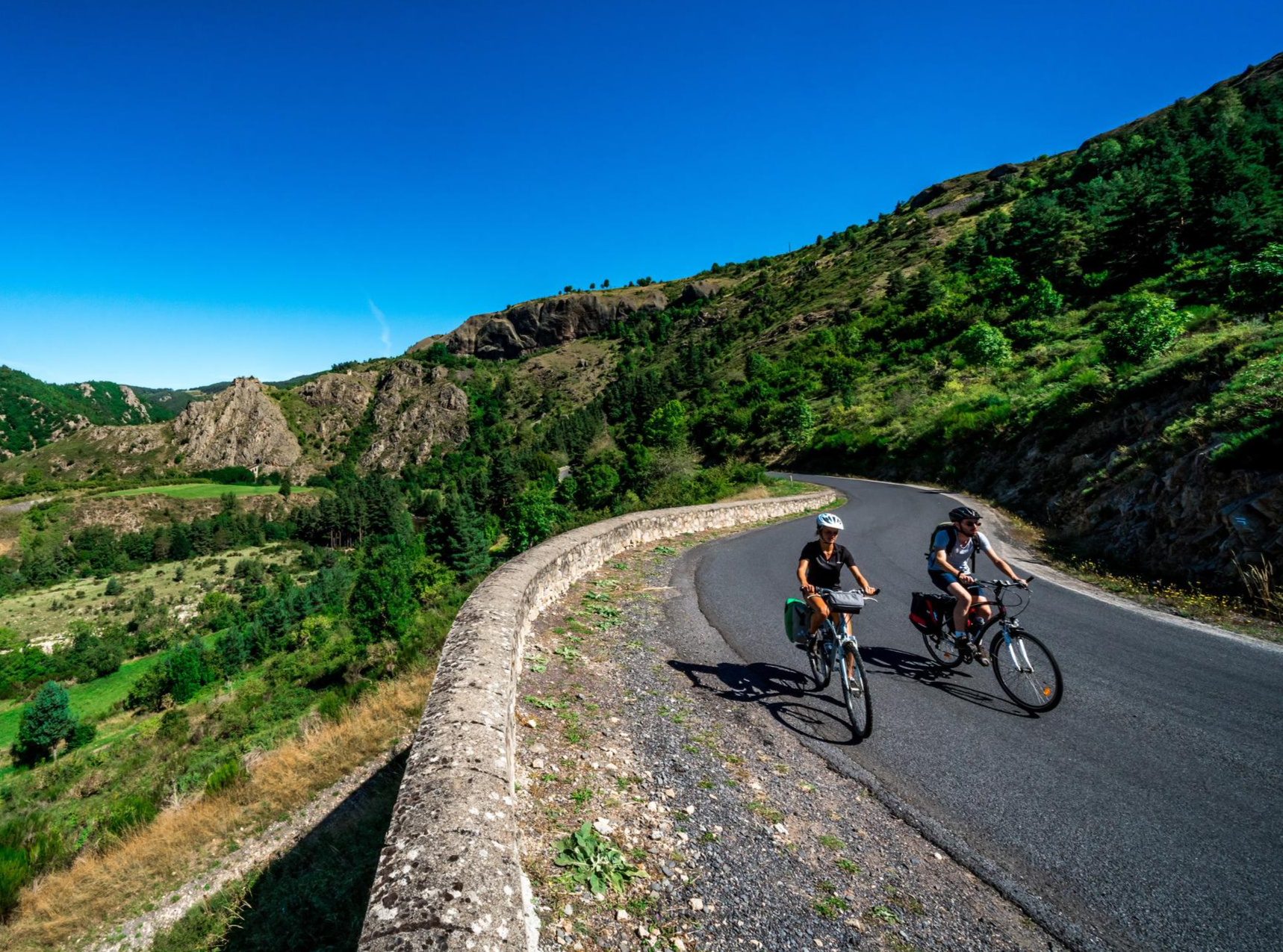
Via Allier – The Auvergne cycle route
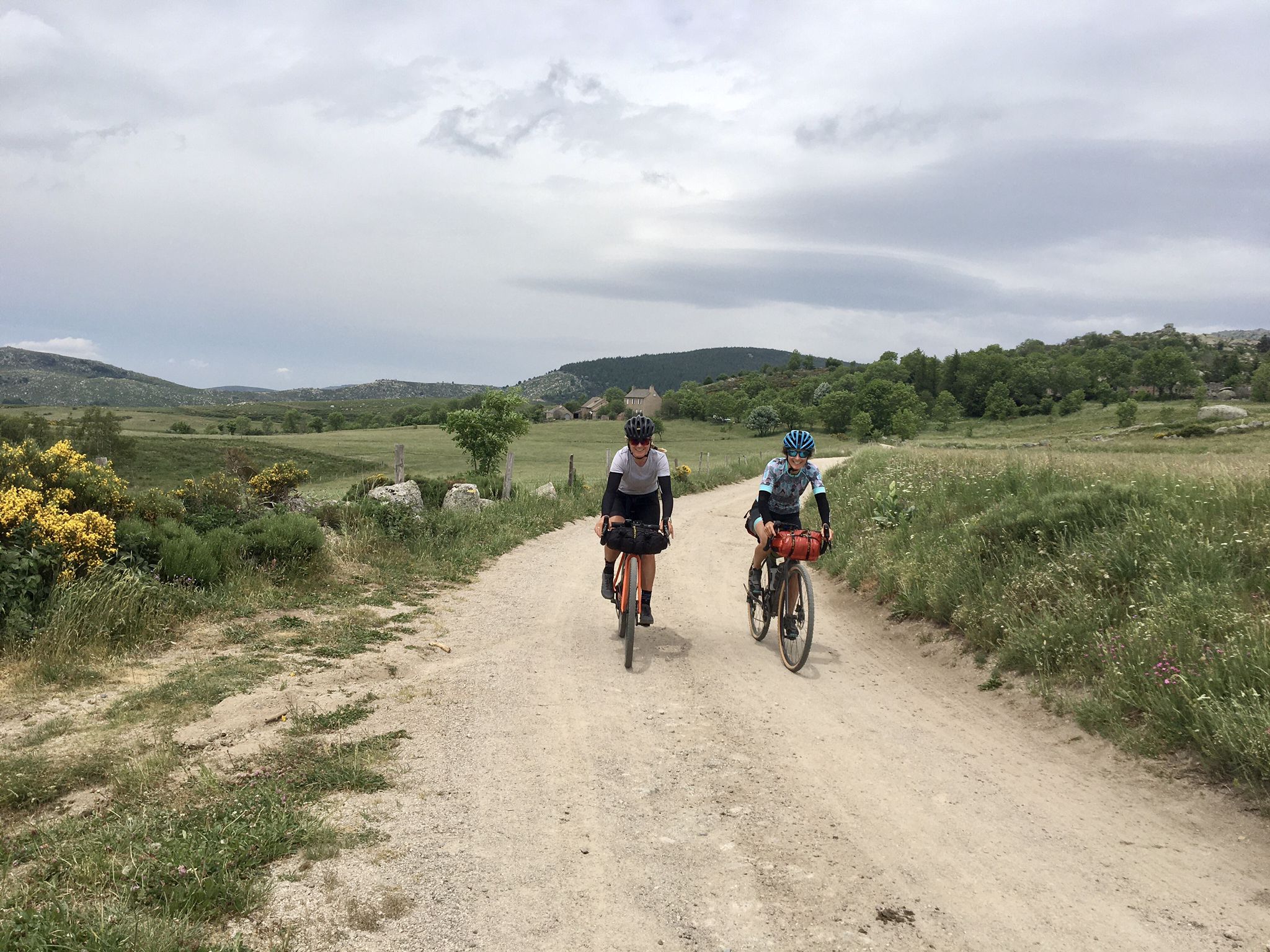
Ardèche Cévennes Divide – Bikepacking on a gravel bike
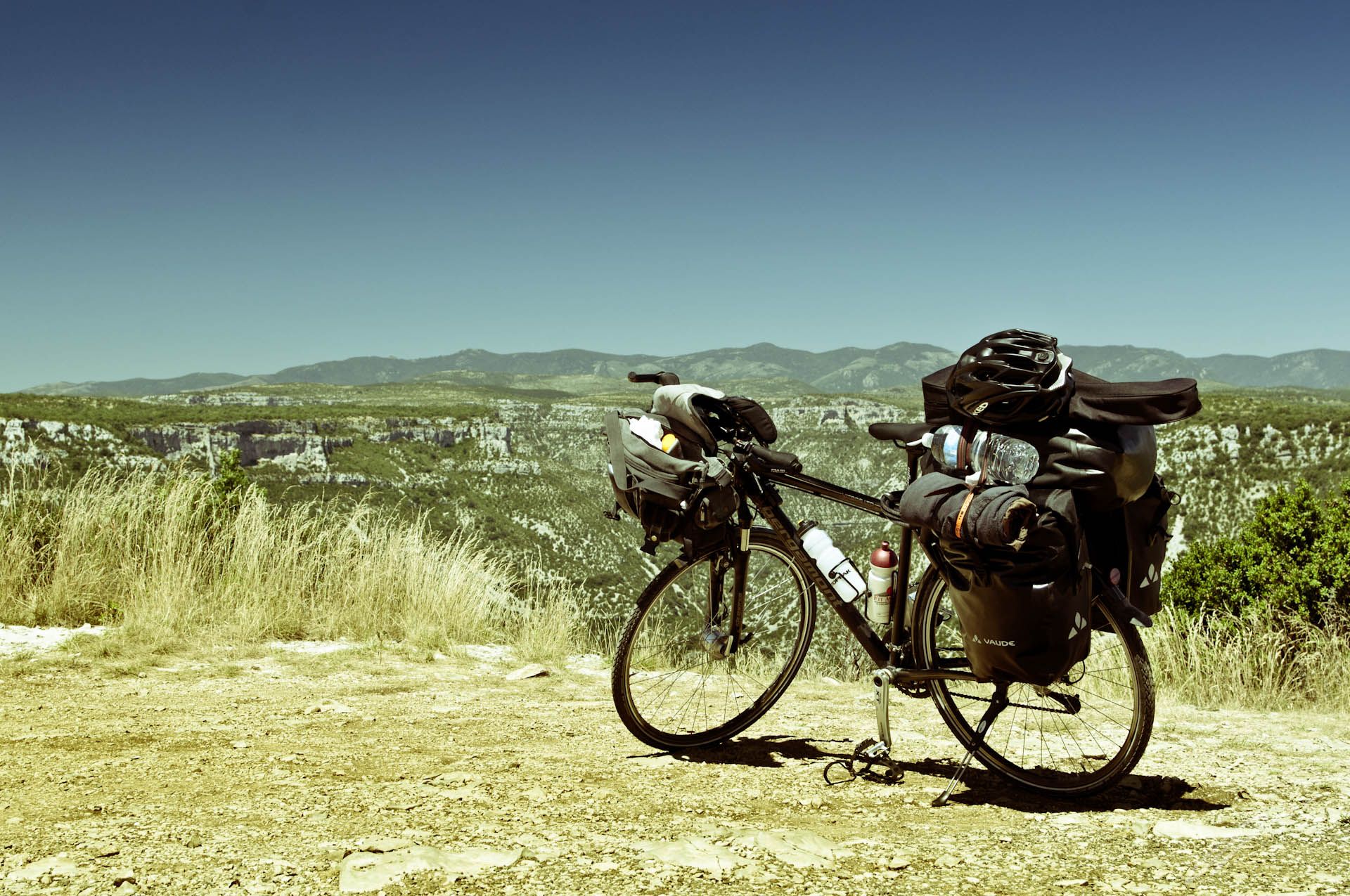
Follow the sun – riding from Germany to the south of France
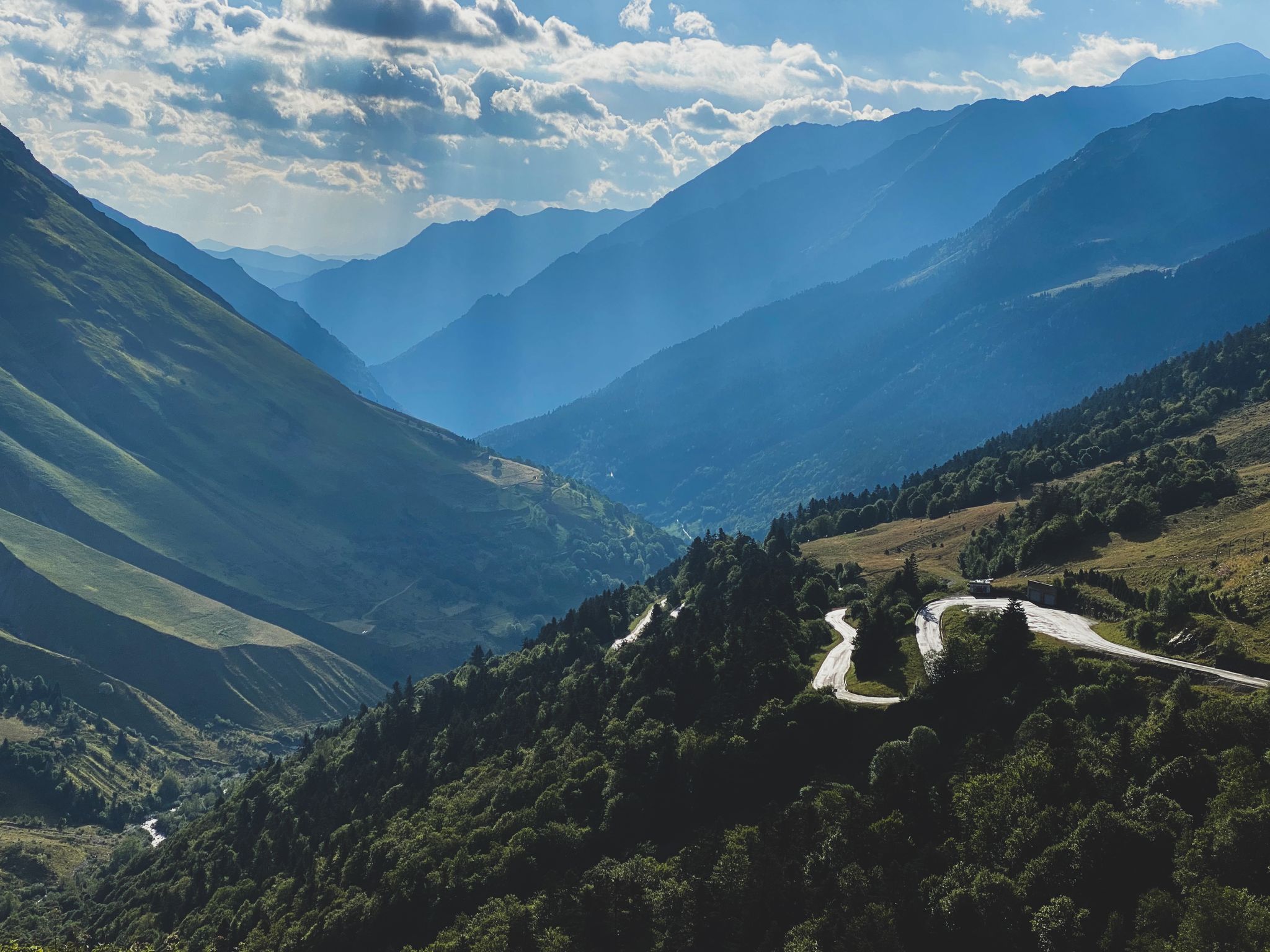
Born to Ride 2020
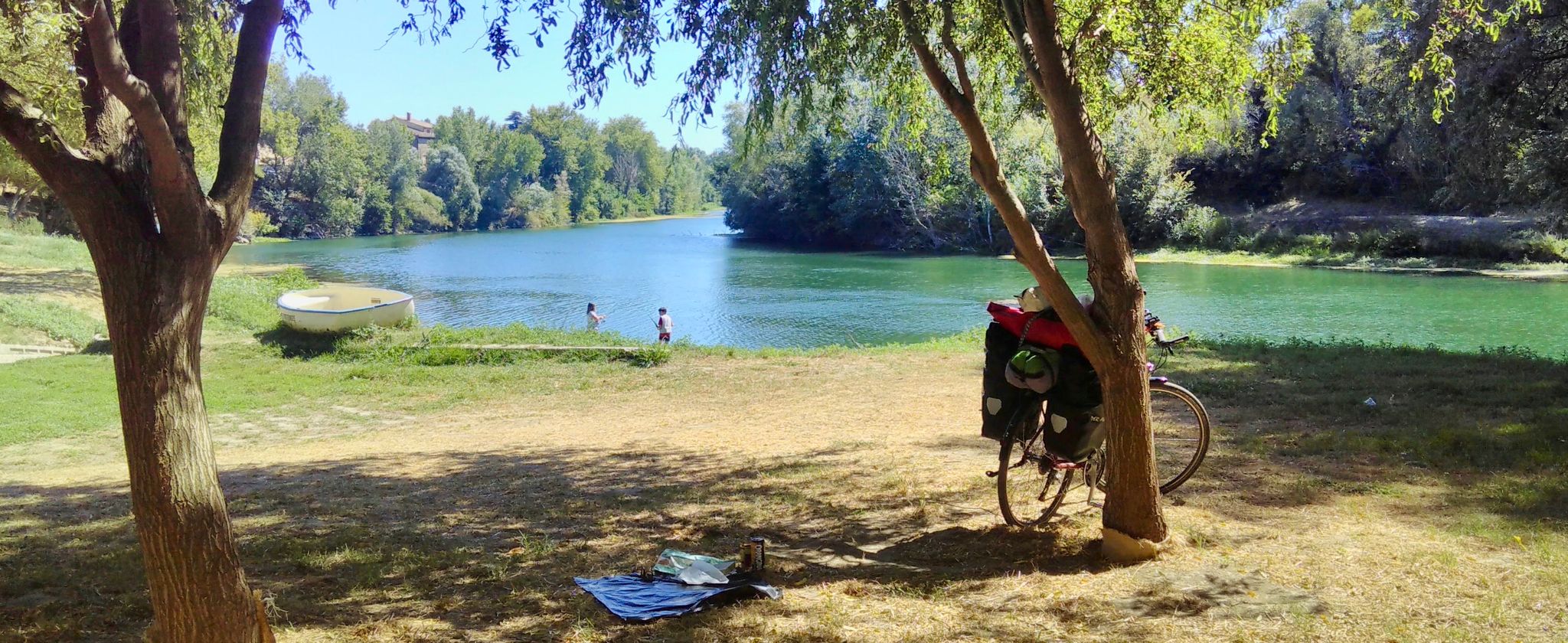
Via Rhôna — cycling the Rhone Valley Way from Lyon to the Mediterranean
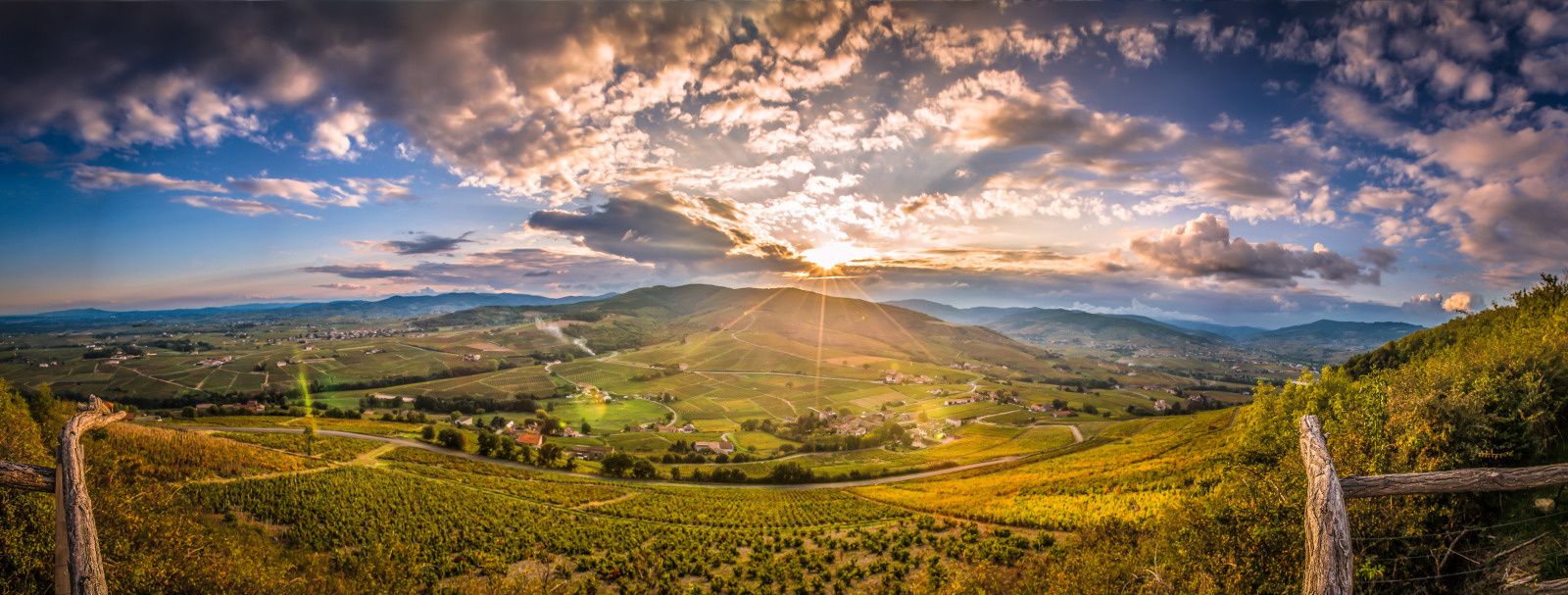
The Rhône by bike – sporty escapes around Lyon
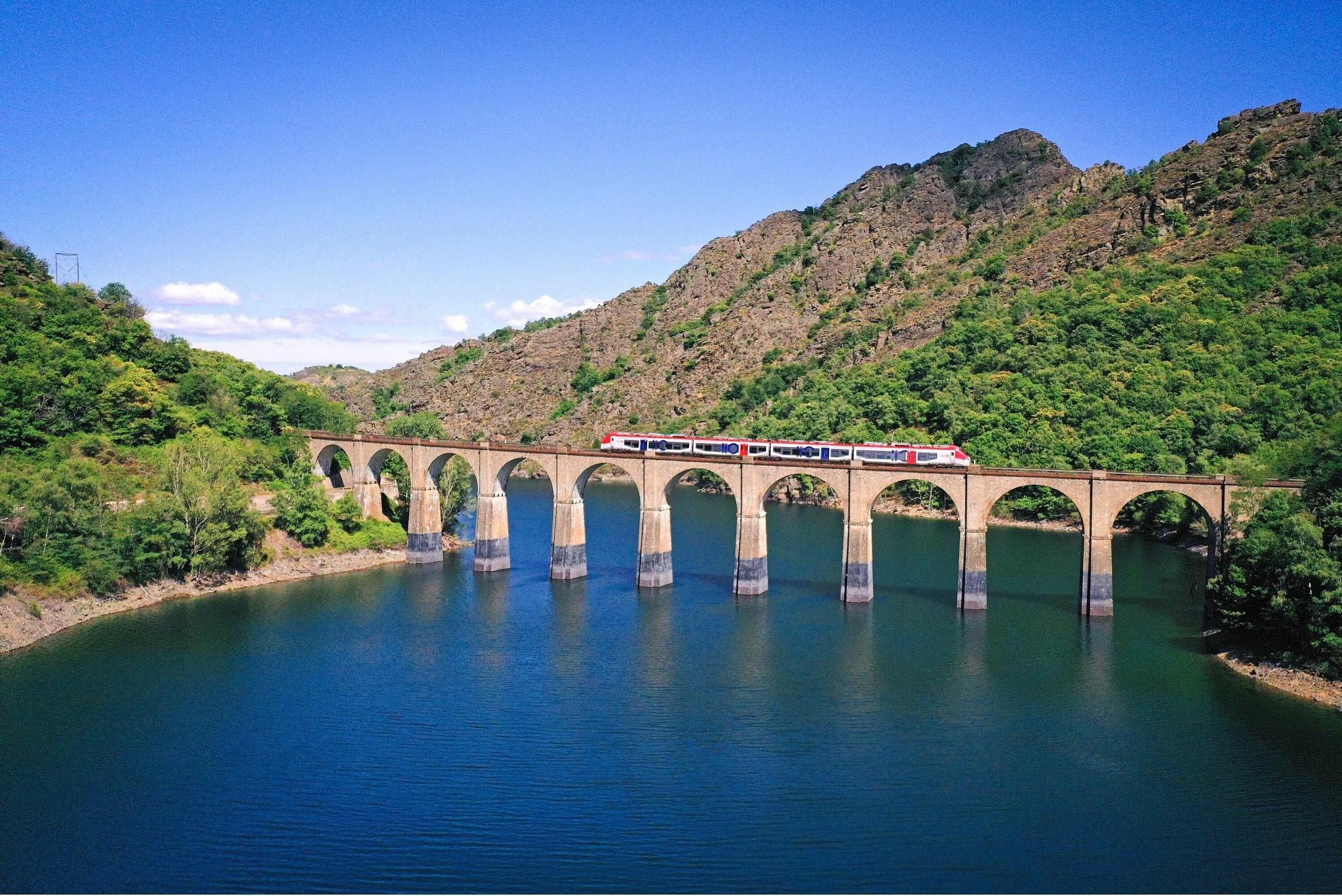
Routes between Nîmes and Mende – cycling by train with liO
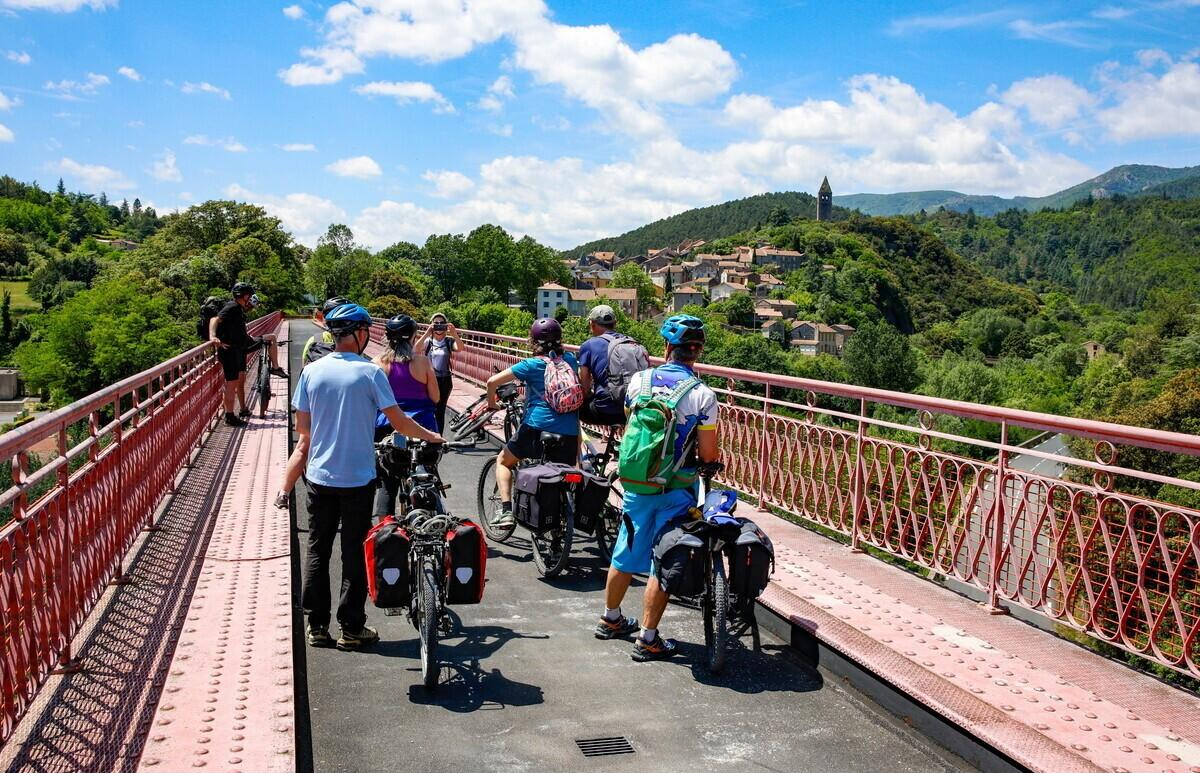
Loops between Toulouse and Mazamet – the special liO bike train
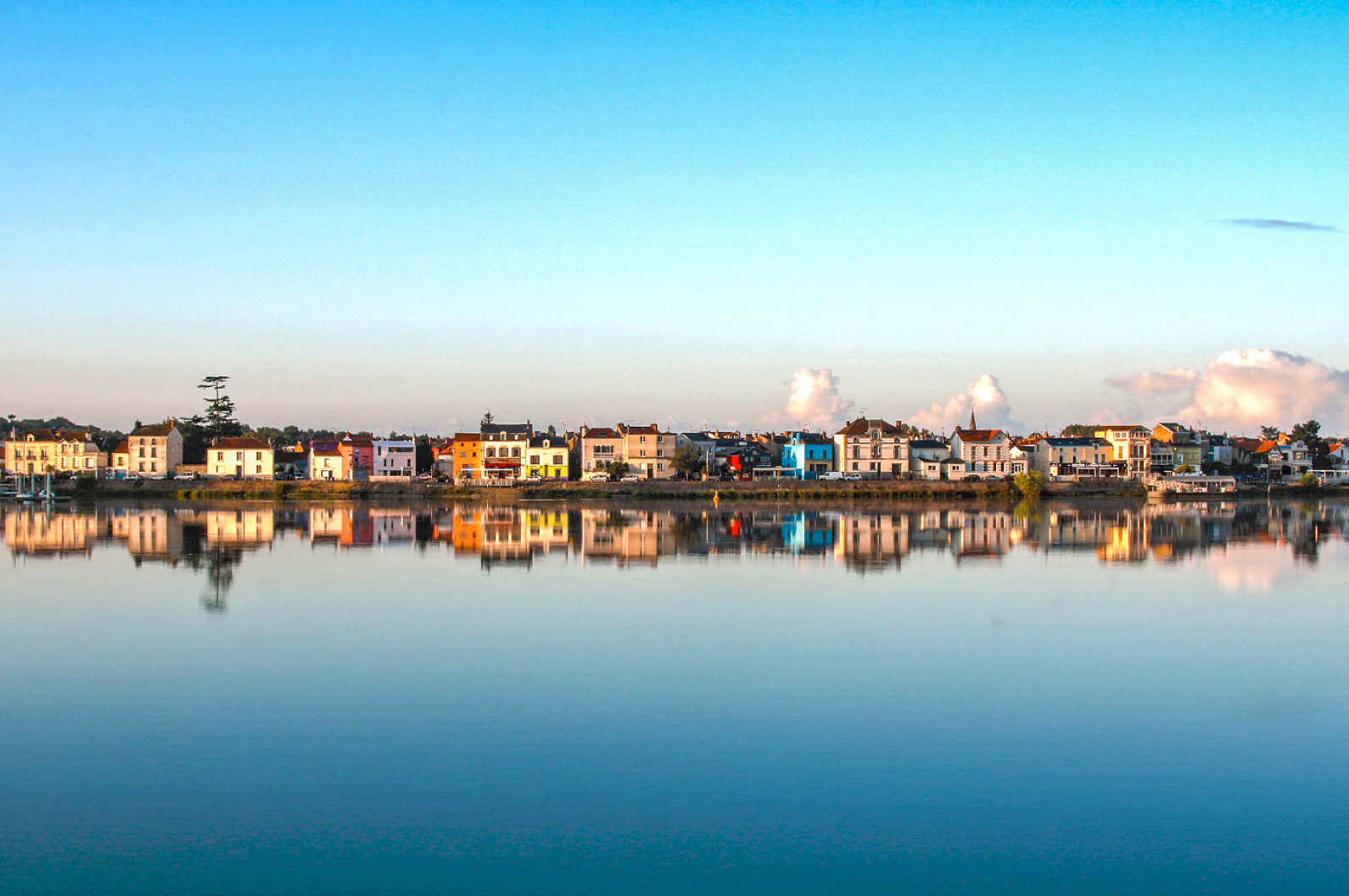
La Vélidéale - From the Limousin to the Atlantic
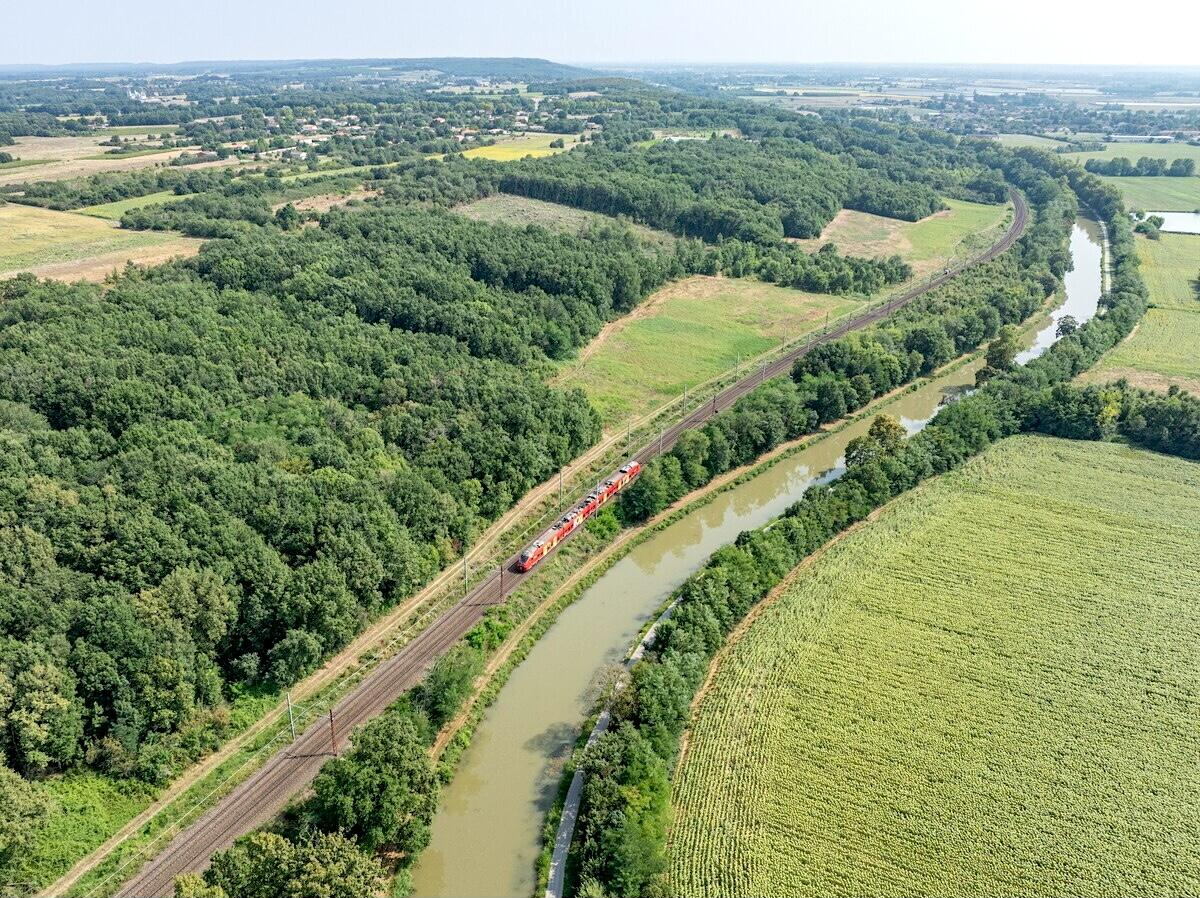
Rides between Toulouse and Figeac – liO train for bicycle transport
Other adventures in the Massif Central


Tips from the Community

With the words "Only one book lies open before all eyes, the book of nature." by Jean-Jacques ROUSSEAU (1712-1778), I wish everyone on this path said open eyes, to enjoy nature in its countless facets along the way.
0
0

The first footbridge built by Marc Seguin between Tournon and Tain in 1825 was revolutionary for its time. It was the world's first iron cable suspension bridge, a true technical feat for the era. This footbridge helped facilitate trade and strengthen ties between the two towns. However, the original footbridge underwent several transformations over time. It was first raised to allow the passage of steamships, then a second footbridge was built by Marc Seguin in 1847, still based on the iron cable suspension principle. The two footbridges coexisted for a time, the first being used for pedestrian traffic and the second for road traffic. As road traffic intensified over time, it became necessary to build a new bridge to facilitate circulation. This is how the Gustave Toursier bridge was built in 1958. Located about 350 meters downstream from the Marc Seguin footbridge, this suspension bridge over 240 meters long comprises three spans. It is designed to support road traffic, thus facilitating exchanges between the two municipalities. The current footbridge, inaugurated in 1972, is therefore the fourth of its name. It was designed to resemble the 1847 footbridge, while meeting current safety standards and needs. https://www.ardeche-hermitage.com/fr/zoom-sur/la-passerelle-marc-seguin-celebre-son-bicentenaire/
0
0
Board the Mastrou and discover our entire line, from the T. St Jean de Muzols station to Lamastre. The railway is the only way to admire the wild landscapes of the Doux Valley, a river it follows for 28 kilometers, crossing bridges, viaducts, and tunnels. From the Gorges du Doux to the Ardèche plateau, passing through orchards and chestnut groves, you won't miss a thing in the Ardèche verte! https://www.trainardeche.fr/
0
0

One of the flattest rides that could be found on komoot in this region. Nice as an intermediate ride.
0
0

Small place picturesquely located on the Rhone with the steep slope behind it, partly built on the rocks.
3
0

It's a really very large lake, a large expanse of clear, beautiful blue water, it's frankly pretty and worth the detour! By the way, I passed by in a flash, I think it's worth going around it or discovering its most beautiful spots!
0
0

Very beautiful small town with narrow streets.
0
0

A truly beautiful stretch of the route! The stunning scenery and excellent cycle paths make cycling on the ViaRhôna a very special experience! :-)
0
0
Frequently Asked Questions
How many touring cycling routes are available in the Massif Central?
The Massif Central offers a vast network for touring cyclists, with over 18,700 routes available on komoot. This includes a wide range of difficulties, from easy rides to very challenging ascents, ensuring options for every skill level.
What kind of terrain can I expect when touring cycling in the Massif Central?
The Massif Central is characterized by its diverse and dramatic landscapes. You'll encounter ancient volcanoes, expansive plateaus like the Cézallier and Aubrac, and deep river gorges such as the Gorges du Tarn and Dourbie. The region's volcanic origins are particularly prominent, especially in areas like the Chaîne des Puys and the Auvergne Volcanoes Regional Natural Park, offering unique geological features and varied elevations.
What is the best time of year to go touring cycling in the Massif Central?
The best time for touring cycling in the Massif Central is generally from late spring to early autumn (May to October). During these months, the weather is typically mild and stable, making for pleasant riding conditions. Summer offers warmer temperatures, ideal for enjoying the region's lakes and rivers, while spring and autumn provide cooler temperatures and vibrant natural colors.
Are there routes suitable for beginners or families in the Massif Central?
Yes, the Massif Central offers numerous routes suitable for beginners and families. Many sections of the ViaRhôna, for instance, provide relatively flat and well-maintained paths along the Rhône river. An example is ViaRhôna : du Pouzin à Viviers en passant par Rochemaure, which is a moderate 25.1-mile path. The region also features 'Voies Vertes' (greenways) like the Dolce Via : sur les voies ferrées en Ardèche, which are often built on old railway lines, providing gentle gradients and scenic, traffic-free cycling.
What natural landmarks can I see along touring cycling routes in the Massif Central?
The Massif Central is rich in natural landmarks. You can cycle past impressive volcanic peaks like Puy de Sancy and the iconic Puy de Dôme Summit. Many routes also feature stunning waterfalls, such as The Grande Cascade of Mont-Dore, or dramatic geological formations like the natural arch of Pont d'Arc in the Gorges de l'Ardèche.
Are there any circular touring cycling routes in the Massif Central?
Yes, there are many circular touring cycling routes available. For example, the Tour of Lake Vassivière offers a moderate 18-mile loop around a beautiful lake. Another option is the Gardon Valleys Loop from Anduze, a more challenging 20.8-mile ride through scenic valleys. These loops allow you to start and finish at the same point, making logistics easier.
What do other touring cyclists say about their experience in the Massif Central?
The Massif Central is highly rated by the komoot community, with an average score of 4.5 stars from over 11,000 reviews. Cyclists frequently praise the region for its quiet roads, immersion in unspoiled nature, and the variety of landscapes, from rolling plateaus to challenging volcanic ascents. The authentic villages and less crowded trails are also often highlighted as key attractions.
Can I find amenities like cafes or accommodation along the touring cycling routes?
Yes, many touring cycling routes in the Massif Central pass through or near charming villages and historic towns. These often provide opportunities to find cafes, restaurants, and various types of accommodation. The region is known for its authentic local culture, so you can expect to find welcoming establishments to refuel and rest during your tour.
Are there any specific touring cycling routes that offer views of the volcanic landscapes?
Absolutely. The Massif Central is famous for its volcanic heritage. Routes in areas like the Chaîne des Puys and the Monts Dore will immerse you in these unique landscapes. For a challenging ride with volcanic views, consider the Mont-Dore and Col de la Croix Morand — loop from Les Rives, which takes you through the heart of the ancient volcanoes, offering significant climbs and breathtaking vistas.
Are there any touring cycling routes that feature gorges or dramatic river views?
Yes, the Massif Central is home to several spectacular gorges. The Gorges du Tarn and Dourbie are particularly striking, with routes offering thrilling descents and towering cliff views. The Hérault Gorges and Col des Lavagnes Loop is a challenging route that provides dramatic scenery as it winds through these water-carved canyons.
Are there any long-distance touring cycling routes in the Massif Central?
The Massif Central is home to significant long-distance routes, most notably the Grande Traversée du Massif Central (GTMC). This extensive route spans over 1,300 km, crossing five natural parks and offering various entry and exit points. While specific komoot tours for the entire GTMC are not listed here, many individual routes, such as sections of the ViaRhôna like ViaRhôna: Sablons to Tournon-sur-Rhône, can be linked to form longer journeys.
What are the most challenging touring cycling routes in the Massif Central?
For experienced touring cyclists seeking a challenge, the Massif Central offers routes with significant elevation gains. The region regularly features stages of the Tour de France, with famous climbs like Puy Mary and Pas de Peyrol. Routes such as Dolce Via: Les Ollières-sur-Eyrieux to La Voulte-sur-Rhône and Mont-Dore and Col de la Croix Morand — loop from Les Rives are rated as difficult, featuring substantial ascents and descents through mountainous terrain.
Most popular routes in the Massif Central
Most popular attractions in the Massif Central

Get inspired with the komoot mobile app


Explore more
Browse the best Cycling routes in other regions.
