Top 20 Waterfalls in the Canary Islands
Waterfalls in the Canary Islands offer diverse natural experiences across the archipelago's volcanic landscapes. These islands, known for their unique geology, feature numerous ravines and gorges where water flows, particularly during the wetter months. The presence of these waterfalls creates lush, green environments that contrast with the drier coastal areas. Exploring these natural features provides opportunities to discover the islands' rich biodiversity and varied terrain.
Best waterfalls in the Canary Islands
- The most popular waterfalls is Barranco de Afur,…
Last updated: October 11, 2026
Arure Waterfall
Highlight • Waterfall
Translated by Google •
Tip by

Short climbing passage in the Barranco de Arure
Highlight • Waterfall
Translated by Google •
Tip by

Sign up now to discover places like this
Get recommendations on the best single tracks, peaks, & plenty of other exciting outdoor places.
Barranco de Arure
Highlight (Segment) • Gorge
Tip by
Small Waterfall
Highlight • Waterfall
Translated by Google •
Tip by

Large Waterfall
Highlight • Waterfall
Translated by Google •
Tip by

Ruiz Gorge Trail
Highlight (Segment) • Trail
Translated by Google •
Tip by

Colorful Waterfall
Highlight • Waterfall
Translated by Google •
Tip by

The Cathedral (Caldera de Agua)
Highlight • Gorge
Translated by Google •
Tip by

Barranco de Afur
Highlight (Segment) • Gorge
Translated by Google •
Tip by

Barranco del Infierno Trailhead
Highlight • Trail
Translated by Google •
Tip by

Sign up for free to discover even more waterfalls in the Canary Islands.
Already have an account?
Start today with a free account
Your next adventure awaits.
Popular around Canary Islands
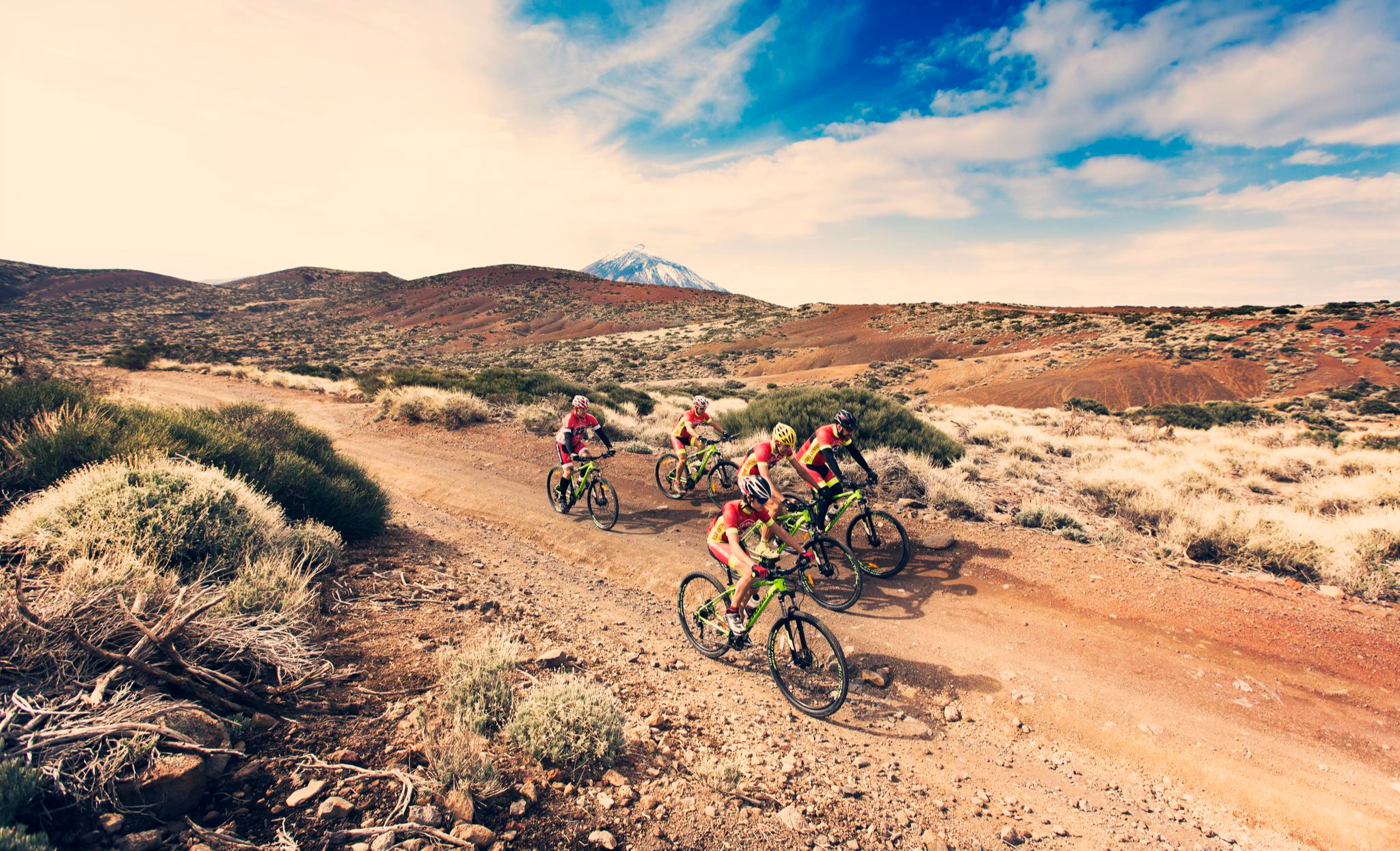
Mountain biking through the wild heart of Tenerife
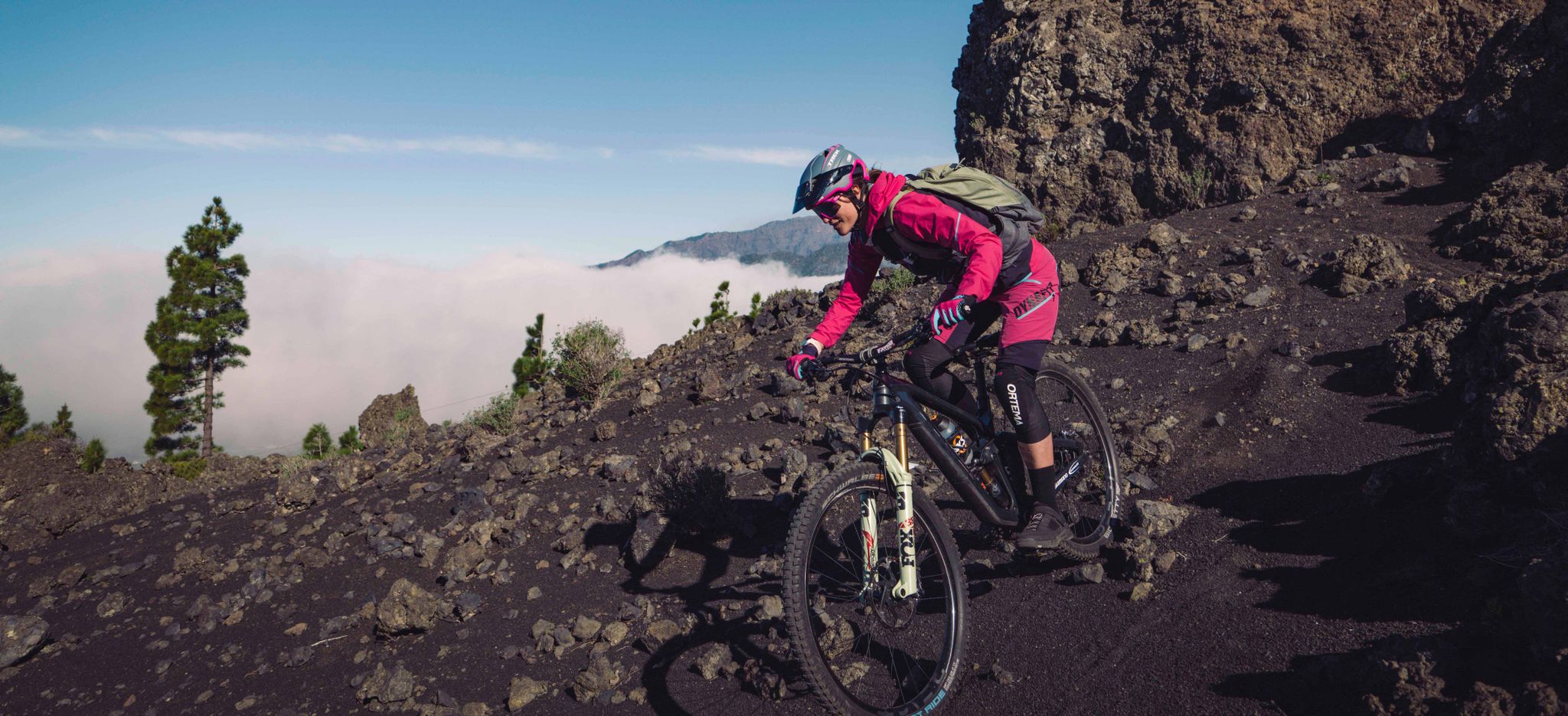
La Palma – my favourite Tours on the Canary Islands’ Isla Bonita
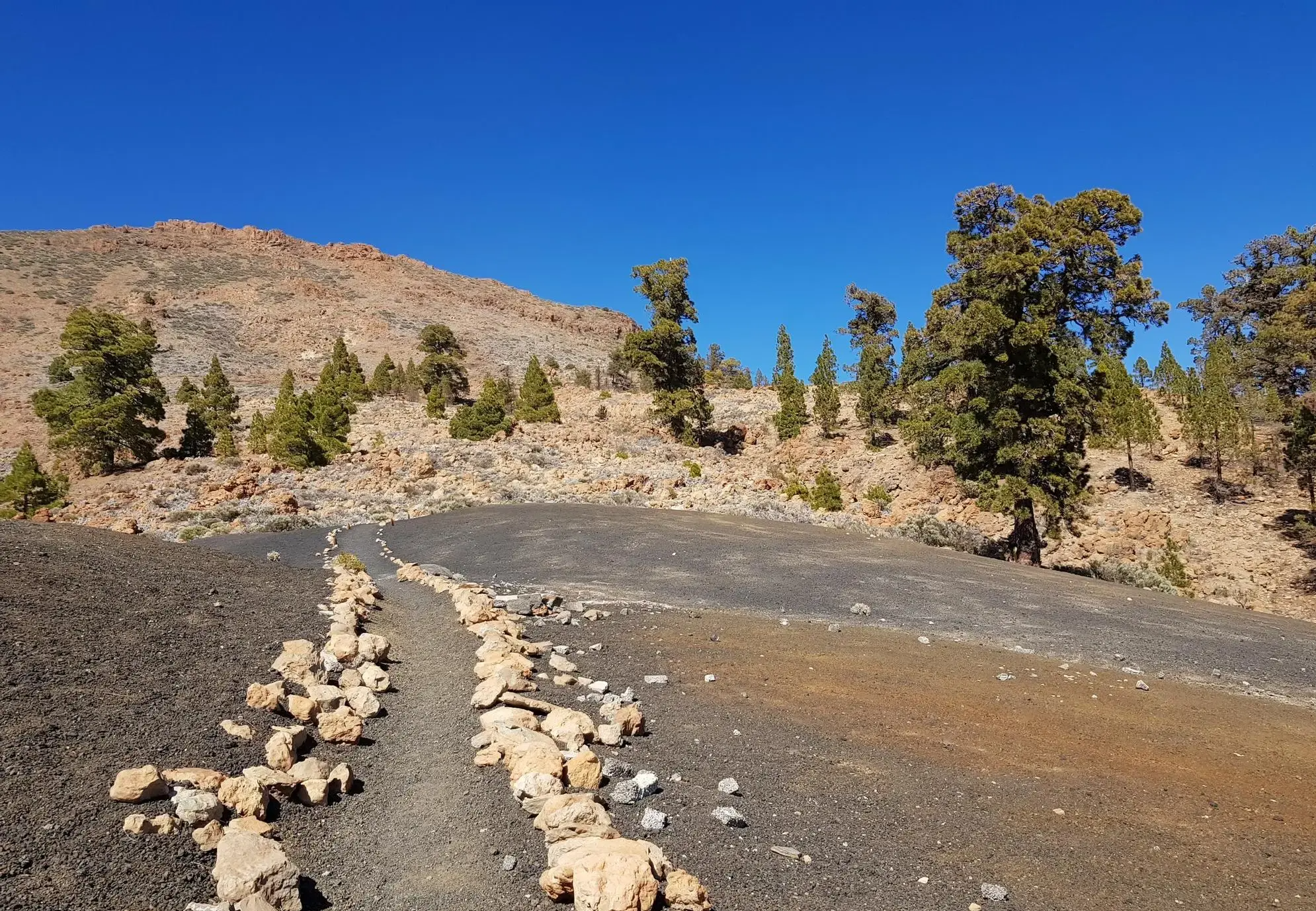
From the coast to the Teide - Tenerife Bluetrail by UTMB
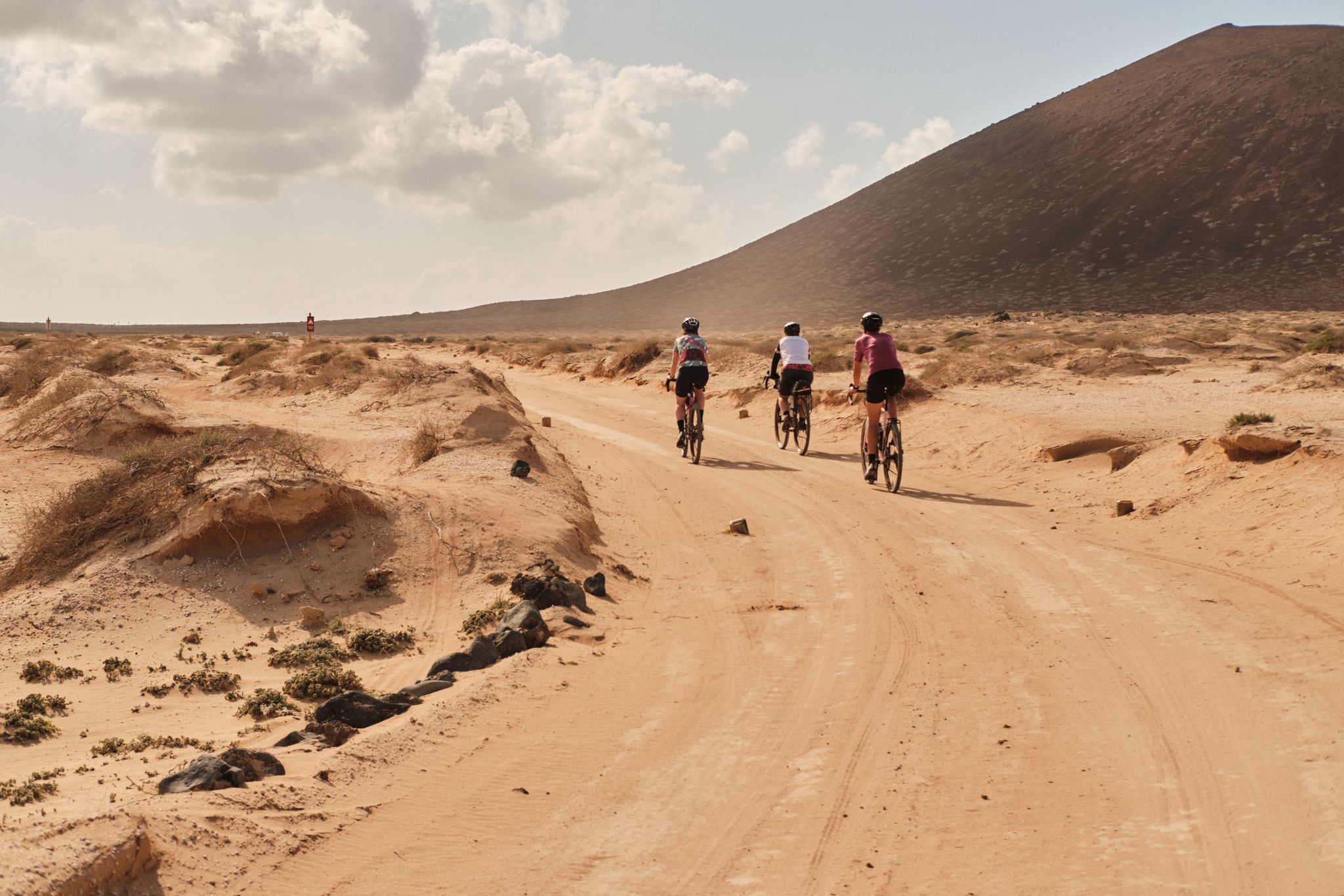
GranGuanche gravel – Komoot women's rally 2023
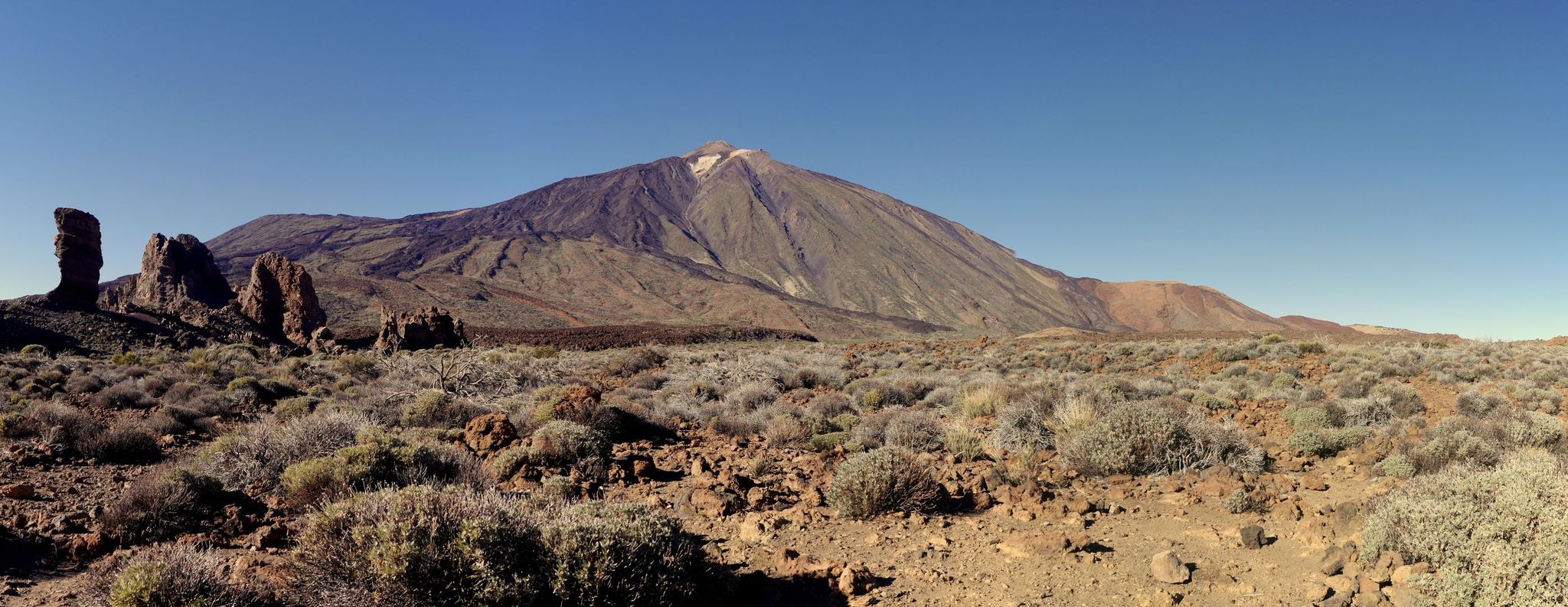
The giant of Tenerife — around Teide by road bike
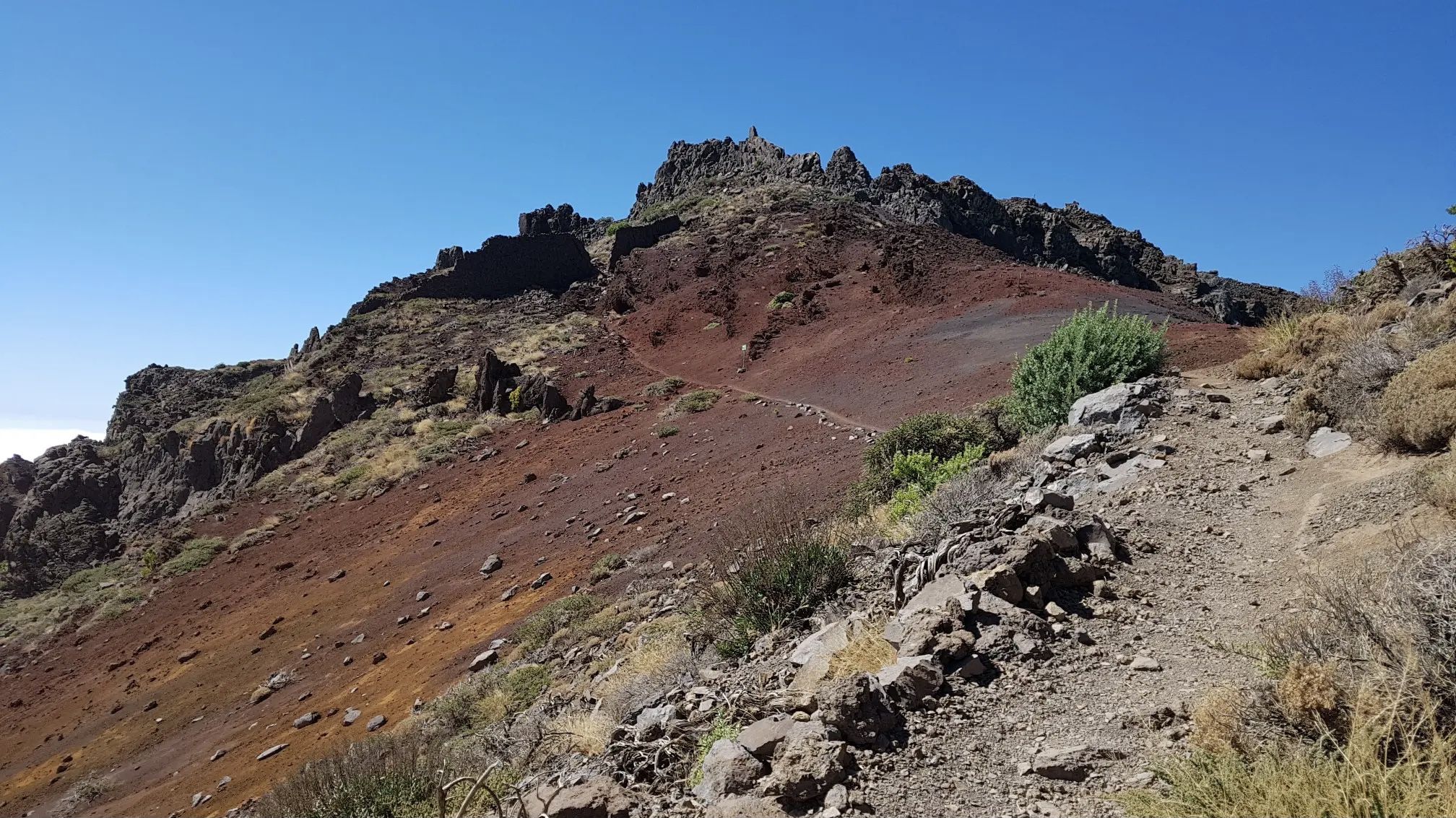
GR 131 El Bastón – La Palma in all its splendour
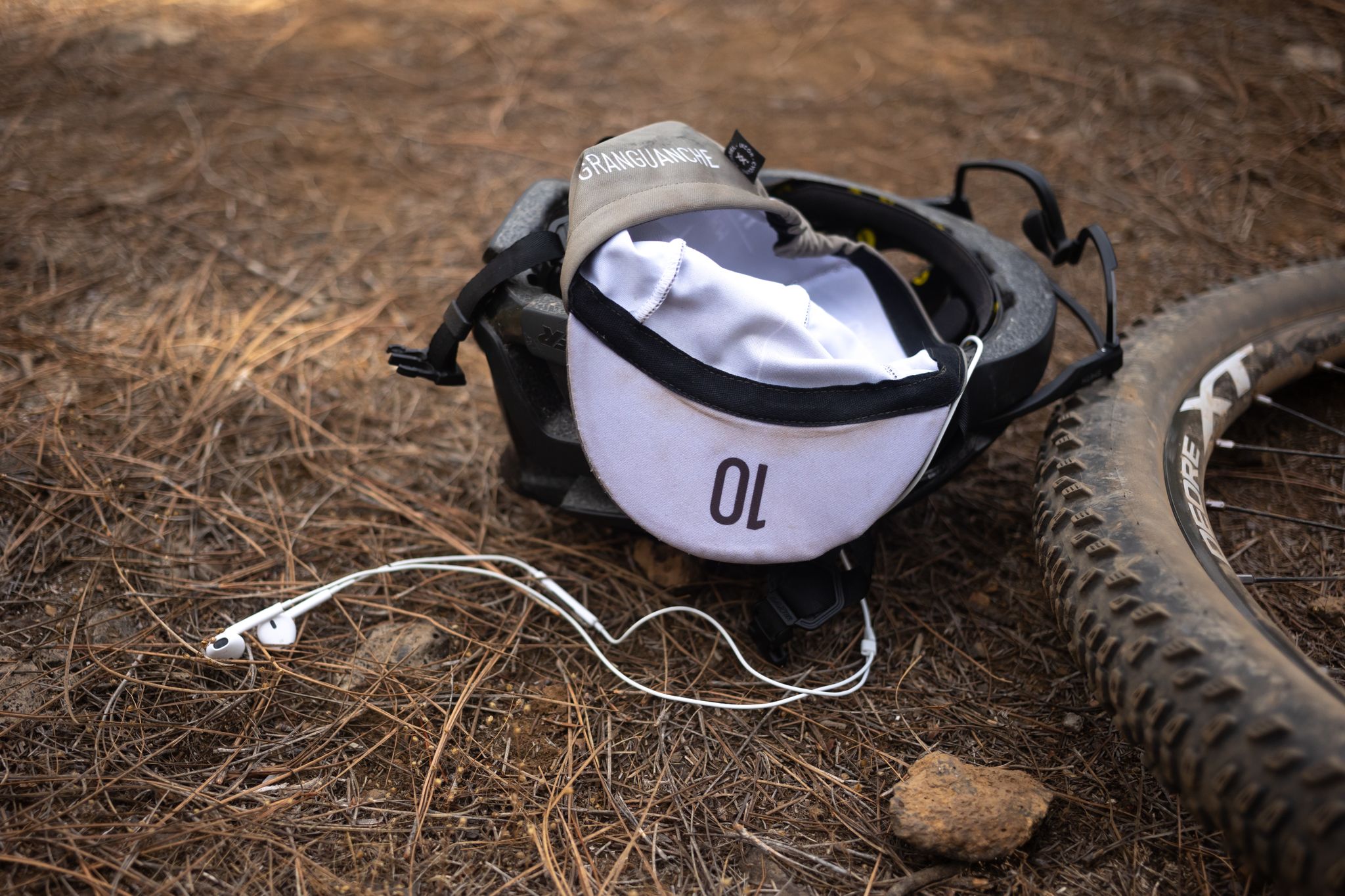
GranGuanche Audax Trail – my first ultra race on the Canary Islands
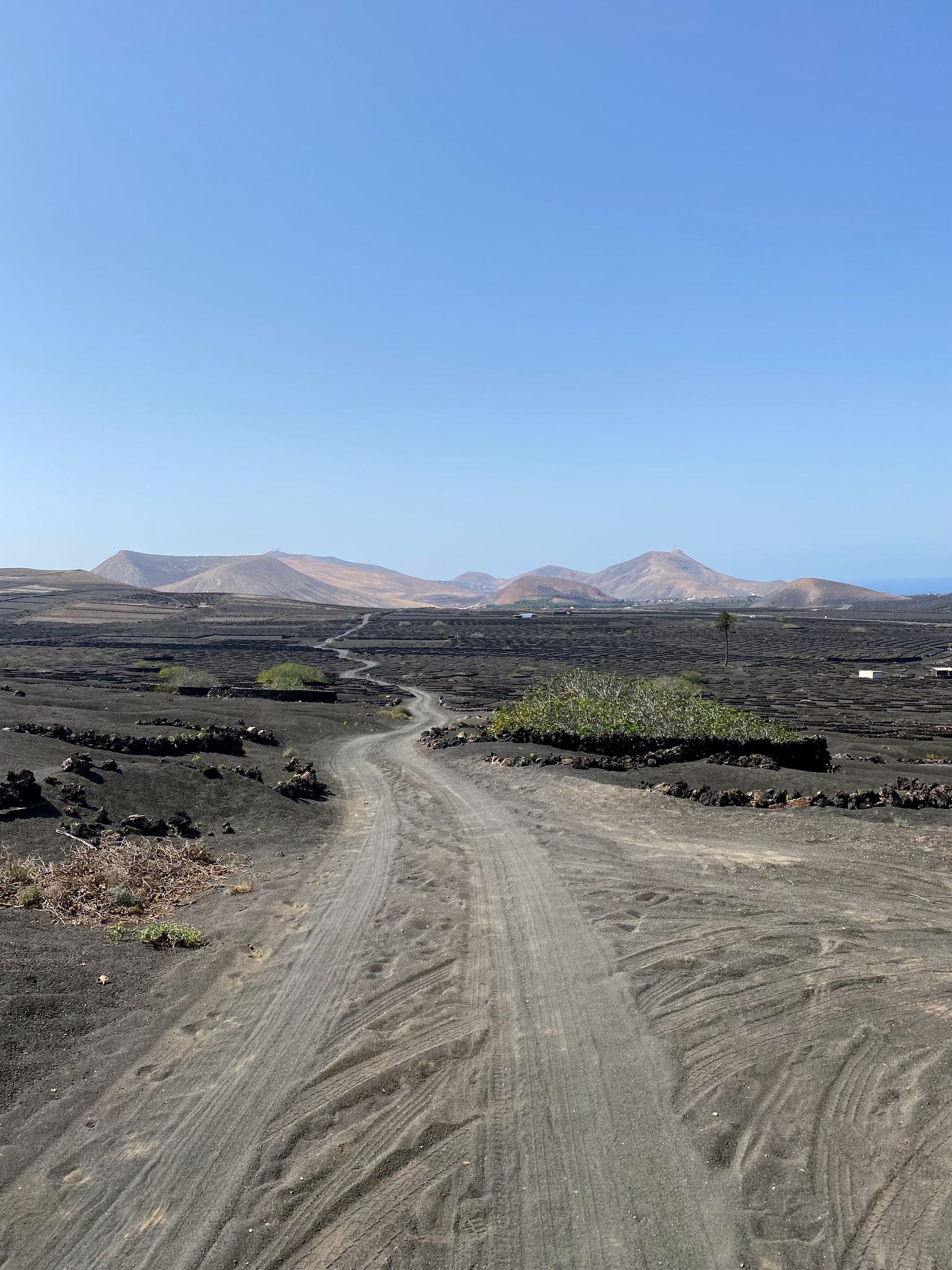
Bikepack in the Canary Islands – surprising adventures in the sun
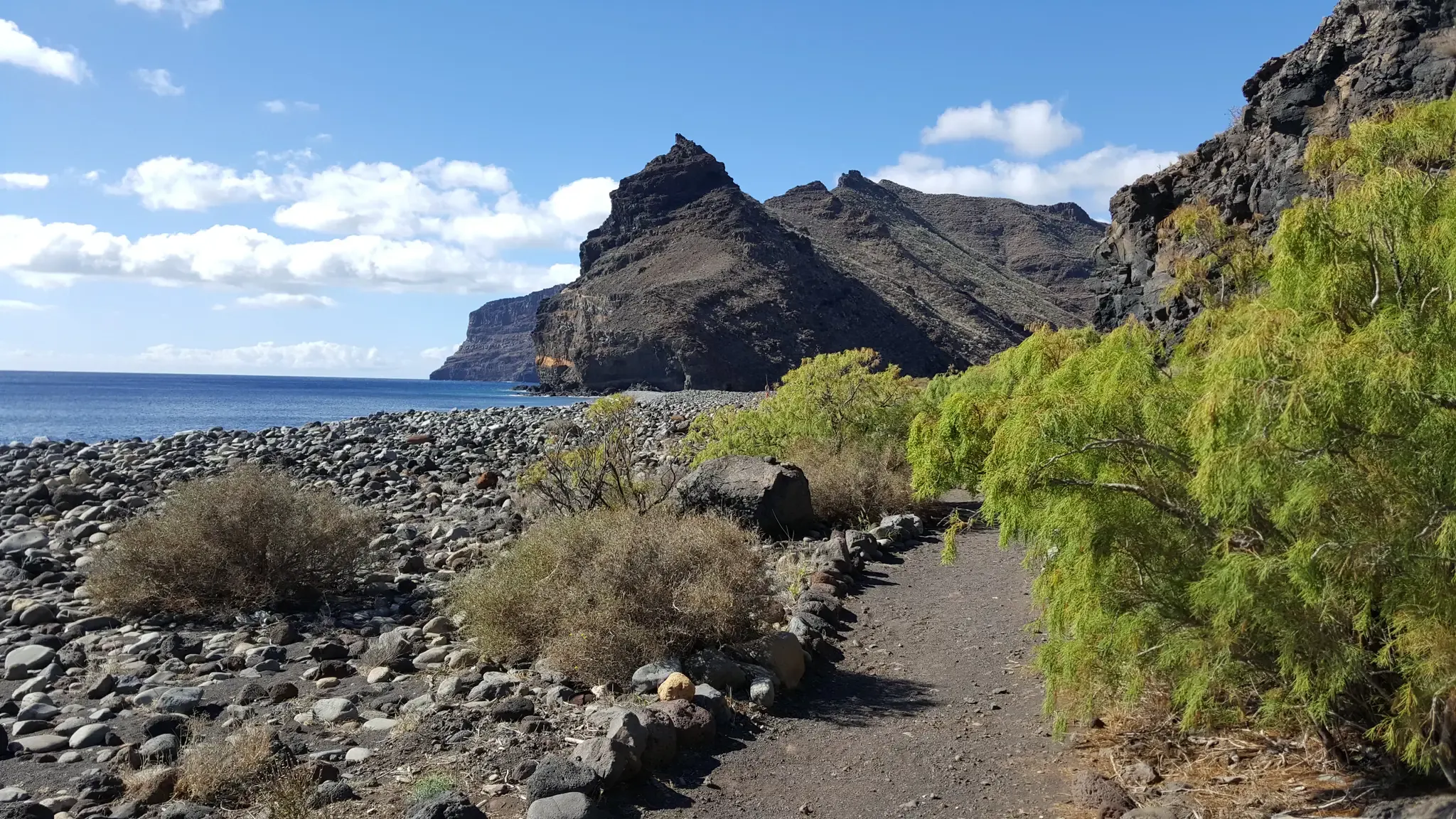
GR 132 – Up and down on an island loop of La Gomera
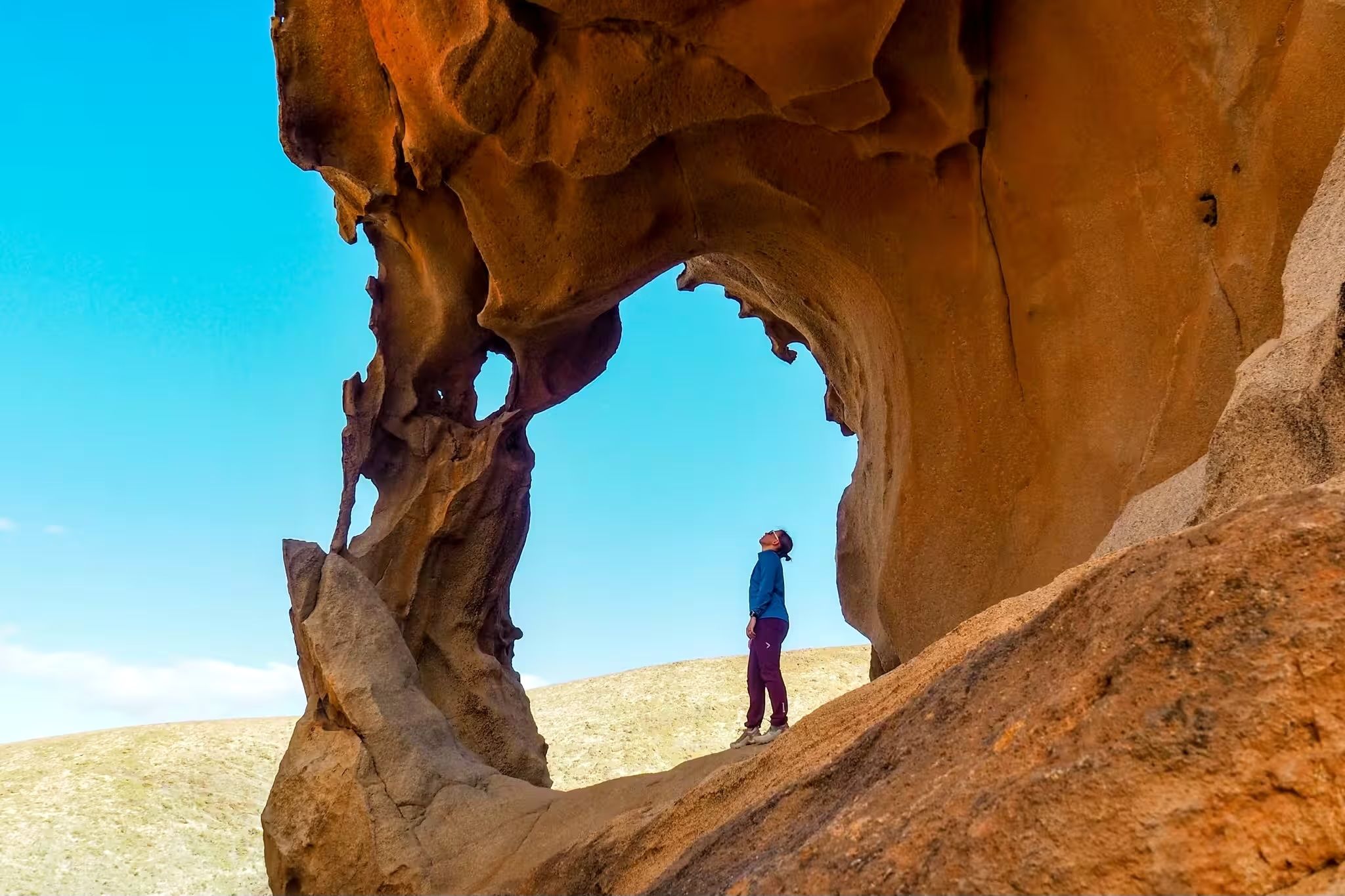
Canary Islands at a slow pace – six hikes immersed in nature
Other adventures in the Canary Islands


Tips from the Community

Caldera de Agua path is themporarily closed (19-05-2026).
0
0

The path is currently closed when coming from above. It's probably not closed when coming from below.
0
0

A stunning waterfall and the hiking trail leading there. Highly recommended.
4
1

The starting point for an absolutely worthwhile hike
2
0

The 10.6 km loop is not recommended! The description says it takes 3-4 hours, but it took us over 6 hours and we still didn't finish. The entire trail is difficult to find. This is an extremely difficult tour with many climbing sections. Not for those with a fear of heights! We strongly advise against the "10.6 km" tour.
0
1

The route is spectacular and yet still easily doable.
1
1

Very nice walk through a valley where a path winds through. A small canal drains the water that flows down from the waterfalls. Recommended.
0
0
The pictures do not even come close to conveying the beauty
3
0
Frequently Asked Questions
What is the best time of year to visit waterfalls in the Canary Islands?
The best time to visit the waterfalls in the Canary Islands is generally during the rainy season, which runs from October to March. This ensures a good water flow and lush vegetation. For example, Arure Waterfall is particularly refreshing even on hot days, as the path follows the watercourse, providing a cooling experience.
Are there family-friendly waterfall hikes in the Canary Islands?
Yes, several waterfalls offer routes suitable for families. For instance, the hike to Small Waterfall is relatively easy and popular with children. In Gran Canaria, Barranco de los Cernícalos is known for its low difficulty and is suitable for families, while Charco de la Paloma in Tejeda is easily accessible. Taoro Park also offers family-friendly facilities and features a waterfall.
What are some unique natural features to look for near the waterfalls?
The Canary Islands' waterfalls are often nestled within diverse landscapes. For example, Barranco de Afur is noted for its diverse plants and numerous small waterfalls, making the valley unusually green. Barranco de los Cernícalos boasts one of the largest Canary willow forests and a high percentage of endemic plants. Barranco de Azuaje is recognized for its extraordinary biological richness and laurel forest remnants. You can also find impressive erosion craters like The Cathedral (Caldera de Agua).
What are the difficulty levels of waterfall trails in the Canary Islands?
Waterfall trails vary in difficulty. Some, like the path to Small Waterfall, are relatively easy. Others, such as the route to Waterfall in Barranco de Arure, can be adventurous, involving balancing over rocks and trunks, and sometimes a quick climb. Barranco del Infierno in Tenerife is a 6.5-kilometer, 3-hour round trip considered moderate, while some sections of Barranco de Azuaje are more challenging and recommended for experienced hikers due to wet and slippery conditions.
Are there any permits required for hiking to waterfalls in the Canary Islands?
Yes, for some popular and protected areas, permits or advance booking may be required. For example, access to Barranco del Infierno in Tenerife is strictly controlled to preserve the environment, limited to 300 visitors daily, and requires advance booking and compulsory helmet use. It's always advisable to check local regulations before planning your visit, especially for well-known natural reserves.
What kind of outdoor activities can I do near the waterfalls?
Beyond waterfall viewing, the areas surrounding these natural wonders offer excellent opportunities for various outdoor activities. You can find numerous hiking trails, from easy strolls to challenging mountain hikes. For example, you can explore hiking routes like The Forest of Enigmas Trail or the Macizo de Anaga circular. For more strenuous adventures, consider mountain hikes such as the Huevos del Teide loop.
Can I find accommodation or amenities near the waterfall areas?
Yes, many waterfall locations are near villages or towns that offer amenities. For instance, Charco Azul is located near the tranquil village of El Risco, which is known for local goat cheese and yogurt. The village of Tejeda, near Charco de la Paloma, is considered one of Spain's most beautiful villages with nearby attractions. For Barranco del Infierno, you'll find accommodation and restaurants in the nearby town of Adeje.
Are there any waterfalls suitable for wild swimming?
Charco Azul in Gran Canaria is a natural pool fed by a captivating waterfall, renowned for its sapphire blue waters, providing an idyllic setting for a refreshing dip. While other waterfalls might have pools, it's essential to check local regulations and safety conditions before attempting to swim, as some areas may be protected or have strong currents.
What do visitors enjoy most about the waterfalls in the Canary Islands?
Visitors frequently praise the refreshing and adventurous nature of the trails. Many appreciate the shade and cooling experience provided by paths that follow watercourses, especially on hot days. The wild romantic routes through reeds and past palm trees, often with small waterfalls and diverse plant life, are also highly valued. The opportunity to listen to the sound of water and birds in a serene natural setting is a common highlight.
Which waterfalls are known for their continuous water flow throughout the year?
Barranco de los Cernícalos in Gran Canaria is celebrated for its continuous water flow throughout the year, supporting a lush, evergreen environment. Barranco de Azuaje also boasts water flowing year-round, contributing to its extraordinary biological richness. In Tenerife, Chindia Waterfall reportedly emanates water all year round, sourced from a subterranean gallery.
Are there any waterfalls that are particularly spectacular after heavy rainfall?
Yes, some waterfalls are seasonal spectacles that become particularly dramatic after heavy rainfall. The Soria Waterfall in Gran Canaria, for example, is best observed when the 'Presa de las Niñas' reservoir overflows, creating a stunning 40-meter high cascade. Similarly, Salto del Tornero in Anaga Rural Park, Tenerife, is an impressive waterfall over 50 meters high, with its water flow dependent on rainfall, making it more spectacular after heavy rains.
Most popular routes in the Canary Islands
Most popular attractions in the Canary Islands

Get inspired with the komoot mobile app


Didn’t find what you were looking for?
Looking for more great places nearby? See even more amazing waterfalls in the Canary Islands with these guides per region:
Explore more
Happy to travel a little further afield? Then browse these guides for the best waterfalls in the Canary Islands:
