Attractions and Places To See in the Canary Islands - Top 20
Best attractions and places to see in the Canary Islands include a diverse range of natural landscapes and cultural heritage sites. This Spanish archipelago, located off the northwest coast of Africa, is characterized by its volcanic origins, creating unique terrains from towering peaks to extensive sand dunes. The islands offer a variety of experiences, encompassing ancient forests, golden beaches, and significant archaeological sites. Visitors can explore a rich tapestry of geological formations and historical landmarks across the seven main islands.
…Last updated: October 9, 2026
Roque Nublo
Highlight • Natural Monument
Showing Translation
Tip by

Pico de las Nieves summit
Highlight • Summit
Translated by Google •
Tip by

Sign up now to discover places like this
Get recommendations on the best single tracks, peaks, & plenty of other exciting outdoor places.
Roque Cinchado
Highlight • Natural Monument
Translated by Google •
Tip by

Pico de la Zarza summit
Highlight • Summit
Translated by Google •
Tip by

Laurel Forest at Cruz del Carmen
Highlight • Forest
Translated by Google •
Tip by

Playa de Maspalomas and the Maspalomas Dunes
Highlight • Beach
Translated by Google •
Tip by

Roque de los Muchachos
Highlight • Summit
Translated by Google •
Tip by
Alto de Garajonay
Highlight • Summit
Translated by Google •
Tip by

Maspalomas Lighthouse
Highlight • Monument
Translated by Google •
Tip by

El Burro
Highlight • Natural Monument
Translated by Google •
Tip by

Sign up for free to discover even more attractions in the Canary Islands.
Already have an account?
Start today with a free account
Your next adventure awaits.
Popular around Canary Islands

Mountain biking through the wild heart of Tenerife
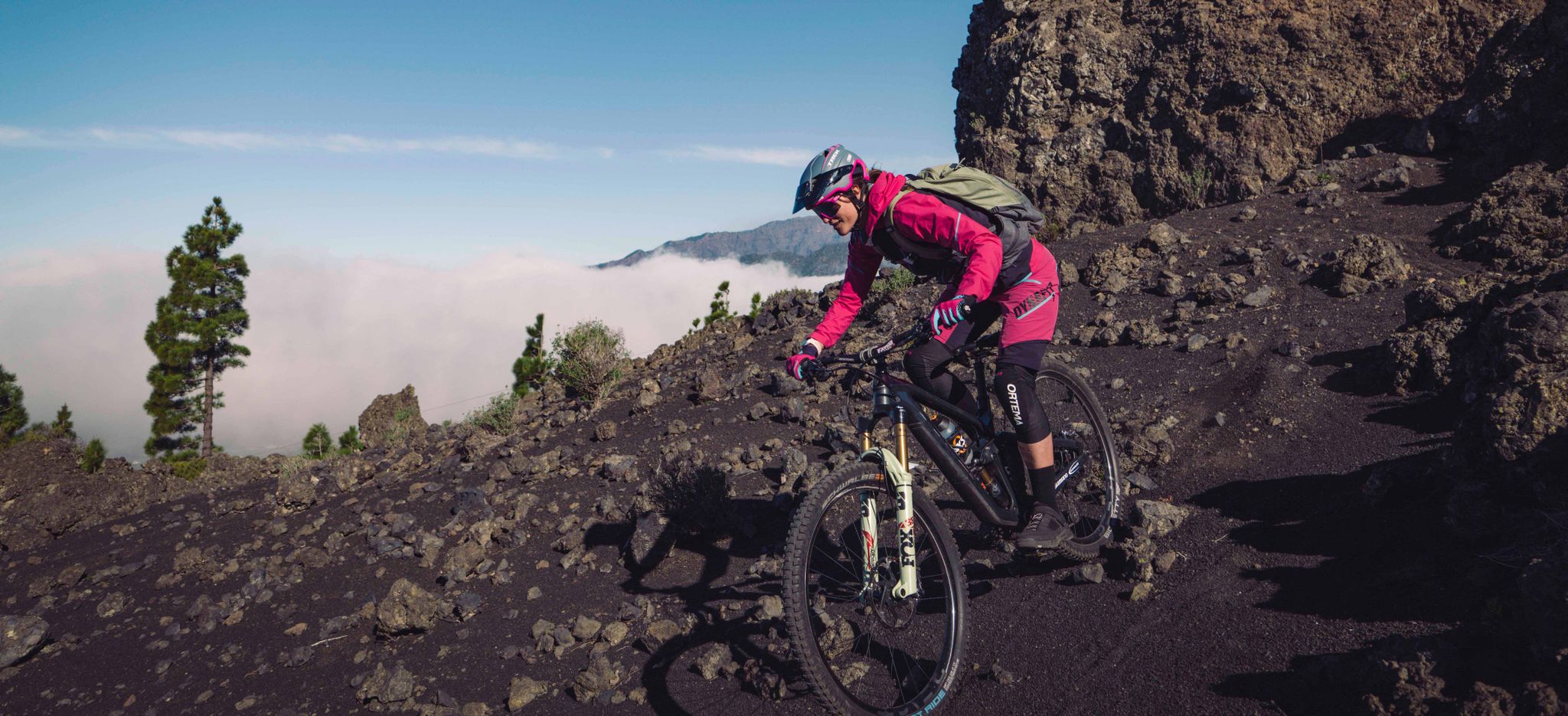
La Palma – my favourite Tours on the Canary Islands’ Isla Bonita
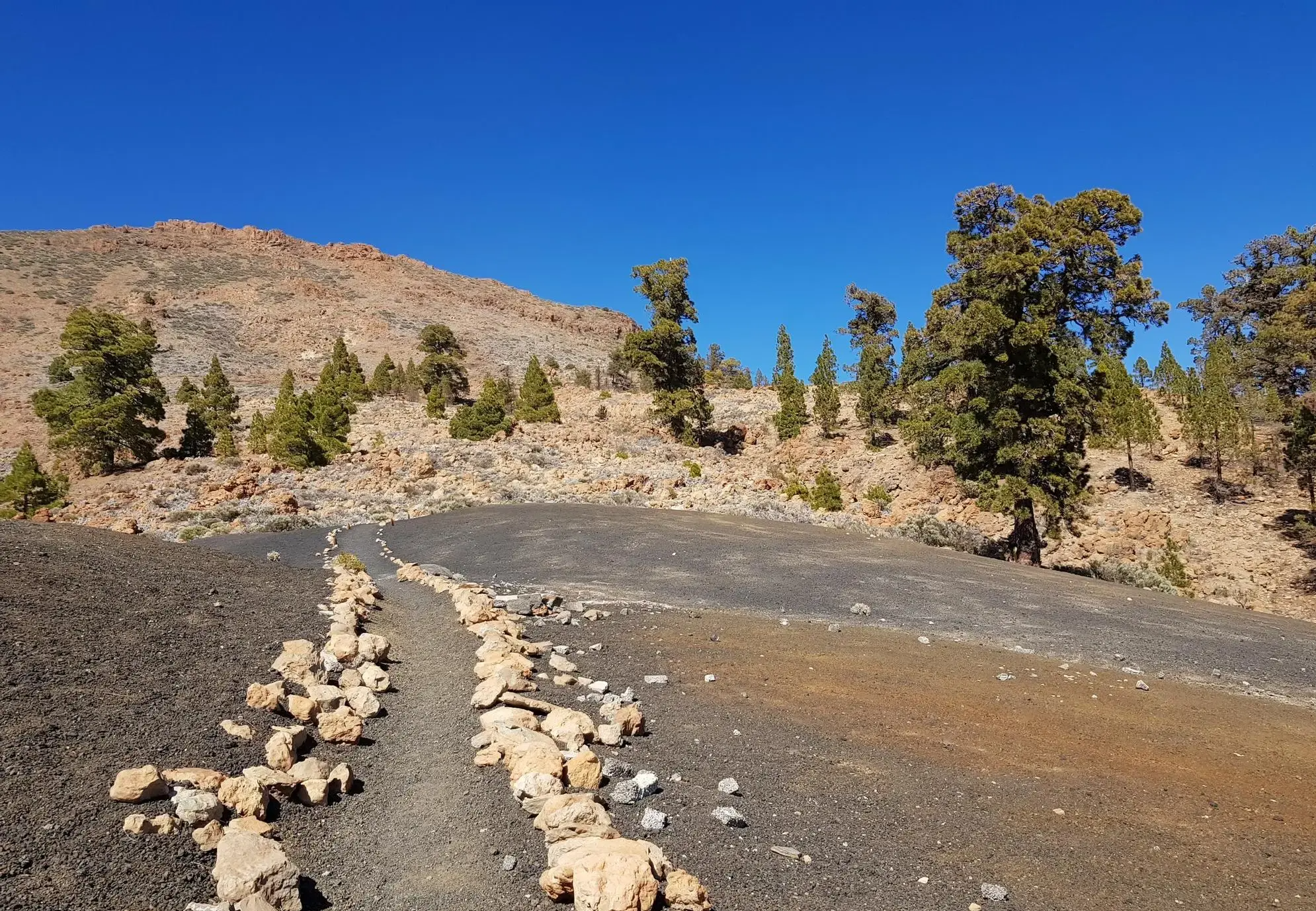
From the coast to the Teide - Tenerife Bluetrail by UTMB
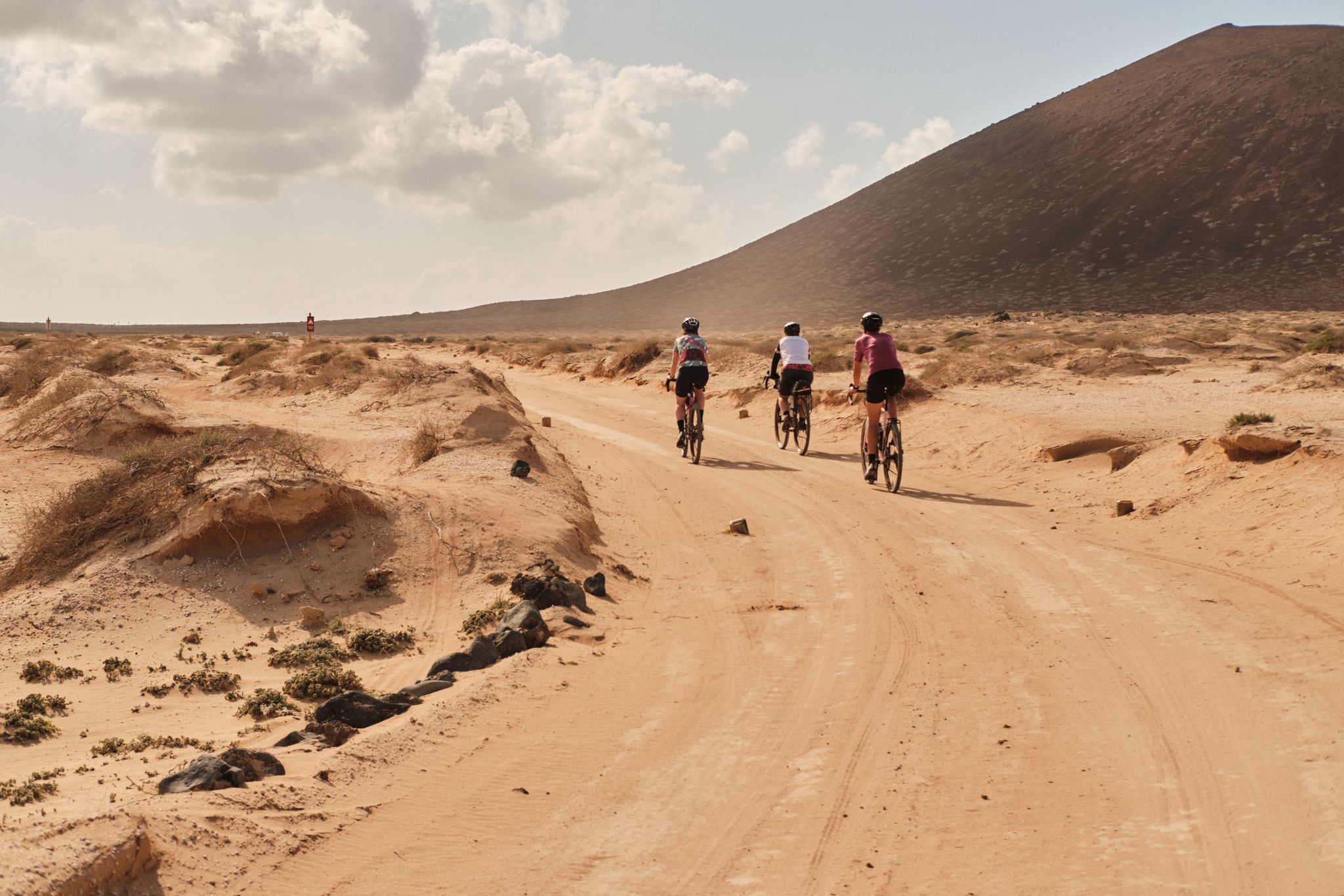
GranGuanche gravel – Komoot women's rally 2023
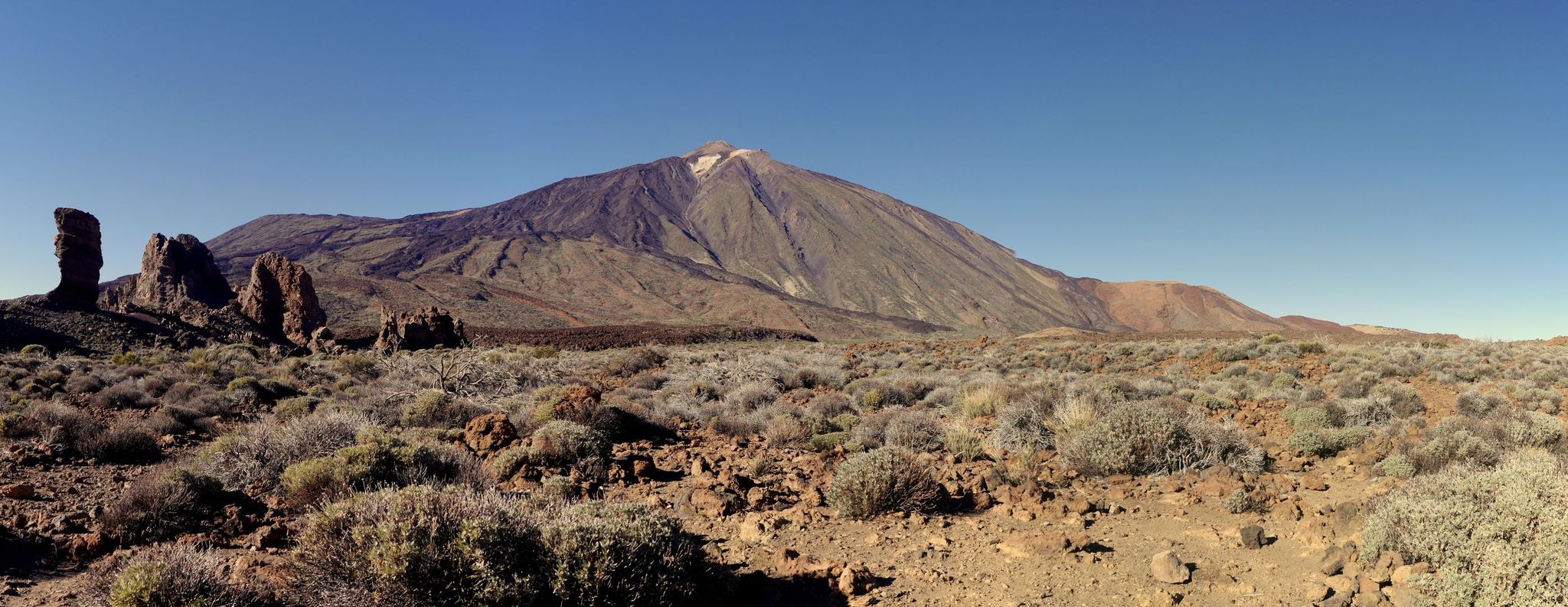
The giant of Tenerife — around Teide by road bike
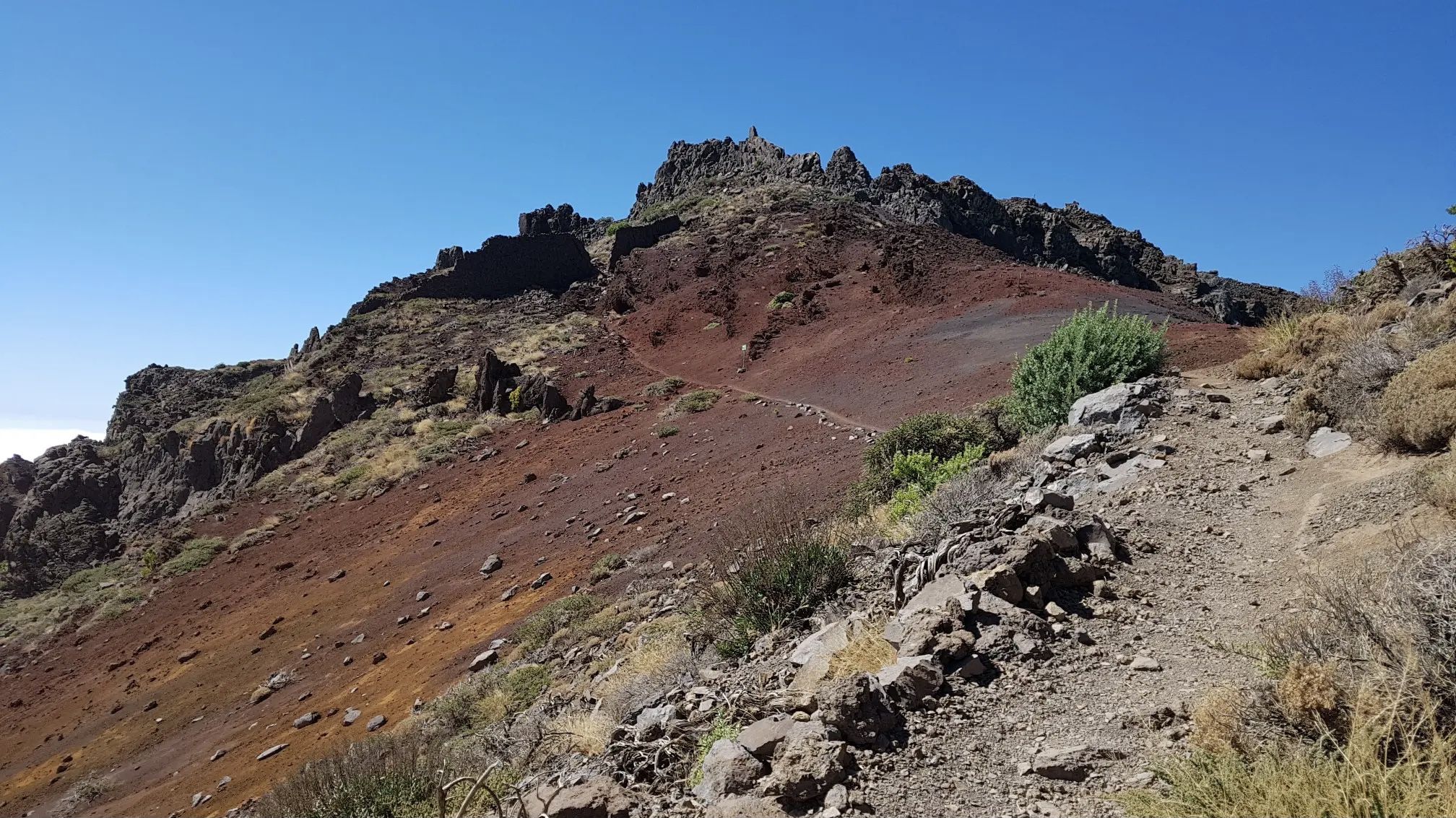
GR 131 El Bastón – La Palma in all its splendour

GranGuanche Audax Trail – my first ultra race on the Canary Islands
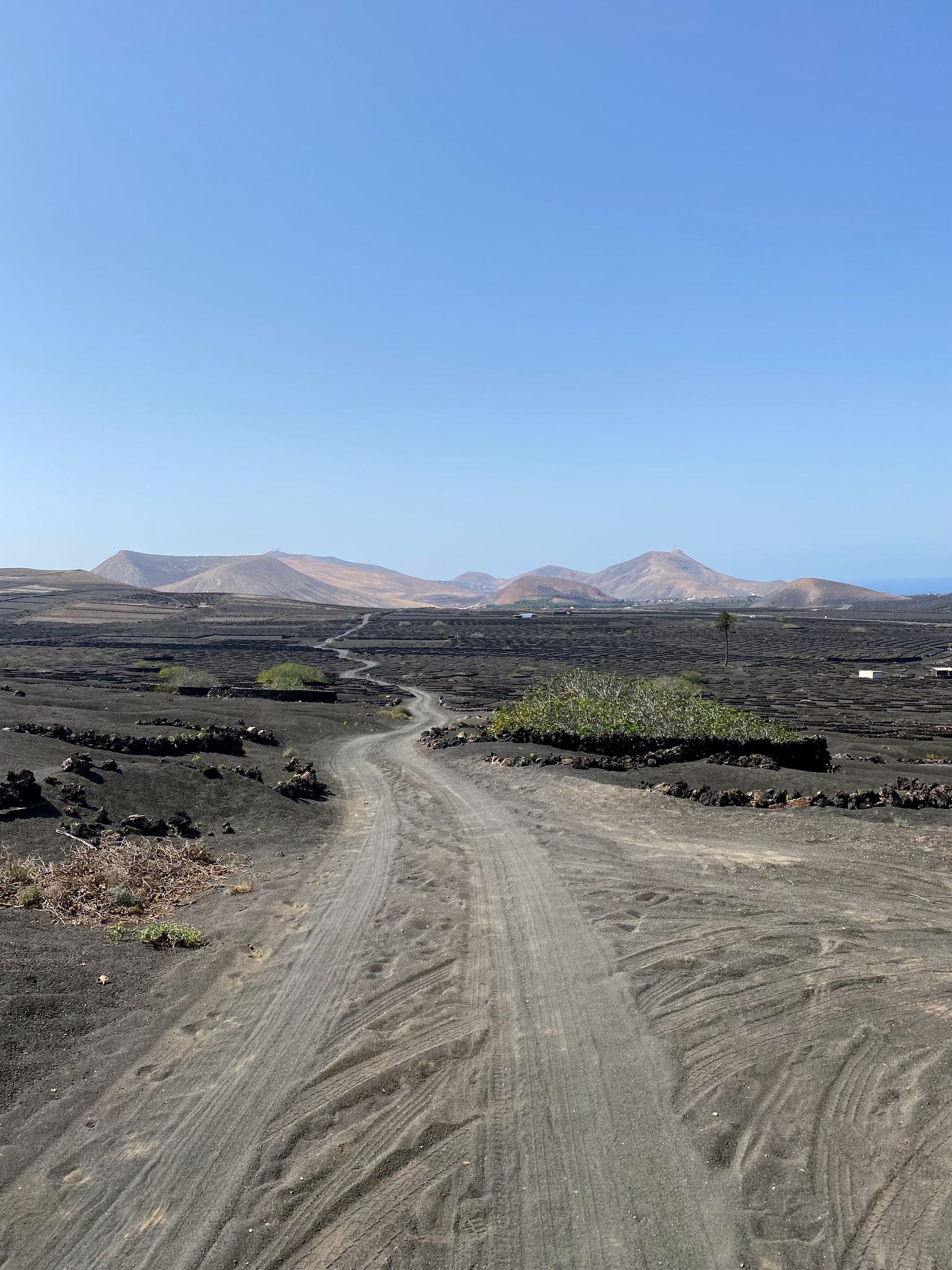
Bikepack in the Canary Islands – surprising adventures in the sun
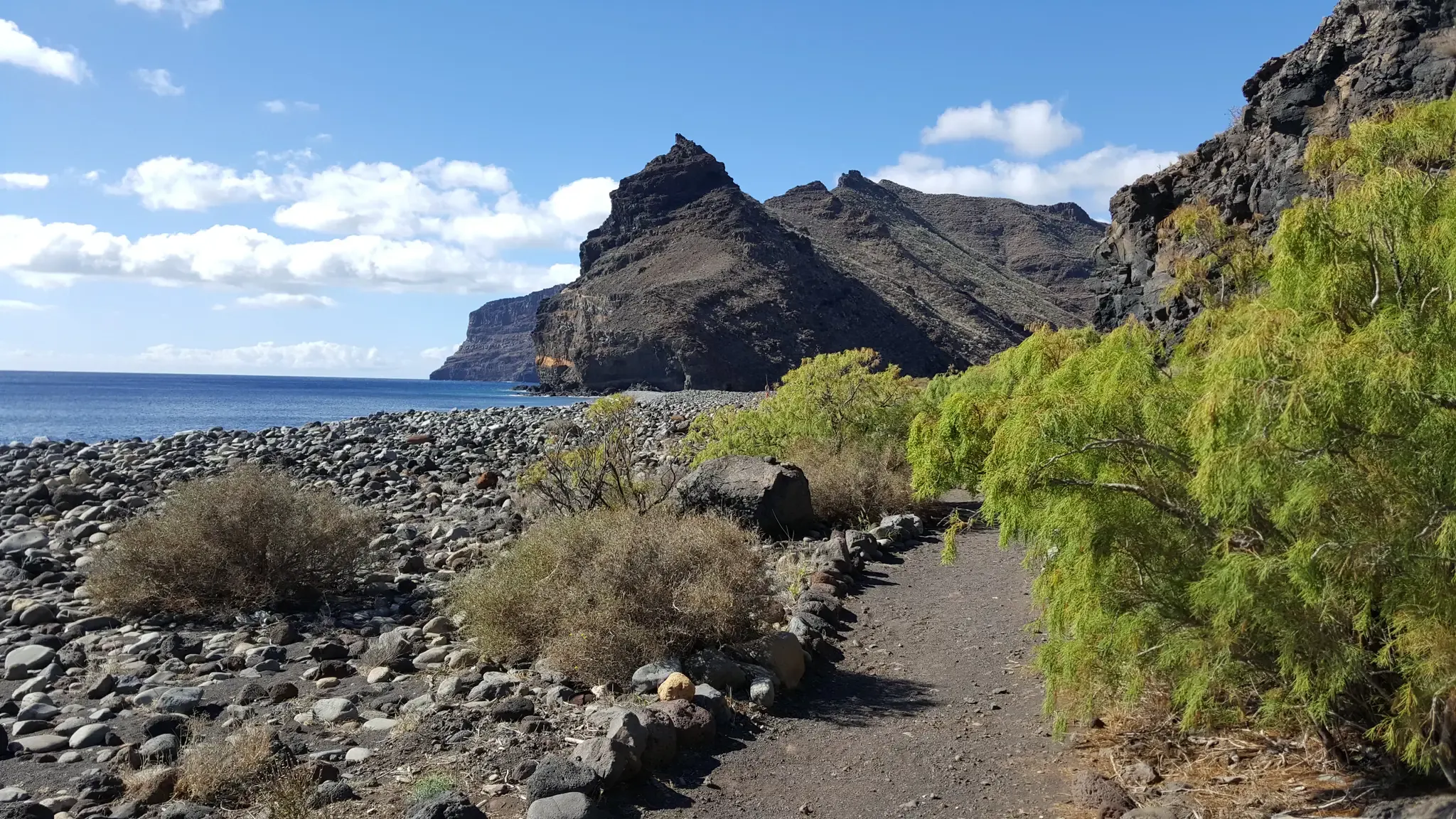
GR 132 – Up and down on an island loop of La Gomera
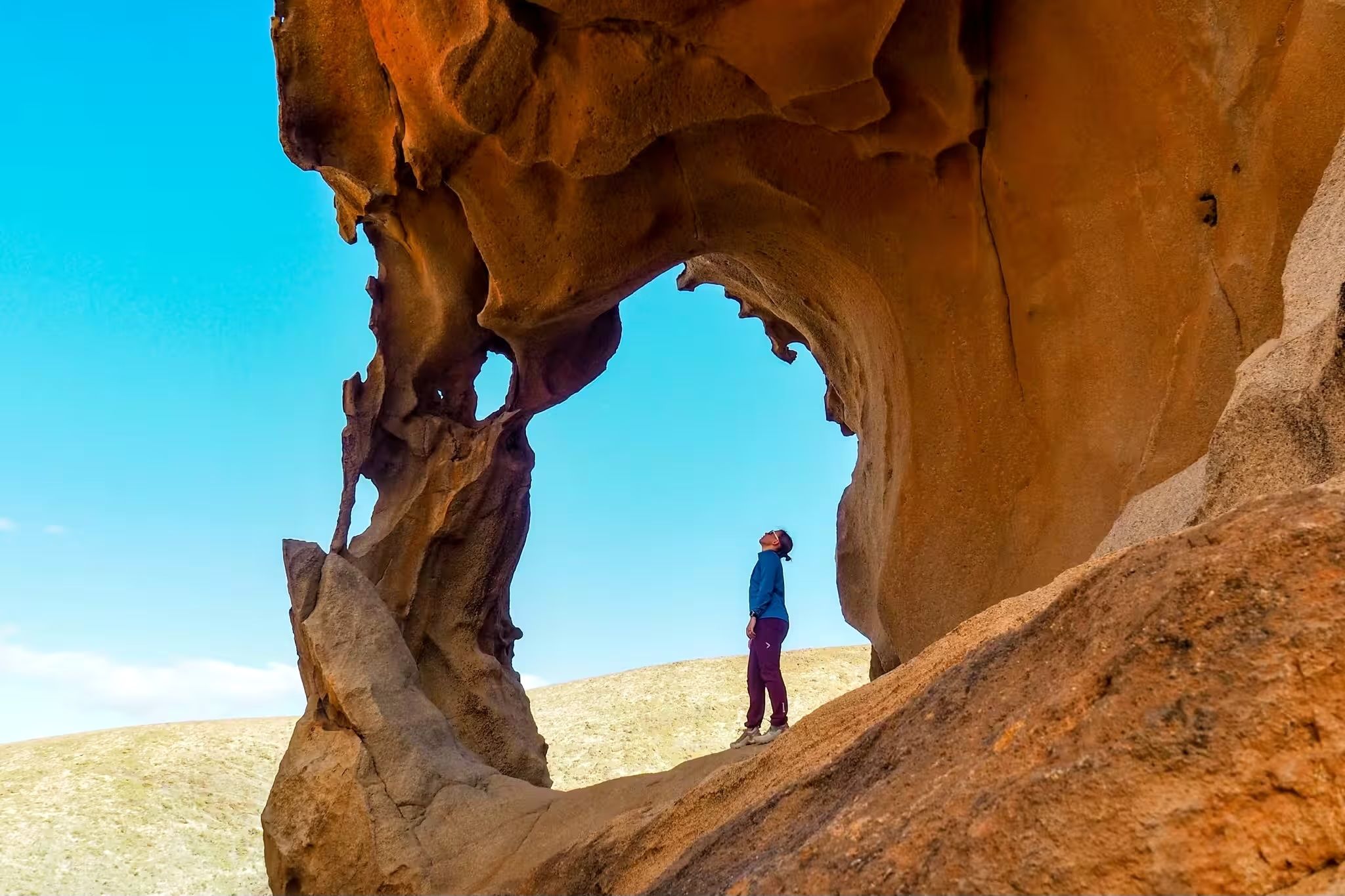
Canary Islands at a slow pace – six hikes immersed in nature
Other adventures in the Canary Islands


Tips from the Community

Stunning, spectacular views of the surrounding nature. A visit is highly recommended and very interesting.
1
0

Simply fantastic! So much fine desert sand – an absolute must for travelers to Gran Canaria!
5
0

A tip? Unfortunately, it is overcrowded on weekends and holidays due to the nearby car park. If you only drive to the car park and then walk to the summit in 10 minutes and then don't take a circular hike up here into the forests of the north and the maquis of the south, you haven't gotten to know the island...
4
0

A cloud forest begins here.
2
0


It is very worthwhile to climb up to Roque Nublo not only to see the rock formation itself, but also to enjoy the spectacular views it offers from above. The sunsets are incredible.
3
1

I have rarely seen such a beautiful dune landscape
7
1

The short circular hike of Sendero 3 leads around the Los Roques rock formations with the famous Roque Cinchado. The path initially runs through flat terrain along the spectacular rock towers. This is followed by the descent into the Llano de Ucanca sedimentary plain, which leads alongside an impressive tongue of lava that has solidified as if it were a waterfall. At the foot of the bizarre lava formations, the path leads to the volcanic vent La Catedral and back up to the starting point.
2
0
Frequently Asked Questions
What natural features and viewpoints should I visit in the Canary Islands?
The Canary Islands boast diverse natural landscapes. On Gran Canaria, don't miss the iconic Roque Nublo, a towering volcanic rock, and the panoramic views from Pico de las Nieves summit. Tenerife offers the majestic Mount Teide, Spain's highest peak, and the unique lava tubes of Cueva del Viento. Lanzarote features the dramatic volcanic landscapes of Timanfaya National Park and the artistic viewpoint of Mirador del Río. La Gomera is home to the ancient laurel forests of Garajonay National Park, while Fuerteventura has the extensive Maspalomas Dunes and Corralejo Natural Park with its golden beaches.
Are there historical or cultural sites to explore in the Canary Islands?
Yes, the islands are rich in history and culture. Gran Canaria offers the Maspalomas Lighthouse, the oldest fortress, Castillo de la Luz, and the Cueva Pintada Museum and Archaeological Park, which explores aboriginal culture. Tenerife features the UNESCO World Heritage site of San Cristóbal de La Laguna, known for its colonial architecture. Lanzarote showcases the unique artistic legacy of César Manrique at sites like Jameos del Agua and the César Manrique Foundation. On La Palma, you can admire the distinctive wooden balconies of Santa Cruz de La Palma.
What kind of outdoor activities can I do near these attractions?
The Canary Islands are perfect for outdoor enthusiasts. You can find numerous routes for gravel biking, mountain biking, and hiking. For example, explore the diverse terrain with routes like the 'Gravel tour around the island of El Hierro' or the 'Corralejo North Coast and Volcanoes Loop' for mountain biking. Many of these activities are accessible from various points across the islands. For more detailed routes and guides, check out the Gravel biking in the Canary Islands or MTB Trails in the Canary Islands guides.
Are there family-friendly attractions in the Canary Islands?
Absolutely! Many attractions cater to families. The Pico de las Nieves summit and Roque Cinchado offer accessible viewpoints. The Playa de Maspalomas and the Maspalomas Dunes on Gran Canaria provide a unique natural playground. The Maspalomas Lighthouse is also a family-friendly spot. Additionally, many beaches across the islands, like Papagayo Beach in Lanzarote or Corralejo Natural Park in Fuerteventura, are ideal for family outings.
What is the best time to visit the Canary Islands for outdoor activities?
The Canary Islands enjoy a mild climate year-round, making them suitable for outdoor activities almost any time. However, for hiking and exploring natural parks, the cooler months from October to May are often preferred, as temperatures are more moderate. During the summer, coastal activities and higher altitude hikes (like Mount Teide) are popular, but be prepared for warmer weather.
What unique geological formations can I explore in the Canary Islands?
The volcanic origins of the Canary Islands have created spectacular geological formations. Lanzarote is particularly known for its lunar-like landscapes in Timanfaya National Park, the green lagoon of El Golfo, and the unique cave system of Jameos del Agua. Tenerife features the impressive Cueva del Viento, one of the world's longest lava tubes. Gran Canaria's Roque Nublo and the Roque Cinchado in Teide National Park are also striking examples of volcanic rock formations.
Where can I find the best viewpoints across the islands?
The Canary Islands offer countless breathtaking viewpoints. On Gran Canaria, the Pico de las Nieves summit provides expansive views towards the south. Lanzarote's Mirador del Río, designed by César Manrique, offers spectacular vistas over the Chinijo Archipelago. La Palma is home to the Roque de los Muchachos Observatory, which not only offers incredible stargazing opportunities but also stunning daytime views. Fuerteventura's Pico de la Zarza summit provides rewarding panoramic views.
Are there any wheelchair-accessible attractions in the Canary Islands?
While the rugged terrain of some natural parks can be challenging, efforts have been made to improve accessibility. The Maspalomas Lighthouse on Gran Canaria is noted as wheelchair accessible. Some urban areas and coastal promenades also offer accessible paths. It's always recommended to check specific attraction websites for the latest accessibility information.
What do visitors enjoy most about the attractions in the Canary Islands?
Visitors frequently praise the stunning natural beauty and the diverse experiences available. The dramatic volcanic landscapes, like those around Roque Cinchado with Teide in the background, are often described as 'impressive' and feeling like the 'Wild West'. The panoramic views from summits like Pico de las Nieves are consistently highlighted as 'breathtaking'. The unique blend of nature and culture, along with the opportunity for various outdoor activities, makes the islands a popular destination.
Can I find ancient forests in the Canary Islands?
Yes, La Gomera is particularly famous for its ancient laurel forests. Garajonay National Park, a UNESCO World Heritage site, preserves a rare subtropical ecosystem from the Tertiary era, offering lush green landscapes and unique hiking experiences. On Tenerife, the Laurel Forest at Cruz del Carmen also provides a glimpse into this unique natural heritage.
Are there any unique wine regions to visit?
Lanzarote offers a truly unique wine region called La Geria. Here, grapevines are cultivated in volcanic ash pits, creating a striking landscape that is both visually impressive and produces distinct wines. It's a fascinating example of how the island's volcanic environment has shaped its agricultural practices.
What are some notable historical towns or villages?
The Canary Islands are home to several charming historical towns. San Cristóbal de La Laguna on Tenerife is a UNESCO World Heritage site renowned for its well-preserved colonial architecture. On Fuerteventura, Betancuria, the island's ancient former capital, offers significant historical insights. Gran Canaria features Teror Old Town, known for its cobbled streets, traditional balconies, and an 18th-century Basilica. Puerto de Mogán, also on Gran Canaria, is a picturesque seaside village often called 'Little Venice' due to its canals.
Most popular routes in the Canary Islands
Most popular attractions in the Canary Islands

Get inspired with the komoot mobile app


Didn’t find what you were looking for?
Are you keen on exploring more awesome places nearby? Browse our guides:
Explore more
Still not found the Highlight you’re looking for? See guides of the top attractions in other regions:
