Top 20 Caves in Lower Saxony
Best caves in Lower Saxony offer a diverse range of geological formations and historical insights within the Harz mountains and Weserbergland. This region of Germany features limestone massifs and underground systems shaped over millions of years. Visitors can explore natural monuments and sites with significant paleontological and archaeological findings. The landscape provides varied terrain for discovering these subterranean wonders.
Best caves in Lower Saxony
- The most popular caves is Unicorn Cave (Einhornhöhle) – HWN 101, a cave that is…
Last updated: October 9, 2026
Unicorn Cave (Einhornhöhle) – HWN 101
Highlight • Cave
Translated by Google •
Tip by

Bärenhöhle (Beckers Grube) near Goslar
Highlight • Cave
Translated by Google •
Tip by

Sign up now to discover places like this
Get recommendations on the best single tracks, peaks, & plenty of other exciting outdoor places.
Stone Church, Scharzfeld
Highlight • Cave
Translated by Google •
Tip by

Iberger Dripstone Cave and Cave Experience Center
Highlight • Cave
Translated by Google •
Tip by

Silver Lake Tunnel at Hüggel
Highlight • Cave
The Silver Lake tunnel is of course completed …
Translated by Google •
Tip by

Lippold's Cave
Highlight • Cave
About an hour west of Alfeld, at the village of Brunkensen, lies the Lippoldshöhle. It consists of several rooms, one of which is called the kitchen, another is …
Translated by Google •
Tip by

Rothestein Cave
Highlight • Cave
Translated by Google •
Tip by

Hurkutstein Rock Formation and Hermit's Cave
Highlight • Natural Monument
A hermit once lived in the small cave
Translated by Google •
Tip by
Pyrmont Castle
Highlight • Castle
Translated by Google •
Tip by

Herb‑August Cave
Highlight • Cave
Translated by Google •
Tip by

Sign up for free to discover even more caves in Lower Saxony.
Already have an account?
Start today with a free account
Your next adventure awaits.
Popular around Lower Saxony
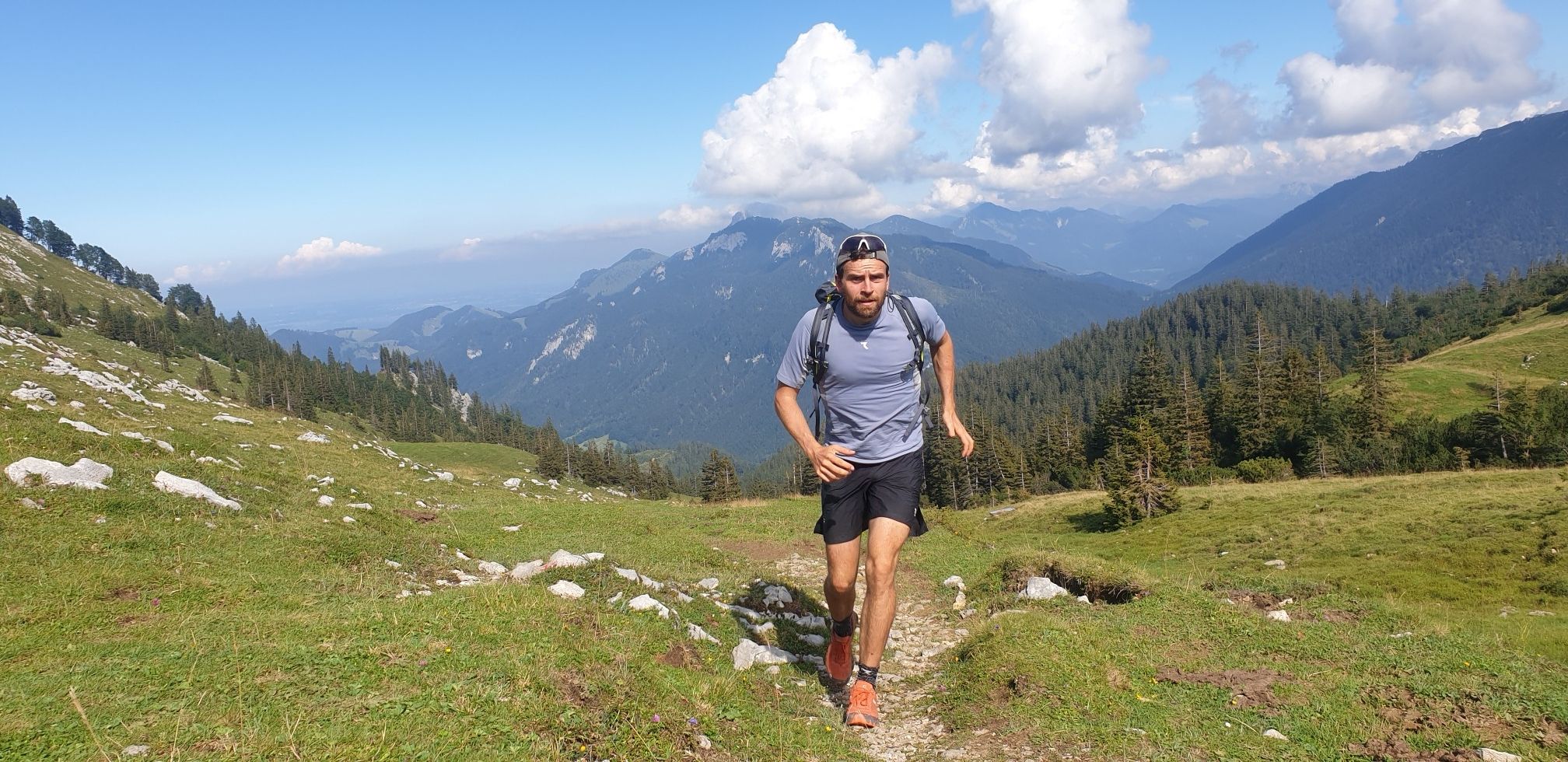
Triathlon around Germany
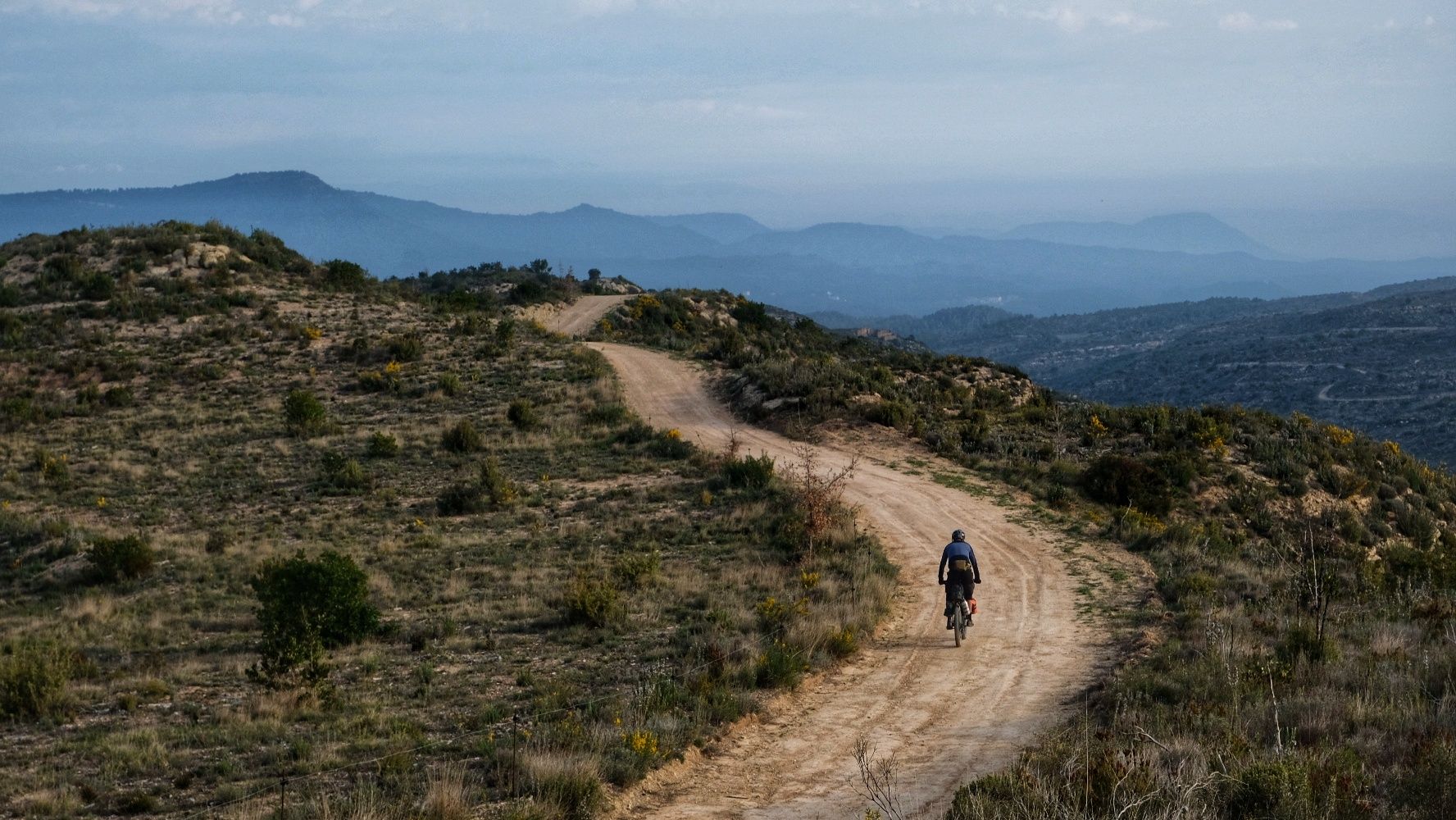
European Divide Trail — 7,600 km across the continent
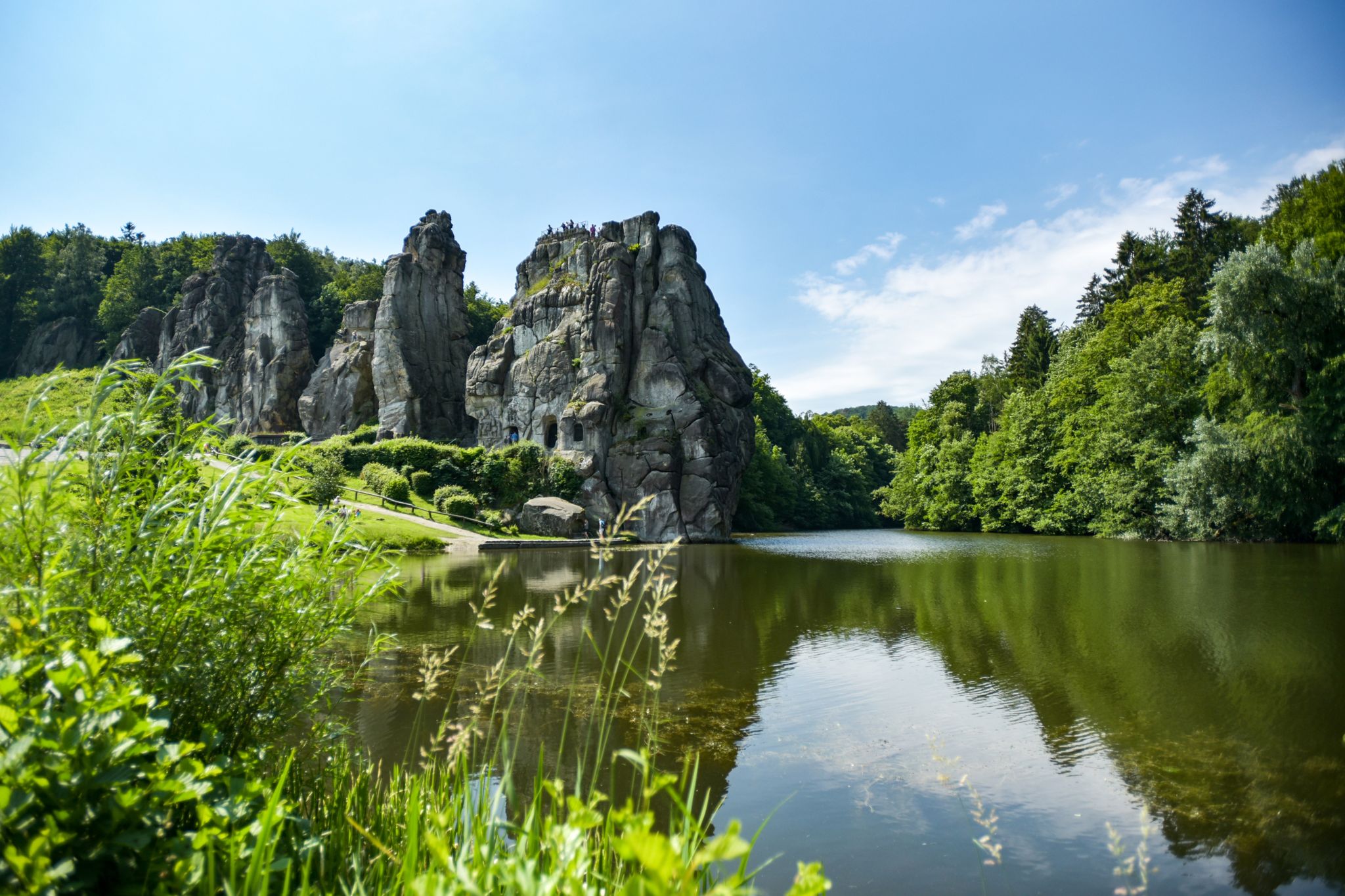
Hiking Germany's Hermannsweg – In the footsteps of the Cheruscan
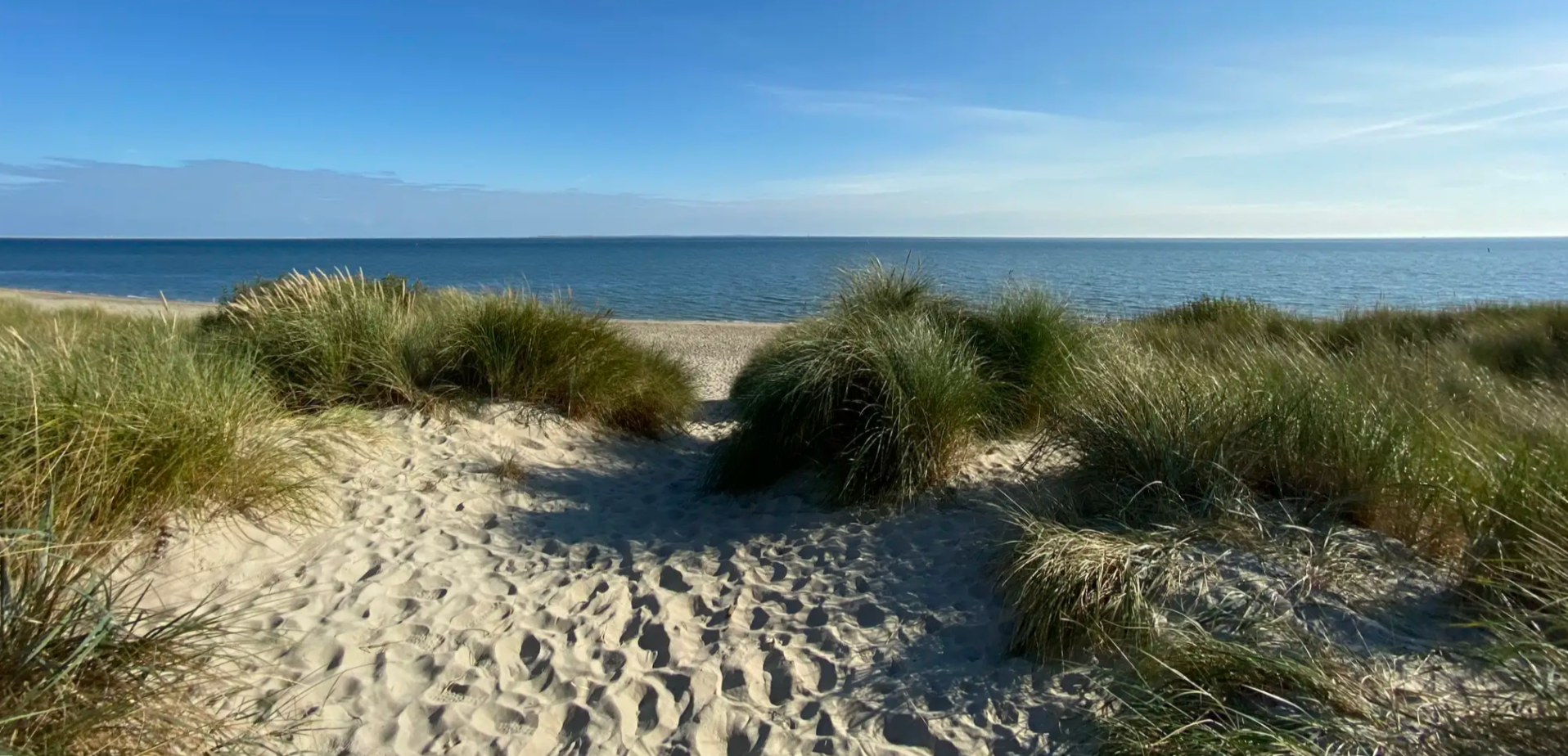
Regional Trail WaddenWalking (SP 04) - Hiking across the Wadden Sea.
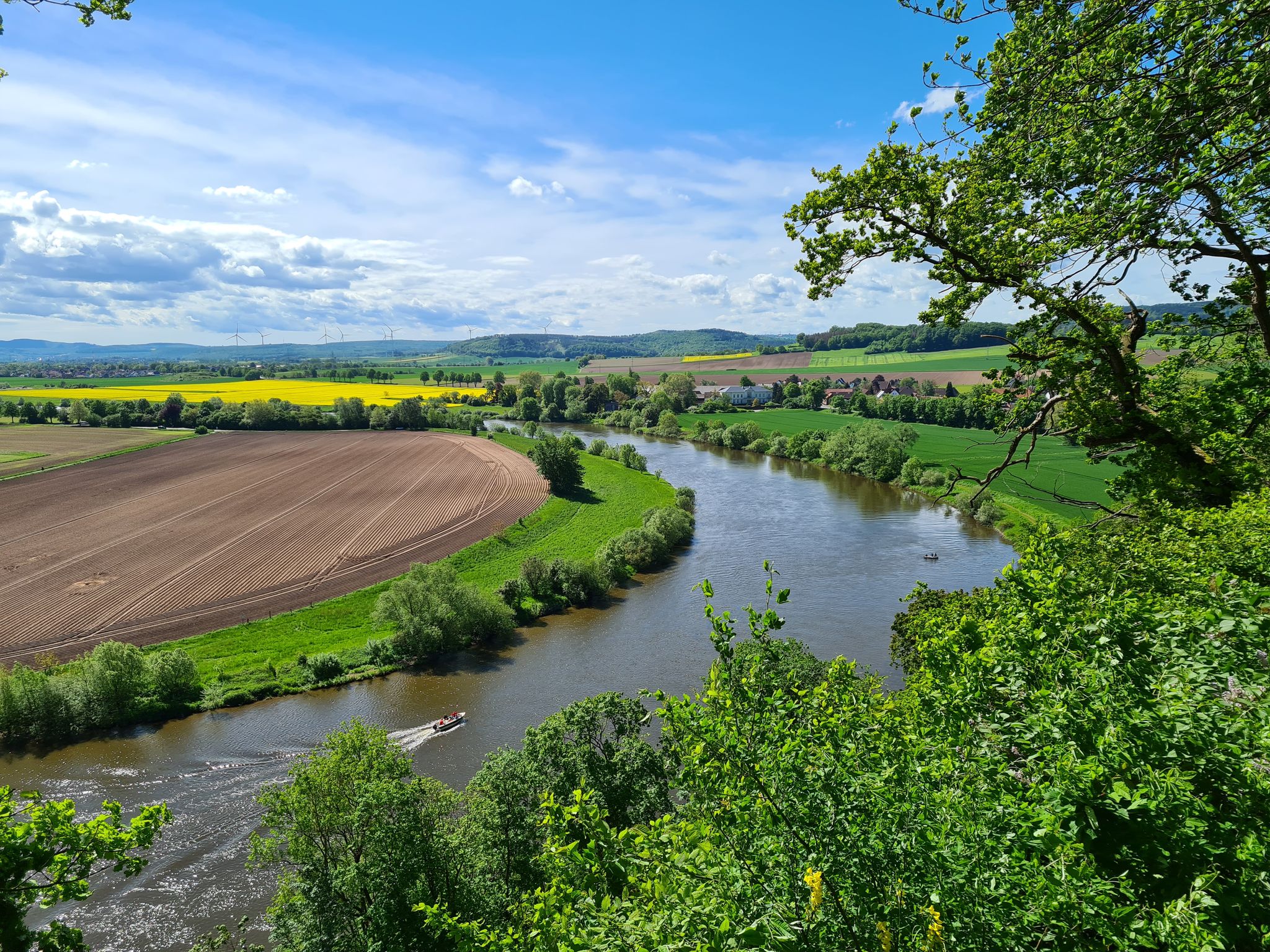
Loccum-Volkenroda pilgrim's way – From monastery to monastery
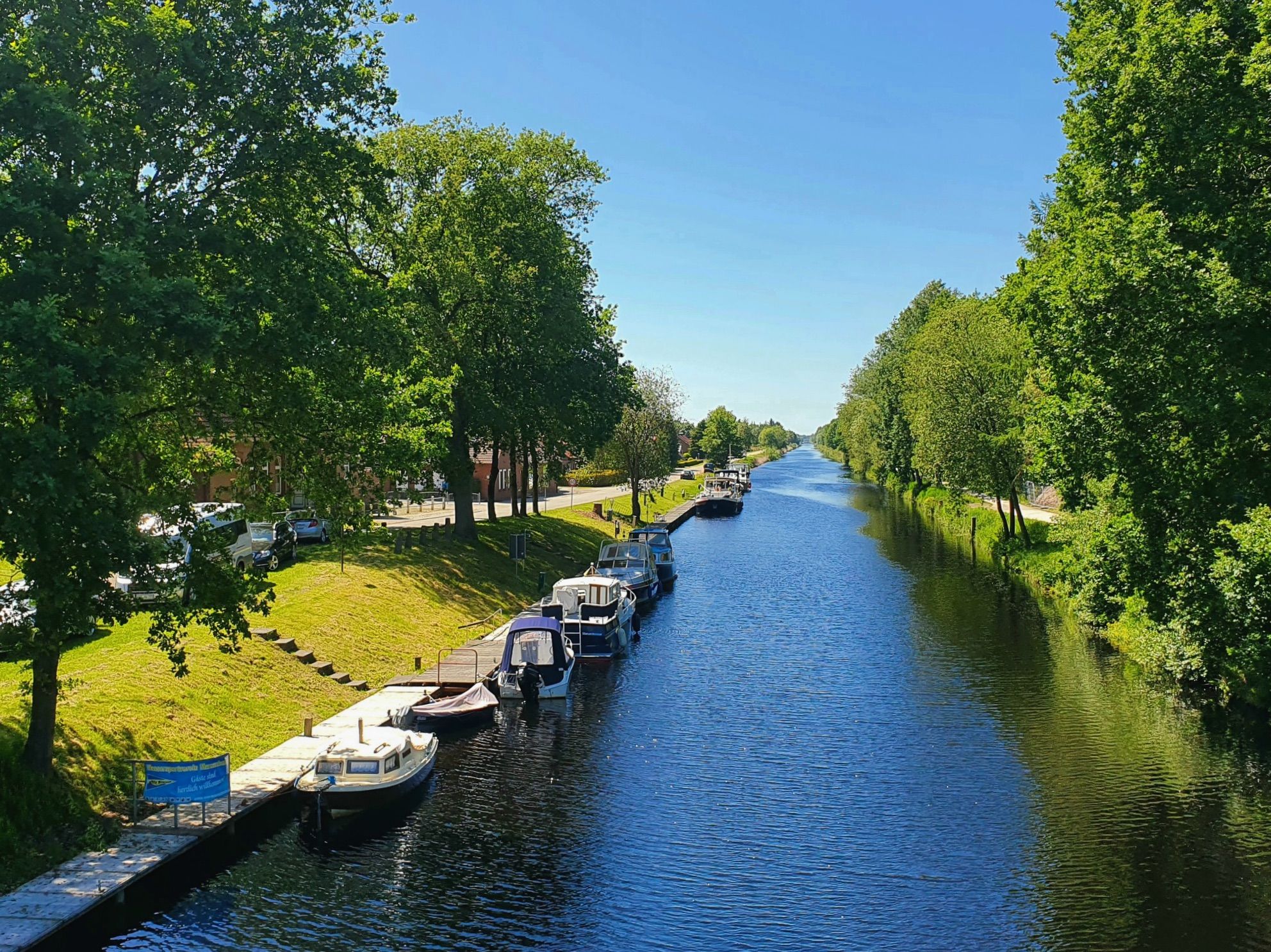
Ems-Jade Trail – Across East Frisia
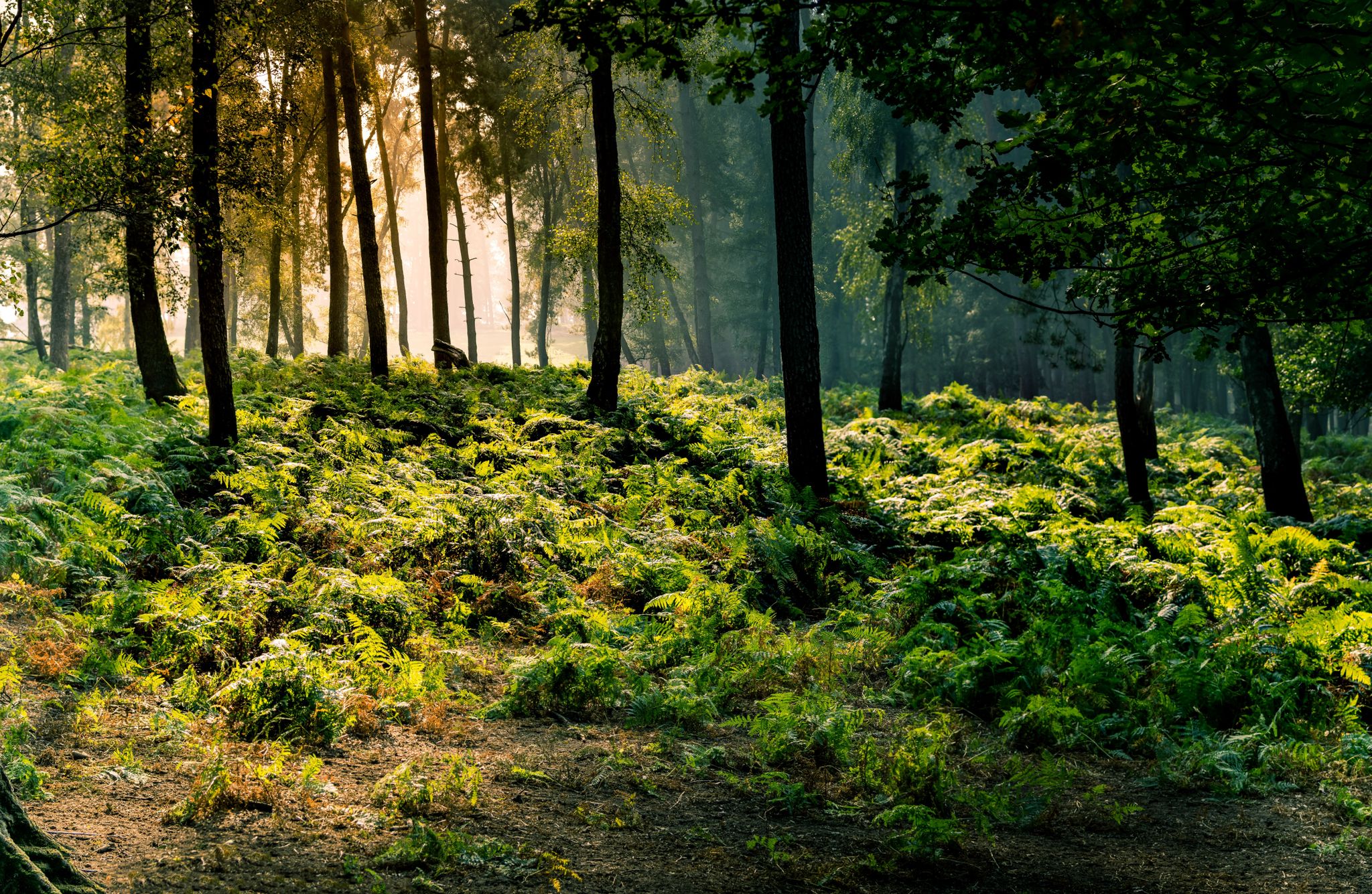
Frau Holle Trail – Nature and fairytales, eight stages
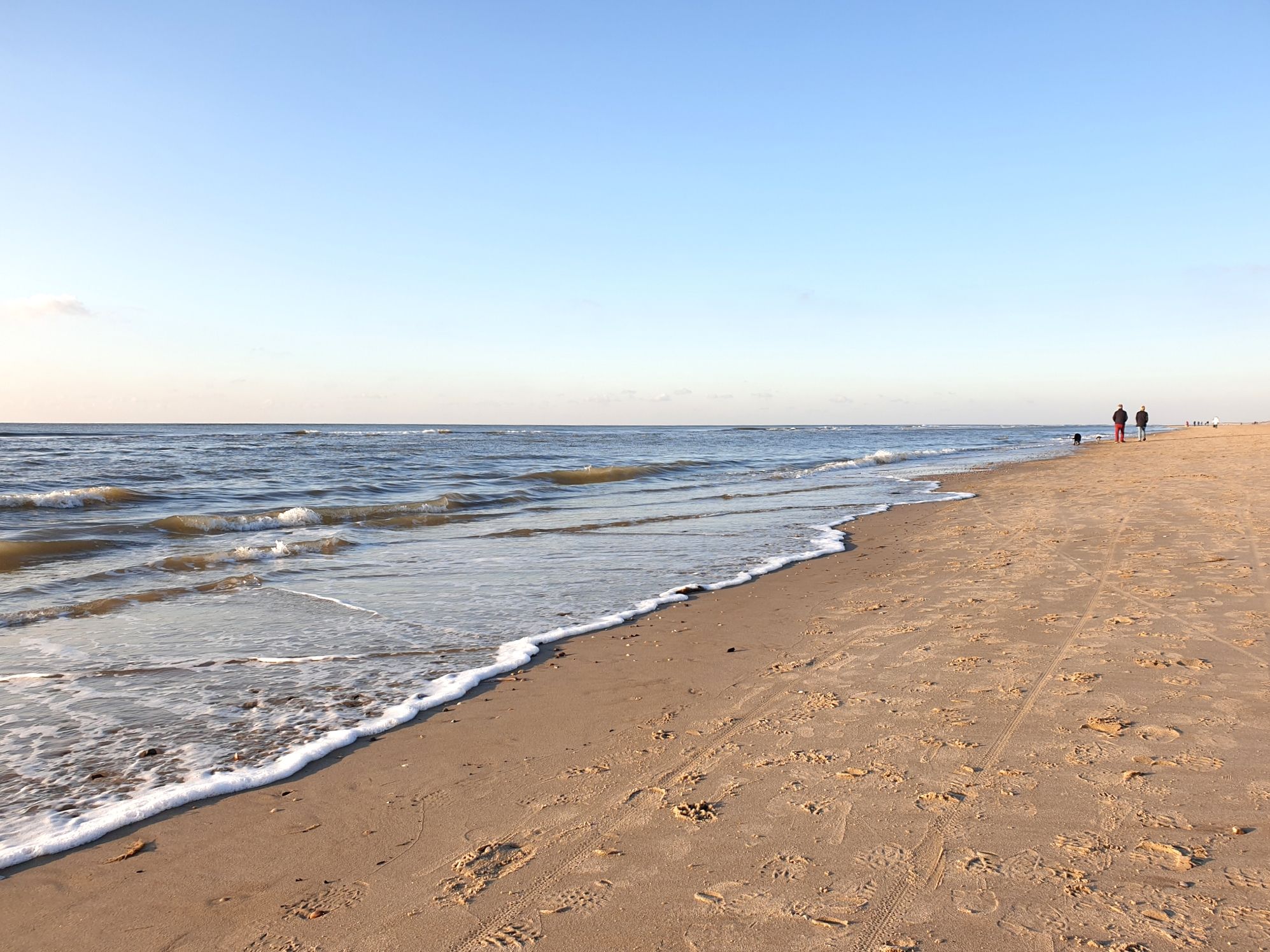
Groot Frieslandpad (LAW 14) – Right through the North of the Netherlands
Geest Cycle Route – Experience natural spaces
Germany's Hunte Cycle Path – Finding rest
Other adventures in Lower Saxony


Tips from the Community

Hermitage with easy access and rest area with 2 former fish ponds
7
0

The Rothestein Cave is a special highlight here. It's open from April to September. The climb is probably not suitable for everyone. Maybe I'm too tall for it. 😅
5
0
The story of the Rothestein Cave is interesting and exciting!
5
0

Very beautiful cave. Was converted into a church 1000 years ago. Worth seeing.
4
0

History Count Friedrich VI of Spiegelberg, who had been sovereign of the County of Pyrmont since 1525, built a fortress with a residential building on top in the valley of Pyrmont between 1526 and 1536. As early as 1512, he had the ancestral seat of the Counts of Spiegelberg in Coppenbrügge converted into a contemporary fortress based on the Italian model. He used the experience he gained to build a fortress in Pyrmont as well. The almost square complex covered four and a half hectares and was surrounded by a 30 to 40 meter wide moat, a moat. The earth that accrued when digging the moat was piled up to build the castle wall with casemates incorporated into it. In the north, where the fortress was most vulnerable to attack, a small stone corner bastion was built. The entrance to the fortress was only accessible via a wooden drawbridge and the entrance tunnel was.
8
0

Directly adjacent to the spa park is the Bad Pyrmont moated castle (or vice versa?!) The castle, which still exists today, dates back to the 18th century and was the summer residence of the Counts of Waldeck-Pyrmont.
4
0

The café in the castle courtyard is not as busy during the week, so you can better enjoy the view of the park.
6
1

Tip: small café in the castle courtyard with a view of the spa gardens. Relax and enjoy.
7
1
Frequently Asked Questions
Are there family-friendly caves to visit in Lower Saxony?
Yes, several caves in Lower Saxony are suitable for families. The Unicorn Cave (Einhornhöhle) – HWN 101 offers guided tours explaining its history and paleontological discoveries, including replicas of ancient fauna. The Iberger Dripstone Cave and Cave Experience Center also provides guided tours and exhibition rooms that are engaging for all ages. Additionally, the Herb‑August Cave is noted as family-friendly.
What is the best time of year to visit the caves in Lower Saxony?
Many show caves in Lower Saxony, such as the Unicorn Cave and Schillathöhle, are open from April to October. Some, like the Unicorn Cave, also have limited opening hours during winter weekends and Christmas school holidays. Wild caves like Rothestein Cave are typically accessible from April 1st to September 30th, as they serve as bat winter storage outside of these months. Always check specific opening times before planning your visit.
What kind of historical insights can I gain from visiting caves in Lower Saxony?
Lower Saxony's caves offer rich historical and archaeological insights. The Unicorn Cave (Einhornhöhle) – HWN 101 is famous for its paleontological findings, which once fueled unicorn legends. The Iberger Dripstone Cave and Cave Experience Center showcases fossils of ancient reef inhabitants and explores the region's geological past. Lippold's Cave is steeped in local folklore about a robber. The Rothestein Cave has evidence of Bronze Age cult sacrificial rituals.
Are there any challenging caves for experienced explorers in Lower Saxony?
Yes, some caves offer a more challenging experience. Lippold's Cave, while historically rich, can be challenging to access on foot and may require crawling at the entrance. The Rothestein Cave is described as demanding, requiring non-slip shoes, flashlights, and sure-footedness due to its long, dark corridor and a step at the entrance.
What unique geological features can be found in Lower Saxony's caves?
The caves in Lower Saxony present diverse geological formations. The Iberger Dripstone Cave and Cave Experience Center is a rare corrosion cave, with visible fossils from a 380-million-year-old limestone reef. The Schillathöhle, while a modern show cave, features a collection of calcite crystals, cave pearls, and cave coral relocated from other local caves. The Unicorn Cave (Einhornhöhle) – HWN 101 includes a large chamber known as the 'Blue Grotto'.
What should I wear for a cave tour in Lower Saxony?
Caves maintain a cool, constant temperature year-round, regardless of outside weather. It is advisable to wear warm layers, even in summer. Sturdy, non-slip footwear is essential, especially for caves with uneven terrain or damp surfaces. For wilder caves like Rothestein Cave or Lippold's Cave, a good flashlight or headlamp is also recommended.
Are there any caves in Lower Saxony with connections to local legends or folklore?
Yes, Lippold's Cave near Brunkensen is famously associated with the robber Lippold, who, according to legend, used the cave as his hideout and employed a system of wires and bells to detect approaching travelers. The Hurkutstein Rock Formation and Hermit's Cave also has a legend of a hermit who lived there after abandoning a child in the forest.
What outdoor activities can I do near the caves in Lower Saxony?
The region around Lower Saxony's caves offers various outdoor activities. You can find numerous mountain biking trails, such as those listed in the MTB Trails in Lower Saxony guide, including routes like the 'O1 Wild Man’s Trail' in the Harz Mountains. There are also many hiking opportunities, with options like the 'Lower Bode Waterfall – Wurmberg Summit loop' found in the Waterfall hikes in Lower Saxony guide. Road cycling routes are also available, for instance, the 'Weser Weir Bremen – Dike path' from the Road Cycling Routes in Lower Saxony guide.
Are there any caves in Lower Saxony that are also historical sites or natural monuments?
Many caves in Lower Saxony hold significance as both historical sites and natural monuments. The Unicorn Cave (Einhornhöhle) – HWN 101, Iberger Dripstone Cave and Cave Experience Center, and Lippold's Cave are all recognized as natural monuments with rich historical contexts. The Bärenhöhle (Beckers Grube) near Goslar and Silver Lake Tunnel at Hüggel also fall into these categories, offering a blend of natural wonder and historical importance.
What do visitors enjoy most about the caves in Lower Saxony?
Visitors appreciate the diverse experiences offered by Lower Saxony's caves. They enjoy the historical and paleontological insights of sites like the Unicorn Cave, the unique geological formations of the Iberger Dripstone Cave, and the folklore surrounding Lippold's Cave. The opportunity to explore underground worlds, often combined with nearby hiking or cycling, is a major draw. The komoot community has contributed over 1200 photos and given more than 2400 upvotes to highlights in the area, indicating strong visitor satisfaction.
Are there any caves in Lower Saxony that are part of larger rock formations or viewpoints?
Yes, some caves are integrated into broader natural features. The Stone Church, Scharzfeld, while a religious building, is also a cave-like formation offering viewpoints. The Hurkutstein Rock Formation and Hermit's Cave is another example, where a small cave is part of an impressive rock formation, providing a scenic rest area.
Most popular routes in Lower Saxony
Most popular attractions in Lower Saxony

Get inspired with the komoot mobile app


Didn’t find what you were looking for?
Discover more caves in Lower Saxony region by region:
Explore more
Extend your search for the best caves by checking out these guides of the top ones in Lower Saxony:
