Top 20 Castles in North Rhine-Westphalia
Best castles in North Rhine-Westphalia are found across a region known for its diverse landscapes, from the Rhine Valley to the Sauerland hills. This state in western Germany features a rich array of historic castles and palaces, showcasing centuries of German history and architectural evolution. These sites are notable for their historical significance and engaging features, making them destinations for visitors interested in cultural heritage. The area offers a blend of natural beauty and historical landmarks.
Best castles in North Rhine-Westphalia
- The most popular castles is Lion castle ruins, a castle that offers a quiet place with a great view of the Rhine Valley. It provides panoramic views stretching from Koblenz TV Tower to the Cologne Cathedral.
- Another must-see spot is The Falkenburg, a castle ruin situated on a strategically favorable hilltop. Visitors can explore its historically significant structure, once one of the largest medieval dynastic castles in Westphalia.
- Visitors also love Burg Castle, an impressive castle with a magnificent view of the Lower Castle. It is known for its gastronomy and offers a challenging but rewarding hike.
- North Rhine-Westphalia is known for medieval strongholds, Baroque residences, and Rococo pleasure palaces. The region offers a variety of castles to see and explore, from well-preserved structures to extensive ruins.
- The castles in North Rhine-Westphalia are appreciated by the komoot community, with more than 6700 upvotes and over 4700 photos shared across more than 1100 highlights.
Last updated: October 9, 2026
Drachenfels Castle Ruins
Highlight • Castle
Translated by Google •
Tip by

Burg Castle
Highlight • Castle
Translated by Google •
Tip by

Sign up now to discover places like this
Get recommendations on the best single tracks, peaks, & plenty of other exciting outdoor places.
Nordkirchen Palace
Highlight • Castle
Translated by Google •
Tip by

Lion castle ruins
Highlight • Castle
Translated by Google •
Tip by

View of Drachenburg Castle
Highlight • Viewpoint
Showing Translation
Tip by

Kaiserswerth Imperial Palace
Highlight • Historical Site
The location for the palace was well chosen. Because the Rhine forms a gentle curve here, it can be clearly seen over a long stretch. Even today, the castle complex consists of imposing walls up to four and a half meters thick. The idyllic castle path offers a magnificent view of the palace.
Translated by Google •
Tip by

Drachenburg Castle
Highlight • Castle
Translated by Google •
Tip by

Vischering Castle
Highlight • Castle
Translated by Google •
Tip by

Hohensyburg castle ruins
Highlight • Castle
Translated by Google •
Tip by

The Falkenburg
Highlight • Castle
Translated by Google •
Tip by

Sign up for free to discover even more castles in North Rhine-Westphalia.
Already have an account?
Start today with a free account
Your next adventure awaits.
Popular around North Rhine-Westphalia
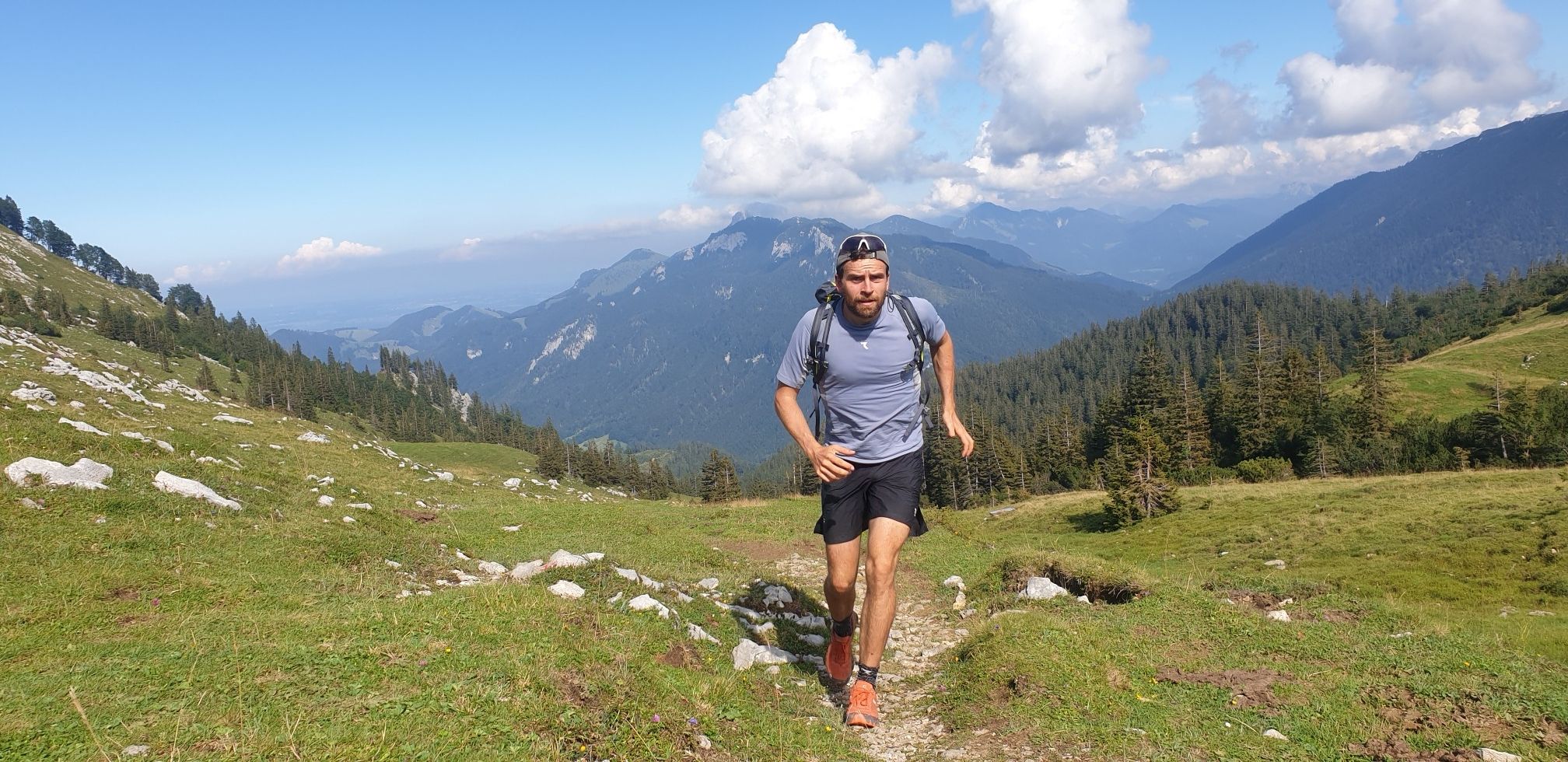
Triathlon around Germany
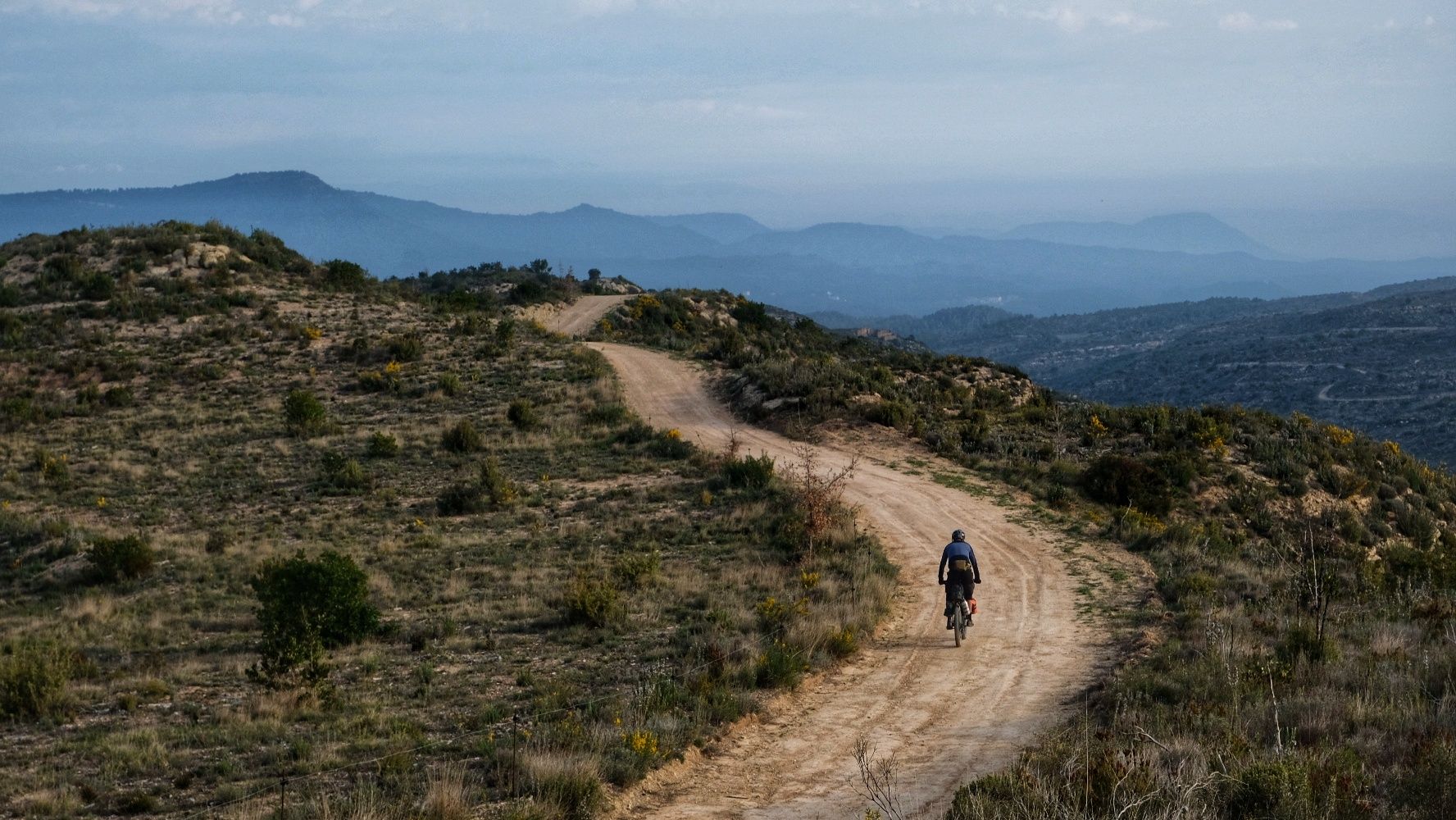
European Divide Trail — 7,600 km across the continent
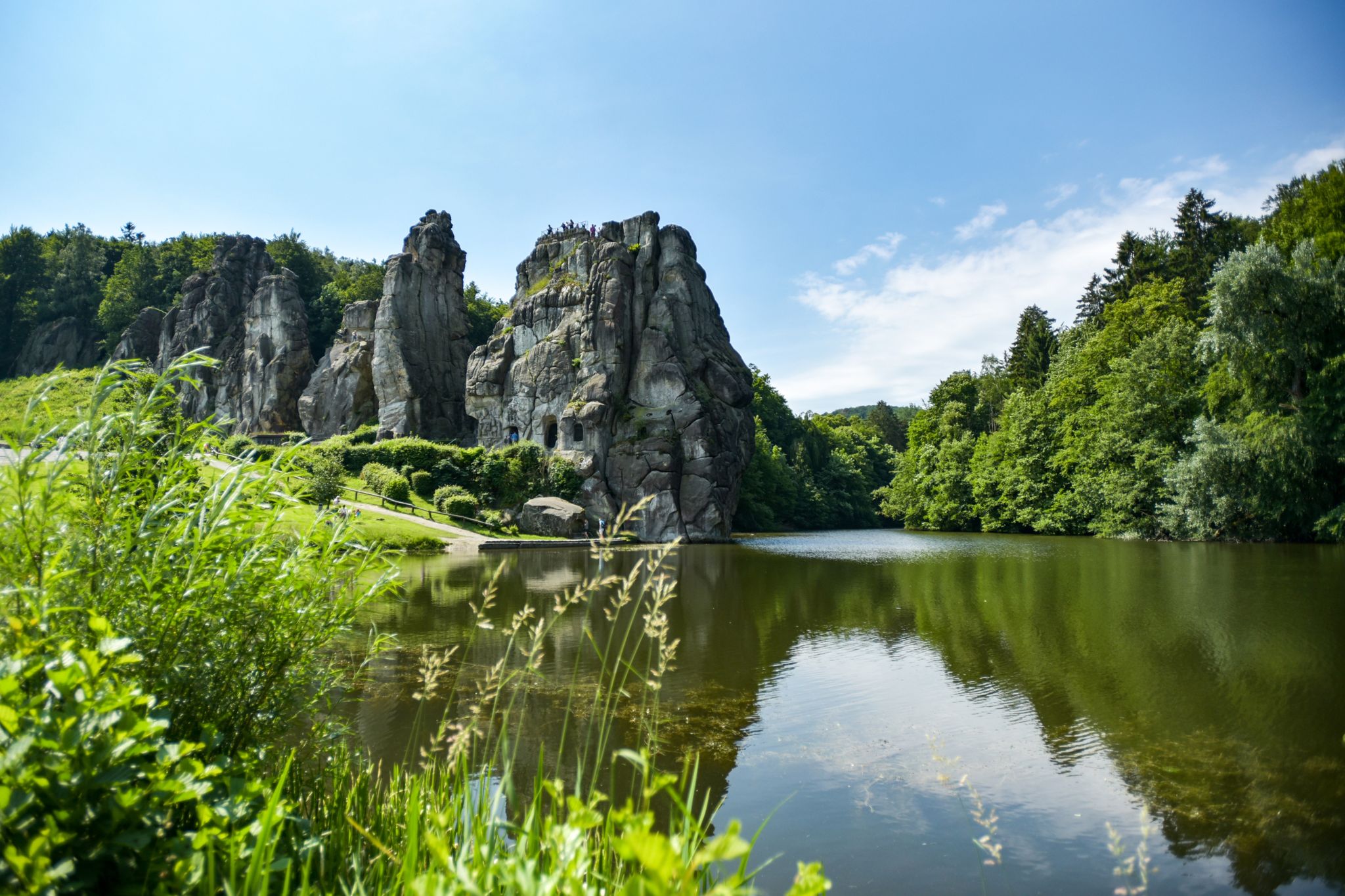
Hiking Germany's Hermannsweg – In the footsteps of the Cheruscan
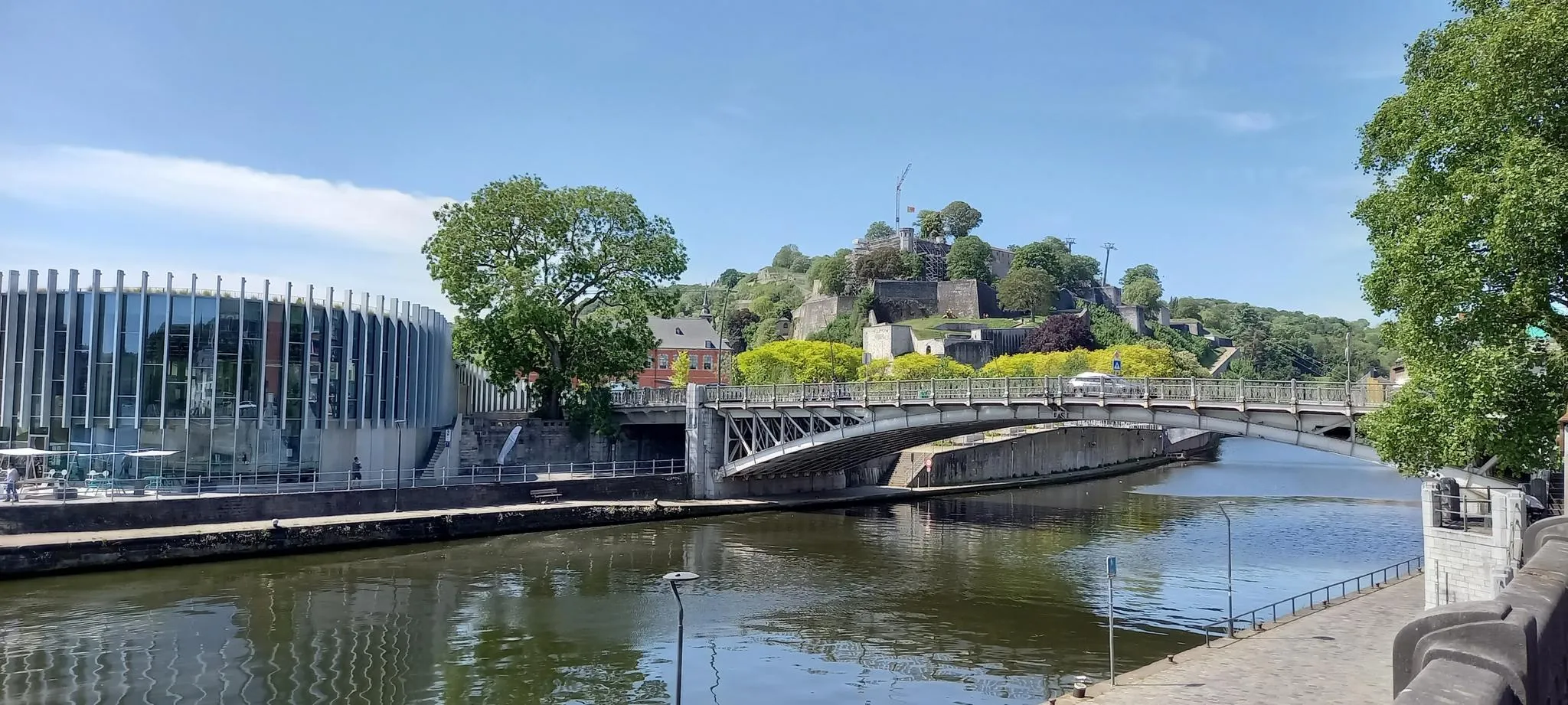
EuroVelo 3 — The adventure in the heart of Belgium
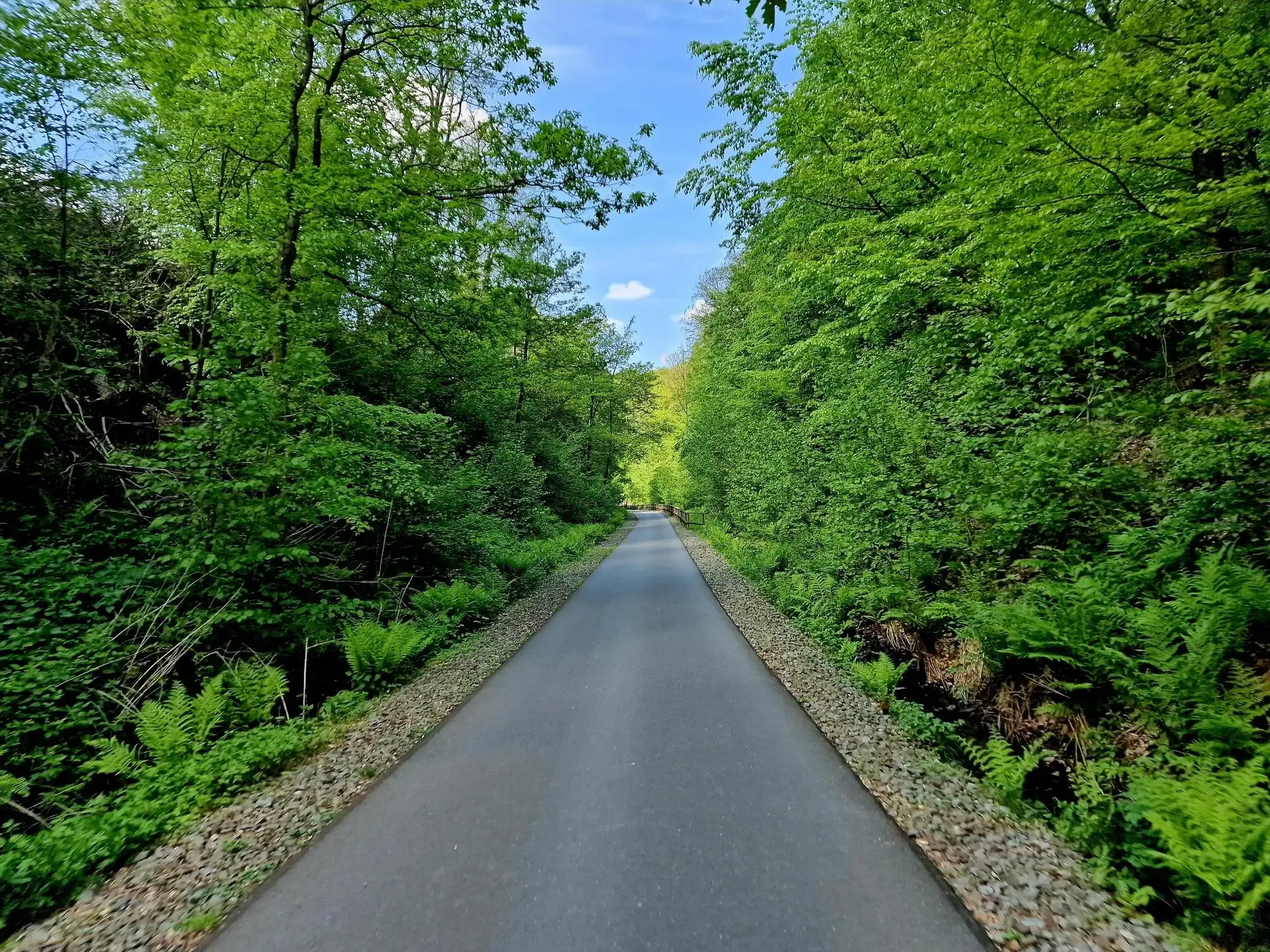
WHEW 100 – An Ultramarathon in three days in the middle of NRW
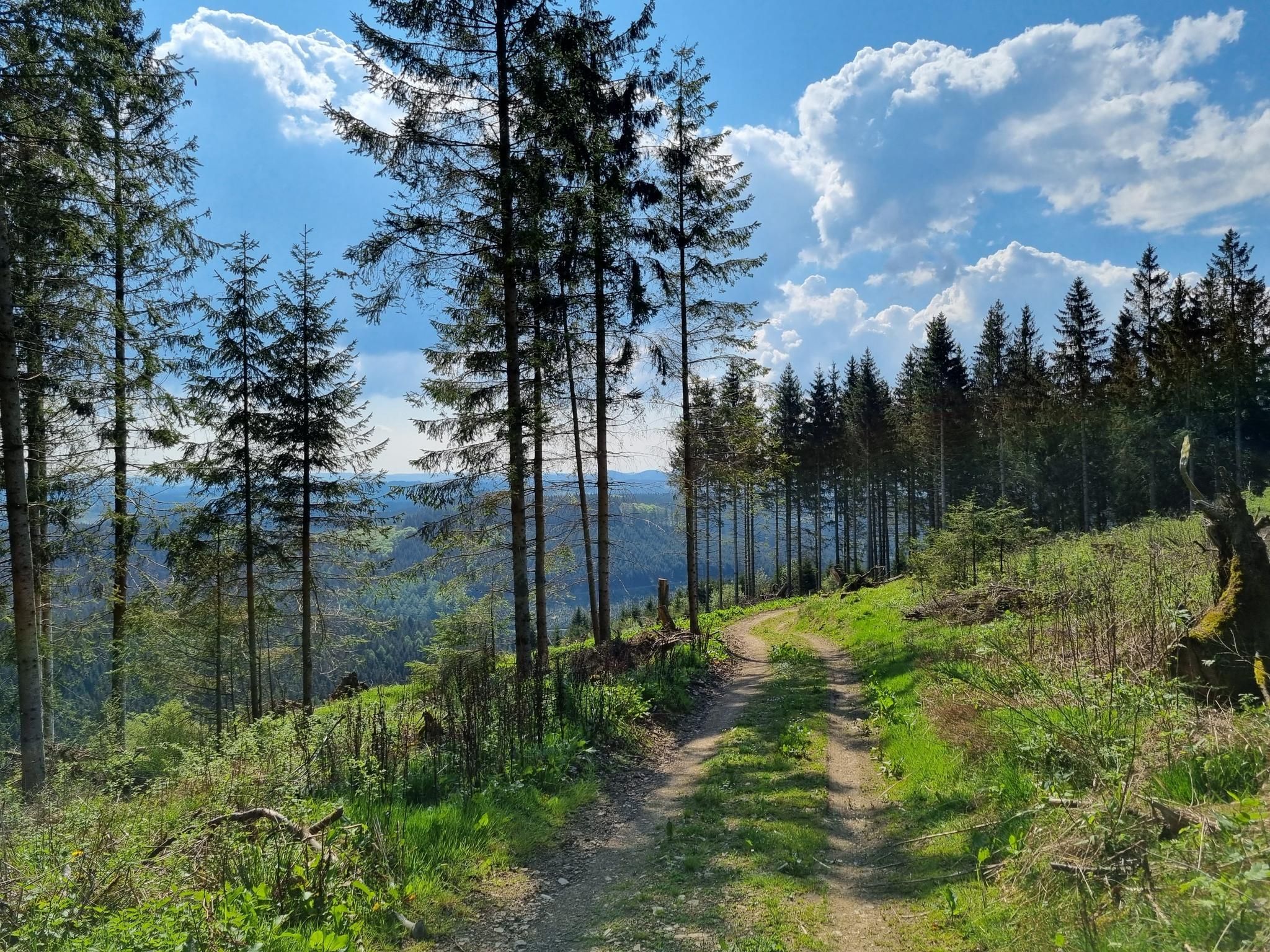
Ehmsenweg – Hiking through Western Sauerland
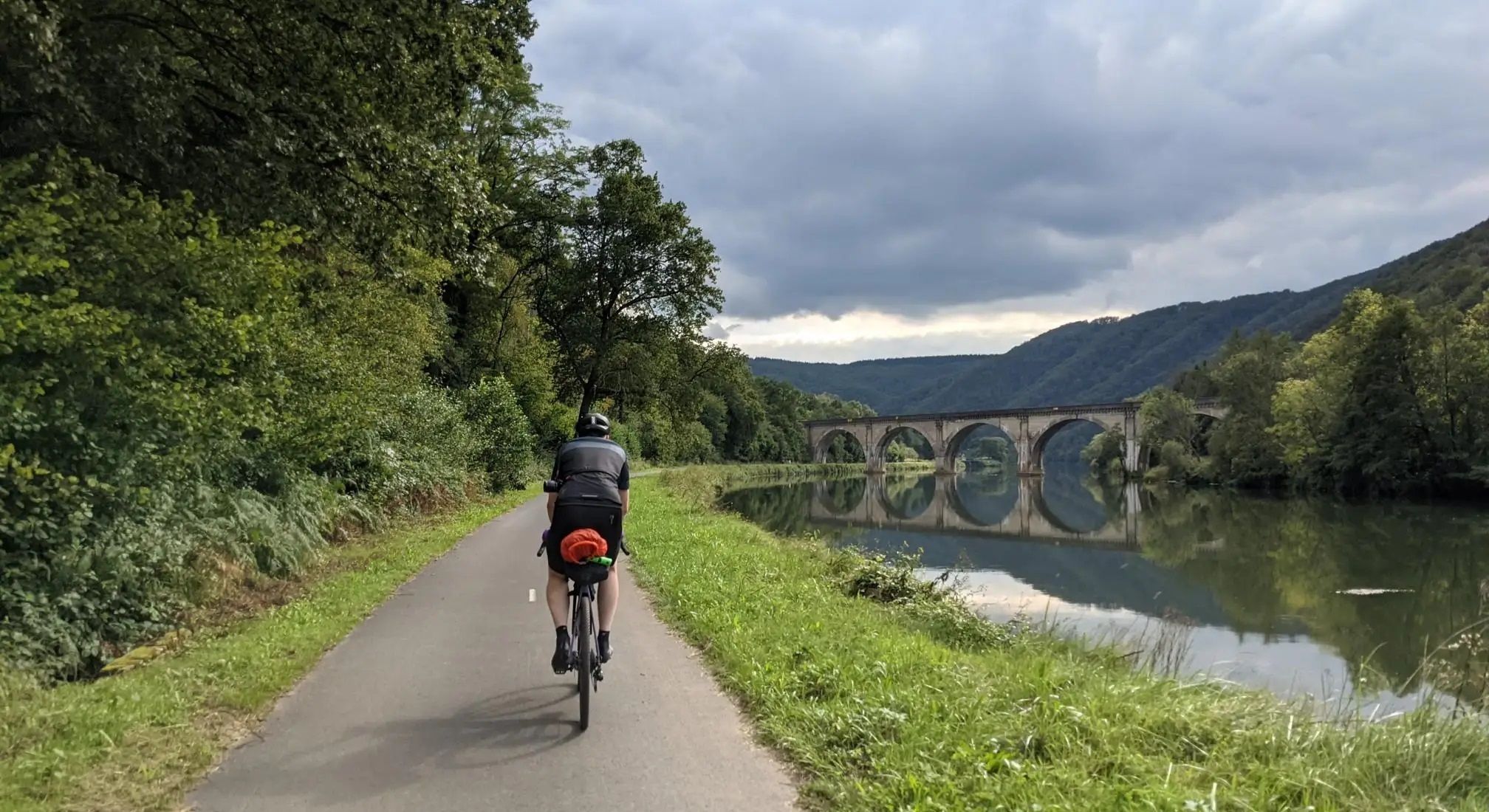
Aachen to Reims – Ardennes, Meuse and Champagne
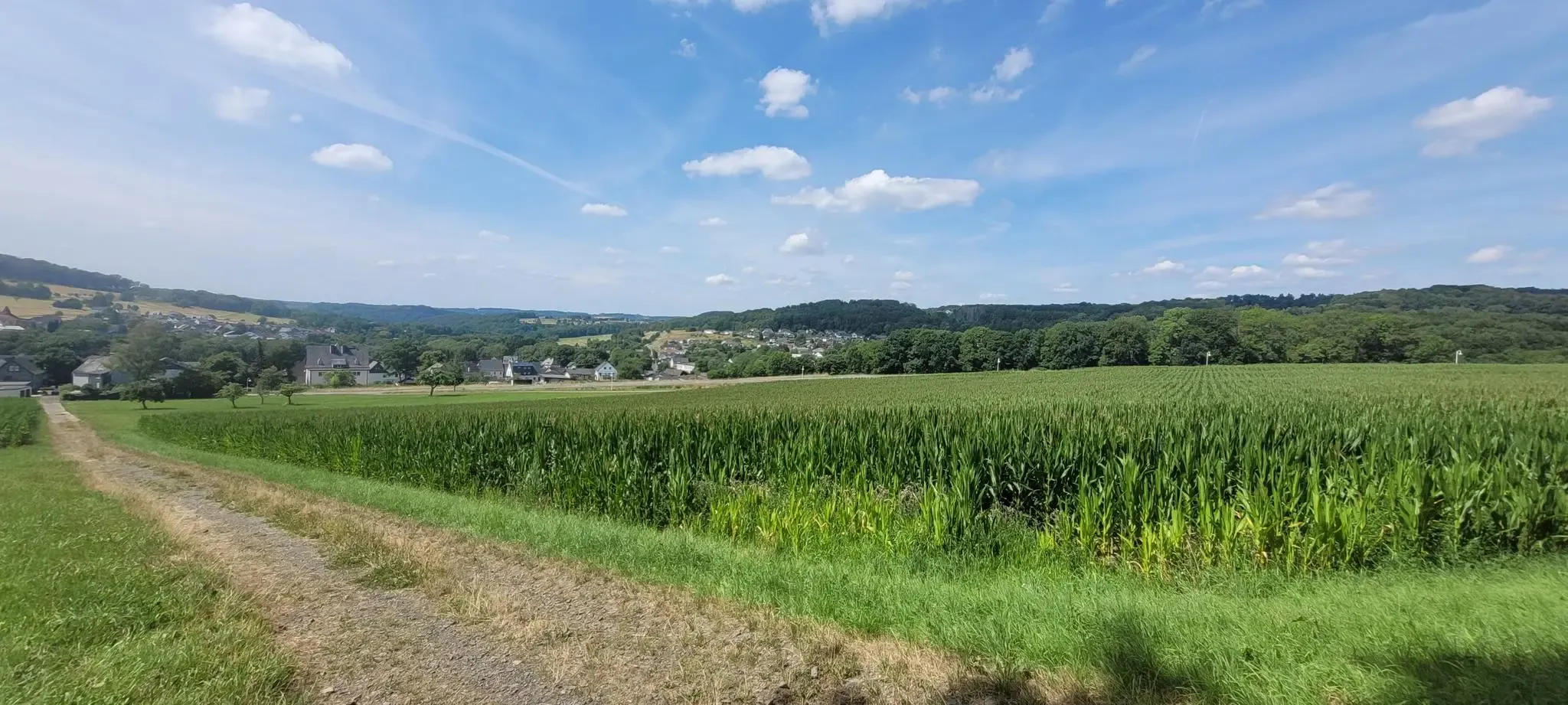
Hiking on the Cologne Trail – Discover nature close to the city
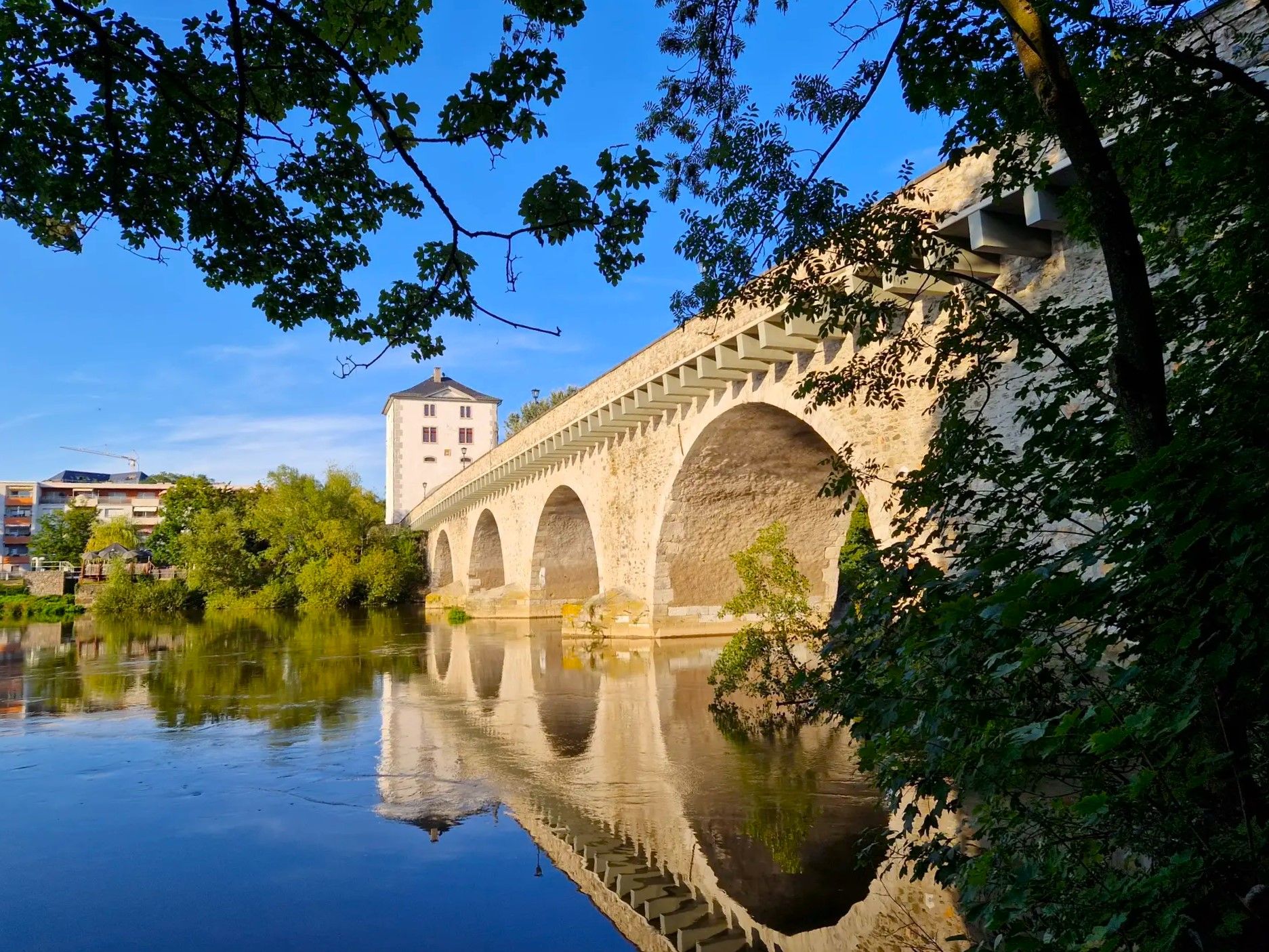
Lahnwanderweg Trail – The Lahn from its source to the estuary
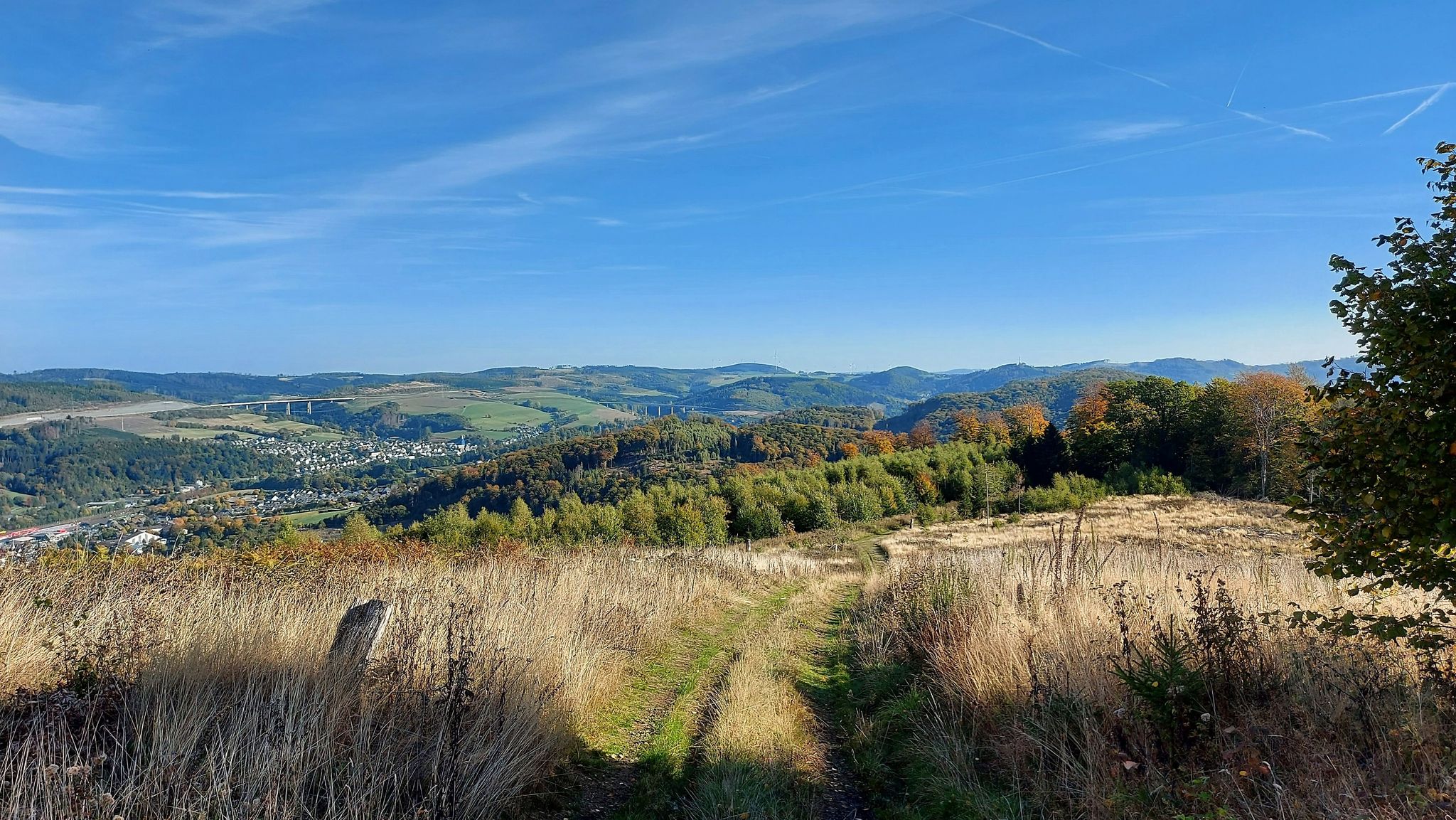
Bestwig Panorama Trail – 4 days of Sauerland views
Other adventures in North Rhine-Westphalia


Tips from the Community

Directly on the banks of the Rhine rise the picturesque ruins of the Imperial Palace of the legendary Emperor Frederick Barbarossa. The palace, originally dating back to the 10th century, was expanded under Emperor Henry III and later by Emperor Barbarossa after he relocated the Rhine toll from the Netherlands to Kaiserswerth, as he needed a fortress dominating the Rhine. The location for the palace was well chosen. Because the Rhine forms a gentle curve here, it can be clearly seen over a long stretch. Even today, the castle complex consists of imposing walls up to four and a half meters thick. The idyllic castle path offers a magnificent view of the palace.
5
0

The beginnings of the imperial palace go back to the year 700.
15
0

A little below the Plateau you will pass this vantage point of Drachenburg Castle on the way. The view of the (almost kitschy) castle with the Rhine and the Bonn skyline in the background is great. Photos from the small platform almost automatically have postcard quality.
18
1

There's always something going on at Schloss Burg. It is a tourist magnet because the building can be visited. The Bergisch Tafel attracts cyclists with delicacies in the neighboring restaurants. Or you can take a seat in one of the beer gardens and take a short stop here.
2
0

All in all, a trip to the Siebengebirge is always worthwhile - steeped in history and very scenic🥰
12
0

A beautiful view with a view of the castle
18
1

Drachenburg Castle is a castle on the Drachenfels in Koenigswinter. It was built in record time from 1882 to 1884 in the style of historicism (especially neo-early gothic on the exterior and neo-renaissance in the interior) as a representative residence for Stephan von Sarter, who, however, never lived in the castle. After his death, the castle was subjected to several changes in use.
24
1

Mighty wall right on the bike path.
14
0
Frequently Asked Questions
Which castles in North Rhine-Westphalia are particularly family-friendly?
Several castles in North Rhine-Westphalia offer great experiences for families. For instance, Burg Castle is known for its family-friendly atmosphere and gastronomy. Nordkirchen Palace also welcomes families, and its vast park is perfect for exploration. Additionally, the Lion castle ruins provide a beautiful, quiet place with great views that families can enjoy together.
Are there castles in North Rhine-Westphalia with impressive views or natural surroundings?
Yes, many castles in the region are set in scenic locations. Lion castle ruins offer panoramic views of the Rhine Valley, stretching from Koblenz to Cologne. Drachenburg Castle, perched on the Drachenfels rock, provides breathtaking vistas over the Rhine Valley. The Hohensyburg castle ruins offer views over Hagen and the Hengsteysee, situated in a beautiful hiking area in the south of Dortmund.
What outdoor activities can I do near these castles?
The areas around North Rhine-Westphalia's castles are excellent for outdoor activities. Near many castles, you'll find opportunities for hiking, road cycling, and gravel biking. For example, the area around Burg Castle is popular for challenging hikes. You can explore various routes, including those for road cycling, general cycling, and gravel biking, which often pass by historical sites and offer scenic views.
Which castles are known for their historical significance or unique architecture?
North Rhine-Westphalia is rich in historically significant and architecturally diverse castles. Schloss Nordkirchen, often called the 'Versailles of Westphalia,' is a prime example of Baroque architecture with extensive French-style gardens. Drachenburg Castle showcases a blend of Neo-Gothic and Neo-Renaissance styles. The UNESCO World Heritage Site of Augustusburg and Falkenlust Palaces in Brühl are masterpieces of Rococo design. For medieval history, Burg Altena is a well-preserved hilltop castle housing the world's first youth hostel.
Are there any moated castles in North Rhine-Westphalia?
Yes, North Rhine-Westphalia is home to several beautiful moated castles. Schloss Nordkirchen is an exceptional example, known as one of the largest moated castles in the region. Another notable moated castle is Vischering Castle, which is also a popular highlight among visitors.
What is the best time of year to visit castles in North Rhine-Westphalia?
The best time to visit castles in North Rhine-Westphalia largely depends on your preferences. Spring and summer offer pleasant weather for exploring gardens and outdoor areas. Autumn provides beautiful foliage, enhancing the scenic beauty of castles like those in the Rhine Valley. Some castles, such as Drachenburg Castle, host events and exhibitions year-round, making winter visits also appealing, especially for indoor tours and festive atmospheres.
Can I find castle ruins to explore in the region?
Absolutely. North Rhine-Westphalia features several impressive castle ruins. The Drachenfels Castle Ruins offer a historical experience with great views. The Falkenburg is another significant castle ruin, once one of the largest medieval dynastic castles in Westphalia, which has undergone extensive restoration and can be explored via pre-booked tours.
Are there castles accessible by public transport in North Rhine-Westphalia?
Many castles in North Rhine-Westphalia are accessible via public transport, though some may require a combination of train/bus and a short walk. For example, Schloss Benrath in Düsseldorf is well-connected within the city's public transport network. For specific routes and schedules, it's advisable to check local transport information for the castle you plan to visit.
Where can I find cafes or restaurants near these castles?
Many castles in North Rhine-Westphalia offer on-site or nearby dining options. Burg Castle is known for its gastronomy, particularly its waffle house. The Historic center of Solingen-Unterburg, near Burg Castle, also has cafes and restaurants. Vischering Castle also features a cafe. For Schloss Benrath, there are cafes in the surrounding Düsseldorf area.
What makes Kaiserswerth Imperial Palace a notable site?
Kaiserswerth Imperial Palace is a significant historical site located in Düsseldorf. These imperial ruins offer a glimpse into medieval history and provide a scenic viewpoint over the Rhine. It's a family-friendly location, ideal for those interested in exploring ancient structures and enjoying riverside views.
Are there any castles that also serve as museums or cultural venues?
Yes, several castles in North Rhine-Westphalia function as museums or host cultural events. Drachenburg Castle serves as a museum and venue for exhibitions and concerts. Schloss Benrath houses three museums: the Museum Corps de Logis, a Natural History Museum, and the Museum for European Garden Art. Burg Altena contains the County Mark Museum and the German Wire Museum, along with the world's first youth hostel museum.
What are some lesser-known or 'hidden gem' castles in the region?
While the region boasts many famous castles, exploring some of the lesser-known sites can offer a unique experience. The Falkenburg, for instance, was once a massive medieval dynastic castle that lay hidden underground for centuries before its restoration, offering a fascinating historical journey. Many smaller ruins and historical sites dot the landscape, providing opportunities for discovery away from the main tourist paths.
Most popular routes in North Rhine-Westphalia
Most popular attractions in North Rhine-Westphalia

Get inspired with the komoot mobile app


Didn’t find what you were looking for?
Explore North Rhine-Westphalia’s best castles region by region:
Explore more
Looking for the best castles somewhere else? Discover other guides in North Rhine-Westphalia:
