The 20 Most Amazing Peaks in North Rhine-Westphalia
Best mountain peaks in North Rhine-Westphalia are primarily found within the Rothaargebirge, a low mountain range offering diverse natural landscapes. This region provides numerous opportunities for outdoor enthusiasts to explore its elevations and natural features. The state's terrain is characterized by a mix of forested hills, valleys, and prominent peaks. Visitors can discover a variety of mountain environments, from well-known summits to serene natural monuments.
Best mountain peaks in North Rhine-Westphalia
- The most popular mountain peaks is Feldstein Summit (Bruchhauser Steine), a summit that offers a very nice view and considerable rock formations. A climb to the summit cross is recommended for an incredible view.
- Another must-see spot is Lippische Velmerstot, a summit with a fantastic view. Visitors can linger, take a picnic, and enjoy the peace and quiet at the top.
- Visitors also love Kahler Asten, a summit known for its impressive high moorland and prominent weather station. It is a popular destination, attracting many visitors annually, and is part of the Winterberg ski lift carousel.
- North Rhine-Westphalia is known for summits, natural monuments, and viewpoints. The region offers a variety of mountain peaks to see and explore, from challenging climbs to family-friendly trails.
- The mountain peaks in North Rhine-Westphalia are appreciated by the komoot community, with over 7800 upvotes and more than 4000 photos shared across its highlights.
Last updated: October 10, 2026
Drachenfels Castle Ruins
Highlight • Castle
Translated by Google •
Tip by

Kahler Asten
Highlight • Summit
Showing Translation
Tip by

Sign up now to discover places like this
Get recommendations on the best single tracks, peaks, & plenty of other exciting outdoor places.
Lion castle ruins
Highlight • Castle
Translated by Google •
Tip by

Siegfried Pulpit
Highlight • Viewpoint
Showing Translation
Tip by

Stenzelberg Rock Formations
Highlight • Natural Monument
Geologically, the Stenzelberg is a spring dome from the volcanic rock Latit, whereby the rising magma did not reach the earth's surface, but got stuck in the surrounding tuff cover rock. Erosion later eroded the softer tuff and exposed the harder latite.
The Stenzelberg has been used as a quarry for quartz latite since the 11th century. The stone was used, among other things, for the Propsteikirche in Oberpleis, the Nikolauskapelle in Heisterbacherrott and the Bonn Minster, and later also for the churches in Niederdollendorf, Oberdollendorf and Asbach.
Quarrying ended in 1931.[3] After the closure of the quarries, a characteristic landscape developed on the Stenzelberg, which offers the special flora and fauna of a dry biotope.
(Info taken from de.wikipedia.org/wiki/Stenzelberg)
Translated by Google •
Tip by

Lippische Velmerstot
Highlight • Summit
Translated by Google •
Tip by

Feldstein Summit (Bruchhauser Steine)
Highlight • Summit
Translated by Google •
Tip by

Vaalserberg Three-Country Point
Highlight • Monument
Translated by Google •
Tip by

Tetrahedron Bottrop
Highlight • Monument
Showing Translation
Tip by

Eggeturm Observation Tower (Preußische Velmerstot)
Highlight • Viewpoint
Translated by Google •
Tip by

Sign up for free to discover even more peaks in North Rhine-Westphalia.
Already have an account?
Start today with a free account
Your next adventure awaits.
Popular around North Rhine-Westphalia
Triathlon around Germany
European Divide Trail — 7,600 km across the continent
Hiking Germany's Hermannsweg – In the footsteps of the Cheruscan
EuroVelo 3 — The adventure in the heart of Belgium
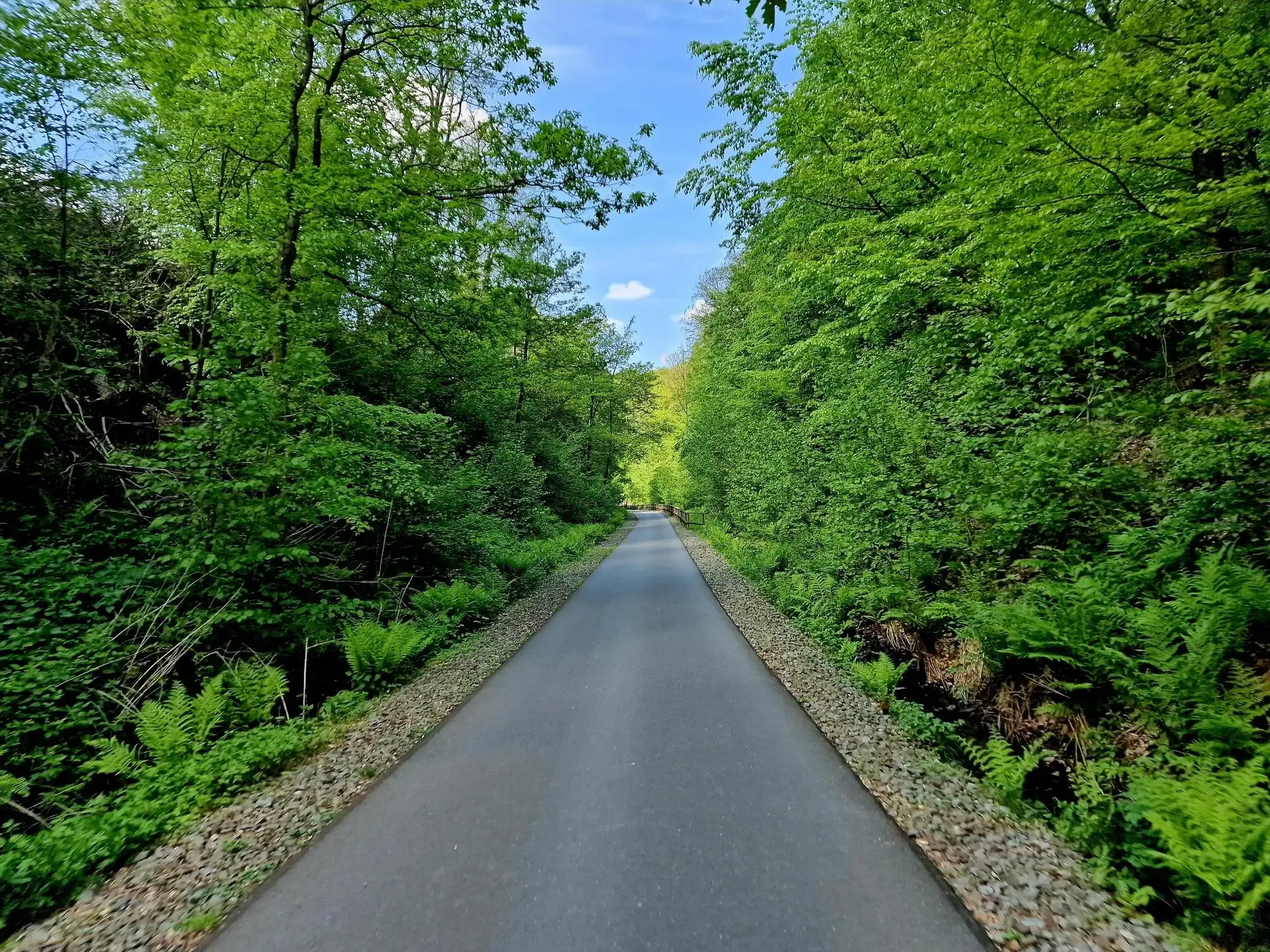
WHEW 100 – An Ultramarathon in three days in the middle of NRW
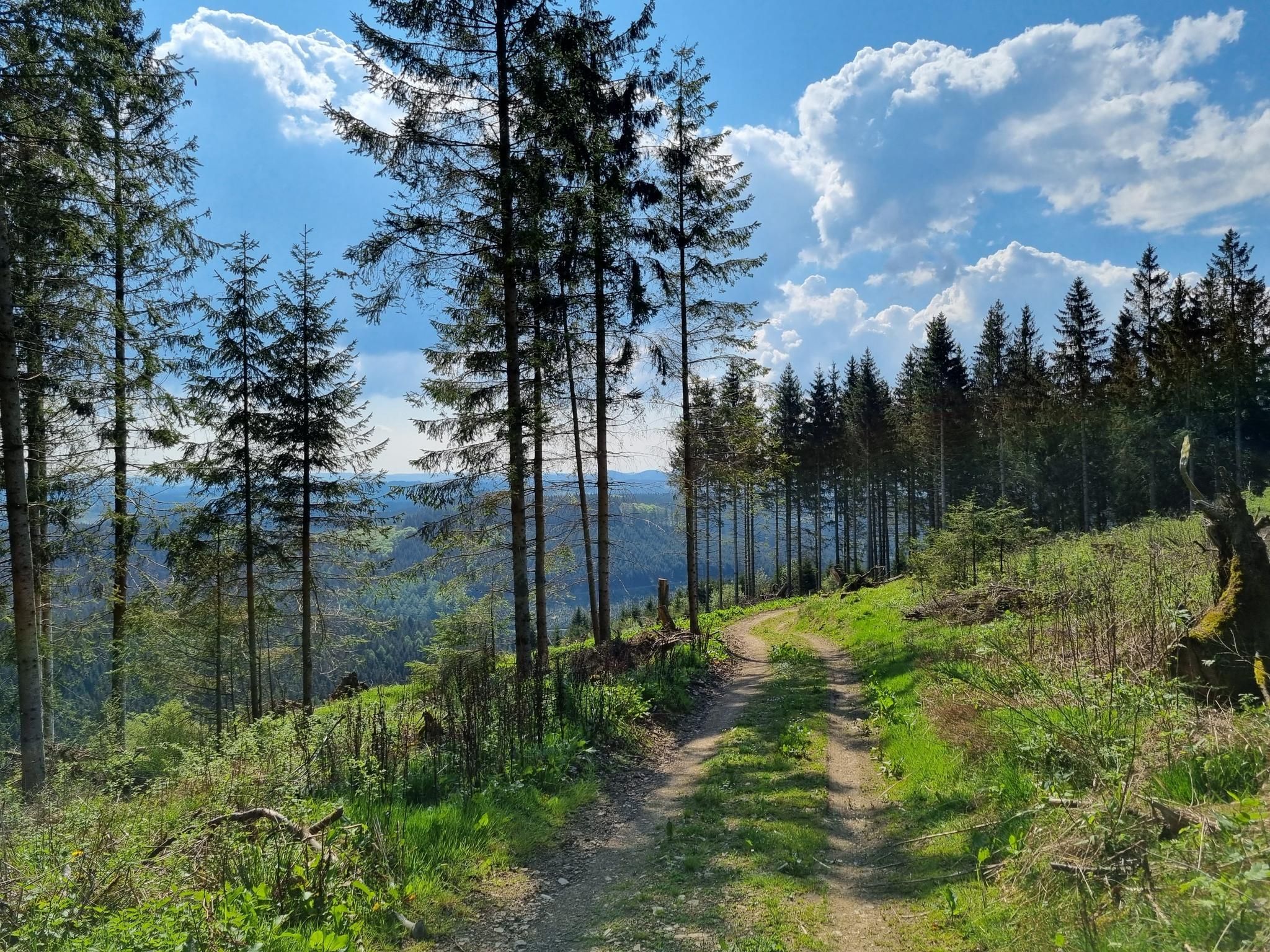
Ehmsenweg – Hiking through Western Sauerland
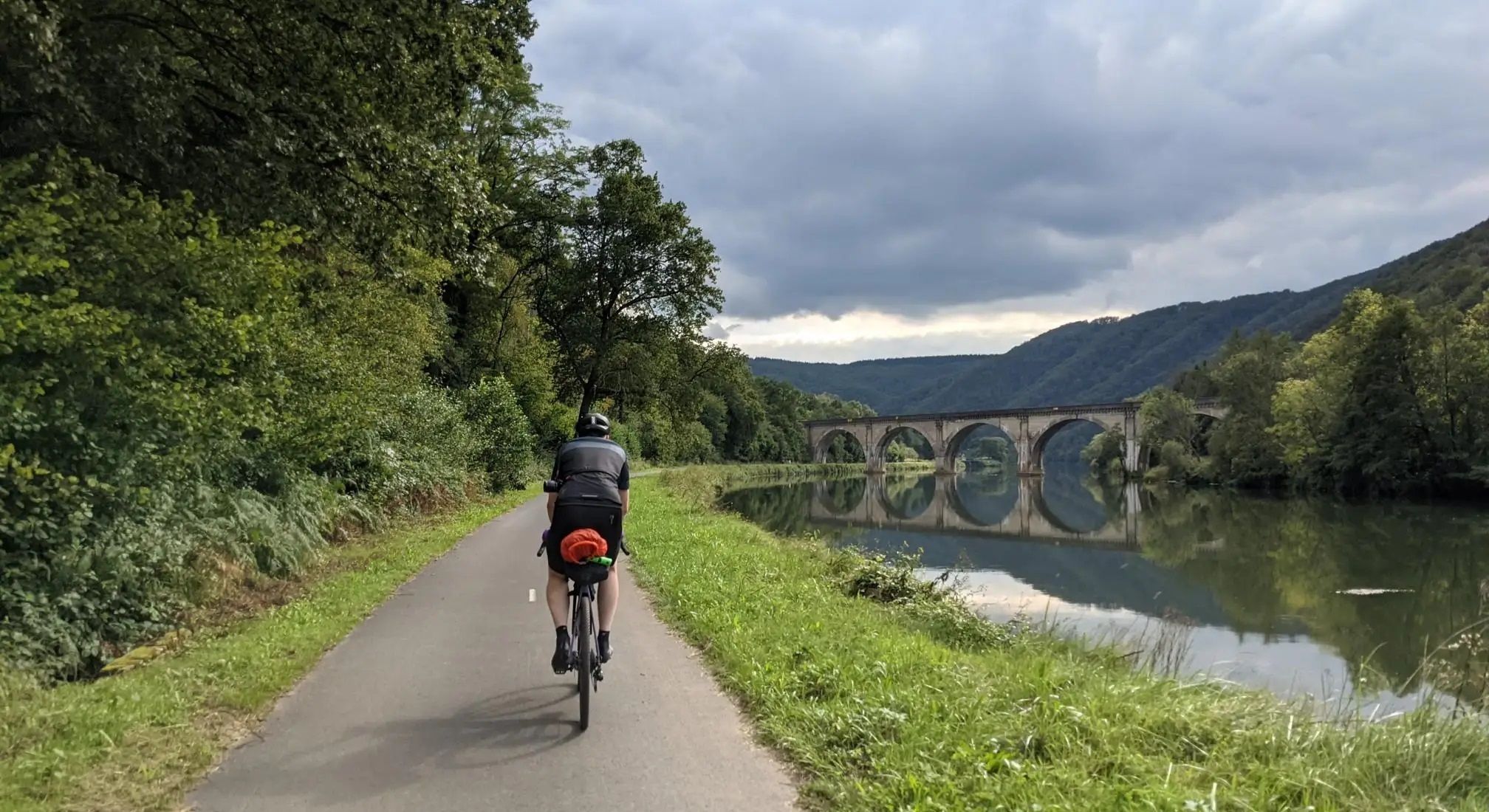
Aachen to Reims – Ardennes, Meuse and Champagne
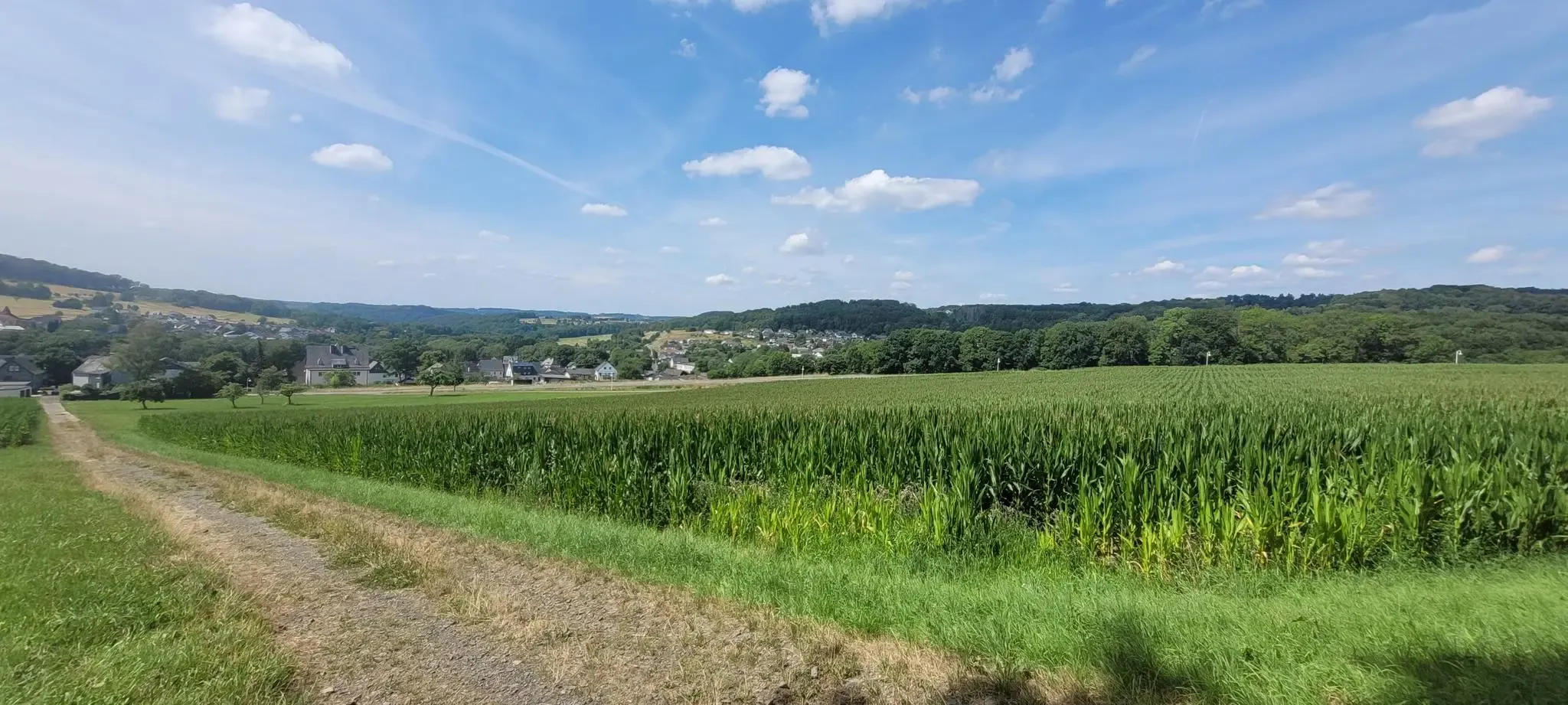
Hiking on the Cologne Trail – Discover nature close to the city
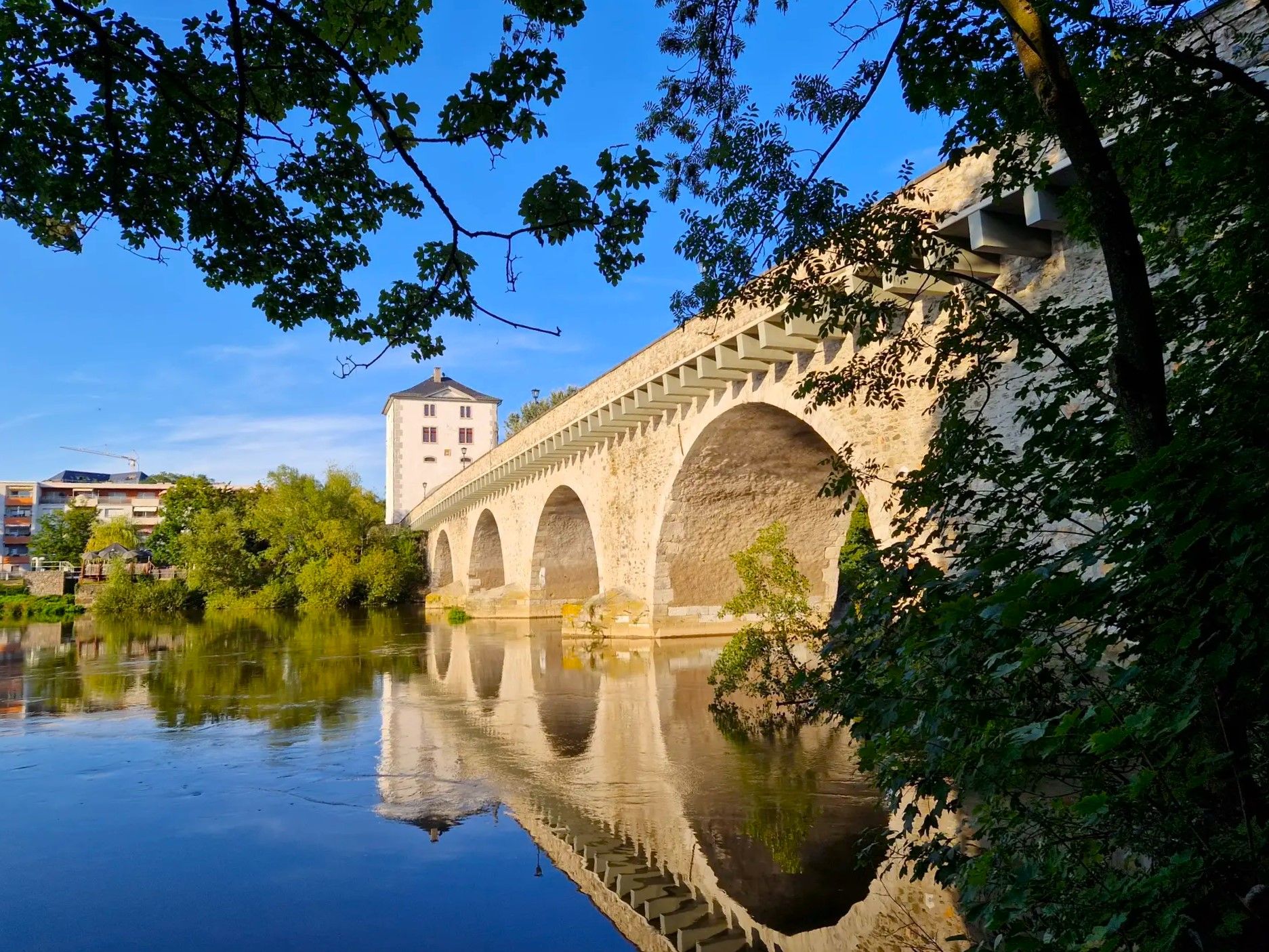
Lahnwanderweg Trail – The Lahn from its source to the estuary
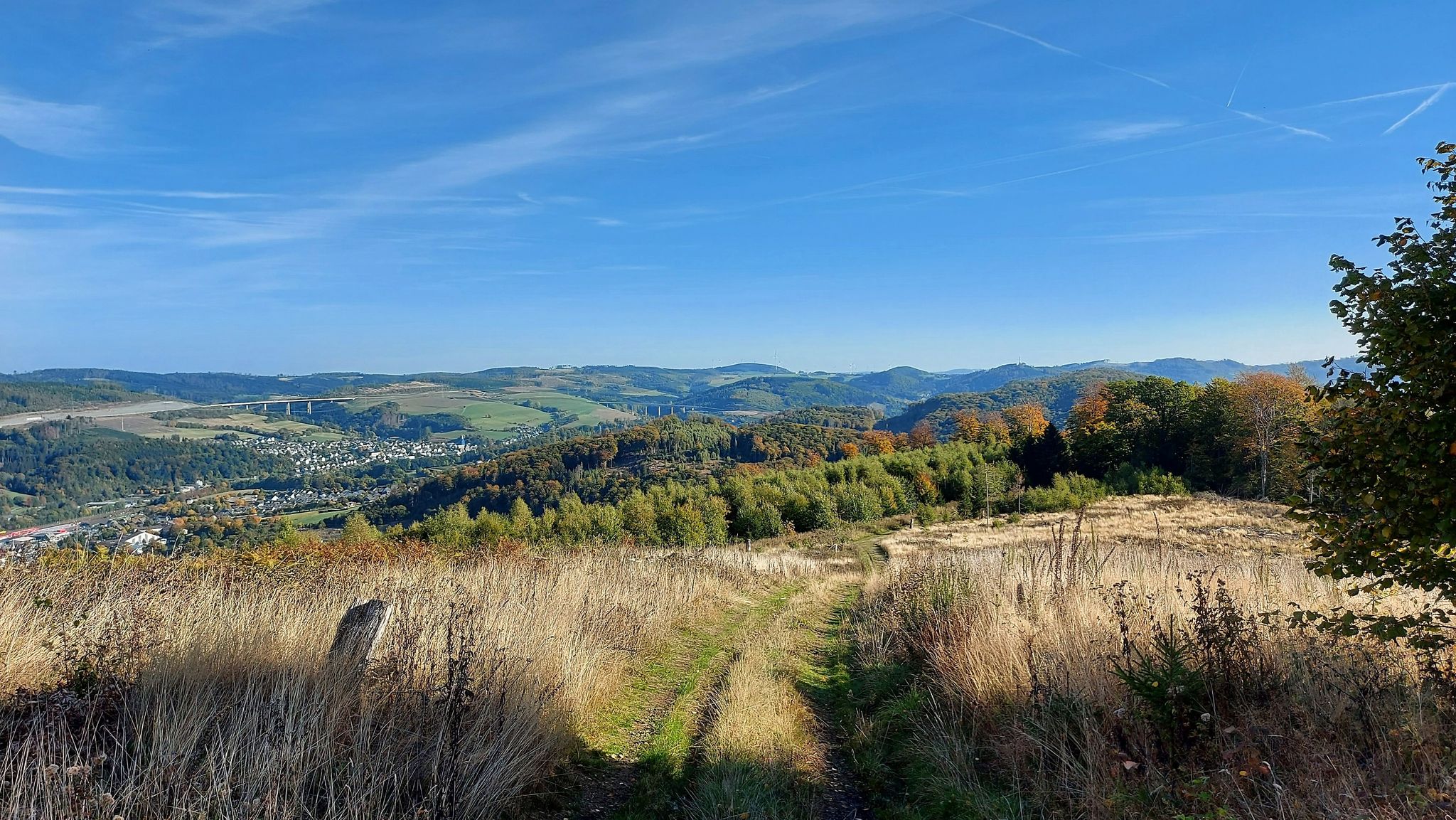
Bestwig Panorama Trail – 4 days of Sauerland views
Other adventures in North Rhine-Westphalia


Tips from the Community

The highest point in the Netherlands coincides with the three-country point and is an important tourist attraction.
21
0

As early as the late Middle Ages, the border of the former Aachen Empire, fortified with the Aachen Moat, ran from south to north across the ridge of the Vaalserberg. From 1839 to 1919, the Vaalserberg, with the disputed area of Neutral Moresnet as the fourth country, was even a four-country corner (Vierlandenpunt), which is still remembered in the name of the access road on the Dutch side - Viergrenzenweg. During the First World War, from 1915 to 1918, the high-voltage border barrier stretched along the Belgian-Dutch border for a length of 300 kilometers from the then four-country corner on the Vaalserberg to the Belgian North Sea coast near Knokke. The German invasion of Belgium in 1914 via Gemmenich to Diksmuide, which brought much suffering to the Belgian population, is commemorated by a memorial made of compressed war material at the southern tip of the Vaalserberg, called Via Dolorosa.
23
0

With a height of no less than 322.4 meters above NAP, the Vaalserberg is the highest mountain in the Netherlands (with the exception of the mountains in the Caribbean). So you are standing on the roof of the Low Countries! The mountain is not only known for its height, but also for the three country point you will find here; here the borders of the Netherlands, Belgium and Germany meet. In addition, there are plenty of activities for young and old on and around the top, so hang out here for a while.
15
1

The Dreiländerpunkt is probably the most frequented area at the Dreiländereck for "selfies" or the like. If you don't like tourist hype of this kind, but still want to take a photo here without umpteen other people being on it, you should come here as early as possible in the morning and not at the weekend or during the holidays...
22
0

Climbing on the Stenzelberg has been expressly forbidden since June 2005. Previously, the Rhein-Sieg district had tolerated climbing, although the Stenzelberg, like the entire Siebengebirge, had been designated as a nature reserve (NSG) since 1920. The climbing ban became necessary due to the new nature reserve ordinance in the course of the recognition of the Siebengebirge as FFH area 5309-301 (Fauna-Flora-Habitat) of the European Union. In particular, the occurrence of the wall lizard was concerned and egg-laying sites at the foothills of the fields were destroyed. Despite the ban, climbing continued illegally after 2005. The path to the rocks was therefore closed by the forestry department.
13
0

An absolute highlight of our hike. Just great to look at.
13
0

The Stenzelberg is geologically a spring dome from the volcanic rock Latit. The rising magma did not reach the earth's surface here, but got stuck in the surrounding tuff cover rock. The softer tuff was later eroded away, exposing the harder latite. The Stenzelberg has been used as a quarry since the 11th century, in which quartz latite rock was mined. The Heisterbach Abbey also operated a quarry on the Stenzelberg. The quarried material was also used to build the monastery buildings and the abbey church. Furthermore, rock from the Stenzelberg was used for the Propsteikirche in Oberpleis, the Nikolauskapelle in Heisterbacherrott and the Bonn Minster, and later also for the churches in Niederdollendorf, in Oberdollendorf and in Asbach. The operation of the quarry ended in 1931. Source: https://www.kuladig.de/Objectansicht/O-FJK-20100630-0032
14
0

The Dreiländerpunkt consists of a stone on which the country abbreviations are written. Lines on the ground indicate the angle at which each country extends.
25
0
Frequently Asked Questions
What is the highest mountain peak in North Rhine-Westphalia?
The highest mountain peak in North Rhine-Westphalia is Langenberg, standing at 843.2 meters. Located on the state border with Hesse, it offers a tranquil hiking experience and is a key point on trails like the Rothaarsteig and the Winterberg Hochtour. A summit cross marks its highest point, inviting hikers to take a break.
Which mountain peaks are most popular for visitors in North Rhine-Westphalia?
While Langenberg is the highest, Kahler Asten is arguably the most well-known and popular, attracting over 500,000 visitors annually. Other popular spots include Feldstein Summit (Bruchhauser Steine) for its views and rock formations, and Lippische Velmerstot for its fantastic views and peaceful atmosphere.
Are there family-friendly mountain peaks or activities in North Rhine-Westphalia?
Yes, several peaks and areas are suitable for families. Kahler Asten is family-friendly, offering the Astenturm with an observation platform and restaurant. The Vaalserberg Three-Country Point is also noted as family-friendly, providing a unique geographical experience. Many trails around these peaks are well-maintained and offer accessible options for various ages.
What natural features can I expect to see on these mountain peaks?
You can discover diverse natural features. Kahler Asten is known for its impressive high moorland and the source of the Lenne river. Peaks like Stenzelberg Rock Formations offer unique geological structures and a dry biotope with special flora and fauna. Many peaks, including Lippische Velmerstot and Feldstein Summit, feature significant rock formations and expansive forests.
Are there historical or cultural sites near the mountain peaks?
Yes, several peaks are close to or feature historical and cultural sites. The Astenturm on Kahler Asten houses an exhibition of the LWL-Museum for Natural History. The Lion castle ruins offer a historical experience with great views of the Rhine Valley. The Vaalserberg Three-Country Point is a historical landmark where three countries meet.
What kind of views can I expect from the mountain peaks in North Rhine-Westphalia?
Many peaks offer impressive panoramic views. From the Astenturm on Kahler Asten, you can enjoy wide views, potentially even reaching the Brocken on clear days. Feldstein Summit and Lippische Velmerstot are praised by visitors for their fantastic vistas. The Siegfried Pulpit provides a wonderful view of the Rhine Valley.
What outdoor activities can I do near these mountain peaks?
The region around the mountain peaks offers a variety of outdoor activities. You can find numerous hiking trails, including sections of the famous Rothaarsteig near Langenberg. For cycling enthusiasts, there are many routes available, from road cycling to mountain biking. Explore Road Cycling Routes in North Rhine-Westphalia, Cycling in North Rhine-Westphalia, and MTB Trails in North Rhine-Westphalia for more options.
What is the best time to visit the mountain peaks in North Rhine-Westphalia?
The best time to visit depends on your preferred activities. Spring and autumn offer pleasant temperatures for hiking and enjoying the changing landscapes. Summer is ideal for longer days and outdoor recreation. For winter sports enthusiasts, areas like Kahler Asten are part of the Winterberg ski lift carousel, making them popular for skiing and winter hiking. You can find more information on winter hiking around Kahler Asten at nrw-tourism.com.
Are there any other notable high peaks in the Rothaargebirge within North Rhine-Westphalia?
Beyond Langenberg and Kahler Asten, other significant peaks in the Rothaargebirge within North Rhine-Westphalia include Hegekopf (842.9 m), Clemensberg (839.2 m), Hopperkopf (832.3 m), Hunau (817.6 m), Ziegenhelle (815.5 m), and Wallershöhe (812 m). These peaks also offer ample opportunities for hiking and enjoying the natural landscape of the 'Land of 1000 Mountains' in the Sauerland region.
What do visitors enjoy most about the mountain peaks in North Rhine-Westphalia?
Visitors frequently highlight the stunning views and the tranquility of the natural surroundings. Many appreciate the well-maintained trails and the opportunity to enjoy peace and quiet at the summits, often with a picnic. The unique rock formations, like those at Feldstein Summit, and the historical elements, such as the Lion castle ruins, also receive high praise.
Are there challenging hiking trails available on these peaks?
Yes, for those seeking a challenge, peaks like Feldstein Summit (Bruchhauser Steine) and Stenzelberg Rock Formations are categorized as challenging. The ascent to the observation point at Feldstein Summit, for instance, requires surefootedness and suitable footwear. The Rothaarsteig, which passes over Langenberg, also offers sections that can be quite demanding.
Can I find facilities like restaurants or huts near the mountain peaks?
Yes, some popular peaks offer facilities. On Kahler Asten, the Astenturm houses a hotel-restaurant. The Great Ölberg also features a restaurant and a hut. These facilities provide convenient spots for refreshments and breaks during your outdoor adventures.
Most popular routes in North Rhine-Westphalia
Most popular attractions in North Rhine-Westphalia

Get inspired with the komoot mobile app


Didn’t find what you were looking for?
Discover North Rhine-Westphalia’s best peaks and summits by region:
Explore more
See even more amazing summits in North Rhine-Westphalia with these guides:
