Top 20 Mountain Passes in Italy
Mountain passes in Italy traverse diverse landscapes, from the dramatic peaks of the Dolomites to the winding routes of the Apennines. These passes offer access to high alpine environments and connect valleys across the Italian Alps. The region is characterized by its mountainous terrain, providing routes for various outdoor activities. Italy's mountain passes are integral to its geography, facilitating travel and offering views of natural formations.
Best mountain passes in Italy
- The most popular mountain passes is Pfitscherjoch Border Crossing…
Last updated: September 29, 2026
Mendel Pass (Passo della Mendola)
Highlight • Mountain Pass
Translated by Google •
Tip by

View of the Sassolungo Group
Highlight • Viewpoint
Translated by Google •
Tip by

Sign up now to discover places like this
Get recommendations on the best single tracks, peaks, & plenty of other exciting outdoor places.
Pfitscherjoch Border Crossing
Highlight • Mountain Pass
Translated by Google •
Tip by

Pordoi Pass
Highlight • Mountain Pass
Translated by Google •
Tip by

Tremalzo Tunnel and Military Road
Highlight (Segment) • Trail
Translated by Google •
Tip by

Grasleiten Pass Hut / Passo Principe Hut
Highlight • Mountain Hut
Translated by Google •
Tip by

Mendel Pass Funicular Upper Station
Highlight • Rest Area
Translated by Google •
Tip by

Sella Pass
Highlight • Mountain Pass
Translated by Google •
Tip by

Campolongo Pass
Highlight • Mountain Pass
Translated by Google •
Tip by

Pfitscherjochhaus / Rifugio Passo di Vizze
Highlight • Mountain Hut
Translated by Google •
Tip by

Sign up for free to discover even more mountain passes in Italy.
Already have an account?
Start today with a free account
Your next adventure awaits.
Popular around Italy
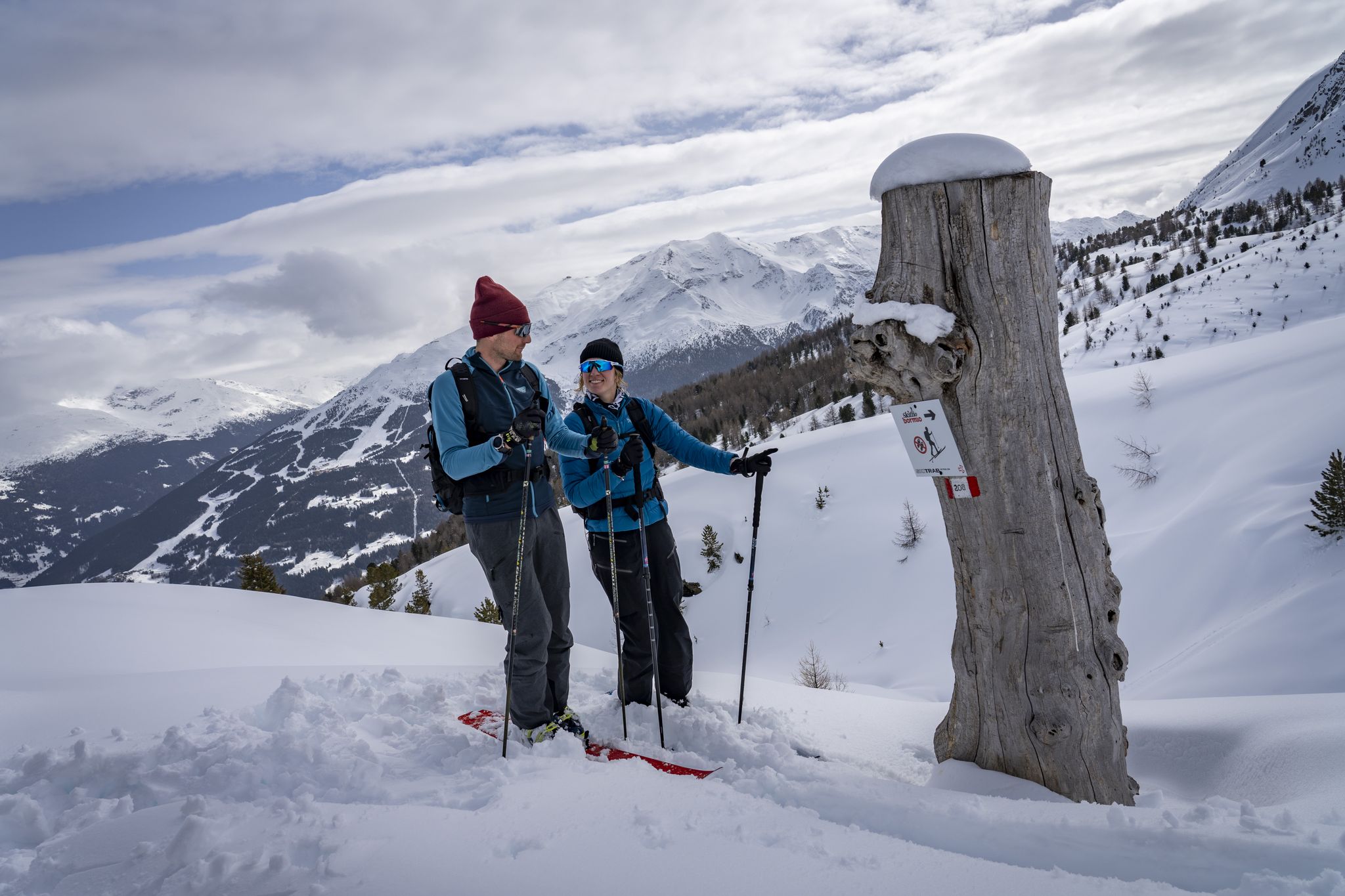
Stelvio Natural Skimo Trails – ski mountaineering adventures in Bormio
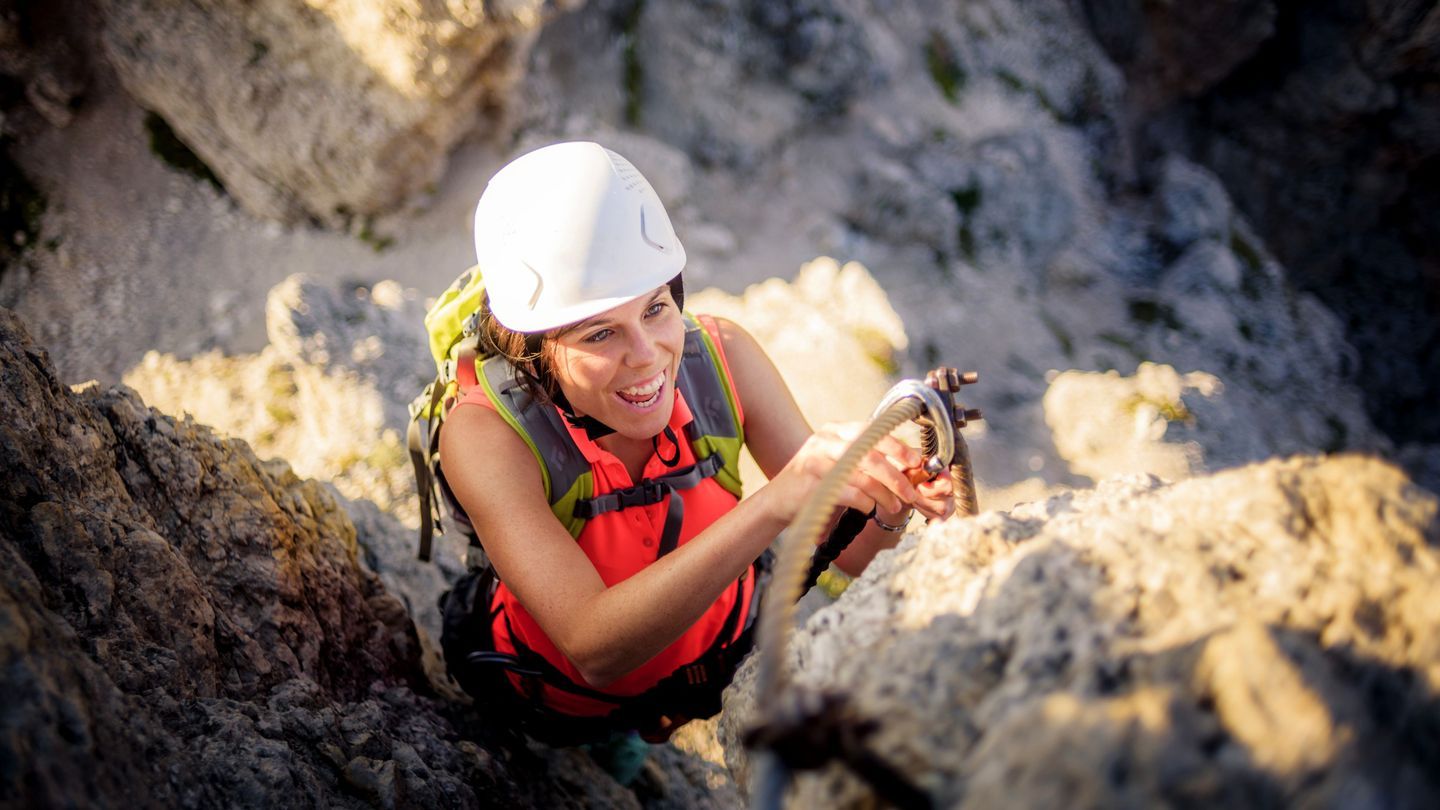
Via ferratas in Val Gardena – Dolomites
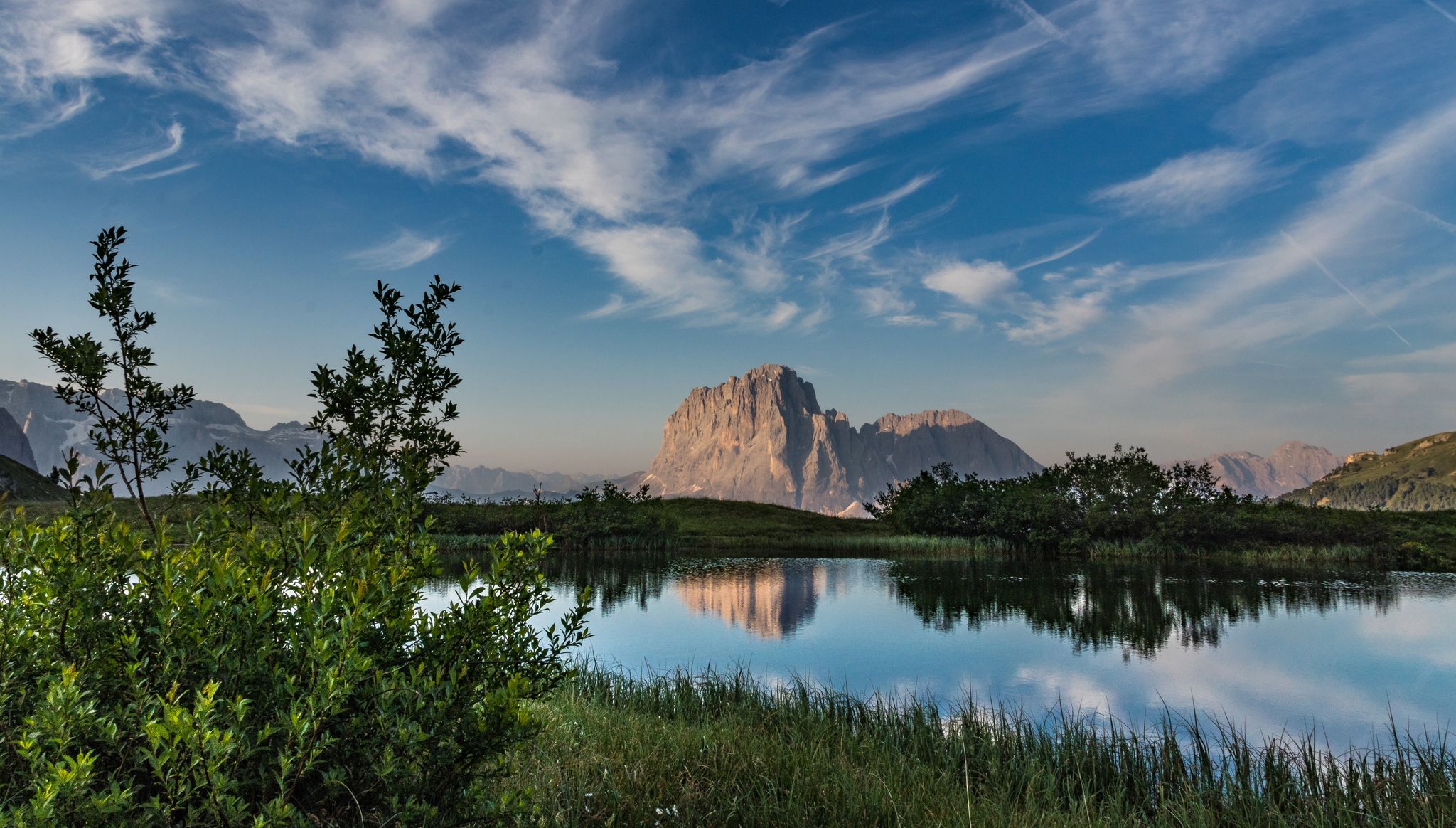
Secret Dolomites - beautiful spring in Val Gardena
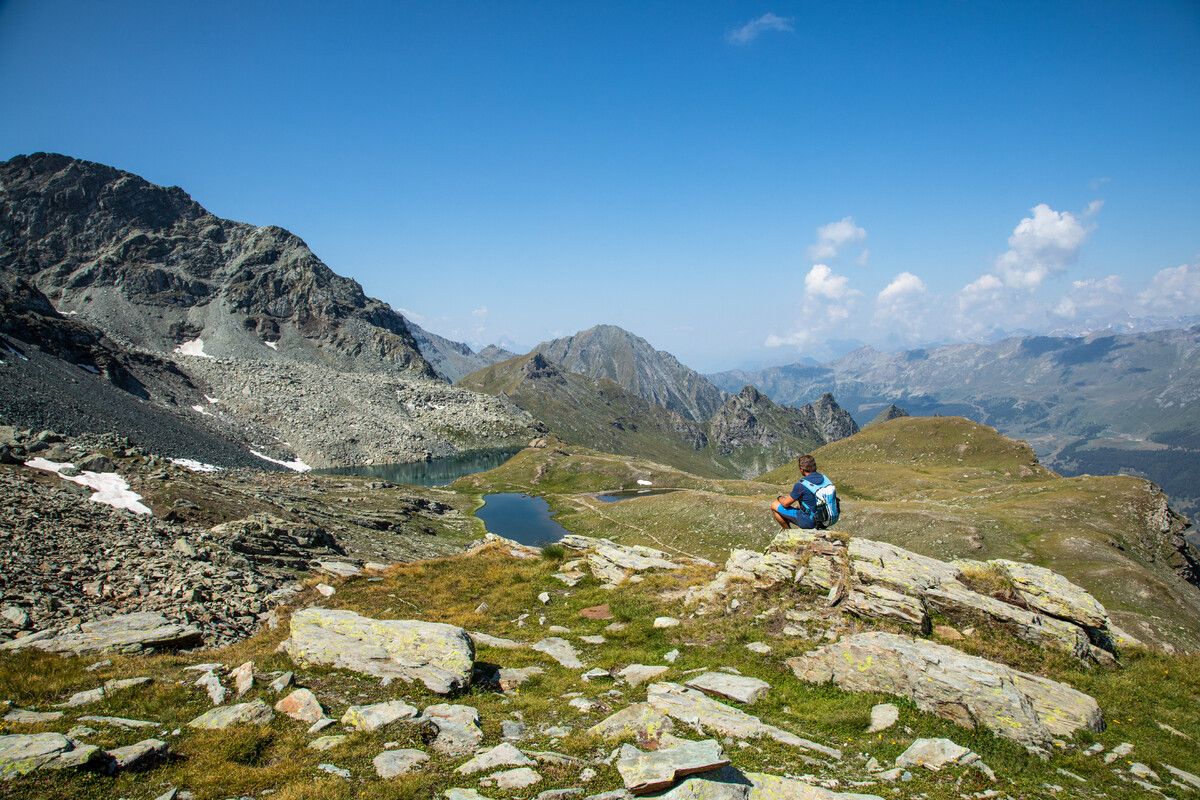
Alta Via n. 1 of the Aosta Valley — a walk among Italian giants
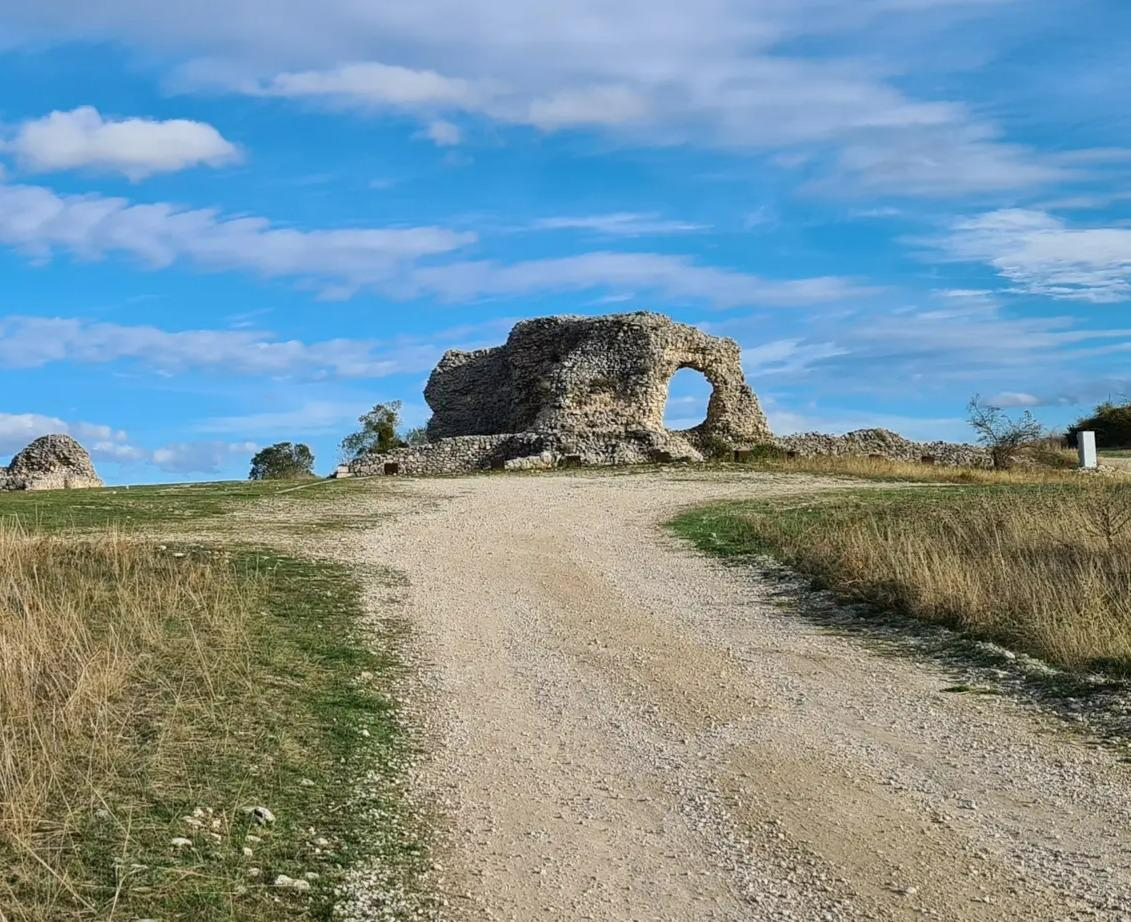
Tratturo Magno – On the roads of transhumance
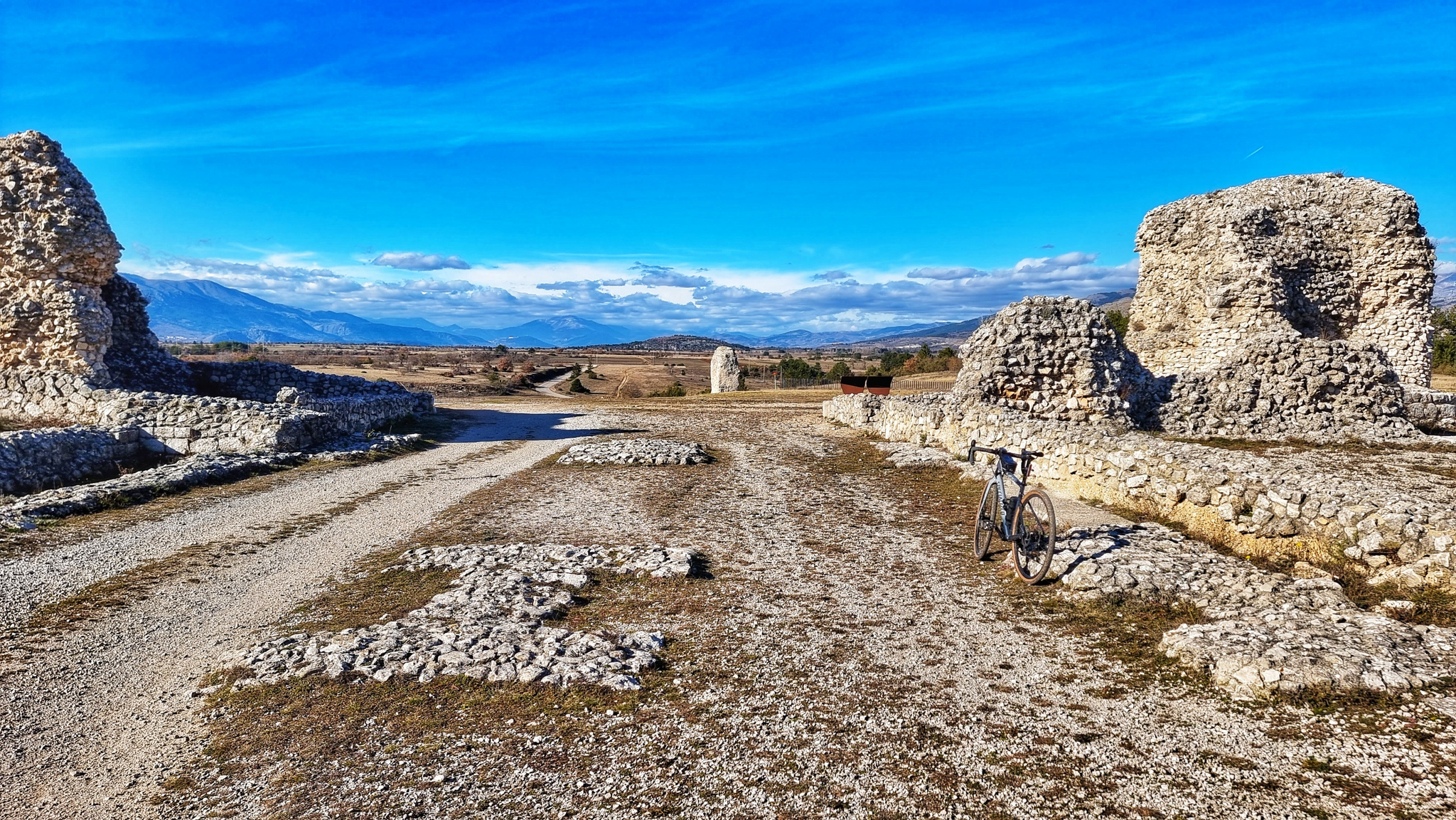
The Tratturo Magno – From the Apennines to the TavoIiere, 300 kilometers
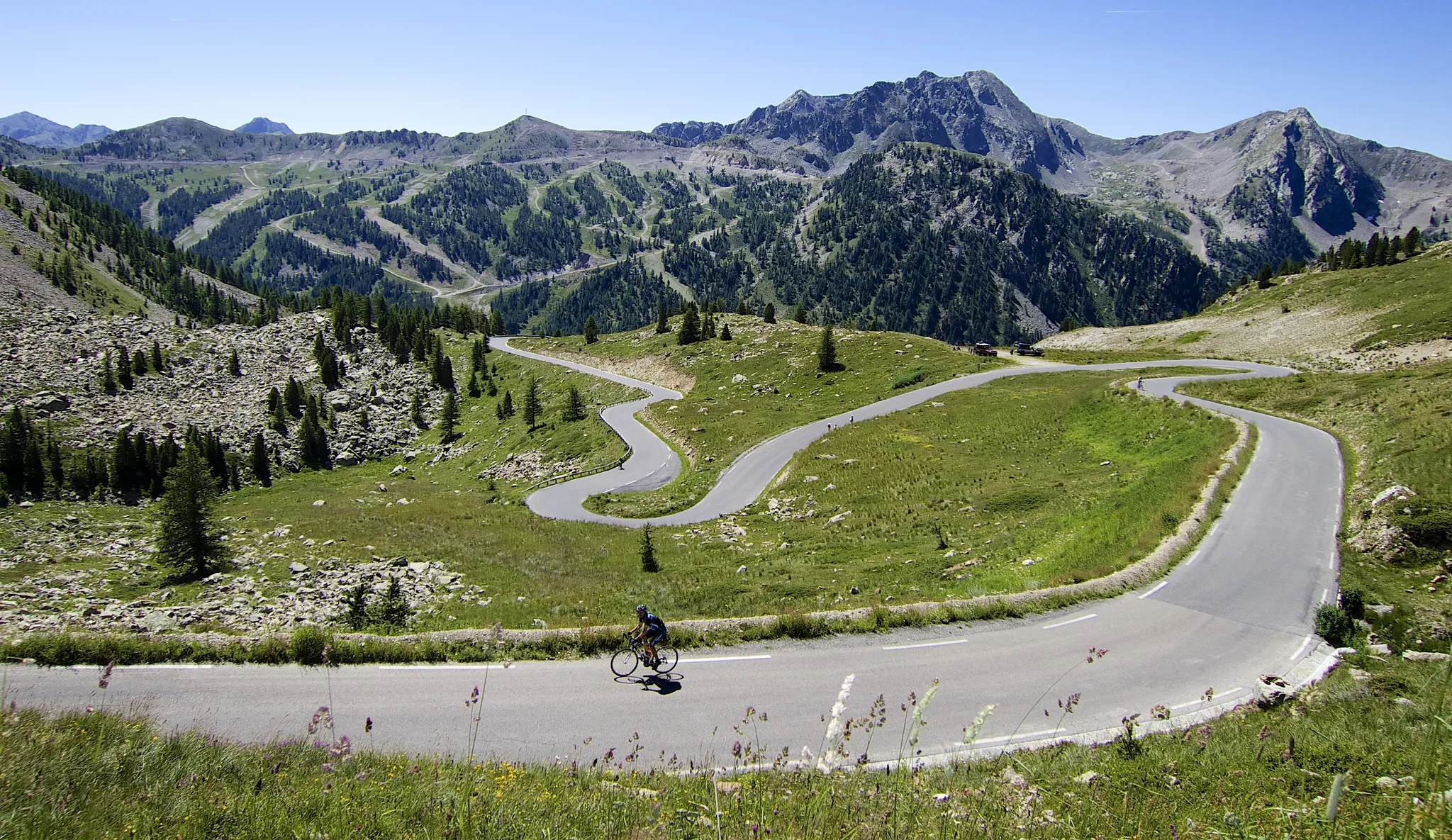
Haute Route Alps 2025 — Assaulting the Alps
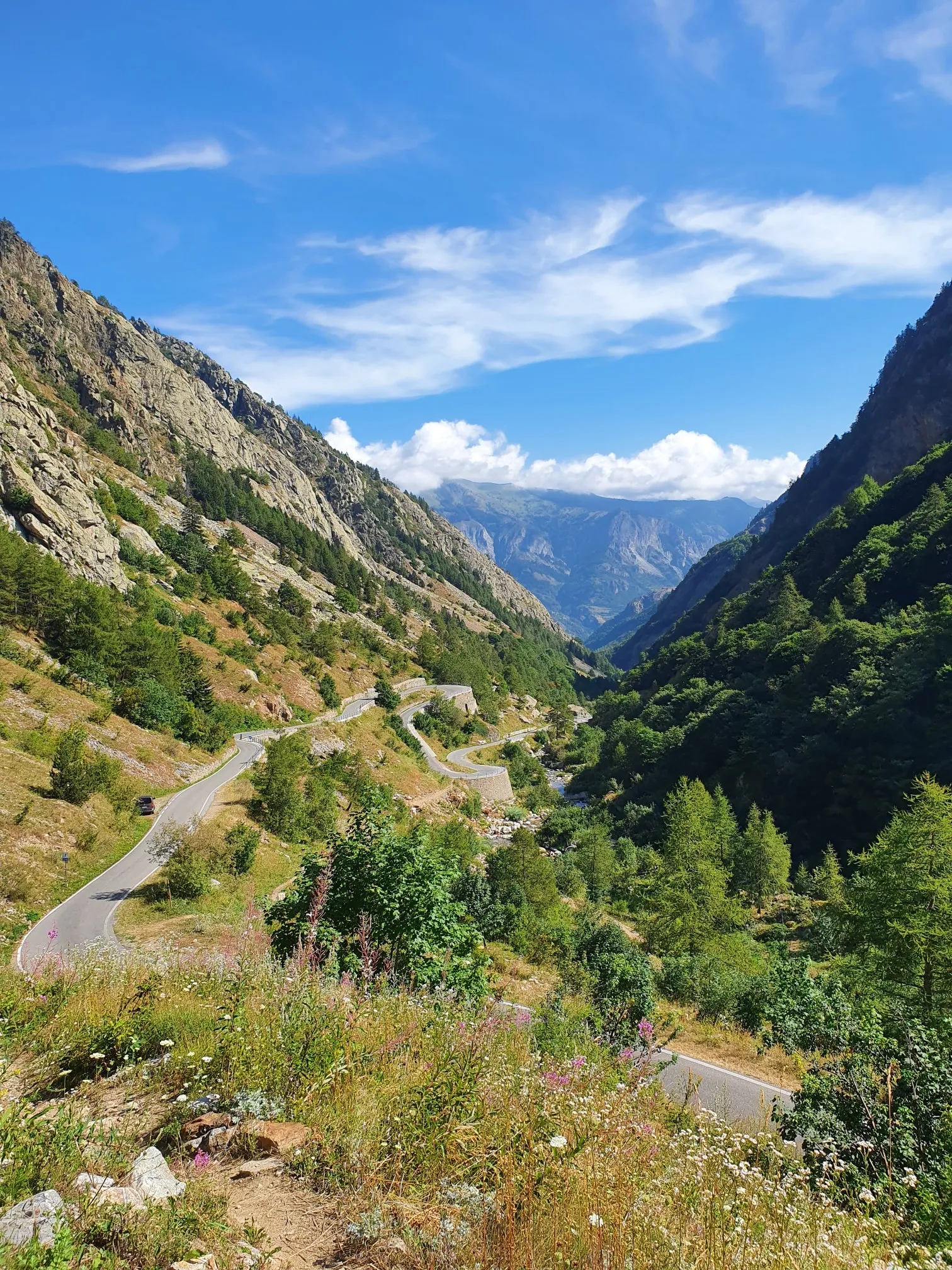
In the footsteps of the pilgrims in Valle Stura
Historic and spiritual trails in the province of Torino
Piemont's Via Francigena
Other adventures in Italy


Tips from the Community

Great climb no matter from which side, just always beautiful to ride
3
0

From the terrace while enjoying an espresso, you have a fantastic view of the Dolomites, such as the Rosengarten and the Peitlerkofel.
6
0
One of the longest funicular railways in the world. It's impressive how quickly the railway climbs the approximately 850 meters.
5
0
One of the longest funicular railways in the world. However, everyone wants to get in the front, so the front seats go very quickly. The second or third row is still interesting, though.
5
0

The Rifugio Passo di Vizze is located at 2,276 meters above sea level on the Italian-Austrian border, in the Ötztal Alps. It offers a refreshment service with typical cuisine and the possibility of overnight stays. It is open seasonally and for updated information on opening periods and reservations, we recommend visiting the official website of the refuge: www.pfitscherjochhaus.com
1
0

The Campolongo pass is considered the "son of a lesser god" of the 4 Sellaronda passes. Wrong, in my opinion. If tackled as the last of the 4 it offers you a beautiful climb from Arabba towards the pass, intense even if less demanding than its bigger sisters... but, above all, it offers you a fantastic descent towards Corvara, through woods and meadows literally from a postcard. Not to be missed!
4
1


The mountain station is located directly at the Mendel Pass and offers hikers many tour options
6
0
Frequently Asked Questions
What are some of the most popular mountain passes in Italy?
Italy is home to many iconic mountain passes. Among the most popular are the legendary Pordoi Pass, known for its challenging climbs and stunning views, and Passo Sella, offering magnificent panoramas of the Sella Joch. Another favorite is the Pfitscherjoch Border Crossing, which allows you to cross into South Tyrol amidst beautiful mountain scenery.
Which mountain passes are known for their historical significance?
Several Italian mountain passes hold significant historical value. For instance, Passo Falzarego in the Dolomites is a notable site with tunnels and trenches from WWI. The Cisa Pass in the Apennines also has a rich history, having served as a vital route before modern highways were built. The Tremalzo Tunnel and Military Road near Lake Garda is another historical highlight, featuring old military roads and tunnels.
Are there family-friendly mountain passes in Italy?
Yes, some mountain passes offer amenities and experiences suitable for families. The Pfitscherjochhaus / Rifugio Passo di Vizze, located near the Pfitscherjoch Border Crossing, is noted as family-friendly, providing a welcoming stop amidst the mountains. Many passes also offer easy walking paths and huts where families can rest and enjoy the scenery.
What kind of natural features can I expect to see at these passes?
Italy's mountain passes offer diverse natural beauty. In the Dolomites, you'll encounter dramatic peaks, high meadows, and scree fields, such as around Stelvio Pass. Passes like Gavia are known for untamed alpine scenery and snow walls well into summer. The Sella Ronda passes are celebrated for their unique landscapes, recognized as a UNESCO World Heritage site, with views of majestic peaks like Sassolungo. You can also find beautiful larch forests, reflective ponds, and lush mountain meadows.
What outdoor activities can I do near these mountain passes?
The mountain passes in Italy are a gateway to numerous outdoor activities. You can enjoy cycling on routes like the Sella Ronda, which includes passes such as Pordoi Pass and Campolongo Pass. Hiking is also popular, with many passes serving as starting points for trails, including sections of the Alta Via 1. For more detailed routes, explore the Cycling in Italy or Road Cycling Routes in Italy guides, or discover Waterfall hikes in Italy.
Which passes are particularly popular for cycling and driving?
Many Italian passes are legendary among cyclists and drivers. Stelvio Pass is famous for its 48 hairpin bends, often called the 'Queen of Pass Roads.' Gavia Pass offers a thrilling experience with its narrow, winding road. The Sella Ronda passes (Gardena, Sella, Pordoi, Campolongo) are a classic circuit for both, with the Sellaronda Bike Day closing them to traffic for cyclists. Mortirolo Pass is another favorite for experienced motorcyclists and cyclists due to its demanding nature.
Are there any passes that offer unique views or cable car access to higher points?
Absolutely. From Pordoi Pass, a cable car takes visitors up to Sass Pordoi for mind-blowing 360-degree panoramic views. Similarly, from Passo Falzarego, a cable car ascends to Lagazuoi, offering breathtaking vistas of surrounding peaks. Passo Sella also provides close-up views of the majestic Sassolungo and Sassopiato peaks.
What is the best time to visit Italian mountain passes for hiking?
The best time to visit Italian mountain passes for hiking is generally during the summer months, from late May or early June until early November, when most passes are open and free of snow. During this period, the weather is typically mild, and the trails are accessible. Passes like Passo Rolle transform into fields of colorful wildflowers in summer, offering fantastic day hikes.
Which passes are known for their challenging routes?
For those seeking a challenge, Stelvio Pass is legendary for its numerous tight turns and significant elevation. Gavia Pass is known for its narrow, untamed roads and dramatic drops. Mortirolo Pass is particularly steep, narrow, and demanding, making it a favorite for experienced cyclists and motorcyclists. The Sella Ronda circuit also offers challenging climbs, especially for road cyclists.
Can I find places to eat or stay near the mountain passes?
Yes, many mountain passes have facilities for visitors. For example, near the Pfitscherjoch Border Crossing, you can find the Pfitscherjochhaus, where you can enjoy traditional Italian spaghetti. The Grasleiten Pass Hut / Passo Principe Hut and Rifugio Genova – Schlüter Hut are other examples of huts offering food and accommodation. Many passes also have cafes and restaurants, especially those that are popular tourist destinations like Pordoi Pass.
Are there any passes that are open year-round?
While most high mountain passes in Italy close during winter due to heavy snowfall, the Maloja Pass, located on the Swiss/Italian border, is unique for being open year-round. This makes it an accessible option for those looking to experience the alpine environment outside of the typical summer season.
What do visitors enjoy most about Italy's mountain passes?
Visitors consistently praise the breathtaking scenery, the thrill of navigating challenging roads, and the access to incredible outdoor activities. Many highlight the unique experience of crossing borders, like at the Pfitscherjoch Border Crossing, and the magnificent panoramas, such as those found around Passo Sella. The sense of accomplishment after a challenging climb and the warm hospitality at mountain huts are also frequently mentioned.
Most popular routes in Italy
Most popular attractions in Italy

Get inspired with the komoot mobile app


Didn’t find what you were looking for?
Find even more amazing mountain passes in Italy organized by region:
Explore more
See even more epic mountain passes by checking out these guides in Italy:
