Top 20 Huts and Cabins in Italy
Best huts in Italy, known as *rifugi*, form an extensive network offering shelter and food across the country's alpine regions. These structures are concentrated in the Dolomites, but also feature in areas like Valle d'Aosta and the Apuane Alps. They serve as crucial bases for hikers and climbers, providing access to high-alpine environments and a unique cultural experience. The huts range from rustic shelters to more comfortable lodges, supporting various outdoor activities.
Best huts in Italy
- The most popular huts is Langkofel Hut (Rifugio Vicenza), a hut that offers stunning Dolomite landscapes between Sassolungo and Plattkofel. It provides a wonderful view over the Alpe di Siusi and the main ridge of the Alps.
- Another must-see spot is Tierser Alpl Hut, a hut fantastically located between Rosengarten and Seiser Alm below the Roßzahn. Visitors can expect delicious food and a high level of comfort in a magnificent landscape.
- Visitors also love Schlernhaus, a hut described as an impressive refuge or "castle in the mountains." It offers delicious culinary delights and cozy accommodation, serving as a stage destination for multi-day tours.
- Italy is known for its *rifugi*, rustic shelters, and comfortable lodges. These provide a variety of options for visitors to see and explore, from basic overnight stays to more amenity-rich accommodations.
- The huts in Italy are appreciated by the komoot community, with more than 3800 upvotes and over 2100 photos shared by users.
Last updated: October 9, 2026
Rifugio Antonio Locatelli – View of Tre Cime di Lavaredo
Highlight • Mountain Hut
28.06. – 28.09.2025
Mountain hut hosts:
Pintossi Angelo family
WhatsApp: +39 389 9076228
Translated by Google •
Tip by

Piffinger Köpfl
Highlight • Viewpoint
Translated by Google •
Tip by

Sign up now to discover places like this
Get recommendations on the best single tracks, peaks, & plenty of other exciting outdoor places.
View from Hochmuth of Merano and the Adige Valley
Highlight • Viewpoint
Translated by Google •
Tip by

Plattkofel Hut (Rifugio Sasso Piatto)
Highlight • Mountain Hut
Translated by Google •
Tip by

Roda di Vaèl Hut
Highlight • Mountain Hut
Translated by Google •
Tip by

Langkofel Hut (Rifugio Vicenza)
Highlight • Mountain Hut
Translated by Google •
Tip by

Tierser Alpl Hut
Highlight • Mountain Hut
Translated by Google •
Tip by

Tuff Alm / Malga Tuff
Highlight • Mountain Hut
The location is great ... the Schlern in the back, the view towards Merano and Bolzano ... super nice ... and then the guests, their service and the food ... very relaxing, if everything fits and you just enjoy.
Opening:
from Easter to the end of January
tuffalm.it
Translated by Google •
Tip by

Schlernhaus
Highlight • Mountain Hut
All information about the cottage can be found here: schlernhaus.it/schlernhaus/de.
Translated by Google •
Tip by
Talschlusshütte (Fondo Valle Hut)
Highlight • Mountain Hut
Translated by Google •
Tip by

Sign up for free to discover even more huts and cabins in Italy.
Already have an account?
Start today with a free account
Your next adventure awaits.
Popular around Italy
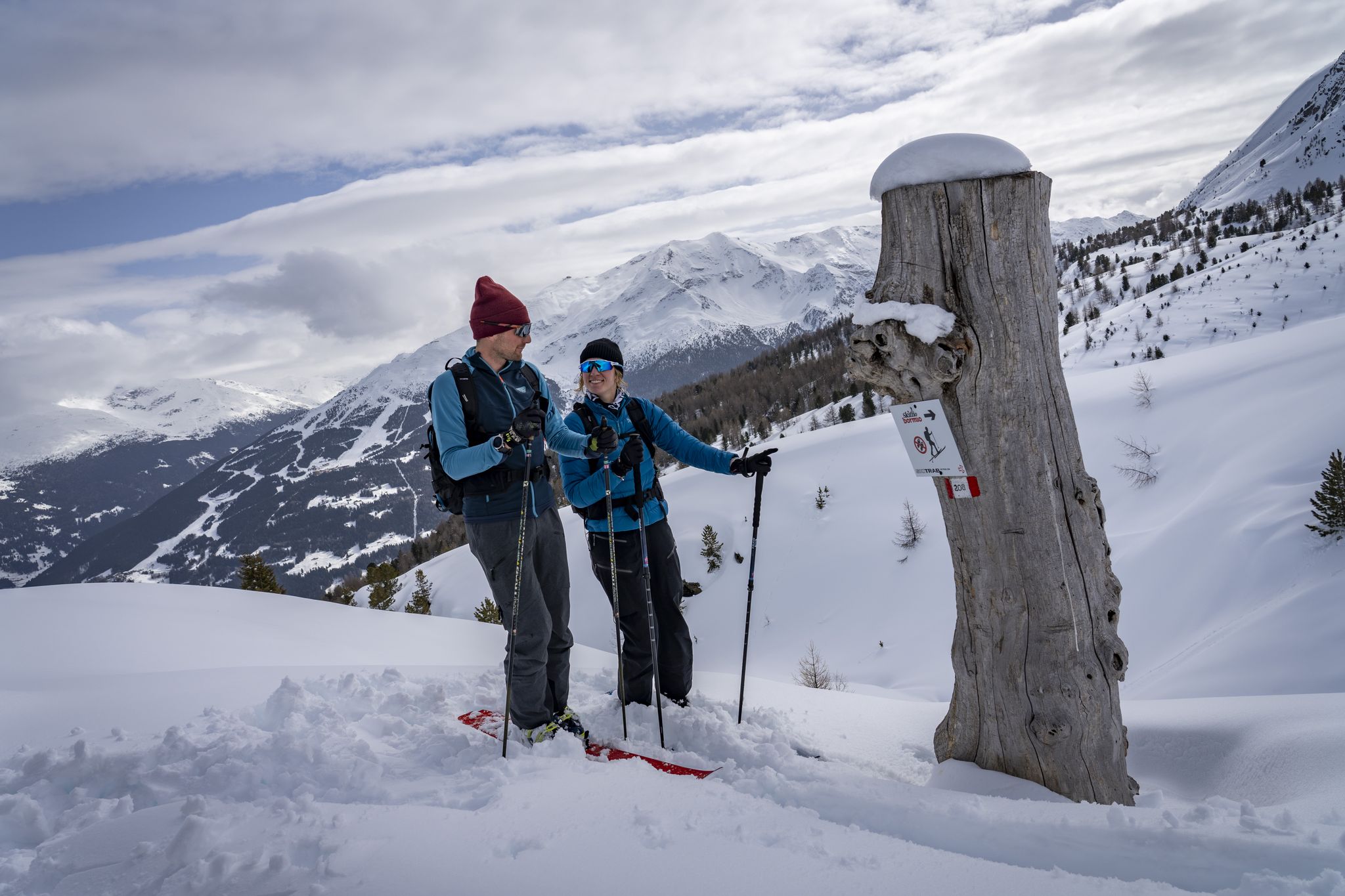
Stelvio Natural Skimo Trails – ski mountaineering adventures in Bormio
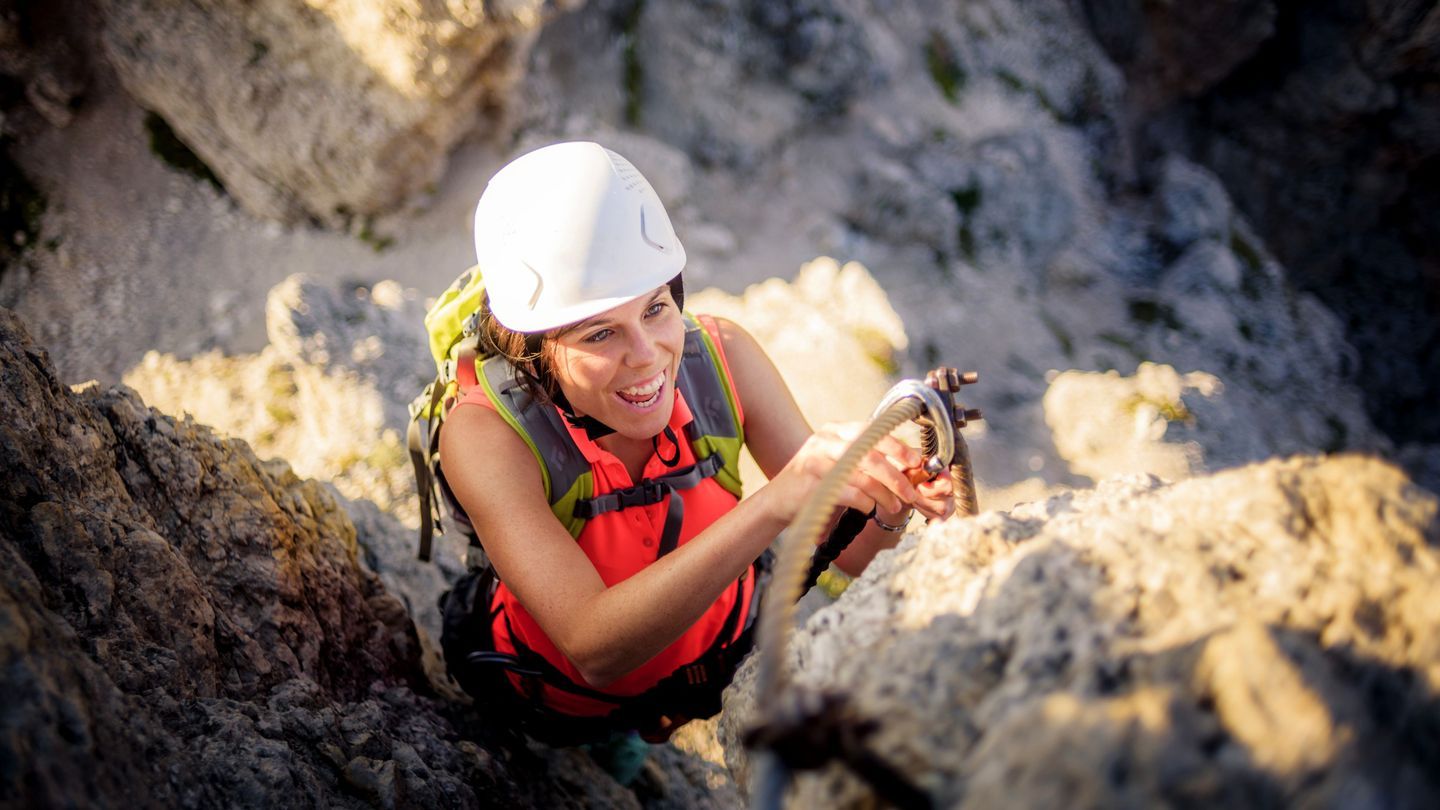
Via ferratas in Val Gardena – Dolomites
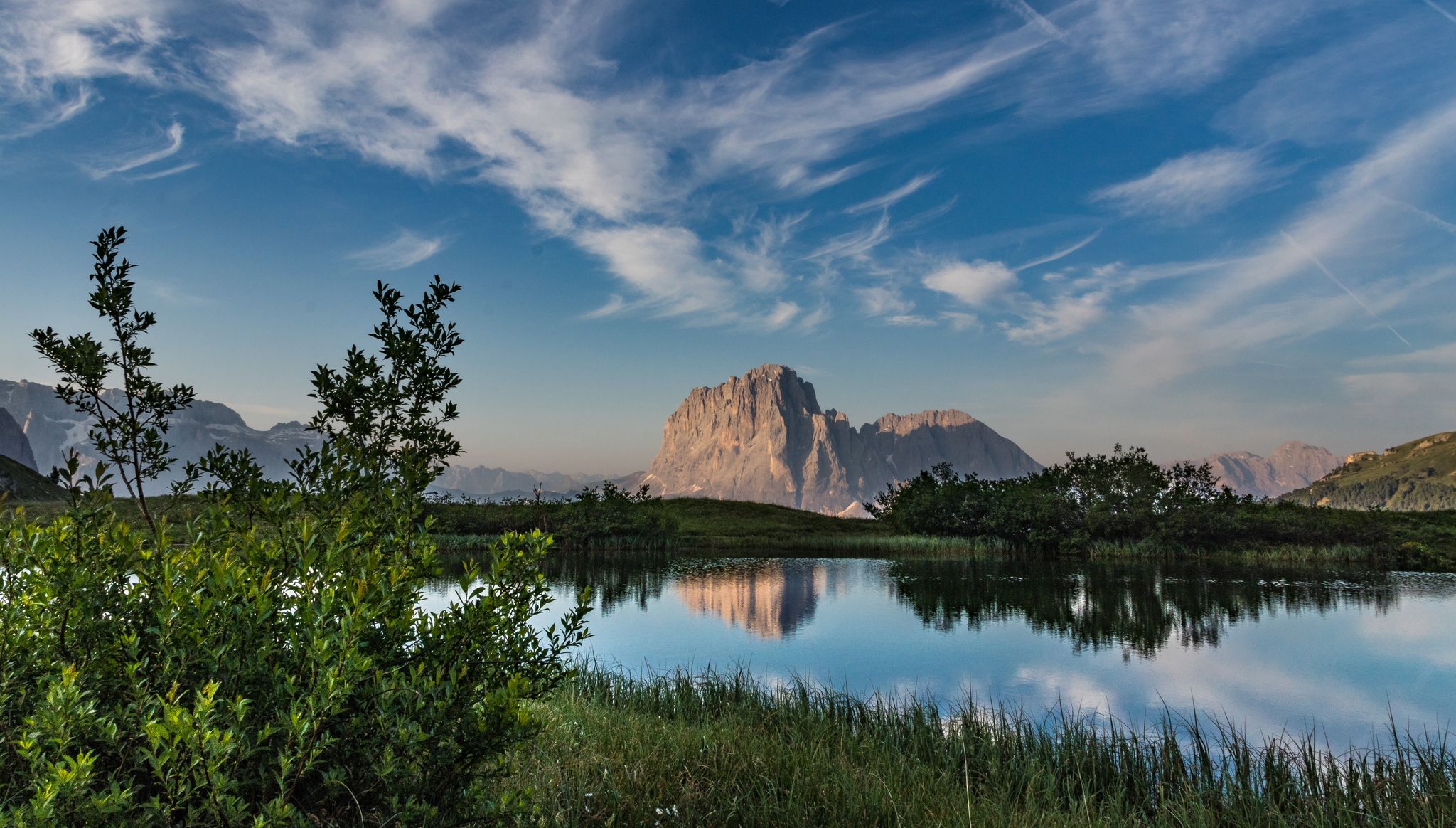
Secret Dolomites - beautiful spring in Val Gardena
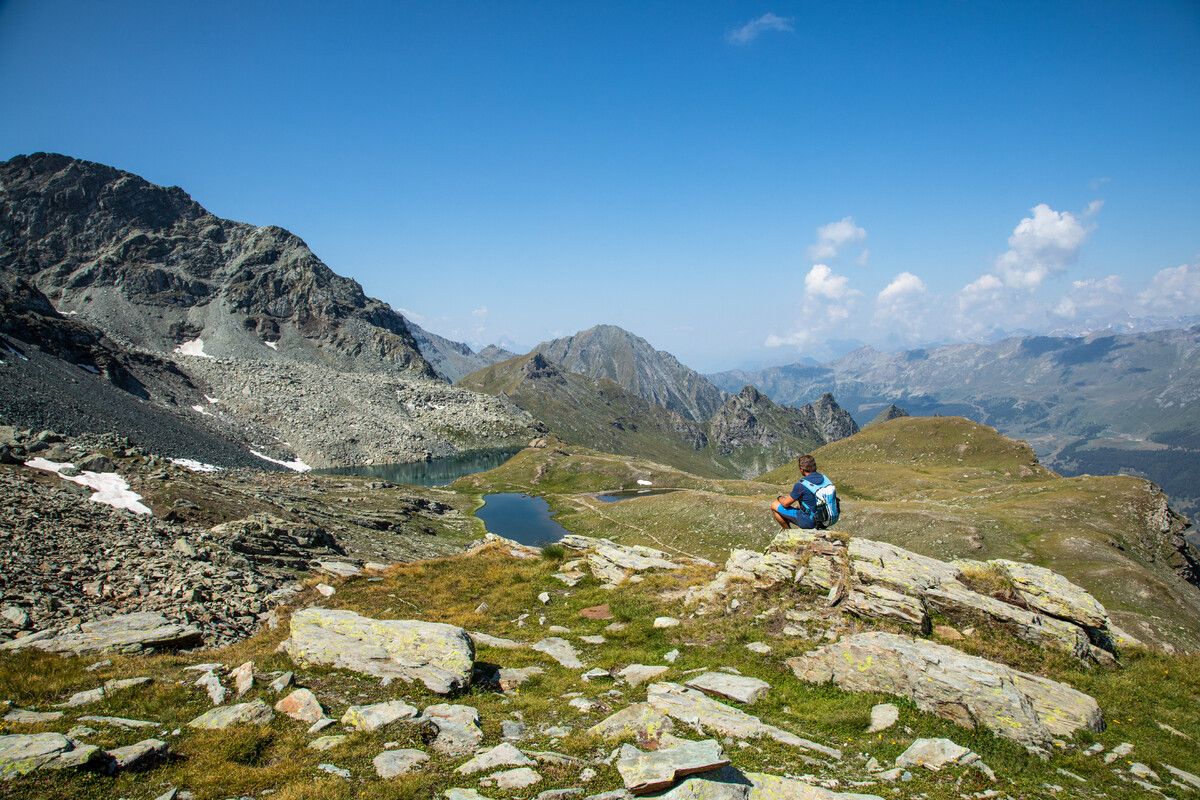
Alta Via n. 1 of the Aosta Valley — a walk among Italian giants
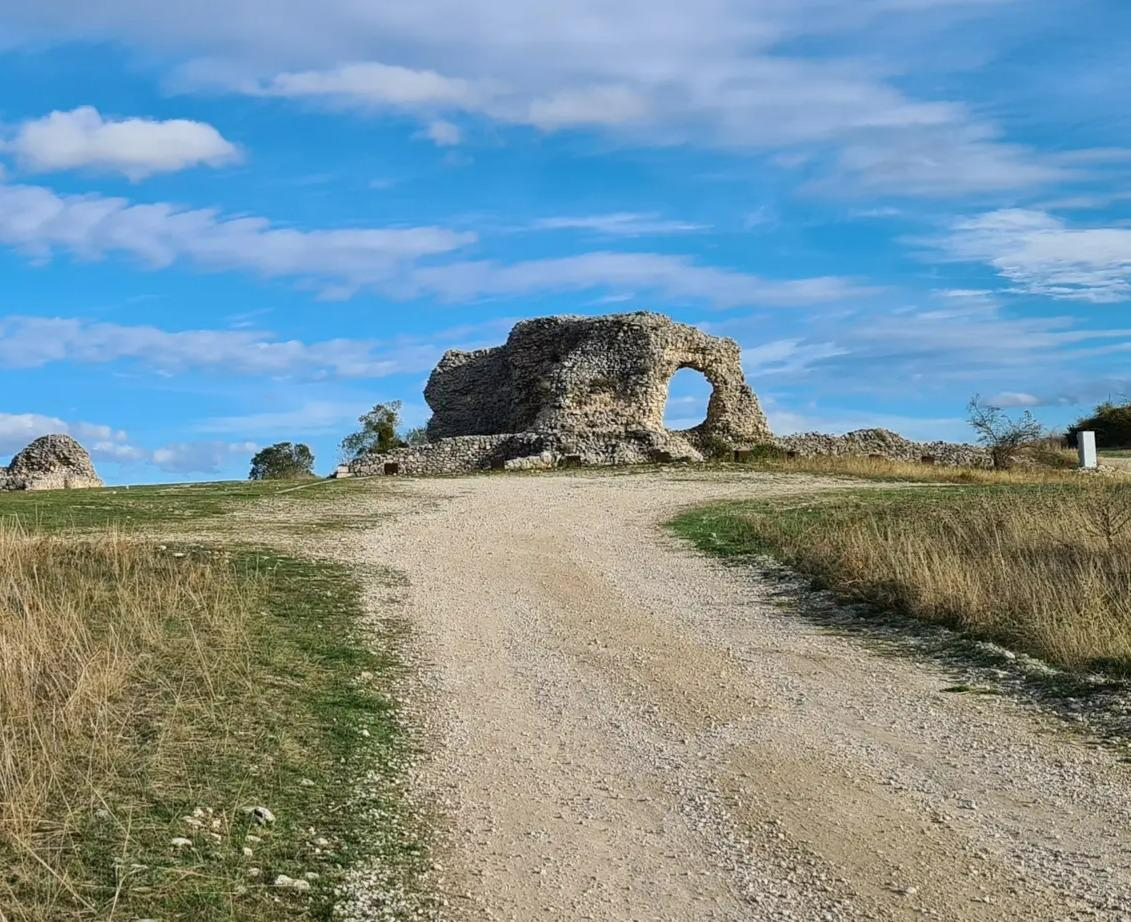
Tratturo Magno – On the roads of transhumance
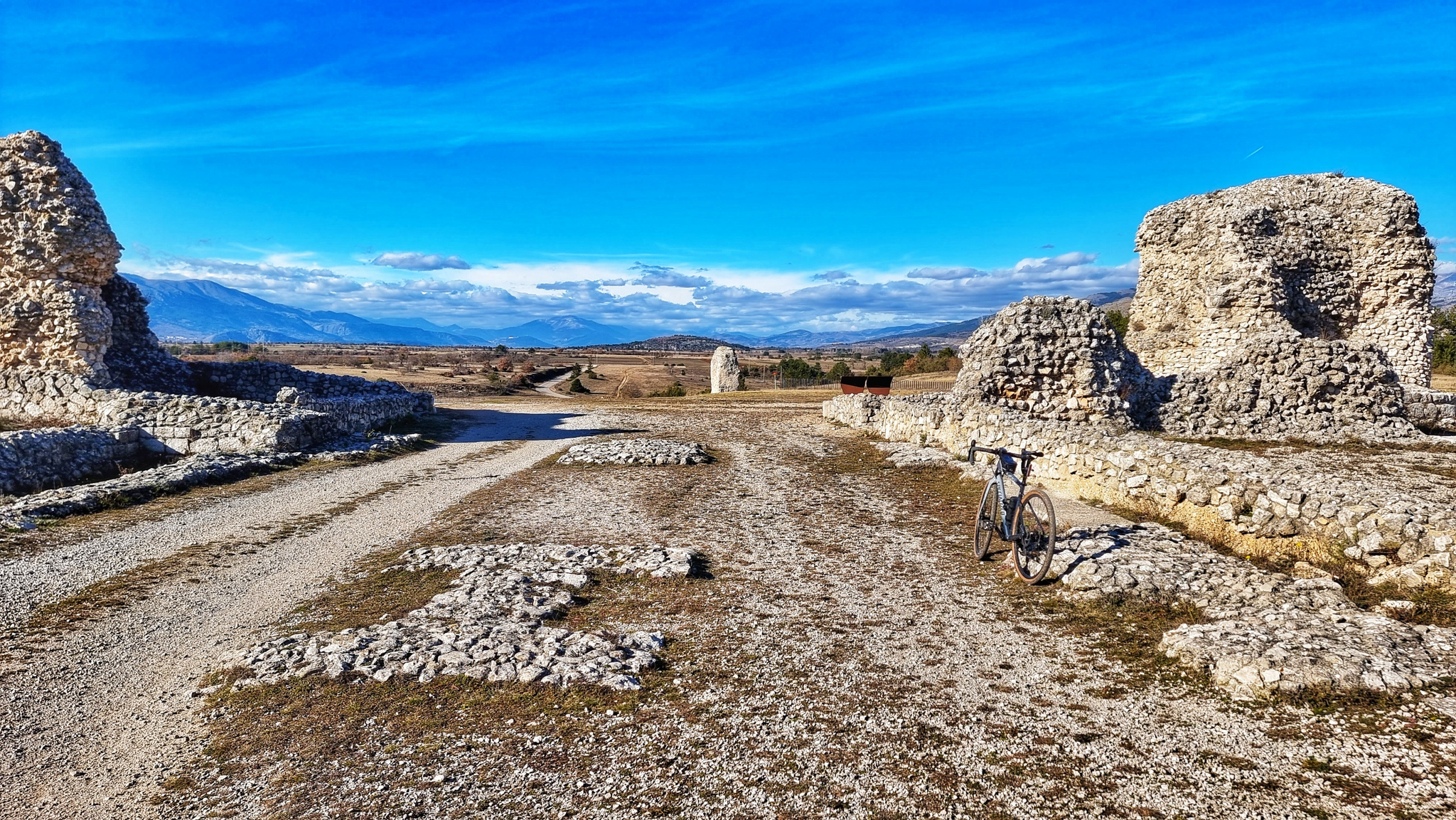
The Tratturo Magno – From the Apennines to the TavoIiere, 300 kilometers
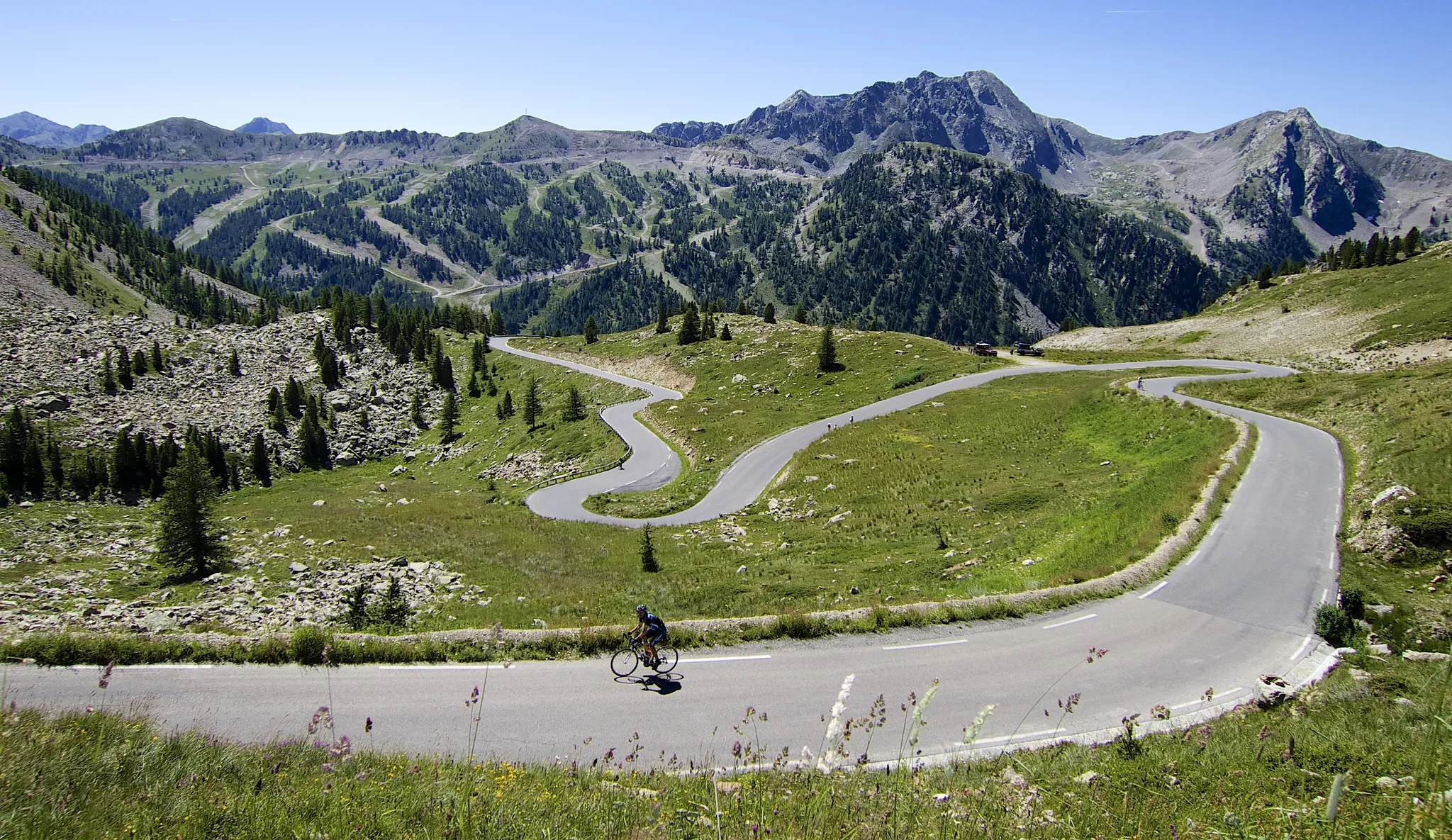
Haute Route Alps 2025 — Assaulting the Alps
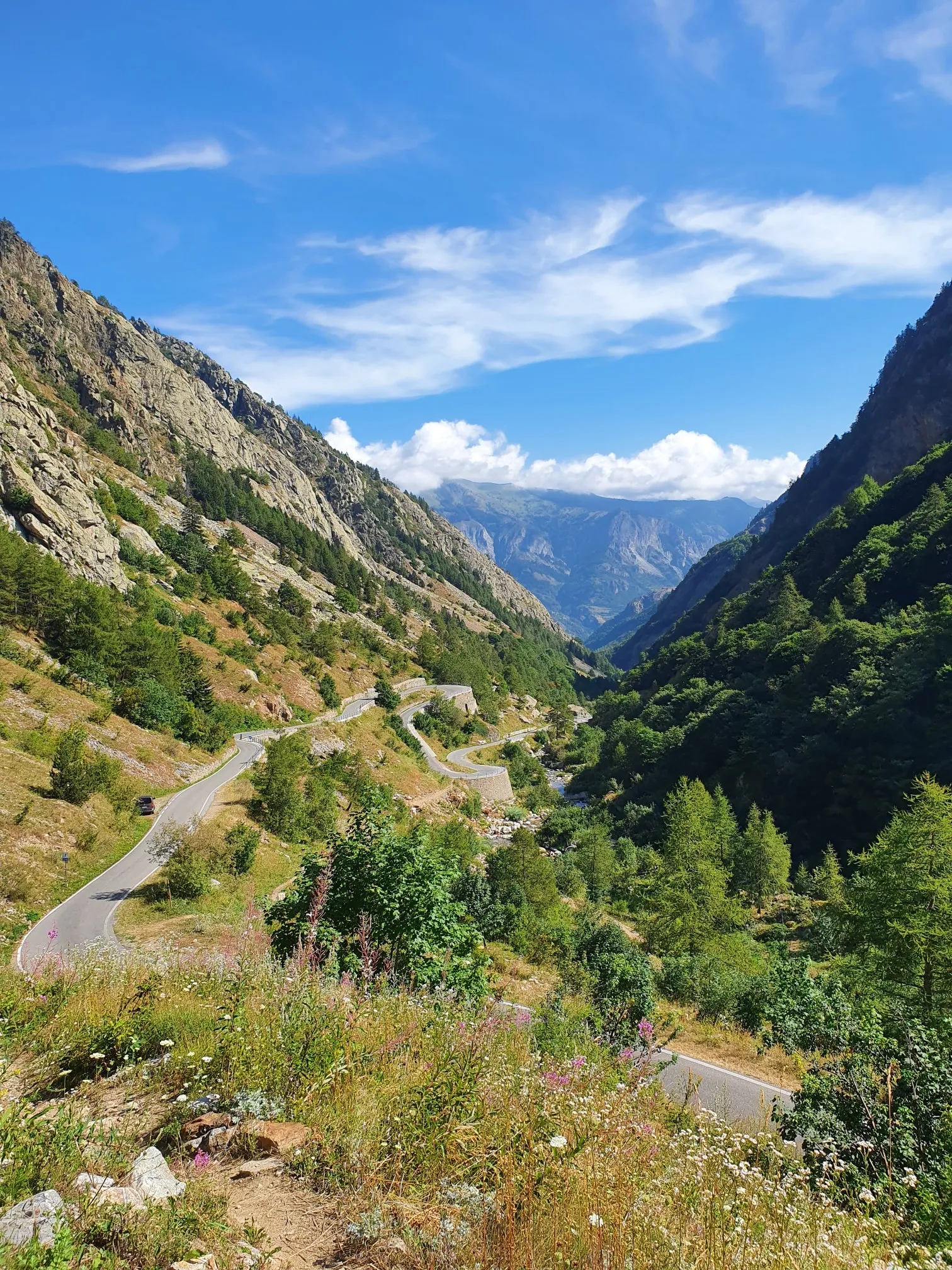
In the footsteps of the pilgrims in Valle Stura
Historic and spiritual trails in the province of Torino
Piemont's Via Francigena
Other adventures in Italy


Tips from the Community

The last stretch is challenging with a steep climb and steps to overcome but at the top this very welcoming refuge awaits us
15
0

The Plattkofelhütte is an alpine refuge in the Dolomites, located on the Friedrich-August-Weg at 2300 m at the foot of the Plattkofel.
14
0
The hut takes its name from the Plattkofel, the characteristic Dolomite peak that towers above.
14
0

The Talschlusshütte in the Fischleintal valley is located in the middle of the UNESCO World Heritage Site, at an altitude of 1,548 m and at the entrance to the famous Drei Zinnen Nature Park. The hut is located at the foot of the Sextner Sonnenuhr, the Dreischusterspitze and the limestone towers of the Rotwand. It is open all year round. The hut was briefly on the verge of closing in the 1990s. However, the closure was averted. Celebrities such as Luis Trenker, Reinhold Messner, Hans Kammerlander and Franz Klammer are among the hut's former visitors.
38
1
open: 28.06. – 28.09.2025 Mountain hut hosts: Pintossi Angelo family WhatsApp: +39 389 9076228
26
1

From the Fondovalle refuge you have a wonderful view of the Sesto Dolomites. The surrounding peaks are the Croda Rossa di Sesto, the Cima Undici or the Monte Popera. All of them are almost 3,000 meters high.
1
1

Very nice alpine pasture, the highlight were the camels🐫great food
5
0

The Roda di Vaèl refuge is located 2,283 meters above sea level on the Ciampaz saddle, in the heart of the Catinaccio and Rosengarten group, among the UNESCO World Heritage Dolomites. It is one of the reference refuges for the Catinaccio group and, after being expanded and updated, it was dedicated to Marino Stenico, one of the most important climbers in the history of Dolomite mountaineering, as well as the founder of Trentino mountaineers.
5
0
Frequently Asked Questions
Which huts offer the most iconic views in Italy?
Many Italian huts are renowned for their spectacular locations. For unparalleled photographic opportunities of the Three Peaks (Tre Cime di Lavaredo), visit Rifugio Antonio Locatelli. Another must-see is Langkofel Hut (Rifugio Vicenza), which provides stunning Dolomite landscapes between Sassolungo and Plattkofel, with a wonderful view over the Alpe di Siusi. Tierser Alpl Hut is fantastically located between Rosengarten and Seiser Alm, offering magnificent scenery.
Are there family-friendly huts in Italy?
Yes, several huts cater to families. Plattkofel Hut (Rifugio Sasso Piatto) is noted as family-friendly. Another great option is Tuff Alm / Malga Tuff, which offers magnificent views, hospitality, culinary specialties, and even has camels and alpacas on the pasture, making it a fun stop for children. Auronzo Hut is also listed as family-friendly.
What kind of outdoor activities can I do near these huts?
The huts serve as excellent starting points for various outdoor activities. You can find numerous hiking trails, long-distance treks, via ferratas, and climbing ascents. For hiking, explore routes like the 'Three peaks of Lavaredo with the Rifugio Antonio Locatelli – loop hike' or the 'Panorama tour around Puflatsch - Seiser Alm'. You can find more details on these and other hiking routes in the Hiking in Italy guide. For mountain biking, consider trails like 'Ponale, Lake Ledro and Colle di Santo Stefano from Riva del Garda' or 'Sellaronda on MTB', detailed in the MTB Trails in Italy guide. Cycling enthusiasts can explore routes such as 'From Merano to San Leonardo along the Val Passiria cycle path' or 'From Bolzano to Merano along the Adige Valley cycle path' in the Cycling in Italy guide.
Which huts are known for their historical significance?
Many Italian *rifugi* have a rich history. For example, Rifugio Nuvolau, perched at 2,600 meters, is one of the oldest huts in the Dolomites, founded in 1883. Some huts also served as posts during World War I, offering a glimpse into mountain traditions and historical events. Langkofel Hut (Rifugio Vicenza) is also categorized as a historical site.
What can I expect regarding comfort and amenities in Italian huts?
Comfort levels vary, ranging from rustic shelters to more modern lodges with private rooms. Most huts provide beds, blankets, hot meals, and drinks. Some, like Tierser Alpl Hut, offer a high level of comfort, sometimes compared to a 'mountain hotel'. You might even find hot showers and Wi-Fi in some, though mobile reception can be spotty in remote areas. It's advisable to bring a sleeping bag liner, as many huts provide blankets and pillows but require guests to bring their own liners.
Are there huts that are good starting points for multi-day treks?
Absolutely. Many huts are strategically located along long-distance routes. Rifugio Rosetta, for instance, is situated along the Alta Via 2 in the Pale di San Martino range, making it ideal for long-distance trekkers. Rifugio Nuvolau is also along Alta Via 1. Schlernhaus is described as a wonderful stage destination for multi-day tours, offering cozy accommodation and delicious culinary delights.
What kind of food can I expect at Italian mountain huts?
Italian mountain huts are often praised for their delicious traditional mountain cuisine. You can expect hearty dishes like polenta, dumplings, and strudel, often prepared with local products. Tierser Alpl Hut and Schlernhaus are specifically noted for their delicious food. Talschlusshütte (Fondo Valle Hut) offers traditional and refined cuisine with excellent local products.
Which huts are known for their unique natural settings?
Many huts are nestled in breathtaking natural environments. Rifugio Rosetta is described as an 'oasis within a moon-like landscape' in the Pale di San Martino. Rifugio Passo Principe / Grassleitenpasshütte is a small, wooden hut literally set into the rock of the Catinaccio Group. Rifugio Croda da Lago Palmieri is celebrated for its beautiful setting on the shores of Lake Federa, a paradise for climbers.
What is the best time to visit Italian huts?
The main season for visiting Italian huts is typically during the summer months, from late June to late September, when most huts are open and mountain conditions are generally favorable for hiking. It's advisable to book ahead, especially for popular huts and during peak season, as they can fill up quickly.
Are there less crowded or 'hidden gem' huts in Italy?
While some huts are very popular and can be crowded, especially those with iconic views like Rifugio Antonio Locatelli, many others offer a more tranquil experience. Exploring huts slightly off the most beaten paths or visiting during shoulder seasons (early June or late September) can lead to a more serene experience. Rifugio Passo Principe / Grassleitenpasshütte, being a smaller hut, offers a familiar and welcoming atmosphere away from the larger crowds.
What should I pack for a hut trip in Italy?
When planning a hut trip, essential items include appropriate hiking gear, layers of clothing for varying mountain weather, and a first-aid kit. It's highly recommended to bring a sleeping bag liner, as many huts provide blankets and pillows but require guests to bring their own liners for hygiene. Don't forget water, snacks, and a headlamp.
Are there any huts in the Mont Blanc or Gran Paradiso areas?
Yes, beyond the Dolomites, other regions also boast notable huts. In the Mont Blanc massif, you can find Rifugio Elisabetta Soldini, an excellent place to relax for those undertaking the famous Tour du Mont Blanc. In Gran Paradiso National Park, Rifugio Vittorio Emanuele II is one of the oldest and most iconic huts in the Italian Alps, serving as a starting point for mountaineering excursions and scenic walks.
Most popular routes in Italy
Most popular attractions in Italy

Get inspired with the komoot mobile app


Didn’t find what you were looking for?
See even more amazing huts in Italy with these guides per region:
Explore more
Find more beautiful huts and cabins in Italy by checking out the top ones in these nearby places:
