Top 20 Natural Monuments in Spain
Best natural monuments in Spain showcase a diverse landscape, from dramatic mountain ranges and volcanic terrains to striking coastlines and unique geological formations. The country features a wide array of natural wonders, including limestone peaks, deep valleys, and ancient rock formations. These sites offer opportunities to explore varied ecosystems and significant geological features across different regions.
Best natural monuments in Spain
- The most popular natural monuments is Roque Nublo, a natural monument that is considered the symbol of Gran…
Last updated: October 13, 2026
Roque Nublo
Highlight • Natural Monument
Showing Translation
Tip by

Way to Cap Formentor
Highlight (Segment) • Trail
Translated by Google •
Tip by

Sign up now to discover places like this
Get recommendations on the best single tracks, peaks, & plenty of other exciting outdoor places.
Pico de las Nieves summit
Highlight • Summit
Translated by Google •
Tip by

Roque Cinchado
Highlight • Natural Monument
Translated by Google •
Tip by

Old Olive Tree
Highlight • Natural Monument
Translated by Google •
Tip by

Punta de n'Amer Castle
Highlight • Castle
Translated by Google •
Tip by

Talaia d'Alcúdia — Summit and Ruins
Highlight • Summit
The tin hut is often occupied and serves as a fire watchtower.
Translated by Google •
Tip by

Cala Agulla Beach
Highlight • Beach
Translated by Google •
Tip by

Camí de s'Arxiduc (Archduke's Trail)
Highlight • Trail
Translated by Google •
Tip by

Pico de la Zarza summit
Highlight • Summit
Translated by Google •
Tip by

Sign up for free to discover even more natural monuments in Spain.
Already have an account?
Start today with a free account
Your next adventure awaits.
Popular around Spain
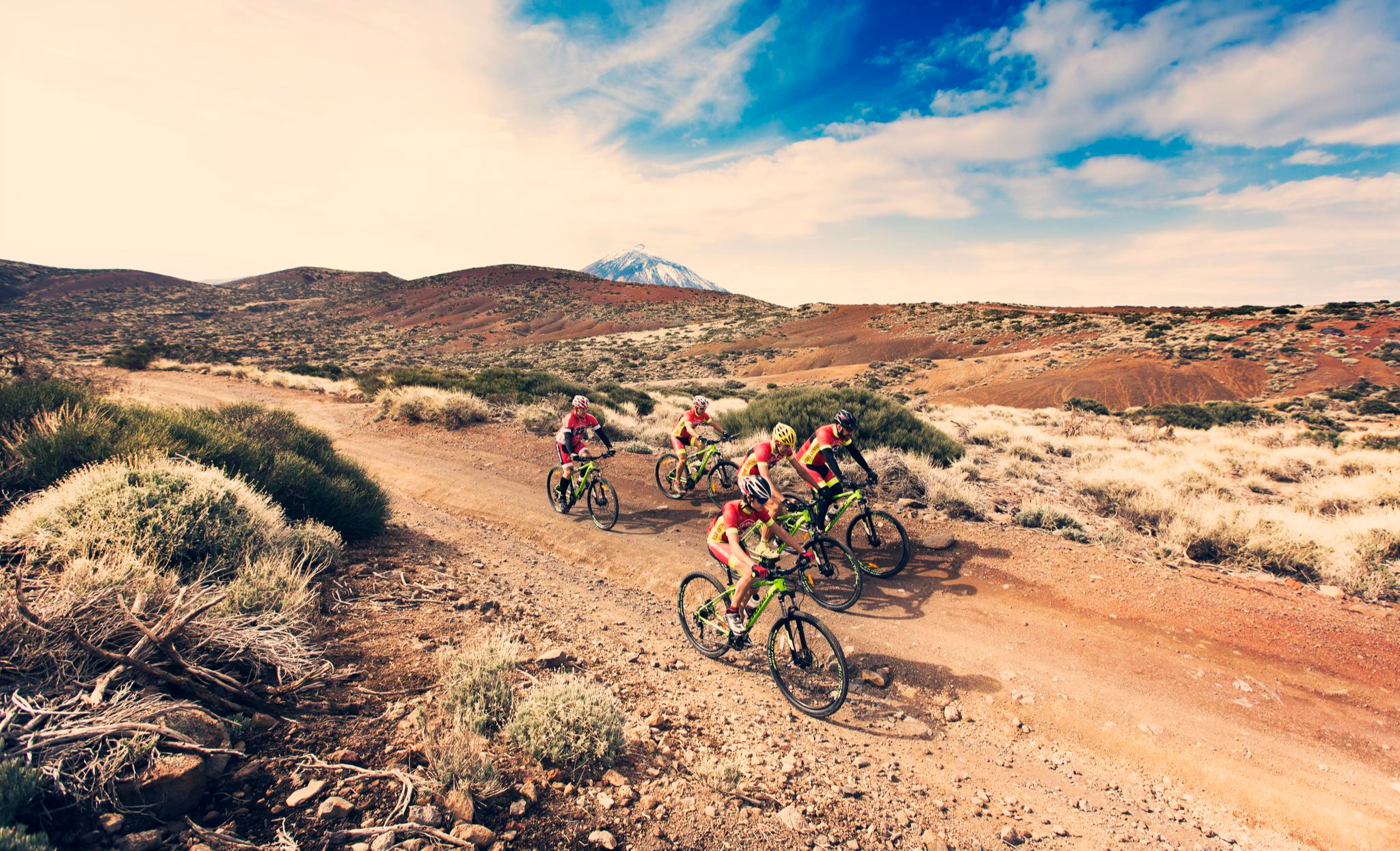
Mountain biking through the wild heart of Tenerife
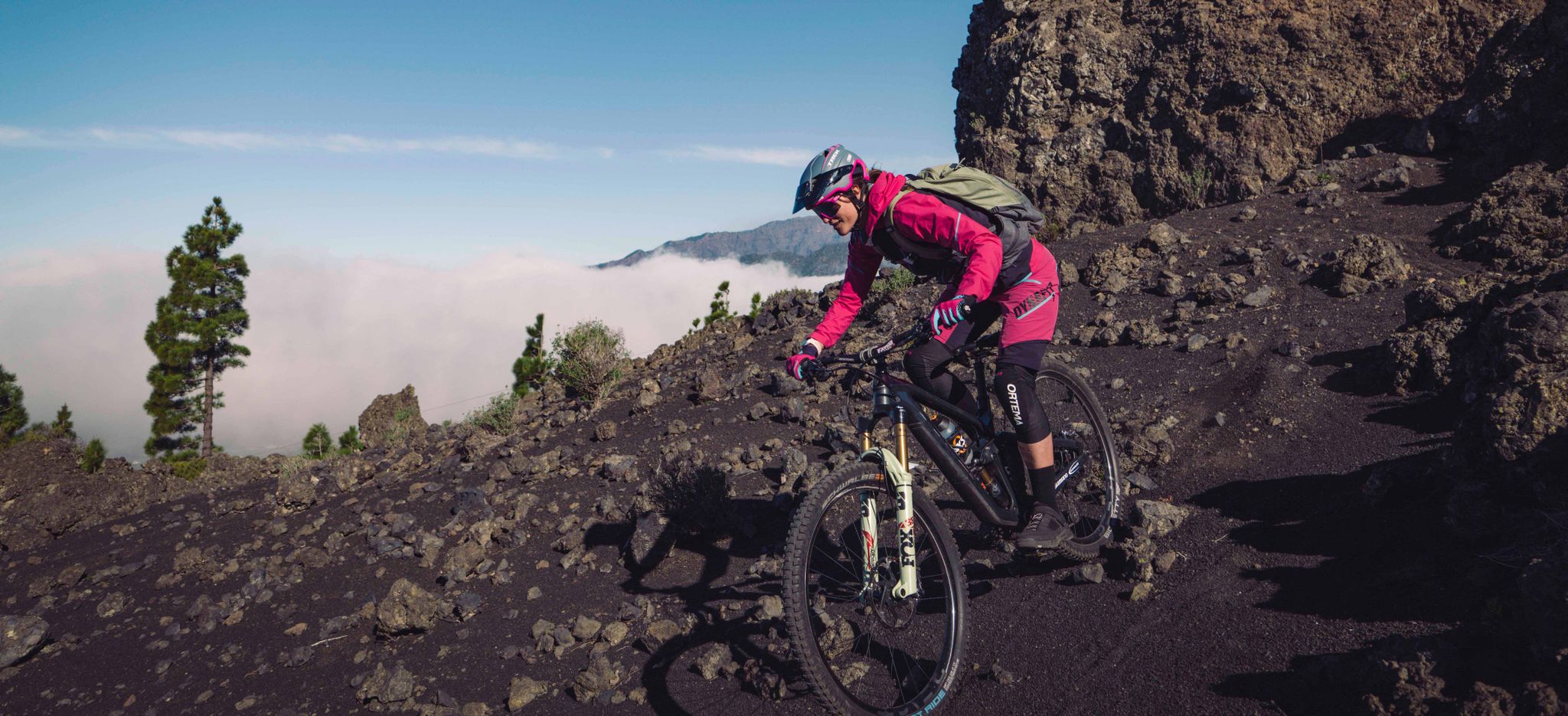
La Palma – my favourite Tours on the Canary Islands’ Isla Bonita

Triathlon 360 – my journey around the world
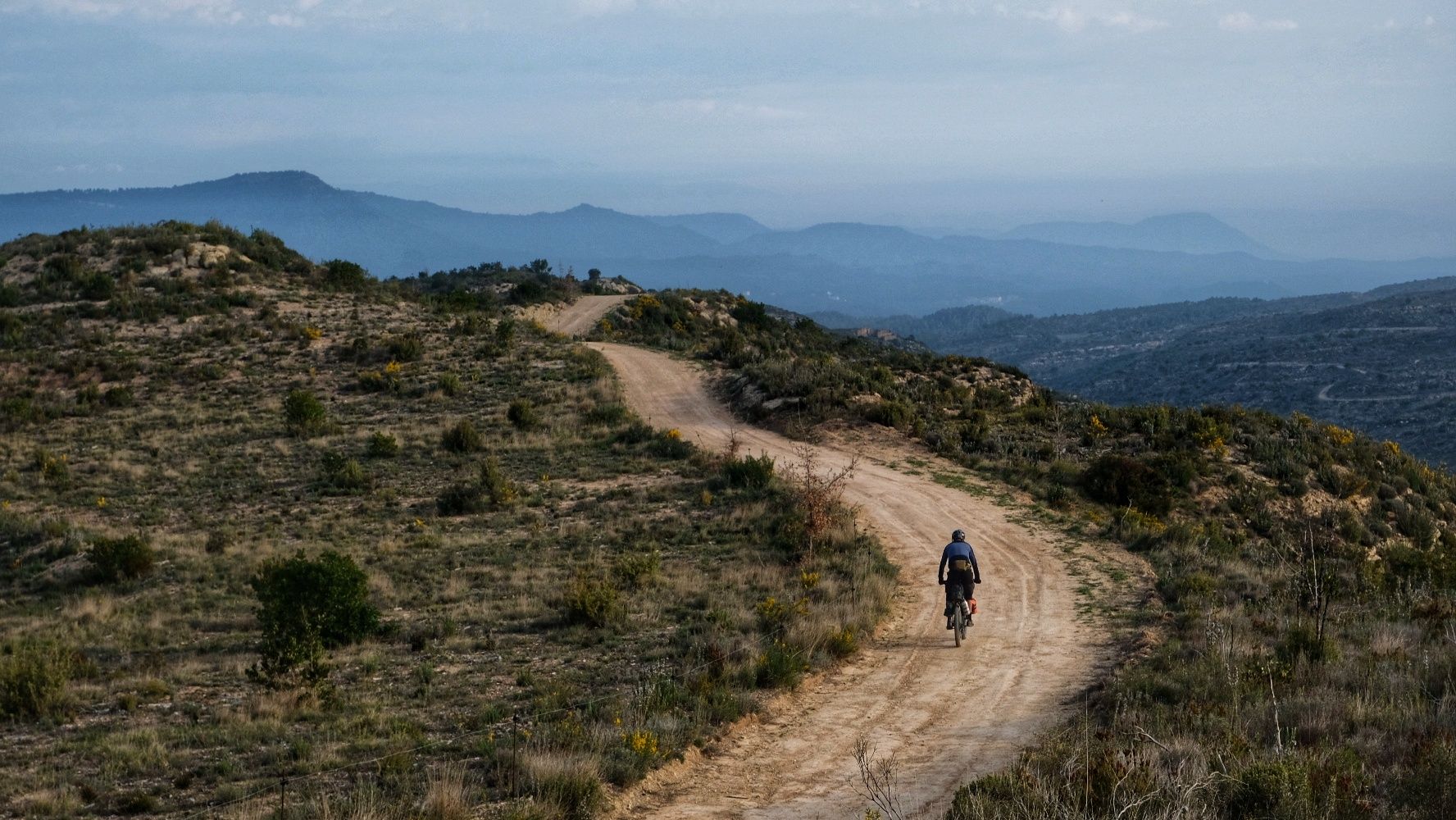
European Divide Trail — 7,600 km across the continent
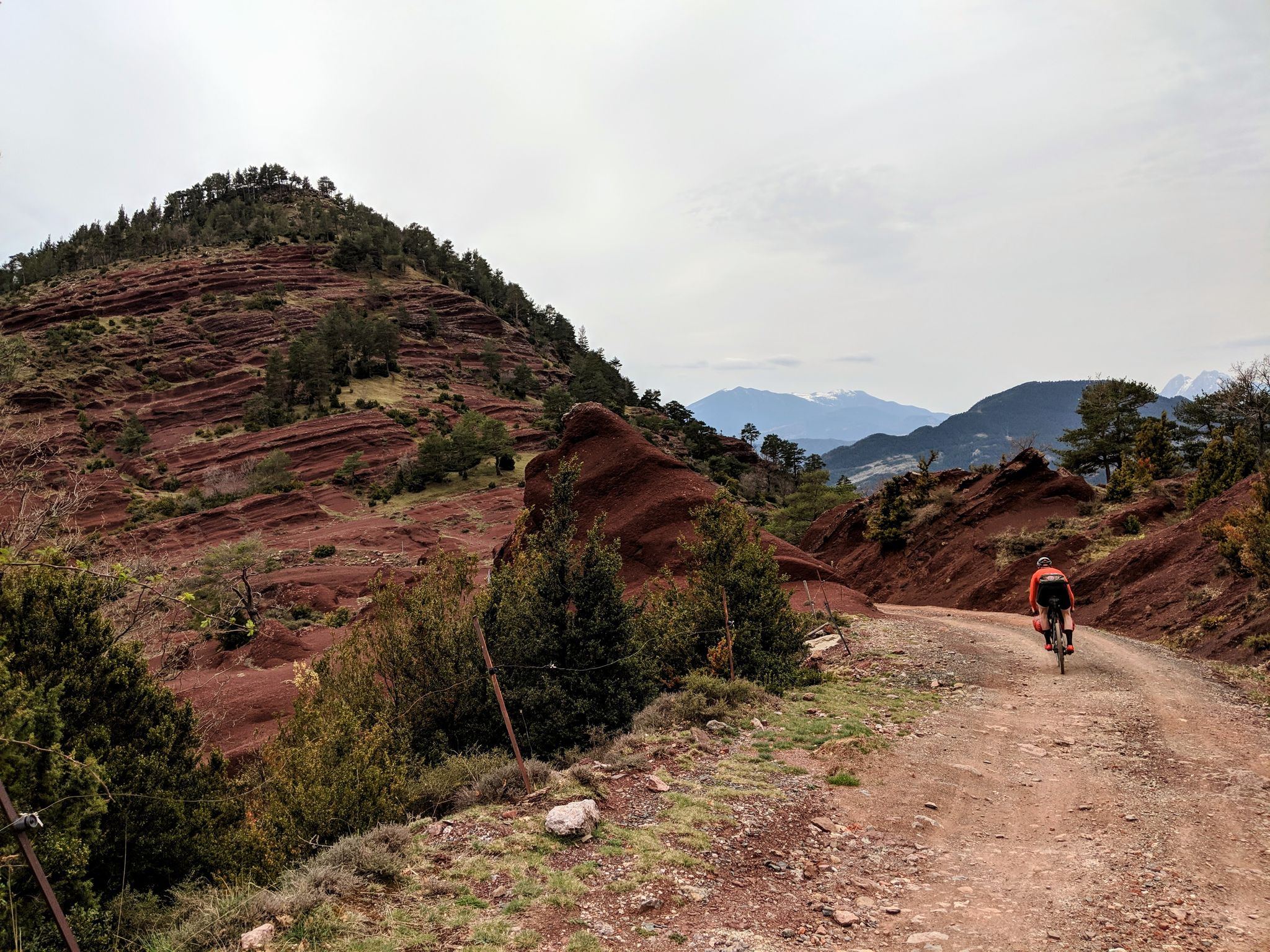
Catalunya Trail — Bikepacking in the Pyrenees
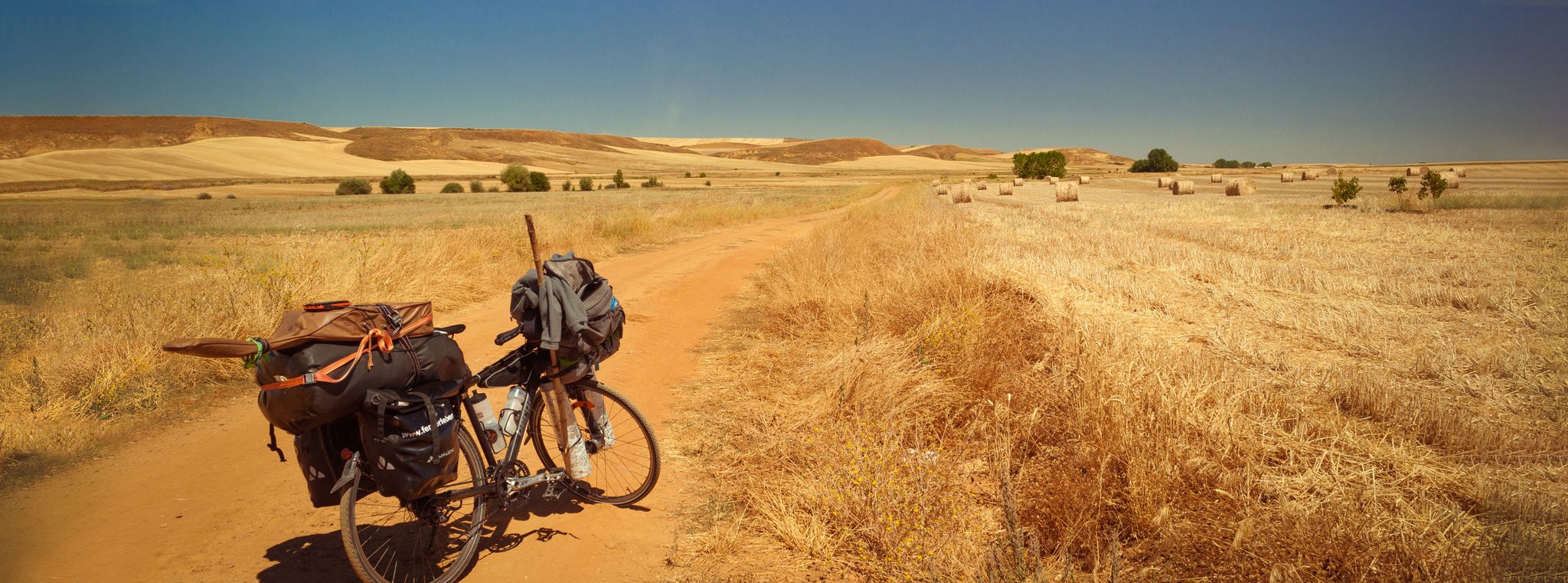
Camino Francés and Camino Finisterre – Cycling pilgrimages in Spain
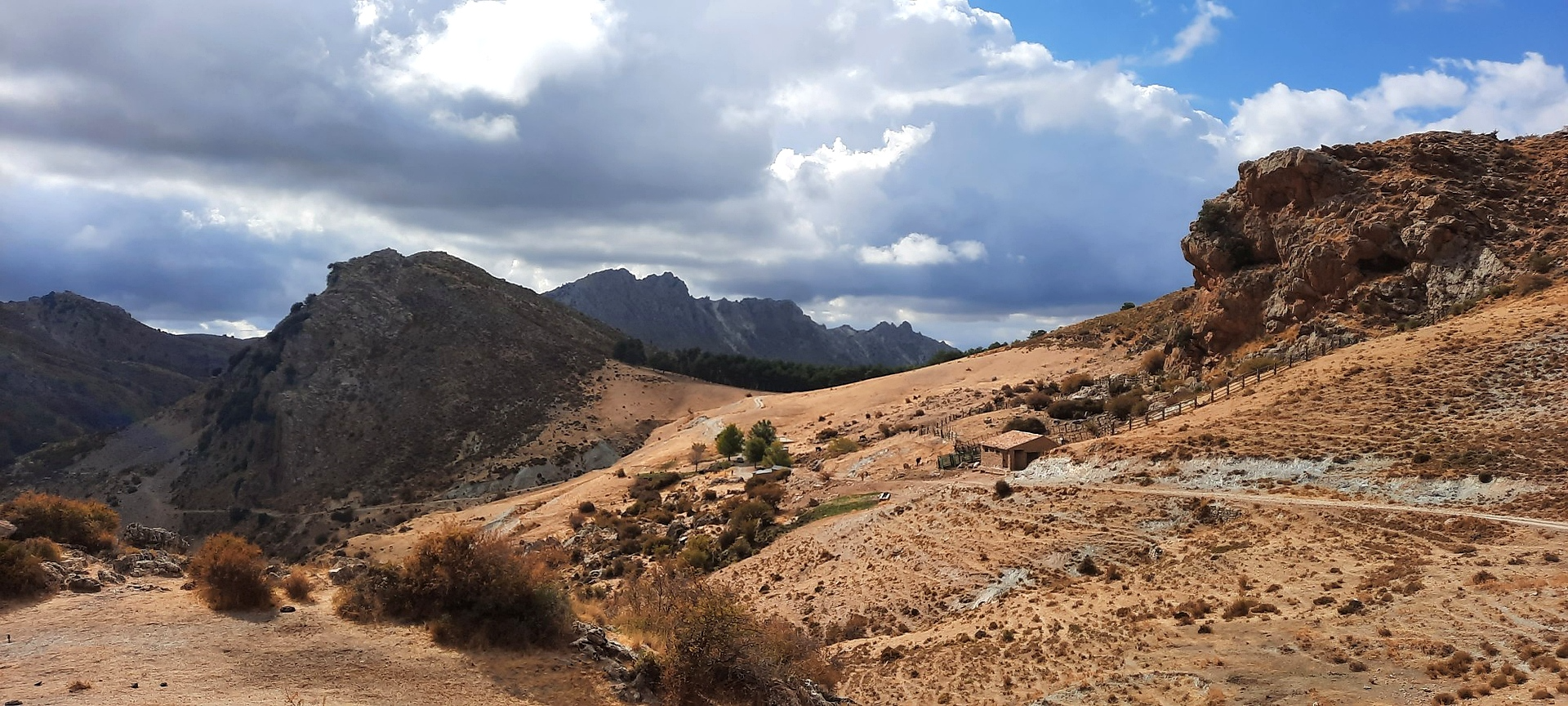
Sulayr Trail (GR 240) — 300 kilometers in the mountain of the sun
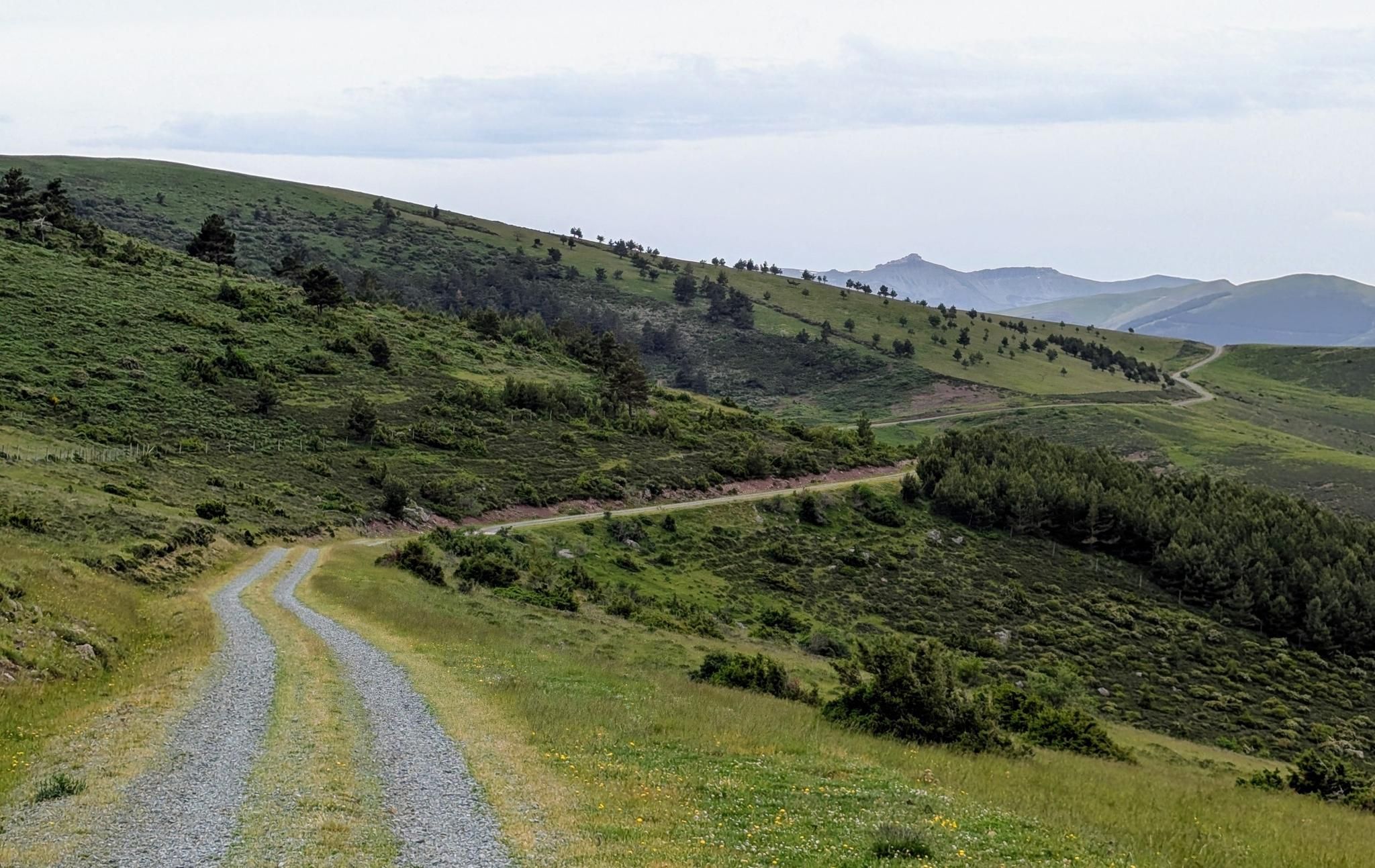
MTB Transhumance — Cañada Real Soriana Occidental
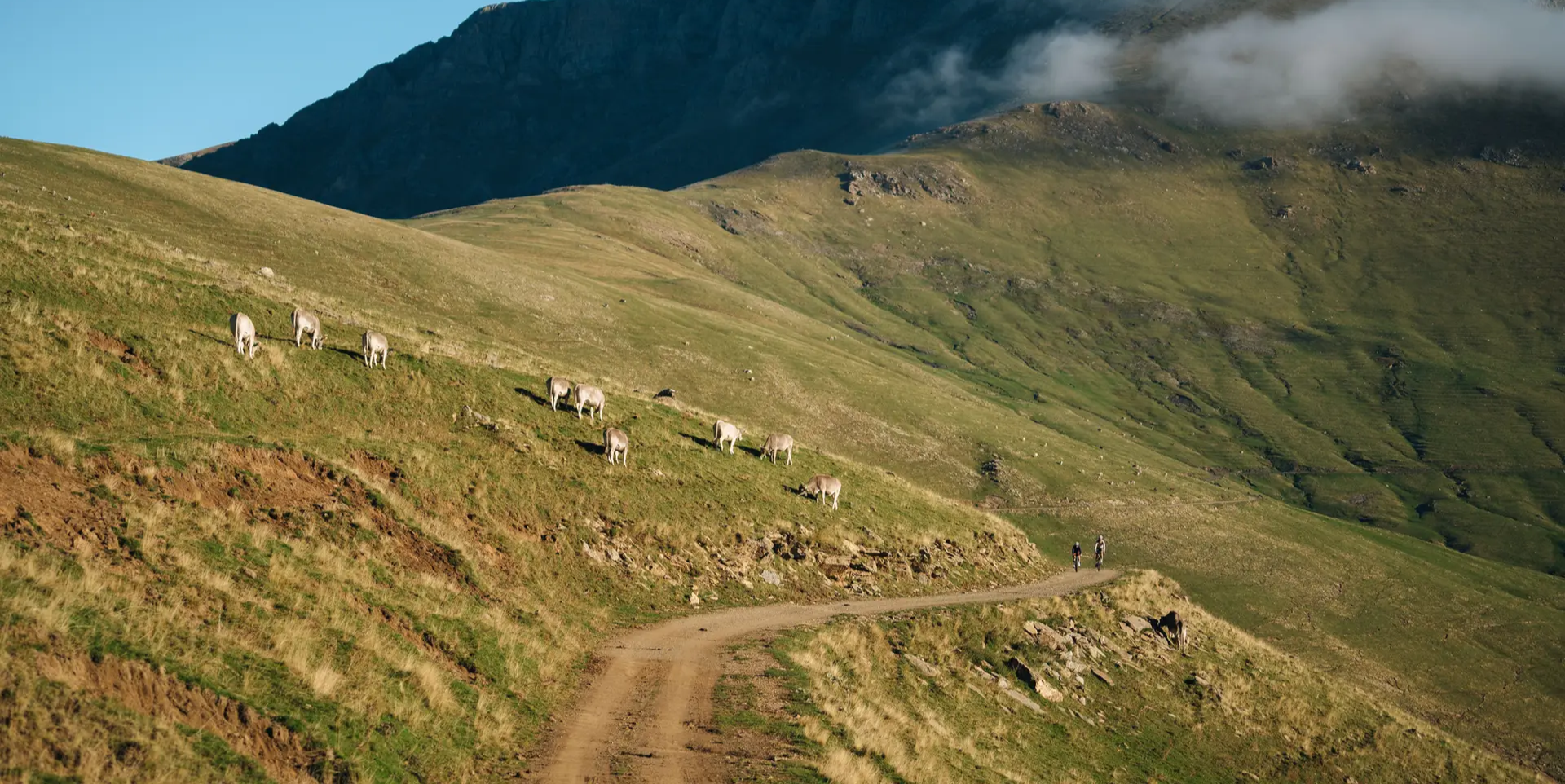
Grand Tour of Catalonia Gravel – your bikepacking adventure
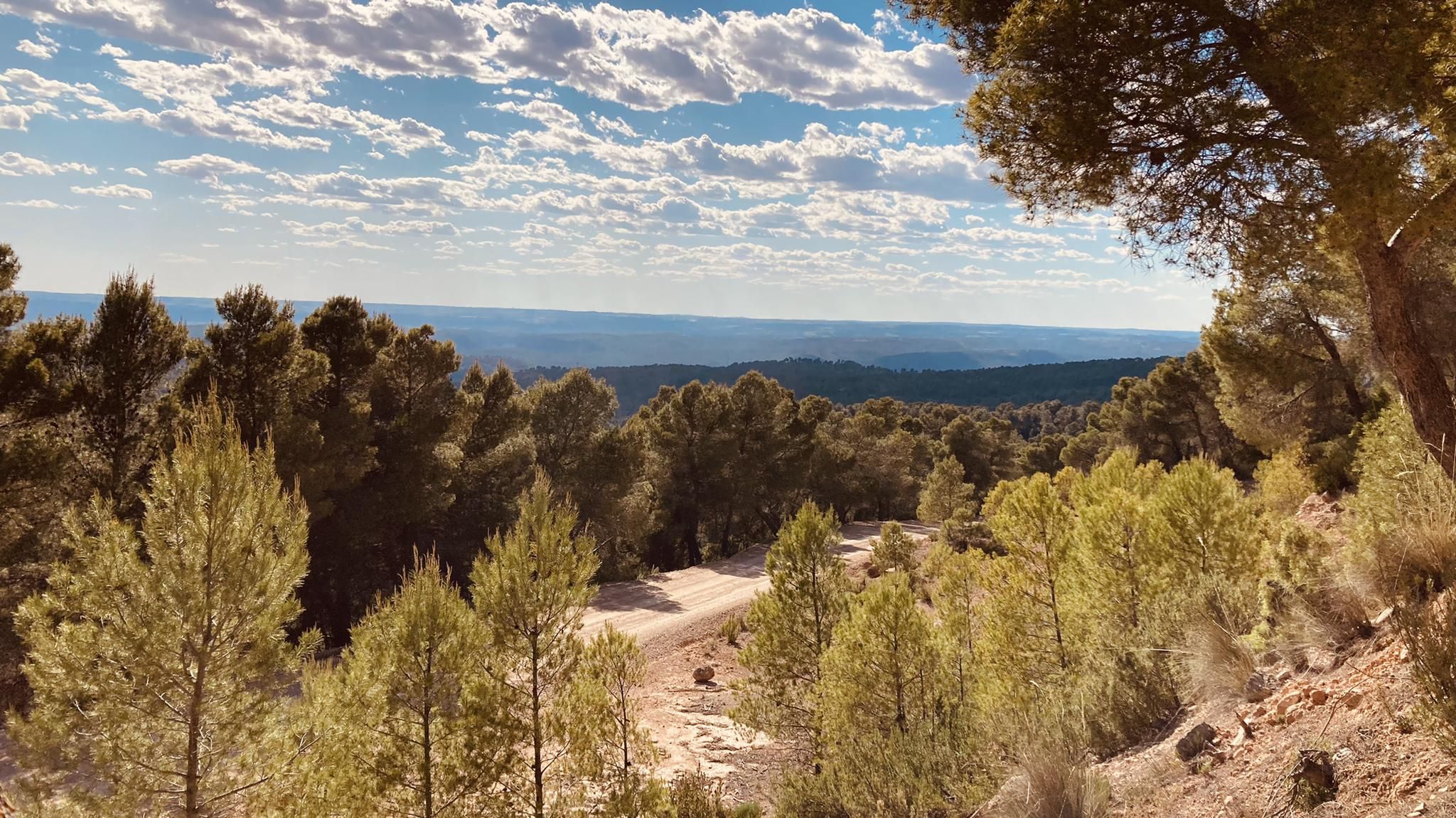
GR 238 Tierra del Vino - A journey on foot through lands of silence
Other adventures in Spain


Tips from the Community

Accessible via several routes. Coming from the southwest and southeast, it's significantly more scenic, but also more strenuous, than the mainstream route. The tin hut is often occupied and serves as a fire lookout. Great views over the Badia de Pollença, Puig Romaní, Cap Formentor, the Penya Roja, the northern foothills of the Tramuntana, the Badia d'Alcúdia and its resorts, all the way to Cap de Ferrutx.
7
2

It is very worthwhile to climb up to Roque Nublo not only to see the rock formation itself, but also to enjoy the spectacular views it offers from above. The sunsets are incredible.
3
1

The centuries-old olive trees in Mallorca, especially in the Tramuntana, were introduced by the Phoenicians a thousand years ago. The Romans expanded cultivation, and the Arabs later developed oil extraction. For a long time, the farmers in the Tramuntana lived off the "gold of the Sierra". Even the steepest slopes were terraced in order to use them for olive cultivation. The olive tree ensures its longevity through the bizarre shapes it assumes over time and is one of the longest-lived trees of all. Even at the age of several 100 years, it still bears fruit.
12
1

One of the most popular hiking routes on the Balearic island of Mallorca today is the former bridle path of Archduke Ludwig Salvator in the Tramuntana mountains. The bridle path was laid out by the Archduke in the 19th century north of Valldemossa on a long ridge running west from the Puig de Teix and dropping steeply towards the sea during his stay in Mallorca. The Archduke's bridle path offers hikers fantastic panoramic views. It is precisely these fantastic views that attract hikers to the former bridle path, which is now known as Camille de s'Arxiduc, all year round. Today there are two variants of the former cycle path, which are now used by hikers: a) A circular route from Valldemossa to Puig Teix and back b) A hike from Valldemossa to Deia
8
3

Beautifully located with a forest and a great beach.
21
1

The highest vantage point on Gran Canaria
8
0

The highest elevation on the peninsula, which is why it offers dreamlike panoramic views.
5
1

Best early in the morning or late in the evening
11
0
Frequently Asked Questions
What kind of natural monuments can I explore in Spain?
Spain offers an incredibly diverse range of natural monuments. You can discover dramatic mountain ranges like the Picos de Europa and Sierra Nevada, unique volcanic landscapes such as Teide National Park with Roque Cinchado, and stunning coastal features like the Acantilados de los Gigantes. There are also fascinating geological formations like the striking vertical strata at Zumaia Beach and the impressive La Geoda de Pulpí, a giant crystal geode.
Are there natural monuments in Spain that are suitable for families?
Yes, several natural monuments in Spain are great for families. For example, Pico de las Nieves summit in Gran Canaria is listed as family-friendly, offering expansive views from its viewing platform. Coastal areas like Cala Agulla Beach also provide a natural setting suitable for family visits. When planning, consider locations with easier access or designated family trails.
What are some of the most iconic natural monuments in the Canary Islands?
The Canary Islands are home to several iconic natural monuments. Gran Canaria features Roque Nublo, an 80-meter-high rock monolith considered a symbol of the island, and Pico de las Nieves summit, the island's highest point. Tenerife boasts Teide National Park with its surreal volcanic landscapes and the dramatic Acantilados de los Gigantes cliffs. Fuerteventura offers the rewarding ascent to Pico de la Zarza summit, the highest point of the island.
Can I find historical or cultural sites within or near Spain's natural monuments?
Absolutely. Many natural monuments in Spain have rich historical or cultural significance. For instance, Roque Nublo was a sacred mountain for the ancient Guanches. Las Médulas in Castilla y León is an ancient Roman gold mine that has been transformed into a unique landscape. You can also find sites like the Old Olive Tree, which is both a natural monument and a historical site, or Talaia d'Alcúdia — Summit and Ruins, combining a summit with historical ruins.
What outdoor activities can I do near these natural monuments?
The areas around Spain's natural monuments offer a wide array of outdoor activities. You can enjoy challenging hikes in mountain ranges like Picos de Europa or Ordesa y Monte Perdido National Park. For cycling enthusiasts, regions like Mallorca's Serra de Tramuntana or Gran Canaria provide fantastic road cycling routes. You can find inspiration for various activities, including waterfall hikes and general cycling tours, by exploring guides like Waterfall hikes in Spain, Road Cycling Routes in Spain, and Cycling in Spain.
Are there specific trails or routes recommended for exploring natural monuments?
Yes, many natural monuments have well-defined trails. For example, the area around Roque Nublo offers beautiful paths with breathtaking views. In Mallorca, the Way to Cap Formentor is a popular route for its spectacular vistas. For those seeking a challenge, the Camí de s'Arxiduc (Archduke's Trail) offers an intermediate hiking experience. Always check the difficulty and length of trails before you go.
What is the best time of year to visit natural monuments in Spain?
The best time to visit depends on the specific natural monument and your preferred activity. Coastal areas and islands like Mallorca (e.g., Way to Cap Formentor) and the Canary Islands (e.g., Roque Nublo) are pleasant year-round, though summer can be very hot. Mountainous regions like Picos de Europa are best visited from late spring to early autumn to avoid snow and enjoy hiking. For unique sites like La Geoda de Pulpí, indoor conditions mean it's less affected by external weather, but booking in advance is crucial.
What kind of wildlife can I expect to see near Spain's natural monuments?
Spain's diverse natural monuments are home to a variety of wildlife. In mountainous regions like Sierra Nevada, you might spot fallow deer, especially during the rutting season. Coastal areas and national parks are often rich in birdlife. The Picos de Europa is known for its biodiversity, including various bird species and even some larger mammals. Always observe wildlife from a respectful distance and avoid disturbing their natural habitats.
Are there any hidden gems among Spain's natural monuments that are less crowded?
While many natural monuments are popular, some offer a more tranquil experience. For instance, the striking geological formations at Zumaia Beach, though gaining recognition, might offer a less crowded experience compared to major national parks. Exploring the lesser-known trails within larger natural parks or visiting during the off-season can also lead to discovering more serene spots. Early morning visits to popular sites like Roque Nublo are also recommended to avoid crowds.
What makes the natural monuments in Spain so appreciated by the komoot community?
The komoot community highly appreciates Spain's natural monuments for their breathtaking beauty and diverse experiences. Users frequently highlight the spectacular views, unique geological features, and the sense of adventure these sites offer. With over 8700 highlights, more than 1100 photos, and over 1600 upvotes, the community values the opportunity to explore everything from dramatic cliffs and volcanic landscapes to ancient forests and historical sites, often sharing tips on the best viewpoints and trails.
Are there natural monuments in Spain that are easily accessible by public transport?
Accessibility by public transport varies greatly depending on the specific monument. Major national parks and popular sites often have bus services, especially during peak season. For example, some areas within Teide National Park on Tenerife are reachable by bus. However, many remote natural monuments may require a car or a combination of public transport and a final walk. It's always best to research specific transport options for each destination in advance.
What should I bring when visiting a natural monument in Spain?
What to bring depends on the monument and activity. For hiking in mountainous regions or volcanic landscapes like those around Pico de las Nieves summit, sturdy hiking shoes, layers of clothing (including a windbreaker), water, and sun protection are essential. For coastal areas or beaches, swimwear, towels, and sun cream are important. Always carry enough water, snacks, a map or GPS device, and a fully charged phone. Check local weather forecasts before your visit.
Most popular routes in Spain
Most popular attractions in Spain

Get inspired with the komoot mobile app


Didn’t find what you were looking for?
Find even more amazing natural monuments in Spain by checking out the top Highlights region by region:
Explore more
Extend your search for the best caves by checking out these guides of the top ones in Spain:
