The 20 Most Amazing Peaks in Spain
Best mountain peaks in Spain offer a diverse and rugged landscape, making it one of Europe's most mountainous countries. Its peaks feature a wide array of experiences, from volcanic landscapes to snow-capped giants. The country's mountains provide natural beauty, challenging ascents, and cultural significance. These regions attract hikers, climbers, and nature enthusiasts seeking varied terrain and elevation.
Best mountain peaks in Spain
- The most popular mountain peaks is Roque Nublo, a natural_monument considered the symbol of Gran Canaria. This sacred mountain offers good views of other nearby rock monoliths.
- Another must-see spot is Pico de las Nieves summit, a summit that is the highest point of Gran Canaria. Visitors can expect a beautiful viewing platform with views towards the south.
- Visitors also love Roque Cinchado, a natural_monument known as the "finger of God." It is considered the most spectacular and popular highlight among the Roques de García, offering impressive views with Teide in the background.
- Spain is known for volcanic peaks, snow-capped mountains, and limestone massifs. There is a variety of mountain peaks to see and explore, from the Canary Islands to the Pyrenees and Sierra Nevada ranges.
- The mountain peaks in Spain are appreciated by the komoot community, with over 1,786 upvotes and 1,623 photos shared by visitors.
Last updated: October 9, 2026
Roque Nublo
Highlight • Natural Monument
Showing Translation
Tip by

Pico de las Nieves summit
Highlight • Summit
Sometimes there is even snow up here, so the summit has its name. Very often it is definitely quite fresh here, pack the windbreaker. Often it is also very cloudy. If you're lucky, the cloud cover is below you, making the view even more spectacular. But it also happens that you are standing up here in a gray cloud soup.
Translated by Google •
Tip by

Sign up now to discover places like this
Get recommendations on the best single tracks, peaks, & plenty of other exciting outdoor places.
Roque Cinchado
Highlight • Natural Monument
Translated by Google •
Tip by

Talaia d'Alcúdia — Summit and Ruins
Highlight • Summit
The tin hut is often occupied and serves as a fire watchtower.
Great views over the Badia de Pollença, Puig Romaní, Cap Formentor, the Penya Roja, the northern foothills of the Tramuntana, the Badia d'Alcúdia and its resorts, and even Cap de Ferrutx.
If approaching from the south, it should be easier to find the way forward from the summit.
Translated by Google •
Tip by

Pico de la Zarza summit
Highlight • Summit
Translated by Google •
Tip by

Roque de los Muchachos
Highlight • Summit
Translated by Google •
Tip by
Talaia de Son Jaumell — Ruins and Viewpoint
Highlight • Monument
Looking northwest, you can make out the Torre d'Albarca and the Talaia Moreia, which also belonged to this warning system.
If the watchman spotted one or more pirate ships, he would light a fire, and the smoke or, at night, the light would alert armed men for defense.
The name Jaume probably goes back to Jaume II, whose father Jaume I conquered Mallorca from the Moors.
As so often in Mallorca, the name Talaia, watchtower, eventually extended to the entire mountain over time.
The direct path from Cala Mesquida is quite steep towards the end, but manageable even for children. Several families came towards us.
Great view of the resorts Cala Mesquida and Cala Ratjada.
Showing Translation
Tip by
Alto de Garajonay
Highlight • Summit
Translated by Google •
Tip by

Es Caragolí
Highlight • Summit
Nice view of the Tramuntana up to the Puig Major and the Foradada.
Translated by Google •
Tip by
Sanctuary of Cura, Puig de Randa
Highlight • Religious Site
The formation of Mount Randa:
An old legend tells that a long time ago a giant crossed the Mediterranean Sea from Algiers. He carried a basket full of stones and earth on his head, and he had tied a ship under his feet so that he would not sink. During a storm off Cabrera, both ships drifted apart and, in order not to lose his balance, he braced himself with his stick on the shore of Cala Pi. But it didn't help, he fell anyway and the contents of his basket spilled out onto the plains of Mallorca. This is where Randa Mountain came from. And from a drop of sweat that hit the ground next to the mountain, the Na Tomasa spring was born.
But that's just a legend, the real story is much scarier:
Mount Randa is hollow inside and supported by four golden pillars. Should the pillars break, not only the mountain but all of Mallorca will collapse. And not only that, "The waves of the sea will crash over Mallorca, and that will be the end of the world," says the phophecy. The Mallorcans say that three of the pillars are already broken and the fourth is damaged.
Translated by Google •
Tip by
Sign up for free to discover even more peaks in Spain.
Already have an account?
Start today with a free account
Your next adventure awaits.
Popular around Spain
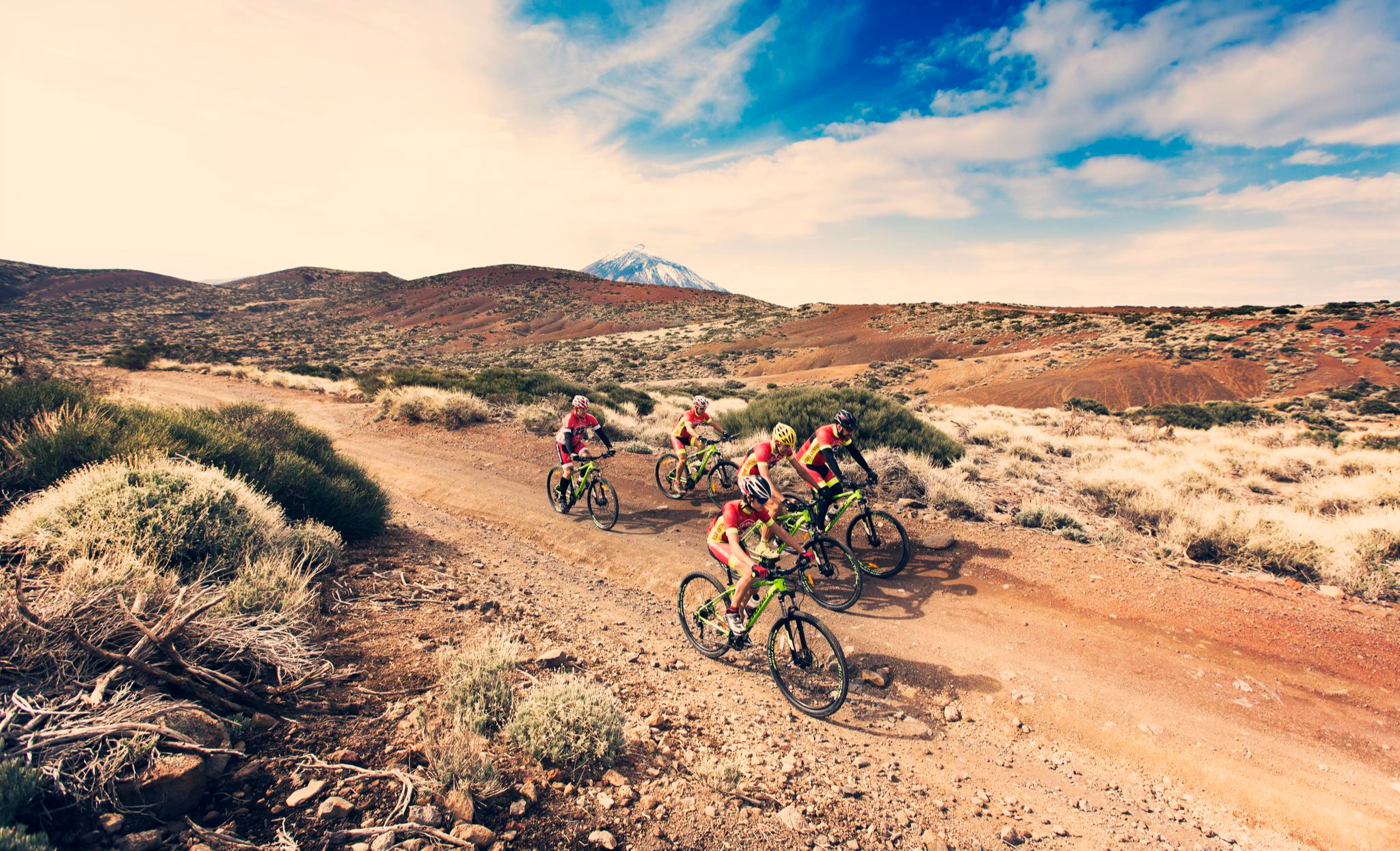
Mountain biking through the wild heart of Tenerife
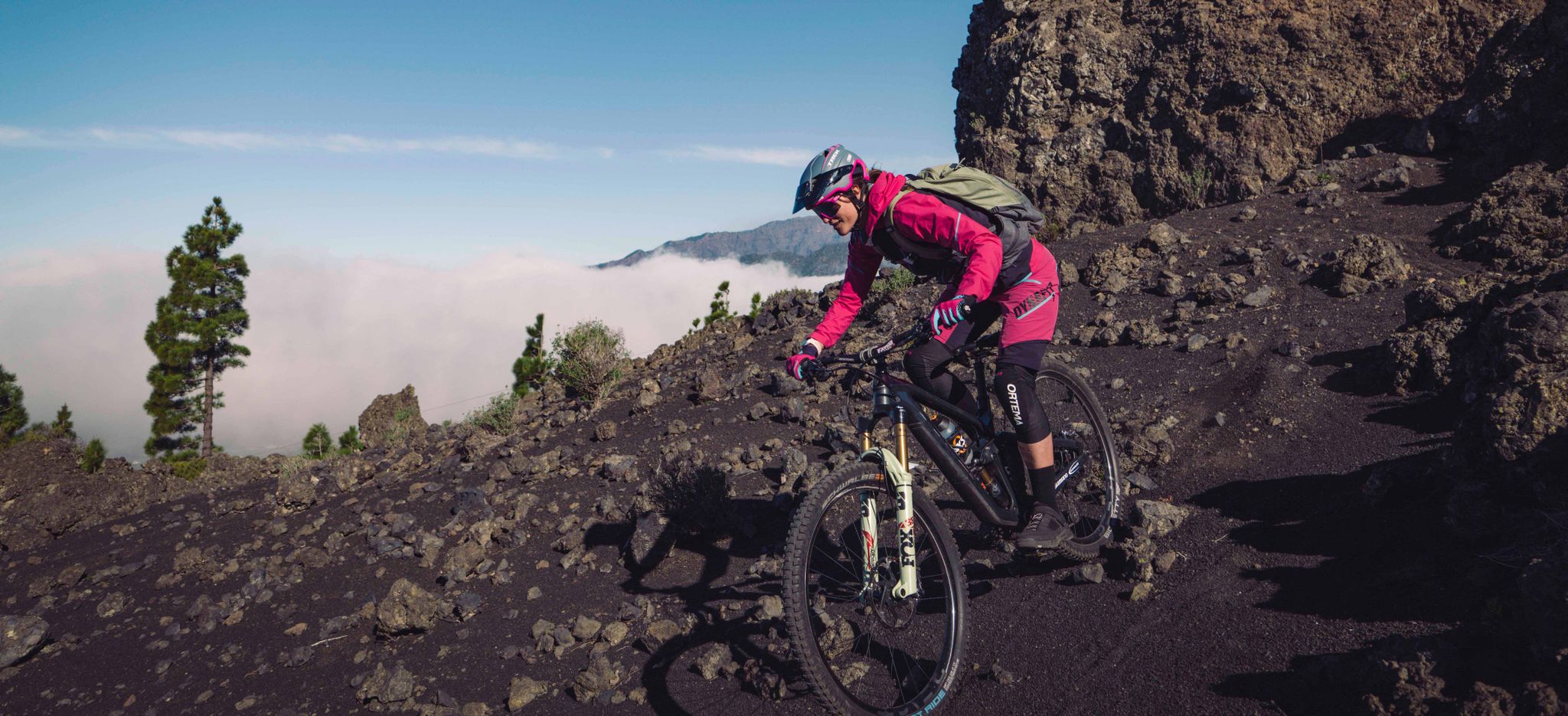
La Palma – my favourite Tours on the Canary Islands’ Isla Bonita
Triathlon 360 – my journey around the world
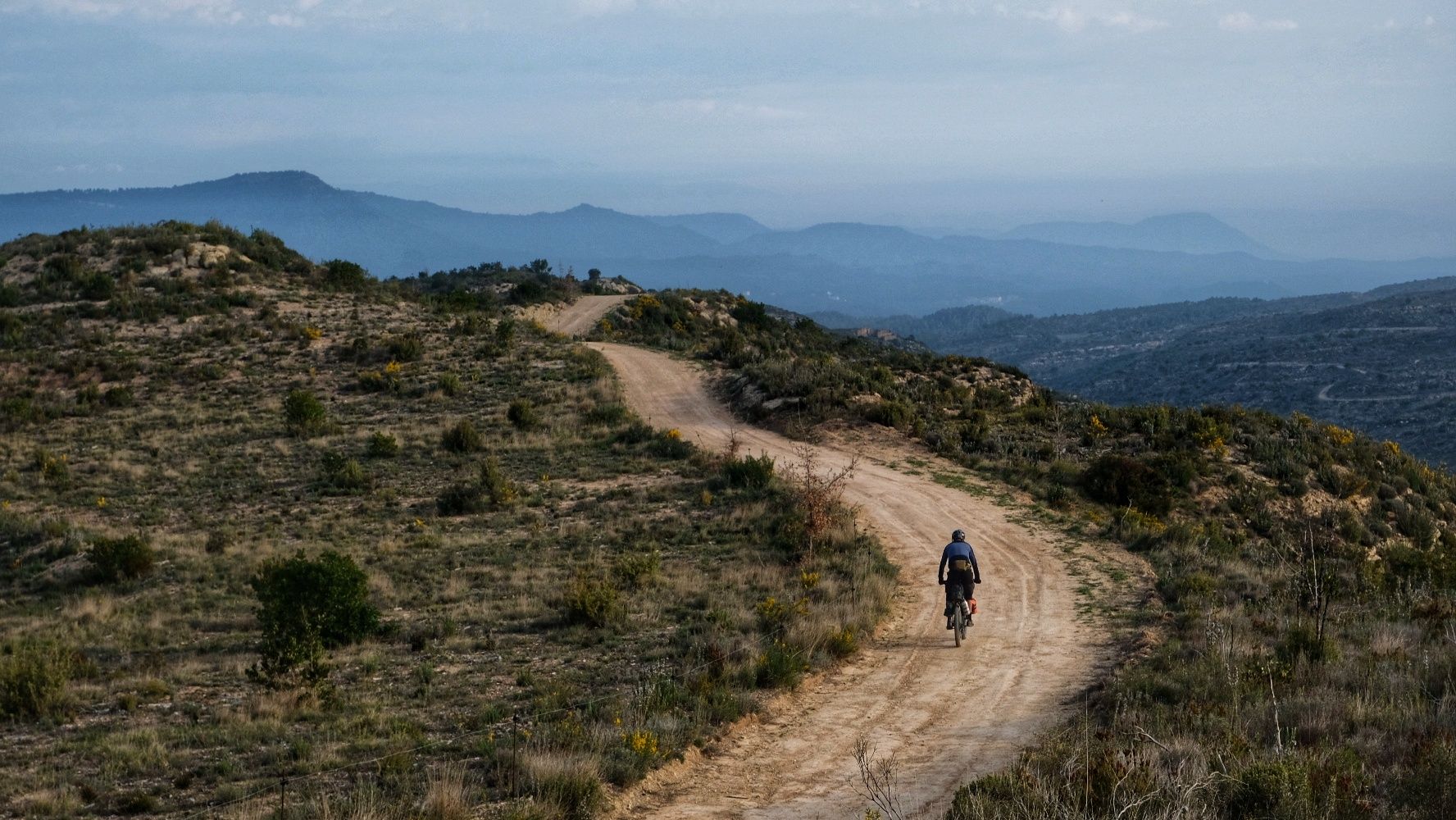
European Divide Trail — 7,600 km across the continent
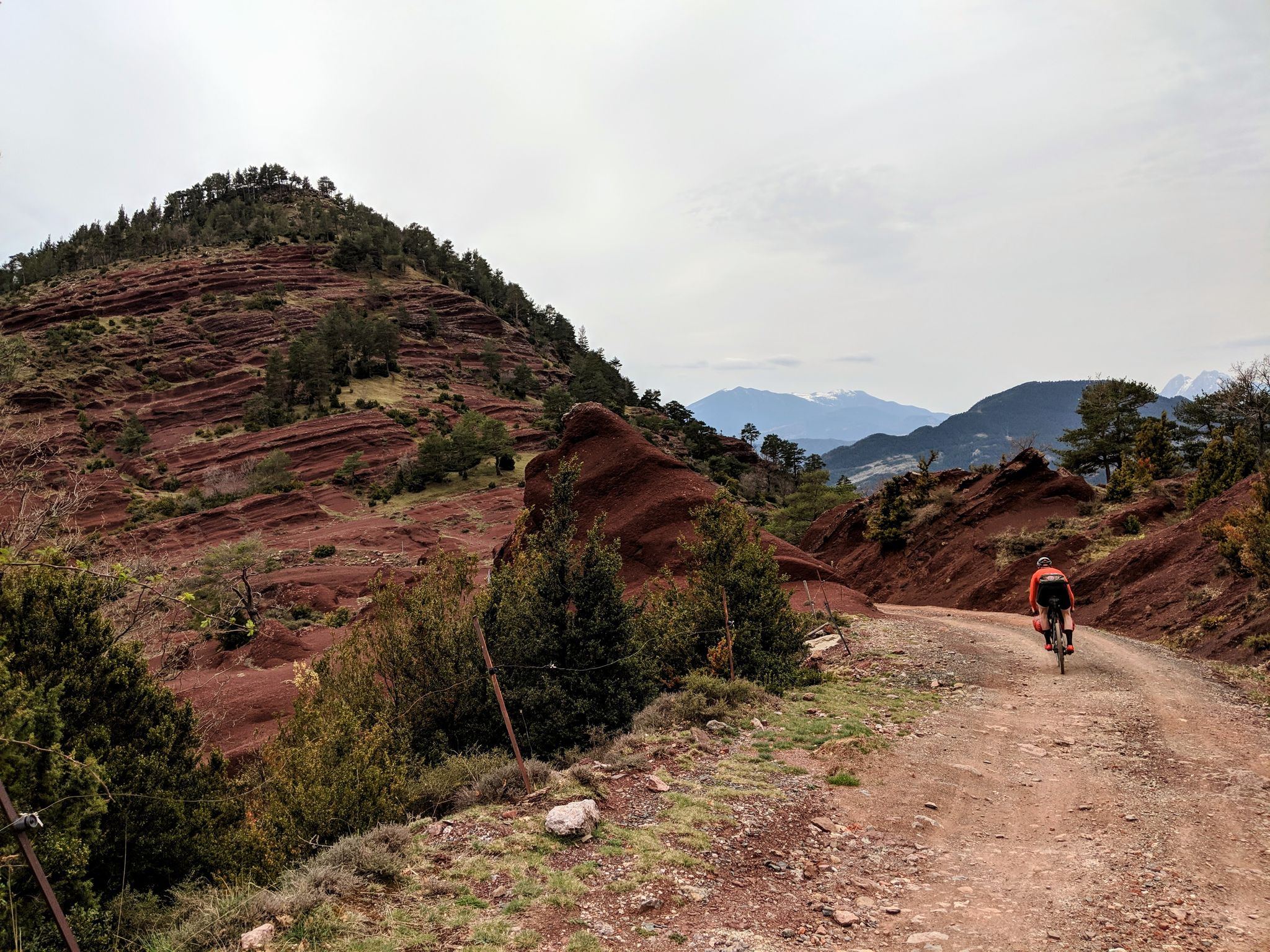
Catalunya Trail — Bikepacking in the Pyrenees
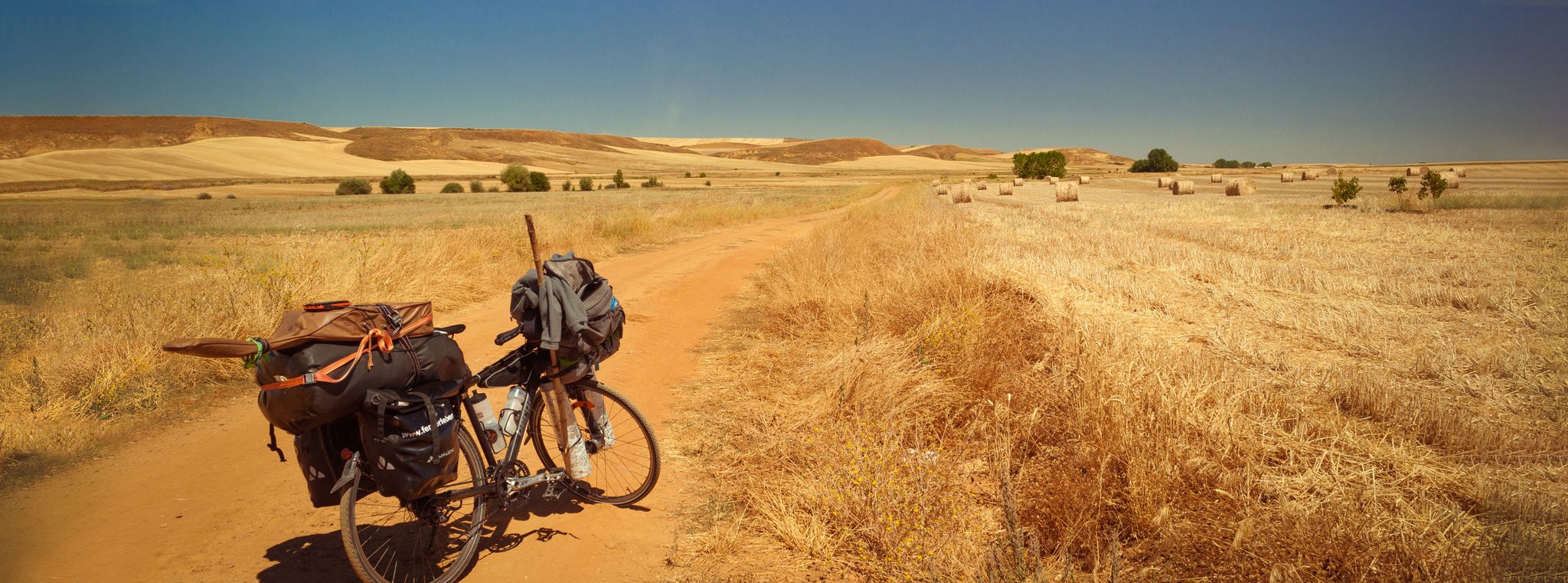
Camino Francés and Camino Finisterre – Cycling pilgrimages in Spain
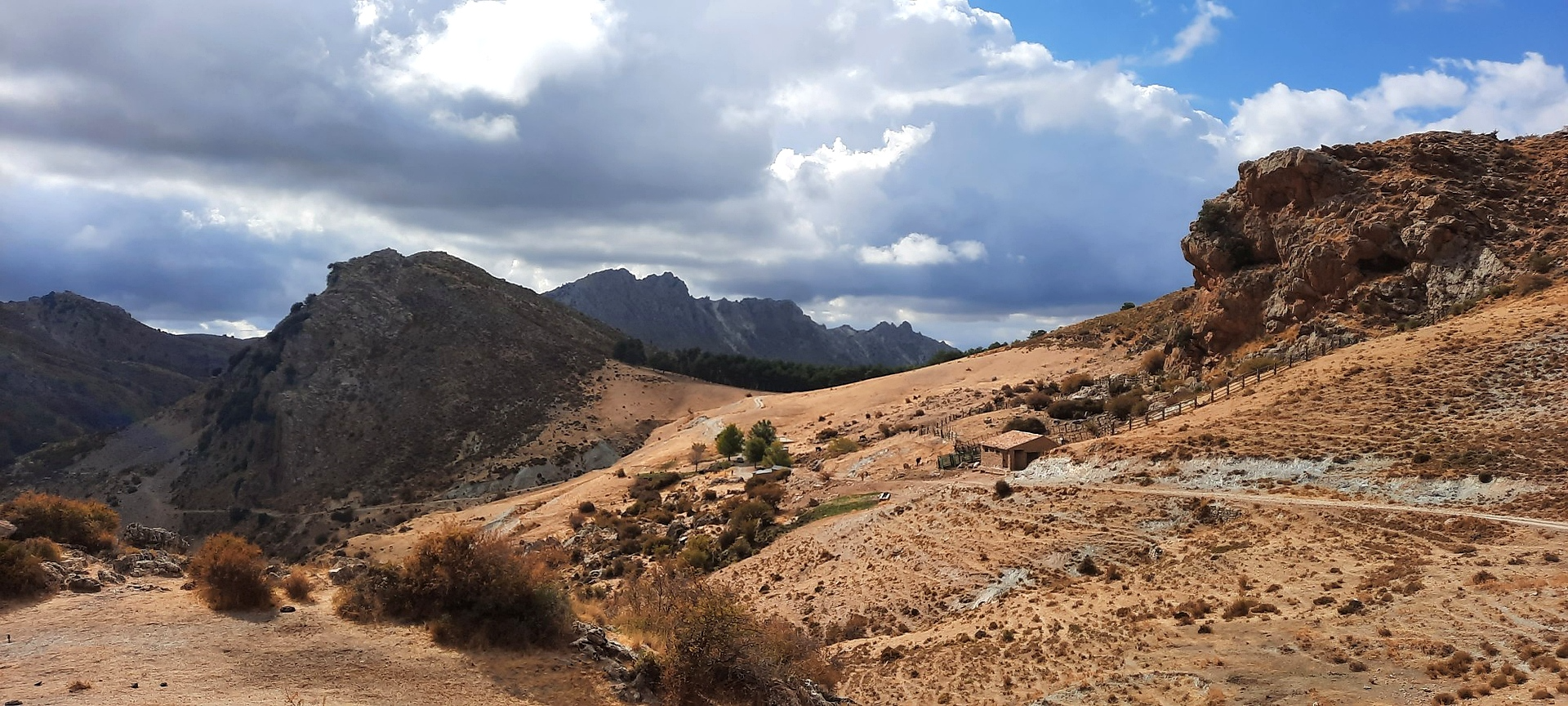
Sulayr Trail (GR 240) — 300 kilometers in the mountain of the sun
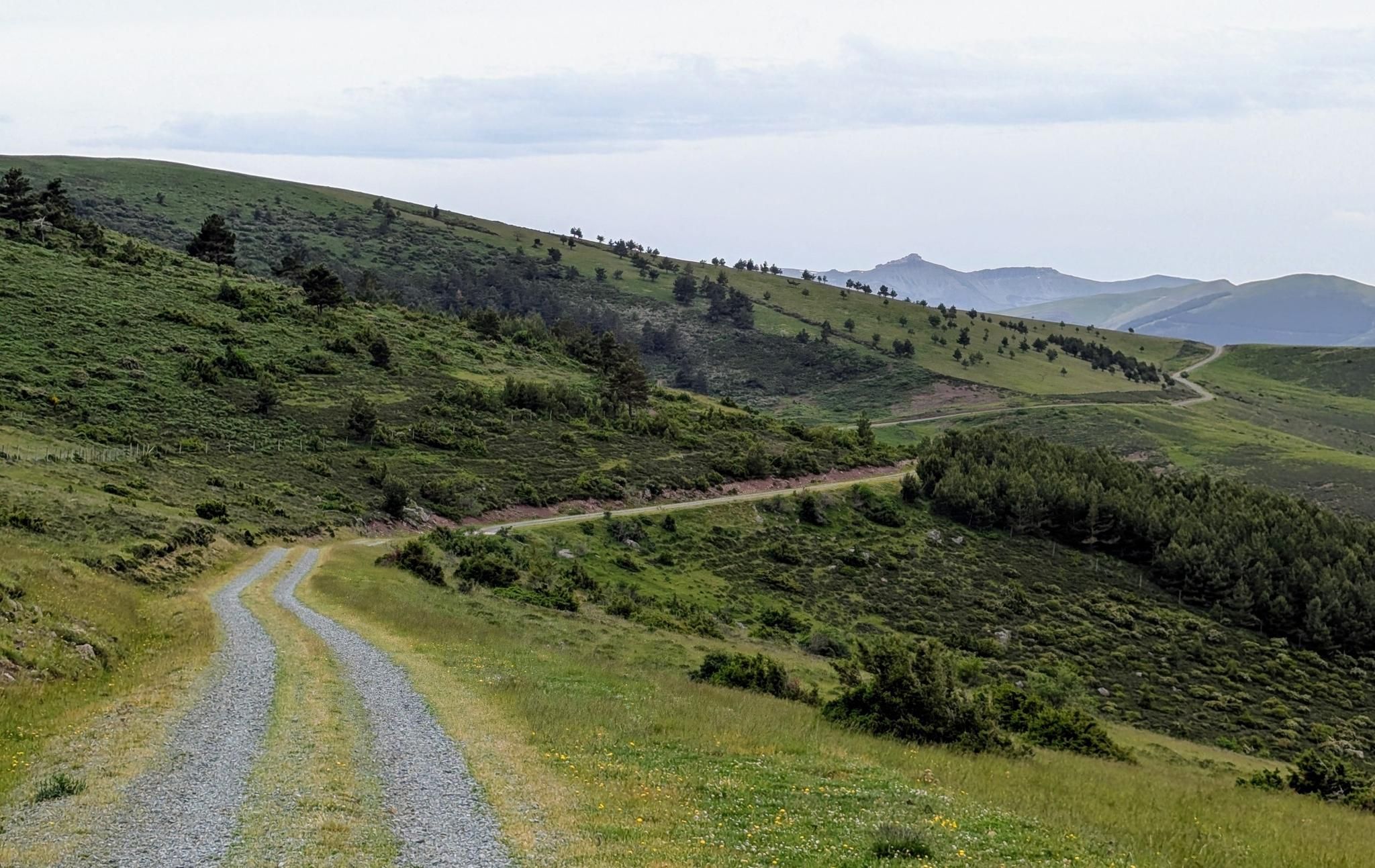
MTB Transhumance — Cañada Real Soriana Occidental
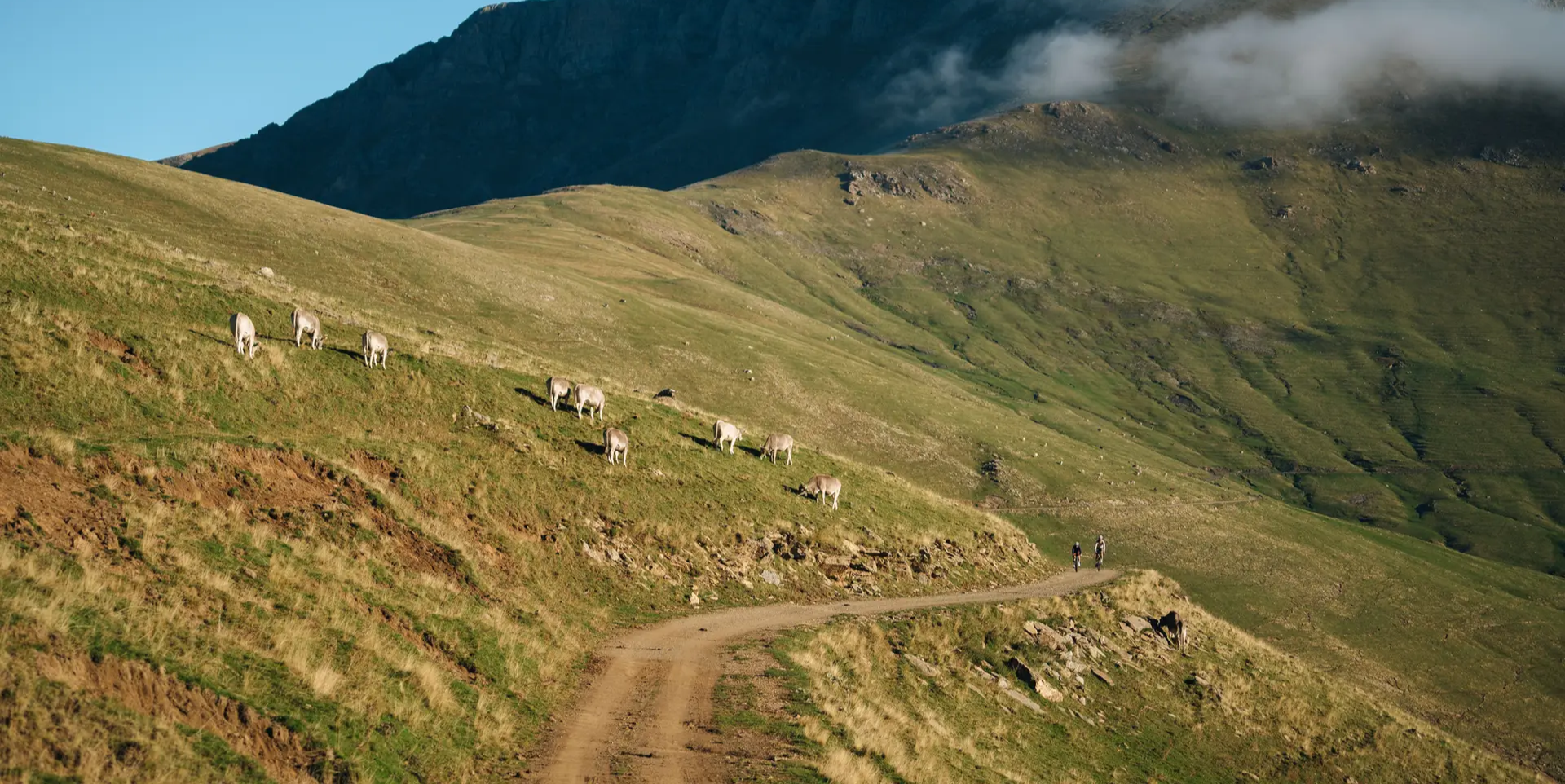
Grand Tour of Catalonia Gravel – your bikepacking adventure
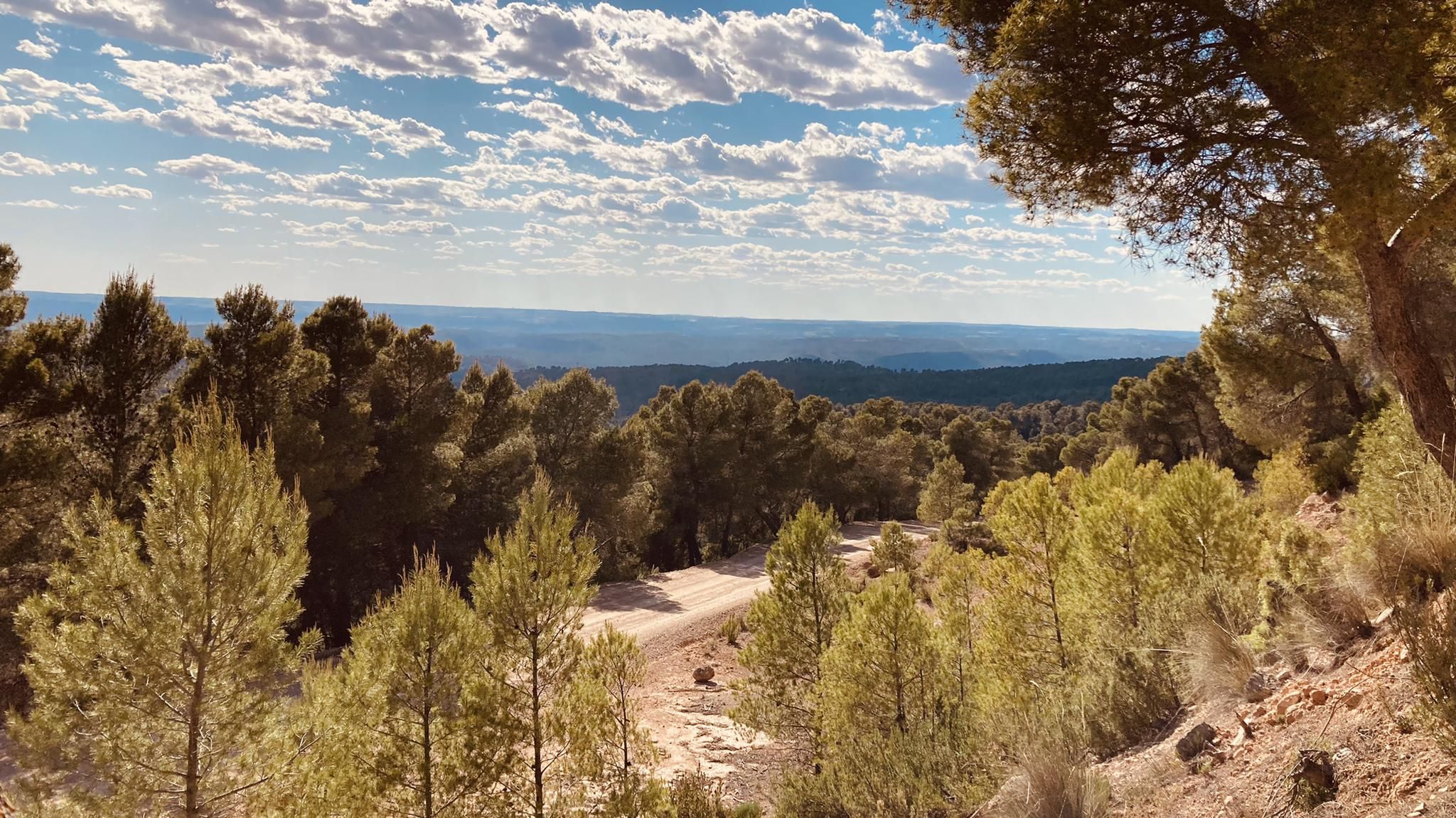
GR 238 Tierra del Vino - A journey on foot through lands of silence
Other adventures in Spain


Tips from the Community

If you've already made the climb up all those meters, you should definitely make your way up here to the temporary summit cross. Just sit and enjoy the view.
0
0

Accessible via several routes. Coming from the southwest and southeast, it's significantly more scenic, but also more strenuous, than the mainstream route. The tin hut is often occupied and serves as a fire lookout. Great views over the Badia de Pollença, Puig Romaní, Cap Formentor, the Penya Roja, the northern foothills of the Tramuntana, the Badia d'Alcúdia and its resorts, all the way to Cap de Ferrutx.
7
2

Beautiful peak very easy to attack, it is on the same path as the Arxiduc.
1
1

Beautiful viewpoint... from up here you have a beautiful view in all directions... Deep below you can see the small village of Deia
1
1

A tip? Unfortunately, it is overcrowded on weekends and holidays due to the nearby car park. If you only drive to the car park and then walk to the summit in 10 minutes and then don't take a circular hike up here into the forests of the north and the maquis of the south, you haven't gotten to know the island...
4
0

It is very worthwhile to climb up to Roque Nublo not only to see the rock formation itself, but also to enjoy the spectacular views it offers from above. The sunsets are incredible.
3
1

500 meters in altitude to get there. A dream when visibility is good. Certainly one of the most beautiful viewpoints in Mallorca. 360 degree all-round view. The vultures are circling above us.
3
5

Highest point for us on Day 3 of our GR221 hike. We appreciated the breeze after a long hot climb to the top.
1
4
Frequently Asked Questions
Which mountain peaks in Spain are known for their unique geological features?
Spain's diverse landscape offers several peaks with distinct geological characteristics. Roque Cinchado, often called the 'finger of God,' is a striking rock formation in Tenerife, known for its unique shape with Teide in the background. Teide itself is a massive stratovolcano, the third-highest volcano in the world from its base. In the Pyrenees, Monte Perdido stands out as the highest limestone massif in Europe, part of a UNESCO World Heritage site. The Picos de Europa, within the Cantabrian Mountains, are characterized by dramatic limestone formations shaped by acidic rainwater, creating a rugged and unique landscape.
Are there any family-friendly mountain peaks or trails in Spain?
Yes, several mountain areas in Spain offer family-friendly options. For instance, the Pico de las Nieves summit in Gran Canaria is accessible and offers a beautiful viewing platform. The area around Roque Cinchado in Tenerife also features a simple circular hike that is considered family-friendly. While some ascents can be challenging, many regions provide easier routes suitable for families, such as those found in the Picos de Europa with its lush valleys and lakes, or the lower sections of Montserrat near Barcelona.
What are the highest mountain peaks in mainland Spain?
The highest peak in mainland Spain and the Iberian Peninsula is Mulhacén, standing at 3,479 meters in the Sierra Nevada National Park. The second highest in the Sierra Nevada, and fourth highest in Spain overall, is Veleta at 3,398 meters. Both offer rewarding challenges for mountaineers and stunning views of Andalusia.
What kind of wildlife can I expect to see in Spain's mountain ranges?
Spain's mountain ranges are rich in biodiversity. In the Sierra de Gredos, around Pico Almanzor, you can find the Western Iberian ibex. The Picos de Europa National Park is a haven for various species, including Cantabrian brown bears and wolves, though sightings are rare. Birds of prey, such as eagles and vultures, are common across many ranges, including the Pyrenees and Sierra Nevada. The unique ecosystems of the Canary Islands, like Teide National Park, host specialized flora and fauna adapted to extreme altitudes.
When is the best time to visit Spain's mountain peaks for hiking?
The best time to visit Spain's mountain peaks largely depends on the region and your activity. For the high peaks of the Pyrenees and Sierra Nevada, late spring to early autumn (June to September) offers the most favorable conditions, with less snow and milder temperatures. However, some areas like the Sierra Nevada also offer skiing in winter. The Canary Islands, with their milder climate, can be visited year-round, though summer can be very hot at lower altitudes. Always check local conditions, especially for higher elevations where weather can change rapidly.
Are there any historical or cultural sites associated with Spain's mountain peaks?
Yes, many of Spain's mountain peaks hold historical and cultural significance. Mulhacén in the Sierra Nevada is named after a 15th-century Nasrid king of Granada. Montserrat, near Barcelona, is home to a 1,000-year-old Benedictine monastery housing the Black Madonna statue, making it a significant pilgrimage site. The ancient Guanches considered Roque Nublo in Gran Canaria a sacred mountain, where they performed sacrifices to the Sun god. Additionally, some peaks, like Talaia d'Alcúdia, feature historical ruins at their summits.
What outdoor activities can I do near the mountain peaks in Spain?
Beyond hiking and climbing, Spain's mountain regions offer a wide array of outdoor activities. The Pyrenees are known for rock climbing, skiing, and white-water rafting. The Sierra Nevada allows for a unique experience of skiing near the Mediterranean Sea. For those interested in cycling, there are numerous routes, including challenging gravel biking tours like the 'Girona - Gravel ride along the Riu Ter' or 'Gravel tour around the island of El Hierro' which can be found in the Gravel biking in Spain guide. You can also find many easy hikes, such as 'The Forest of Enigmas Trail' or 'Malpais de Guimar - circular from El Puertito de Guimar', detailed in the Easy hikes in Spain guide.
What are some notable viewpoints in the Canary Islands' mountain peaks?
The Canary Islands offer spectacular viewpoints from their peaks. The Pico de las Nieves summit in Gran Canaria provides breathtaking views towards the south, often above a 'sea of clouds.' From Roque Nublo, you can enjoy panoramic views of other nearby rock monoliths. The summit of Teide offers unparalleled vistas, often above the clouds, creating an otherworldly feel. Additionally, Roque de los Muchachos on La Palma is renowned for its astronomical observatory and stunning views.
Are there any specific permits required for climbing certain peaks in Spain?
Yes, for some of Spain's most popular or protected peaks, permits may be required. For instance, to reach the very summit of Teide in Tenerife, a permit is necessary due to its status as a UNESCO World Heritage site and to manage visitor numbers. It's always advisable to check the specific requirements for any high-altitude or protected area you plan to visit, especially within National Parks like Teide, Sierra Nevada, or Ordesa y Monte Perdido, as regulations can vary and change.
Which mountain peaks are considered challenging for experienced climbers?
For experienced climbers, Spain offers several challenging peaks. The north face of Mulhacén in the Sierra Nevada requires climbing knowledge due to its steepness. In the Picos de Europa, the iconic Naranjo de Bulnes (Picu Urriellu) is a symbol of Asturias and presents a significant challenge for rock and ice climbers. Aneto, the highest peak in the Pyrenees, involves glacier crossings and technical sections, making it a popular destination for adventurers seeking a demanding ascent. Pico de la Zarza summit in Fuerteventura is also rated as challenging.
What are some of the most popular hiking trails near Spain's mountain peaks?
Many popular hiking trails can be found near Spain's mountain peaks. In the Pyrenees, the ascent to Aneto is a well-traveled path, as are routes to Pico Posets. The Sierra Nevada offers numerous trails, including those leading to Mulhacén. For a diverse experience, consider trails like 'Talaia d'Alcúdia and Penya des Migdia Loop' or 'Caminito del Rey from El Chorro', which are highlighted in the Hiking in Spain guide. The Canary Islands also boast popular routes, such as the circular hike at the Roques de García near Teide.
What makes the Pyrenees a unique mountain range in Spain?
The Pyrenees, forming a natural border with France, are unique for their dramatic snow-capped peaks, sheer cliffs, and deep valleys. As home to Aneto, Spain's third-highest peak, and Monte Perdido, the highest limestone massif in Europe, they offer diverse landscapes. The range is also known for its diminishing glaciers and opportunities for various activities like rock climbing, skiing, and white-water rafting, all within the stunning Posets-Maladeta Natural Park and Ordesa y Monte Perdido National Park.
Most popular routes in Spain
Most popular attractions in Spain

Get inspired with the komoot mobile app


Didn’t find what you were looking for?
Discover Spain’s best peaks and summits by region:
Explore more
See even more amazing summits in Spain with these guides:
