Attractions and Places To See in the Mühlviertel - Top 20
Best attractions and places to see in the Mühlviertel, a region in Upper Austria, are characterized by granite highlands, rolling hills, and extensive forests. This area blends natural beauty with historical and traditional elements. Visitors can explore a diverse range of notable landmarks, striking natural features, and cultural sites. The region offers opportunities to experience unique geological formations and historical engineering.
Best attractions and places to see in the Mühlviertel
- The most popular attractions is Tripoint Monument (Germany–Austria–Czech Republic),…
Last updated: October 9, 2026
Steinerberg Danube Loop 🏞️
Highlight • River
Tip by

Tripoint Monument (Germany–Austria–Czech Republic)
Highlight • Monument
Showing Translation
Tip by

Sign up now to discover places like this
Get recommendations on the best single tracks, peaks, & plenty of other exciting outdoor places.
Grein Marina
Highlight • Settlement
Translated by Google •
Tip by

View of Grein and Greinburg Castle from the Danube Cycle Path
Highlight • Viewpoint
Translated by Google •
Tip by

Sternstein Observation Tower
Highlight • Viewpoint
Translated by Google •
Tip by

Ottensheim–Wilhering Cable Ferry
Highlight • Structure
Translated by Google •
Tip by

Pfenningberg Summit Cross
Highlight • Summit
Translated by Google •
Tip by

Abwinden-Asten Power Plant and Lock
Highlight • Monument
Tip by

Braunberg Hut
Highlight • Mountain Hut
Translated by Google •
Tip by

Gobelwarte Observation Tower
Highlight • Viewpoint
Translated by Google •
Tip by

Sign up for free to discover even more attractions in the Mühlviertel.
Already have an account?
Start today with a free account
Your next adventure awaits.
Popular around Mühlviertel
Salt Trail — On old paths through Upper Austria
Austria's Mühlviertel Cycle Path — A hilly idyll
Ruperti Trail – Hike from Austria's Bohemian Forest to the Carnic Alps
Castles & Palaces Trail – Discover the mystical Mühlviertel in Austria
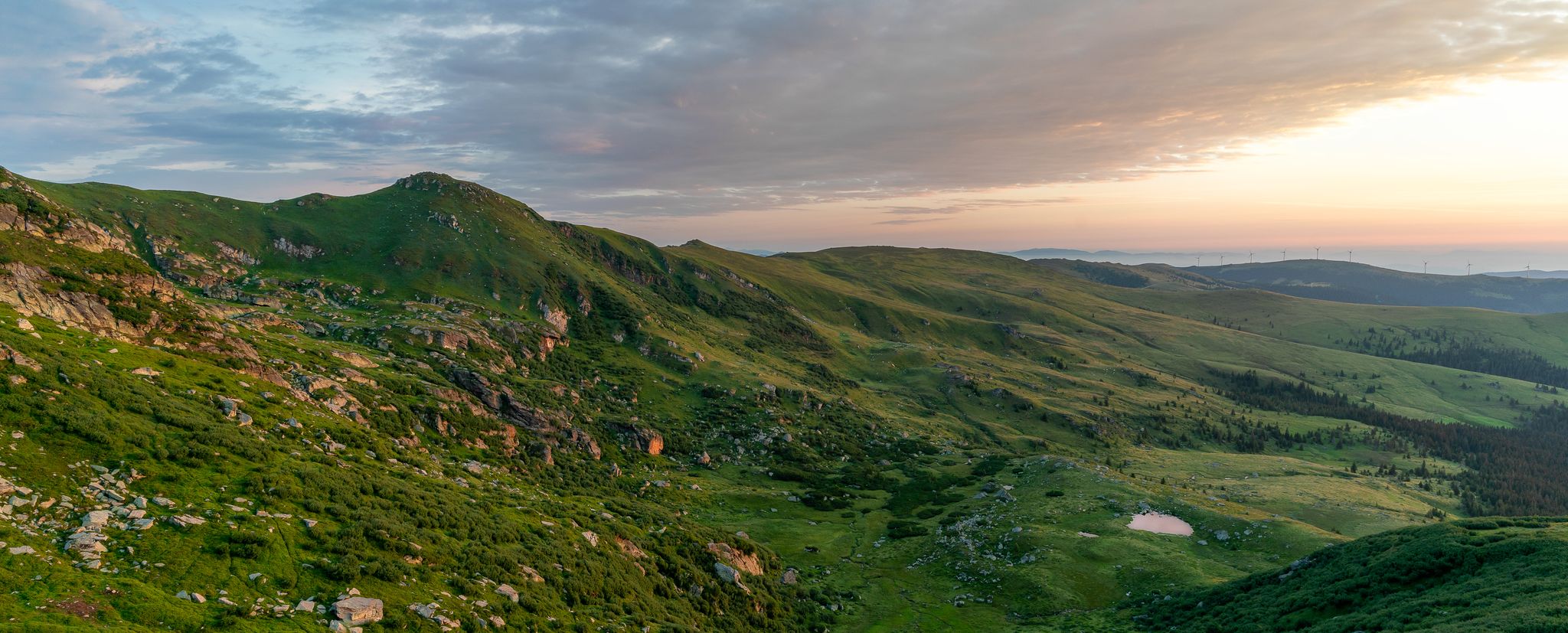
North-South Trail through Austria – Small country, big paths!
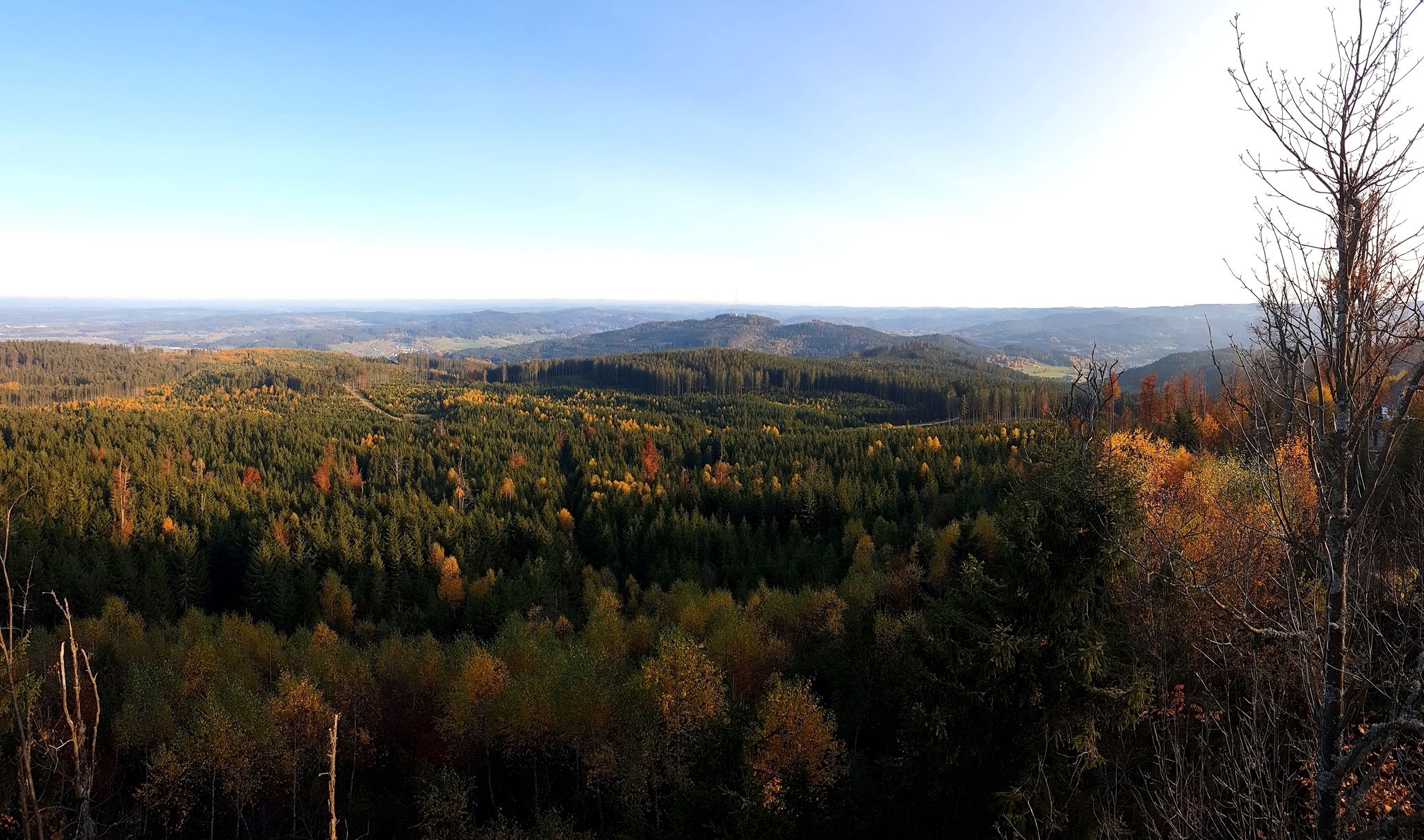
Nordwaldkamm trail – Hiking between the Czech Republic and Austria
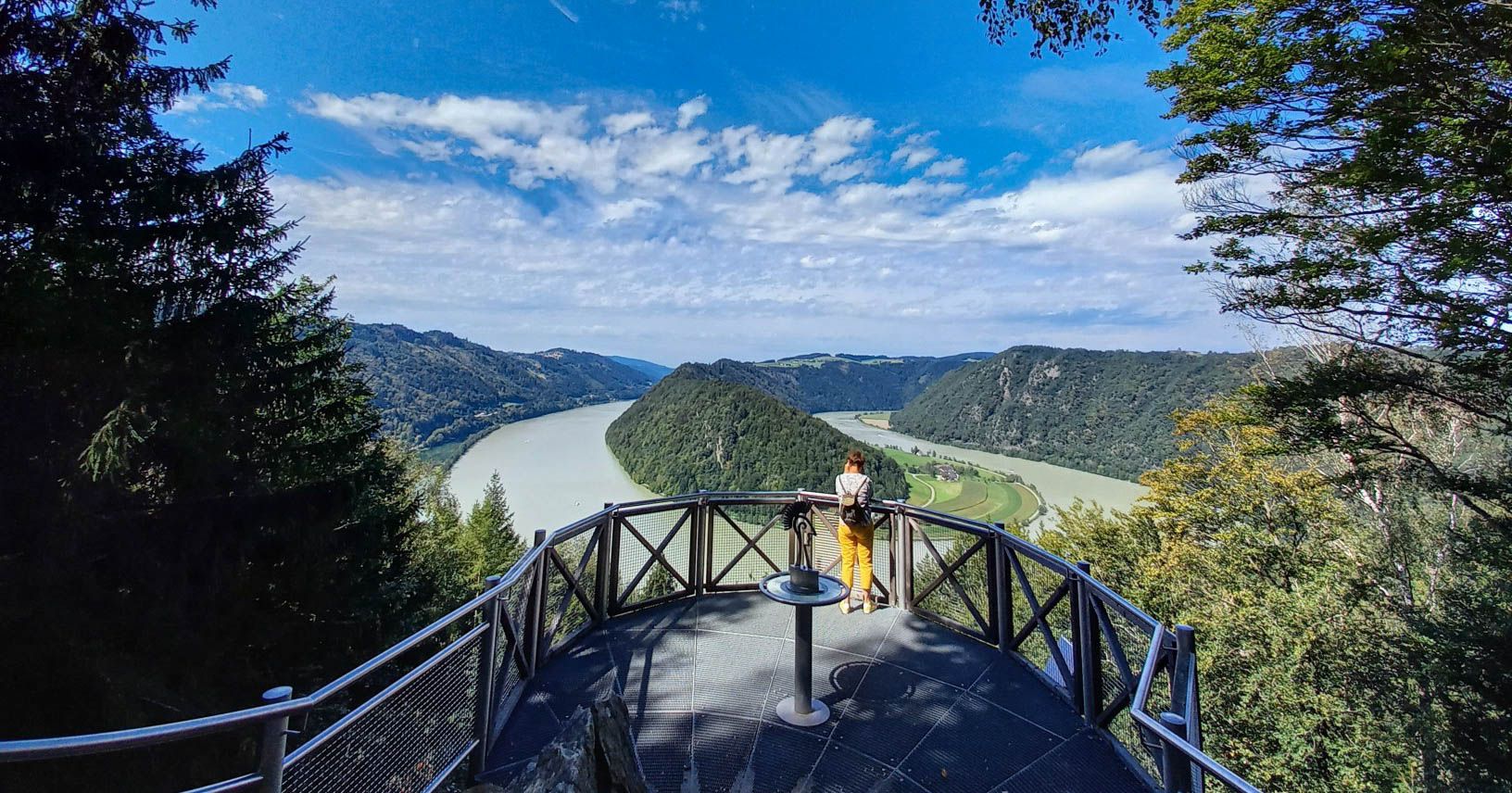
Danube Trail – Legendary long-distance hiking along the Danube River
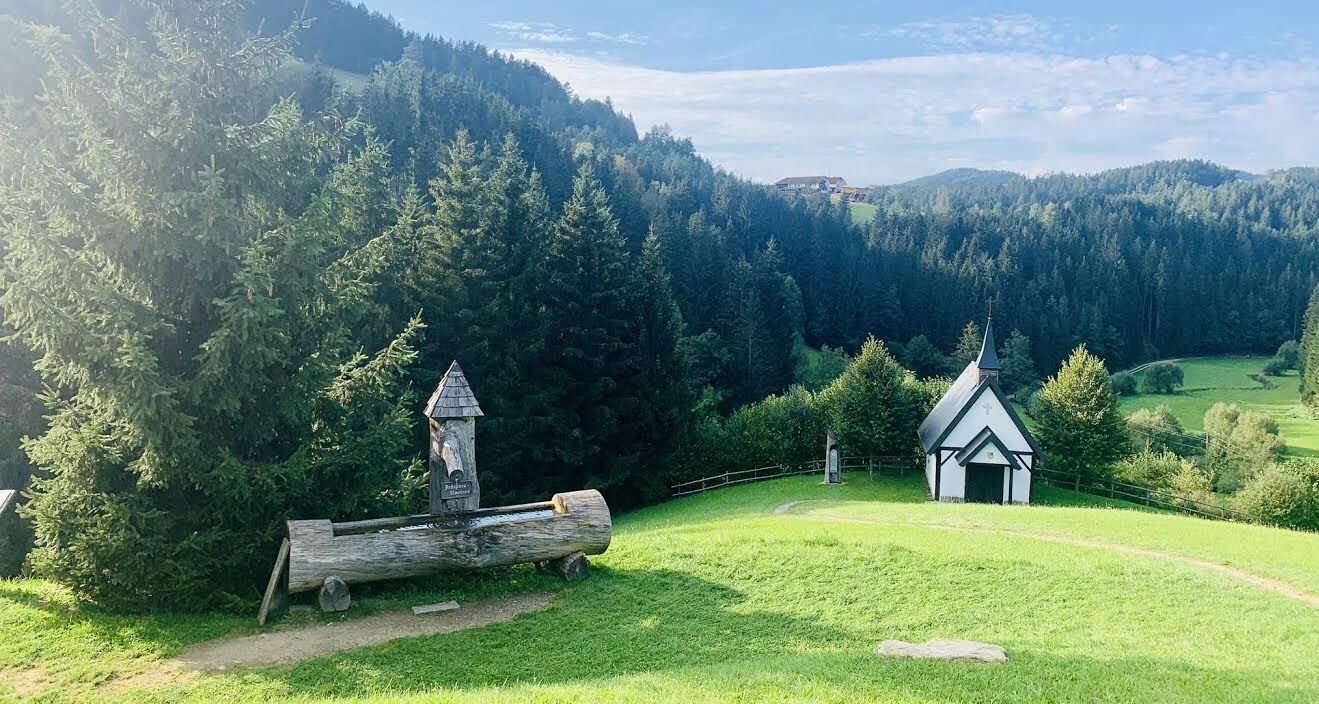
St. John's Pilgrimage Route – A spiritual path through Austria's Mühlviertel
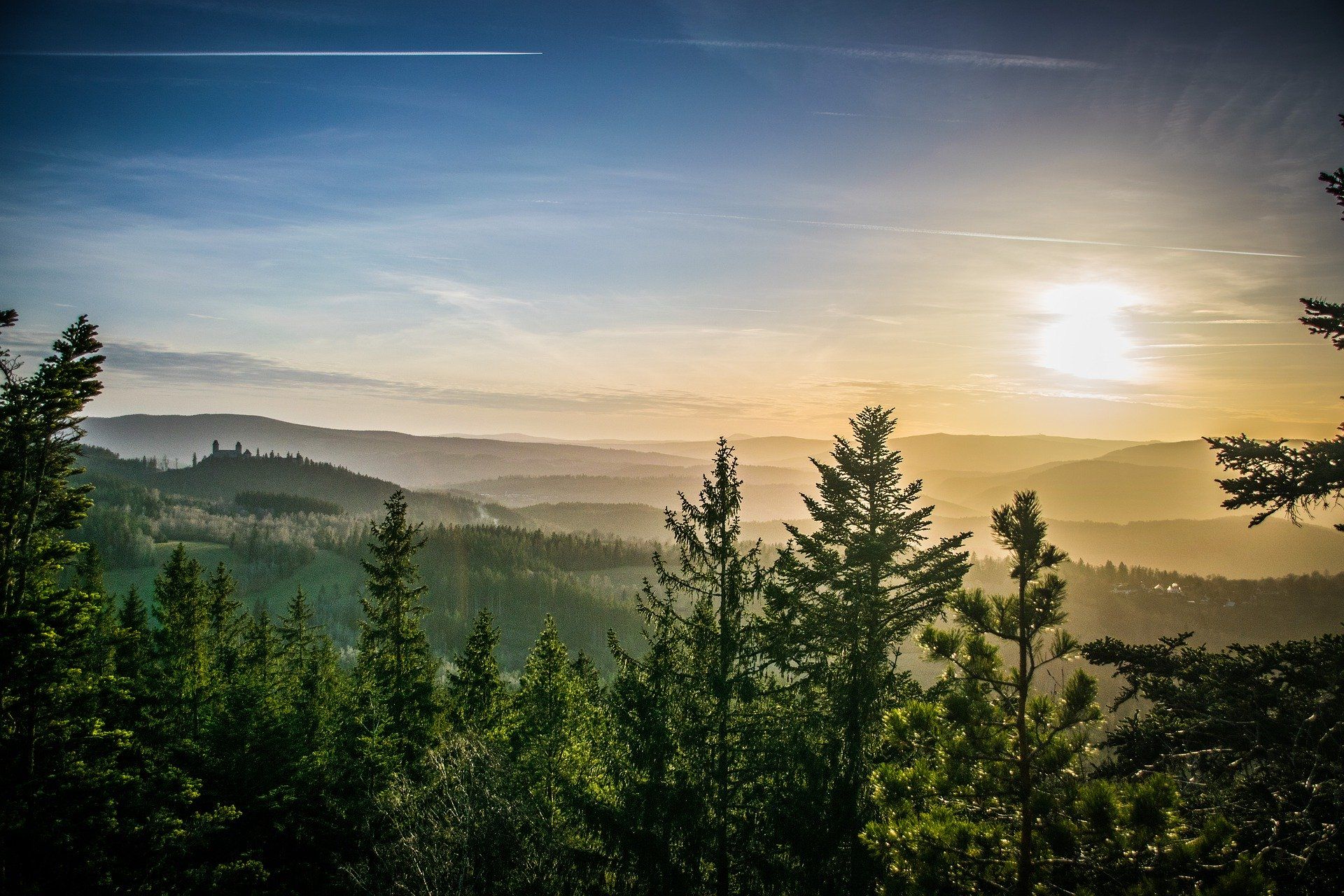
The Path of Deceleration – hiking through the Bohemian Forest
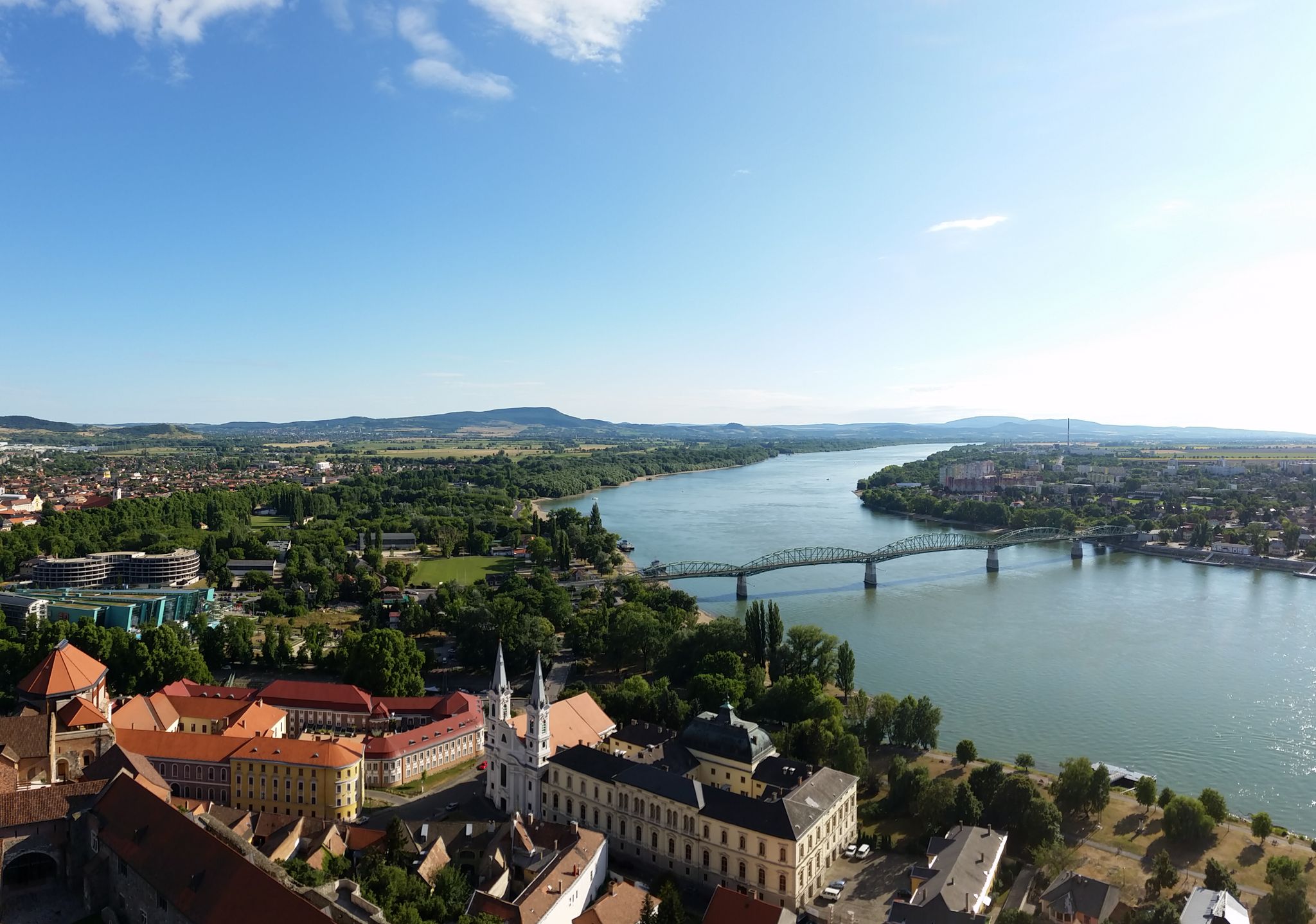
The Danube Cycle Path – From Donaueschingen to Budapest
Other adventures in the Mühlviertel


Tips from the Community

Beautiful view over the entire Danube valley; you can even see Clan Castle.
1
0


A single-lane road runs over the power plant and is open to pedestrians and cyclists.
1
0

Beautiful cycle path along the Danube
2
0
Grein is an Upper Austrian town in the Lower Mühlviertel in the district of Perg. With an area of 18.42 square kilometers and 2,934 inhabitants (as of January 1, 2023), Grein is the fifteenth largest municipality in terms of area and the seventh largest municipality in terms of population in the district. Grein has been the third oldest town in the Mühlviertel and the capital of the Strudengau since 1491.
3
0

A beautiful destination with a great view for those with a head for heights. Also a snack place. The drinks can be bought on site from a fountain in the self-service establishment.
1
0

The Sternstein is 1125 m high and is located in the municipality of Vorderweißenbach. It is the highest elevation in the central Mühlviertel. The Sternsteinwarte, built in 1899, invites you to take a panoramic view from Bohemia to the Alps.
4
0

Beautiful section of the route with highlights worth seeing, on a great route from Melk to Grein. We have now driven this section several times and it is and remains a great experience. Relaxed tour on cycle paths that are easy to navigate.
3
1
Frequently Asked Questions
What are some notable natural features and viewpoints in the Mühlviertel?
The Mühlviertel is rich in natural beauty and offers several impressive viewpoints. The Gobelwarte Observation Tower provides a 360-degree panoramic view of Grein and the Strudengau. Another excellent spot is the Sternstein Observation Tower, where on clear days, you can see from the Böhmerland to the northern limestone Alps, including the Dachstein. The Pfenningberg Summit Cross also offers beautiful views over Linz. Beyond these, the region is characterized by granite highlands, rolling hills, and extensive forests, with the Mühlviertel Nature Park being a prime example of its natural splendor.
Where can I experience the unique granite formations of the Mühlviertel?
The Mühlviertel is famous for its unique granite formations. You can visit the iconic Schwammerling in Rechberg, an oval granite block resembling a mushroom, which is the emblem of the Mühlviertel Nature Park. Another fascinating site is the Bucklwehluck'n in St. Thomas am Blasenstein, a granite formation believed to offer healing properties. The region also features numerous Schalensteine, prehistoric rocks with depressions used for ancient ceremonies, such as the Einsiedlerstein in St. Thomas and the Tauf- und Opferstein in Bad Zell.
What historical landmarks can I visit in the Mühlviertel?
The Mühlviertel boasts a rich history reflected in its landmarks. Greinburg Castle, dating back to 1488, is Austria's oldest residential castle and houses the Upper Austrian Maritime Museum. You can also explore Schlägl Abbey, a significant historical and cultural site. The region is dotted with numerous other castles and ruins, such as Prandegg Castle, one of Upper Austria's largest medieval strongholds, and Marsbach Castle, dramatically situated above the Danube.
Are there cultural sites that showcase the region's traditions?
Yes, the Mühlviertel preserves its traditions through various cultural sites. The Textile Culture Haslach and the Dyeing Museum Gutau highlight the historical importance of linen weaving. The Ulrichsberg Glass Museum and the Hinterglasmuseum Sandl showcase the region's glass production heritage. Additionally, the School Museum in Bad Leonfelden offers insights into past generations' schooling, and the Mühlviertel Schlossmuseum in Freistadt displays artifacts from folk art to religious objects.
Can I explore medieval architecture in the Mühlviertel?
Absolutely. The Mühlviertel offers a journey into medieval times, particularly along the Gothic Street (Gothikstrasse), which connects impressive churches, altars, and chapels. A prime example is St. Catherine's Minster in the medieval town of Freistadt, known for its Gothic architecture and brewing tradition. You can also visit Reichenstein Castle, which houses the Upper Austrian Castle Museum, and the aforementioned Greinburg Castle.
What outdoor activities are popular in the Mühlviertel?
The Mühlviertel is an excellent destination for outdoor enthusiasts. Popular activities include hiking, cycling (including e-biking and mountain biking), horseback riding, golfing, and swimming in natural spots. For specific routes, you can explore guides like Hiking in the Mühlviertel or Cycling in the Mühlviertel.
Are there good hiking opportunities in the Mühlviertel?
Yes, the Mühlviertel offers extensive hiking opportunities for all levels. The Mühlviertel Nature Park alone features 255 km of marked hiking trails. You can find routes like the moderate "Stillensteinklamm and Höhenweg" or the easy "Wolfsschlucht." For more options, check out the Hiking in the Mühlviertel guide, which also includes an Easy hikes in the Mühlviertel section.
Can I go cycling in the Mühlviertel?
Cycling is a fantastic way to explore the Mühlviertel, with options for various skill levels, including e-biking and mountain biking. The Mühlviertel Nature Park offers 56 km of dedicated nature park cycle routes. You can find challenging routes like the "Mühlviertler Dom Loop" or the "Schlögen Loop – View of the Danube loop from Humasedt." For a comprehensive overview, refer to the Cycling in the Mühlviertel guide.
Is there a pilgrimage route in the Mühlviertel?
Yes, the Johannesweg is an 84-kilometer pilgrimage route in the Mühlviertel, designed to strengthen body and mind. It typically takes three to five days to complete and features various stations along its path, starting and ending in Pierbach.
What family-friendly attractions are available in the Mühlviertel?
The Mühlviertel offers several attractions suitable for families. The Ottensheim–Wilhering Cable Ferry and the Engelhartszell Bike and Pedestrian Ferry provide fun experiences crossing the Danube. The Villa Sinnenreich in Rohrbach-Berg is an unusual museum with optical illusions, acoustic phenomena, and a large playground, making it a great family destination. Additionally, the Refugium Moorwald nature and exercise park in Bad Leonfelden offers barrier-free paths and sensory experiences for all ages.
Are there any unique or unusual attractions to discover in the Mühlviertel?
Beyond the well-known sites, the Mühlviertel holds some truly unique attractions. The Tripoint Monument (Germany–Austria–Czech Republic) allows you to stand in three countries at once, offering a special flair. The Mechanical Sound Factory in Haslach an der Mühl houses an impressive collection of unique music automatons. You can also visit the Cella Hedwigsbründl in Bad Zell, an ancient spring and pilgrimage site where waters are believed to have medicinal properties, or the Watershed Fountain in Dorf Leopoldschlag, marking the continental divide between the Danube and Elbe rivers.
What do visitors enjoy most about the Mühlviertel?
Visitors to the Mühlviertel particularly enjoy the stunning panoramic views from observation towers like Gobelwarte and Sternstein, often praising the clear vistas extending to distant mountain ranges. The unique experience of crossing three borders at the Tripoint Monument is also highly appreciated. Many find the varied hiking trails, such as those leading to the Pfenningberg Summit Cross, to be rewarding, with some highlighting the friendly atmosphere at places like the Braunberg Hut.
Most popular routes in the Mühlviertel
Most popular attractions in the Mühlviertel

Get inspired with the komoot mobile app


Didn’t find what you were looking for?
Are you keen on exploring more awesome places nearby? Browse our guides:
Explore more
Still not found the Highlight you’re looking for? See guides of the top attractions in other regions:
