The best walks and hikes around Mount Rainier
4.6
(114)
2,850
hikers
194
hikes
Hiking around Mount Rainier offers diverse landscapes centered around an active stratovolcano, rising to 14,410 feet. The region features over 25 named glaciers, extensive subalpine meadows that bloom with wildflowers in summer, and vast old-growth forests at lower elevations. Five major rivers originate from the park's glaciers, contributing to a varied terrain that includes waterfalls and picturesque valleys.
Best hiking trails around Mount Rainier
- The most popular hiking route is Kenilworth Aquatic Gardens to Kingman and Heritage Islands loop — Washington, D.C, a 7.1 miles (11.4 km) trail that takes 2 hours 52 minutes to complete. This moderate route features minimal elevation gain.
- Another top favourite among local hikers is Anacostia River Trail loop via Colmer Manor Community Park — Bladensburg Waterfront Park, a moderate 7.3 miles (11.7 km) path. This trail follows a river, offering varied scenery.
- Local hikers also love the Kirkwood park to Park Valley Road Bridge — Washington, D.C, a 7.5 miles (12.1 km) trail leading through urban green spaces, often completed in about 3 hours 7 minutes.
- Hiking around Mount Rainier is defined by towering volcanic peaks, expansive glaciers, and subalpine meadows. The network offers options for various ability levels, from easy walks to challenging multi-day treks.
- The routes in Mount Rainier are highly rated by the komoot community with an average score of 4.6 stars from over 100 reviews. More than 2,500 hikers have used komoot to explore Mount Rainier's varied terrain.
Last updated: June 29, 2026
5.0
(1)
8
hikers
5.22km
01:24
60m
60m
Step into a green oasis with the National Arboretum: East Side trail, an easy 3.2-mile (5.2 km) hike that offers a refreshing escape within Washington, D.C. This route guides you through diverse flora and wooded sections, featuring a mix of paved and gravel paths. You'll wind through areas like the Asian Collections, with their winding gravel paths and stone steps, and experience gentle inclines on Mount Hamilton.
This easy route, with its 212 feet (65 metres) of elevation gain, typically takes around 1 hour and 24 minutes to complete, making it ideal for a leisurely stroll. The arboretum is generally accessible, and visiting in late April is highly recommended to see the Azalea Path in its full, vibrant bloom. Consider an early start to secure parking, especially on busy days.
The standout feature of this trail is undoubtedly the National Capitol Columns, 22 historic Corinthian columns that once graced the U.S. Capitol building. Now dramatically placed in the Ellipse Meadow, they offer a striking blend of natural beauty and American history. The arboretum's commitment to plant preservation and research is evident throughout your journey, with informative placards enriching the experience.
1
hikers
3.83km
00:58
10m
10m
The Kenilworth Aquatic Gardens and Park offers a truly unique hiking experience, immersing you in a vibrant urban oasis. You'll wander past over 40 ponds filled with stunning aquatic plants, most notably the spectacular water lilies and lotus blooms that peak in late June and July. Explore the accessible Lotus Loop Trail and Boardwalk Trail, or venture onto the Marshland Loop for a different perspective on the rich marshlands teeming with diverse wildlife like herons, egrets, and even bald eagles.
This easy 2.4-mile (3.8 km) route, with a minimal 26 feet (8 metres) of elevation gain, takes approximately 58 minutes to complete, making it perfect for a leisurely outing. While many paths are flat and well-maintained, be prepared for some natural, uneven surfaces on trails like the Marshland Loop, which can get muddy after rain. The park is particularly beautiful in late summer, but offers birdwatching opportunities year-round.
What makes this trail truly special is its status as the only national park specializing in aquatic plants, preserving a unique ecosystem on the Anacostia River floodplain. It provides a peaceful escape from the city, connecting you with nature and offering access to the broader Anacostia River Trail for extended walks or bike rides. Keep an eye out for beavers and turtles in the marshlands, adding to the rich biodiversity.

Sign up for free
13.4km
03:28
100m
10m
The Rachel Carson Greenway Trail offers a varied hiking experience through Montgomery County's natural landscapes, honoring the renowned environmentalist. You'll trek through peaceful wooded sections, past massive boulder outcroppings, and alongside the Hawlings River, with some parts featuring grassy meadows vibrant with wildflowers and butterflies. The trail's mixed terrain, including natural surfaces and some rocky stretches, provides a moderate challenge over its 8.4 miles (13.4 km) with 320 feet (98 metres) of elevation gain, typically taking around 3 hours and 28 minutes.
When planning your visit, note that this trail is primarily for hikers, with some sections designated exclusively for foot traffic, offering a more secluded experience. Dogs are permitted but must be on a leash. While specific parking information isn't detailed, the greenway's connectivity to various parks and existing trails suggests multiple access points. It's a great option for a half-day outing, and good hiking footwear is recommended for the varied surfaces.
Beyond its natural beauty, the Rachel Carson Greenway Trail is notable for its environmental legacy, named after the author of "Silent Spring." It's part of a larger planned 25-mile greenway designed to connect parks and trails, including the Rachel Carson Conservation Park. The route also touches on cultural sites like Burnt Mills, an early grist mill, and Woodlawn Manor Cultural Park, highlighting the area's Quaker history and connection to the Underground Railroad.
11.4km
02:52
20m
20m
The Anacostia Riverwalk Trail offers a unique blend of urban and natural scenery, winding along the Anacostia River. You'll traverse a mostly paved surface, including boardwalks and crushed stone, passing through diverse ecosystems like marshes and forests. Keep an eye out for wildlife, including bald eagles, and enjoy views of city landmarks like the Washington Navy Yard and the U.S. Capitol, especially near Yards Park. This 7.1-mile (11.4 km) route, with a gentle 50 feet (15 metres) of elevation gain, is a fantastic way to explore D.C.'s waterfront.
Planning your visit is straightforward, as the trail is accessible year-round due to its paved nature. While it's officially rated moderate, the Anacostia Riverwalk Trail is largely flat and suitable for all fitness levels, taking approximately 2 hours and 52 minutes to complete. You'll find practical amenities like restrooms and water fountains along the way. Given its connectivity, there are multiple access points, and public transport is a viable option for reaching the trail.
This trail is more than just a path; it's a vital connector linking 16 waterfront neighborhoods and providing access to significant points of interest such as Kenilworth Aquatic Gardens and Kingman and Heritage Islands. It's also part of a broader regional trail system, making it a key piece of D.C.'s outdoor infrastructure. The trail's historical significance, passing through the Anacostia Historic District, adds another layer to its appeal, blending natural beauty with cultural heritage.
1
hikers
11.7km
02:59
40m
40m
The Anacostia Riverwalk Trail offers a unique blend of urban and natural scenery, making it a fantastic choice for a relaxed outing. You'll find yourself on mostly paved surfaces, winding through wooded areas and marshlands, with occasional views of the Washington, D.C. skyline. Don't miss the serene Kenilworth Aquatic Gardens, where you can explore diverse aquatic plants on winding boardwalks, providing a peaceful contrast to the city backdrop.
Planning your visit is straightforward, as the trail is well-maintained and accessible for various users, including walkers, cyclists, and those with strollers. You'll find useful amenities like restrooms and water fountains, particularly at Bladensburg Waterfront Park. This 7.3-mile (11.7 km) route has a minimal 115 feet (35 metres) of elevation gain, making it a moderate hike that takes about 2 hours and 59 minutes, suitable for nearly all fitness levels.
Beyond its recreational appeal, the Anacostia Riverwalk Trail is a significant connector, linking 16 waterfront neighborhoods and numerous parks. It passes through areas rich in history, including the Anacostia Historic District and sites important to the War of 1812. The trail is part of a larger, continually developing project, aiming to further enhance connectivity and access along the Anacostia Waterfront, making it a key part of the region's active transportation network.
Get access to more routes and recommendations from other explorers.
Sign up for free
Already have an account?
Our route recommendations are based on thousands of hikes, rides, and runs completed by other people on komoot.
Start today with a free account
Your next adventure awaits.
Login or Signup



Tips from the Community

It’s really a skateboard track, but I was really tempted to test it with my bike
1
0

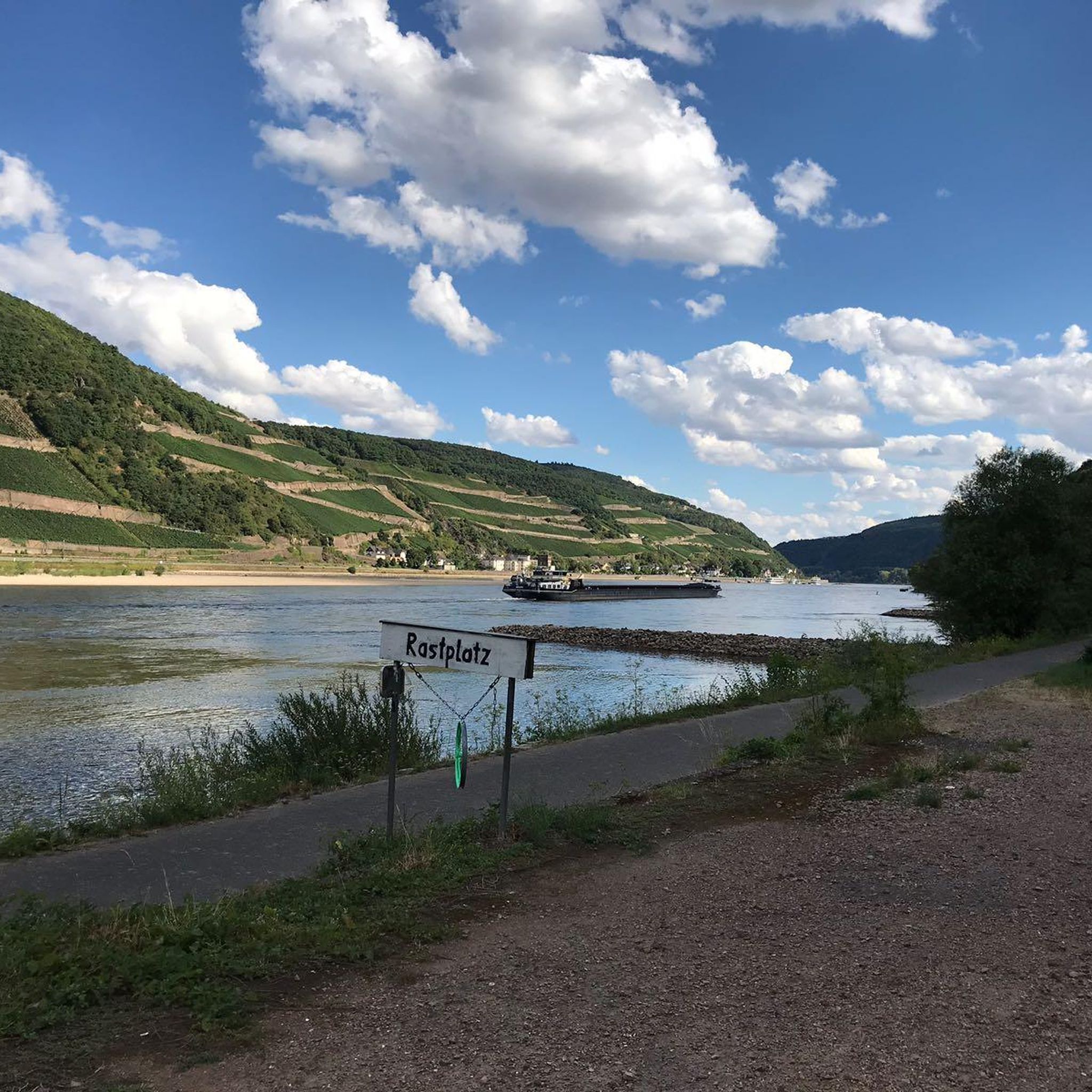
The Anacostia Riverwalk Trail follows along the Anacostia River from Bladensburg to the Navy Yard, covering 21.5 miles through forests, fields, marshes, and river ecosystems. Ideal for walking, jogging, biking, or dog walking, the paved trail offers scenic views of the Anacostia River and its wildlife. It passes through Anacostia Park and Kenilworth Aquatic Gardens and connects to five bridges and several city bike routes. The trail features asphalt, boardwalk, brick, and concrete surfaces, with access points at Hyattsville, MD, and The Wharf in D.C.
0
0

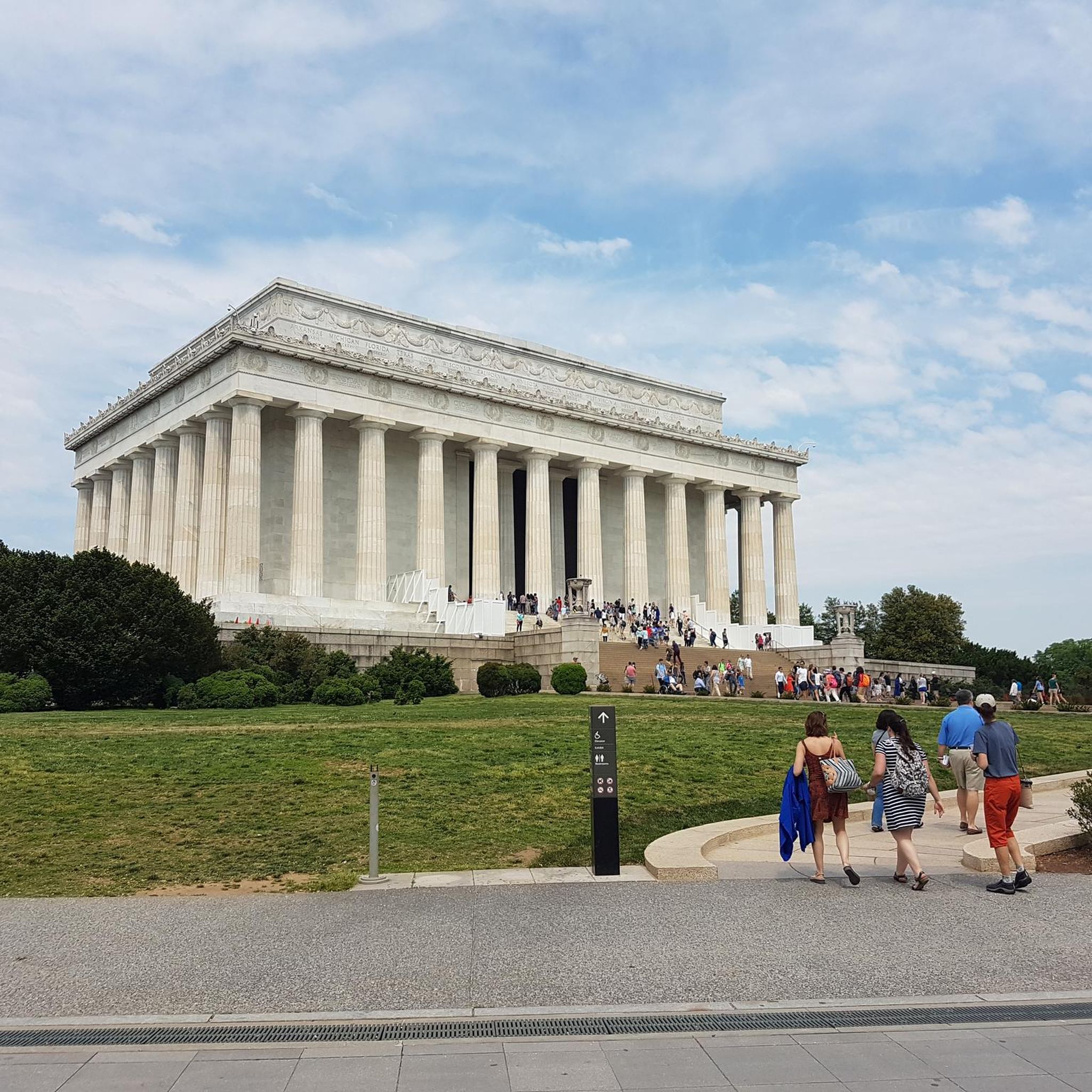
The National Capitol Columns at Washington, D.C.'s National Arboretum are a striking monument set amid the expansive 20-acre Ellipse Meadow. The 22 Corinthian columns were originally part of the U.S. Capitol's east portico from 1828 to 1958. They were relocated to the Arboretum in the 1980s after being removed from the Capitol due to an architectural mismatch with the new, larger dome completed in 1866. Today, they stand prominently against the open sky in the meadow with and a reflecting pool, making this a scenic, unique spot to visit.
0
0

Spanning from the scenic town of Bladensburg to the bustling Navy Yard, this outstanding paved multiuse trail offers an immersive 12-mile journey through a diverse natural landscape. The path winds alongside the river, lush forests, open fields, serene marshlands, and the dynamic river ecosystem, with captivating views. You will find plenty of opportunities to stop and take memorable photos anywhere along this route.
0
0
Nestled along the picturesque Anacostia River, this hidden gem offers a delightful blend of natural beauty, recreational activities, and fascinating history. There is a lovely riverside walking path, bike and boat rentals, a fishing pier, a historic B&O caboose, and interpretive signs from the War of 1812 and the Battle of Bladensburg. It's a beautiful spot to spend an afternoon or a nice place to take a break before continuing your journey along the beautiful Anacostia River Trail system.
0
0
The Bladensburg Park Pedestrian Bridge is a crucial link in the Anacostia Tributaries trail system. If you're traveling from DC's Anacostia River Trail, this bridge transitions you from the scenic east bank of the river to the bustling west bank. From here, the path goes under US Route 1, also known as Bladensburg Road, where the trails extend to connect seamlessly to the lively areas of College Park, Silver Spring, and numerous other destinations.
0
0

The Kingman and Heritage Islands was created 100 years ago from dredging the Anacostia River. The Island is home 100 different types of animals and to many ecosystems, including tidal freshwater wetlands, vernal pools, wildflower meadows, and tidal swamp forests.
0
0
More Information
FAQs about hikes in Mount Rainier
- What are the most popular hikes in Mount Rainier?
The most popular hike is the "Chinatown, National Mall, President's Park and Library of Congress — Washington, D.C" route, favored by many explorers. Other highly rated options include the "Kenilworth Aquatic Gardens to Kingman and Heritage Islands loop — Washington, D.C" and the "Anacostia River Trail loop via Colmer Manor Community Park — Bladensburg Waterfront Park". - What is the typical difficulty of hikes in Mount Rainier?
Based on Komoot data, many routes in Mount Rainier, including the top-rated ones, are categorized as moderate. These trails generally require good fitness and often feature accessible paths suitable for various skill levels. - Are there family-friendly hiking options in Mount Rainier?
While the top routes are classified as moderate, their typical distances (around 11-12 km) and durations (approximately 2.5-3 hours) could be enjoyable for active families. It's always a good idea to review the full route details to ensure it fits your family's specific needs. - What kind of terrain can I expect on hiking trails around Mount Rainier?
Expect a varied terrain on hikes around Mount Rainier. Routes often combine paved and asphalt surfaces with sections of unpaved paths, gravel, and natural ground, providing a diverse hiking experience through urban parklands and more natural settings. - Which parks or natural areas are recommended for hiking in Mount Rainier?
You'll find excellent hiking opportunities at places like Kenilworth Aquatic Gardens, Kingman and Heritage Islands, Bladensburg Waterfront Park, Kirkwood Park, and the Arboretum. These locations are well-regarded for their scenic trails and diverse environments. - How popular are the hiking routes in Mount Rainier among Komoot users?
Hikes in Mount Rainier are quite popular, attracting over 2,340 visitors who have collectively given an average rating of 4.7 out of 5 based on 107 reviews on Komoot. - What is the longest hiking trail available in Mount Rainier?
The longest hiking trail currently highlighted in the region is "Chinatown, National Mall, President's Park and Library of Congress — Washington, D.C", which covers a distance of 12.63 km. - What is the shortest recommended hike in Mount Rainier?
Among the featured routes, the "Mount Hamilton – National Capitol Columns loop from Arboretum" is a shorter option, at 7.91 km. - Are there scenic views or waterfalls to discover on Mount Rainier hikes?
While specific mentions of waterfalls are not available in the provided data, many routes pass through picturesque locations such as Kenilworth Aquatic Gardens and the Arboretum, offering ample opportunities for scenic views and appreciating natural beauty. - What is the best time of year to go hiking in Mount Rainier?
The provided data does not specify the ideal time of year for hiking in Mount Rainier. For the best experience, it's always recommended to check local weather conditions and trail accessibility before planning your adventure.
Frequently Asked Questions
How many hiking trails are available around Mount Rainier?
There are over 170 hiking routes available around Mount Rainier, catering to various skill levels. This includes approximately 110 easy trails, 55 moderate routes, and 9 more challenging options.
What makes hiking around Mount Rainier a unique experience?
Hiking around Mount Rainier offers a diverse landscape centered around an active stratovolcano, rising to 14,410 feet. The region is home to over 25 named glaciers, extensive subalpine meadows that burst with wildflowers in summer, and vast old-growth forests at lower elevations. Five major rivers originate from the park's glaciers, creating a varied terrain that includes impressive waterfalls and picturesque valleys.
What do other hikers say about the trails in Mount Rainier?
The trails around Mount Rainier are highly rated by the komoot community, with an average score of 4.6 stars from over 100 reviews. More than 2,500 hikers have used komoot to explore the varied terrain, often praising the stunning natural beauty and diverse ecosystems.
Are there easy hiking trails suitable for beginners or families?
Yes, Mount Rainier National Park offers many easy trails perfect for beginners and families. Areas like Paradise are known for accessible options such as the Nisqually Vista Trail, which provides vivid glacier views with minimal elevation gain. Lower elevation trails in areas like Ohanapecosh also offer gentle walks through ancient forests.
What are some options for more challenging hikes in the region?
For experienced hikers seeking a challenge, Mount Rainier offers routes like the iconic 93-mile Wonderland Trail, which encircles the mountain with significant elevation changes. Other challenging options include sections of the Skyline Trail in Paradise or the Burroughs Mountain Trail from Sunrise, both offering strenuous climbs and alpine landscapes.
Can I see waterfalls while hiking in Mount Rainier?
Yes, Mount Rainier National Park is home to numerous impressive waterfalls. Notable examples include Narada Falls and Christine Falls, which are easily accessible and offer excellent photo opportunities along various hiking routes.
Where can I experience the famous wildflower meadows?
During the summer months, typically late July to early August, the subalpine meadows at Paradise, Sunrise, and Chinook Pass/Tipsoo Lake explode with vibrant wildflowers. These areas are renowned for their breathtaking displays of lupine, Indian paintbrush, and other colorful blooms, providing stunning backdrops for hiking.
Are there trails that offer views of glaciers?
Absolutely. Mount Rainier is the most glaciated peak in the contiguous United States. Trails in the Paradise area, such as the Nisqually Vista Trail, offer direct views of glaciers. The Carbon Glacier is the largest by volume, and the Emmons Glacier is the largest by area, both contributing to the dramatic scenery visible from various points in the park.
What kind of forests can I expect to see on the trails?
At lower elevations, particularly in areas like Ohanapecosh and Carbon River, you can explore vast old-growth forests featuring towering Douglas-fir and western red cedar. The park's significant elevation range supports diverse ecosystems, transitioning from these dense forests to subalpine and alpine zones.
Are there any circular hiking routes around Mount Rainier?
Yes, there are several circular hiking routes available. For example, the Mount Hamilton – National Capitol Columns loop from Gallaudet University is a moderate 4.9-mile hike. Another option is the Kenilworth Aquatic Gardens loop from Tuxedo Colony, an easy 1.3-mile route.
Are dogs allowed on hiking trails in Mount Rainier National Park?
Mount Rainier National Park has specific regulations regarding pets. Generally, dogs are not allowed on most hiking trails, in wilderness areas, or in buildings. They are permitted on paved roads, in campgrounds, and on the Pacific Crest Trail (which passes through a small section of the park). Always check the official National Park Service website for the most current pet policies before your visit.
What are some notable natural attractions or landmarks I can see near the trails?
Beyond the mountain itself, you can explore several natural attractions and landmarks. Nearby lakes like Capitol Reflecting Pool and Tidal Basin offer scenic spots. You can also visit natural monuments such as Rock Creek Park, known for its forest landscapes.
What is the best time of year to hike around Mount Rainier?
The best time to hike around Mount Rainier is typically from late July through early September. During this period, most trails are snow-free, and the subalpine meadows are in full bloom with wildflowers. Access to higher elevation areas like Sunrise and Paradise is generally open, offering the most extensive hiking opportunities.
Most popular attractions around Mount Rainier

Get inspired with the komoot mobile app


Explore more
Browse the best Hikes in other regions.
