Attractions and Places To See on Sylt - Top 20
Best attractions and places to see on Sylt include a diverse range of natural landscapes and cultural sites. Sylt is a North Sea island known for its extensive sandy beaches, unique dune formations, and the UNESCO World Heritage Wadden Sea. The island offers a variety of outdoor activities and points of interest for visitors. Its distinct geography, shaped by wind and sea, provides numerous opportunities for exploration.
Best attractions and places to see on Sylt
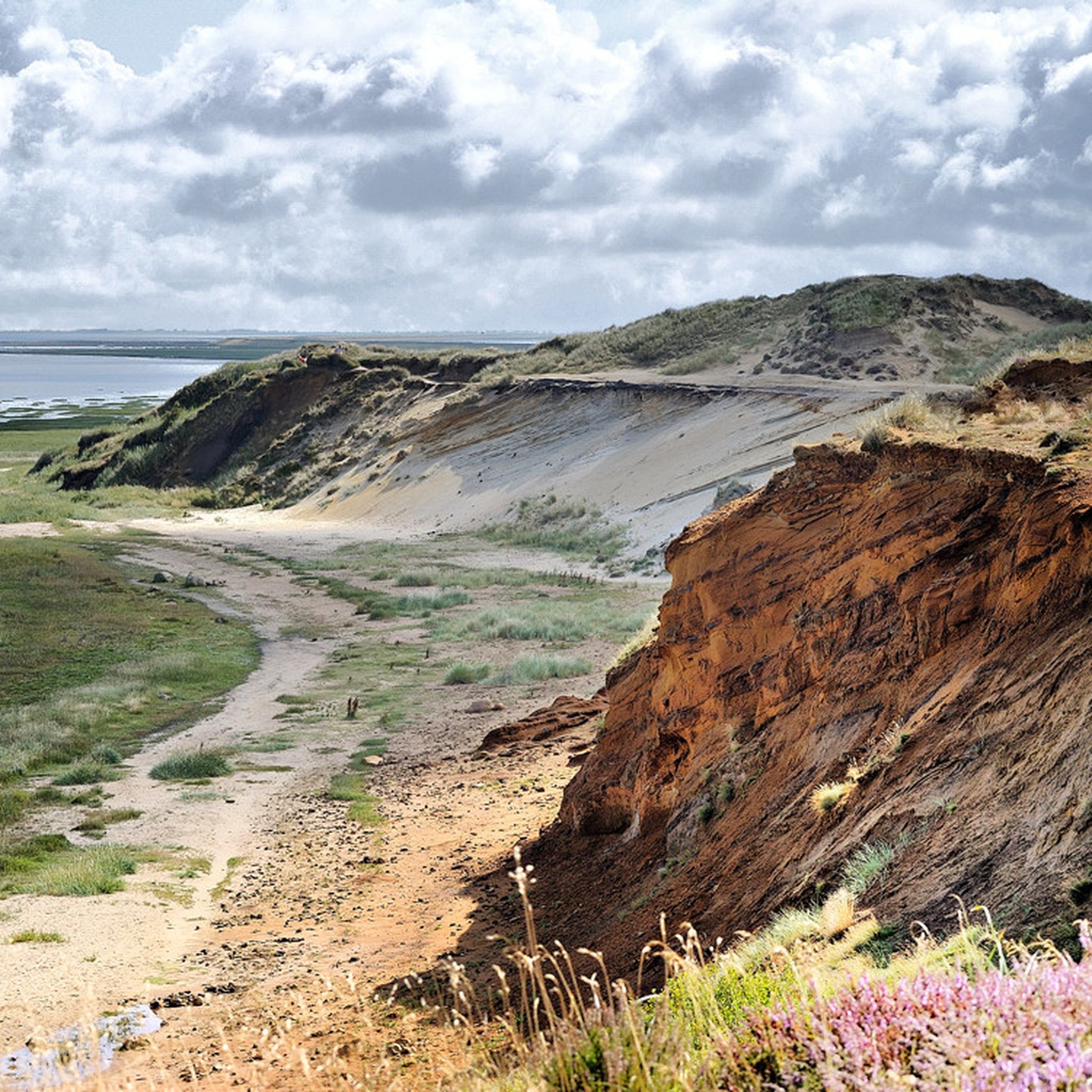
- The most popular attractions is Lister shifting dunes, a natural monument that offers a magnificent spectacle of nature. Guests have a great view of the dune landscape from the road.
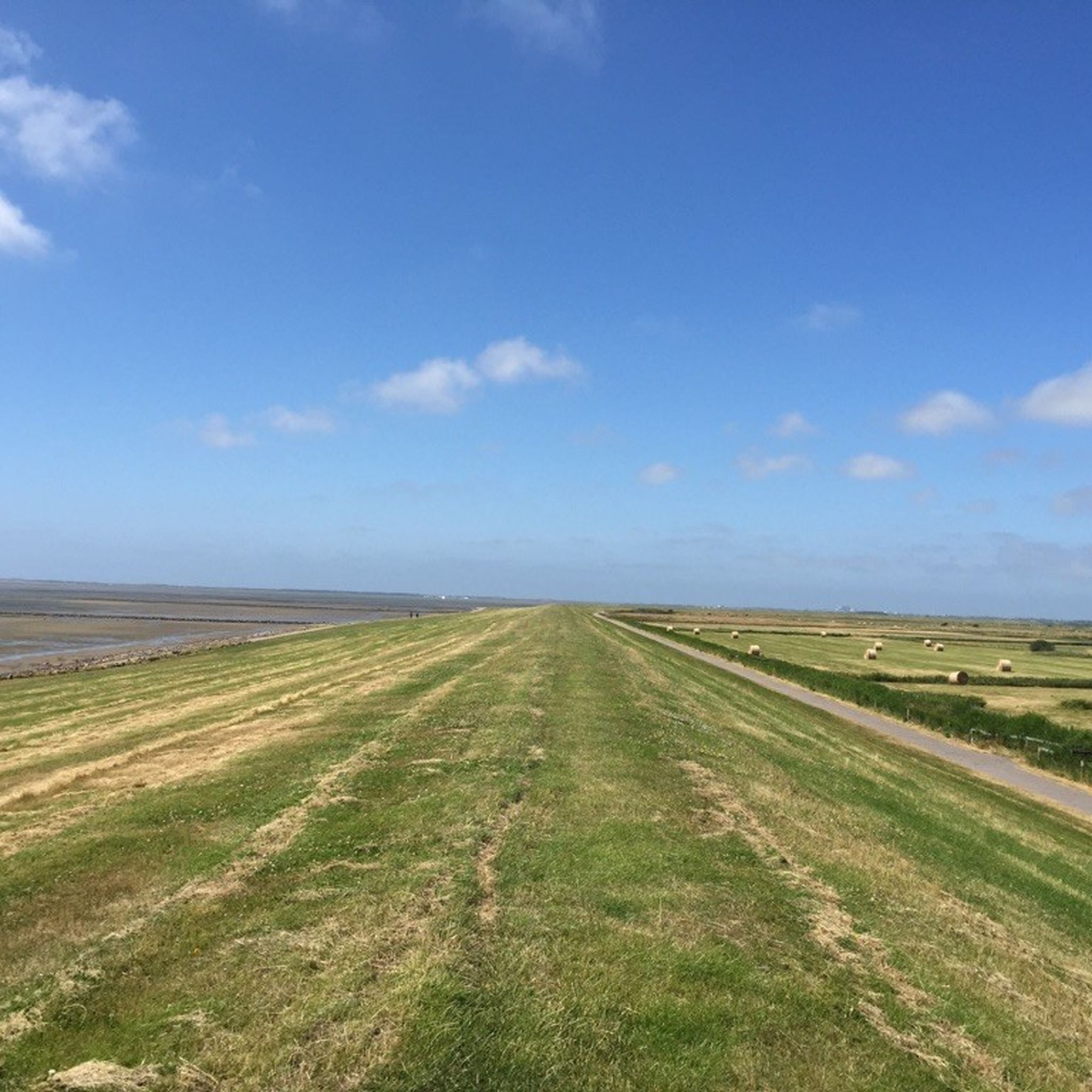
- Another must-see spot is Rantum Basin Dyke Trail, a trail along the water. Visitors can expect an atmospherically great bike path, suitable even with a stiff breeze.
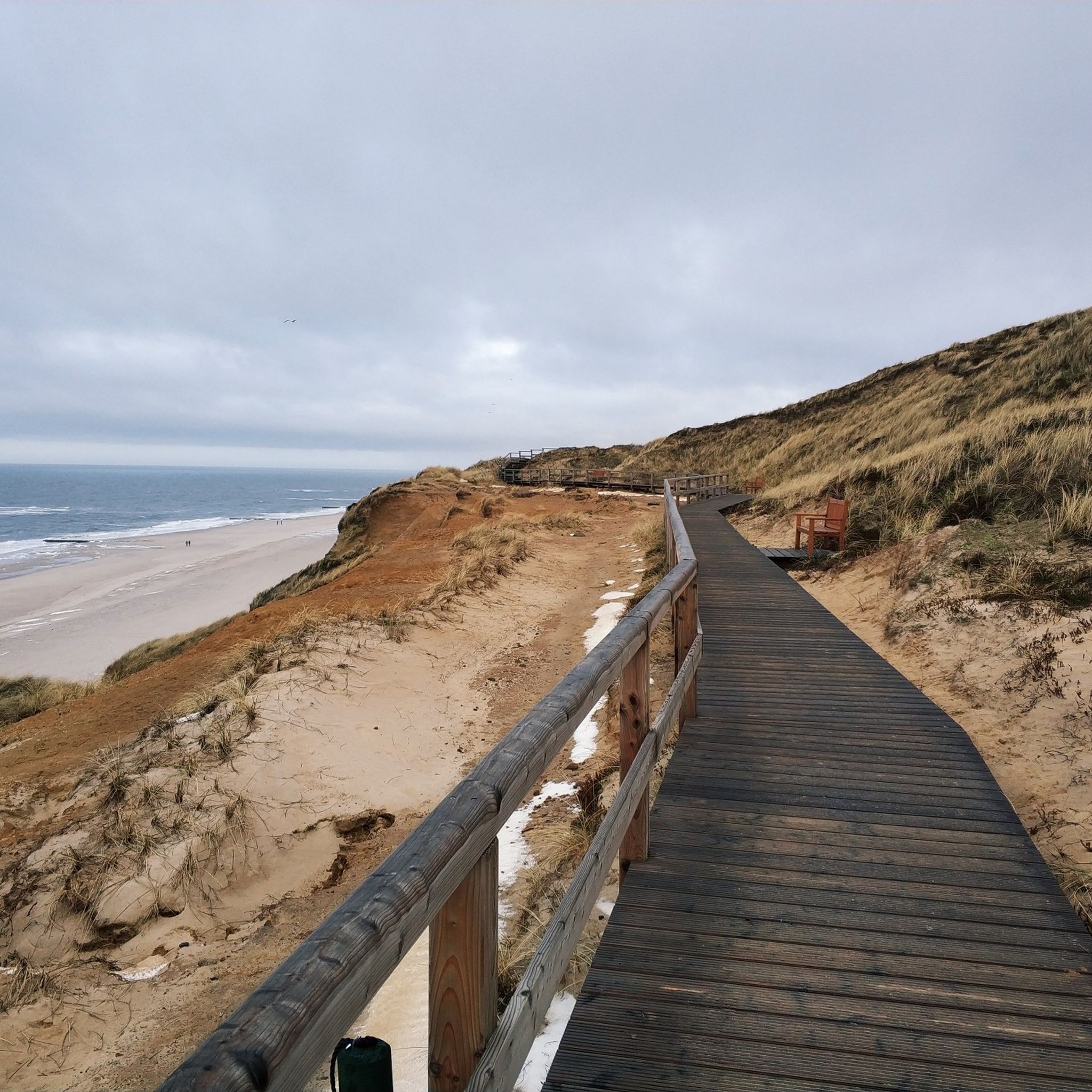
- Visitors also love Uwe Dune (Uwe-Düne), the highest point on the island. A wooden staircase with 110 steps leads to a viewing platform offering an all-round view over large parts of Sylt.
- Sylt is known for its natural monuments, scenic trails, and viewpoints. Must-see sights on Sylt include dunes, cliffs, and coastal paths, offering a variety of attractions to see and explore.
- The attractions on Sylt are appreciated by the komoot community, with more than 3500 upvotes and over 300 photos shared across more than 470 highlights.
Last updated: June 22, 2026
Lister shifting dunes
Highlight • Natural Monument
Translated by Google •
Tip by

Rantum Basin Dyke Trail
Highlight (Segment) • Trail
Translated by Google •
Tip by

Sign up now to discover places like this
Get recommendations on the best single tracks, peaks, & plenty of other exciting outdoor places.
Sign up for free
Uwe Dune (Uwe-Düne)
Highlight • Summit
Showing Translation
Tip by

Rantum thatched-roof houses
Highlight • Settlement
Translated by Google •
Tip by
Hörnum Lighthouse
Highlight • Monument
Translated by Google •
Tip by
Sign up for free to discover even more attractions on Sylt.
Sign up for free
Already have an account?
Start today with a free account
Your next adventure awaits.
Login or Signup
Popular around Sylt
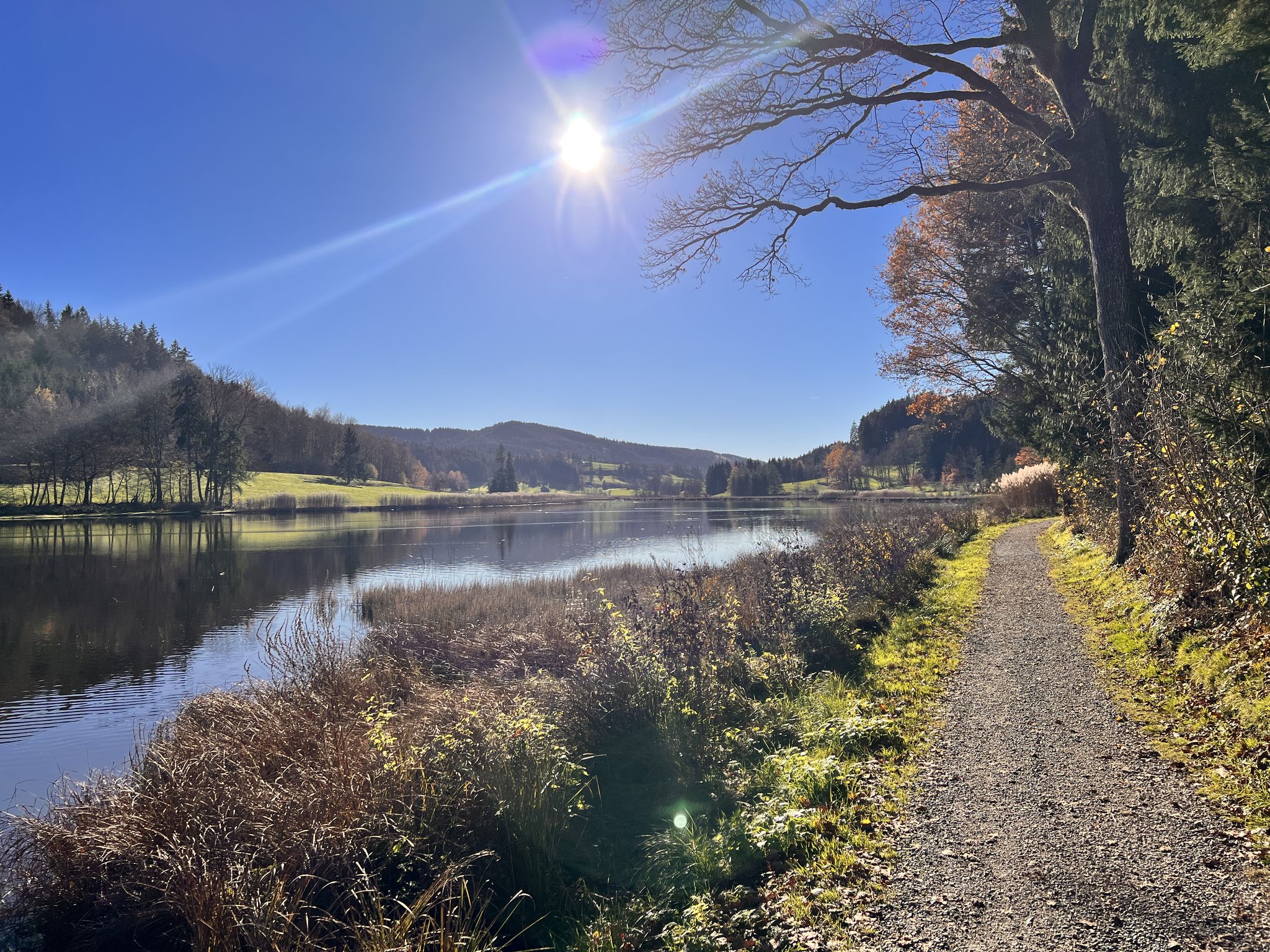
Run Wild – trail running routes throughout Germany
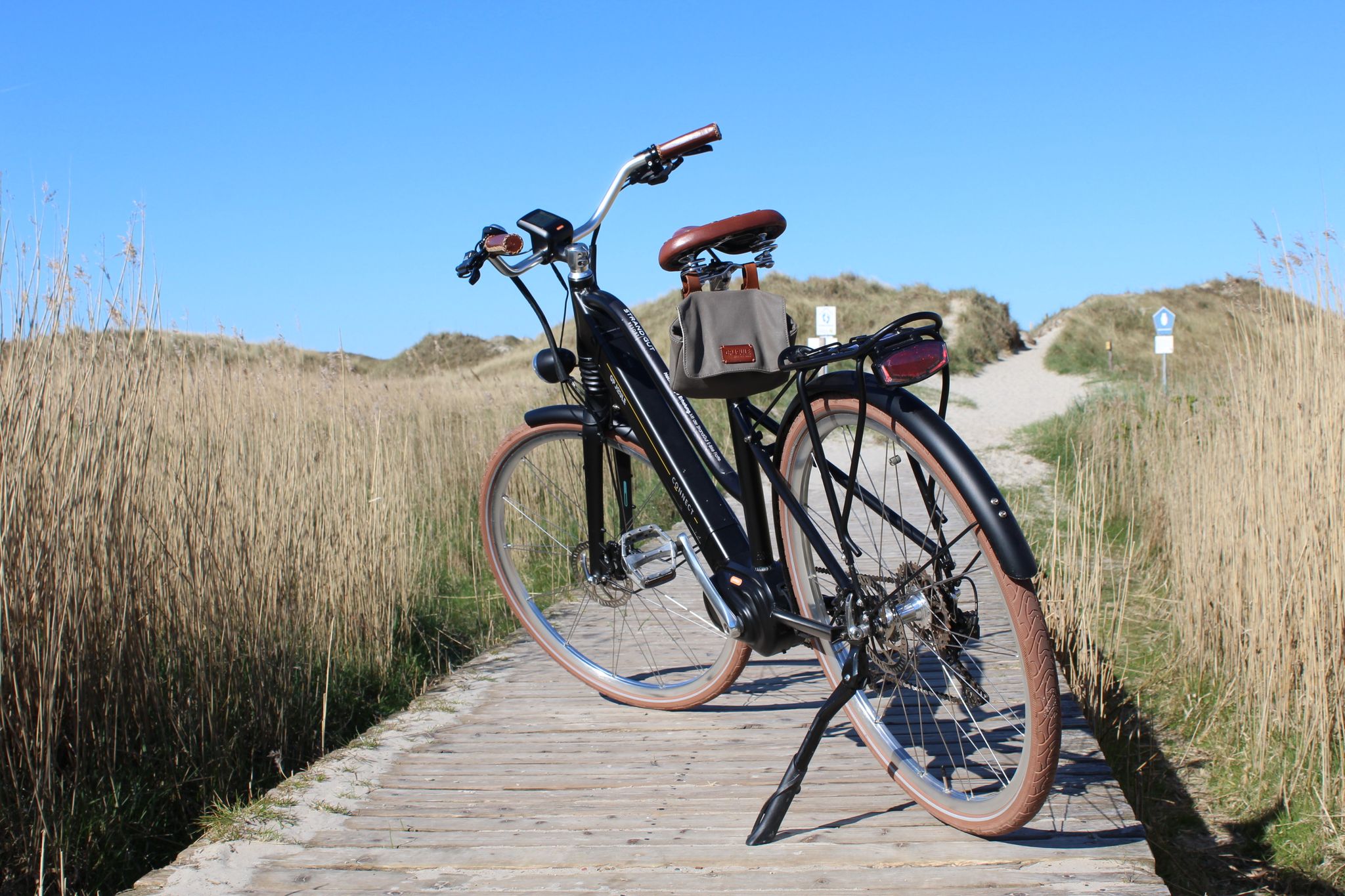
Rolling dunes & a sea breeze – cycling along the North Sea
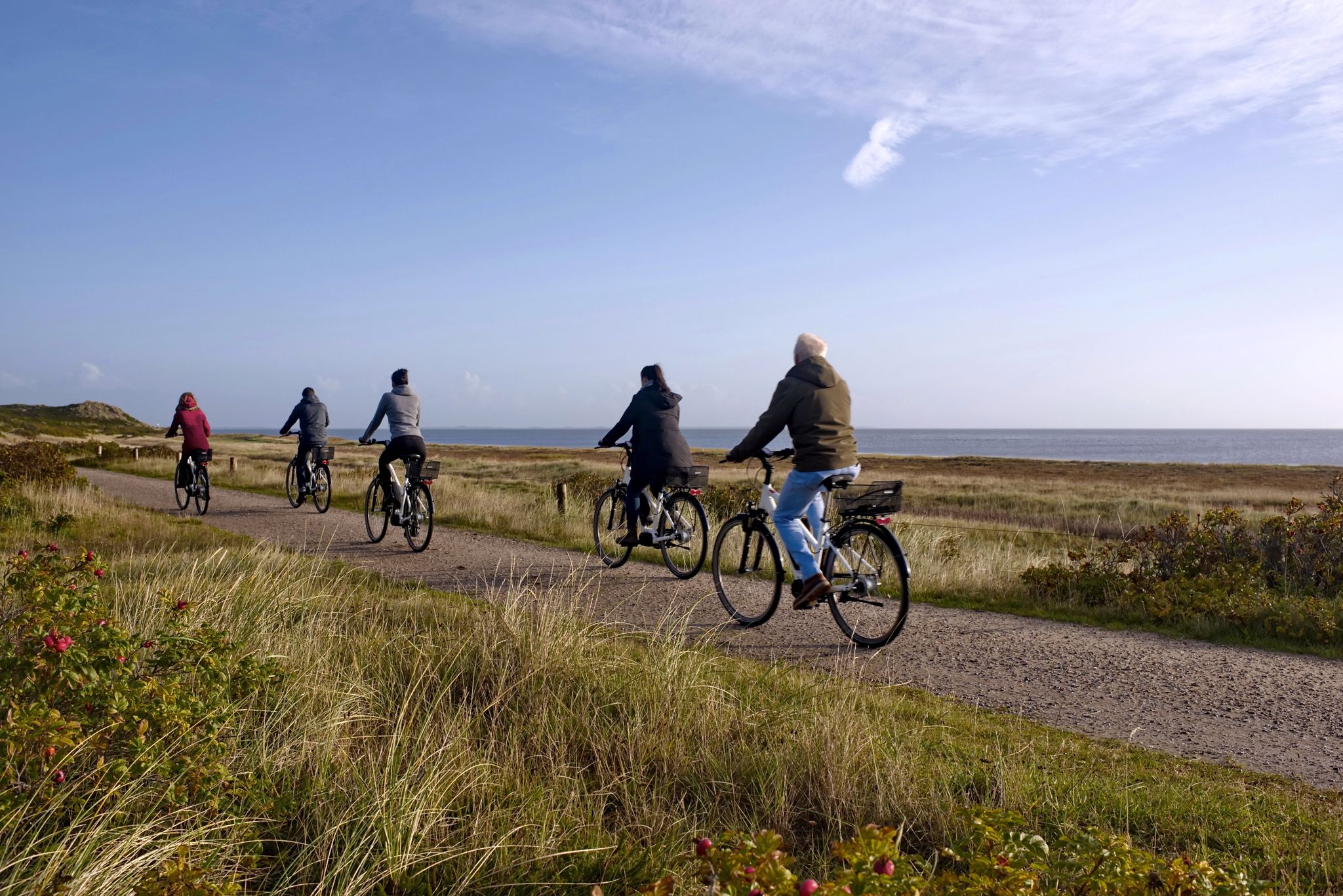
Discovering Sylt from your saddle
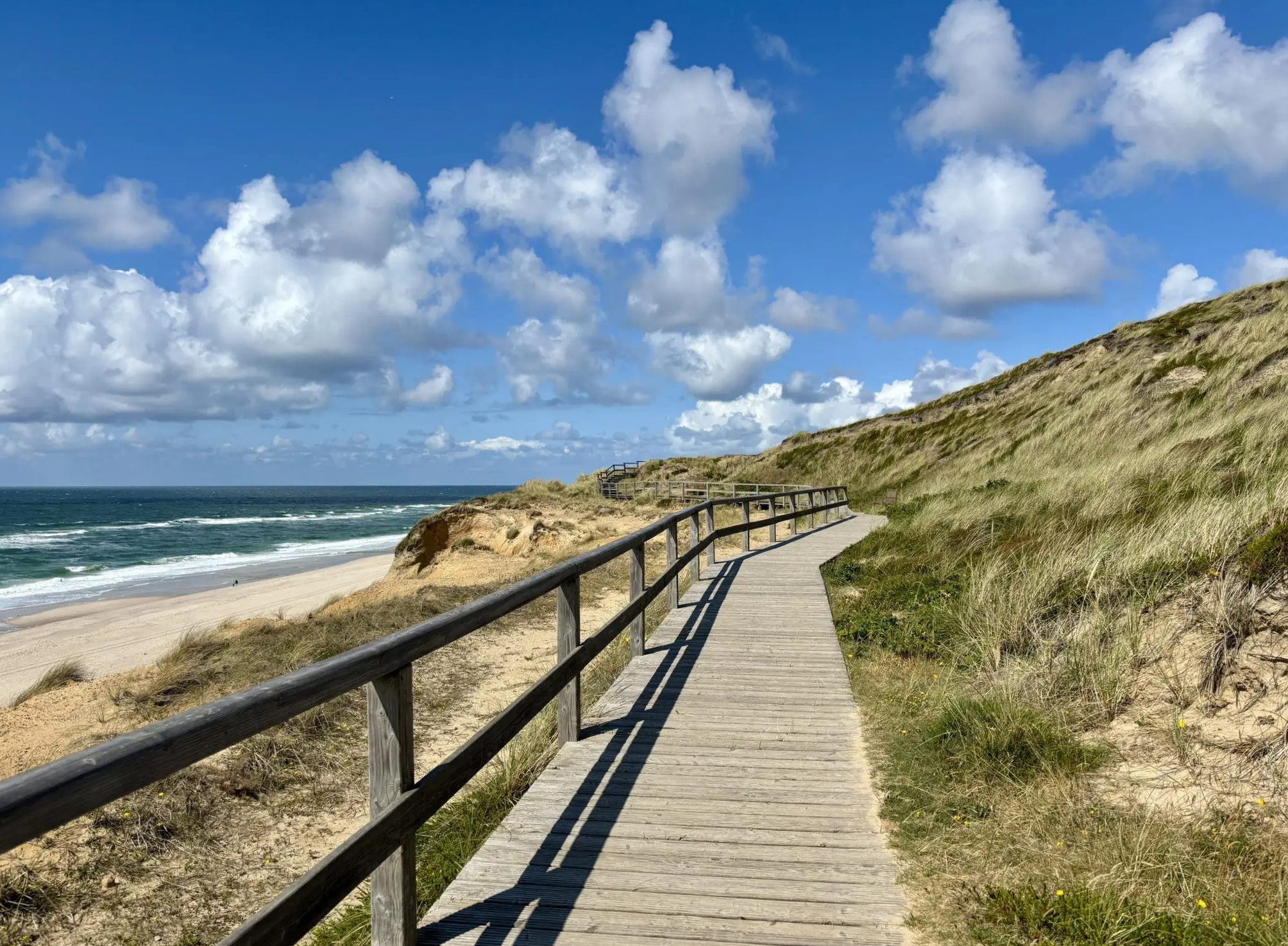
Zwischen Meer, Wald & Dünen – Mikroabenteuer in Schleswig-Holstein & Hamburg
Cycling on Sylt
Hiking on Sylt
Running Trails on Sylt
Road Cycling Routes on Sylt
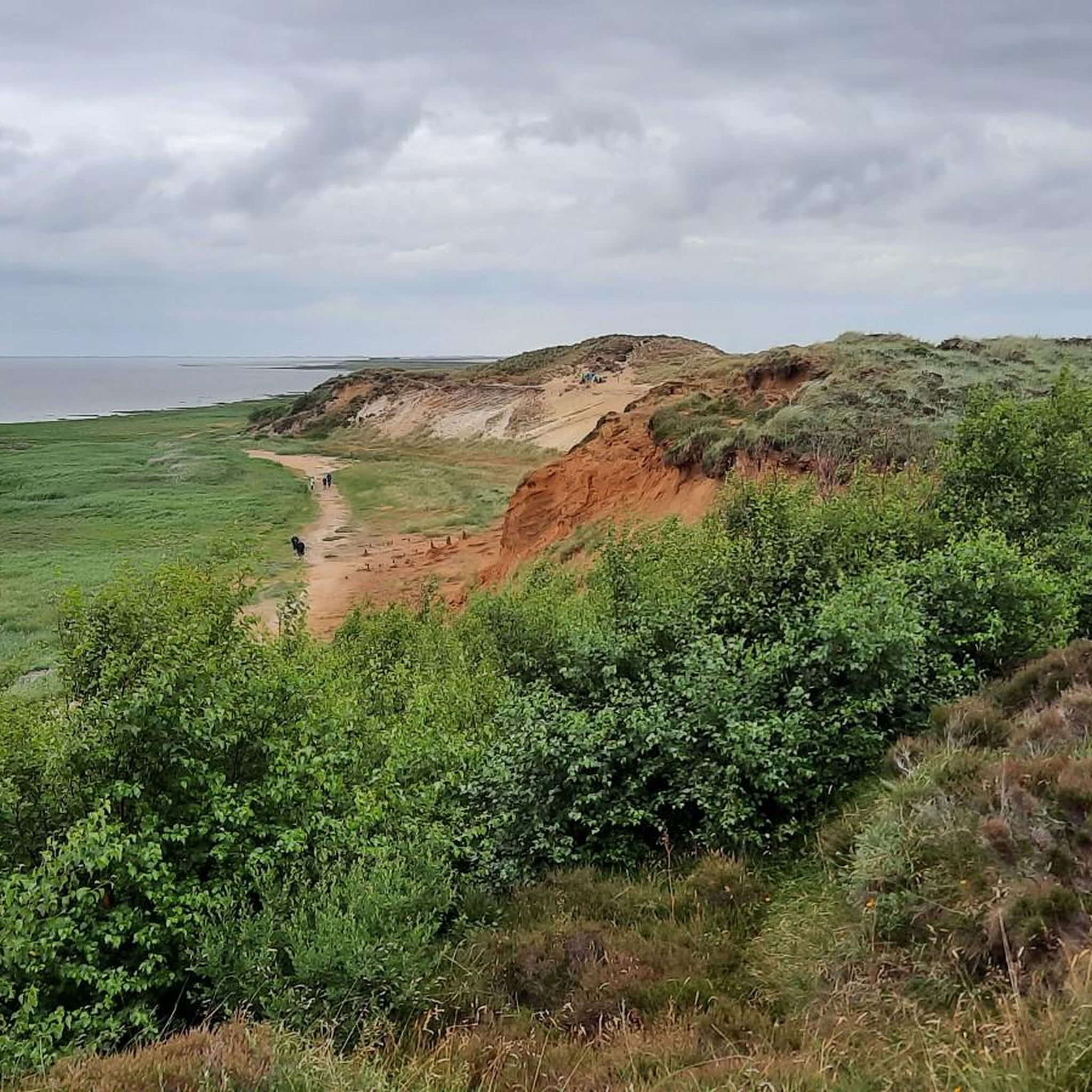
MTB Trails on Sylt
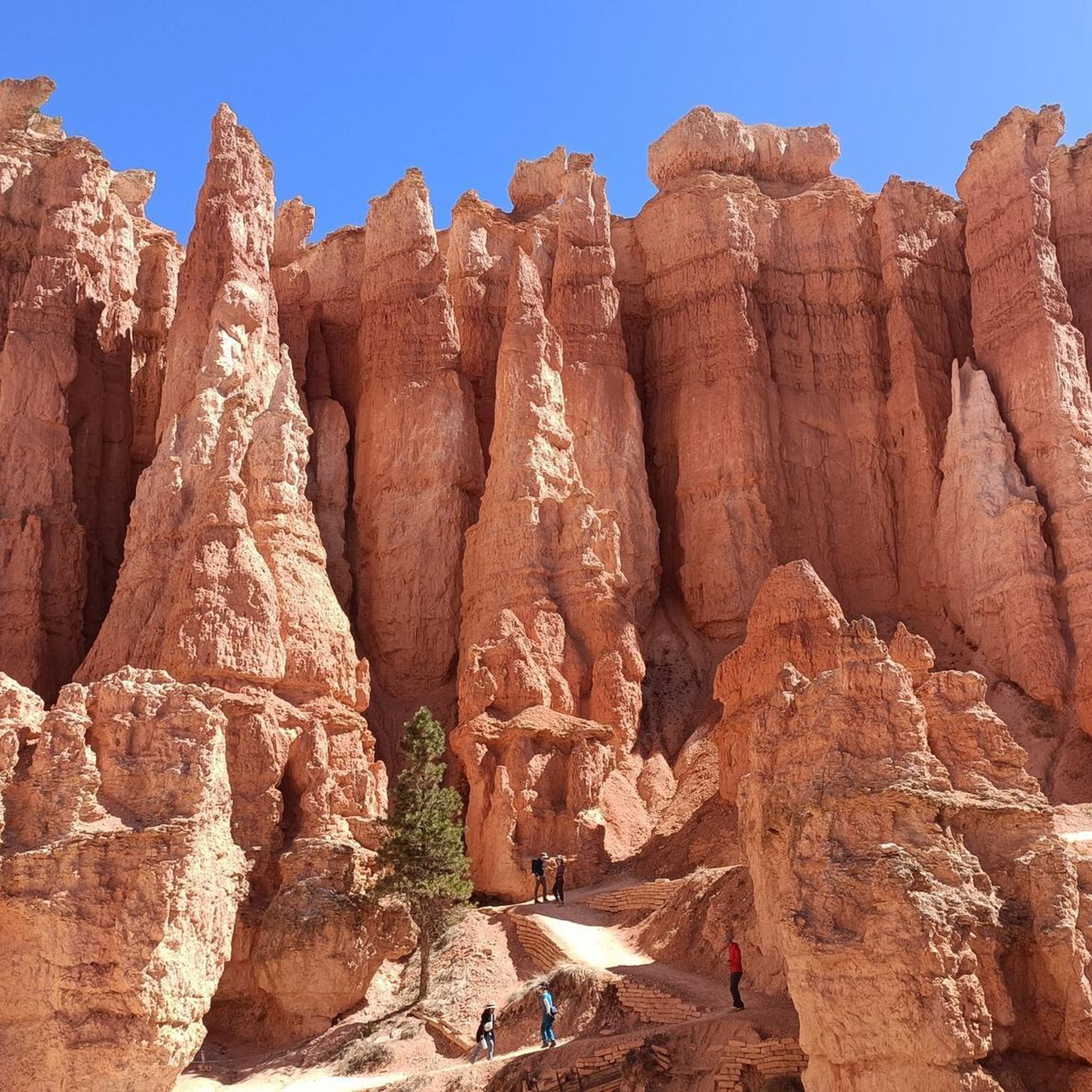
Gravel biking on Sylt
Other adventures on Sylt


Tips from the Community

It feels like there are more thatched roof houses in Rantum than in Kampen.
5
0

If you want to ride a bike from Rantum to Hörnum, I recommend NOT taking the paved bike path next to the road, but taking the unpaved bike path further to the left of the road, which is very good to ride in dry weather. There is also a shelter along the way in case there is a storm!
10
0

The wandering dune is the absolute highlight in List on Sylt. From the road that leads to the town, you get an exclusive insight into the beautiful nature and the largest continuous shifting dune area in Europe. The shifting dunes reach an impressive height of 30 meters.
19
2

The dunes of light yellow sand are very impressive.
10
1
At 52 meters above sea level, the highest point on Sylt and with a magnificent view of the heath, the west beach and the red cliff.
8
0

Don't miss the crepe stand on Hafenstraße :)
4
0

Hörnum, as a place on the southern tip of the island, conveys a great sense of calm. Although you are not alone here, everything seems to be going much slower here than in Westerland, for example. This is exactly the right place for people who are looking for deceleration without wanting to completely forgo the presence of other people.
5
0
The shifting dunes of List are around 30 meters high and move at a maximum of 10 meters per year. In the past, the shifting dunes buried not only arable land, but also houses.
10
1
Frequently Asked Questions
Are there family-friendly attractions on Sylt?
Yes, Sylt offers several family-friendly attractions. For instance, the Uwe Dune (Uwe-Düne), the island's highest point, is accessible via a wooden staircase and provides a fantastic all-round view that children often enjoy. The Red Cliff (Rotes Kliff) is also a great spot for family walks along the beach, offering geological interest and beautiful scenery.
Where can I experience Sylt's unique nature and wildlife?
Sylt is renowned for its natural beauty. You can explore the Lister shifting dunes, a natural monument showcasing dynamic dune landscapes. The Rantum Basin Dyke Trail is excellent for observing birdlife, as it runs through a bird sanctuary. The entire Wadden Sea, a UNESCO World Heritage site, offers unique opportunities for wildlife spotting, especially during low tide.
What outdoor activities can I do near Sylt's attractions?
Many attractions on Sylt are perfect starting points for outdoor activities. You can find numerous cycling routes, such as those around the Rantum Basin Dyke Trail, which is described as an 'atmospherically great bike path'. For more options, explore the Cycling on Sylt guide. There are also excellent running trails, including those near the West Beach and Rantumbecken, detailed in the Running Trails on Sylt guide.
When is the best time to visit Sylt's attractions?
The best time to visit Sylt depends on your preferences. Summer (June to August) offers warm weather ideal for beach activities and cycling, but it's also the busiest season. Spring (April to May) and autumn (September to October) provide milder temperatures, fewer crowds, and excellent conditions for hiking and exploring the natural landscapes. Winter offers a quieter, more rugged experience, perfect for bracing walks along the coast.
Are Sylt's attractions generally accessible for all fitness levels?
Many of Sylt's attractions are accessible for various fitness levels. Paths along beaches and dykes, like the Rantum Basin Dyke Trail, are generally easy. However, some viewpoints, such as the Uwe Dune (Uwe-Düne), require climbing 110 steps to reach the summit. Always check specific highlight details for any difficulty ratings or accessibility notes.
Where can I find the best panoramic views on Sylt?
For breathtaking panoramic views, head to the Uwe Dune (Uwe-Düne), the highest point on the island. From its viewing platform, you can see large parts of Sylt, and on clear days, even the Danish island of Rømø. The Red Cliff (Rotes Kliff) also offers stunning coastal vistas, especially at sunset when the cliff appears bathed in red light.
Are there any unique or charming architectural sights on Sylt?
Yes, Sylt is known for its distinctive architecture. The Rantum thatched-roof houses offer a charming glimpse into traditional Sylt building styles. These picturesque houses, often nestled in the dunes, are a popular sight and contribute to the island's unique character.
What are some popular cycling routes on Sylt?
Sylt is a fantastic destination for cycling. The Rantum Basin Dyke Trail is a highly recommended bike path along the water, suitable even with a stiff breeze. Many routes incorporate scenic spots like the Lister shifting dunes or the coastline. For a comprehensive overview, check out the Cycling on Sylt guide.
Can I bring my dog to Sylt's attractions and beaches?
Sylt is generally dog-friendly, with many designated dog beaches where your furry friend can roam freely. While specific rules may apply to certain nature reserves like the Lister shifting dunes (where dogs must be kept on a leash or are not allowed in certain areas), many walking paths and outdoor areas welcome dogs. Always look for local signage regarding leash requirements or restrictions.
What makes the Red Cliff a must-see attraction?
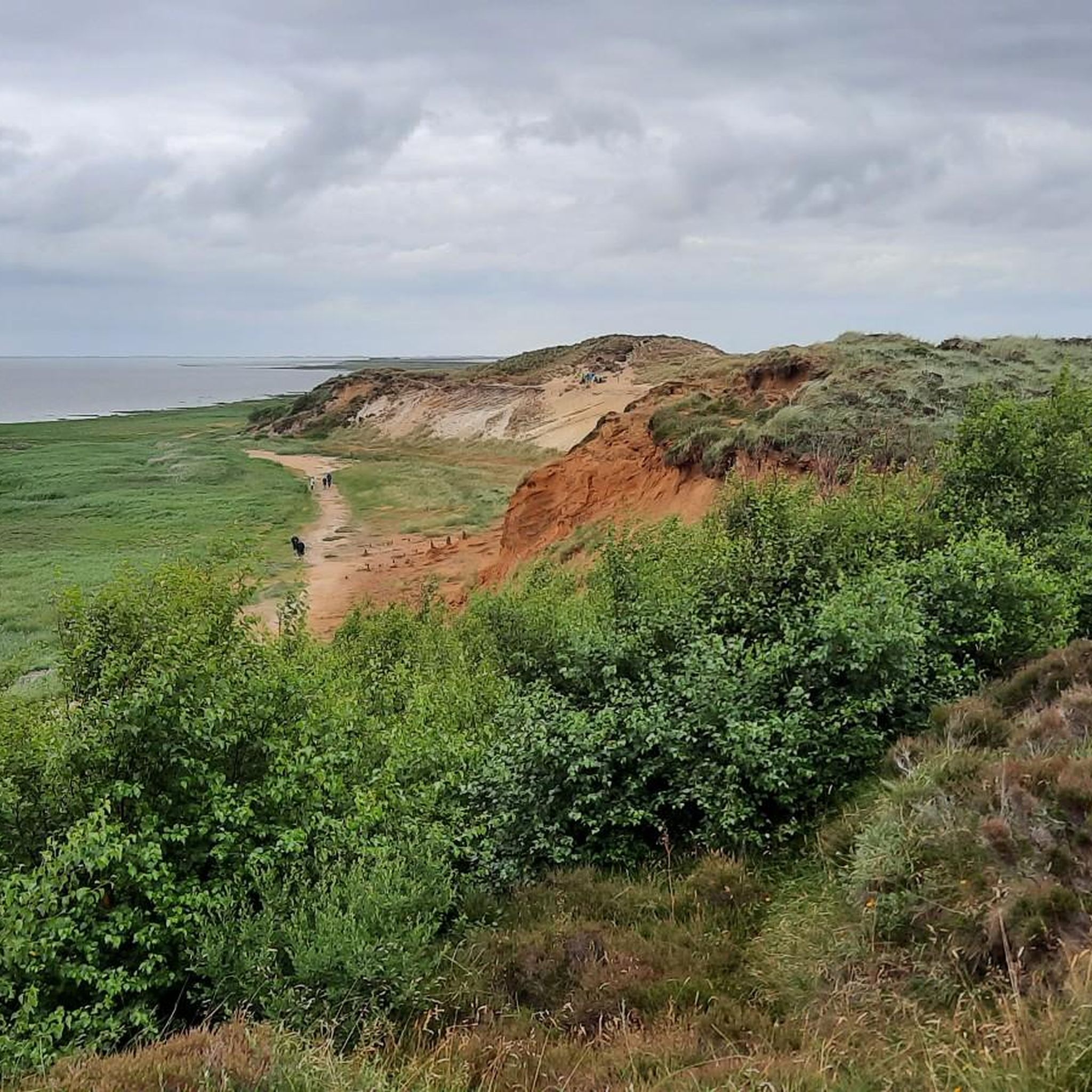
The Red Cliff (Rotes Kliff) is a must-see for its dramatic natural beauty and geological significance. This 52-meter-high cliff stretches between Kampen and Wenningstedt and has served as a landmark for centuries. It's particularly stunning at sunset when the iron-rich layers glow with a deep red hue, creating a memorable spectacle against the white beach and blue sea.
Are there opportunities for gravel biking on Sylt?
Yes, Sylt offers excellent opportunities for gravel biking, combining paved paths with natural trails. Routes often take you past landmarks like the Rantum thatched-roof houses and along the Rantum Basin Dyke Trail. You can find detailed routes and inspiration in the Gravel biking on Sylt guide.
Most popular routes on Sylt
Most popular attractions on Sylt

Get inspired with the komoot mobile app


Explore more
Still not found the Highlight you’re looking for? See guides of the top attractions in other regions:
