Top 20 Castles in the Harz Mountains
Best castles in the Harz Mountains offers a collection of historical sites located within a diverse natural landscape. The region features a mix of well-preserved medieval fortresses, neo-Romantic castles, and significant ruins. These structures are often situated on elevated positions, providing views of the surrounding valleys and forests. The area's history is reflected in its architecture and cultural landmarks.
Best castles in the Harz Mountains
- The most popular castles is Falkenstein Castle, a castle that stands above the Selketal and is completely preserved, serving as a museum. It is notable for its well-preserved medieval character, historical importance, and falconry shows during summer months.
- Another must-see spot is Wernigerode Castle, a castle often referred to as the "Neuschwanstein of the North." Visitors can explore approximately 50 rooms furnished in their original style, offering a glimpse into 19th-century aristocratic life, alongside exhibitions of furniture and arts and crafts.
- Visitors also love Ruins of the Great Harzburg Castle, a former imperial castle. It is special for its historical importance as an imperial castle and the panoramic views of the Harz foreland and national park from the top of the Großer Burgberg.
- Harz Mountains is known for medieval fortresses, imperial ruins, and neo-Romantic castles. The region offers a variety of castles to see and explore, ranging from fully preserved structures with museums to significant historical ruins.
- The castles in the Harz Mountains are appreciated by the komoot community, with more than 3900 upvotes and over 5100 photos shared across various highlights.
Last updated: October 10, 2026
Wernigerode Castle
Highlight • Castle
Translated by Google •
Tip by

Regenstein Castle and Fortress
Highlight • Castle
Translated by Google •
Tip by

Sign up now to discover places like this
Get recommendations on the best single tracks, peaks, & plenty of other exciting outdoor places.
Scharzfels Castle Ruins (HWN 151)
Highlight • Castle
Translated by Google •
Tip by

View of Wernigerode Castle from the Agnesberg
Highlight • Viewpoint
Translated by Google •
Tip by

Falkenstein Castle
Highlight • Castle
Translated by Google •
Tip by

Lauenburg Castle Ruins (HWN 187)
Highlight • Castle
Translated by Google •
Tip by
Ruins of the Great Harzburg Castle
Highlight • Castle
Translated by Google •
Tip by

Royal castle ruins (HWN 41)
Highlight • Castle
Translated by Google •
Tip by

Hohnstein Castle Ruins (HWN 98)
Highlight • Castle
Translated by Google •
Tip by
View of Treseburg from the Weißer Hirsch (HWN 67)
Highlight • Viewpoint
Translated by Google •
Tip by

Sign up for free to discover even more castles in the Harz Mountains.
Already have an account?
Start today with a free account
Your next adventure awaits.
Popular around Harz Mountains
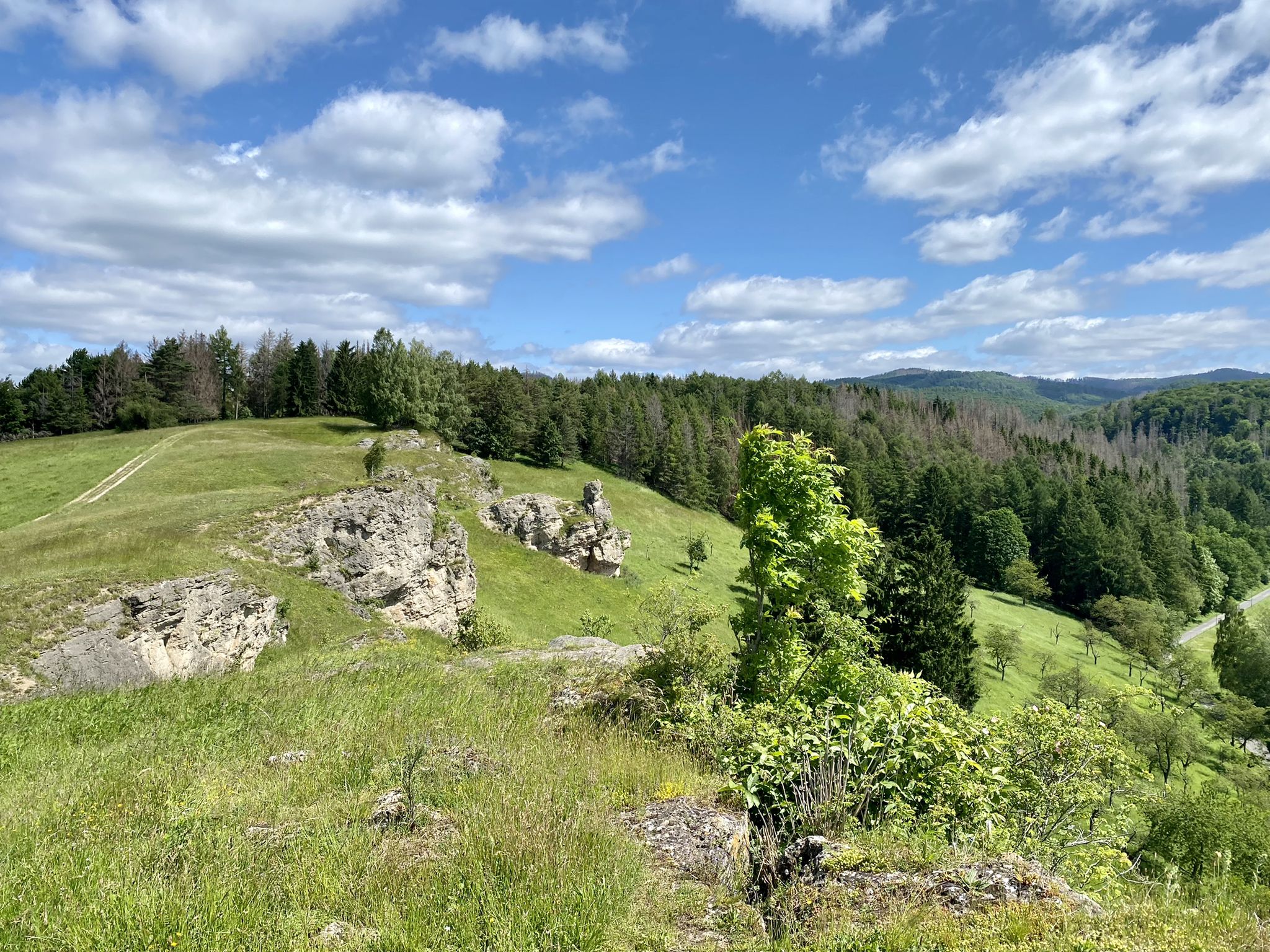
Karst Trail in Germany's Southern Harz Mountains – Where Water Meets Limestone
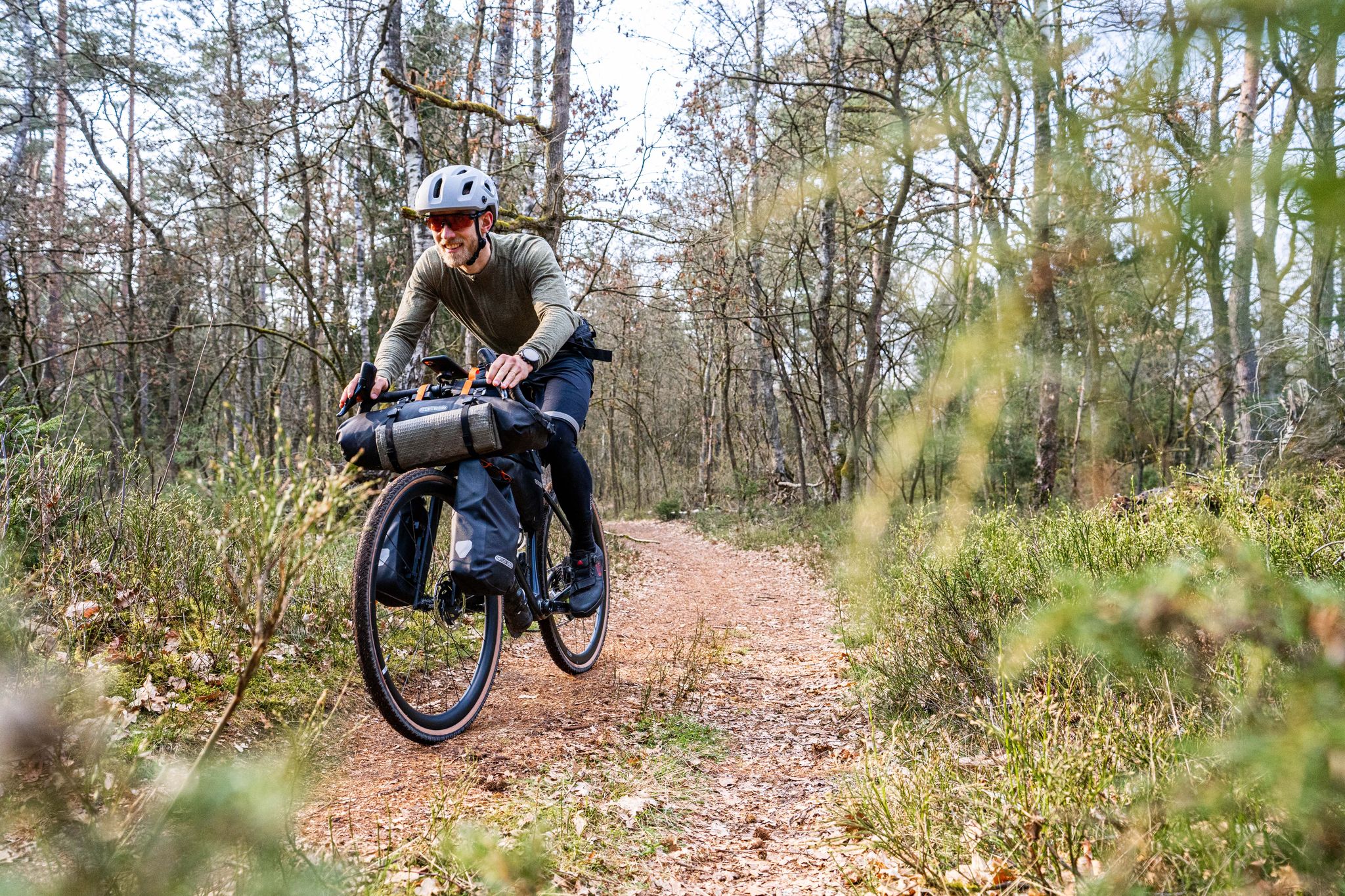
Gravel bikepacking from Hamburg to Munich
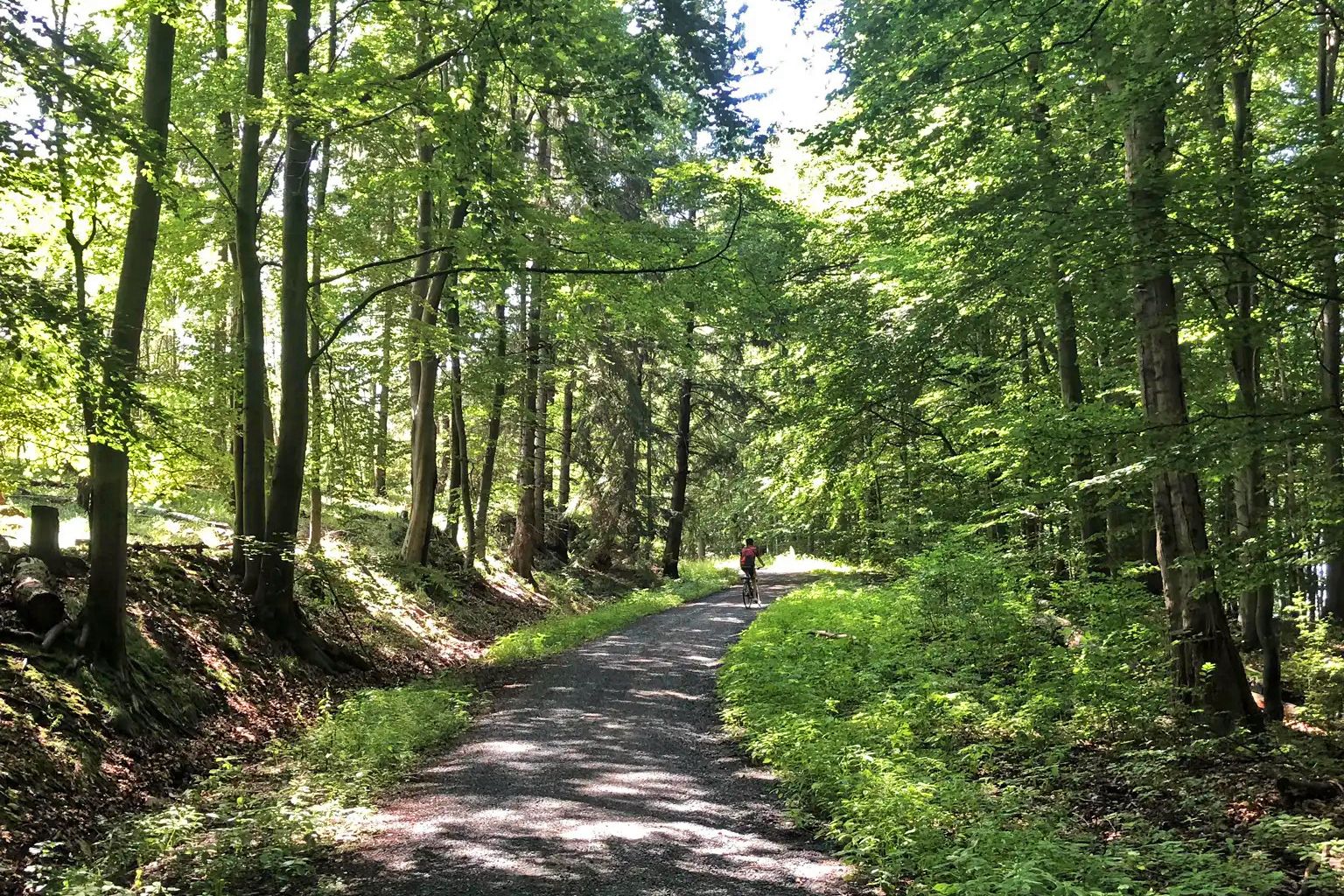
The Harz-Rundweg – once around the low mountain range in the Harz foreland
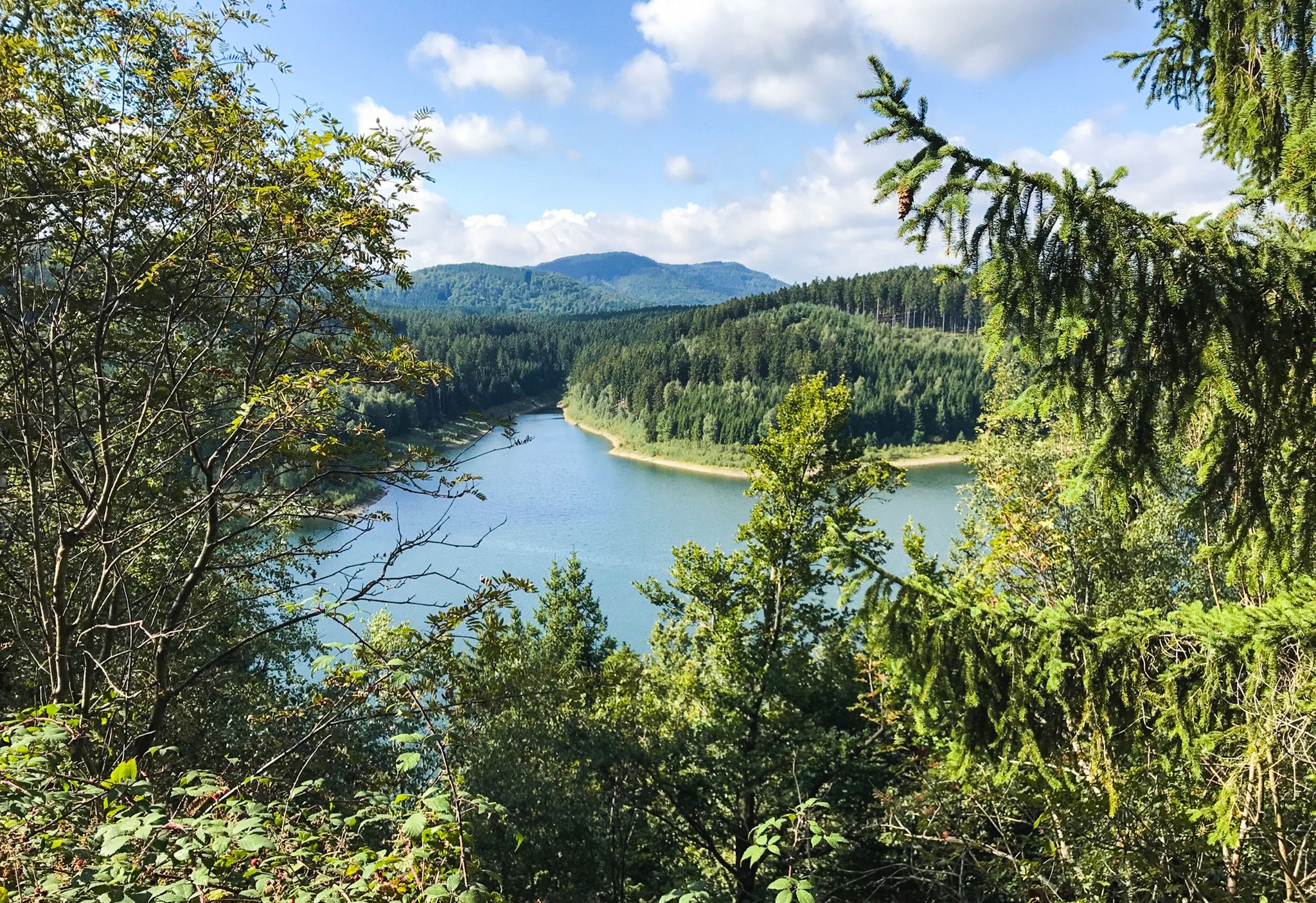
The Harzer Försterstieg trail – in 4 stages through the western Harz
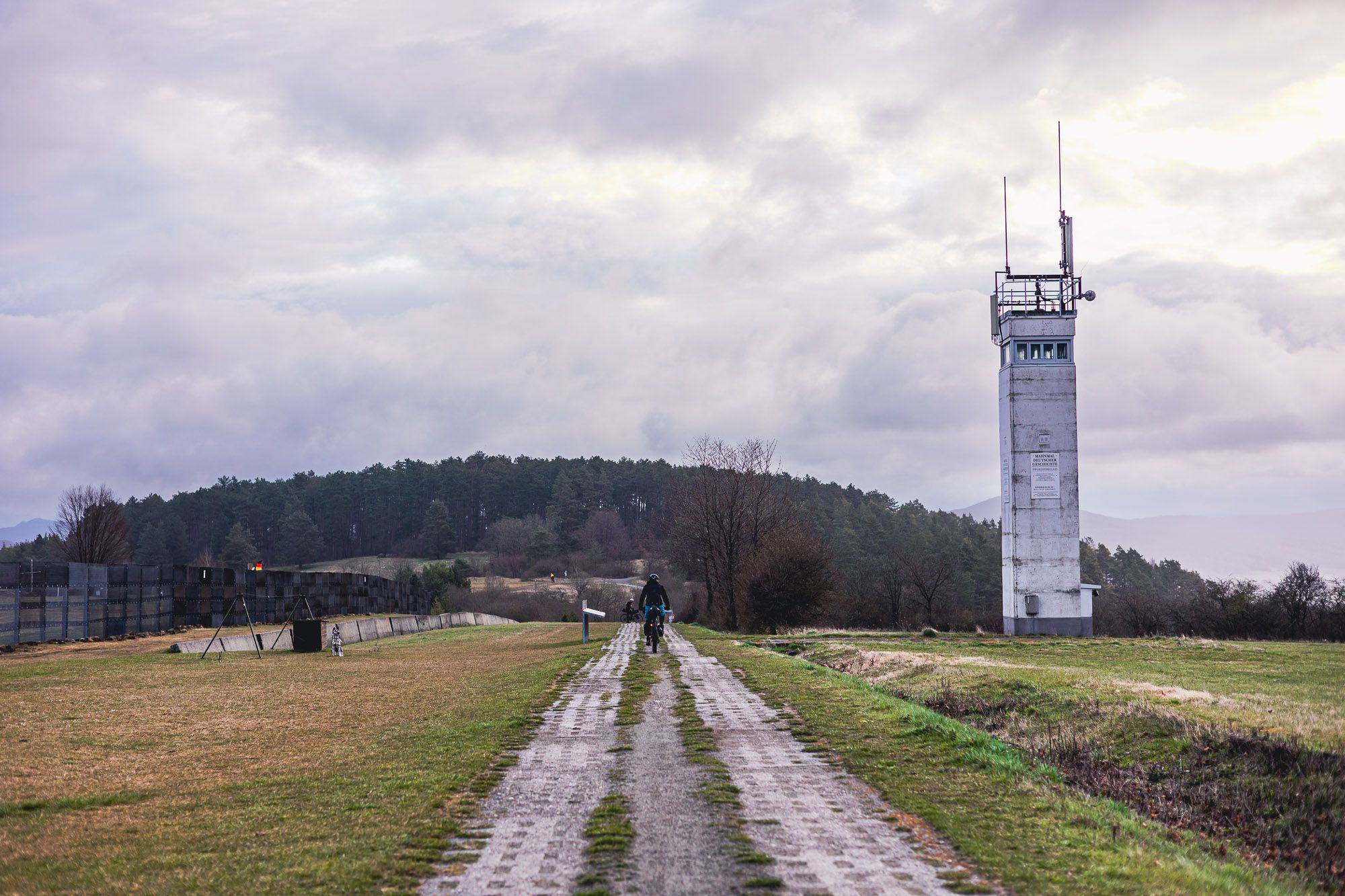
The Baltic Sea to Vogtland – 8 days along Germany's green former border
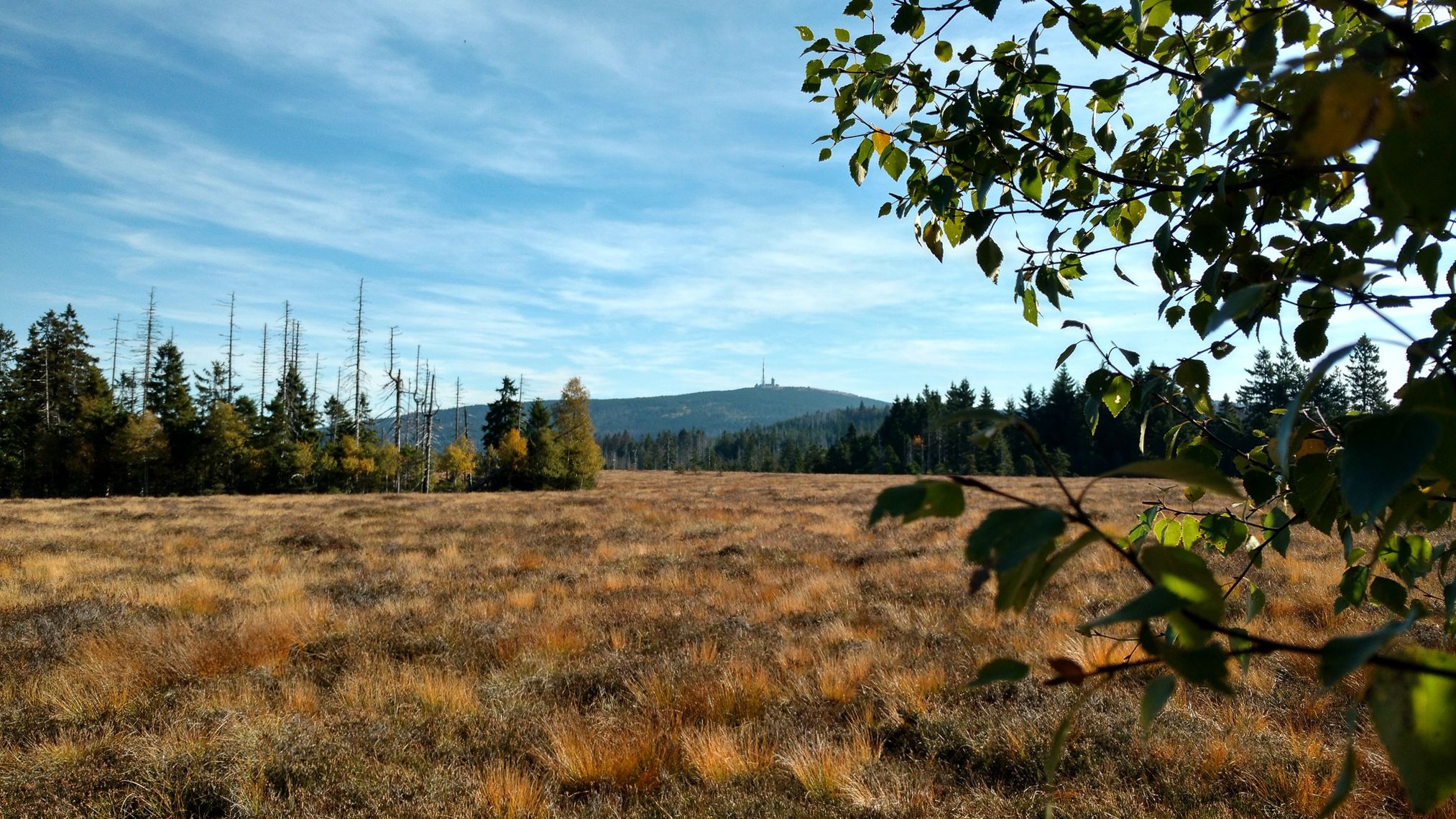
Harz Witches' Trail – A magical journey through Germany
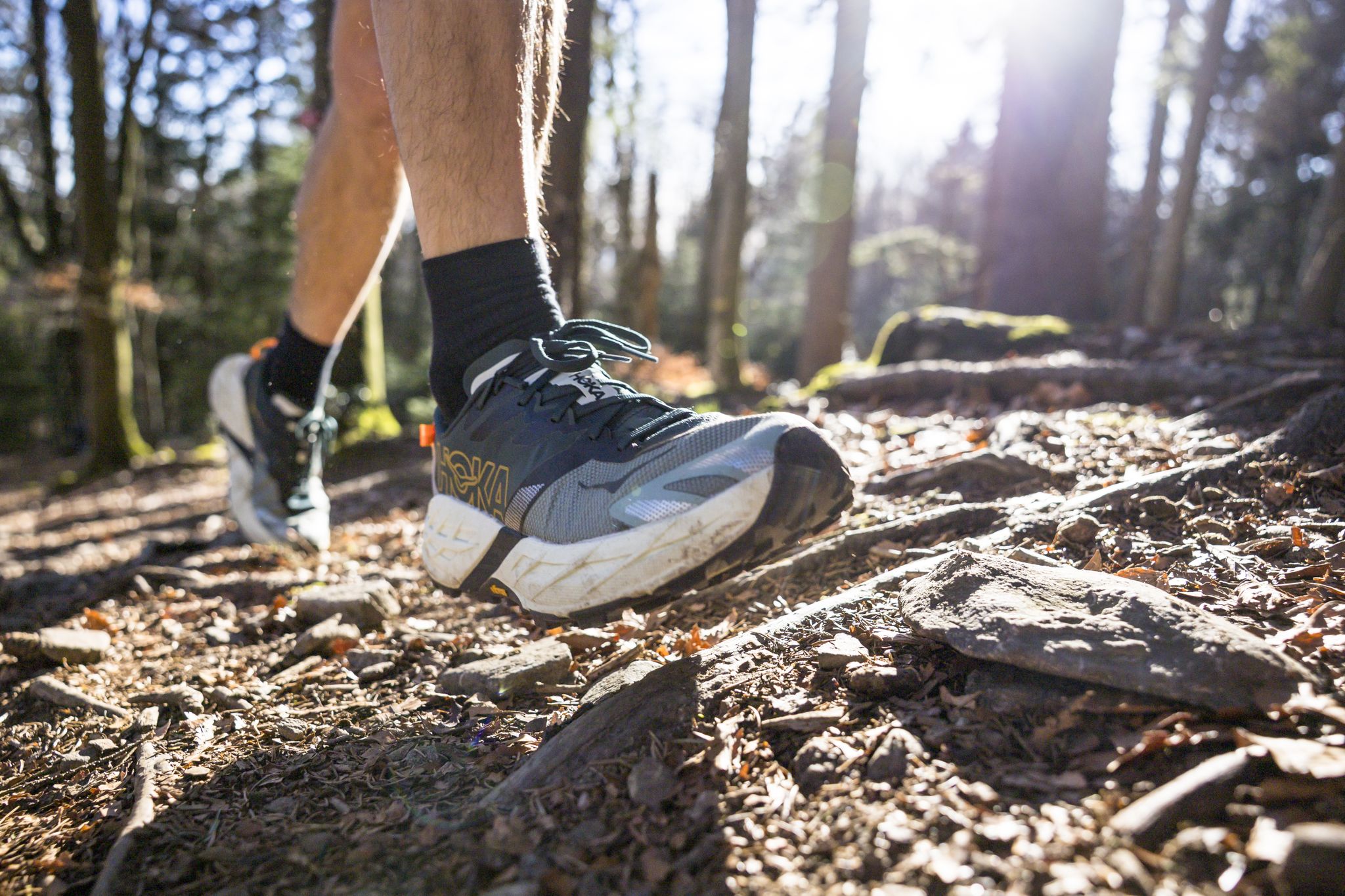
Run Wilder – six trail runs in Germany with the HOKA Speedgoat 7
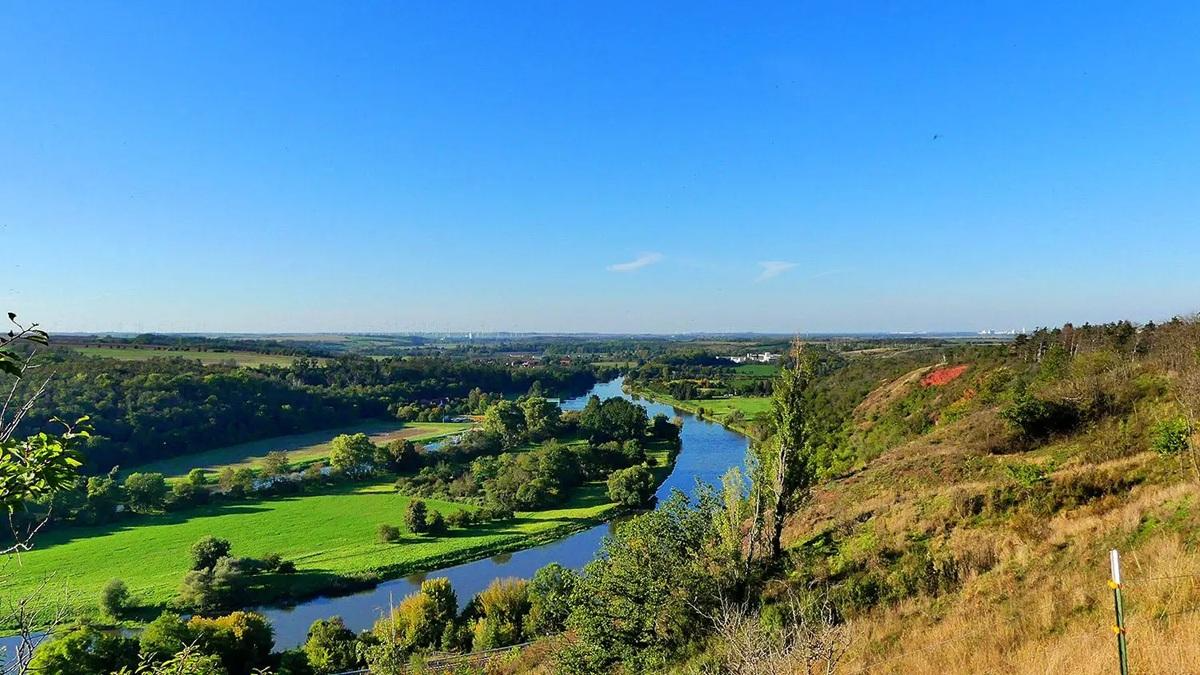
The National Natural Landscapes in Saxony-Anhalt
The National Natural Landscapes in Niedersachsen
On two wheels - 9 cities + 2 in Lower Saxony
Other adventures in the Harz Mountains


Tips from the Community

Very beautiful castle ruins with free admission. There's also an observation tower. From the top, you can get a great view of the entire surrounding area and the ruins. There's also a stamp station here. The route to the castle is strenuous if you're traveling by bike.
9
0

Here is the stamp location 187 Lauenburg.
15
1
A beautiful viewpoint and a good place for a rest.
11
1

The two-part castle complex was built in the third quarter of the 11th century as an imperial castle under Henry IV and was first mentioned in documents in 1164. The construction of the outer and main castle probably took up to ten years. The purpose of the complex, which had a total length of more than 350 m, was to protect Quedlinburg and the nearby military roads. In 1180 it was conquered by Frederick I (Barbarossa) during military conflicts. In 1273 the castle was acquired by the Counts of Regenstein, which led to a power struggle between the Bishop of Halberstadt and the Counts of Regenstein. Bishop Albrecht II alone is said to have visited the castle nine times between 1326 and 1351. In 1351 the castle complex came into the possession of the bishops, who then gave the castle back to the Counts of Regenstein as a fief. From 1479 onwards the Quedlinburg Abbey was the fiefholder of the castle. Other owners of the castle were the Dukes Ernst of Saxe-Gotha-Altenburg and Albrecht of Saxe-Coburg, and from 1740 also King Frederick II of Prussia. The Prussian state later bought the castle for demolition. It then became the property of the city of Quedlinburg and in 1887 it became state property again. Source: Wikipedia
7
0
Wernigerode Castle took on its current form at the end of the 19th century and became a leading building of North German historicism. Today it houses a much-visited museum. Source: Wikipedia
9
0
Wernigerode Castle in Wernigerode, Saxony-Anhalt, took on its current form at the end of the 19th century and became a model building of North German historicism. Today it houses a much-visited museum. Source: Wikipedia
9
0
THE photo motif of the castle and one of the most beautiful stamp points of the Harz hiking badge.
12
0
The complex was first mentioned in a document in 1312 as "castrum Königshof", when Bishop Albrecht von Halberstadt bought the castle from the squire Heinrich von Botvelde. In 1324 it was mentioned again as "castrum Köningshof acqisivit", then the castle went quiet. In 1614 the only other mention was of the keep at Königshoffe, which from 1709 onwards was only referred to as Königsburg. By then the complex had already fallen into ruins. When Paul Höfer carried out extensive excavations between 1898 and 1901, he believed that he had found the long-sought Bodfeld palace. He published several articles about it. In 1931, thanks to advances in soil research, this was proven to be a mistake by Carl Schuchhardt and confirmed a little later by Paul Grimm, who determined that the finds, especially the ceramics, were no older than the 13th century. Although these research results from the 1930s have been widely recognized in scientific research, Königshütte still advertises the fact that the Königsburg is the Bodfeld hunting palace and one of the most historic places in the Harz. Source: https://de.wikipedia.org/wiki/Ruine_K%C3%B6nigsburg
12
0
Frequently Asked Questions
Which castles in the Harz Mountains offer the best panoramic views?
Many castles in the Harz Mountains are strategically located on elevated positions, providing stunning views. For example, the Wernigerode Castle offers panoramic views of the Harz Mountains and the town below. The Ruins of the Great Harzburg Castle provide expansive views of the Harz foreland and national park from the top of the Großer Burgberg. From Falkenstein Castle, you can overlook the wild romantic landscape of the Selke Valley, especially from its 31-meter-high *bergfried*. The Lauenburg Castle Ruins (HWN 187) also feature a newly built lookout tower with good views of the foreland.
Are there family-friendly castles to visit in the Harz Mountains?
Yes, several castles in the Harz Mountains are well-suited for family visits. Wernigerode Castle is easily accessible and offers a glimpse into 19th-century aristocratic life. Falkenstein Castle is particularly family-friendly, featuring falconry shows during summer months and a restaurant serving traditional 'knightly' food. The Ruins of the Great Harzburg Castle and Scharzfels Castle Ruins (HWN 151) are also categorized as family-friendly, often with easy access and interesting historical elements to explore.
What kind of historical significance do the Harz castles hold?
The castles in the Harz Mountains are steeped in history, reflecting various eras from medieval fortresses to neo-Romantic residences. Falkenstein Castle is notable as the place where the 'Sachsenspiegel,' the first German law book, was commissioned in 1220. Quedlinburg Castle and Abbey, a UNESCO World Heritage Site, was a significant trading town and capital of the East Franconian German Empire in the 10th century, and is the burial place of King Heinrich I. The Ruins of the Great Harzburg Castle played a crucial role as an imperial castle, housing kings and emperors and featuring in the Saxon War.
Are there hiking opportunities around the Harz castles?
Absolutely. Many castles are integrated into the region's extensive hiking network. For instance, Regenstein Castle and Fortress is a popular destination for hikers. The Hohnstein Castle Ruins (HWN 98) can be reached via a relatively short, steep ascent from Neustadt, rewarding visitors with a breathtaking view. You can find numerous trails that incorporate castle visits, ranging from easy walks to more challenging routes. For more detailed hiking routes in the region, refer to the Running Trails in the Harz Mountains guide.
What is the best time of year to visit the Harz Mountains castles?
The Harz Mountains castles can be visited year-round, each season offering a unique experience. Spring and autumn provide pleasant temperatures for exploring and hiking, with vibrant foliage in autumn. Summer allows for falconry shows at places like Falkenstein Castle and longer daylight hours. Visiting in winter can offer a magical, snow-covered landscape, though some paths might be more challenging and certain attractions may have reduced hours. Always check specific castle opening times before your visit.
Can I visit castles with my dog in the Harz Mountains?
Many outdoor areas and castle ruins in the Harz Mountains are dog-friendly, allowing you to explore with your canine companion. For example, the Scharzfels Castle Ruins (HWN 151) are categorized as dog-friendly. However, access to interior museum sections or specific castle rooms might be restricted for dogs. It's always advisable to check the specific rules of each castle before your visit, and keep your dog on a leash.
Are there dining options available at or near the castles?
Yes, several castles and their surrounding areas offer dining options. Falkenstein Castle has a restaurant serving traditional 'knightly' food. Near the Hohnstein Castle Ruins (HWN 98), there is a very good restaurant just below the ruins. The Scharzfels Castle Ruins (HWN 151) also feature gastronomy. Additionally, the towns surrounding castles like Wernigerode and Quedlinburg offer a wide range of cafes, pubs, and restaurants.
Which castles are known for their unique architecture?
The Harz Mountains boast castles with diverse architectural styles. Wernigerode Castle is a stunning neo-Romantic fortress, often called the 'Neuschwanstein of the North,' with numerous towers and richly decorated interiors. Falkenstein Castle is a well-preserved medieval castle with a late Gothic style church and a robust *bergfried*. Stolberg Castle showcases a blend of older structures and Renaissance elements, with its most recent parts built between 1539 and 1547.
Are there any UNESCO World Heritage Sites among the Harz castles?
Yes, the Collegiate Church, Castle, and Old Town of Quedlinburg form a UNESCO World Heritage Site. The castle complex, perched on a sandstone cliff, includes the Romanesque Collegiate Church of St. Servatius and a Castle Museum. The town itself is renowned for its exceptional preservation of over 1,300 half-timbered houses, reflecting various architectural styles.
What outdoor activities can I combine with a castle visit in the Harz Mountains?
The Harz Mountains offer a wealth of outdoor activities that can be combined with exploring castles. Besides hiking, you can enjoy cycling on various routes, from moderate to difficult. For cycling enthusiasts, guides like Cycling in the Harz Mountains and Road Cycling Routes in the Harz Mountains provide detailed tours. Many castles are situated amidst forests and valleys, perfect for nature walks and enjoying the scenic landscape.
How can I reach the Harz castles using public transport?
Public transport access varies by castle. Larger towns like Wernigerode and Quedlinburg, which host prominent castles, are generally well-connected by train and bus services. From the town centers, local buses or even tourist trains (like in Wernigerode) can often take you closer to the castle entrances. For more remote castle ruins, a combination of public transport and a hike might be necessary. It's recommended to check local transport schedules for specific routes to your chosen castle.
Are there significant castle ruins worth exploring in the Harz Mountains?
Yes, the Harz Mountains are home to several historically significant castle ruins. The Ruins of the Great Harzburg Castle, though mostly ruins today, still feature restored parts like the castle well and remnants of a tower, offering panoramic views. The Scharzfels Castle Ruins (HWN 151) are unique for being literally grown together with the rock, with passages and a fountain worth seeing. The Hohnstein Castle Ruins (HWN 98) also provide an impressive backdrop and a wonderful view from its ruined tower.
Most popular routes in the Harz Mountains
Most popular attractions in the Harz Mountains

Get inspired with the komoot mobile app


Didn’t find what you were looking for?
Explore Harz Mountains’s best castles region by region:
Explore more
Looking for the best castles somewhere else? Discover other guides in the Harz Mountains:
