Top 20 Caves in the Harz Mountains
Best caves in the Harz Mountains offer a diverse underground world in Germany. This region features a variety of geological formations, historical sites, and unique natural attractions. The Harz Mountains are known for their karst caves, dripstone formations, and ancient geological history. Exploring these caves provides insights into both natural processes and human history in the area.
Best caves in the Harz Mountains
- The most popular caves include Unicorn Cave (Einhornhöhle) – HWN 101, a historical site known for its extensive karst system. This cave is notable for its rich history, including the myth of unicorn bones and significant Ice Age animal fossil discoveries.
- Another must-see spot is Small Sandstone Caves in the Harz, a family-friendly cave system. Visitors can explore various sandstone formations, some with multiple entrances, offering opportunities for exploration.
- Visitors also love Volkmarskeller (HWN 87), a historical cave and natural monument. This site is special for its remains of an old monastery and its quiet, idyllic location.
- Harz Mountains is known for sandstone caves, karst caves, and historical cave sites. The region offers a variety of caves to see and explore, from natural formations to those with archaeological significance.
- The caves in the Harz Mountains are appreciated by the komoot community, with more than 5500 upvotes and over 5700 photos shared across various highlights.
Last updated: October 10, 2026
Large sand caves (HWN 81)
Highlight • Cave
Translated by Google •
Tip by

Small Sandstone Caves in the Harz
Highlight • Cave
Translated by Google •
Tip by
Sign up now to discover places like this
Get recommendations on the best single tracks, peaks, & plenty of other exciting outdoor places.
Teufelsmauer – Hamburger Wappen and Grotto
Highlight (Segment) • Natural Monument
Translated by Google •
Tip by

Sandstone cave beneath Regenstein Fortress
Highlight • Cave
A hiking fun for young and old.
Translated by Google •
Tip by

Unicorn Cave (Einhornhöhle) – HWN 101
Highlight • Cave
einhornhoehle.de/Start
Translated by Google •
Tip by

Pioneer Tunnel (Pioniertunnel)
Highlight • Structure
Translated by Google •
Tip by

Chimney mountain (HWN 089)
Highlight • Viewpoint
Translated by Google •
Tip by
Bärenhöhle (Beckers Grube) near Goslar
Highlight • Cave
Translated by Google •
Tip by
Volkmarskeller (HWN 87)
Highlight • Cave
Translated by Google •
Tip by

Gewittergrotte (Thunder Grotto)
Highlight • Natural Monument
Translated by Google •
Tip by

Sign up for free to discover even more caves in the Harz Mountains.
Already have an account?
Start today with a free account
Your next adventure awaits.
Popular around Harz Mountains
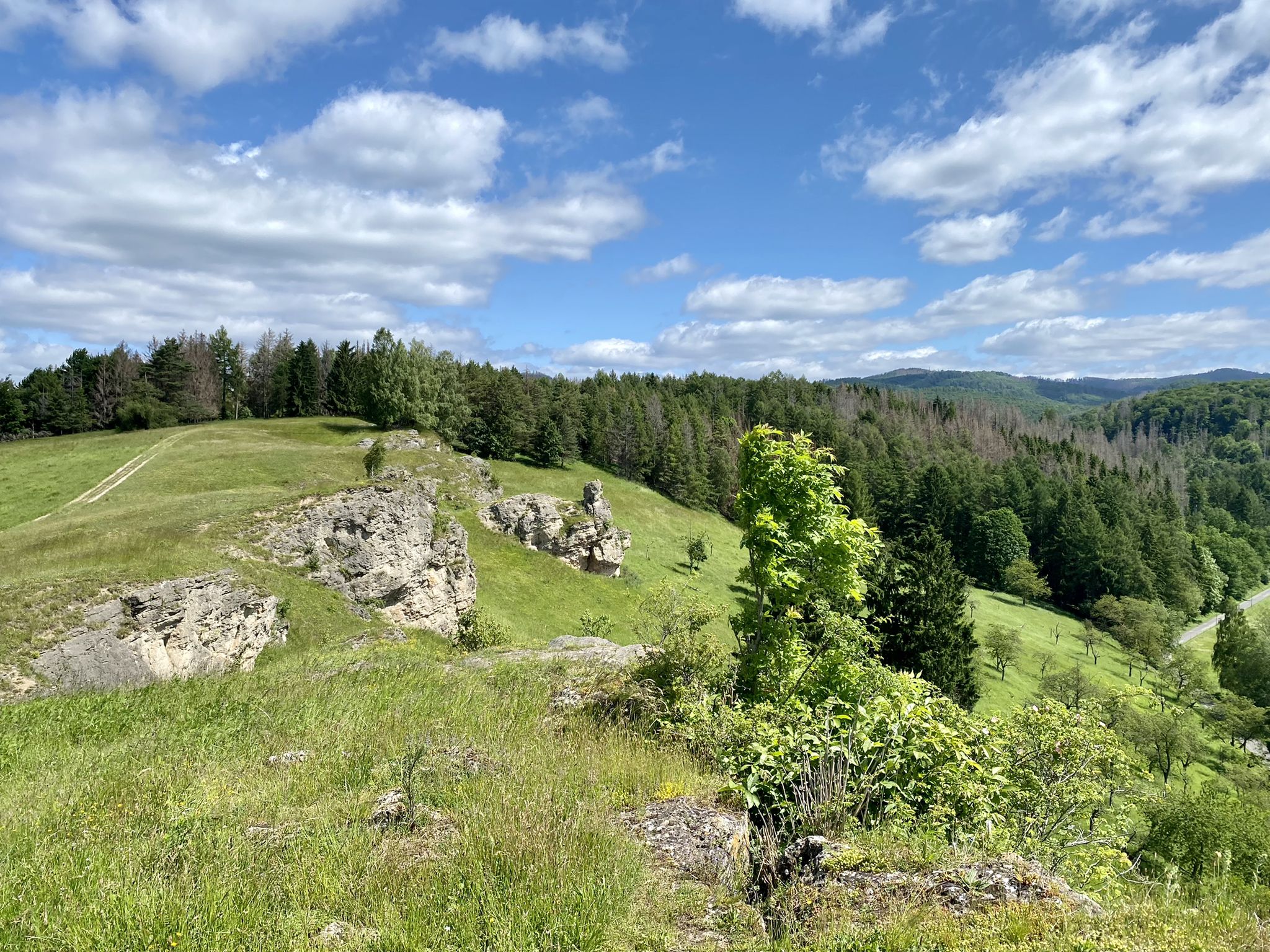
Karst Trail in Germany's Southern Harz Mountains – Where Water Meets Limestone
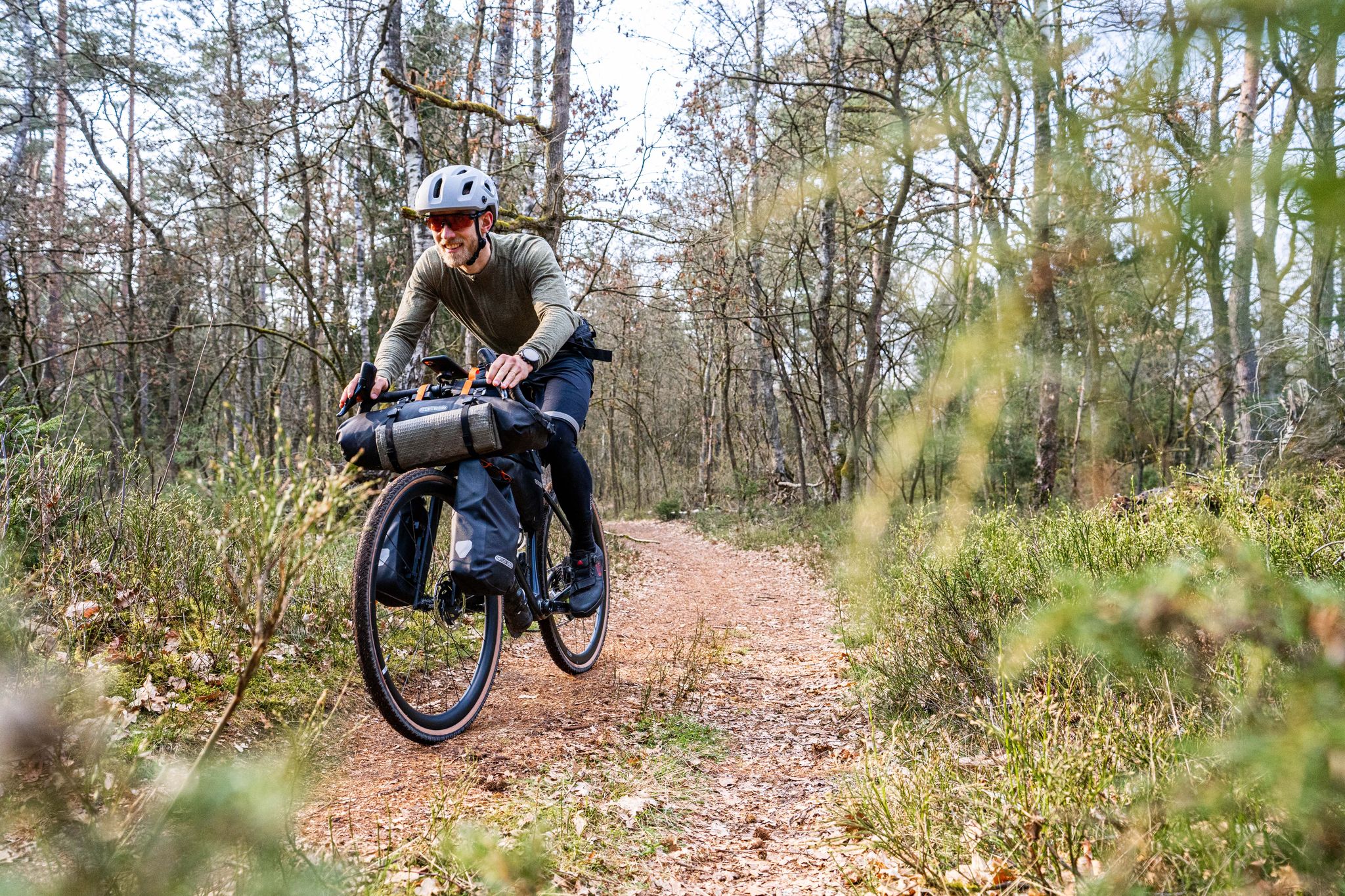
Gravel bikepacking from Hamburg to Munich
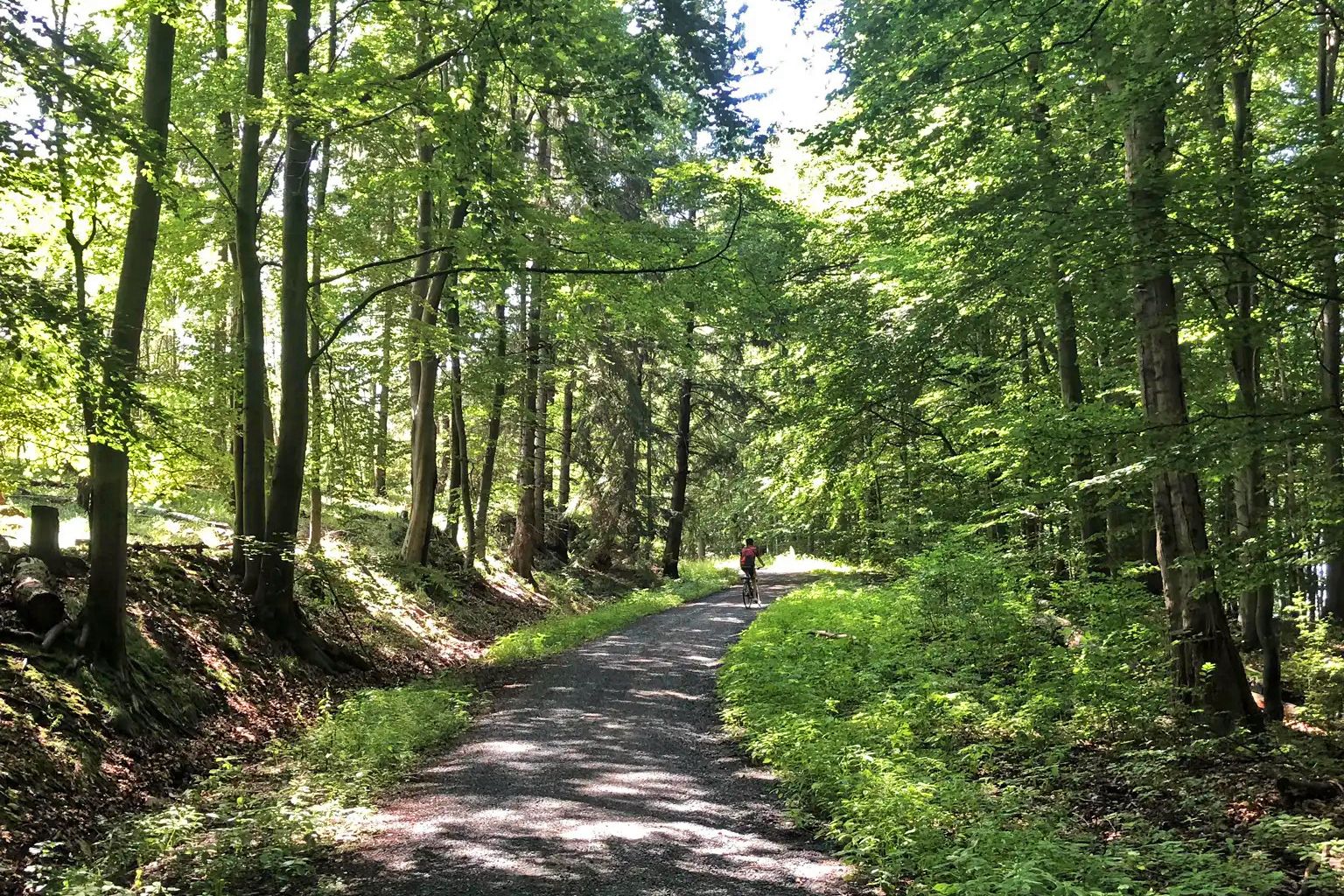
The Harz-Rundweg – once around the low mountain range in the Harz foreland
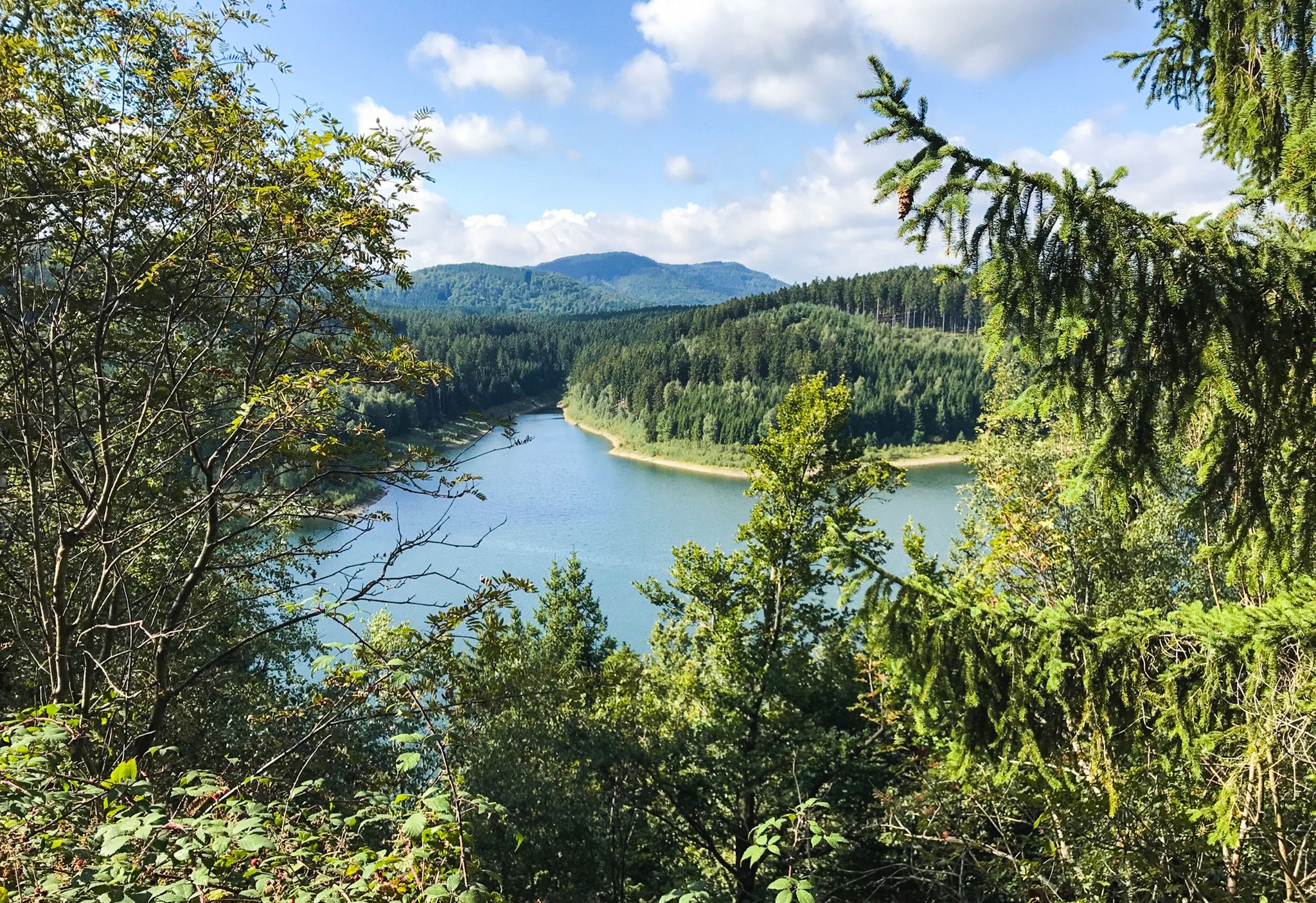
The Harzer Försterstieg trail – in 4 stages through the western Harz
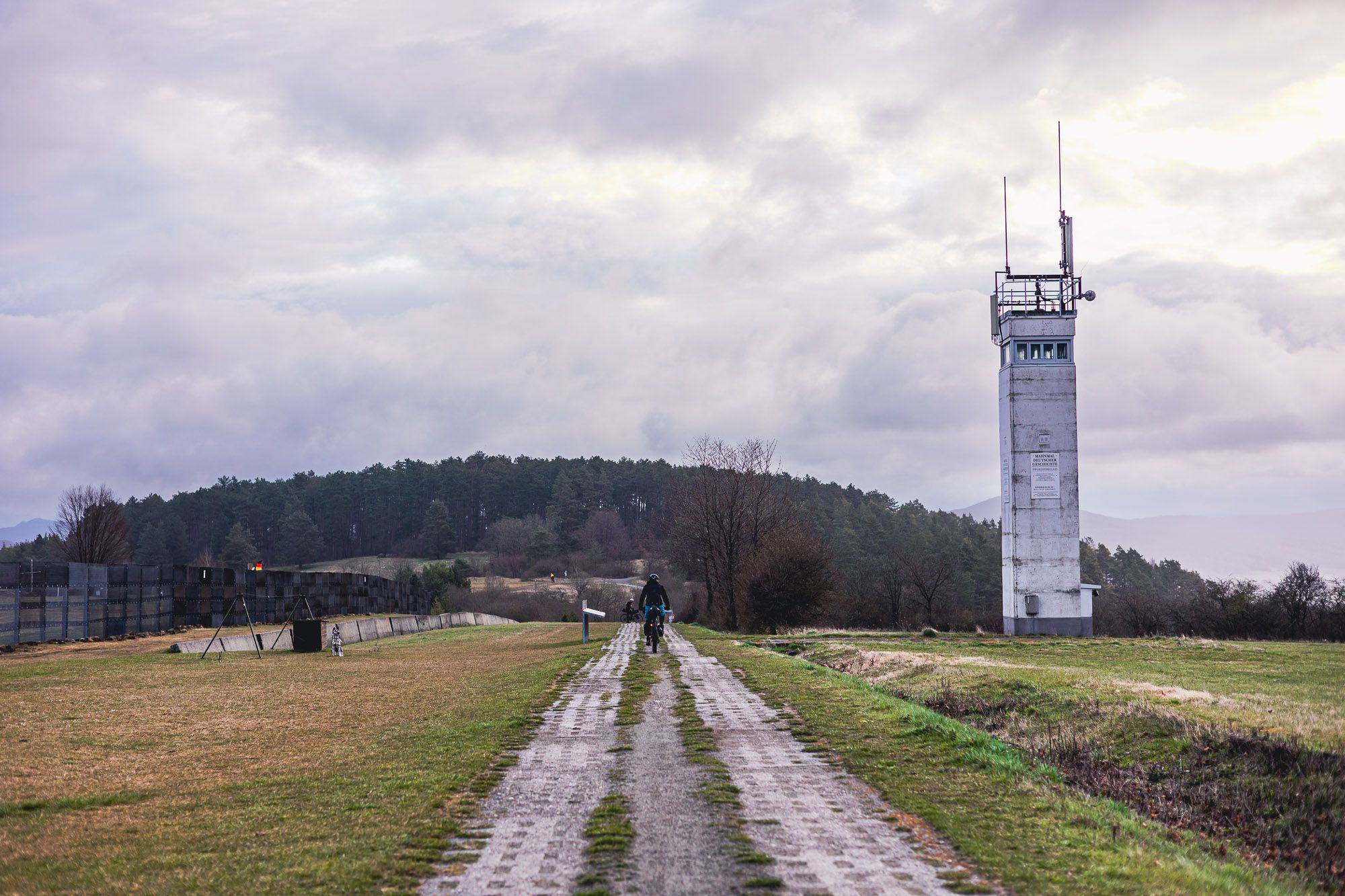
The Baltic Sea to Vogtland – 8 days along Germany's green former border
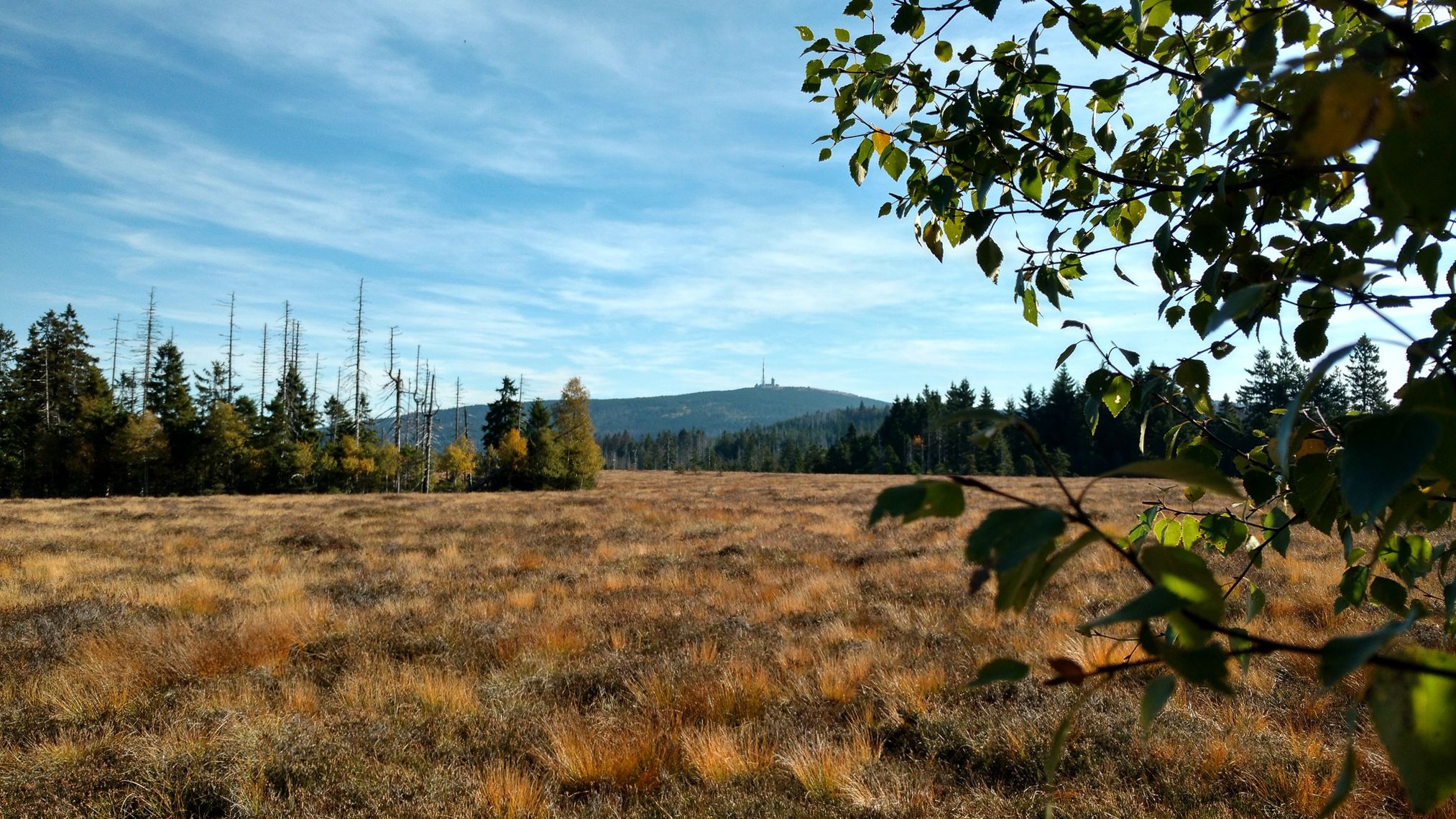
Harz Witches' Trail – A magical journey through Germany
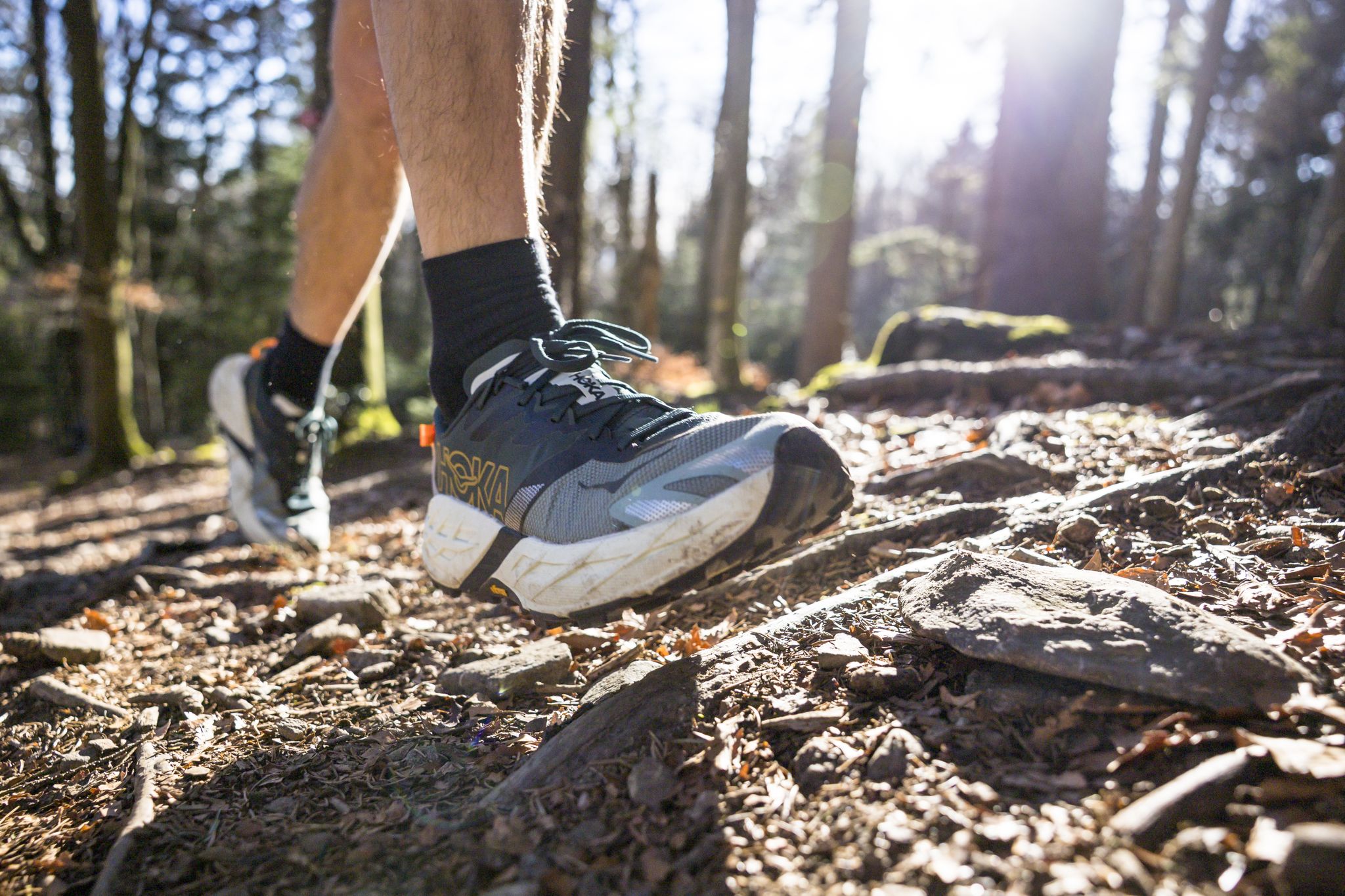
Run Wilder – six trail runs in Germany with the HOKA Speedgoat 7
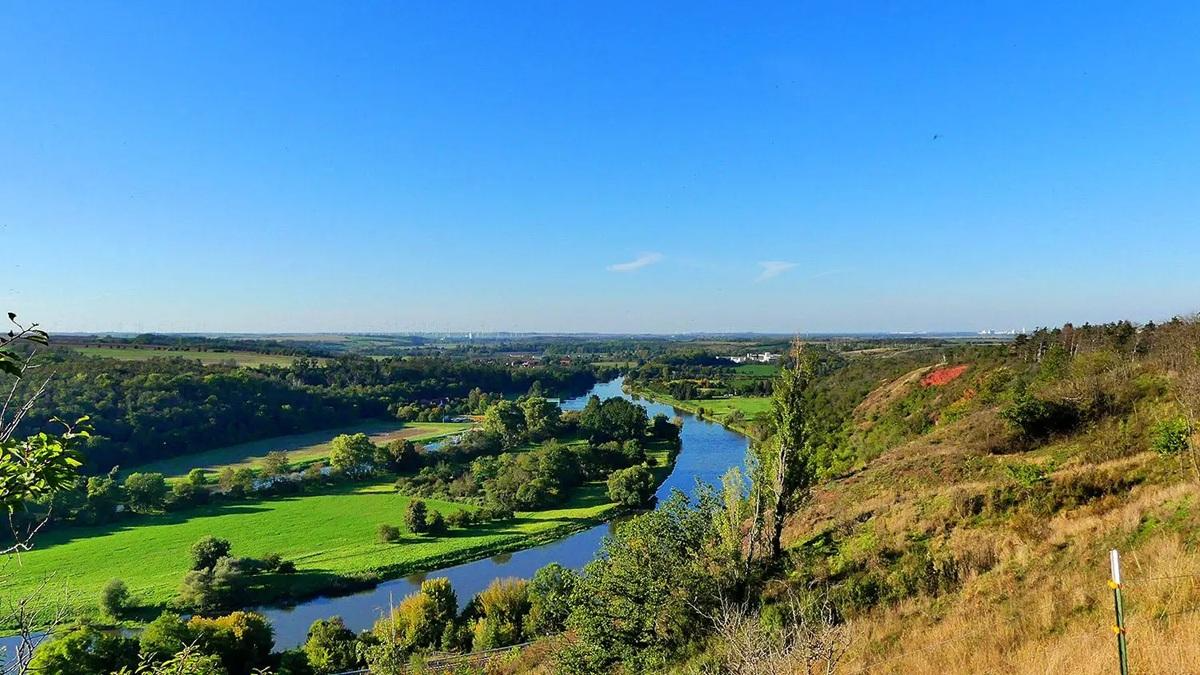
The National Natural Landscapes in Saxony-Anhalt

The National Natural Landscapes in Niedersachsen
On two wheels - 9 cities + 2 in Lower Saxony
Other adventures in the Harz Mountains


Tips from the Community

The Einhornhöhle is a karst cave in the Zechstein dolomite. It is located near Scharzfeld in the unincorporated Harz region of the Göttingen district of Lower Saxony. The cave is the largest visitor cave in the western part of the Harz. It is designated as a natural monument and was added to the list of 77 important national geotopes in 2006 as part of the Zechstein karst landscape in the southern Harz. Since 2017, the Einhornhöhle has been part of the UNESCO Geopark and an official information center. Source: Wikipedia
7
0

The cave is called the lower church, or the ruins of the upper church from the 9th century can still be seen.
14
1

Due to the constant influence of wind and weather, the Devil's Wall has of course continued to change over thousands of years. A special form of weathering can be seen in the thunderstorm grotto, which is also known as honeycomb weathering.
16
0
Nice view of the Hamburg coat of arms.
13
0

One of the many labeled rocks in the Devil's Wall area.
8
0

Romantic path with wonderful views of the surrounding area.
4
0

The Pioneer Tunnel is a stop on the Selketalstieg between Alexisbad and Mägdesprung and is located on the east side of the picturesque Selke Valley. This artificial, around 10 meters long and relatively low passage was driven through the rock in May 1900 within a few days. The hiking trail leads through here. There is no alternative route over or around the rock, so if you don't want to turn back you have to squeeze through the narrow tunnel. On the south side of the tunnel you have a beautiful view of the Selke Valley and the surrounding mountains. Source: https://www.harzlife.de/bilder/pioniertunnel.html
7
1

In any case, only suitable for bicycles to a limited extent… if at all, mountain bikes are recommended
4
0
Frequently Asked Questions
What are some of the most notable caves to visit in the Harz Mountains?
The Harz Mountains offer a diverse range of caves. Popular choices include the historical Unicorn Cave (Einhornhöhle) – HWN 101, known for its Ice Age fossil discoveries, and the Small Sandstone Caves in the Harz, which are great for exploration. The Volkmarskeller (HWN 87) is also a significant historical site with remains of an old monastery.
Are there family-friendly caves in the Harz Mountains?
Yes, several caves are suitable for families. The Small Sandstone Caves in the Harz offer multiple entrances and are fun for children to explore. The Iberg Dripstone Cave, with its interactive Cave Experience Centre and the legend of dwarf king Hübich, also provides an engaging experience for all ages.
What unique natural features can I expect to see in the Harz caves?
The Harz caves showcase a variety of natural wonders. Baumann's Cave features impressive stalactites and stalagmites, including the famous Goethe Hall. Hermann's Cave is known for its unique stalactite formations, the Olmensee with rare grotto olms, and the sparkling Crystal Chamber. The Iberg Dripstone Cave displays sinter cascades and colorful ground dripstones, while the Unicorn Cave is notable for its extensive karst system and fossilized Ice Age animal remains.
Which caves offer historical or archaeological insights?
The Unicorn Cave (Einhornhöhle) – HWN 101 is rich in history, from the medieval myth of unicorn bones to scientific discoveries of Ice Age fauna and evidence of Neanderthal habitation. The Volkmarskeller (HWN 87) is a historical cave and natural monument, known for the remains of an old monastery. The Iberg Dripstone Cave's limestone contains fossilized sea creatures from its ancient coral reef origins, and its Cave Experience Centre includes a replica of a 3,000-year-old Bronze Age tomb.
What should I wear when visiting caves in the Harz Mountains?
Caves maintain a constant cool temperature, typically around 8-9°C, with high humidity. It is recommended to wear warm clothing, even in summer, and non-slip shoes for safety on potentially damp or uneven surfaces.
Are there any caves in the Harz Mountains that are particularly good for exploration?
For those interested in exploration, the Small Sandstone Caves in the Harz offer various formations and multiple entrances to discover. The Large sand caves (HWN 81) also provide extensive areas for visitors to explore.
Can I find hiking trails near the Harz Mountains caves?
Yes, the Harz Mountains are excellent for hiking. You can find numerous trails, including those that pass by or lead to caves. For example, the Stone Church, Scharzfeld can be combined with the Unicorn Cave for a varied circular route. You can explore various hiking options in the region, such as those listed in the Waterfall hikes in the Harz Mountains guide.
What is the difference between Baumann's Cave and Hermann's Cave?
Both Baumann's Cave and Hermann's Cave are part of the Rübeland Caves. Baumann's Cave is Germany's oldest show cave, famous for its Goethe Hall which hosts cultural events. Hermann's Cave is a river cave known for its unique stalactite formations, the Olmensee (home to grotto olms), and the sparkling Crystal Chamber. While Baumann's offers a cultural experience within a geological setting, Hermann's focuses more on unique aquatic life and impressive crystalline formations.
Are there any caves that are considered 'hidden gems' or less commonly known?
While many caves are well-known, places like the Bärenhöhle (Beckers Grube) near Goslar or the Gewittergrotte (Thunder Grotto) might offer a more secluded experience compared to the larger show caves. These often provide a quiet natural setting for exploration.
What other outdoor activities can I do near the Harz Mountains caves?
Beyond cave exploration, the Harz Mountains offer extensive outdoor activities. You can find numerous MTB Trails in the Harz Mountains and options for Cycling in the Harz Mountains. Many routes combine natural sights, including forests and viewpoints, making it easy to integrate cave visits with other adventures.
Are there any caves with archaeological significance in the Harz?
Yes, the Unicorn Cave (Einhornhöhle) – HWN 101 is a prime example, with significant finds of Ice Age animal fossils and evidence of Neanderthal habitation dating back 100,000 years. The Iberg Dripstone Cave also has archaeological connections through its associated Cave Experience Centre, which displays a replica of a Bronze Age tomb.
Can I visit the Harz caves during winter?
Many show caves in the Harz Mountains, such as Baumann's Cave and Hermann's Cave, are open year-round, including in winter, offering a unique experience regardless of the season. However, it's always advisable to check the specific opening hours and tour availability for individual caves before planning your visit, as schedules can vary.
Most popular routes in the Harz Mountains
Most popular attractions in the Harz Mountains

Get inspired with the komoot mobile app


Didn’t find what you were looking for?
Discover more caves in the Harz Mountains region by region:
Explore more
Extend your search for the best caves by checking out these guides of the top ones in the Harz Mountains:
