Top 20 Castles in Upper Palatinate
Best castles in Upper Palatinate are found in a region known for its historical significance and diverse landscapes. This area, often referred to as the "Land of a Hundred Castles," features numerous medieval fortifications and ruins. These sites offer insights into past architectural styles and strategic importance. Visitors can explore a variety of historical structures set amidst the natural terrain.
Best castles in Upper Palatinate
- The most popular castles is Wolfstein Castle Ruins, a castle that towers 150 meters…
Last updated: October 9, 2026
Weißenstein Castle Ruins
Highlight • Castle
Translated by Google •
Tip by

Lichtenegg Castle Ruins
Highlight • Castle
Translated by Google •
Tip by

Sign up now to discover places like this
Get recommendations on the best single tracks, peaks, & plenty of other exciting outdoor places.
Wolfstein Castle Ruins
Highlight • Castle
Translated by Google •
Tip by

Schwarzenburg Castle Ruins
Highlight • Castle
Translated by Google •
Tip by

Ruins of Donaustauf Castle
Highlight • Castle
Translated by Google •
Tip by

Schellenberg Castle Ruins and Observation Tower
Highlight • Castle
Translated by Google •
Tip by

Leuchtenberg Castle Ruins
Highlight • Castle
Translated by Google •
Tip by
Velburg Castle Ruins
Highlight • Castle
Translated by Google •
Tip by

Kürnburg Castle Ruins
Highlight • Castle
Translated by Google •
Tip by

Breitenstein Castle Double Chapel
Highlight • Religious Site
Translated by Google •
Tip by

Sign up for free to discover even more castles in Upper Palatinate.
Already have an account?
Start today with a free account
Your next adventure awaits.
Popular around Upper Palatinate
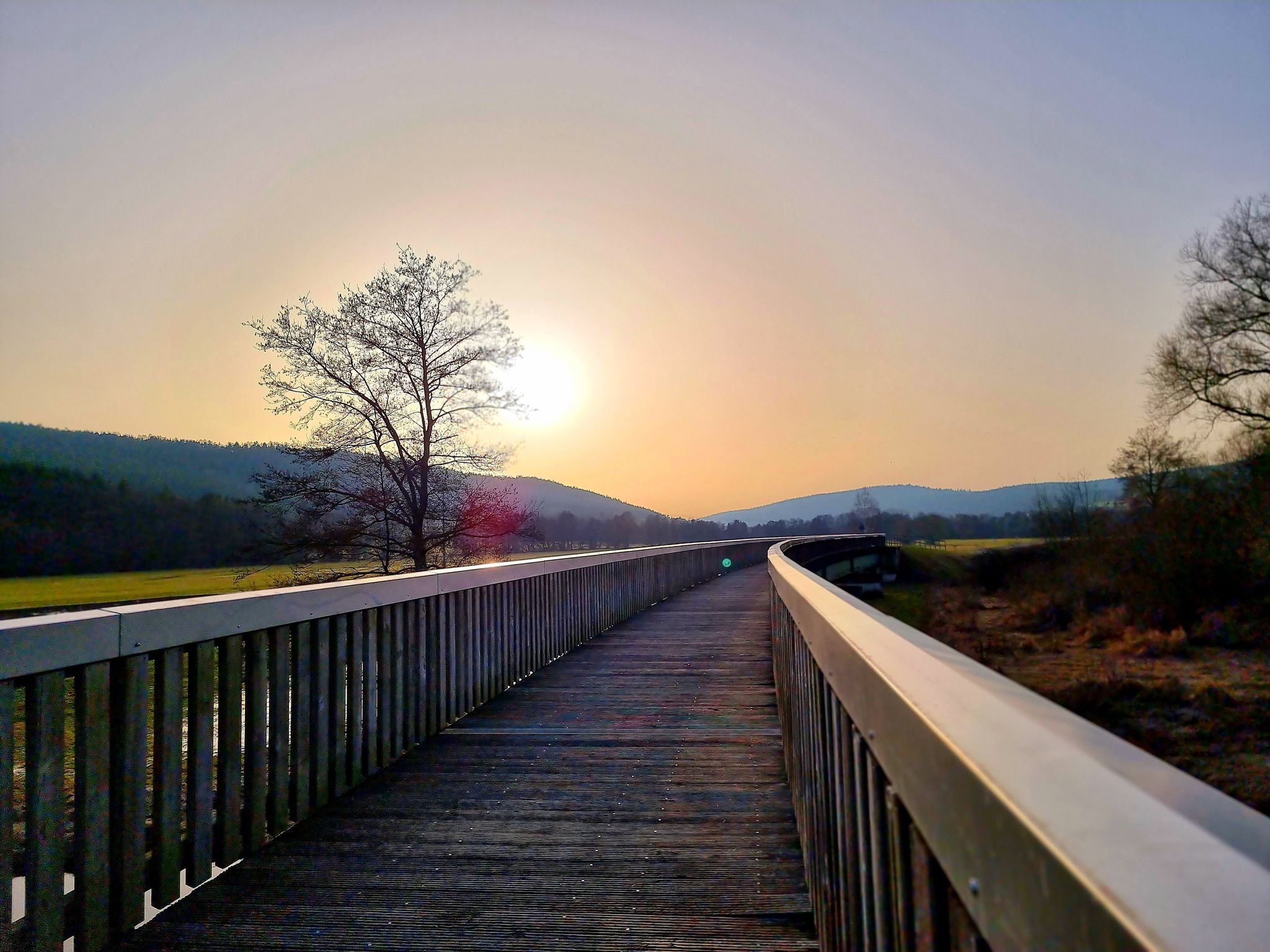
Bavaria-Bohemia long-distance cycling trail – Crossing borders
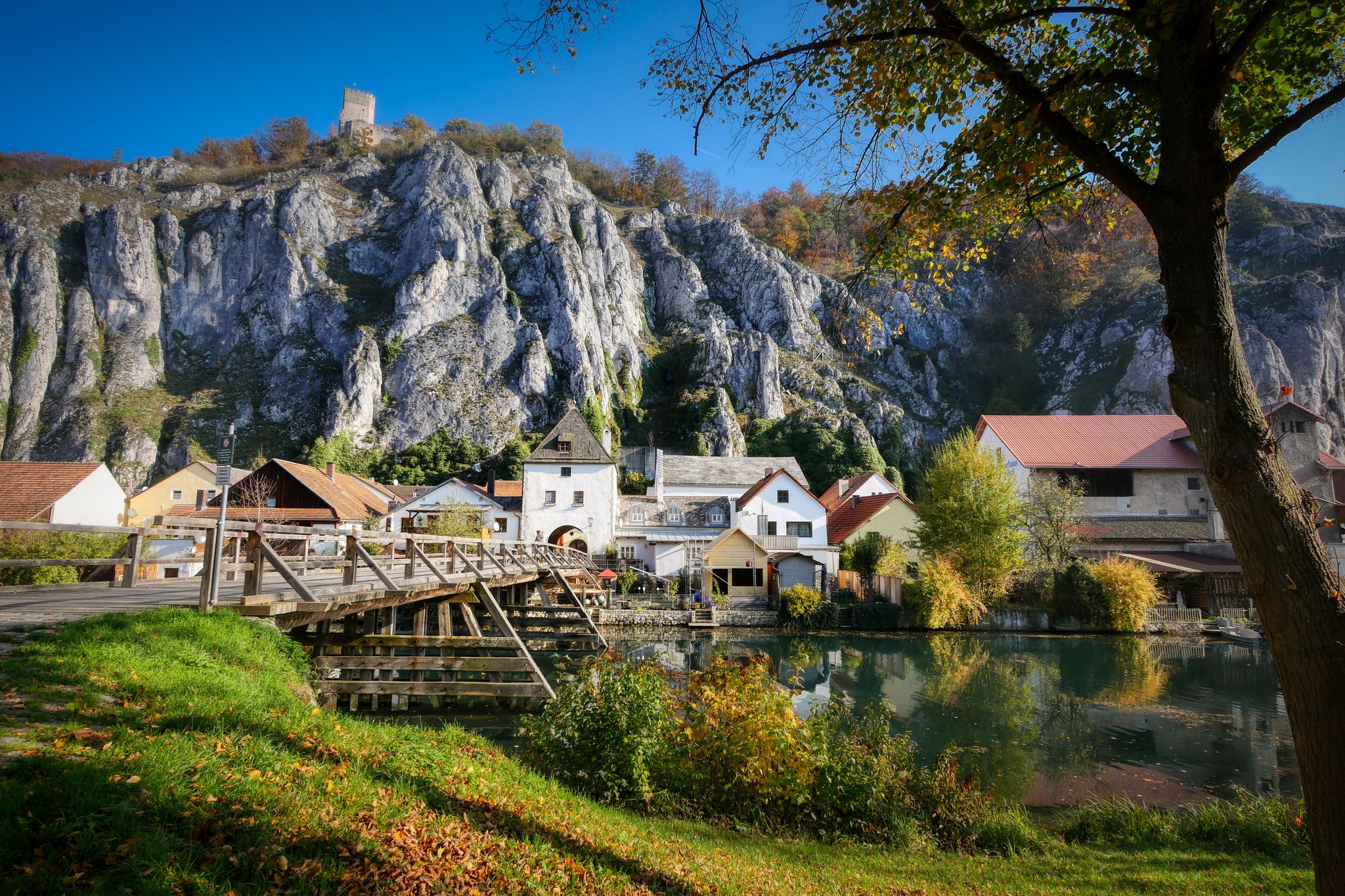
Jurasteig — hiking in the heart of Bavaria
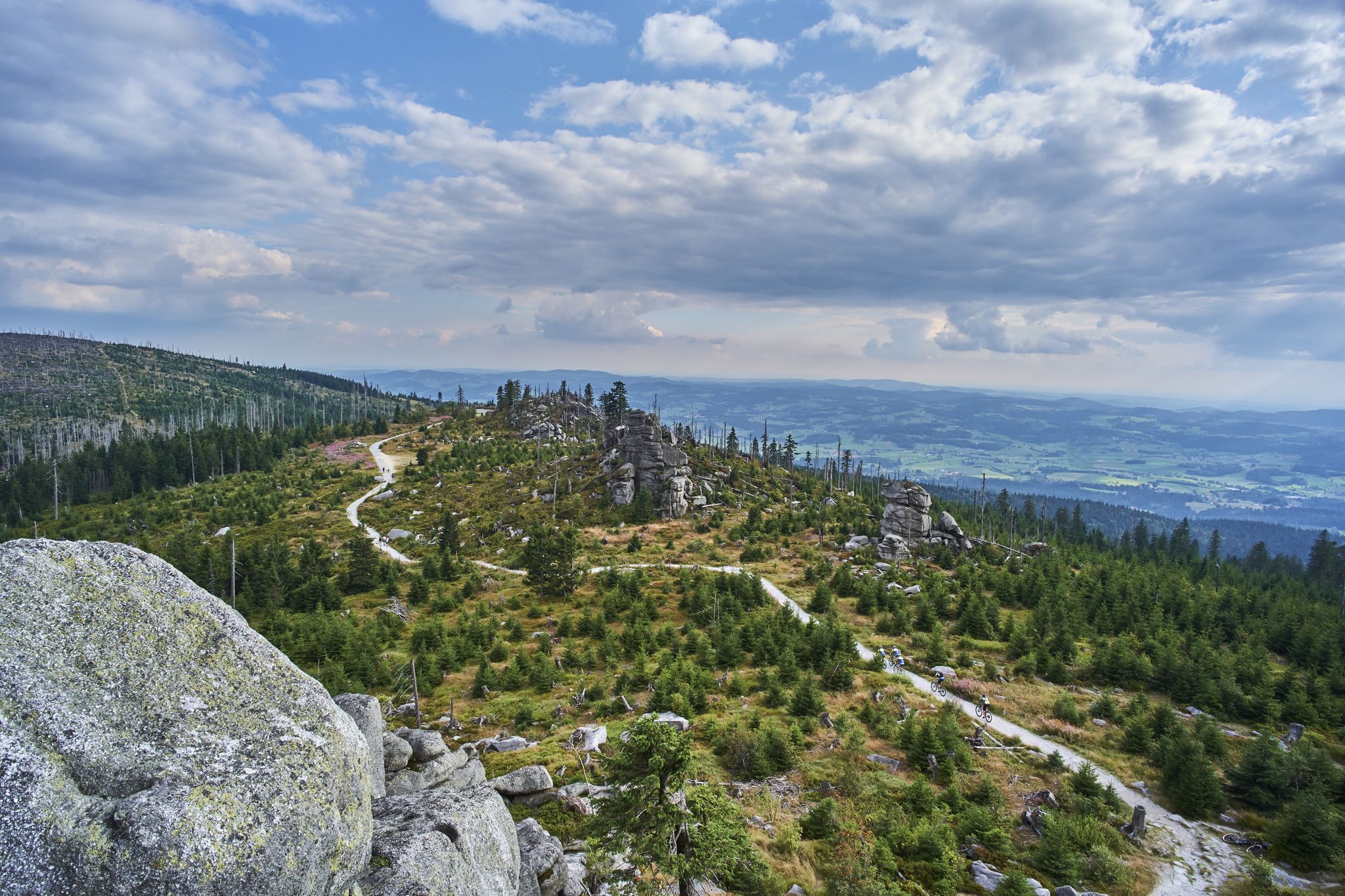
Trans Bayerwald – A mountain bike adventure through Bavaria's finest nature
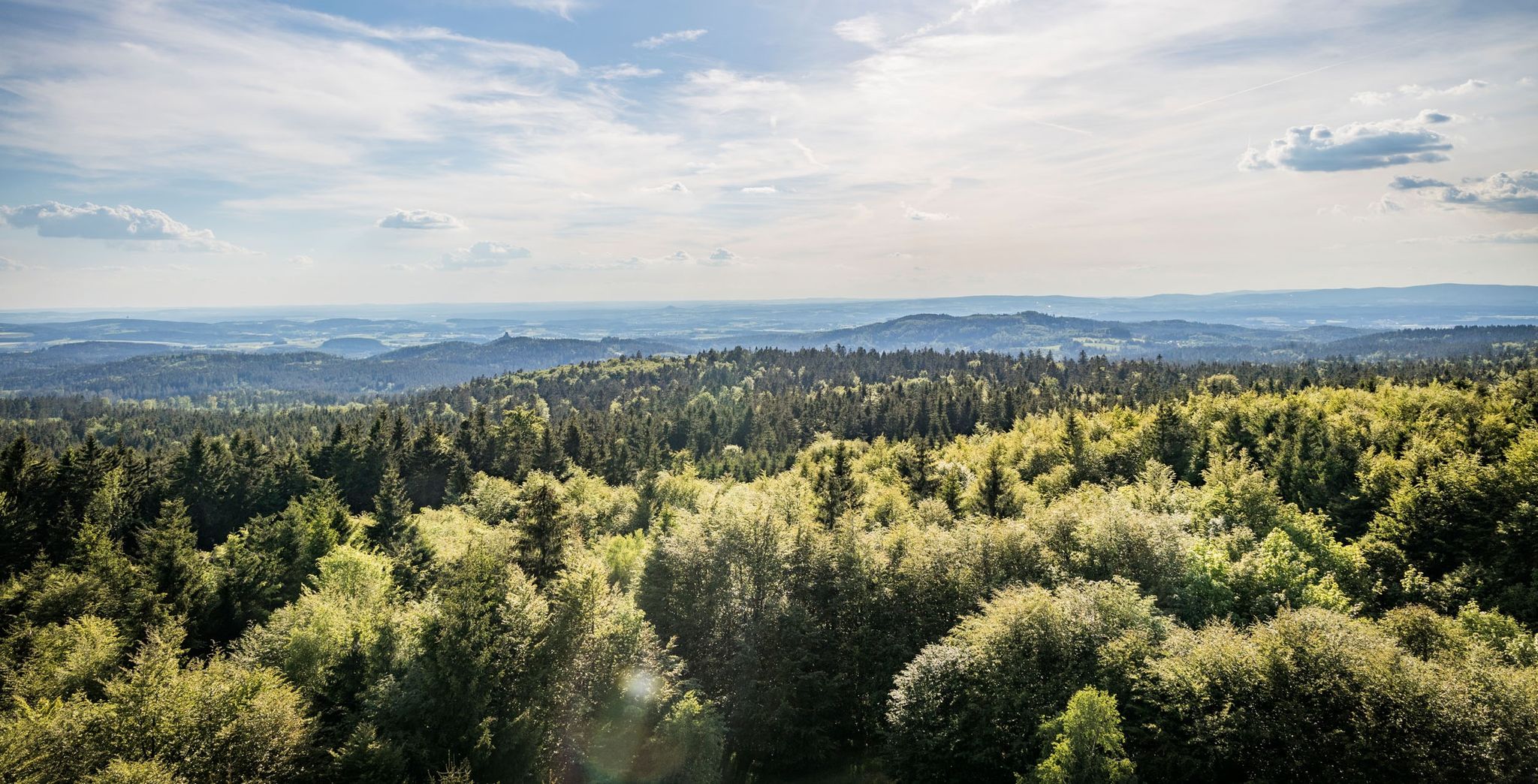
Nurtschweg – Hiking along the German-Czech border
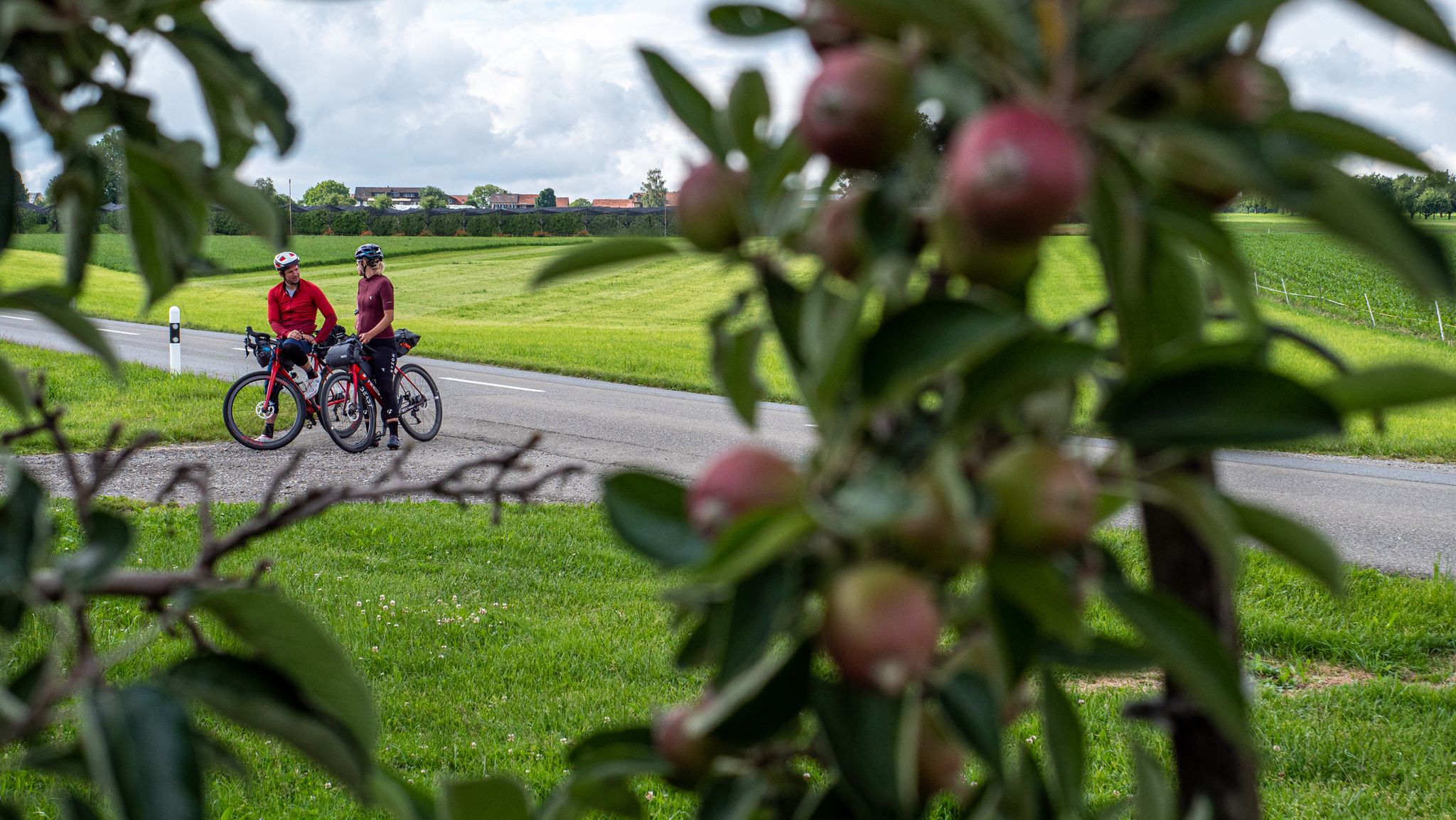
SEND IT! Germany by bike with two mountain bike pros
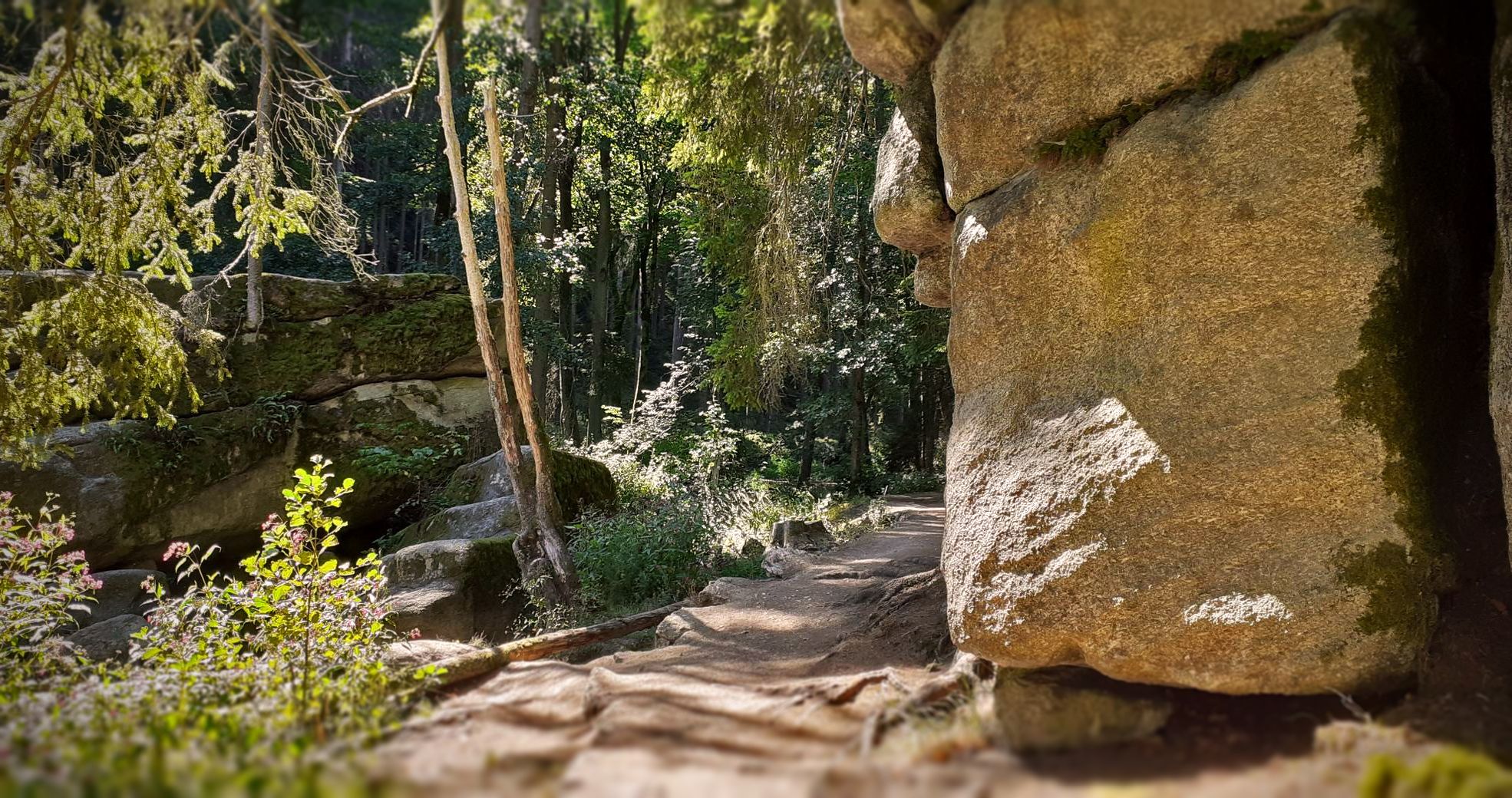
Bikepacking in the Upper Palatinate Forest
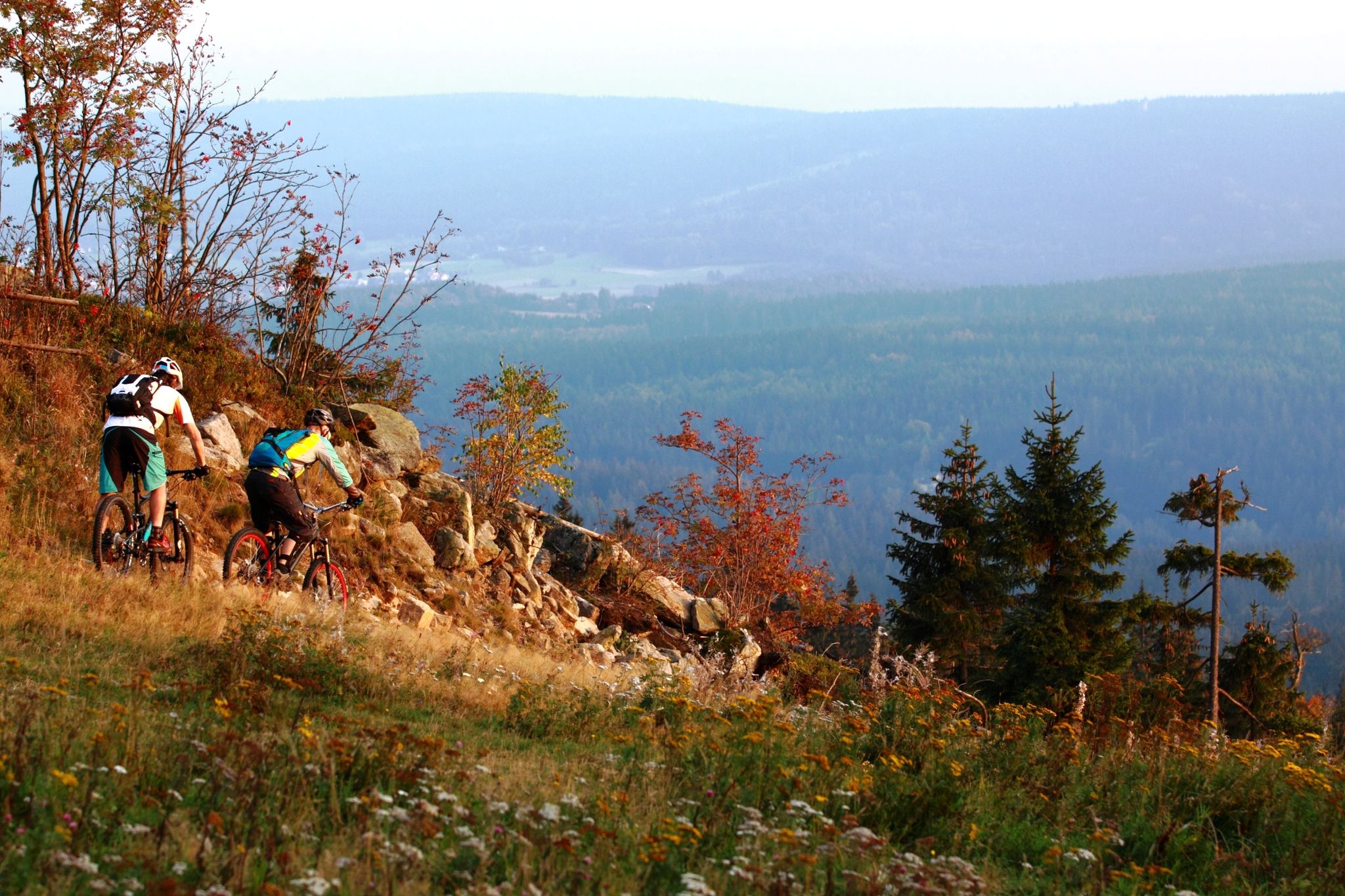
Water, rocks & trails — Mountain biking in the Fichtel mountains
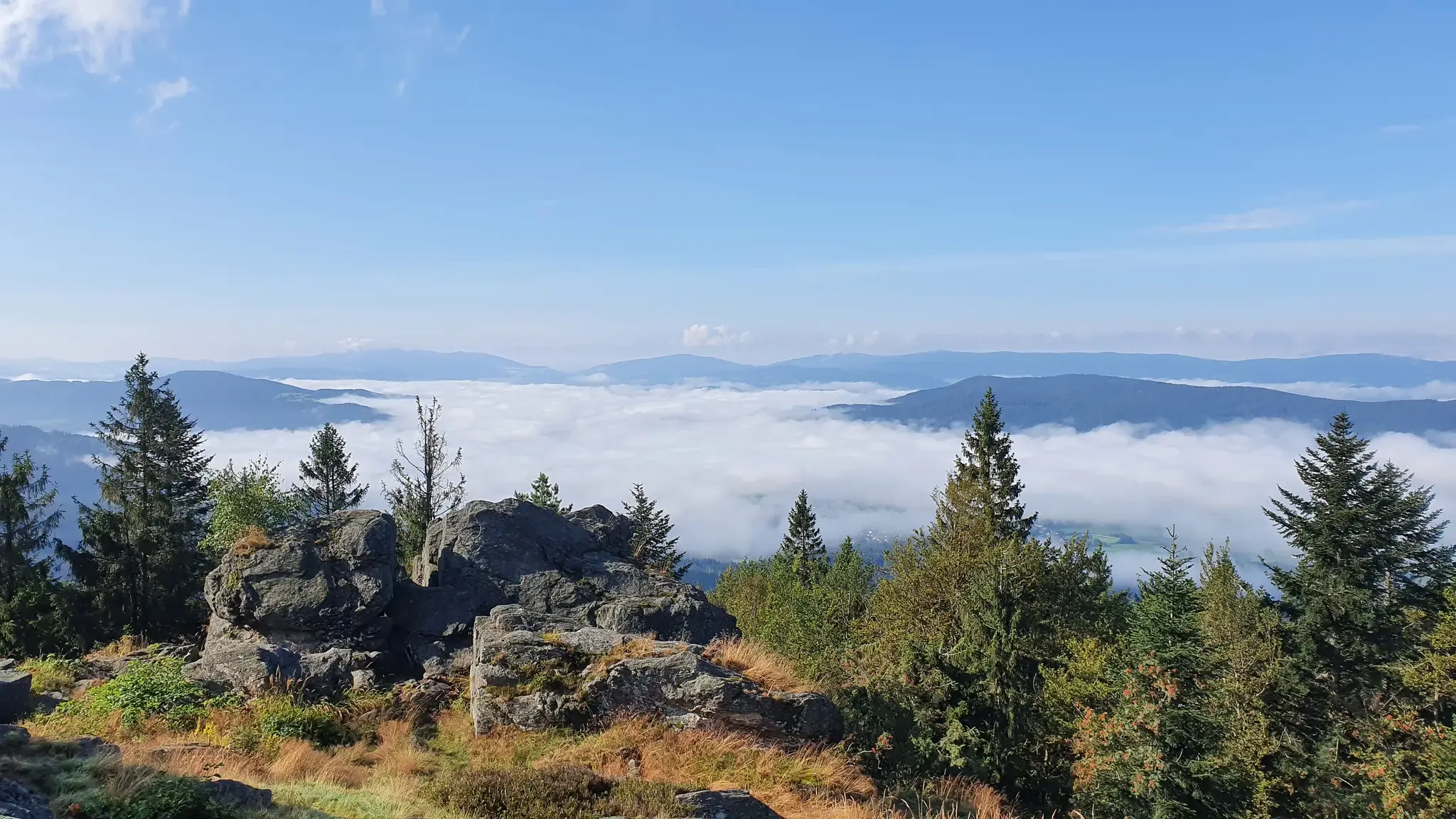
The Goldsteig – 38 stages between Upper Palatinate and Passau
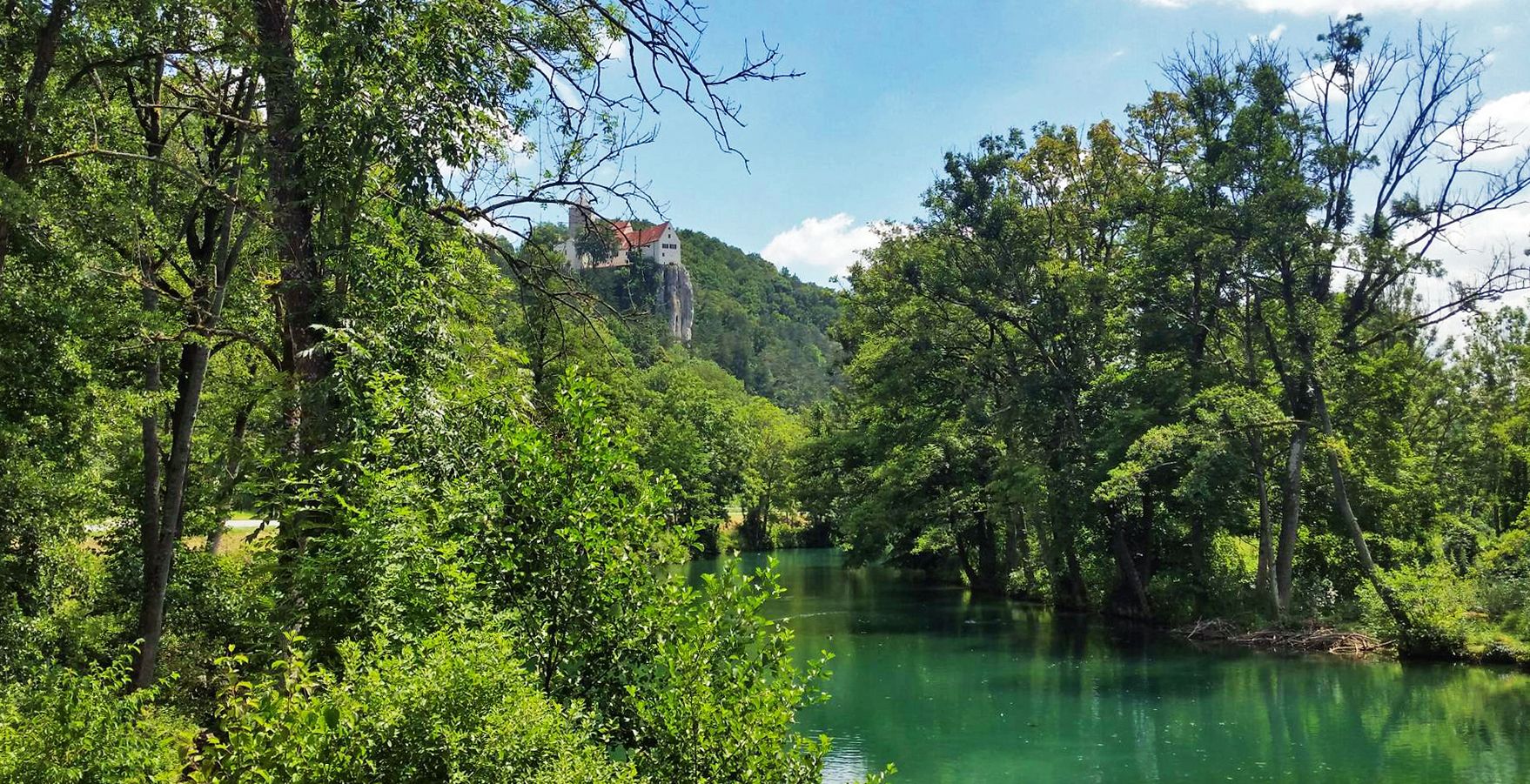
Five Rivers Cycle Path — 5 stages along Bavaria's most beautiful rivers
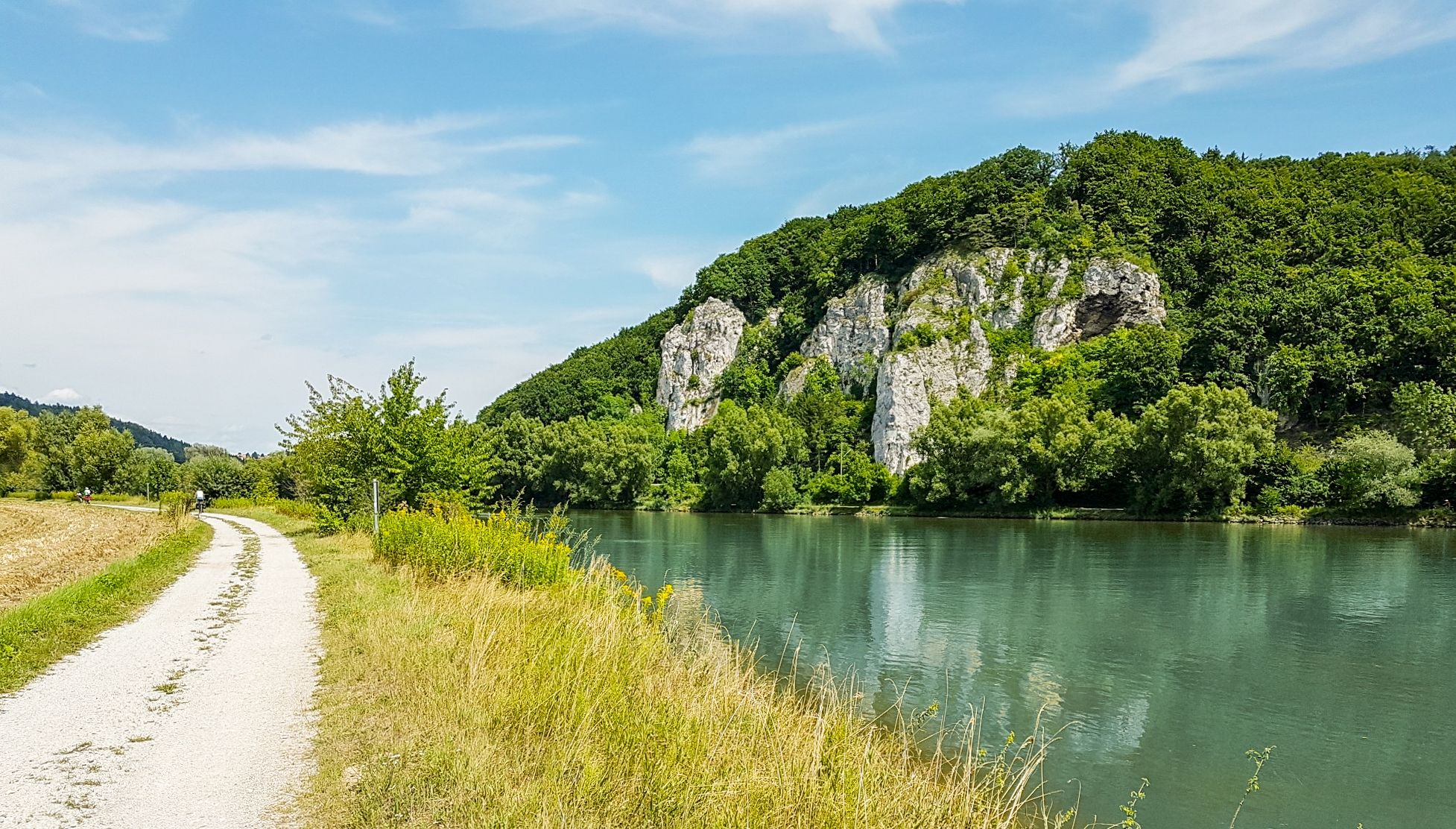
Donau-Panoramaweg – 10 days nature views and cultural insights
Other adventures in Upper Palatinate


Tips from the Community

Neumarkt's landmark, visible from afar, towers 150 meters above the city. The castle was first mentioned in a document in 1283, but the complex is certainly much older. The castle area had fallen into disrepair since the beginning of the 17th century, and excavations and renovation work began in 1997 by the Wolfsteinfreunde Neumarkt association.
5
1

A beautiful and well-preserved ruin. Signs on the walls indicate its former function. From the palace there is a beautiful view of the complex and the surrounding area.
7
0

Awesome 🔨 view from the castle to Donaustauf and into the distance to the Regensburg Cathedral on one side and on the other side to Walhalla and Scheuchenberg
9
1

In 1347, Emperor Ludwig the Bavarian had Schellenberg Castle, which was then called "Lug ins Land", built to protect against attacks from Bohemia. On July 12, 1498, the castle was stormed under the leadership of Captain Konrad von Wirsberg, who was in the service of the Margrave of Brandenburg. The castle was partially destroyed. Their owner, Knight Moritz von Guttenberg, was captured. The castle was never rebuilt.
9
0

Kürnberg Castle Ruins The Kürnberg ruins are hidden on a wooded hill about a kilometer northeast of Stamsried. The Kürners originally come from the town of Kürn, which lies between Regensburg and Nittenau. In 1346, Dietrich II received Stamsried as a fief from Count Palatine Ruprecht II and subsequently shifted the focus of his rule there. The land probably originally belonged to the Bishop of Bamberg, whose bailiffs were the Palatines in this area. In 1354, Dietrich received permission to build Kürnberg Castle on the Heitberg near Stamsried, and from then on he and his descendants called themselves Kürner von Kürnberg. They sold their home castle to the Paulsdorfers in 1394. Other Kürners subsequently appeared again and again as cathedral canons in Regensburg. In 1422, Hans Kürner was the last person to live in Kürnberg. He sold the castle to Ulrich Warberger in 1423. In 1499, the castle came to Ludwig von Habsberg, who had it expanded once again for the use of firearms. In 1532, the Murachers took over, but they later stopped living in Kürnberg. In 1634, during the Thirty Years' War, the Swedes conquered Stamsried and besieged and destroyed the castle. Since then, it has been abandoned, and the seat of power has moved to Strahlfeld. At the end of the 1970s, extensive security measures were taken on the castle ruins. Kürnberg is one of the most recently founded castles in the wider area. Its state of preservation is rare in the Upper Palatinate: extensive remains of the walls of the gate tower, battery tower, wall, chapel, wall towers and palace have been preserved. There is no keep, which is typical of a castle of the late Middle Ages. The tower-like palace took over the role of the last point of refuge. The beautiful location, the unique view from the palace and the good state of preservation make Kürnberg an ideal destination. The area is ideal for hikes, and a forest adventure trail leads around the castle hill. There is a fireplace in the courtyard of the outer bailey. Source: www.burgenseite.de
6
0


A nice stopover on a hike that should not be missed, the chapel has always been open.
4
0
The castle chapel in Breitenstein is absolutely worth seeing because of the two-storey construction. Next to the chapel there is a bench to enjoy the beautiful view.
17
0
Frequently Asked Questions
Which castles in the Upper Palatinate offer the best panoramic views?
Many castles in the Upper Palatinate are strategically located on hills, providing excellent vistas. For breathtaking views, consider visiting the Schellenberg Castle Ruins and Observation Tower, which is the highest vantage point in the region at 826 meters. The Kürnburg Castle Ruins also feature a walkable observation tower with fantastic views over the Regental valley. Additionally, the renovated keep at Schwarzenburg Castle Ruins offers a unique panorama, and Wolfstein Castle Ruins provides a wonderful panoramic view over Neumarkt and its surroundings.
Are there family-friendly castles to visit in the Upper Palatinate?
Yes, several castles in the Upper Palatinate are great for families. The Weißenstein Castle Ruins are well-preserved and allow exploration via wooden staircases, offering a phenomenal view. The Ruins of Donaustauf Castle are also noted as a dream for kids and dogs, with many nooks and crannies to explore. Other family-friendly options include Lichtenegg Castle Ruins, Velburg Castle Ruins, and Kürnburg Castle Ruins, which are easily accessible even for children.
What kind of historical insights do the castles in the Upper Palatinate offer?
The castles in the Upper Palatinate provide a deep dive into medieval history and the region's past. For instance, Leuchtenberg Castle Ruins, dating back to 1124, is one of the most significant complexes, showcasing components like a knight's hall. Schellenberg Castle Ruins were built in 1347 for defense against raids from Bohemia. Theuern Castle, an 18th-century 'hammer castle,' uniquely reflects the region's industrial past and iron processing, housing a mining and industrial museum.
Are there hiking or cycling routes near the castles in the Upper Palatinate?
Absolutely! The Upper Palatinate offers numerous outdoor activities that can be combined with castle visits. You can find various cycling routes, including gravel biking and road cycling, that pass by or near these historical sites. For example, there are routes like the 'Upper Palatinate countryside journey' for gravel biking or the 'Across the Upper Palatinate Lake District' for general cycling. Explore more options in the Gravel biking in Upper Palatinate, Cycling in Upper Palatinate, and Road Cycling Routes in Upper Palatinate guides.
What is the best time of year to visit the castles in the Upper Palatinate?
The summer months are particularly popular, especially for castles like Leuchtenberg Castle, which hosts open-air theater and medieval-themed events. However, the region's castles offer unique experiences throughout the year. Spring and autumn provide pleasant weather for exploring and hiking, with beautiful foliage. Some castles, like Wolfstein Castle Ruins, are open from April to October, with guided tours available on Sundays during summer.
Are there any castles in the Upper Palatinate that are less crowded?
While popular sites attract visitors, many of the region's numerous castle ruins offer a more tranquil experience. The Kürnburg Castle Ruins, for example, are described as 'a bit hidden on a wooded hill' northeast of Stamsried, suggesting a quieter visit. Exploring some of the lesser-known ruins can provide a peaceful historical adventure away from larger crowds.
Can I find food and refreshments near the castle ruins?
Yes, some castle sites offer amenities. At Schwarzenburg Castle Ruins, a cozy mountain lodge operated by a local club in the upper courtyard offers refreshments on certain days. For other locations, nearby towns and villages often have cafes, pubs, and restaurants where you can find local cuisine and drinks after your exploration.
What are some notable natural features or viewpoints near the castles?
Many castles are integrated with the natural landscape. The Weißenstein Castle Ruins are located in the heart of the Steinwald Forest, offering extensive views. Schellenberg Castle Ruins are known for their striking rock formation and the surrounding virgin nature, which supports remarkable fauna and flora. The climb to Flossenbürg Castle Ruin is rewarded with extensive views of the Upper Palatinate Forest.
How long should I plan for a visit to a castle ruin?
The duration of a visit can vary depending on the castle and your interest. For larger, well-preserved complexes like Leuchtenberg Castle Ruins or those with museums like Theuern Castle, you might spend 2-3 hours. For smaller ruins or those primarily offering viewpoints, an hour or less might suffice. Many visitors combine castle visits with nearby hiking or cycling, extending their overall outing.
Are there any castles in the Upper Palatinate that are wheelchair accessible?
Due to their historical nature and often elevated locations, many castle ruins in the Upper Palatinate may have limited accessibility for wheelchairs. Access often involves uneven terrain, stairs, or steep paths. It's advisable to check specific castle websites or contact local tourist information for detailed accessibility information before planning your visit.
What are the parking options for visiting castles in the Upper Palatinate?
Parking availability varies by castle. Many popular sites, especially those near towns or main roads, will have designated parking areas, sometimes requiring a short walk to the ruins. For more remote ruins, parking might be limited to roadside spots or small lots. For example, the Ruins of Donaustauf Castle can be reached by car, making parking relatively straightforward. Always look for signage or local guidance upon arrival.
Most popular routes in Upper Palatinate
Most popular attractions in Upper Palatinate

Get inspired with the komoot mobile app


Didn’t find what you were looking for?
Explore Upper Palatinate’s best castles region by region:
Explore more
Looking for the best castles somewhere else? Discover other guides in Upper Palatinate:
