The best road cycling routes around Further Moor
4.2
(1369)
16,488
riders
201
rides
Road cycling routes around Further Moor traverse a diverse landscape within the Bergische Heideterrasse. The region features extensive networks of paths through meadows and wooded areas, offering varied scenery for cyclists. While the central moorland is protected, its periphery provides gentle hills and open vistas. These routes allow cyclists to explore the natural beauty surrounding the sensitive moorland ecosystem.
Best road cycling routes around Further Moor
- The most popular road cycling route is View of the Rhine Plain – Klingenring…
Last updated: July 10, 2026
4.3
(16)
169
riders
Moderate road ride. Good fitness required. Mostly well-paved surfaces and easy to ride.
4.0
(1)
6
riders
16.5km
00:39
40m
40m
Easy road ride. Great for any fitness level. Mostly well-paved surfaces and easy to ride.

Sign up for free
2.0
(1)
6
riders
Moderate road ride. Great for any fitness level. Some segments of this route may be unpaved and difficult to ride.
4.5
(20)
309
riders
83.5km
04:02
1,060m
1,060m
Hard road ride. Very good fitness required. Mostly well-paved surfaces and easy to ride.
4.3
(31)
274
riders
30.6km
01:18
200m
200m
Easy road ride. Great for any fitness level. Mostly well-paved surfaces and easy to ride.
Get access to more routes and recommendations from other explorers.
Sign up for free
Already have an account?
Our route recommendations are based on thousands of hikes, rides, and runs completed by other people on komoot.
Start today with a free account
Your next adventure awaits.
Login or Signup
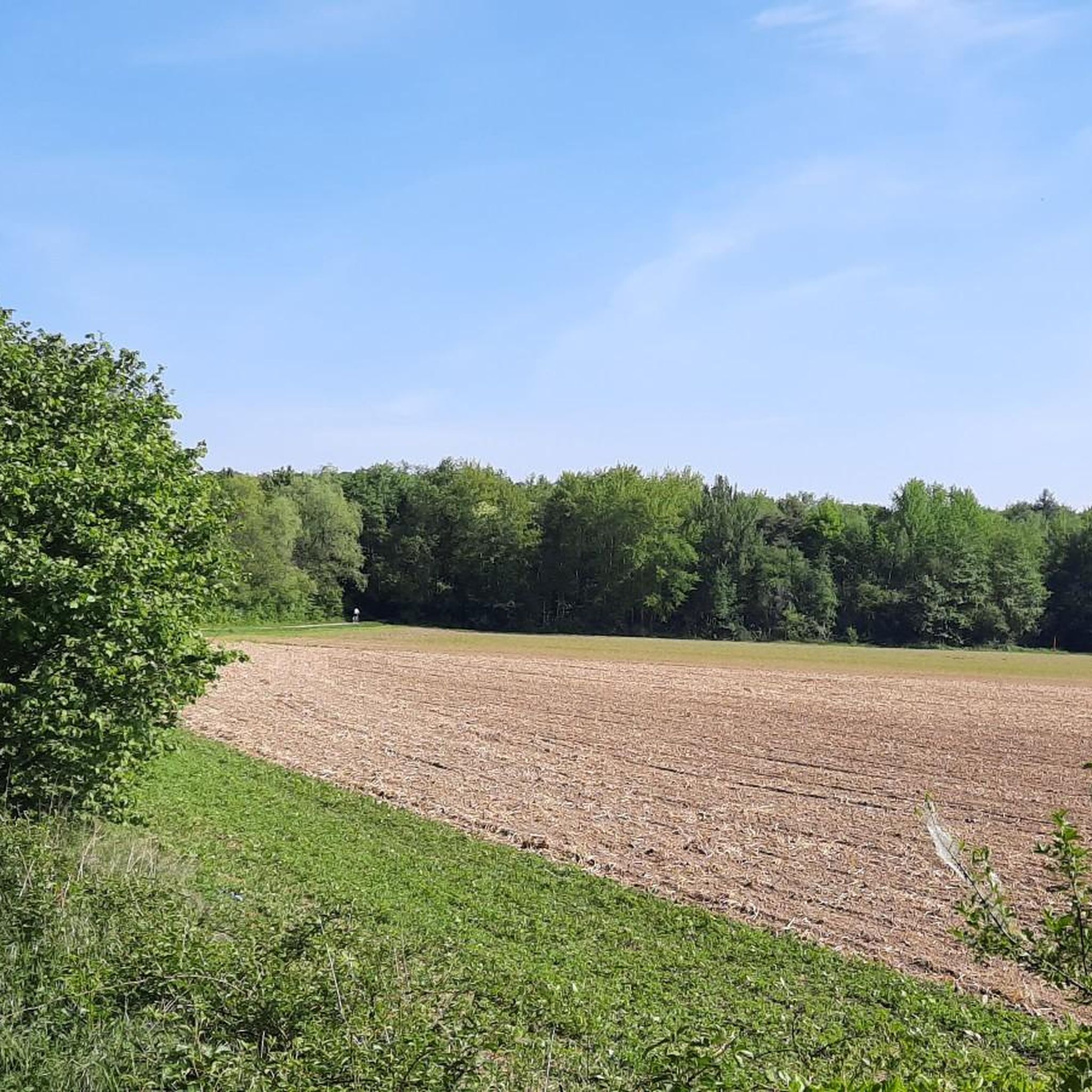
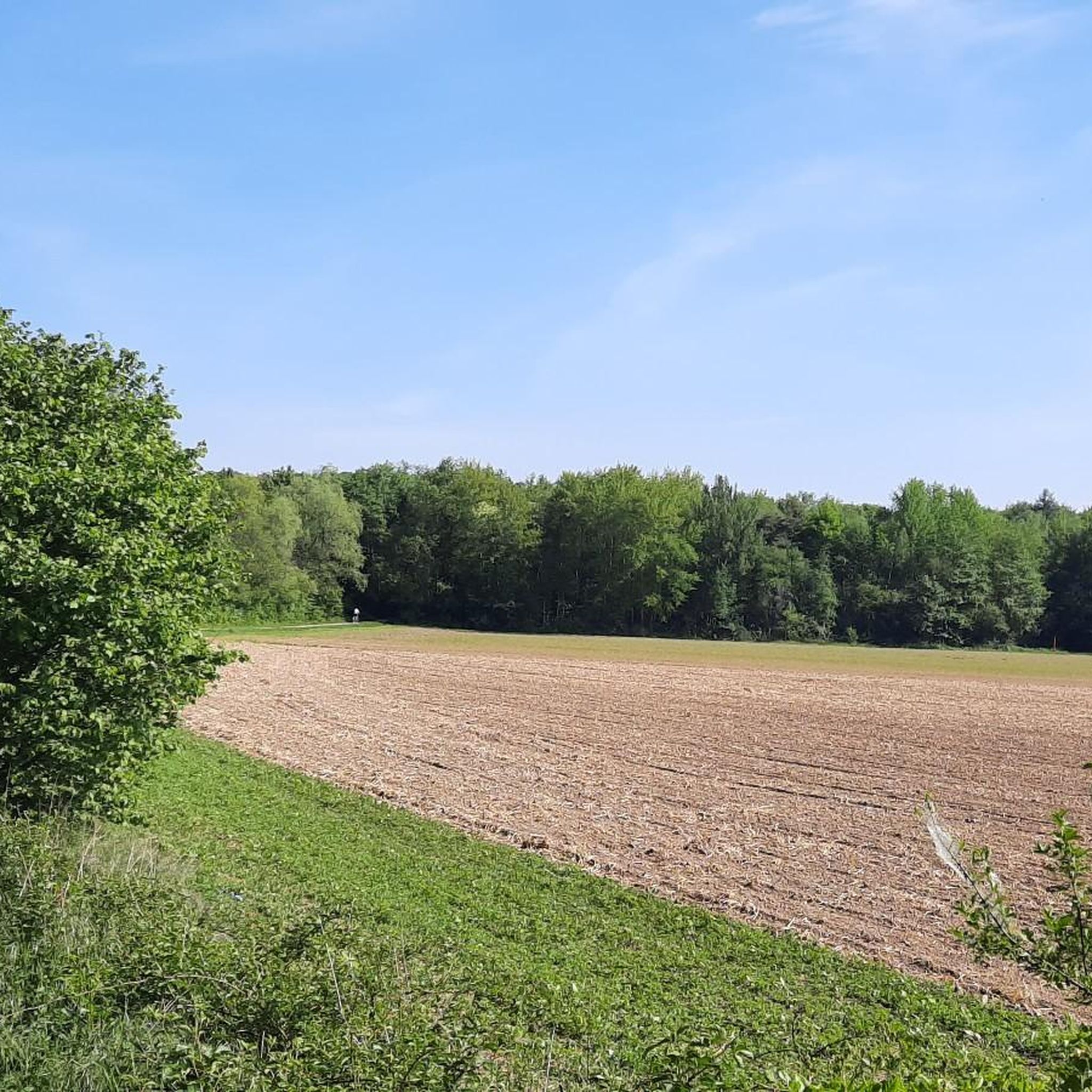
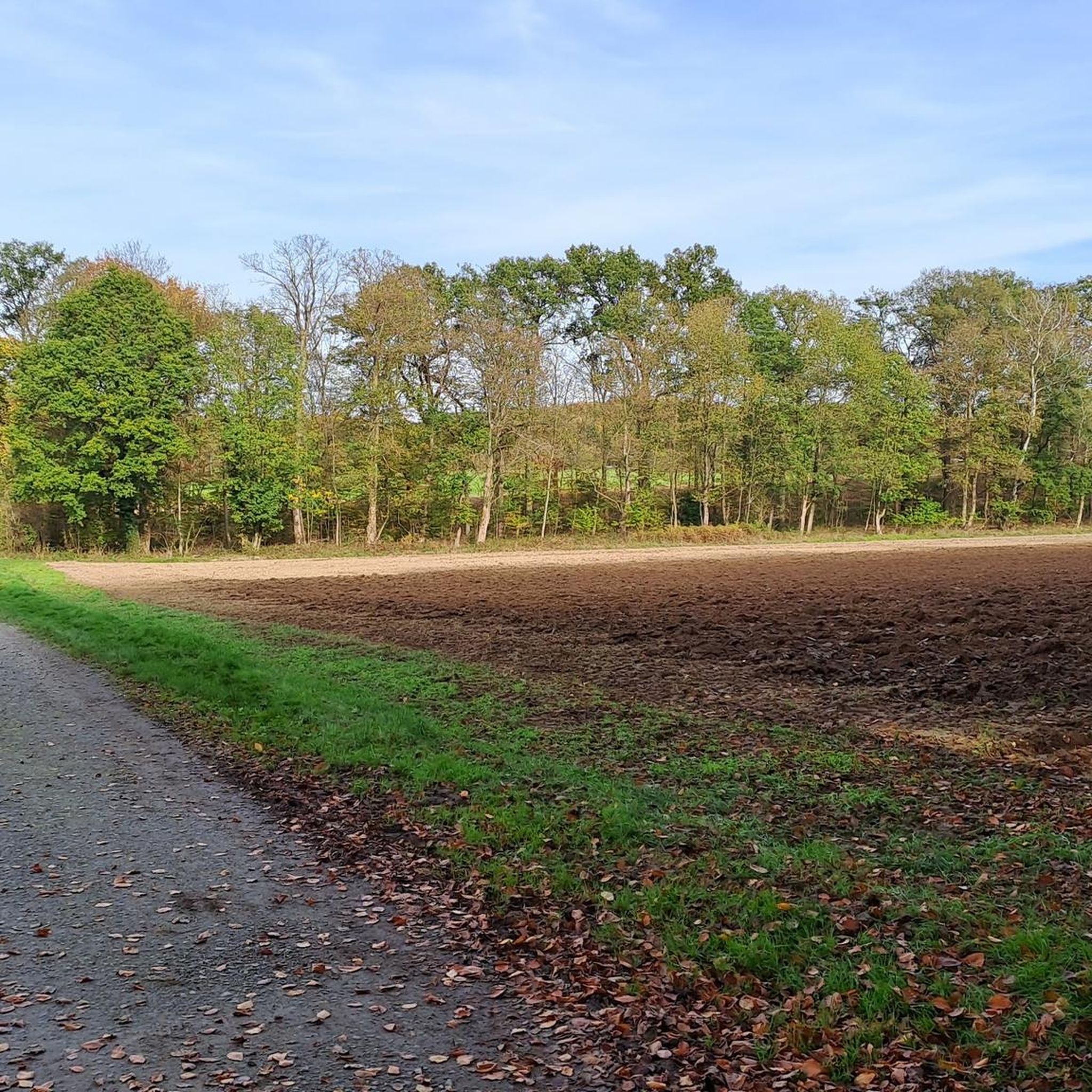

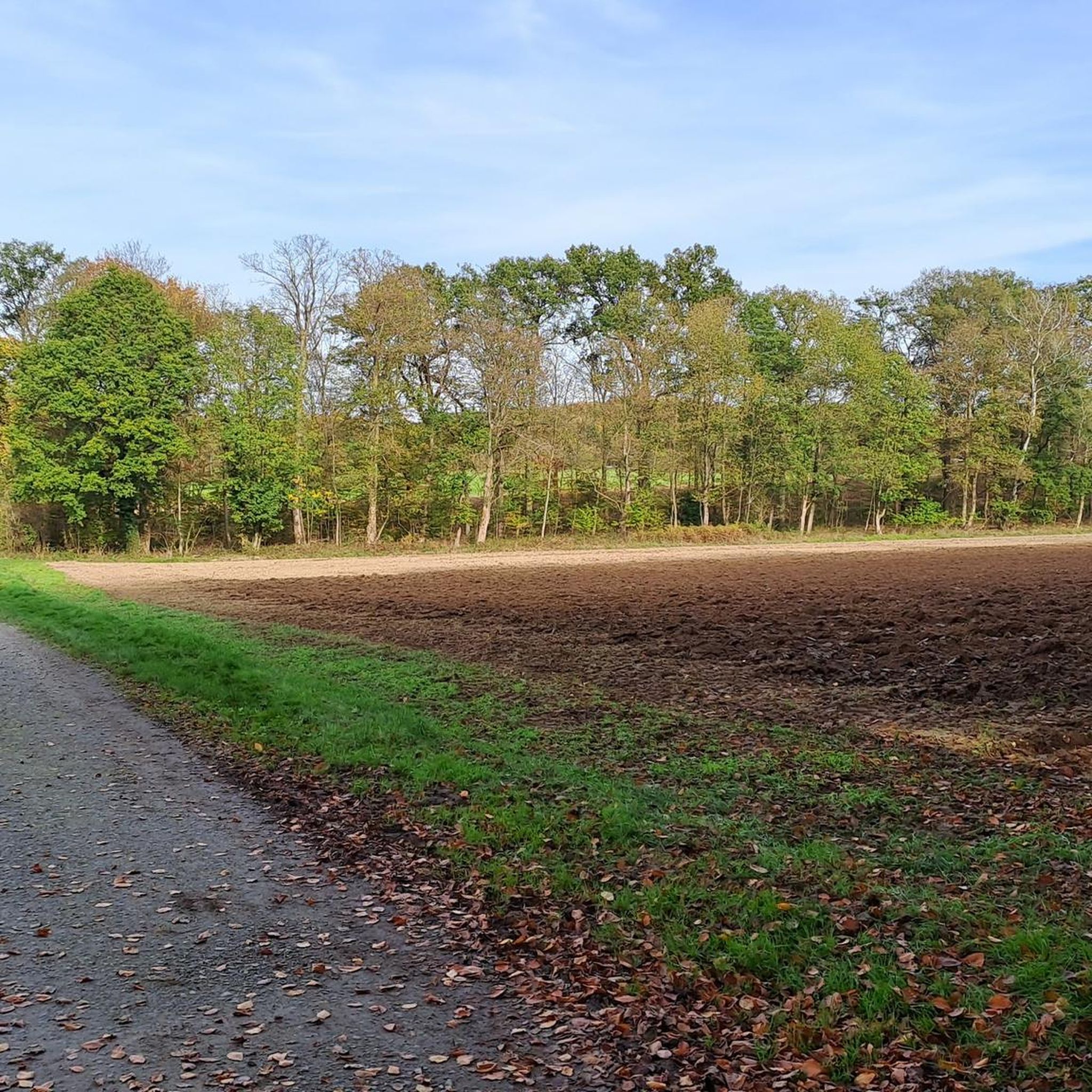
Tips from the Community

For me it was an ascent - but still very cool.
0
0

One of many tunnels on the Balkan route. A highlight? Well, it doesn't really have to be.
0
0
Very beautiful and well-preserved half-timbered houses
0
0

John Nepomuk or John of Pomuk (Latin: Joannes de Pomuk, Czech: Jan Nepomucký or Jan z Pomuka, * around 1350 in Pomuk near Pilsen; † March 20, 1393 in Prague) was a Bohemian priest and martyr. He was canonized in 1729 by Pope Benedict XIII and is considered the "bridge saint" and patron saint of the seal of confession. Besides crosses and depictions of Mary, sculptures of Saint John Nepomuk are the most common Christian stone figures found outside of churches in the open countryside of Catholic regions in southern Germany, Bohemia, Moravia, and Austria. Statues of the saint are very often located on or near bridges. The most famous of these, created in 1683 by Johann Brokoff, is located on the Charles Bridge in Prague at the spot where the saint was thrown into the Vltava River. " https://de.wikipedia.org/wiki/Johannes_Nepomuk "... John Nepomuk lived from about 1350 to 1393. He died as punishment by being thrown from the Charles Bridge into the Vltava River and drowned. As a patron saint of bridges, his statue stands on many bridges in Europe. ..." 👉 Life and work of John Nepomuk and further information: https://www.erzbistum-koeln.de/presse_und_medien/magazin/Johannes-Nepomuk-der-Brueckenheilige
0
0


A quick stop, a photo, and enjoyment...then quickly move on.
0
0

Frequently Asked Questions
How many road cycling routes are available around Further Moor?
There are over 200 road cycling routes available around Further Moor, offering a wide range of options for different skill levels and preferences. The komoot community has explored these routes extensively, providing valuable insights and ratings.
What kind of terrain can I expect on road cycling routes near Further Moor?
The terrain around Further Moor is diverse, characterized by meadows, dense wooded areas, and gentle hills. While the central moorland is a protected ecosystem, the surrounding paths offer varied scenery, from open vistas to routes along streams like the Blockbach, often featuring well-developed moor birch forests.
Are there road cycling routes suitable for beginners around Further Moor?
Yes, beginners will find plenty of suitable options. Approximately 48 of the routes are classified as easy, providing gentle paths through fields and past historic sites. An example is the Path Between Fields – Laach Castle loop from Langenfeld, an easy 10.2-mile route.
Can experienced road cyclists find challenging routes in the Further Moor area?
Absolutely. For experienced road cyclists seeking a challenge, there are 35 routes classified as difficult. These routes often feature more significant elevation changes and longer distances, such as the Descent to Immekeppel – Climb to Hohkeppel loop from Leichlingen, which covers over 50 miles with substantial climbs.
What makes road cycling around Further Moor unique?
Road cycling around Further Moor offers a unique blend of natural beauty and tranquility. As part of the Bergische Heideterrasse, the region provides open vistas, varied terrain, and a sense of immersion in nature, away from heavy traffic. Cyclists can experience the distinct natural feel defined by the protected moorland ecosystem, even though the core moor itself is not accessible.
Are there family-friendly road cycling options near Further Moor?
Yes, many routes are suitable for families, especially those classified as easy. These routes often feature well-paved surfaces and relatively flat terrain, winding through meadows and offering a peaceful cycling experience. The Path Between Fields – Laach Castle loop from Langenfeld is a great example of an easy, family-friendly option.
Can I find circular road cycling routes around Further Moor?
Yes, many of the road cycling routes around Further Moor are designed as loops, allowing you to start and end at the same point. This includes popular options like the View of the Rhine Plain – Klingenring loop from Wiescheid and the Wipperkotten Grinding Mill – Historic Manor on the Wupper loop from Langenfeld.
What are some scenic viewpoints or attractions along the road cycling routes?
While the core of Further Moor is protected, the surrounding routes offer views of its unique ecosystem and other natural attractions. You can explore areas like Between Marsh and Birch Forest or the Bruchwald Bergische Heideterrasse. Some routes also offer distant views, such as the View of the Rhine Plain – Klingenring loop from Wiescheid.
Where can I park my car when road cycling near Further Moor?
Parking is generally available in the towns and villages surrounding Further Moor, such as Langenfeld and Leichlingen, which serve as common starting points for many routes. Specific parking areas are often indicated near trailheads or local attractions, providing convenient access to the cycling network.
What is the best time of year for road cycling in Further Moor?
The spring, summer, and early autumn months generally offer the most pleasant conditions for road cycling around Further Moor, with milder temperatures and less precipitation. These seasons allow you to fully appreciate the diverse flora and fauna of the surrounding meadows and forests. While winter cycling is possible, be prepared for colder weather and potentially wet conditions.
What do other road cyclists enjoy the most about road cycling in Further Moor?
The area is highly rated by the komoot community, with an average score of 4.2 stars from over 1,200 reviews. Cyclists often praise the varied scenery, the tranquility of the routes through meadows and wooded areas, and the well-maintained paths that cater to different ability levels. The sense of freedom and immersion in nature, characteristic of moorland regions, is also frequently highlighted.
Are there any routes that follow historical paths or offer cultural insights?
Yes, some routes incorporate historical elements or pass by notable landmarks. For instance, the Wipperkotten Grinding Mill – Historic Manor on the Wupper loop from Langenfeld takes you past a historic grinding mill and along the Wupper river, offering a glimpse into the region's past while enjoying the natural surroundings.
Most popular routes around Further Moor
Most popular attractions around Further Moor

Get inspired with the komoot mobile app


Explore more
Browse the best Road cycling routes in other regions.
