Top 20 Natural Monuments in Coconino County
Best natural monuments in Coconino County showcase a diverse landscape of geological wonders and significant cultural sites. This region in Arizona features expansive areas within the Coconino National Forest, ancient volcanic fields, and dramatic canyons. Visitors can explore a variety of natural features, from high desert environments to alpine peaks. The area offers insights into ancient cultures and unique geological formations.
Best natural monuments in Coconino County
- The most popular natural monuments is South Kaibab Trailhead, a trail that…
Last updated: June 26, 2026
Bright Angel Trailhead
Highlight • Trail
Tip by

South Kaibab Trailhead
Highlight • Trail
Tip by
Sign up now to discover places like this
Get recommendations on the best single tracks, peaks, & plenty of other exciting outdoor places.
Sign up for free
Ooh Aah Point
Highlight • Viewpoint
Tip by
Cedar Ridge
Highlight • Viewpoint
Tip by
Rim Trail (Grand Canyon National Park)
Highlight (Segment) • Trail
Tip by

Skeleton Point
Highlight • Viewpoint
Tip by
Horseshoe Bend
Highlight • Viewpoint
Tip by
Havasupai Gardens
Highlight • Rest Area
Tip by
Antelope Canyon
Highlight • Canyon
Tip by
The Wave
Highlight • Natural Monument
Tip by
Sign up for free to discover even more natural monuments in Coconino County.
Sign up for free
Already have an account?
Start today with a free account
Your next adventure awaits.
Login or Signup
Popular around Coconino County
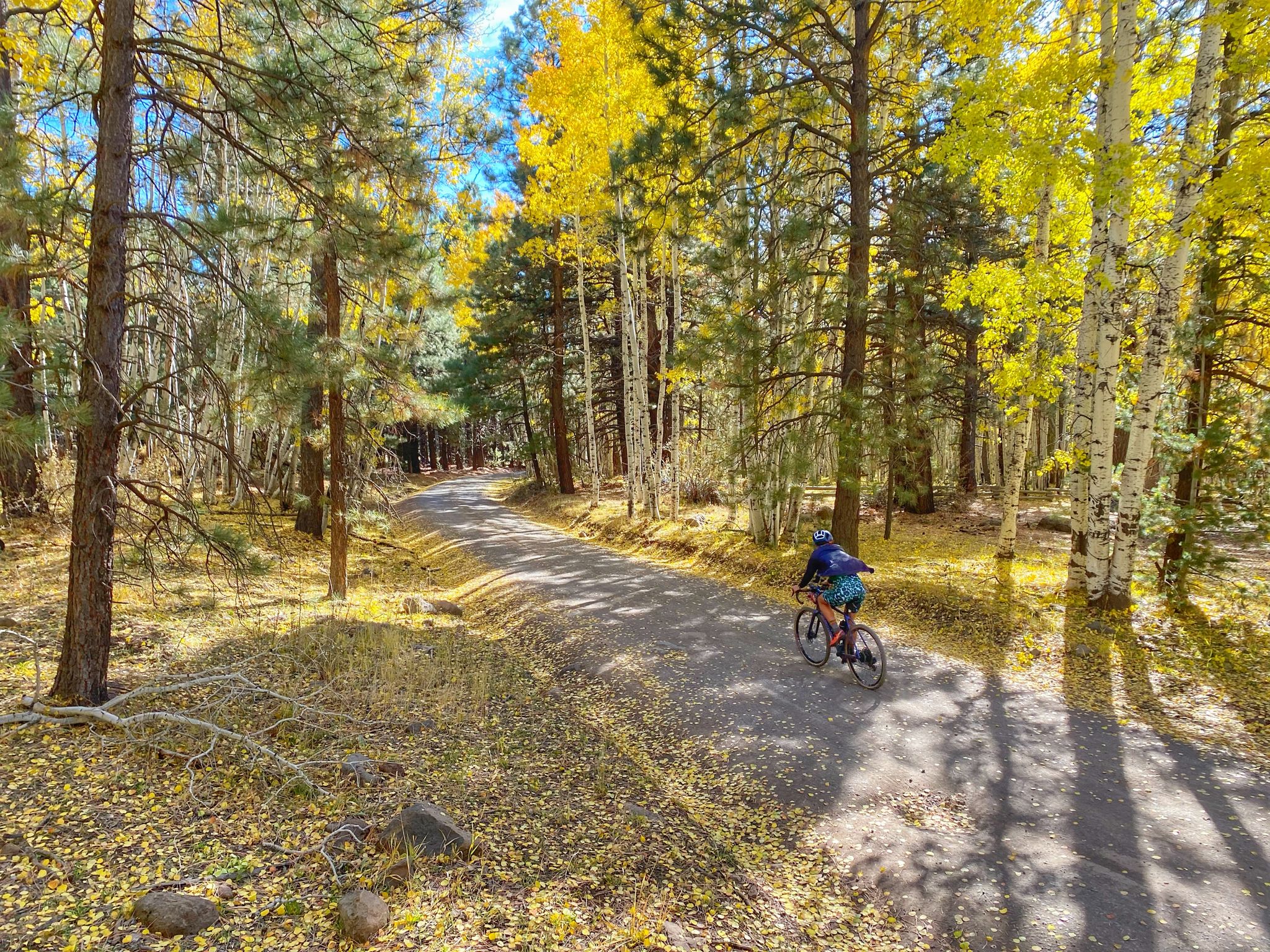
Grand Canyon to Mount Humphreys — a run, bike, run adventure
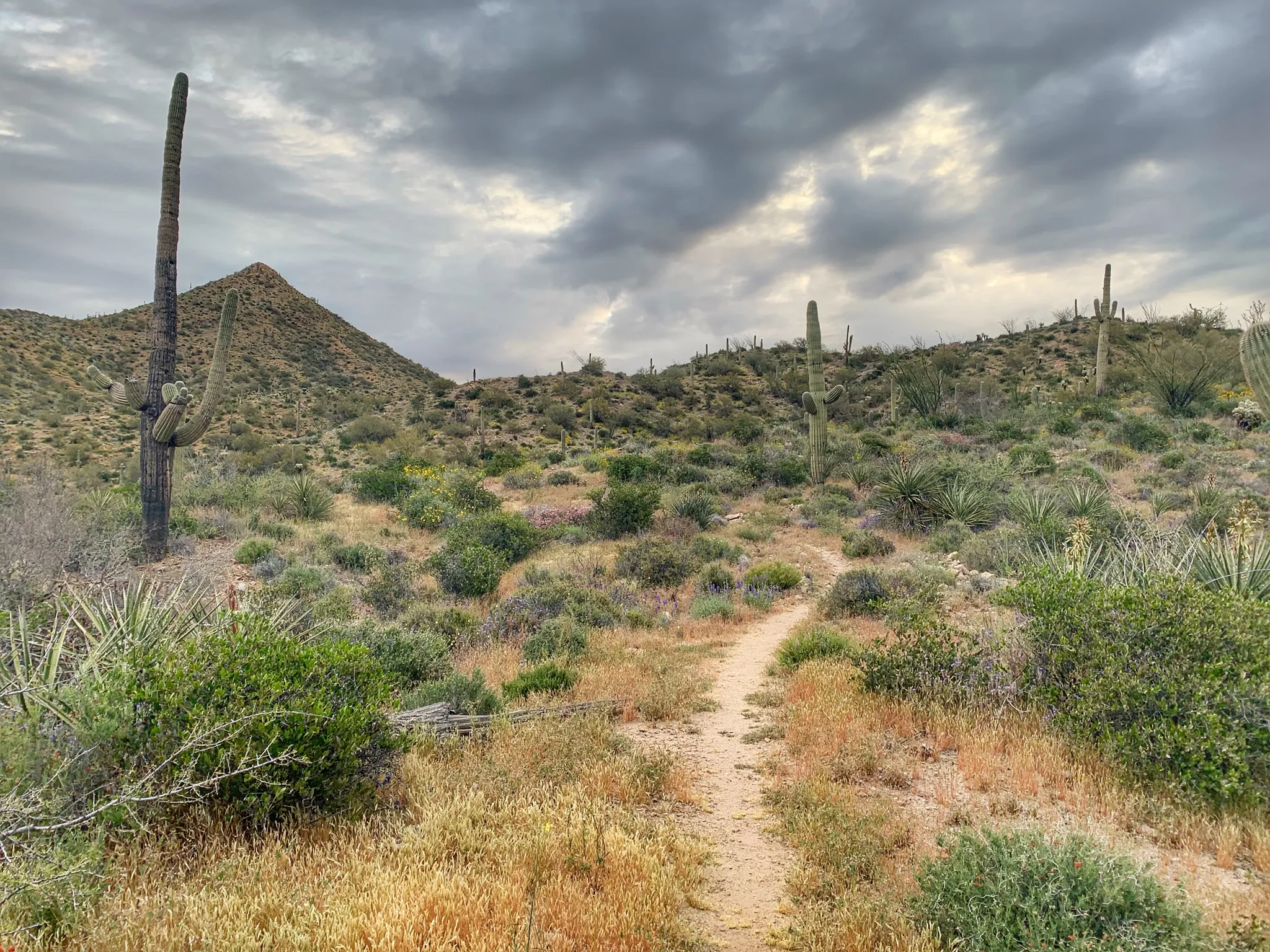
Arizona Trail — A beautiful 800-mile struggle
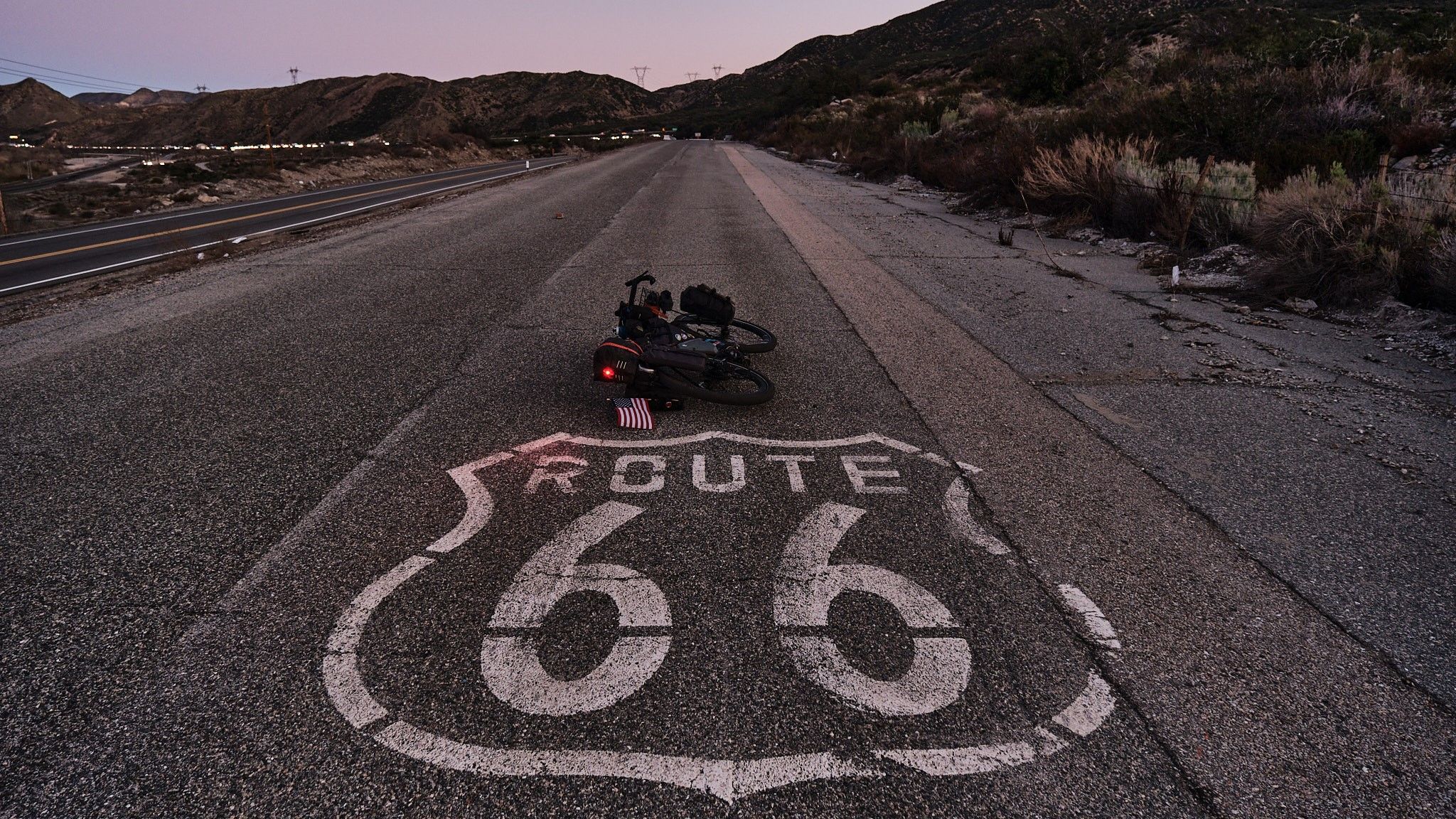
Adventure Cycling Association's Bicycle Route 66 — LA to Chicago
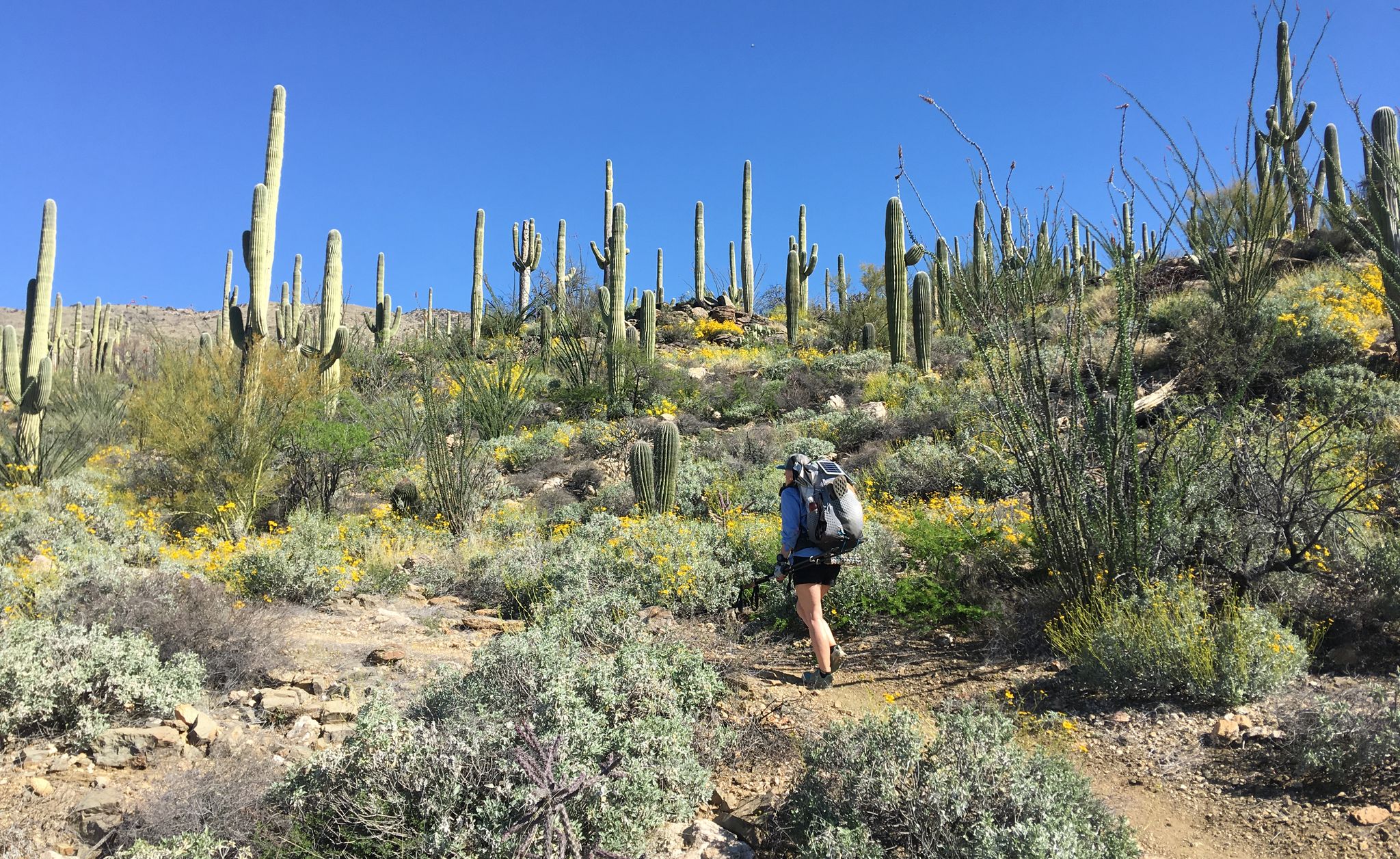
The Arizona Trail — From Mexico to Utah in 43 days
Rim-to-Rim-to-Rim – top to bottom through the Grand Canyon
Rim-to-Rim-to-Rim — Fastpacking into the Grand Canyon’s heart
Historic Route 66 – curiosities, selfie spots and diners
Arizona to Colorado – national parks and Native American culture
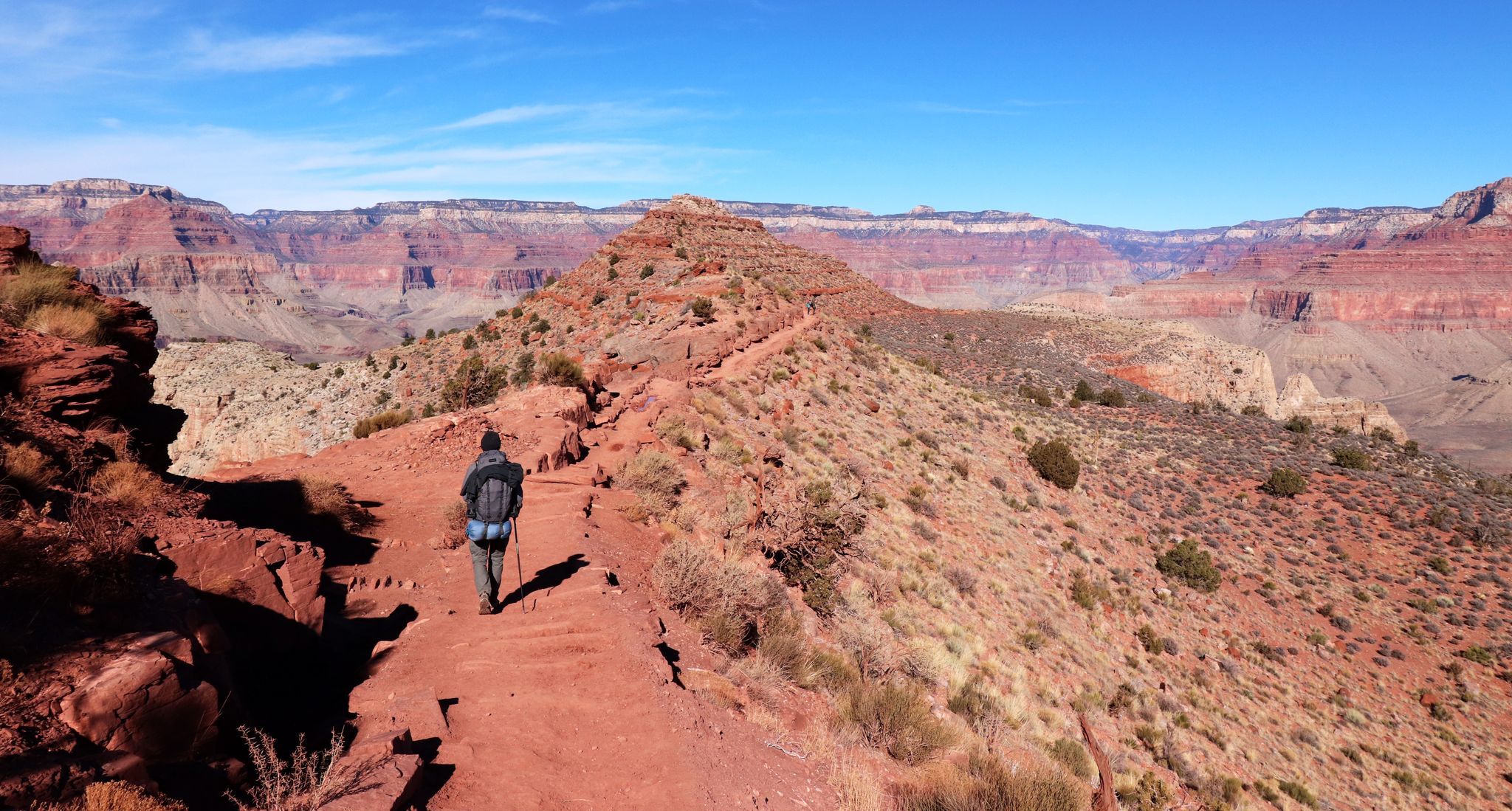
An unforgettable winter hike through the Grand Canyon
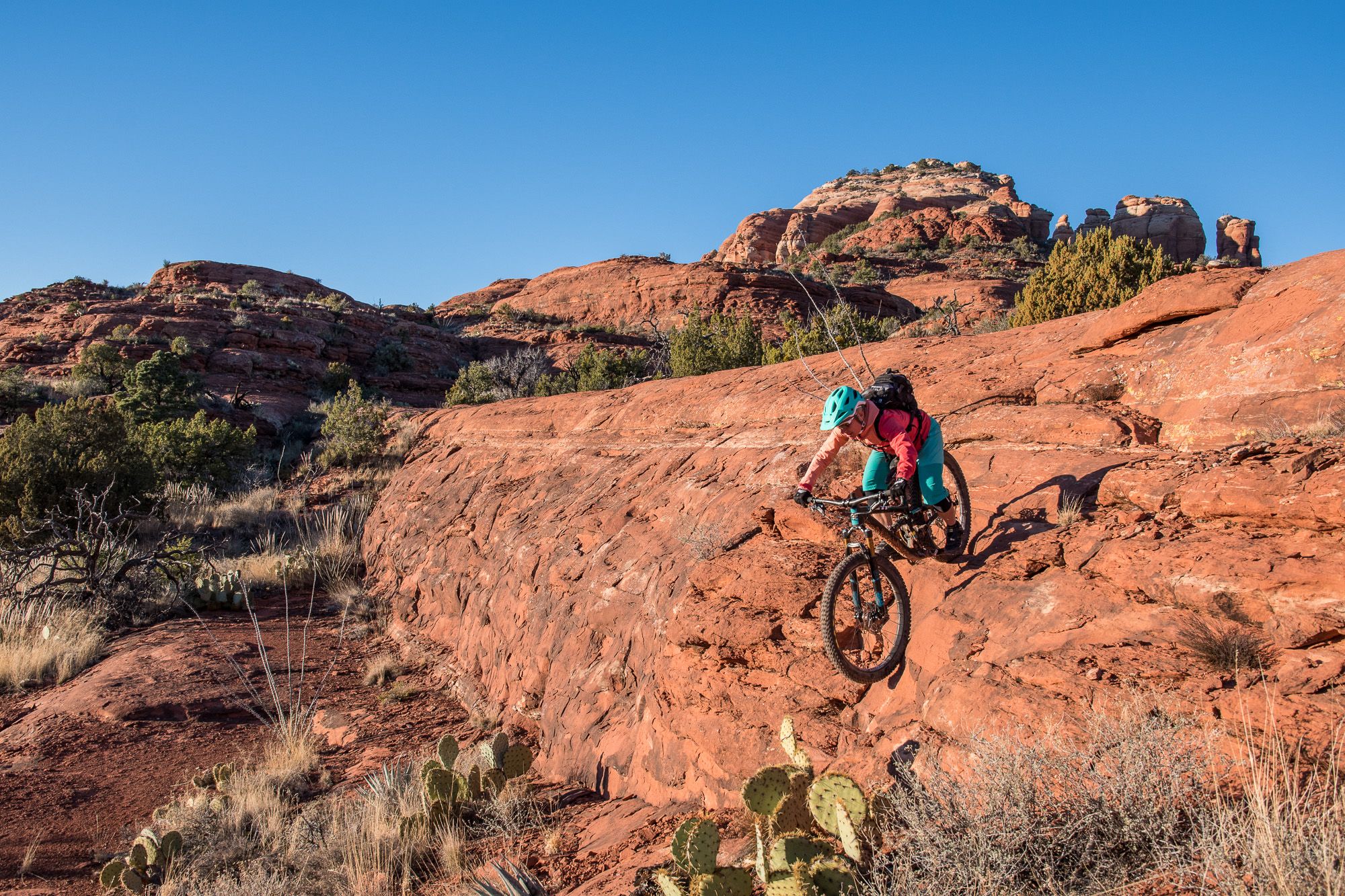
Shred the Red – Mountain biking in Sedona’s MTB hotspot
Other adventures in Coconino County


Tips from the Community


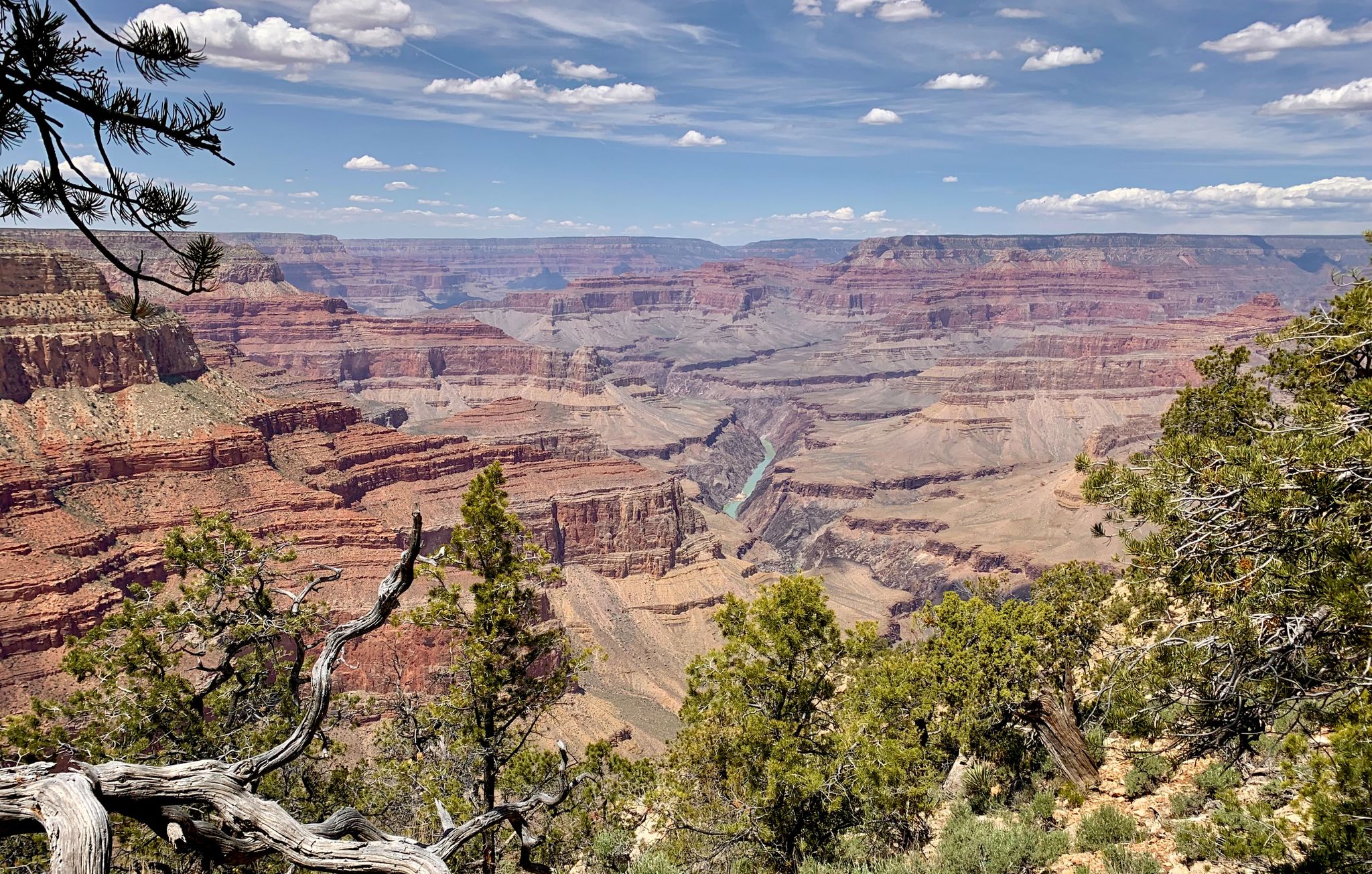
You can only recommend walking a few meters on this path in front of this breathtaking scenery. It's worth it.
0
0

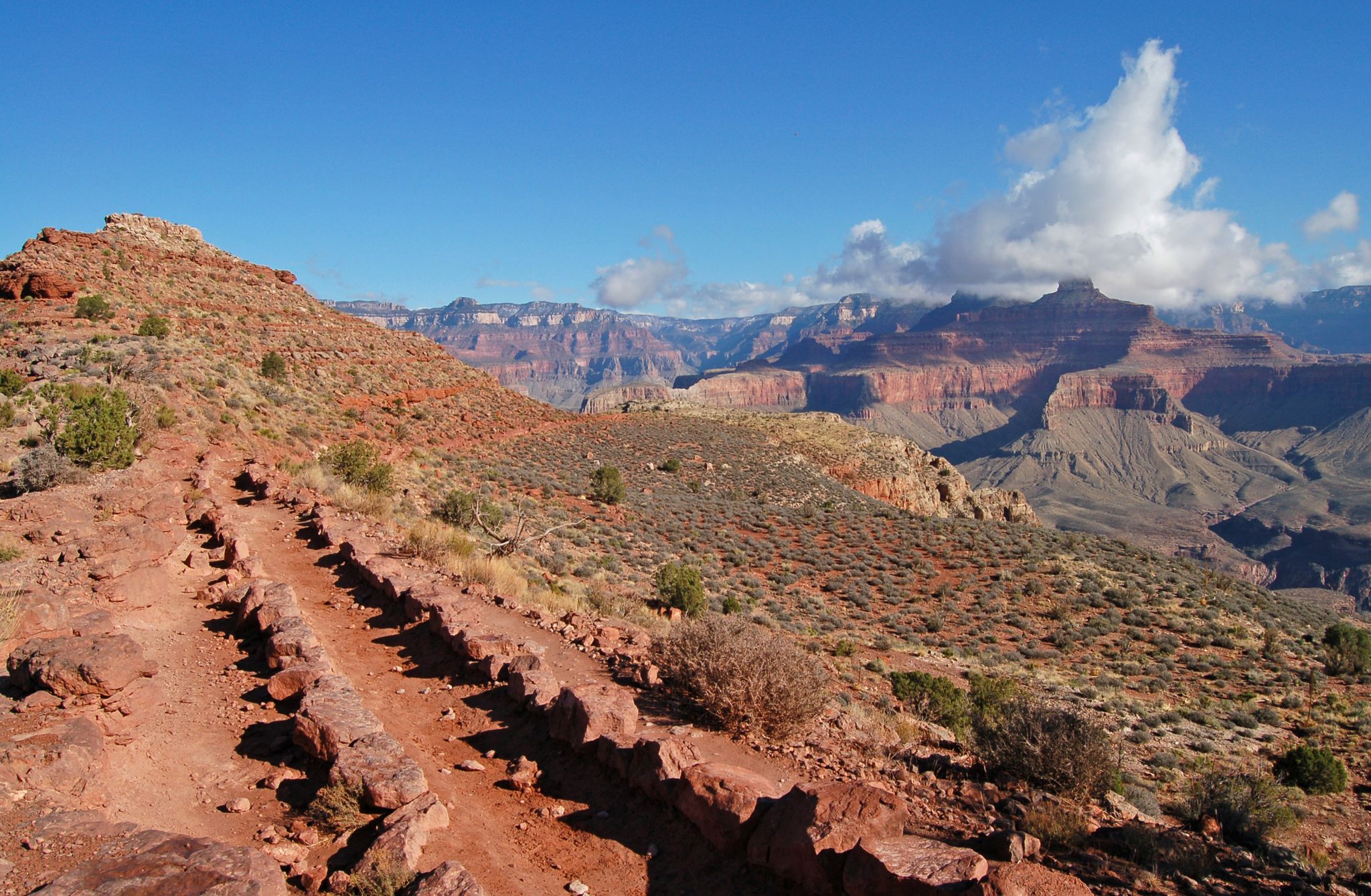
We're all here for the incredible panoramic views; the elevation gain to get here also makes this a satisfying turnaround point if you're out for a short run. There is a pit toilet here (no running water). Use with caution and consider noseplugs. Hopefully it goes without saying that heat is a serious consideration here, as is lack of water (there is none available on the ridge).
0
0

There is no parking at the trailhead for the South Kaibab Trail. If you need parking, you can leave your car at the Visitor Center, then take the Kaibab Route shuttle bus to the trailhead. The trail itself is a wonderfully well maintained dirt trail that gives you amazing views.
0
0

Lower Antelope Canyon is slightly longer and less busy that the more well known Upper section of the canyon. That being said you still need to book a guided tour in order to enter the canyon so be sure to get that taken care of early so you don't miss out.
1
0

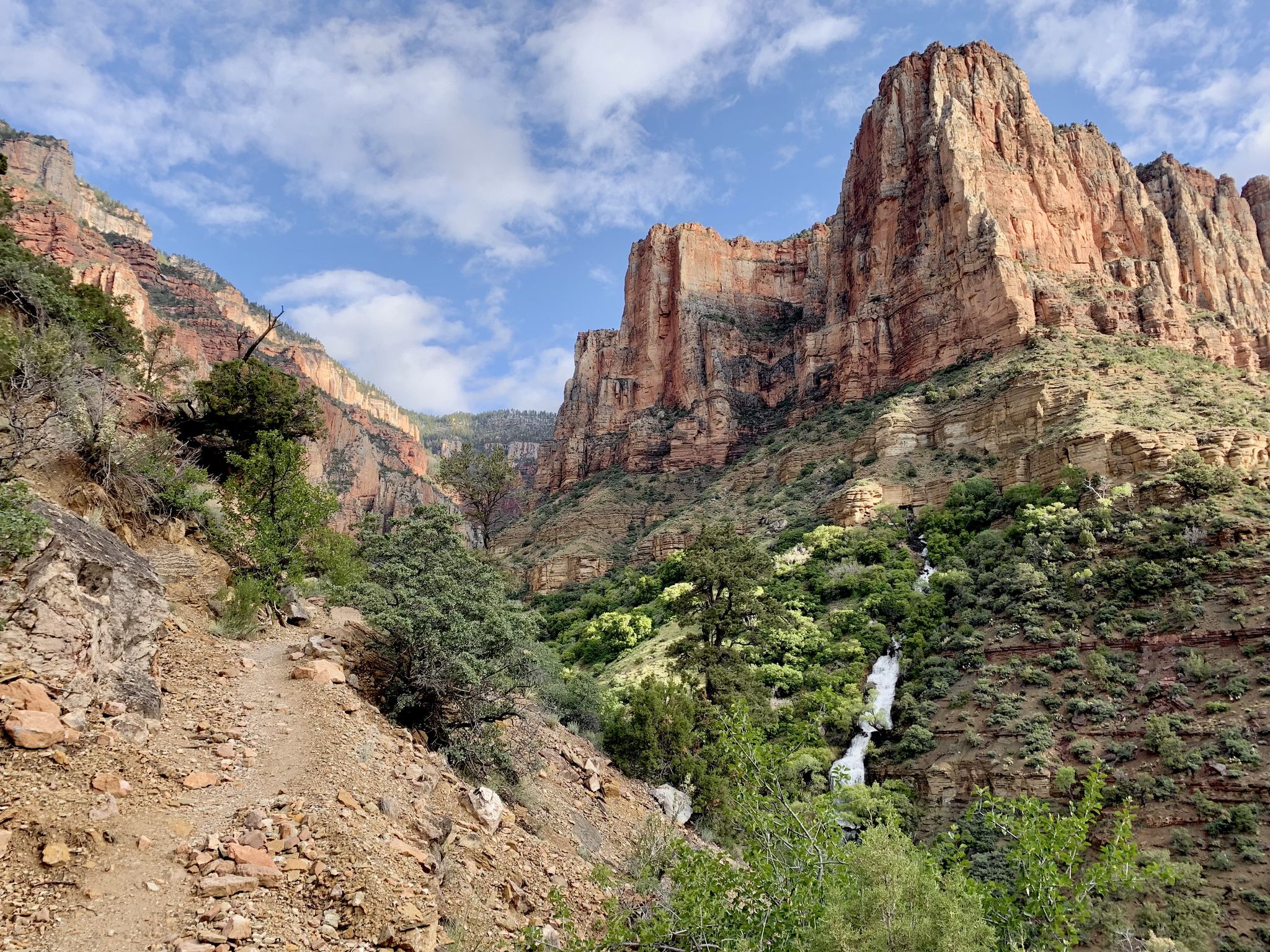
Sweeping views of the lower canyon open up before you as you reach the point. You are about halfway down to Bright Angel, and the second major vertical section of the trail switchbacks away beneath you. Skeleton Point is so named for the unexpected discovery of the skeletons of old miners.
0
0

The Rim Trail stretches 13 miles from the South Kaibab Trailhead to Hermits Rest, offering a mostly paved, very well-defined trail. The trail is mostly flat and ideal for an easy hike. The views into the Grand Canyon are unbeatable, and there are shaded areas to take advantage of in hot weather. In winter, surfaces may be slippery or icy, so traction devices are recommended, and summer brings the risk of lightning during thunderstorms. Leashed pets are allowed on the trail but not on park shuttle buses. The trail is wheelchair accessible from Lookout Studio to the South Kaibab Trailhead, with dirt sections west of Bright Angel Lodge.
2
0

Frequently Asked Questions
What are some of the most popular natural monuments in Coconino County?
Coconino County is home to many stunning natural monuments. Among the most visited are the iconic South Kaibab Trailhead and Bright Angel Trailhead, both offering access to the Grand Canyon. Visitors also frequently seek out Ooh Aah Point for its panoramic views and the unique geological formation of Horseshoe Bend.
What unique geological features can I explore in Coconino County?
The region boasts diverse geological wonders. You can explore the relatively recent volcanic landscape of Sunset Crater Volcano National Monument, featuring cinder cones and lava flows. The Grand Canyon itself is a massive geological marvel, showcasing intricate rock layers. Within the Coconino National Forest, you'll find the dramatic Mogollon Rim, the natural sandstone arch of Devil's Bridge, and the fascinating Lava River Cave, a 700,000-year-old lava tube.
Are there any ancient cultural or historical sites among the natural monuments?
Yes, Coconino County offers significant archaeological sites. Walnut Canyon National Monument preserves well-preserved cliff dwellings of the ancient Sinagua people. Wupatki National Monument features several pueblos built by the Ancestral Puebloan people, including the impressive Wupatki Pueblo. Further north, Navajo National Monument protects three ancient cliff dwellings: Keet Seel, Betatakin, and Inscription House, offering deep insights into Ancestral Puebloan life.
What is the best time of year to visit the natural monuments in Coconino County?
The best time to visit largely depends on the specific monument and your planned activities. Spring (April-May) and Fall (September-October) generally offer pleasant temperatures for hiking and exploring the Grand Canyon and lower elevation sites. Summer can be very hot, especially in the canyons, while winter brings cooler temperatures and potential snow, particularly at higher elevations like the San Francisco Peaks, offering a different kind of beauty.
Are there family-friendly natural monuments or trails in Coconino County?
Absolutely! The Rim Trail (Grand Canyon National Park) is an excellent option, offering paved, relatively flat sections with stunning views, suitable for families. The Hanging Garden is also noted as family-friendly. Many areas within the Coconino National Forest offer easier trails and scenic drives suitable for all ages.
Are there wheelchair-accessible options at the natural monuments?
Yes, the Rim Trail (Grand Canyon National Park) is specifically noted as being wheelchair-accessible in many sections, providing incredible views of the canyon. Visitors should check with individual monument visitor centers for specific accessibility information regarding other sites.
What kind of hiking trails can I find near the natural monuments?
Coconino County offers a wide range of hiking experiences. You can embark on challenging descents into the Grand Canyon via trails like Bright Angel Trail or South Kaibab Trail, or enjoy easier rim-side walks on the Rim Trail. The Coconino National Forest provides countless trails through diverse landscapes, from ponderosa pine forests to alpine environments. For more detailed hiking options, explore the Mountain Hikes in Coconino County guide.
Are there opportunities for cycling near the natural monuments?
Yes, Coconino County is a great destination for cyclists. You can find numerous road cycling routes, including scenic rides like the Grand Canyon Rim Trail, and routes connecting Flagstaff to Sedona. For mountain biking enthusiasts, there are many trails, particularly around Sedona. Check out the Road Cycling Routes in Coconino County and MTB Trails in Coconino County guides for detailed information.
What do visitors enjoy the most about the Grand Canyon trails in Coconino County?
Visitors consistently praise the unparalleled views into the Grand Canyon from trails like the South Kaibab Trail and Bright Angel Trail. The sense of scale and the ever-changing play of light and shadow are frequently mentioned. Many find the descent to Ooh Aah Point or Cedar Ridge to be particularly rewarding for a shorter hike, offering a profound impression of the canyon's grandeur.
What should I know about parking and shuttle access for Grand Canyon trails?
For trails like the South Kaibab Trailhead, there is no parking directly at the trailhead. Visitors must use the shuttle bus system, typically starting from the Visitor Center. For the Bright Angel Trailhead, shuttle access is also available from Grand Canyon Village, with connections to Tusayan. It's advisable to check the official NPS website for current shuttle schedules and parking information before your visit.
Are there any specific tips for hiking into the Grand Canyon?
Yes, several critical tips for hiking into the Grand Canyon: always carry plenty of water (at least 4 liters per person for a day tour), as temperatures inside the canyon are much hotter than at the rim, and water sources can be scarce or non-existent on some trails like the South Kaibab. Be aware that the descent is the easy part; the ascent is strenuous. Avoid hiking during the hottest parts of the day, especially in summer, as there is little to no shade. Always remember that everything you walk down, you must walk back up. For detailed planning, refer to the Grand Canyon National Park website.
Can I bring my dog to the natural monuments in Coconino County?
Dog policies vary significantly by monument and specific areas within them. Generally, dogs are permitted on leash on paved trails and in developed areas (like campgrounds and picnic areas) in National Parks and Monuments, but often not on unpaved trails below the rim of the Grand Canyon or inside buildings. The Coconino National Forest typically allows dogs on trails. Always check the specific regulations for each monument or forest area you plan to visit to ensure compliance.
What is the Coconino National Forest known for?
The Coconino National Forest is renowned for its incredible diversity, spanning 1.856 million acres. It features everything from deserts and ponderosa pine forests to alpine tundra and ancient volcanic peaks, including Arizona's highest point, Humphreys Peak. It's famous for scenic areas like Oak Creek Canyon, the dramatic Mogollon Rim, and unique geological formations such as Devil's Bridge and Lava River Cave. It's a haven for outdoor activities like hiking, biking, and wildlife viewing.
Most popular routes in Coconino County
Most popular attractions in Coconino County

Get inspired with the komoot mobile app


Didn’t find what you were looking for?
Find even more amazing natural monuments in Coconino County by checking out the top Highlights region by region:
Explore more
Extend your search for the best caves by checking out these guides of the top ones in Coconino County:
