Attractions and Places To See around Titicaca - Top 20
Best attractions and places to see around Titicaca include a region known for its high-altitude setting, straddling the border of Peru and Bolivia. It is the world's highest navigable lake, featuring deep blue waters and diverse islands. The area is rich in ancient history and vibrant indigenous cultures, offering a unique landscape with totora reeds and varied island topography.
Best attractions and places to see around Titicaca
- The most popular attractions is Chincana Ruins, Isla del Sol, a historical…
Last updated: July 6, 2026
Chincana Ruins, Isla del Sol
Highlight • Historical Site
Translated by Google •
Tip by

Puno Main Square
Highlight • Monument
Tip by

Sign up now to discover places like this
Get recommendations on the best single tracks, peaks, & plenty of other exciting outdoor places.
Sign up for free
Taquile Island
Highlight • Settlement
Tip by

Sacred Rock (Titikala)
Highlight • Natural Monument
Translated by Google •
Tip by

Puno Lighthouse
Highlight • Monument
Translated by Google •
Tip by

Sign up for free to discover even more attractions around Titicaca.
Sign up for free
Already have an account?
Start today with a free account
Your next adventure awaits.
Login or Signup
Popular around Titicaca
Tips from the Community

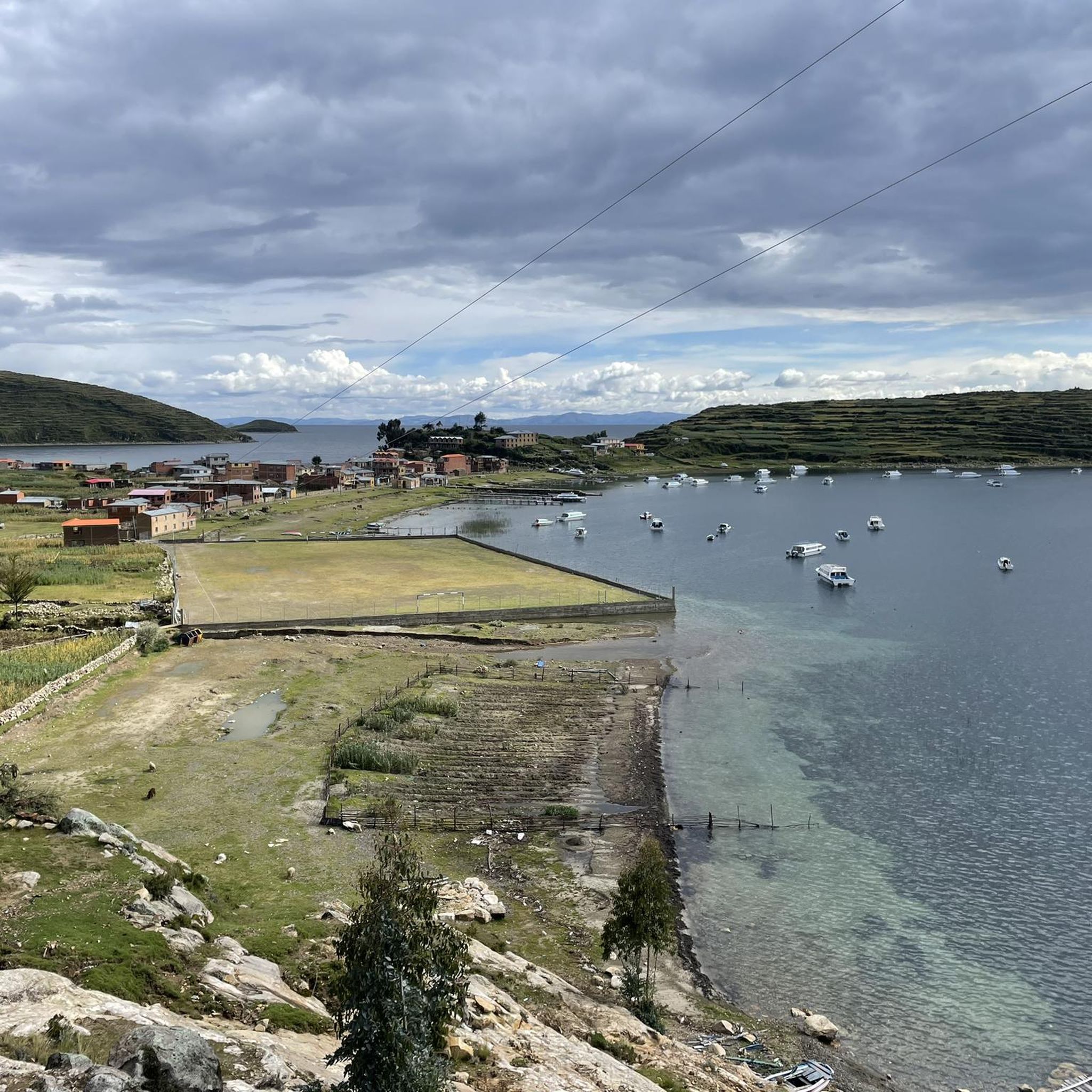
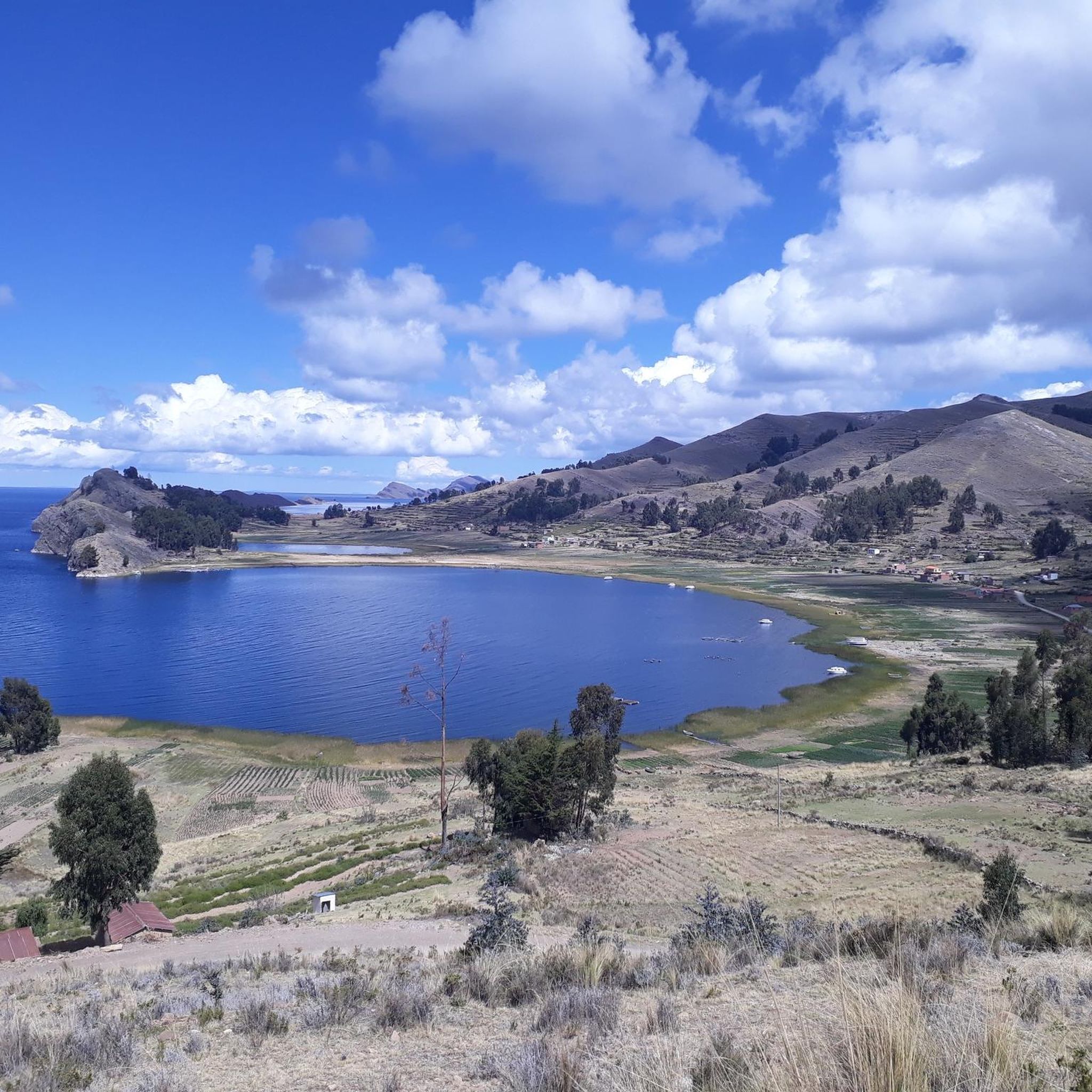
Even the path to the Chincana Temple offers spectacular views of the lake and the surrounding area. The scenery is almost Mediterranean, with small, hidden coves, fine sandy beaches, and turquoise waters, a dreamlike experience.
2
1

The trail meanders along Lake Titicaca, where the azure waters lap against the rocky shoreline in an almost unreal way. The historic site itself is a mix of ancient stone walls and a backdrop that is almost meditative. Once you reach the top, it's worth stopping for a moment to look out over the pristine landscape. If you feel like it, you can even take a refreshing swim on the shore - a rare opportunity at this altitude. But remember to bring plenty of water with you, as the height of Lake Titicaca is noticeable.
1
0

Nice ruins with a great backdrop. Also a nice place to go for a dip.
0
0
In the center of the square there is an impressive monument dedicated to the heroes of Peru's independence. The square is decorated with beautiful gardens and stone benches, making it a perfect place to relax and enjoy the beauty of the city. In addition, it is the setting for numerous festivals and cultural events throughout the year.
2
0

The Plaza Mayor of Puno is a main square built in the center of Puno, and has been restored and repaired over the years, where a large water fountain was added in its middle, and the square also includes some important monuments in the history of Puno. the city, surrounded by a group of houses and buildings that date back to the colonial era. You can also visit the Puno Cathedral.
4
0

The hike here is beautiful. Definitely do it, a great place.
1
0
Titikala, also called Titi Qala (Aymara Titi = "Puma", Kala = "Rock"; originally probably Thakshi cala), also called Sacred Rock[1], is a rock formation that is considered the most important shrine of the Inca and also the most important indigenous shrine functioned in the region. Titikala is located in the sanctuary area on the Titicaca Island. The name Thakshi cala for the sacred rock is probably the origin of the name Titicaca and Titikala (see Lake Titicaca#Origin of the name). Two hundred meters west of the Sacred Rock is the Inca ruin Chinkana. From Wikipedia
0
0

Here in the port of Puno you have a great view of Lake Titicaca. The tourist boats are anchored here. You can also rent a pedal boat. What is most fascinating, however, is the old steamship. It was constructed in England and transported here in parts on llamas and mules.
0
0
Frequently Asked Questions
What unique cultural experiences can I find around Lake Titicaca?
The Lake Titicaca region is rich in indigenous culture. You can visit the Uros Floating Islands, unique man-made islands constructed from totora reeds, where you can interact with local families and learn about their traditional way of life. Another must-see is Taquile Island, recognized by UNESCO for its intricate textile art, offering a glimpse into a community-controlled sustainable tourism model. Amantani Island also provides opportunities for homestays with Quechua-speaking communities and features ancient temples.
Where can I explore ancient Incan and pre-Incan history near Lake Titicaca?
The region is steeped in ancient history. On the Bolivian side, Isla del Sol is considered the birthplace of the Inca sun god and features archaeological wonders like the Chincana Ruins (The Labyrinth) and the Sacred Rock (Titikala). Near Puno, Peru, you can visit Sillustani, an impressive pre-Incan funerary site with cylindrical stone towers (chullpas). Further afield in Bolivia, the UNESCO World Heritage site of Tiwanaku showcases a marvel of pre-Inca civilization.
Are there opportunities for hiking around Lake Titicaca?
Yes, Lake Titicaca offers numerous hiking opportunities, especially on its islands. Isla del Sol has trails leading to historical sites like the Chincana Ruins, offering spectacular views. Taquile and Amantani islands also feature scenic paths. For more detailed routes, you can explore guides like Hiking around Titicaca, which includes routes like the 'Traditional Rural Houses – Cerro Santa Barbara Junction loop from Yumani' and 'Cerro Calvario – Plaza 2 de Febrero, Copacabana loop from Copacabana'.
What are some family-friendly attractions in the Titicaca region?
Families can enjoy exploring the vibrant Puno Main Square, which is surrounded by colonial-era buildings and features a large water fountain. The Puno Lighthouse offers great views of Lake Titicaca and the tourist boats, where you can even rent a pedal boat. Visiting the Uros Floating Islands is also a unique and engaging experience for all ages.
What natural features define the Lake Titicaca region?
Lake Titicaca is renowned for its high-altitude setting, being the world's highest navigable lake at over 12,500 feet (3,812 meters) above sea level. Its deep blue waters are set against a backdrop of snow-capped Andes mountains. The lake is also characterized by abundant totora reeds, which are crucial to the Uros people, and its diverse islands boast varied landscapes from terraced hillsides to sandy beaches.
How long should I plan for a visit to the Uros Floating Islands?
A typical visit to the Uros Floating Islands usually lasts between 2 to 3 hours, including boat travel from Puno and time spent on one or two islands. This allows for interaction with the Uros families, learning about their reed constructions, and experiencing a ride in a traditional reed boat.
What is the difference between visiting the Uros Floating Islands and Taquile Island?
The Uros Floating Islands offer a unique experience of walking on man-made reed islands and observing a traditional, ancient way of life. Taquile Island, on the other hand, is a natural island known for its breathtaking scenery, lakeside cobblestone walkways, and a rich tradition of UNESCO-recognized textile art. While Uros focuses on the reed culture, Taquile provides insight into Quechua community life, intricate weaving, and opportunities for hiking and enjoying local seafood.
What is the best time of year to visit Lake Titicaca?
The dry season, from May to October, is generally considered the best time to visit Lake Titicaca. During these months, you can expect sunny days, clear skies, and less rainfall, making it ideal for exploring the islands and enjoying outdoor activities. However, temperatures can be quite cold, especially at night, due to the high altitude.
What kind of outdoor activities are available besides hiking?
Beyond hiking, the Lake Titicaca region offers opportunities for running, especially around the towns and islands. For instance, you can find routes like the 'Chincana Ruins, Isla del Sol loop from Yumani' or the 'View of Lake Titicaca loop from Copacabana' in the Running Trails around Titicaca guide. Boating on the lake is also a popular activity, allowing you to visit various islands and enjoy the scenic waters.
What do visitors particularly enjoy about the attractions around Titicaca?
Visitors frequently praise the spectacular views of the lake and surrounding areas, often described as almost Mediterranean with turquoise waters and fine sandy beaches, especially near the Chincana Ruins. The traditional and open nature of the local communities, such as those on Taquile Island, and the unique cultural experiences like those on the Uros Islands, are also highly appreciated.
What are some notable towns or cities that serve as gateways to Lake Titicaca?
Puno in Peru is often called the 'Folkloric Capital of Peru' and serves as the main gateway to the Peruvian side of Lake Titicaca. It offers a charming Plaza de Armas and a gorgeous Cathedral. On the Bolivian side, Copacabana is a picturesque town and a central hub for travelers, known for its stunning lake views from Calvario hill and as a Catholic pilgrimage destination.
Are there any less-visited archaeological sites or 'hidden gems' near Lake Titicaca?
Yes, beyond the more popular sites, you can explore Chucuito, a small town south of Puno, home to the Temple of Fertility (Templo de Inca Uyu). Another interesting site is Pukara, an archaeological complex north of Puno, which provides insights into the origins of Andean civilizations and features a Lithic Museum. These offer a deeper dive into the region's ancient past without the larger crowds.
Most popular routes around Titicaca
Most popular attractions around Titicaca

Get inspired with the komoot mobile app


Explore more
Still not found the Highlight you’re looking for? See guides of the top attractions in other regions:
