The 12 Most Amazing Peaks around Isla De La Gomera
Best mountain peaks around Isla De La Gomera are found on this mountainous island in the Canary archipelago. The island features several noteworthy peaks, offering unique ecosystems and rich historical significance. Many of these peaks are located within Garajonay National Park, a UNESCO World Heritage Site, characterized by ancient laurisilva forests. These elevated natural features provide diverse terrain and numerous viewpoints for exploration.
Best mountain peaks around Isla De La Gomera
- The most popular mountain peak is Alto de Garajonay…
Last updated: June 24, 2026
Alto de Garajonay
Highlight • Summit
Translated by Google •
Tip by

Roque de Agando
Highlight • Natural Monument
Translated by Google •
Tip by

Sign up now to discover places like this
Get recommendations on the best single tracks, peaks, & plenty of other exciting outdoor places.
Sign up for free
Fortaleza of Chipude
Highlight • Summit
Translated by Google •
Tip by

Cumbre de Chigueré and Ermita del Coromoto
Highlight • Natural Monument
Translated by Google •
Tip by

Mount El Cepo
Highlight • Summit
Translated by Google •
Tip by

View of La Fortaleza
Highlight • Viewpoint
Translated by Google •
Tip by

View of La Fortaleza (1241 m) on La Gomera
Highlight • Viewpoint
Table Mountain, an eroded volcanic vent with a sprawling summit plateau, proudly towers 1241m above the ground. In the case of the locals, this …
Translated by Google •
Tip by

View from Pico de Teguerguenche
Highlight • Viewpoint
Translated by Google •
Tip by

Encherada Viewpoint (1063 m) – View of Hermigua and the Atlantic Ocean
Highlight • Viewpoint
Translated by Google •
Tip by

View of Mount Teide
Highlight • Viewpoint
Translated by Google •
Tip by

Sign up for free to discover even more peaks around Isla De La Gomera.
Sign up for free
Already have an account?
Start today with a free account
Your next adventure awaits.
Login or Signup
Popular around Isla De La Gomera
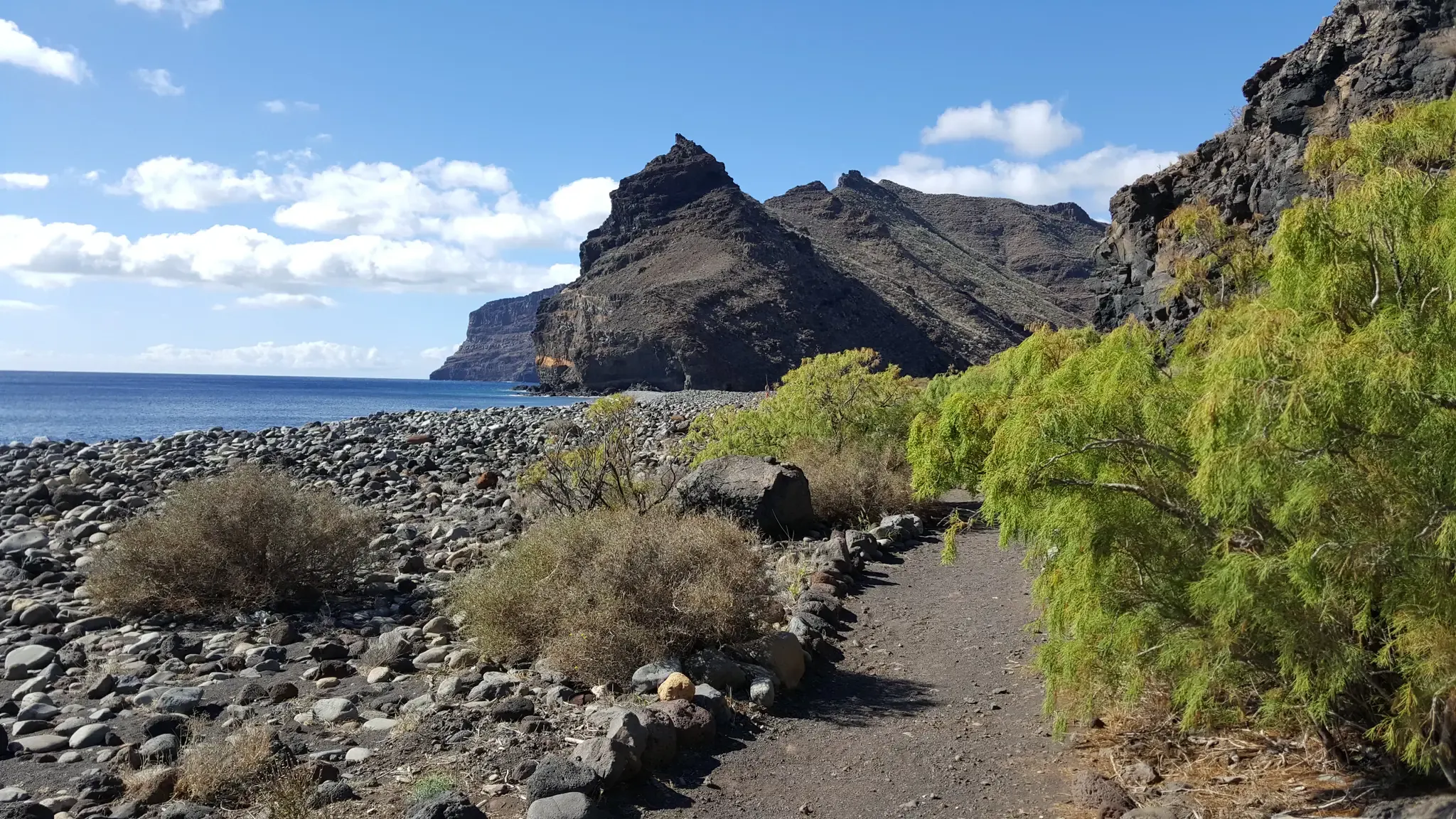
GR 132 – Up and down on an island loop of La Gomera
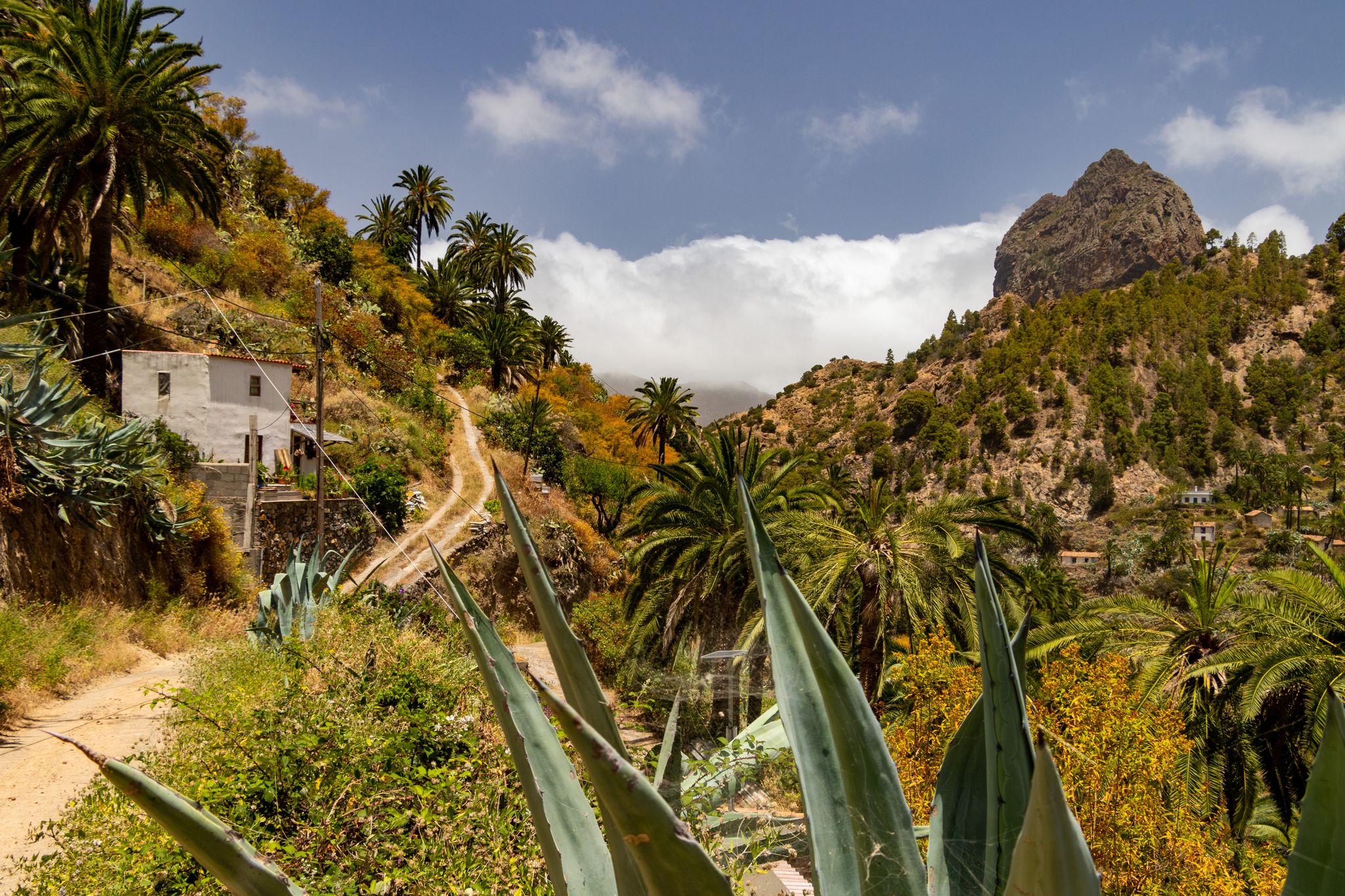
La Palma, El Hierro y La Gomera – explore the Canaries’ Green Islands on foot
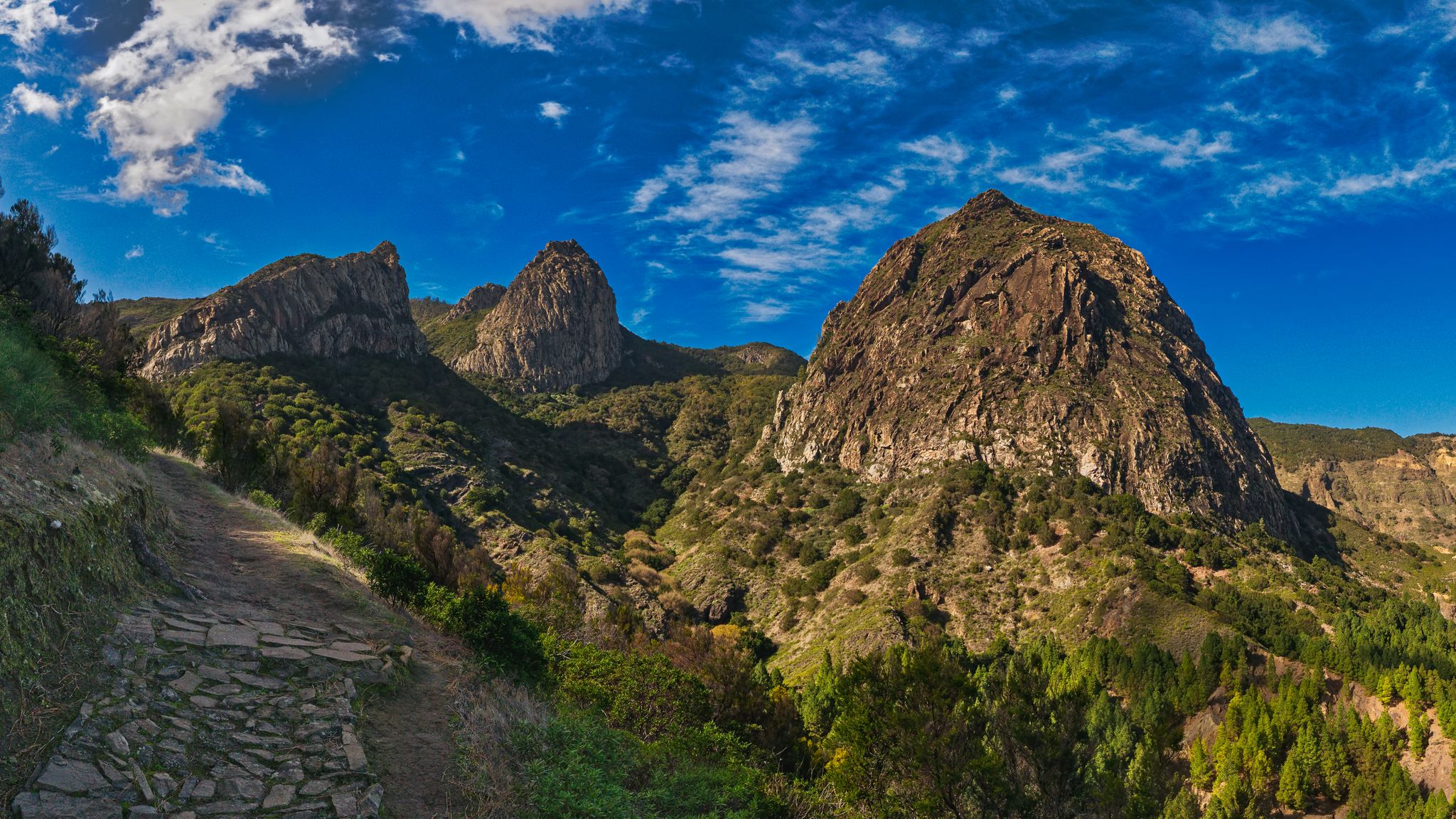
The magical island – Cumbres de La Gomera Natural Trail (GR 131)
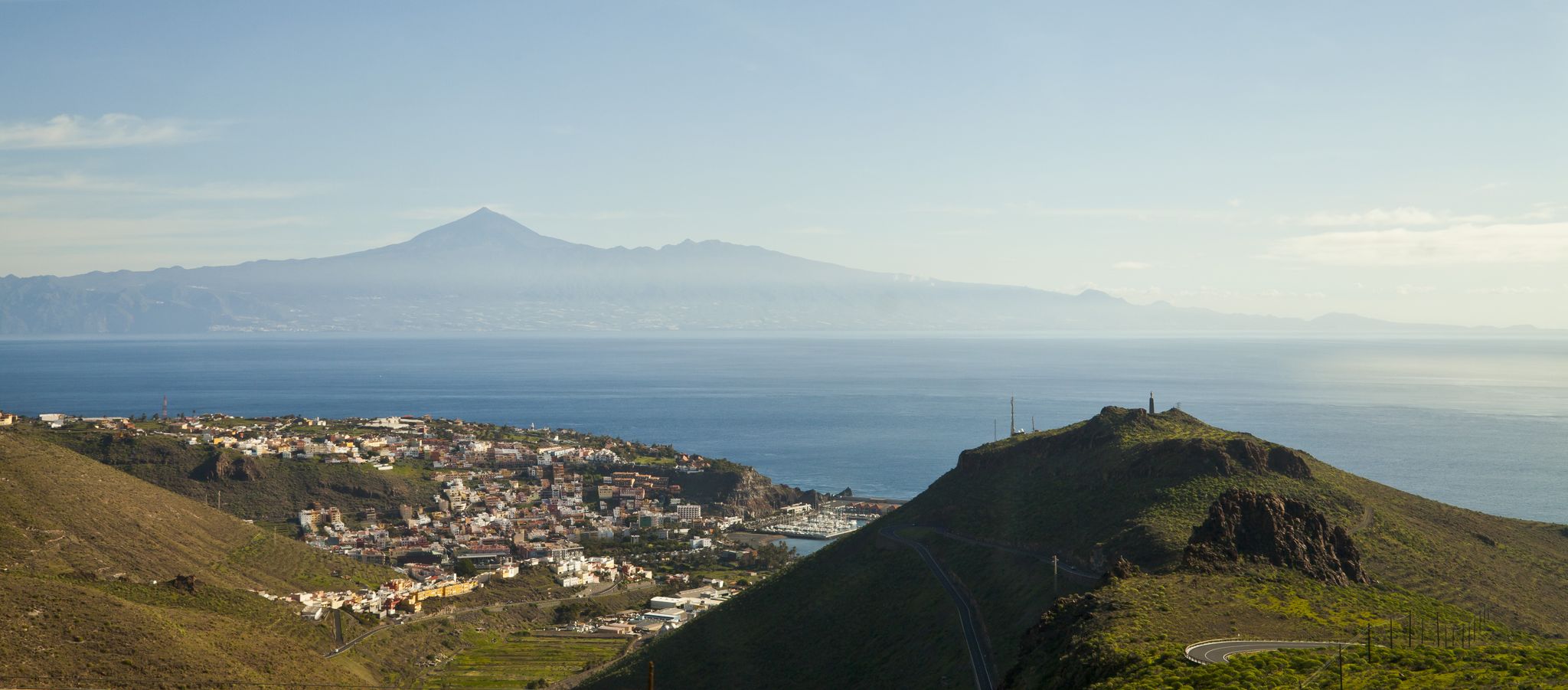
My favourite hikes on Tenerife and La Gomera
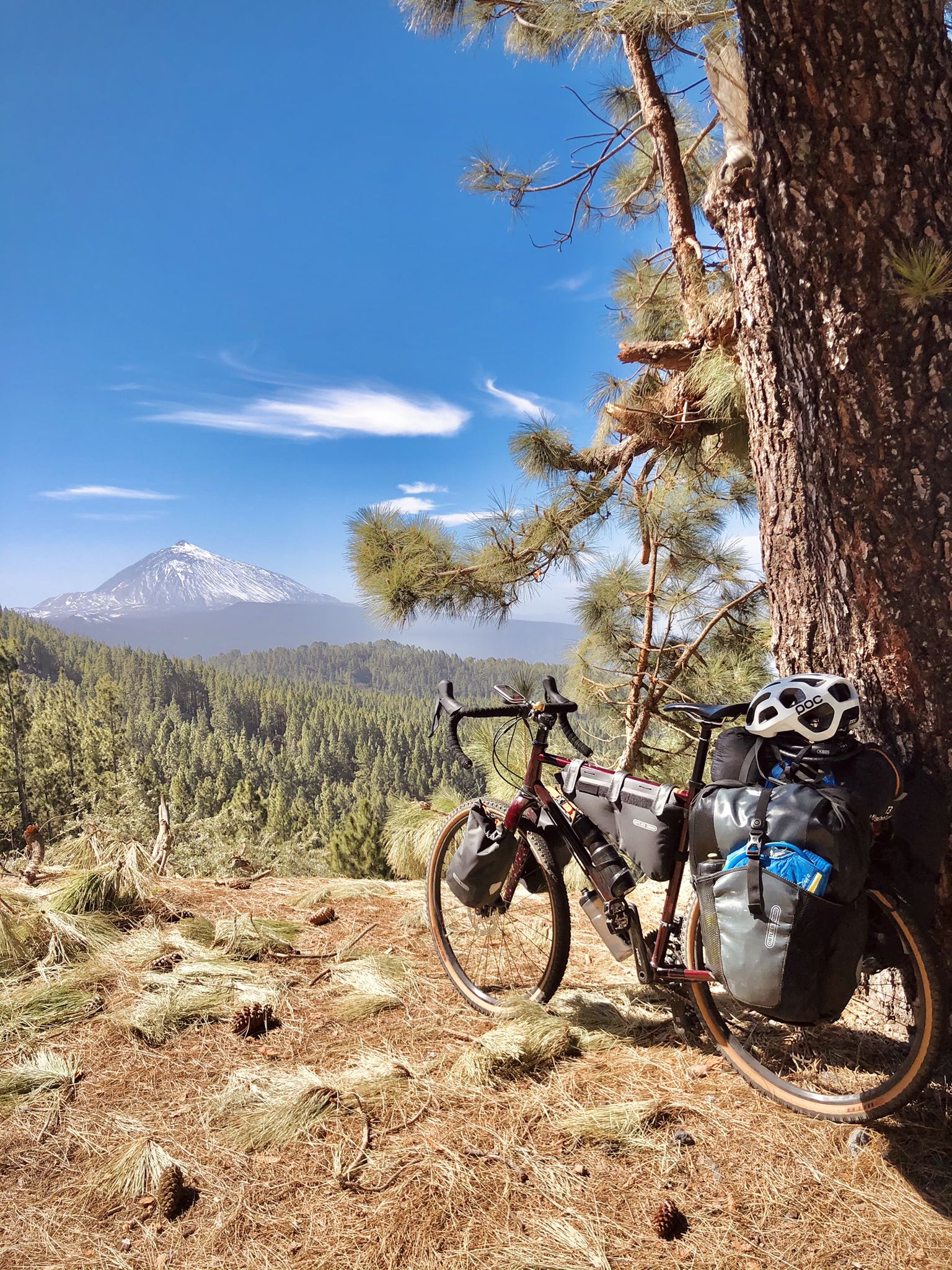
Gravel biking on Tenerife and La Gomera
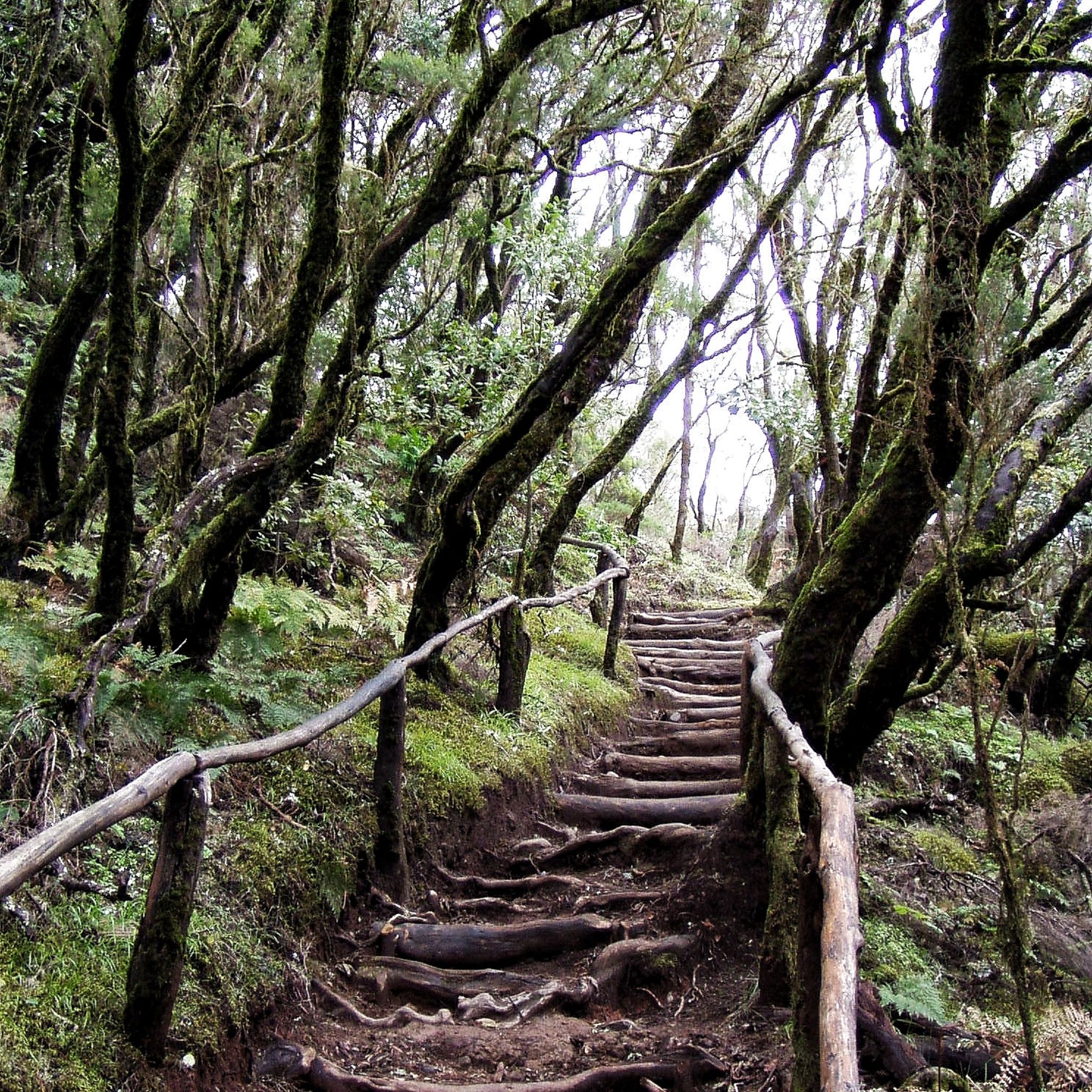
Hiking around Isla De La Gomera
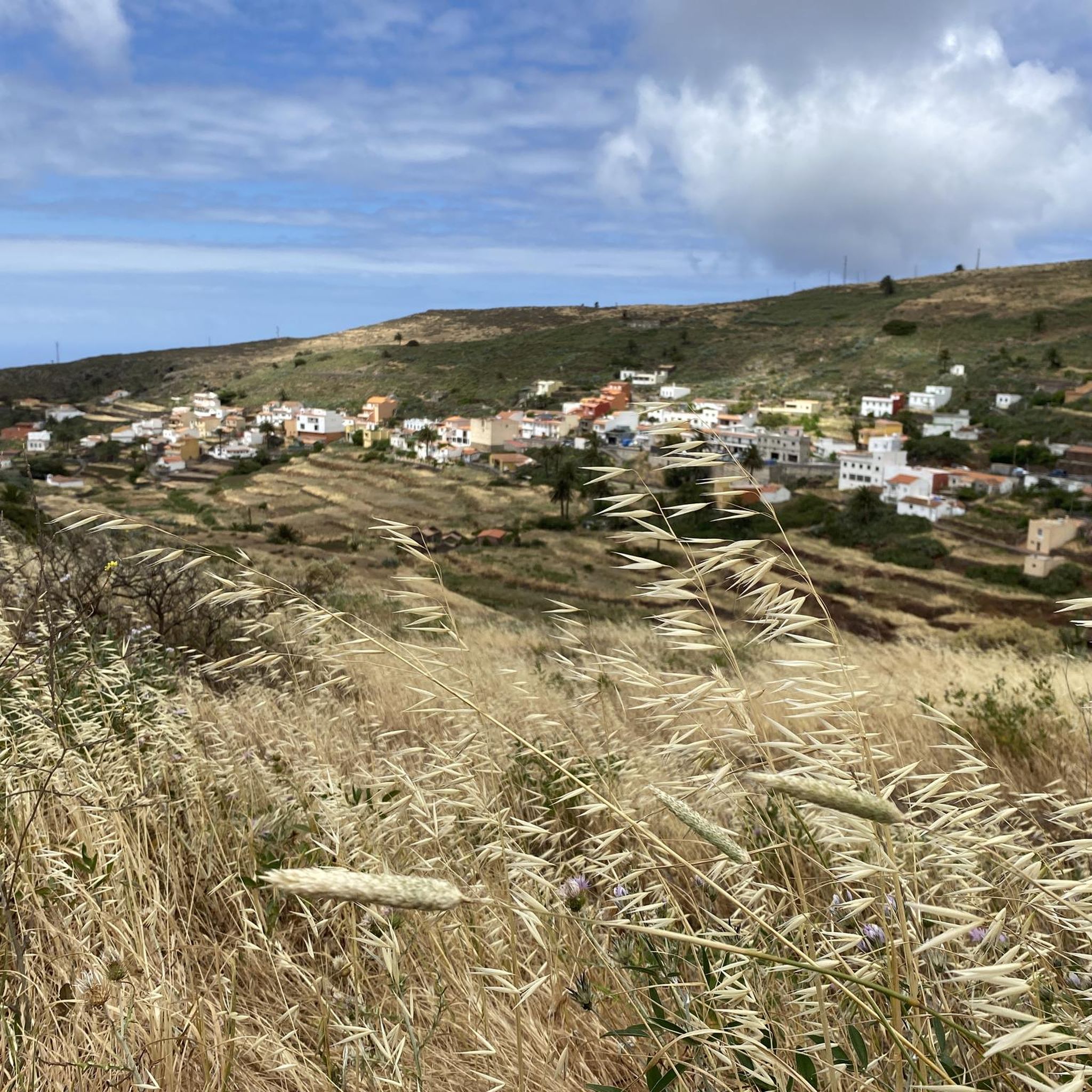
Running Trails around Isla De La Gomera
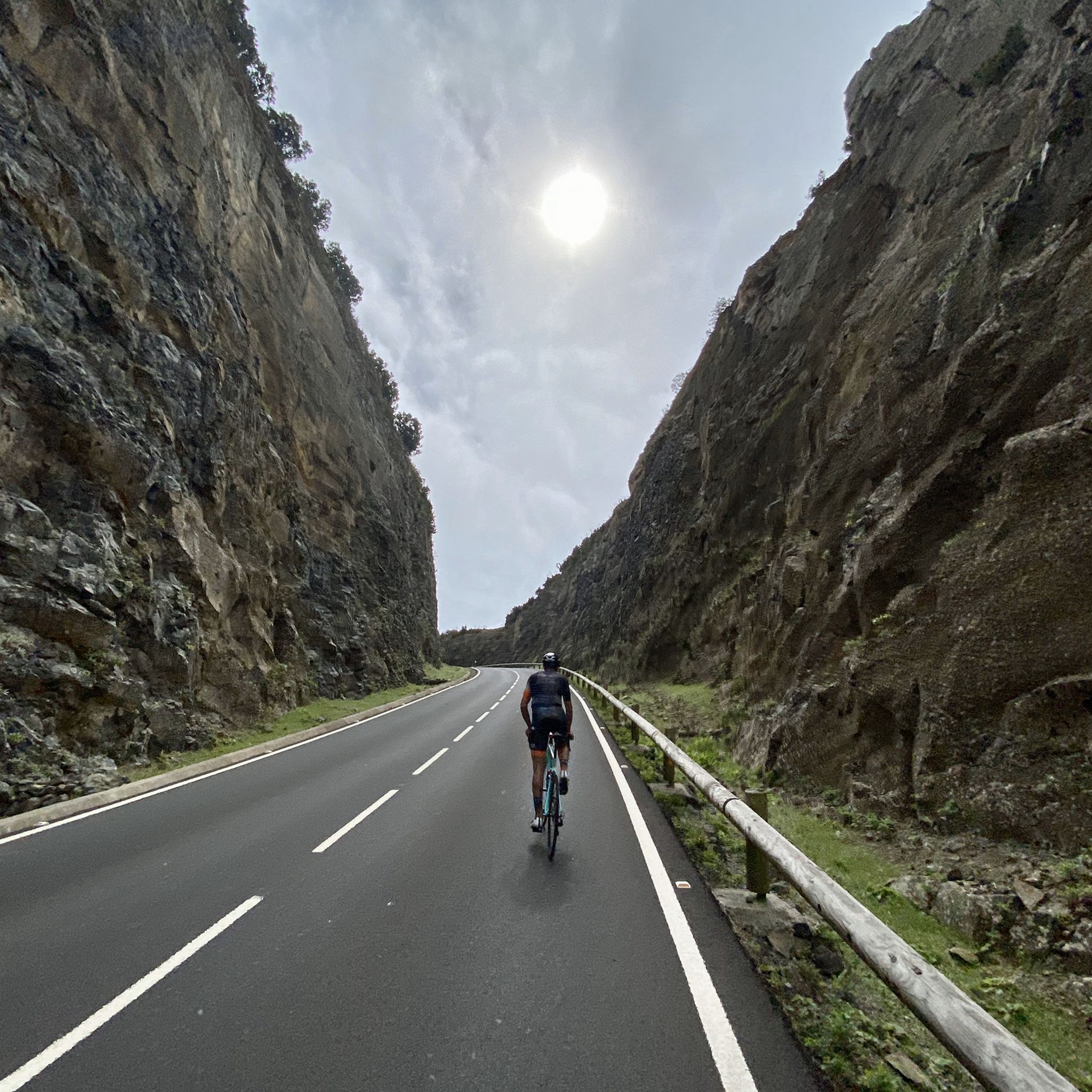
Road Cycling Routes around Isla De La Gomera
MTB Trails around Isla De La Gomera
Cycling around Isla De La Gomera
Other adventures around Isla De La Gomera


Tips from the Community

From the summit of Teguerguenche, there's a breathtaking view of the sea and the surrounding nature 💚. The hiking trail leads along the bay of La Pantilla.
4
0
I was able to take this photo on the hike to Table Mountain.
0
0

A tip? Unfortunately, it is overcrowded on weekends and holidays due to the nearby car park. If you only drive to the car park and then walk to the summit in 10 minutes and then don't take a circular hike up here into the forests of the north and the maquis of the south, you haven't gotten to know the island...
4
0

Geologically, the Fortaleza, like the Roques typical of the Canary Islands, is an ancient volcanic vent filled with magma. It was formed in the most recent volcanic phase of La Gomera around 4.36 million years ago, a so-called cryptodome, whose magma did not penetrate to the surface but solidified in the volcanic vent. Due to the rock's greater resistance to weathering, the table mountain withstood millions of years of erosion better than the rock layers in its surroundings, and voilá, a barranco on the right, a barranco on the left and our magnificent specimen in between! The Fortaleza also has something to offer archaeologically: it is one of the most important archaeological sites in La Gomera. On the summit there are structures made of dry stone masonry that date back to pre-Hispanic times. In addition to the remains of residential buildings and grazing pens, 25 sacrificial altars were found. Later, there were fights with the Spanish here, and there are various legends. Wikipedia tells of an event in the early 15th century: The conqueror Fernando de Castro had landed on La Gomera and killed or wounded the brother of King Amaluige. To escape the anger of the locals, he and his men were able to retreat to a very high cliff (probably the Fortaleza) far from the sea, which only had access on one side. After two days of siege, he was allowed to leave in exchange for clothes and weapons. Another legend goes like this: The last resistance fighters are said to have retreated to the Fortaleza. In the end, they made a tragic decision: to avoid both an agonizing death from starvation and submission to the Spanish, they threw themselves down the Fortaleza.
1
0

This special rock wall towers above the green valley. Unique view from this point.
1
0

Outside of this global environment. You could be forgiven for thinking you are on Mars in La Gomera. The hike to the top of Monte el Cepo, which towers over Agulo, will give you spectacular views and images to remember.
0
0
In the end of the world. The Teguerguenche peak above La Puntilla bay is the end of the trail before returning to the valley. You can almost feel yourself suspended in the air above the vast blue ocean.
0
1

You can see this impressive rock while descending to San Sebastián la Gomera, there is a viewpoint worth the stop to feel the immensity of the valley
1
0
Frequently Asked Questions
What are some of the most popular mountain peaks to visit on La Gomera?
La Gomera offers several popular peaks and elevated natural features. Among the most highly regarded are Alto de Garajonay, the island's highest point, known for its panoramic views. Another significant site is Fortaleza of Chipude, an iconic table mountain with historical importance. Additionally, Roque de Agando, a striking volcanic rock tower, is a must-see natural monument.
What is the highest point on La Gomera, and what can I expect there?
The highest point on La Gomera is Alto de Garajonay, reaching an elevation of 1,487 meters (4,879 ft). Located within the Garajonay National Park, the ascent often leads through mystical laurisilva forests. From the summit, on clear days, you can enjoy breathtaking panoramic views across the entire island and even spot Mount Teide on Tenerife. It was also a sacred site for the island's aboriginal inhabitants.
Are there any mountain peaks with historical significance on La Gomera?
Yes, several peaks hold historical importance. Alto de Garajonay was a sacred site for the island's aboriginal inhabitants, with archaeological findings suggesting it served as a sanctuary. Similarly, Fortaleza of Chipude, a dramatic volcanic massif, was also considered a sacred place of worship by the ancient Gomeros.
Where can I find the best panoramic views of La Gomera and beyond?
For exceptional panoramic views, head to Alto de Garajonay, which offers vistas across the entire island and to Tenerife on clear days. The summit of Fortaleza of Chipude also provides magnificent views over La Gomera and neighboring islands. For a unique experience, the Mirador de Abrante offers a floating glass-floored viewpoint with breathtaking views of Agulo and Mount Teide.
Are there family-friendly mountain peaks or viewpoints on La Gomera?
While many trails require some effort, certain viewpoints and natural monuments are more accessible. Roque de Agando is easily admired from a roadside viewpoint, making it suitable for families. The general area around Garajonay National Park also offers various trails, some of which are less strenuous, allowing families to enjoy the unique laurisilva forests and natural beauty.
What kind of natural features can I expect to see around La Gomera's peaks?
La Gomera's peaks are surrounded by diverse natural features. You'll encounter ancient laurisilva forests, particularly within Garajonay National Park, characterized by moss-draped trees and a humid atmosphere. Volcanic formations are prominent, such as the dramatic Roque de Agando and the other rocks of the Los Roques Natural Monument, which are ancient volcanic chimneys. Many peaks also offer stunning viewpoints.
Are there hiking trails near these mountain peaks?
Yes, the mountain peaks of La Gomera are excellent starting points for various hiking trails. For instance, the Gran Ruta 18 is a circular trail within Garajonay National Park that includes Alto de Garajonay. You can find numerous routes, including moderate and difficult options, for mountain hikes around the island. Explore more options in the Mountain Hikes around Isla De La Gomera guide.
What are some challenging mountain climbs on La Gomera?
For those seeking a challenge, the ascent to Fortaleza of Chipude is considered challenging, requiring surefootedness and sturdy footwear, with some sections where you might need to use your hands. Other challenging routes can be found in the Mountain Hikes around Isla De La Gomera guide, such as the 'Dangerous Rockfall loop from Vallehermoso'.
What other notable elevated natural features offer great views?
Beyond the main peaks, several other elevated features provide spectacular views. Cumbre de Chigueré offers beautiful vistas. Mount El Cepo is another summit with intermediate trails and viewpoints. Additionally, View from the Las Pilas summit and ruins provides spectacular panoramic views of La Puntilla Bay and the Gran Rey Valley.
Can I find viewpoints that are easily accessible by road?
Yes, some stunning viewpoints are easily accessible. The Roque de Agando can be admired from a viewpoint directly on the GM-2 road. The Mirador de Abrante, while a destination in itself, is also accessible and offers its famous glass-floored platform. The Los Roques Natural Monument, including Roque de Agando, can be easily admired from various lookout points along the GM-2 road.
What do visitors enjoy most about the mountain peaks of La Gomera?
Visitors frequently praise the breathtaking panoramic views from summits like Alto de Garajonay and Fortaleza of Chipude. The unique experience of hiking through the ancient laurisilva forests within Garajonay National Park is also a highlight. Many appreciate the sense of history and the dramatic volcanic landscapes, such as Roque de Agando, which offer incredible photo opportunities.
Are there opportunities for cycling near La Gomera's mountain peaks?
Yes, La Gomera's mountainous terrain also attracts cyclists. You can find various road cycling routes that traverse the island's landscapes, including challenging climbs like the 'Garajonay Climb from San Sebastián de la Gomera'. These routes often pass near or offer views of the prominent peaks. More details can be found in the Road Cycling Routes around Isla De La Gomera guide.
Most popular routes around Isla De La Gomera
Most popular attractions around Isla De La Gomera

Get inspired with the komoot mobile app


Didn’t find what you were looking for?
Discover Isla De La Gomera’s best peaks and summits by region:
Explore more
See even more amazing summits around Isla De La Gomera with these guides:
