The 20 Most Amazing Peaks around Isla De La Palma
Best mountain peaks around Isla De La Palma are characterized by dramatic volcanic terrain and diverse landscapes. The island features numerous peaks, including the highest point, Roque de los Muchachos, which is part of the Caldera de Taburiente National Park. This region offers a variety of impressive mountain peaks, each presenting unique geological features. Visitors can explore ancient volcanic formations, deep calderas, and expansive views across the island and to neighboring Canary Islands.
Best mountain peaks around Isla De La…
Last updated: October 10, 2026
Roque de los Muchachos
Highlight • Summit
Translated by Google •
Tip by

Pico Bejenado
Highlight • Summit
Translated by Google •
Tip by

Sign up now to discover places like this
Get recommendations on the best single tracks, peaks, & plenty of other exciting outdoor places.
Teneguía Volcano
Highlight • Volcano
Translated by Google •
Tip by

Martín Volcano
Highlight • Volcano
Translated by Google •
Tip by

Pico de la Nieve (Snow Peak)
Highlight • Summit
Showing Translation
Tip by
Birigoyo Peak
Highlight • Summit
Translated by Google •
Tip by

Pico Fuente Nueva
Highlight • Summit
Translated by Google •
Tip by
Pico Bejenado summit
Highlight • Summit
Translated by Google •
Tip by

Trail to Pico Bejenado
Highlight • Trail
Translated by Google •
Tip by
Raven Rock
Highlight • Viewpoint
Translated by Google •
Tip by
Sign up for free to discover even more peaks around Isla De La Palma.
Already have an account?
Start today with a free account
Your next adventure awaits.
Popular around Isla De La Palma
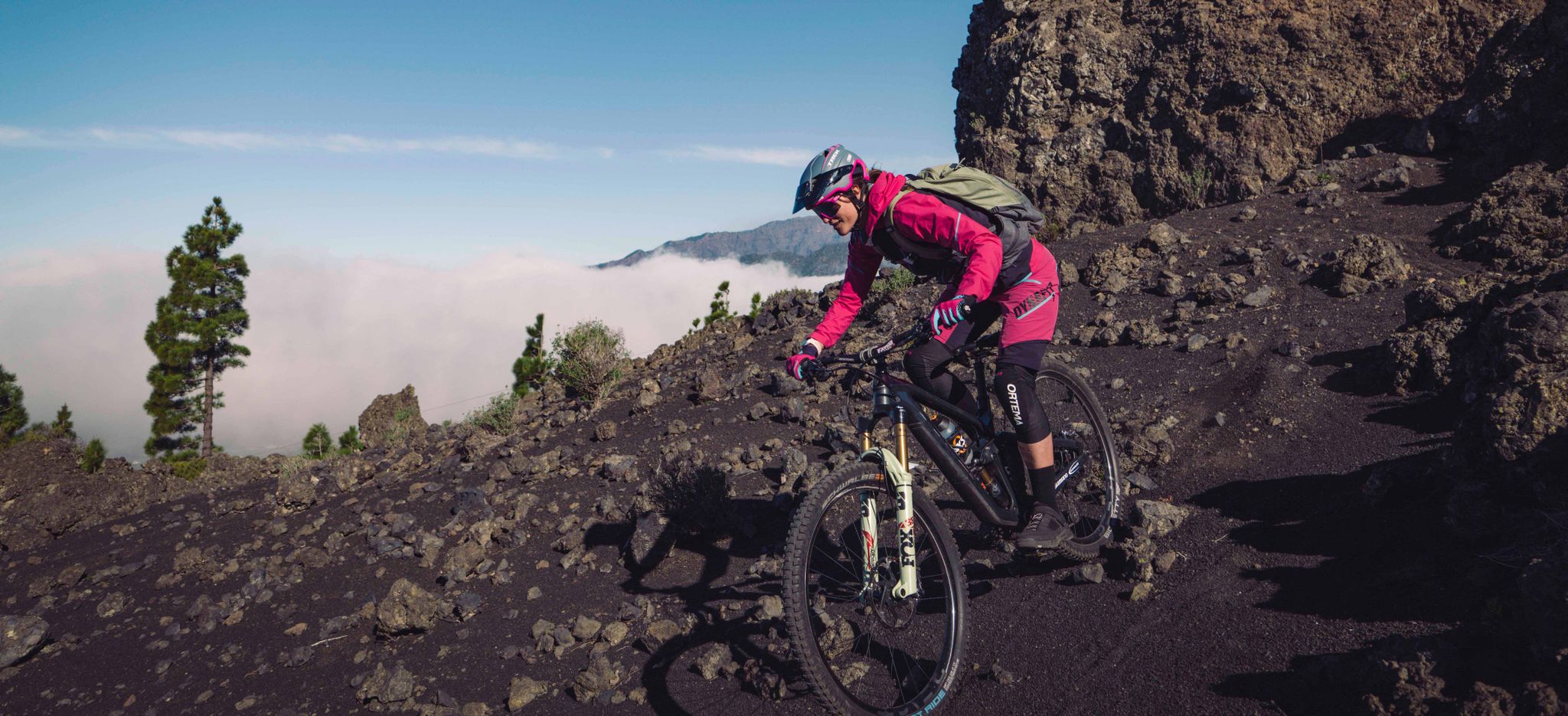
La Palma – my favourite Tours on the Canary Islands’ Isla Bonita
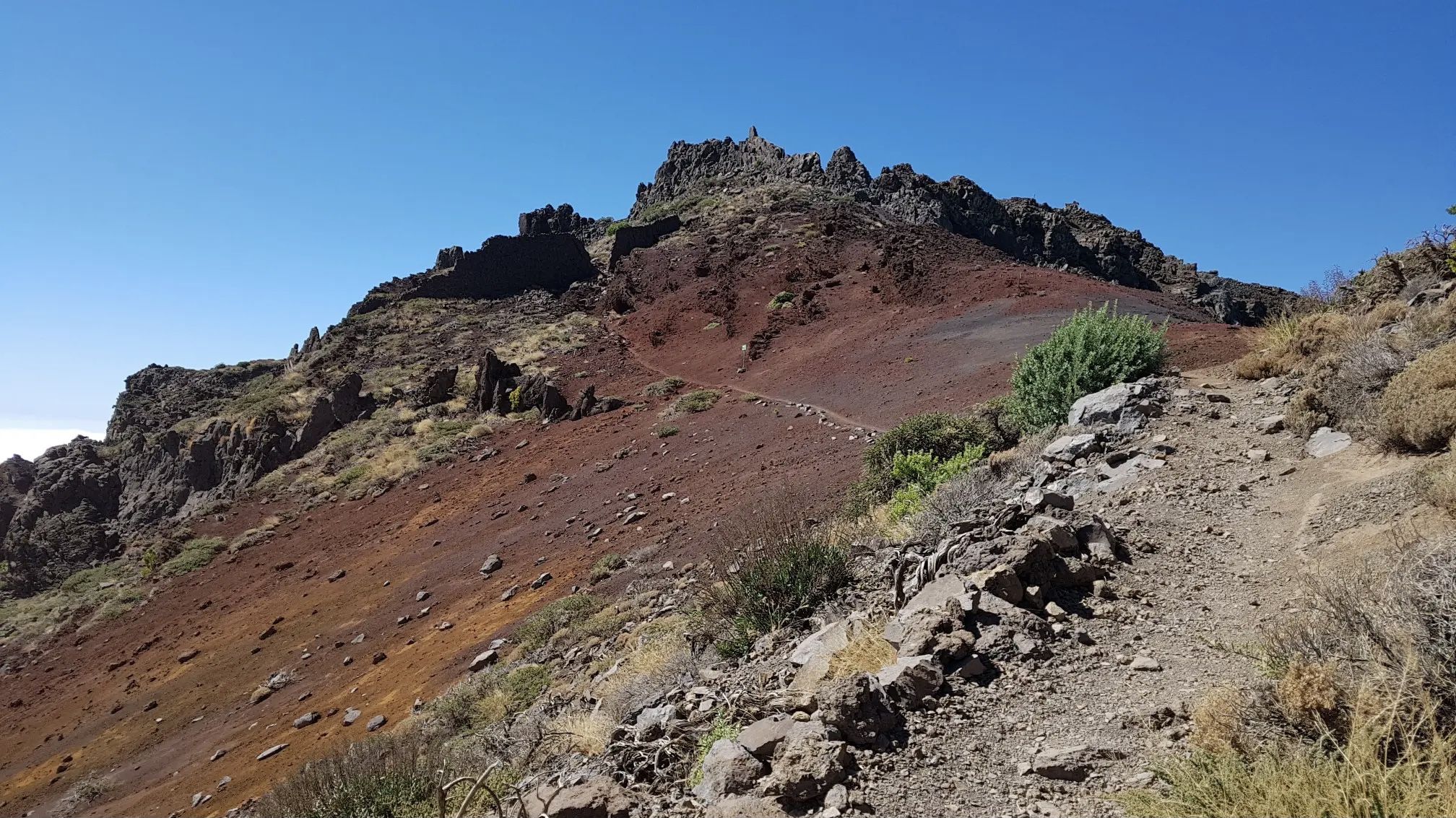
GR 131 El Bastón – La Palma in all its splendour
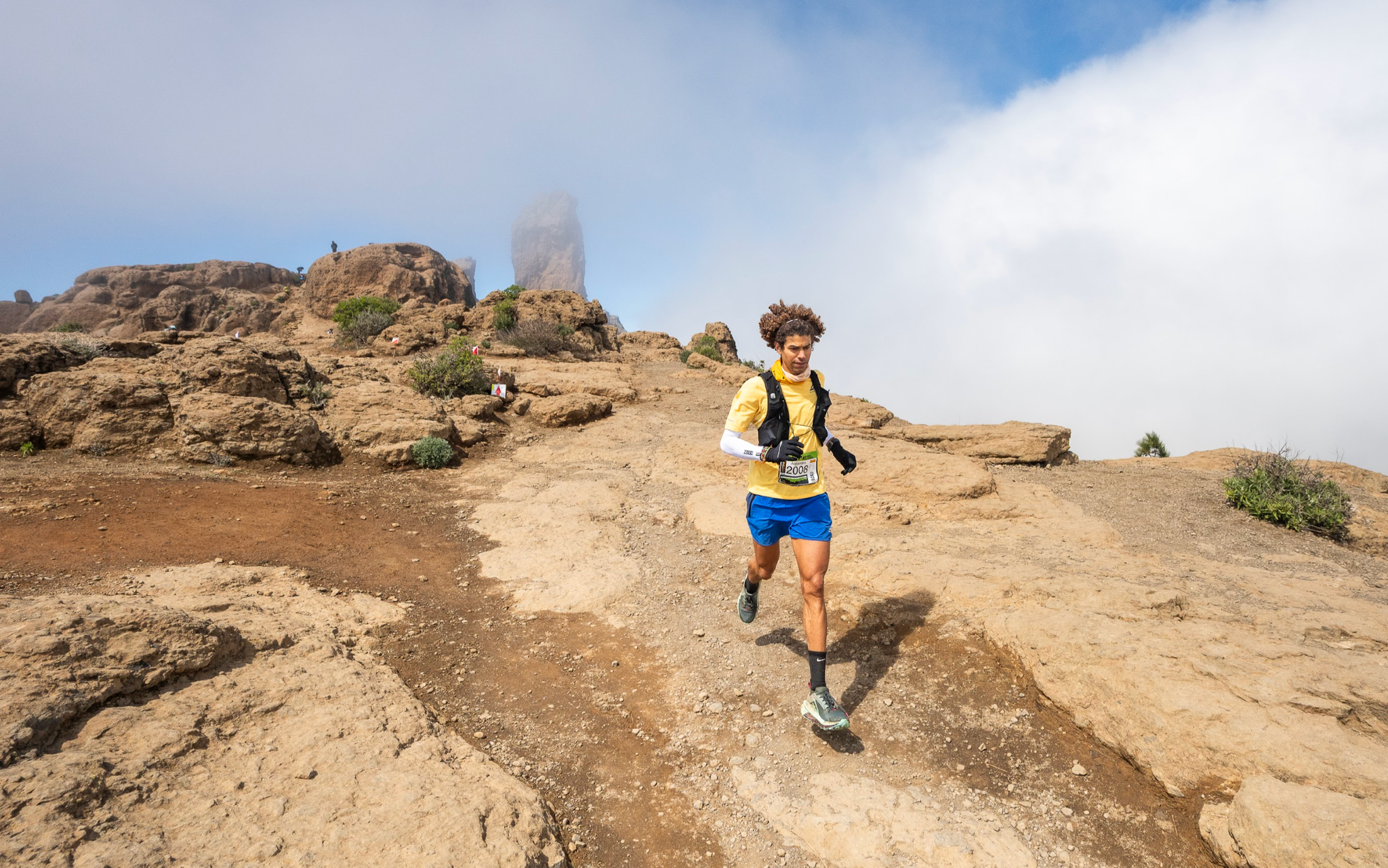
Trail on the Canary Islands – discover the legendary races!
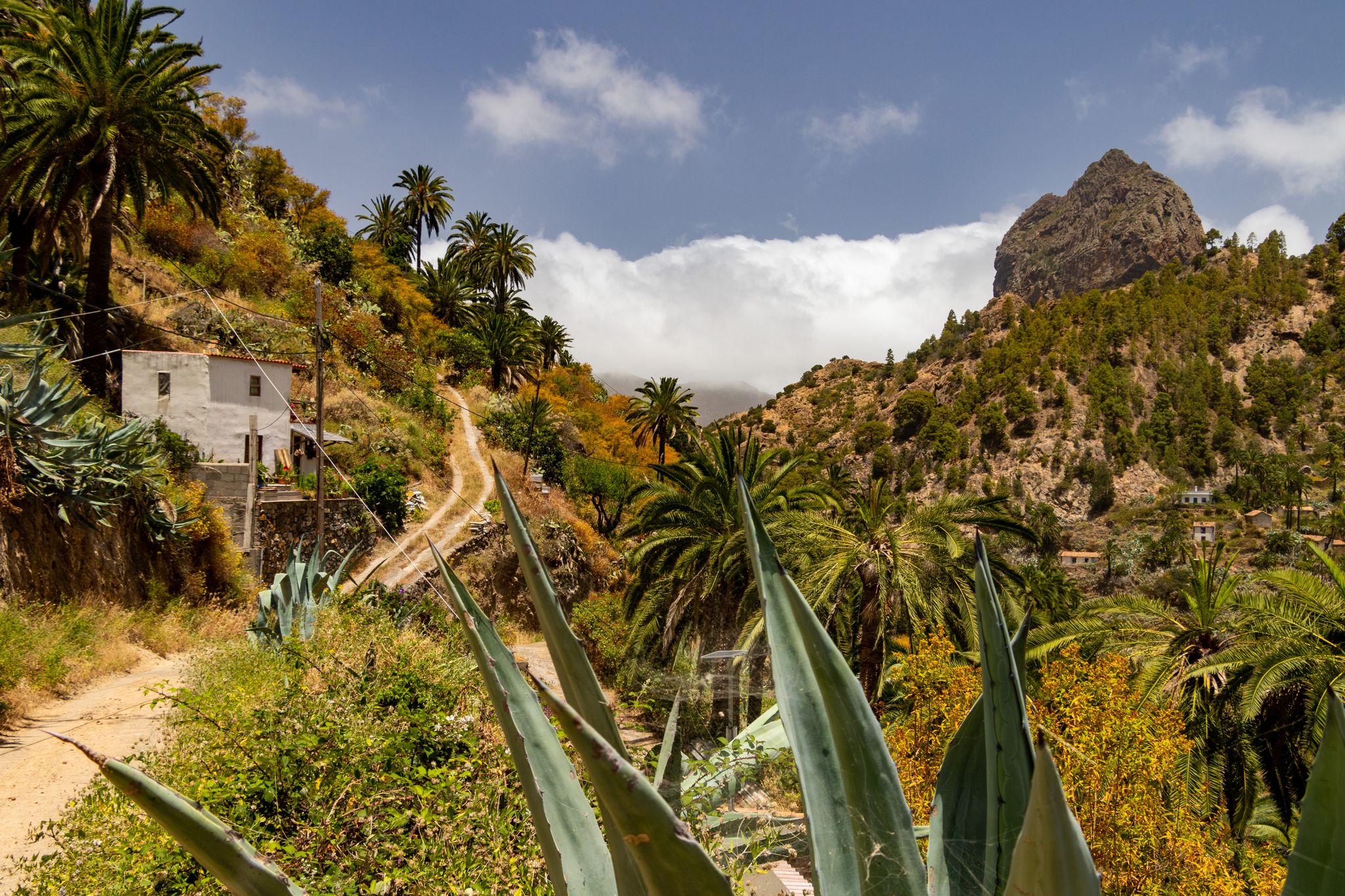
La Palma, El Hierro y La Gomera – explore the Canaries’ Green Islands on foot
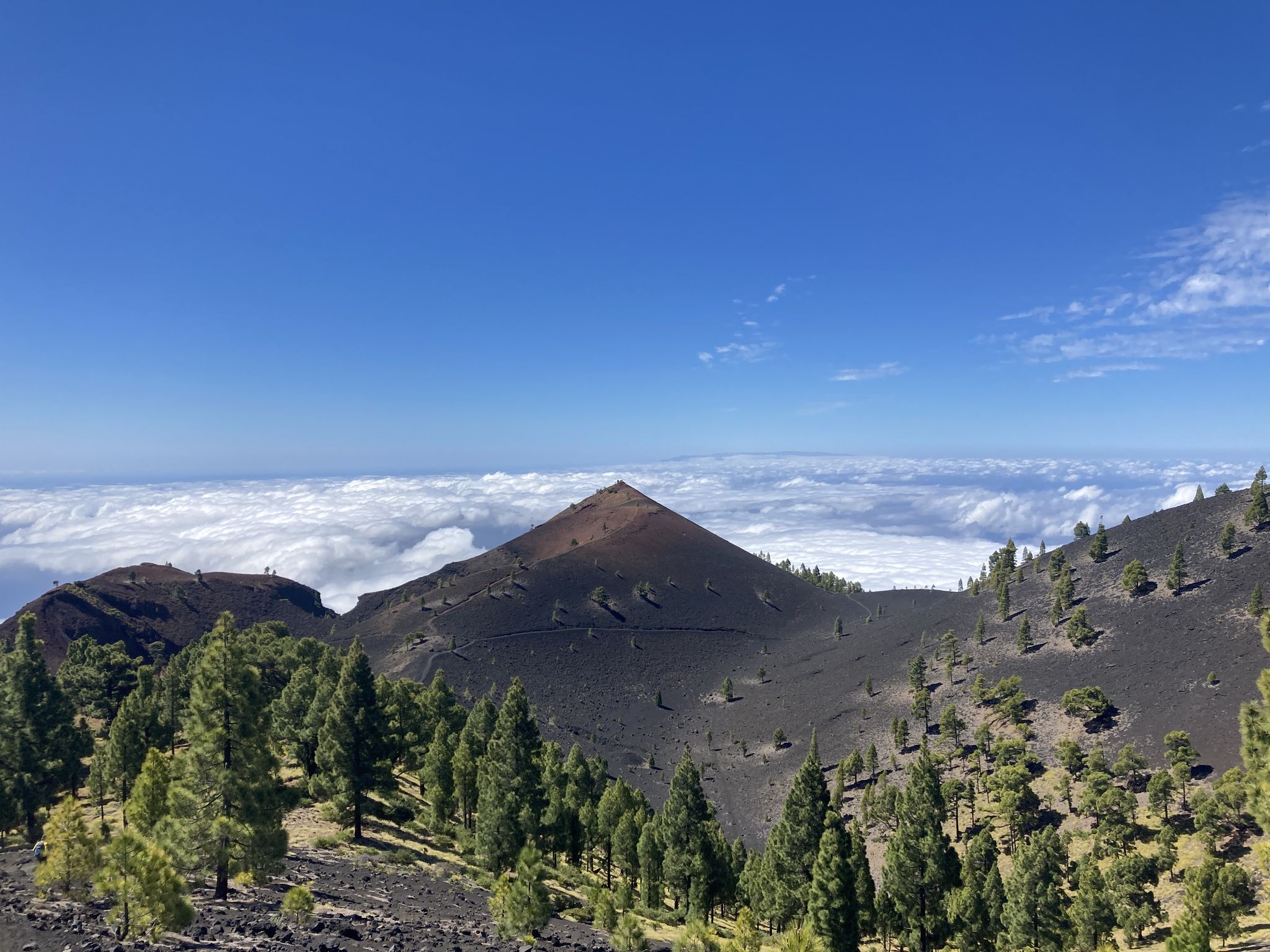
Transvulcania - traverse la Palma in the Canary Islands on the GR 131
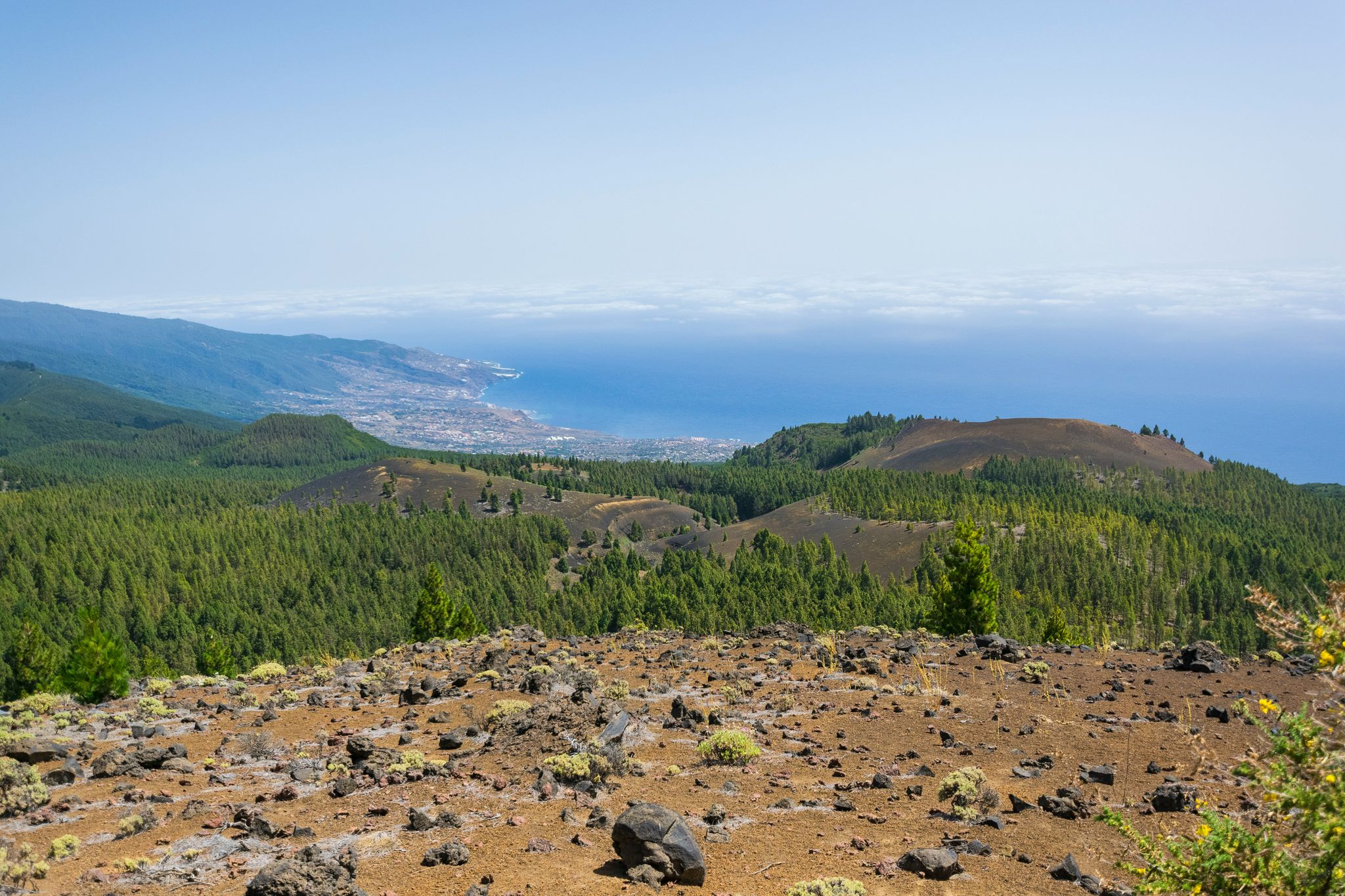
Around the beautiful island – La Palma Nature Trail (GR 130)
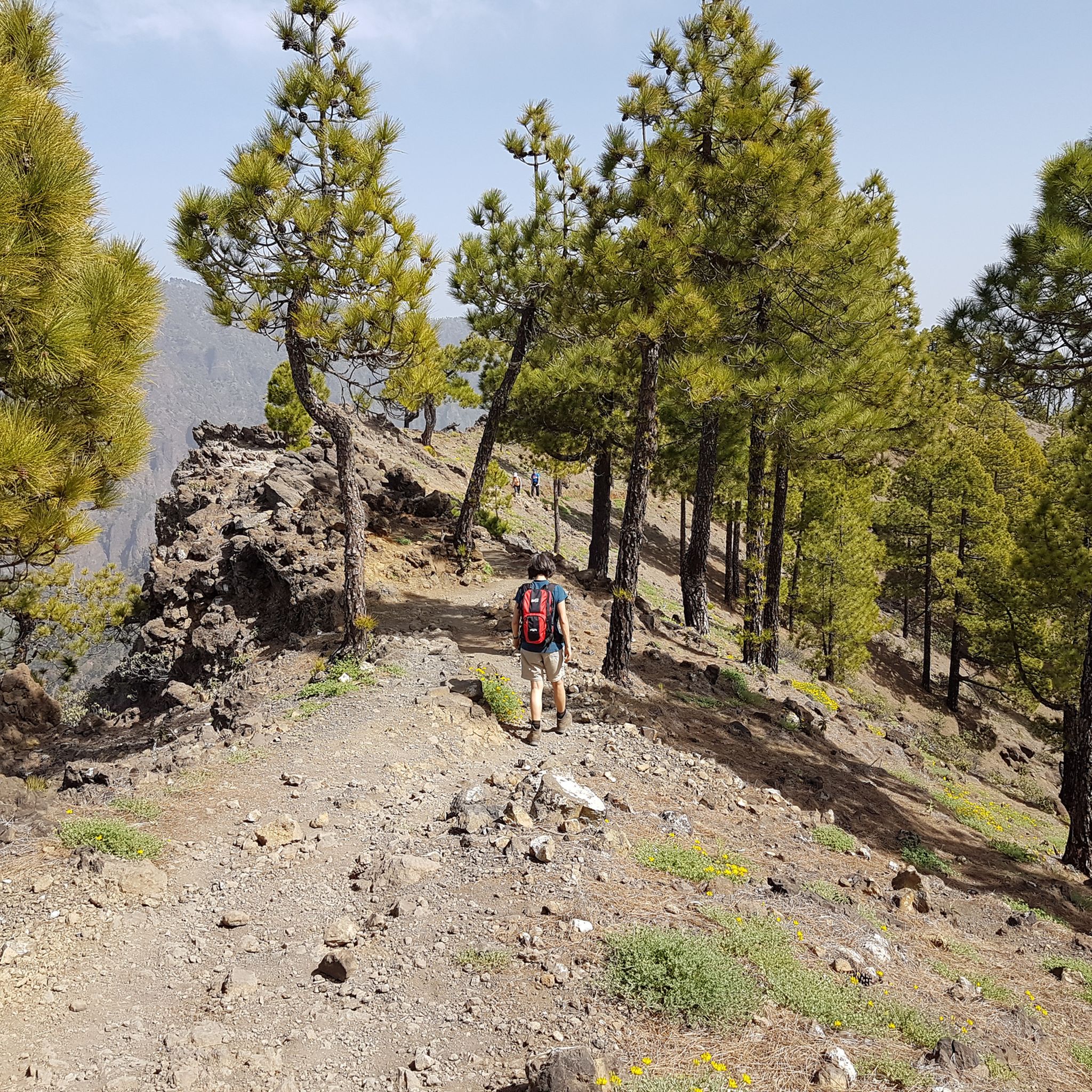
Hiking around Isla De La Palma
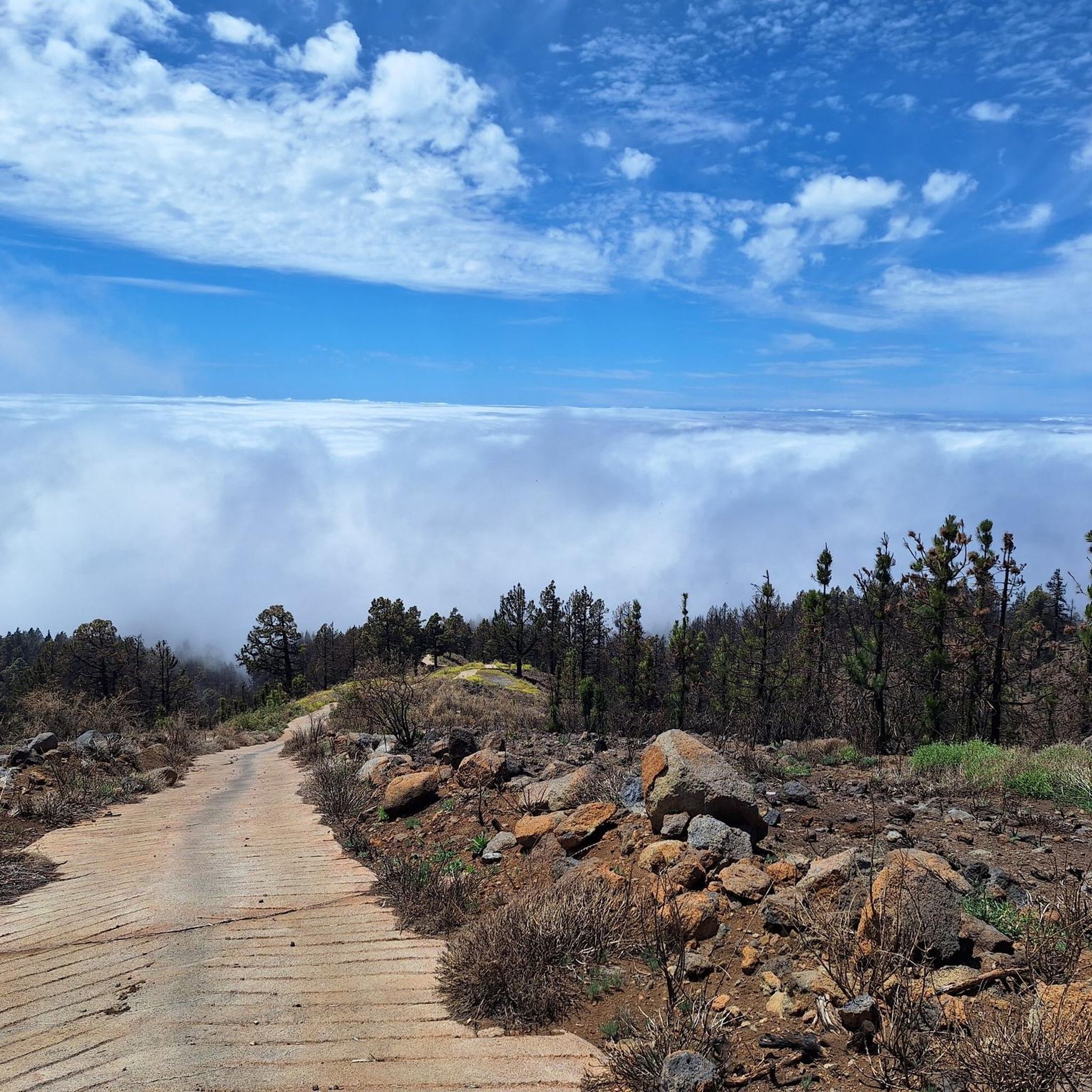
Running Trails around Isla De La Palma
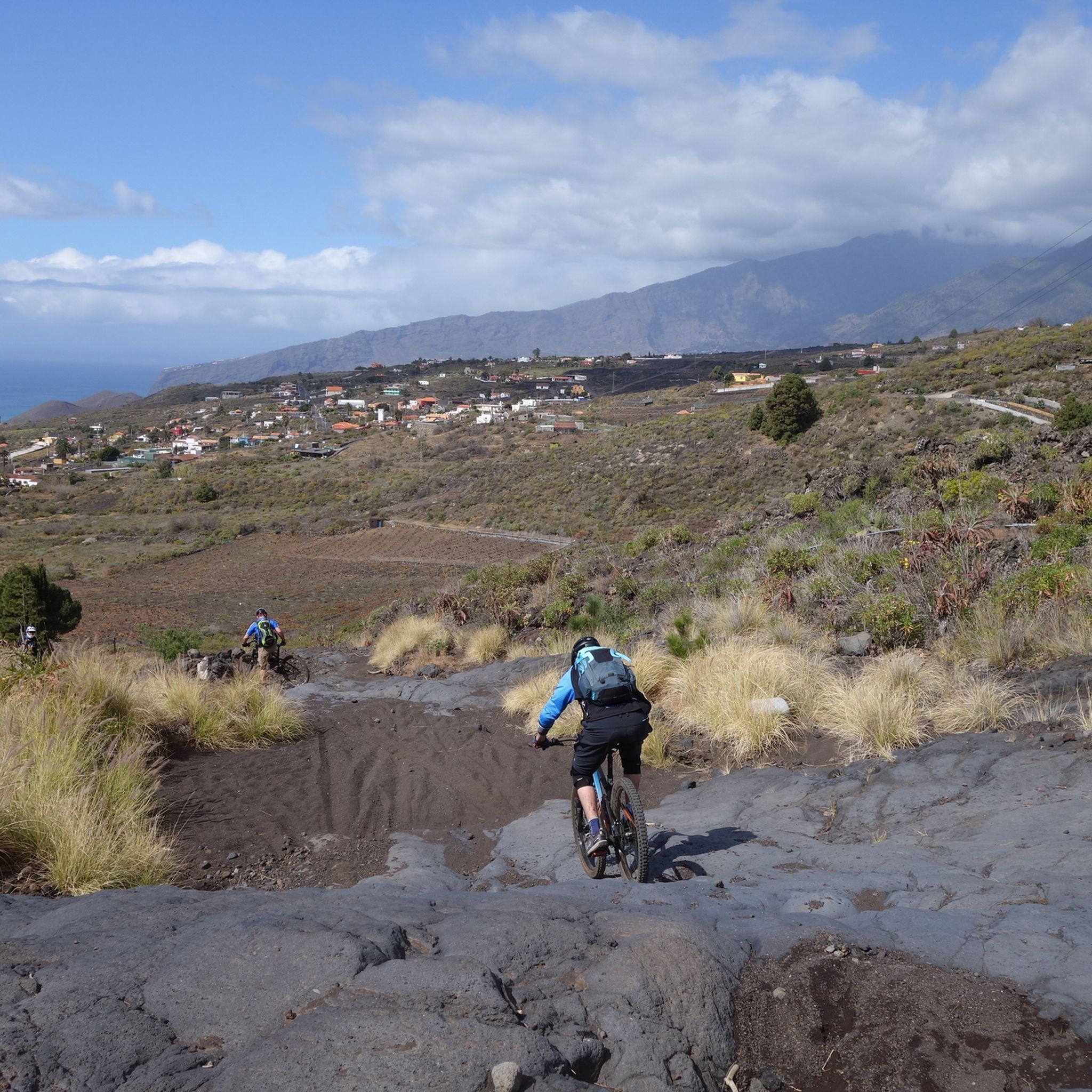
MTB Trails around Isla De La Palma
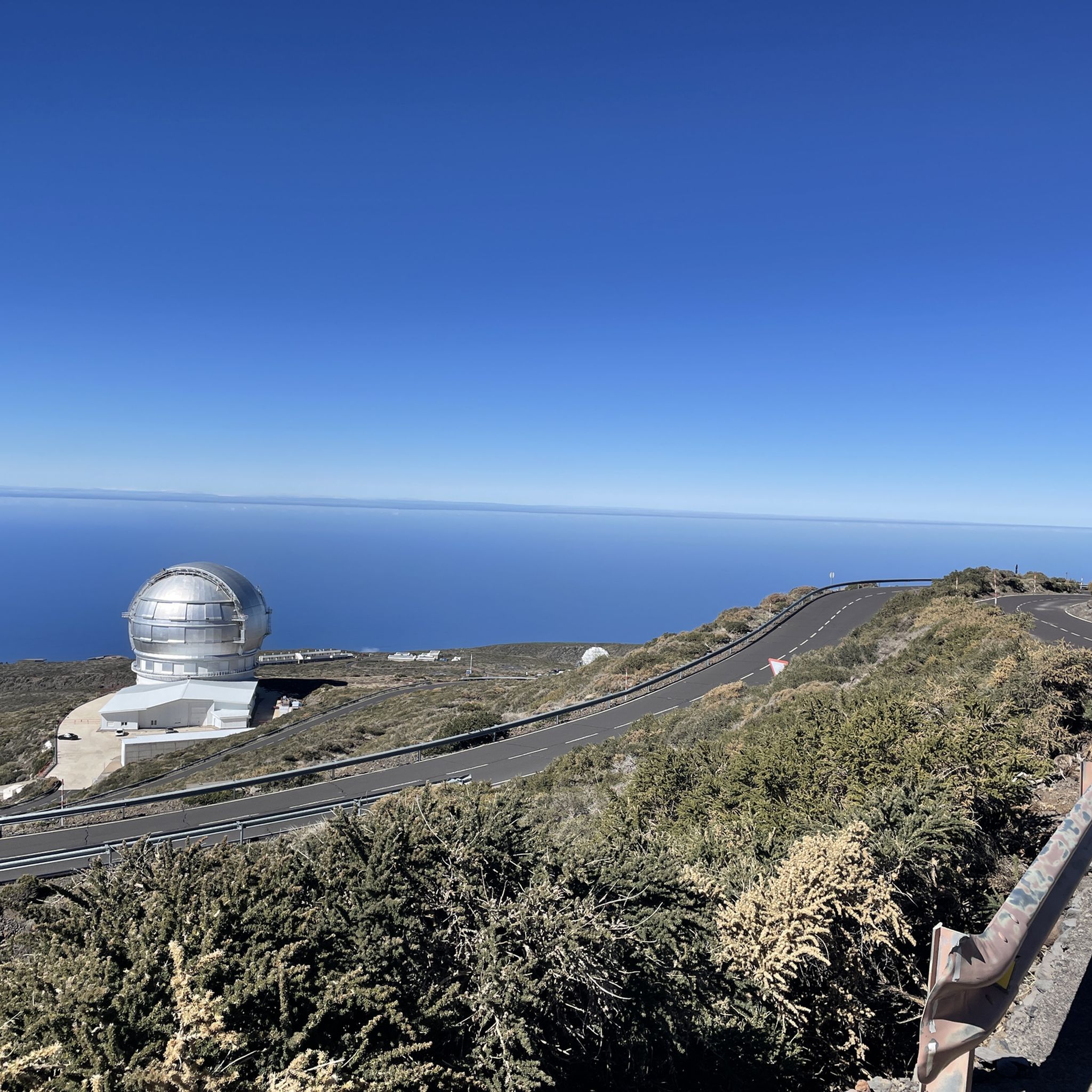
Road Cycling Routes around Isla De La Palma
Other adventures around Isla De La Palma


Tips from the Community

Standing in front of a volcano is quite an experience. A look into the crater is a must!
0
0


Please do not feed the namesakes of the "Rock of Ravens", who can often be seen in person (strictly forbidden!)
0
0

Magnificent view, 2,366 meters above sea level - the second highest point on La Palma after the Roque de los Muchachos.
0
0

Very nice hike to the summit. When the weather is clear, you have a spectacular panoramic view. The entire Caldera de Taburiente is visible. It's simply amazing up there...
0
0
From here you have a fantastic view of the Cumbre de Taburiente. Simply fantastic after a great climb.
0
1
Great mountain peak! Great view of the Caldera de Taburiente. The climb is a must. A bit steep but easy to do.
0
0
Frequently Asked Questions
What are some of the most popular mountain peaks to hike in Isla de La Palma?
Isla de La Palma offers several popular and impressive peaks. The most renowned is Roque de los Muchachos, the island's highest point, famous for its astronomical observatories and panoramic views. Another highly regarded peak is Pico Bejenado, which provides magnificent views over the Caldera de Taburiente. Visitors also appreciate Pico Fuente Nueva, the second highest peak, offering incredible views of the Taburiente caldera.
Are there challenging hiking trails for experienced trekkers in Isla de La Palma's mountains?
Yes, Isla de La Palma is known for its challenging mountain trails. Peaks like Pico Bejenado offer physically demanding ascents with spectacular rewards. The GR-131 trail, which passes through Pico de la Cruz, is also considered a scenic high-altitude trek. Many routes along the Cumbre Vieja, such as the famous Volcano Route, traverse black lava fields and extinct craters, providing a challenging and unique experience.
What unique natural features can I expect to see when exploring the mountain peaks of La Palma?
The mountain peaks of La Palma are characterized by dramatic volcanic terrain. You can expect to see immense calderas, such as the 1,500-meter-deep Caldera de Taburiente, and vast lava fields, particularly around the Cumbre Vieja and Teneguía Volcano. The landscape features striking contrasts, from lush pine forests to stark black sand terrains, and on clear days, you might even observe a 'sea of clouds' below the highest peaks.
Can I visit astronomical observatories while exploring the mountain peaks?
Yes, Roque de los Muchachos, the highest point on La Palma, is globally recognized for its exceptional astronomical observatories. The area benefits from consistently clear skies and minimal light pollution. An onsite visitor center provides insights into the observatories' work, and it's possible to book daytime tours of the facilities.
What is the best time of year to go hiking in the mountains of Isla de La Palma?
The clear skies and high elevation make the mountain peaks of La Palma suitable for hiking for much of the year. However, for optimal conditions, the spring and autumn months generally offer pleasant temperatures and stable weather. During winter, it's essential to be prepared for colder temperatures and potentially strong winds at higher altitudes, and to pack appropriate gear like mittens and warm clothing.
Are there family-friendly options for exploring the mountain peaks on La Palma?
While many trails are challenging, some areas around the mountain peaks offer more accessible experiences. For instance, Roque de los Muchachos is listed as family-friendly, likely due to its visitor center and accessible viewpoints. When planning, look for trails categorized as 'intermediate' or those with shorter distances and less elevation gain, and always check current weather conditions.
What kind of views can I expect from Pico de la Cruz?
From Pico de la Cruz, you can expect expansive and breathtaking views of the Caldera de Taburiente. On days with good visibility, you can also catch glimpses of the neighboring Canary Islands, including El Hierro, La Gomera, and Tenerife. It's considered one of La Palma's most scenic high-altitude trails, offering dramatic volcanic vistas and a sense of peaceful solitude.
What makes the Cumbre Vieja region, including Teneguía Volcano, a unique place to visit?
The Cumbre Vieja is a volcanic ridge that showcases millions of years of intense eruptive activity, including the recent 2021 eruption. The Teneguía Volcano, which erupted in 1971, left behind impressive lava fields that expanded the island's landmass. Visitors can explore these unique landscapes, walk through black lava fields, and even detect warm, sulfurous vapors emanating from the ground, offering a direct connection to the island's geological forces.
Are there any specific permits required for hiking in the Caldera de Taburiente National Park?
While many trails within the Caldera de Taburiente National Park are freely accessible, certain routes, particularly those involving descent into the caldera or overnight stays, may require permits. It's always advisable to check with the National Park visitor center or official sources before your hike to confirm any permit requirements, especially for popular or sensitive areas.
What outdoor activities, besides hiking, can I do near the mountain peaks of Isla de La Palma?
Beyond hiking, Isla de La Palma offers various outdoor activities near its mountain peaks. You can find challenging road cycling routes, such as the circular route from Santa Cruz de la Palma to Hoya Grande, which traverses high-altitude areas. There are also numerous running trails, including challenging circular routes like the 'Colors Waterfall through the Ravine of Anguish' in the Caldera de Taburiente National Park.
What do visitors typically enjoy most about the mountain peaks in Isla de La Palma?
Visitors consistently praise the breathtaking panoramic views from the mountain peaks, often extending to neighboring islands. The sense of solitude and the dramatic volcanic landscapes are also highly valued. Many find the challenging ascents rewarding, especially when culminating in a 360-degree vista. The unique geological formations and the opportunity to witness the island's powerful natural history are also major draws.
Where can I find parking when visiting Roque de los Muchachos?
Parking is available at Roque de los Muchachos, making it accessible for visitors. It's recommended to arrive early, especially during peak season, as it is a popular destination. For more detailed information on access and facilities, you can check the official tourism website: visitlapalma.es.
What should I pack for hiking in La Palma's peaks, especially in winter?
When hiking La Palma's peaks, especially in winter, it's crucial to pack layers. Temperatures can drop significantly at higher altitudes, and strong winds are common. Essential items include a windproof jacket, warm layers, a hat, gloves or mittens, sturdy hiking boots, and plenty of water. Even in warmer months, a light jacket is advisable for the cooler mountain air.
Most popular routes around Isla De La Palma
Most popular attractions around Isla De La Palma

Get inspired with the komoot mobile app


Didn’t find what you were looking for?
Discover Isla De La Palma’s best peaks and summits by region:
Explore more
See even more amazing summits around Isla De La Palma with these guides:
